
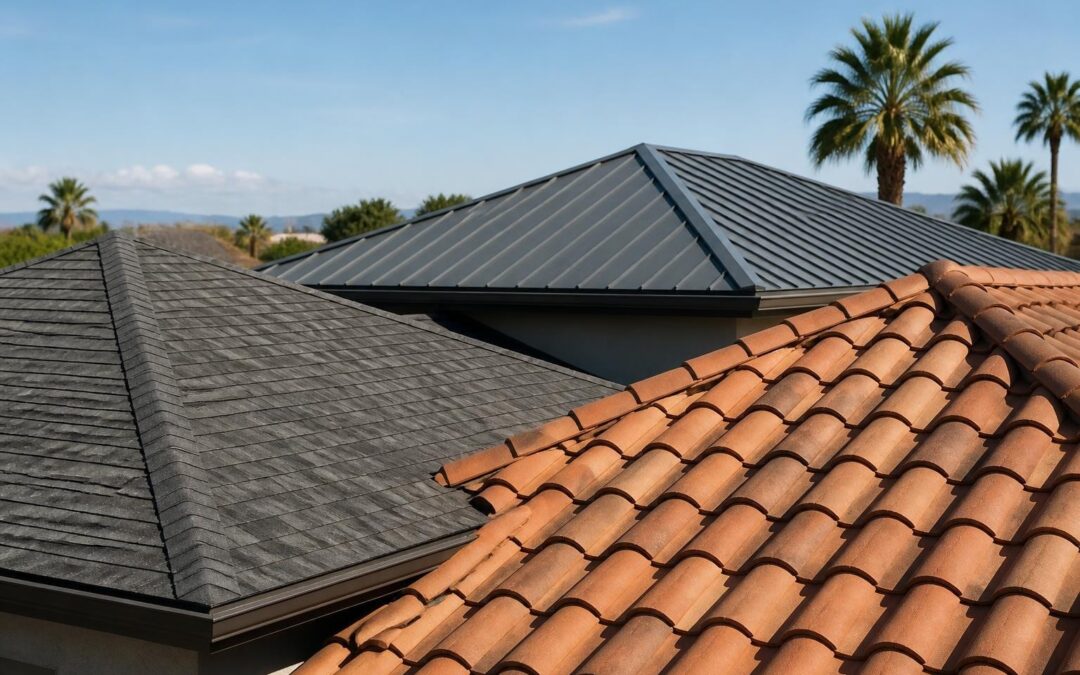
Choosing the best roofing for your home represents one of the most significant investments you will make in your property. The right roofing system protects your family, belongings, and structural integrity while enhancing curb appeal and energy efficiency. In Los Angeles and surrounding areas, where diverse weather patterns range from intense sun exposure to occasional heavy rains, selecting appropriate roofing materials and working with qualified professionals becomes even more critical. This comprehensive guide explores what constitutes the best roofing practices, materials, and installation methods to help property owners make informed decisions that deliver lasting value and performance.
Understanding What Makes the Best Roofing Systems
The best roofing systems combine several essential elements that work together to provide comprehensive protection. Material quality, proper installation techniques, climate appropriateness, and long-term maintenance all contribute to overall performance.
Durability stands as the foundation of any superior roofing system. A roof must withstand decades of exposure to ultraviolet radiation, temperature fluctuations, wind, rain, and mechanical stress. The best roofing materials maintain structural integrity and protective capabilities throughout their expected lifespan without premature deterioration.
Weather resistance tailored to regional conditions separates adequate roofs from exceptional ones. Los Angeles properties face unique challenges including intense sunlight, occasional heavy rainfall, and seismic activity. According to guidance from the National Roofing Contractors Association, selecting materials suited to local climate conditions significantly extends roof life and reduces maintenance requirements.
Key Performance Indicators for Superior Roofs
When evaluating roofing options, several measurable factors determine quality:
- Wind resistance ratings that meet or exceed local building codes
- Impact resistance for protection against hail and debris
- Fire resistance classifications for safety and insurance considerations
- Thermal performance affecting energy costs and indoor comfort
- Warranty coverage reflecting manufacturer confidence in product longevity
| Performance Factor | Minimum Standard | Best-in-Class |
|---|---|---|
| Wind Resistance | 60 mph | 130+ mph |
| Impact Rating | Class 2 | Class 4 |
| Fire Rating | Class C | Class A |
| Solar Reflectance | 0.25 | 0.65+ |
| Warranty Period | 20 years | 50+ years |
Top Roofing Materials for Residential Applications
Different roofing materials offer distinct advantages, making material selection a crucial decision in achieving the best roofing outcome for your specific needs and budget.
Asphalt Shingles: Versatile and Cost-Effective
Asphalt shingles dominate the residential roofing market due to their balance of performance, aesthetics, and affordability. Modern asphalt shingles roof systems offer exceptional value, with fiberglass-based products providing superior fire resistance and dimensional stability compared to older organic formulations.
Architectural shingles represent the premium tier of asphalt roofing, featuring enhanced thickness, texture, and durability. These products typically carry 30 to 50-year warranties and offer wind resistance ratings up to 130 miles per hour. Their dimensional appearance creates visual depth that mimics the look of premium materials at a fraction of the cost.
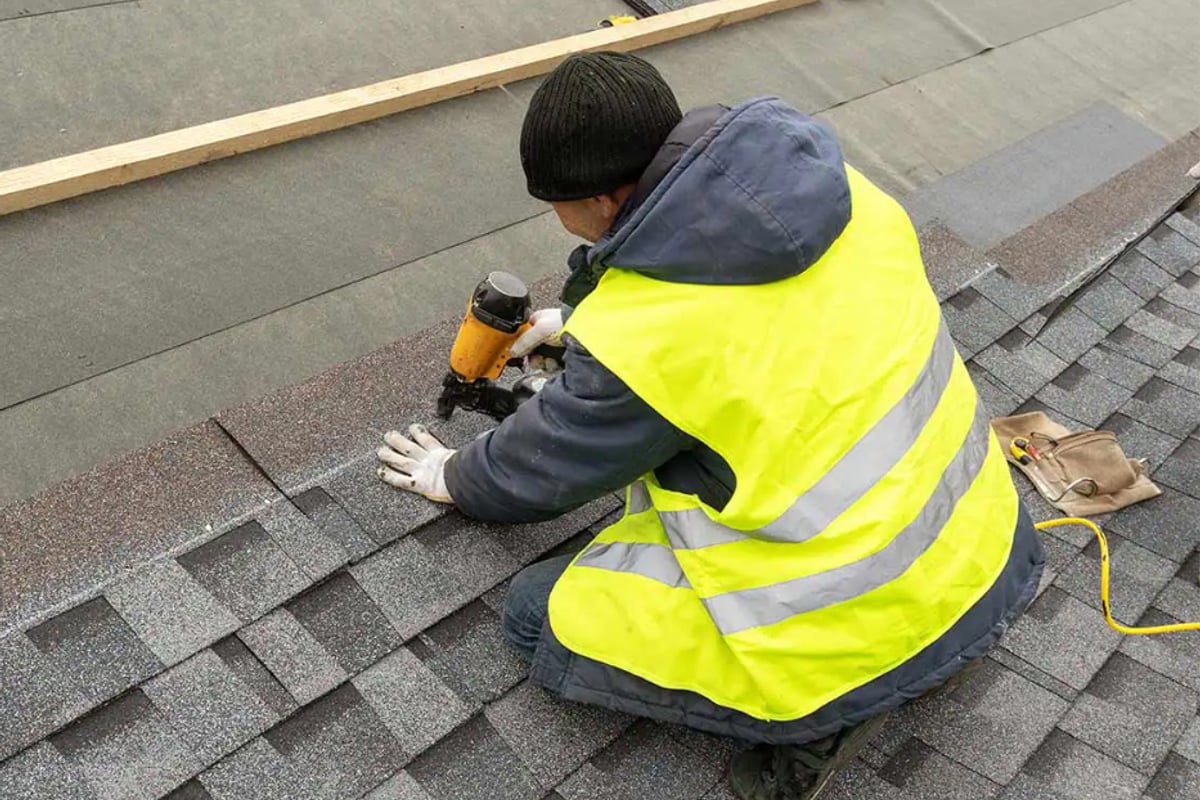
The best roofing contractors emphasize proper installation techniques for asphalt shingles, including adequate ventilation, ice and water barrier application in vulnerable areas, and correct fastener placement. These details separate satisfactory installations from exceptional ones that maximize material performance and longevity.
Clay and Concrete Tiles: Mediterranean Elegance
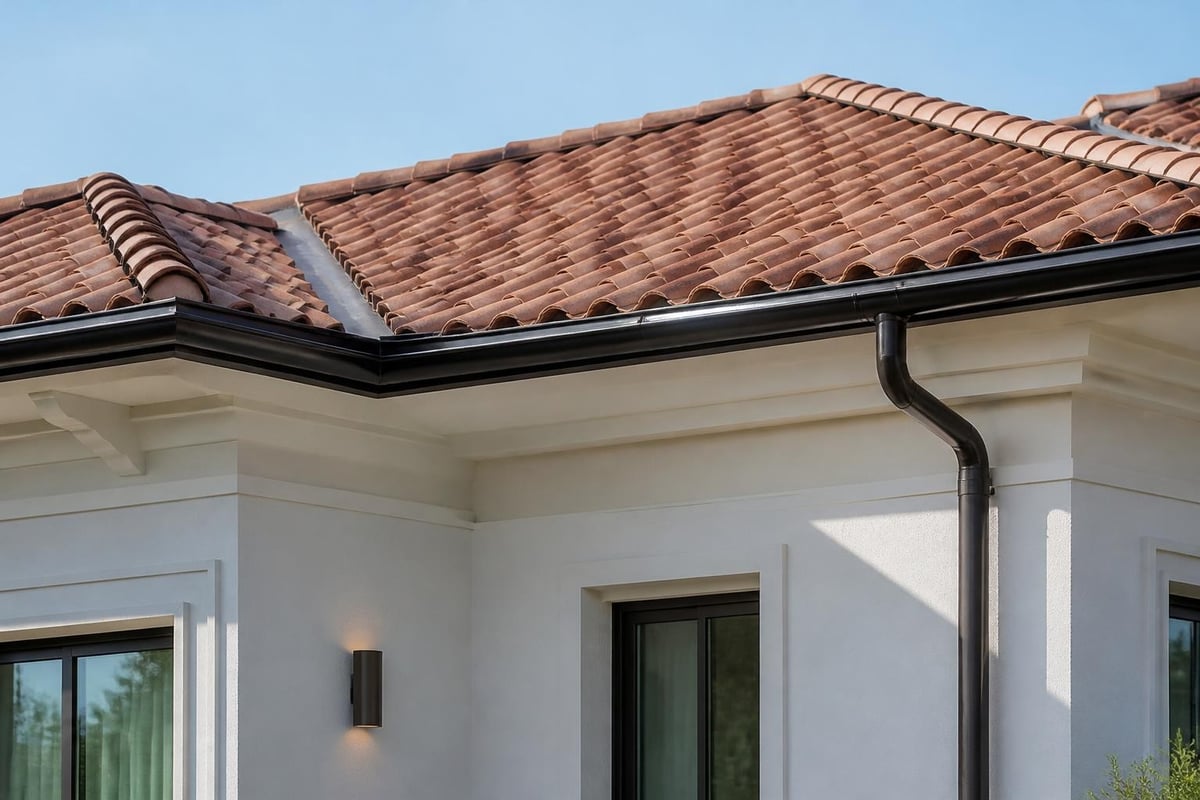
Tile roofing systems deliver unmatched longevity and distinctive aesthetics particularly suited to Los Angeles architecture. Clay tiles offer natural beauty and can last 75 to 100 years with proper maintenance, while concrete tiles provide similar durability at lower initial cost.
Benefits of tile roofing include:
- Exceptional fire resistance (Class A rating)
- Superior energy efficiency through thermal mass properties
- Resistance to rot, insect damage, and decay
- Low maintenance requirements over decades of service
- Enhanced property value and curb appeal
Weight considerations require structural evaluation before tile installation. These systems typically weigh 750 to 1,000 pounds per square (100 square feet), necessitating adequate framing support. Professional assessment ensures your building can safely support the additional load.
Metal Roofing: Modern Performance
Metal roofing has evolved from purely commercial applications to become a popular residential choice. Standing seam metal roofs offer the best roofing performance in several categories, including longevity (50+ years), wind resistance (140+ mph ratings), and fire protection.
According to Consumer Reports’ roofing buying guide, metal roofing excels in energy efficiency when properly installed with reflective coatings. These systems can reduce cooling costs by 10 to 25 percent in sunny climates through superior solar reflectance.
Metal roofing advantages:
- Lightweight design (100-150 pounds per square)
- Recyclable materials supporting sustainability goals
- Minimal maintenance requirements
- Wide range of colors and profiles
- Excellent performance in seismic zones
Climate-Specific Roofing Considerations for Southern California
Los Angeles properties require roofing solutions that address specific environmental challenges unique to Southern California's Mediterranean climate. The best roofing systems for this region prioritize solar heat management, occasional heavy rain protection, and seismic resilience.
Heat Island Mitigation and Energy Efficiency
Urban heat island effects in Los Angeles create temperature differentials that stress roofing materials and increase cooling costs. The EPA’s cool roofs guidance demonstrates how reflective roofing materials reduce surface temperatures by 50 to 60 degrees Fahrenheit compared to conventional dark surfaces.
Cool roofing strategies include:
- Selecting light-colored or specially coated materials with high solar reflectance
- Installing radiant barriers in attic spaces beneath the roof deck
- Ensuring adequate ventilation to remove heat buildup
- Considering products certified by ENERGY STAR for reflective performance
The best roofing professionals measure and specify products based on Solar Reflectance Index (SRI) values. Materials with SRI ratings above 78 qualify for cool roof designation in most green building programs and may reduce air conditioning loads by 15 to 30 percent.
Water Management and Drainage Design
While Los Angeles receives limited annual rainfall, intense storms occasionally deliver several inches in short periods. Proper drainage design prevents water intrusion, structural damage, and premature material failure.
Critical water management elements:
- Adequate roof slope for positive drainage (minimum 2:12 pitch for most materials)
- Properly sized and positioned gutters and downspouts
- Underlayment systems that provide secondary weather protection
- Flashing details at all roof penetrations, valleys, and transitions
- Regular maintenance to keep drainage paths clear
| Drainage Component | Function | Maintenance Frequency |
|---|---|---|
| Gutters | Channel water away from structure | Quarterly cleaning |
| Downspouts | Direct water to ground level | Annual inspection |
| Valleys | Concentrate water flow | Biannual clearing |
| Scuppers/Drains | Emergency overflow protection | Monthly checks |
| Flashing | Seal vulnerable transitions | Annual examination |
Installation Excellence: The Foundation of Best Roofing Performance
Superior materials deliver optimal performance only when installed according to manufacturer specifications and industry best practices. The best roofing outcomes result from meticulous attention to detail throughout the installation process.
Deck Preparation and Structural Assessment
Before installing any roofing material, thorough deck inspection identifies and addresses underlying issues. Roof decking must provide a solid, smooth substrate capable of supporting the roofing system and anticipated loads.
Professional contractors examine existing decking for rot, deterioration, inadequate fastening, or structural deficiencies. They verify proper spacing between deck boards or panels and ensure adequate ventilation provisions. According to Building Science Corporation’s technical guidance, proper roof assembly design addresses moisture management through ventilation or vapor control strategies appropriate to climate conditions.
Deck preparation steps include:
- Removing all existing roofing materials to bare decking
- Replacing damaged or deteriorated deck sections
- Securing loose boards or panels with appropriate fasteners
- Installing drip edge along eaves and rakes
- Verifying adequate ventilation intake and exhaust provisions
Underlayment and Moisture Protection
Quality underlayment provides critical backup protection against water infiltration. The best roofing installations incorporate multiple layers of defense tailored to specific vulnerability areas.
Synthetic underlayment has largely replaced traditional felt paper in premium installations. These engineered products offer superior tear resistance, UV stability, and longer exposure periods during construction. They remain flat without wrinkling and provide better traction for worker safety.
Ice and water barriers protect vulnerable areas including eaves, valleys, and roof penetrations. While ice dams rarely occur in Los Angeles, these self-adhering membranes still provide valuable protection during wind-driven rain events. Strategic placement around chimneys, skylights, and plumbing vents prevents leaks at these common failure points.
Proper Fastening and Wind Uplift Resistance
Wind events pose significant threats to roofing systems. The best roofing installations exceed minimum fastening requirements to ensure materials remain secure during extreme weather.
Fastening best practices:
- Follow manufacturer's specific fastener type, length, and placement requirements
- Increase fastener density in perimeter and corner zones experiencing higher wind loads
- Use corrosion-resistant fasteners appropriate to material and environmental exposure
- Verify proper penetration depth without overdriving
- Seal all exposed fasteners on metal roofing applications
Ventilation Systems for Optimal Roof Performance
Adequate attic ventilation represents a frequently overlooked element of the best roofing systems. Proper airflow removes heat and moisture that accelerate material degradation and increase energy costs.
The Whole Building Design Guide recommends balanced ventilation systems with equal intake and exhaust capacities. For Los Angeles applications, this typically means installing continuous soffit vents for intake combined with ridge vents or static exhaust vents near the roof peak.
Calculating Ventilation Requirements
Building codes generally require one square foot of net free ventilation area for every 150 square feet of attic floor space, reducible to 1:300 with proper vapor retarders and balanced intake/exhaust. The best roofing contractors verify these calculations and adjust for specific building configurations.
Ventilation system components:
- Soffit vents: Continuous perforated strips providing intake air along eaves
- Ridge vents: Low-profile exhaust running along roof peak for natural convection
- Gable vents: Supplementary exhaust in gable ends for cross-ventilation
- Power ventilators: Electrically driven exhaust fans for challenging situations
- Baffles: Channels maintaining airflow paths from soffit to ridge
Maintenance Practices That Extend Roof Lifespan
Even the best roofing materials require regular maintenance to achieve their maximum service life. Proactive inspection and minor repairs prevent small issues from becoming major failures requiring complete replacement.
Seasonal Inspection Protocols
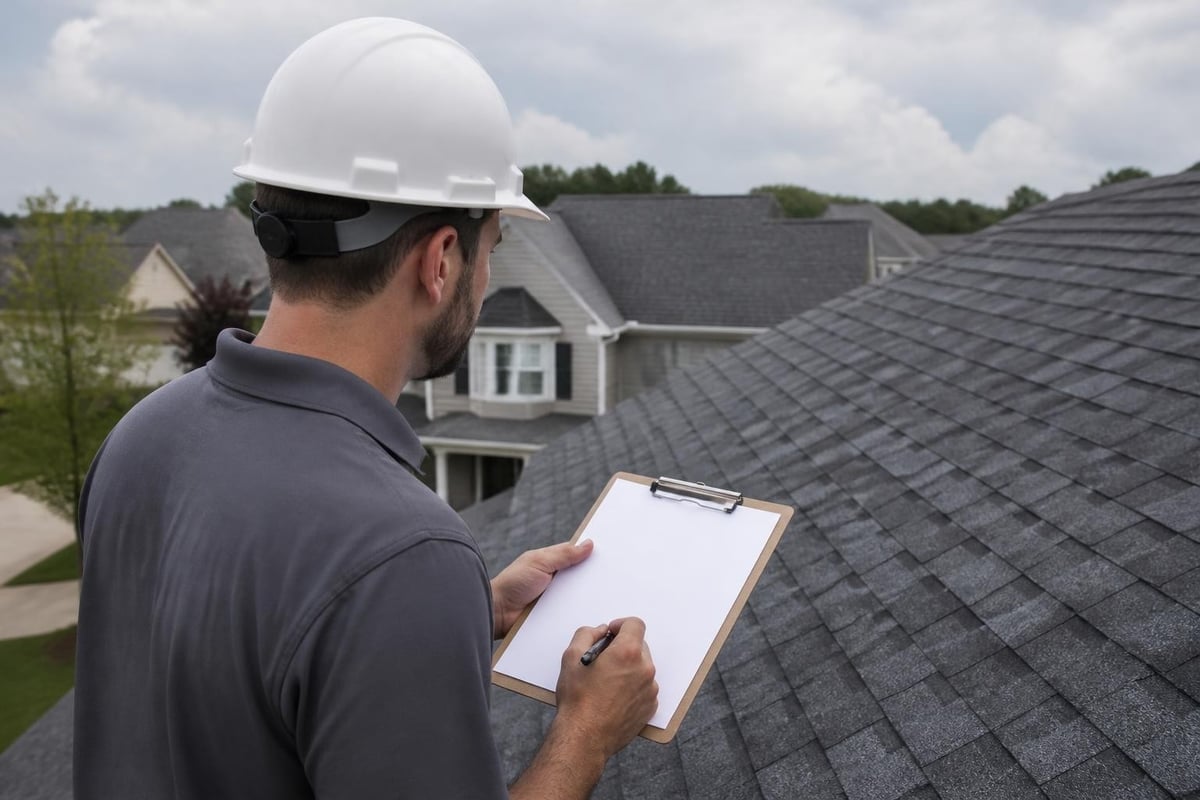
Los Angeles homeowners should conduct comprehensive roof inspections at least twice annually, ideally in spring and fall. These examinations identify damage from summer heat exposure and winter storms while allowing time for repairs before the next weather cycle.
Inspection checklist items:
- Missing, damaged, or curled shingles requiring replacement
- Cracked or displaced tiles needing repositioning or repair
- Loose or corroded metal panels and fasteners
- Damaged or separated flashing at chimneys, vents, and valleys
- Debris accumulation in gutters, valleys, or drainage areas
- Signs of water intrusion including stains on ceilings or walls
- Excessive granule loss on asphalt shingles indicating aging
Professional roofing contractors provide detailed inspection services that identify subtle issues homeowners might miss. Thermal imaging can reveal hidden moisture intrusion or insulation deficiencies affecting energy performance.
Preventive Maintenance Tasks
Simple maintenance tasks performed regularly significantly extend roof lifespan and preserve the best roofing performance. Most homeowners can safely complete basic maintenance, while more complex tasks require professional expertise.
Recommended maintenance schedule:
| Task | Frequency | DIY/Professional |
|---|---|---|
| Gutter cleaning | Quarterly | DIY |
| Debris removal | Monthly | DIY |
| Visual inspection | Biannually | DIY |
| Flashing examination | Annually | Professional |
| Sealant renewal | Every 2-3 years | Professional |
| Comprehensive evaluation | Every 5 years | Professional |
Tree trimming prevents branch damage during windstorms and reduces leaf accumulation. Maintaining at least 10 feet of clearance between overhanging branches and roof surfaces minimizes these risks while reducing moss and algae growth in shaded areas.
Energy-Efficient Roofing Technologies
Advancing technology continues improving roofing energy performance beyond traditional material selection. The best roofing systems now incorporate sophisticated solutions that reduce environmental impact while lowering utility costs.
Reflective Coatings and Surface Treatments
Specialized coatings applied to existing roofing materials dramatically improve solar reflectance. These products work on various substrates including metal, asphalt, and single-ply membranes. ENERGY STAR partner resources provide performance criteria for qualifying products that meet rigorous reflectance and emittance standards.
Coating benefits include:
- Reduced surface temperatures by 50-80 degrees Fahrenheit
- Extended material lifespan through reduced thermal cycling
- Lower cooling energy consumption
- Restored appearance of weathered roofing
- Cost-effective alternative to complete replacement
White elastomeric coatings offer the highest reflectance values, while tinted formulations provide aesthetically pleasing options with excellent performance. Professional application ensures proper surface preparation, coating thickness, and coverage for optimal results.
Integrated Solar Roofing Systems
Solar roofing combines protective roofing functions with electricity generation. Building-integrated photovoltaic (BIPV) products range from solar shingles that blend with traditional roofing to standing seam metal systems with attached solar panels.
Los Angeles homeowners benefit substantially from solar roofing due to abundant sunshine, favorable net metering policies, and available tax incentives. The best roofing contractors coordinate with solar installers to ensure proper integration that maintains roof warranty coverage and weather protection.
Selecting Qualified Roofing Contractors
Material quality and design excellence deliver optimal results only when executed by skilled professionals. Selecting qualified contractors represents a critical decision in achieving the best roofing outcome for your investment.
Credentials and Certifications to Verify
Legitimate roofing contractors maintain proper licensing, insurance coverage, and manufacturer certifications demonstrating technical competence. California law requires contractors performing work valued over $500 to hold active licenses issued by the Contractors State License Board.
Essential contractor qualifications:
- Active C-39 roofing contractor license in good standing
- General liability insurance protecting property owners from damage claims
- Workers' compensation coverage for all employees
- Manufacturer certifications for materials they install
- Local business references and verifiable project history
Manufacturer certifications indicate contractors have completed training on proper installation techniques for specific products. These programs ensure installers understand material handling, fastening requirements, and warranty compliance issues.
Questions to Ask Potential Contractors
Thorough contractor evaluation prevents costly mistakes and ensures quality workmanship. The best roofing professionals welcome detailed questions and provide transparent, comprehensive answers.
Critical questions include:
- How long has your company operated in Los Angeles?
- Can you provide references from recent projects similar to mine?
- What warranties cover materials and workmanship?
- How do you handle unexpected discoveries during tear-off?
- What measures protect landscaping and property during work?
- How do you ensure worker safety and job site cleanliness?
- What is your typical project timeline from start to completion?
Request detailed written proposals specifying materials by manufacturer and model number, preparation procedures, installation methods, and payment terms. Compare proposals based on value rather than price alone, as the best roofing installations justify higher costs through superior materials and workmanship.
Roofing Warranties and Protection Plans
Comprehensive warranty coverage protects your roofing investment against defects and premature failure. Understanding warranty terms helps property owners make informed material and contractor selections while knowing what protection they receive.
Material Warranties Versus Workmanship Guarantees
Roofing warranties typically include two components: manufacturer material warranties covering product defects, and contractor workmanship guarantees addressing installation quality. The best roofing companies offer substantial workmanship warranties demonstrating confidence in their installation practices.
Material warranty tiers:
- Limited warranties: Cover manufacturing defects but exclude labor and consequential damages
- Enhanced warranties: Include limited labor reimbursement for covered defects
- Lifetime warranties: Provide comprehensive coverage including materials and labor for extended periods
- System warranties: Cover entire roof assembly when all components come from single manufacturer
Premium warranties often require certified installers, specific underlayment products, and adequate ventilation. These requirements ensure proper installation practices that validate warranty coverage.
Maintaining Warranty Coverage
Most roofing warranties contain provisions that void coverage if specific conditions occur. Understanding these exclusions prevents inadvertent warranty violations that eliminate protection.
Common warranty exclusions:
- Improper installation not meeting manufacturer specifications
- Inadequate ventilation causing excessive heat or moisture buildup
- Alterations by non-certified contractors or DIY repairs
- Neglected maintenance allowing preventable damage
- Acts of God including hurricanes, earthquakes, or tornadoes
Document all maintenance activities and retain service records proving regular care. Many manufacturers require professional inspections at specified intervals to maintain enhanced warranty coverage.
Sustainable Roofing Practices and Environmental Impact
Environmental considerations increasingly influence roofing decisions as property owners recognize buildings' ecological footprint. The best roofing systems balance performance requirements with sustainability goals through material selection, longevity, and end-of-life planning.
Recycled Content and Recyclable Materials
Many modern roofing products incorporate recycled content reducing virgin material consumption. Metal roofing typically contains 25 to 95 percent recycled steel or aluminum, while some asphalt shingle manufacturers use recycled materials in non-visible layers.
Recyclability varies by material:
- Metal roofing: 100% recyclable indefinitely without quality degradation
- Asphalt shingles: Increasingly recyclable into paving materials
- Clay and concrete tiles: Reusable or crushable for aggregate
- Wood shakes: Compostable or usable as biomass fuel
The best roofing contractors participate in recycling programs, diverting tear-off debris from landfills. This practice reduces disposal costs while supporting circular economy principles.
Long-Term Value and Life-Cycle Costs
Initial installation costs represent only one factor in comprehensive roofing economics. Life-cycle cost analysis accounts for longevity, maintenance requirements, energy performance, and disposal costs to determine true value.
Materials with higher initial costs often deliver superior long-term value through extended service life and reduced maintenance. Metal roofing and tile systems exemplify this principle, lasting two to three times longer than asphalt shingles while requiring minimal maintenance.
Life-cycle comparison factors:
| Material | Expected Life | Maintenance Cost | Energy Impact | Recyclability |
|---|---|---|---|---|
| Asphalt Shingles | 20-30 years | Moderate | Standard | Limited |
| Metal Roofing | 40-70 years | Low | Excellent | Complete |
| Clay Tiles | 50-100 years | Low | Very Good | High |
| Concrete Tiles | 40-75 years | Low | Good | Moderate |
Selecting the best roofing system requires balancing numerous factors including material performance, installation quality, climate suitability, and long-term value. Professional guidance ensures optimal decisions aligned with your specific requirements and budget constraints. Whether you need new installation, replacement, or maintenance services, Proof Your Roof brings decades of expertise serving Los Angeles residential and commercial properties with quality craftsmanship and comprehensive roofing solutions designed for Southern California conditions.