
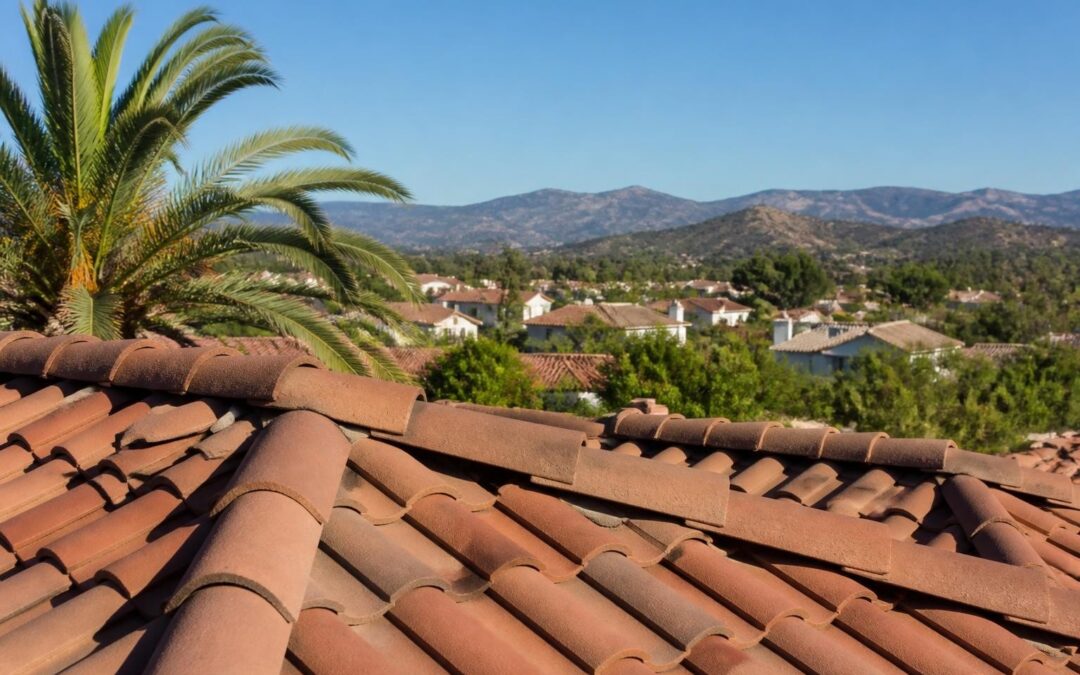
Thousand Oaks presents unique challenges and opportunities for homeowners considering roofing projects. Nestled in the Conejo Valley with its Mediterranean climate, wildfire-prone zones, and specific building code requirements, selecting the right roofing solution requires careful planning and local expertise. Whether you're replacing an aging roof, repairing storm damage, or building new construction, understanding the specific considerations for roofing Thousand Oaks properties ensures your investment delivers long-term protection and value.
Understanding Thousand Oaks Climate and Roofing Demands
The Mediterranean climate in Thousand Oaks creates specific demands on roofing systems that differ significantly from other California regions. Hot, dry summers with temperatures regularly exceeding 90°F stress roofing materials through UV exposure and thermal cycling, while occasional winter rains test waterproofing integrity.
Heat and UV Exposure Considerations
Roofs in Thousand Oaks face intense solar radiation approximately 280 days per year. This constant exposure accelerates material degradation, particularly for traditional dark-colored asphalt shingles that absorb rather than reflect heat.
Key climate factors affecting roofing performance:
- Summer temperatures reaching 95-105°F on roof surfaces exceeding 150°F
- Minimal annual rainfall (averaging 18 inches) reducing moisture-related issues
- Santa Ana wind events creating uplift pressure on roofing materials
- Prolonged dry seasons increasing wildfire risk
California's Title 24 energy standards mandate cool roof requirements for many residential applications, specifically in climate zones like Thousand Oaks. These cool roof requirements help reduce urban heat island effects while lowering cooling costs for homeowners.
Wildfire Risk Mitigation
Thousand Oaks sits within designated wildfire hazard severity zones, making fire-resistant roofing not just advisable but often required. The proximity to open space and chaparral ecosystems means ember exposure during fire events poses a significant threat.
| Roofing Material | Fire Rating | Typical Lifespan | Fire Resistance |
|---|---|---|---|
| Class A Asphalt Shingles | Class A | 20-30 years | Excellent |
| Clay/Concrete Tile | Class A | 50+ years | Superior |
| Metal Roofing | Class A | 40-70 years | Superior |
| Wood Shakes (untreated) | Class C | 15-25 years | Poor |
The University of California’s Wildfire Home Retrofit Guide provides comprehensive recommendations for upgrading roofs to resist wildfire exposure. Implementing these strategies during roofing Thousand Oaks projects significantly improves home safety.
Navigating Permits and Building Codes
Any roofing project in Thousand Oaks requires proper permitting through the city's building division. Understanding these requirements before starting work prevents delays and ensures compliance with current safety standards.
Permit Requirements for Roofing Projects
The Thousand Oaks Building Division oversees all roofing permits within city limits. Both re-roofing and new installation projects typically require permits, though minor repairs may qualify for exemptions.
Typical permit requirements include:
- Completed permit application with project details
- Roof plan showing layout, materials, and pitch
- Structural calculations for tile or heavy materials
- Energy compliance documentation (Title 24)
- Fire-resistance certification for materials
Processing times vary based on project complexity, but most standard re-roof permits receive approval within 5-10 business days. The investment in proper permitting protects homeowners from liability and ensures work meets current California building standards.
Code Compliance Essentials
California's building codes evolve regularly, with the 2022 Title 24 standards introducing stricter energy efficiency requirements. Roofing Thousand Oaks projects must demonstrate compliance with these standards, particularly regarding solar reflectance and thermal emittance values.
Cool roof requirements mandate minimum aged solar reflectance of 0.63 and thermal emittance of 0.75 for low-sloped roofs, while steep-slope roofs require 0.20 and 0.75 respectively. These specifications significantly impact material selection and color choices.
Choosing the Right Roofing Material
Material selection represents one of the most critical decisions in any roofing project. Thousand Oaks homeowners must balance aesthetics, longevity, fire resistance, energy efficiency, and budget considerations.
Asphalt Shingles: Popular and Practical
Asphalt shingles remain the most common roofing choice for Thousand Oaks residential properties, offering excellent value and versatility. Modern asphalt shingles combine fiberglass bases with mineral granules to achieve Class A fire ratings while providing reliable waterproofing performance. The variety of colors and styles allows homeowners to match virtually any architectural aesthetic, from traditional ranch homes to contemporary designs.
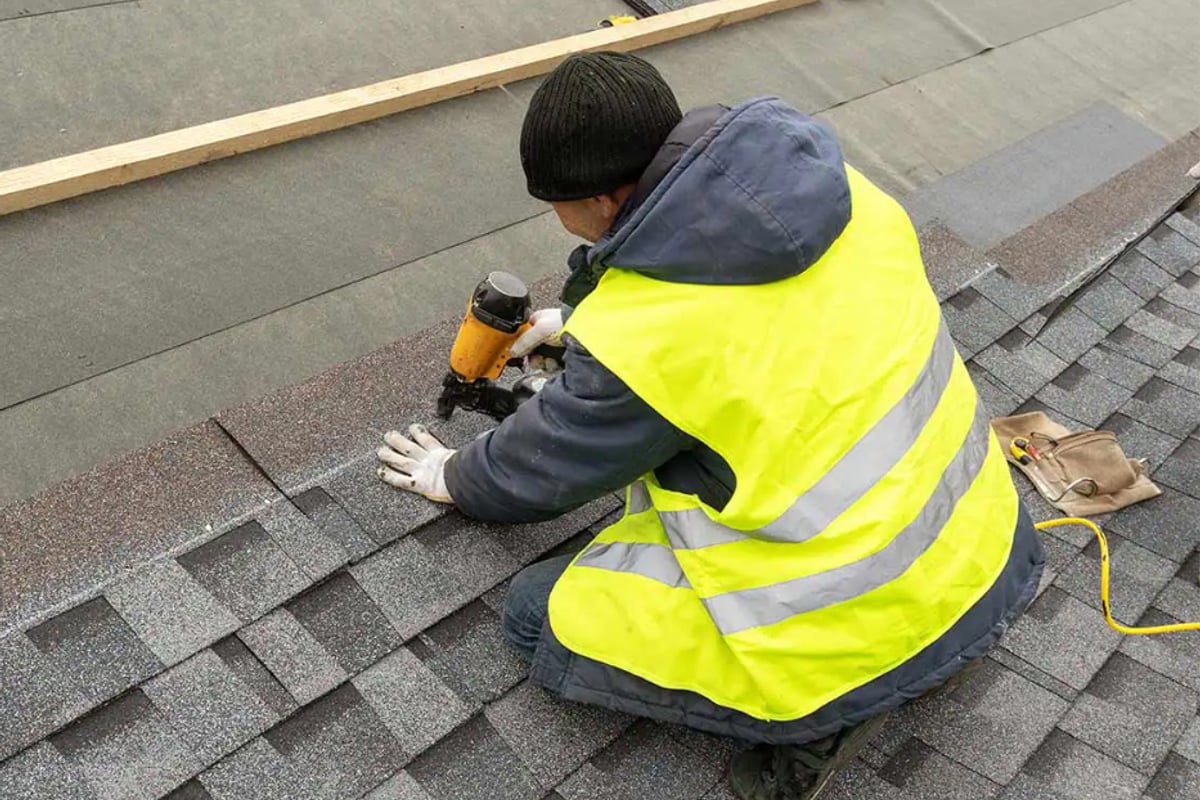
Premium architectural shingles deliver enhanced curb appeal with dimensional profiles that mimic the appearance of wood shakes or slate. These products typically carry 30-50 year warranties and perform well in Thousand Oaks' climate when properly ventilated.
Tile Roofing: Mediterranean Heritage
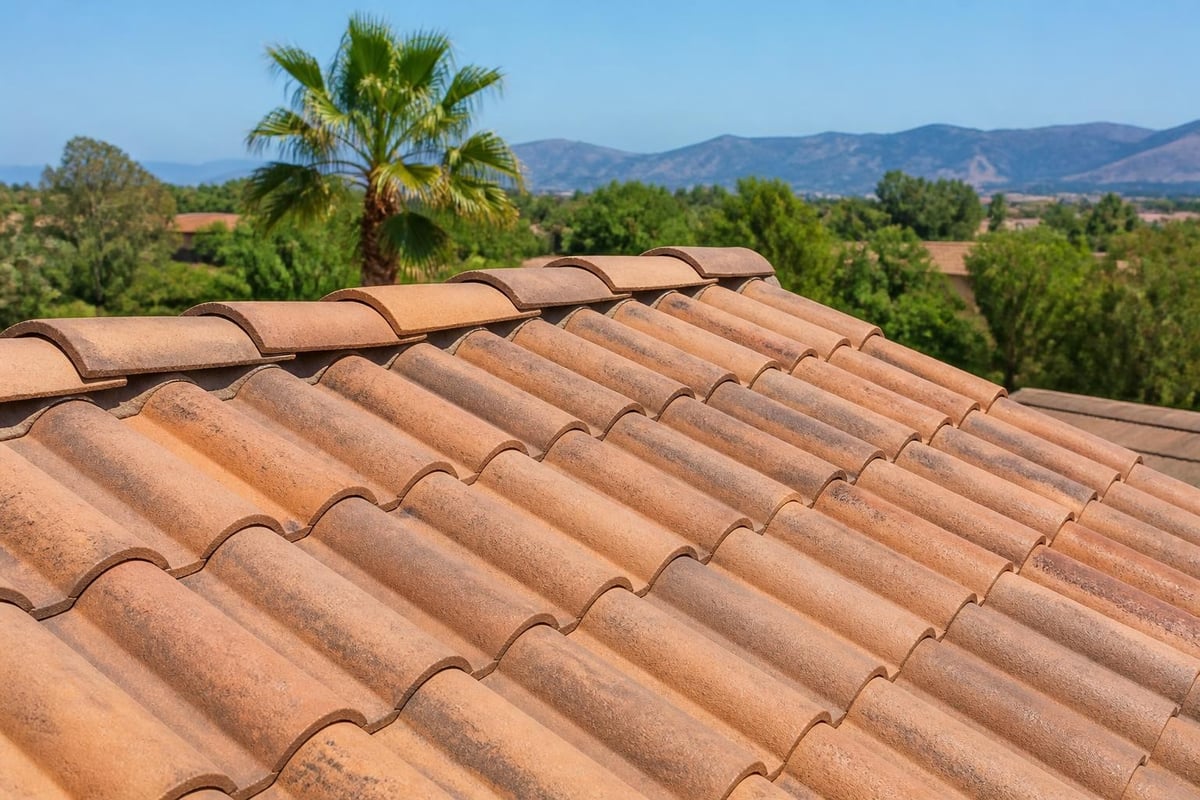
Clay and concrete tiles align perfectly with Thousand Oaks' Spanish-influenced architecture while offering superior longevity and fire resistance. These materials excel in hot climates, naturally ventilating to reduce attic temperatures.
Tile roofing advantages:
- Durability: 50-100 year lifespan with minimal maintenance
- Fire resistance: Non-combustible Class A rating throughout material
- Energy efficiency: Natural thermal mass and ventilation properties
- Aesthetic value: Timeless appeal that enhances property value
Weight considerations require structural verification before installation. Tile roofs typically weigh 850-1,100 pounds per square compared to 230-430 pounds for asphalt shingles, potentially requiring roof framing reinforcement.
Metal Roofing: Modern Performance
Metal roofing systems have gained significant traction in Thousand Oaks due to exceptional fire resistance, energy efficiency, and longevity. Standing seam and metal tile profiles offer contemporary aesthetics while meeting stringent performance requirements.
Cool metal roofing with reflective coatings achieves ENERGY STAR certification by reflecting up to 70% of solar radiation. This performance translates to measurable cooling cost reductions, particularly valuable during Thousand Oaks' extended summer season.
Ventilation and Insulation Strategies
Proper attic ventilation and insulation work synergistically with roofing materials to create energy-efficient, durable roof systems. Thousand Oaks' climate makes these elements particularly important for preventing heat buildup and extending material lifespan.
Balanced Ventilation Systems
Effective ventilation requires balanced intake and exhaust airflow. Ridge vents combined with soffit vents create continuous airflow that removes heat and moisture from attic spaces.
| Ventilation Component | Purpose | Recommended Ratio |
|---|---|---|
| Ridge Vents | Exhaust hot air | 1:300 net free area |
| Soffit Vents | Fresh air intake | 1:300 net free area |
| Attic Fans | Supplemental exhaust | Per manufacturer specs |
| Gable Vents | Passive ventilation | Supplemental only |
Inadequate ventilation in Thousand Oaks' heat accelerates shingle degradation, voids manufacturer warranties, and increases cooling costs. Professional assessment ensures your ventilation system meets code requirements and optimizes performance.
Insulation Performance
Title 24 standards specify minimum insulation R-values based on climate zone. Thousand Oaks falls into Climate Zone 9, requiring R-38 attic insulation for most applications.
Upgrading insulation during roofing projects maximizes energy efficiency gains. Blown-in cellulose or fiberglass insulation fills irregular spaces more effectively than batts, while spray foam provides superior air sealing in challenging areas.
Maintenance and Longevity Considerations
Proactive maintenance extends roofing lifespan significantly while preventing minor issues from escalating into costly failures. Thousand Oaks homeowners should implement regular inspection and maintenance schedules tailored to local conditions.
Annual Inspection Protocols
Professional inspections identify developing problems before they compromise roof integrity. Key inspection areas include flashing around penetrations, valley installations, and edge details where water concentration occurs.
Critical inspection checkpoints:
- Shingle condition: granule loss, curling, or missing units
- Flashing integrity: sealant condition and metal corrosion
- Gutter systems: debris accumulation and drainage function
- Attic ventilation: proper airflow and moisture signs
- Tree clearance: branches touching or overhanging roof
The Ventura Regional Fire Safe Council emphasizes keeping roofs and gutters clear of combustible debris as essential defensible space practice. This maintenance step proves particularly critical during Thousand Oaks' dry season when ignition risk peaks.
Preventive Maintenance Tasks
Simple preventive maintenance tasks performed seasonally prevent common roofing problems. Clearing debris, trimming overhanging branches, and addressing minor repairs promptly protect your investment.
Moss and algae growth, while less common in Thousand Oaks' dry climate than coastal regions, can still occur in shaded roof areas. Zinc or copper strips installed along ridges prevent growth naturally without harsh chemical treatments.
Working with Professional Roofing Contractors
Selecting qualified roofing contractors ensures projects meet quality standards while complying with local requirements. Proper contractor selection protects homeowners from substandard work and potential liability issues.
Contractor Qualification Criteria
California requires roofing contractors to hold valid C-39 licenses issued by the Contractors State License Board. This specialized license demonstrates technical competency and financial responsibility.
Essential contractor qualifications:
- Active C-39 roofing contractor license
- Current liability and workers' compensation insurance
- Local references from recent Thousand Oaks projects
- Manufacturer certifications for specified materials
- Understanding of local permit and code requirements
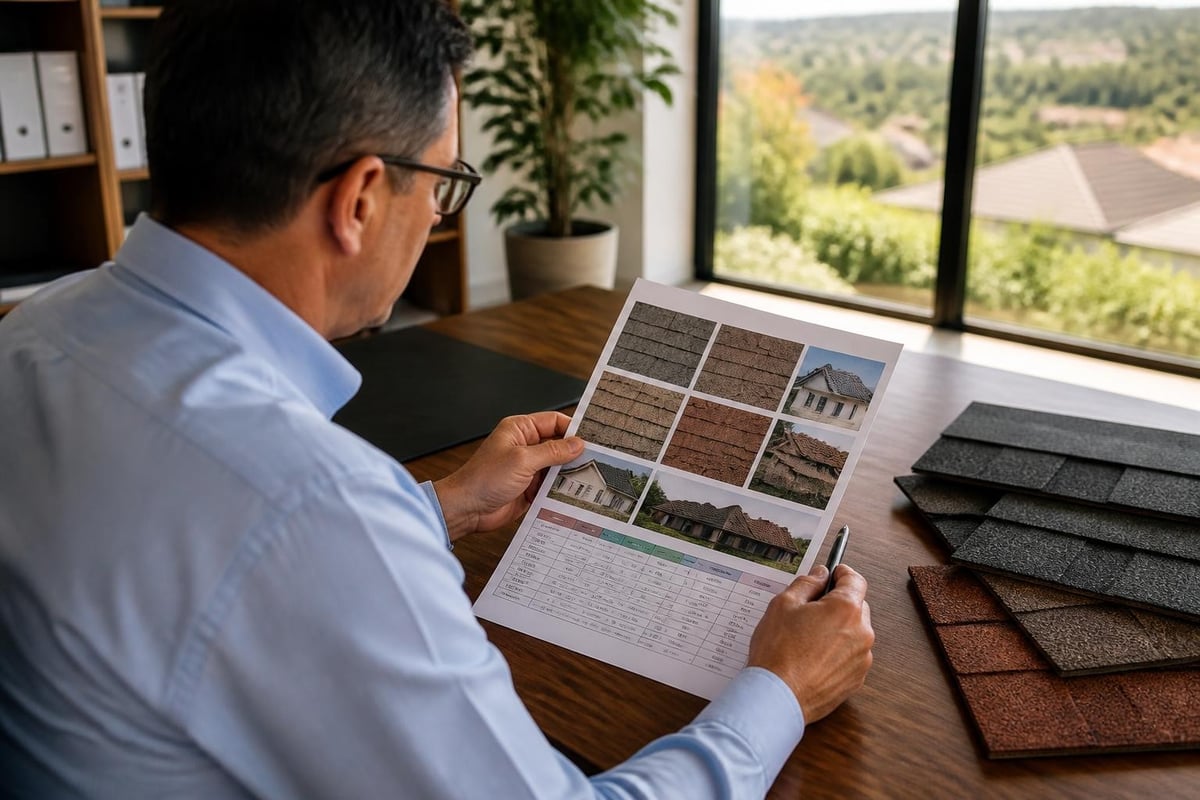
Request detailed written estimates that specify materials by manufacturer and model, installation methods, warranty coverage, and project timeline. Comparing multiple bids reveals market pricing while highlighting differences in scope and quality.
Project Timeline and Expectations
Typical residential roofing projects in Thousand Oaks span 2-5 days depending on size, material choice, and complexity. Tile installations require additional time compared to asphalt shingles due to material weight and installation methodology.
Weather rarely disrupts roofing Thousand Oaks projects during the extended dry season from April through October. However, scheduling flexibility accommodates unexpected delays and ensures quality work without rushing.
Communication expectations should be established upfront, including daily progress updates, site cleanliness protocols, and change order procedures. Professional contractors maintain organized job sites and protect landscaping throughout the project.
Cost Factors and Investment Planning
Understanding roofing cost components helps homeowners budget appropriately and make informed material selections. Thousand Oaks roofing costs reflect labor rates, material choices, and project-specific complexity factors.
Material and Labor Cost Breakdown
Roofing costs divide roughly 60% labor and 40% materials for standard asphalt shingle installations, while tile projects may shift toward 50/50 splits due to higher material costs and specialized installation requirements.
| Project Type | Cost Range per Sq Ft | Total Project Range (2,000 sq ft) |
|---|---|---|
| Asphalt Shingles | $4.50-$7.50 | $9,000-$15,000 |
| Tile Roofing | $12.00-$22.00 | $24,000-$44,000 |
| Metal Roofing | $10.00-$18.00 | $20,000-$36,000 |
Additional costs include permit fees ($200-$500), disposal fees for old materials, wood decking repairs, and ventilation upgrades. Obtaining multiple detailed bids reveals accurate project costs while identifying potential hidden expenses.
Long-Term Value Analysis
Evaluating roofing investments requires considering total cost of ownership rather than initial installation expense alone. Premium materials with higher upfront costs often deliver superior long-term value through extended lifespan and reduced maintenance.
Energy savings from cool roofing products compound annually, with reflective roofing reducing cooling costs by 10-25% depending on home characteristics. Property value enhancement represents another consideration, as quality roofing improves curb appeal and buyer confidence.

Energy Efficiency and Cool Roofing Benefits
Cool roofing technology delivers significant energy savings in Thousand Oaks' sunny climate while reducing urban heat island effects. Understanding cool roof options and benefits helps homeowners maximize energy efficiency.
Cool Roof Technology Explained
Cool roofs achieve superior solar reflectance through specialized pigments and surface treatments that reflect rather than absorb solar radiation. This technology works across all roofing materials, from asphalt shingles to metal panels to tile coatings.
Light-colored roofing traditionally provided cooling benefits, but modern cool roof technology delivers high reflectance even in darker colors through specially engineered pigments. This advancement allows homeowners to achieve energy efficiency without sacrificing preferred aesthetics.
Measuring Performance and Savings
Solar reflectance and thermal emittance ratings quantify cool roof performance. Higher values indicate better heat rejection, directly correlating with energy savings and comfort improvements.
Summer attic temperatures in conventionally roofed Thousand Oaks homes frequently exceed 150°F, forcing cooling systems to work harder. Cool roofing reduces these temperatures by 20-50°F, measurably decreasing air conditioning runtime and extending HVAC system lifespan.
Utility rebates and incentives sometimes offset cool roofing upgrades, though availability varies annually. Checking current programs before project initiation maximizes financial benefits.
Seasonal Considerations for Roofing Projects
Timing roofing projects strategically optimizes conditions while avoiding weather complications. Thousand Oaks' predictable climate patterns create ideal windows for roofing work.
Optimal Installation Windows
The extended dry season from May through October provides ideal conditions for roofing Thousand Oaks properties. Stable weather minimizes installation delays while ensuring proper material adhesion and sealing.
Seasonal advantages:
- Summer (June-August): Maximum installer availability, fastest cure times for sealants
- Fall (September-November): Moderate temperatures, reduced scheduling competition
- Winter (December-February): Lower demand may yield better pricing, though rain delays possible
- Spring (March-May): Good conditions returning, increasing contractor schedules
Planning projects during shoulder seasons (April-May or September-October) often balances favorable weather with competitive pricing as contractor demand fluctuates seasonally.
Weather Monitoring and Flexibility
Even during Thousand Oaks' dry season, occasional weather systems require schedule flexibility. Professional contractors monitor forecasts continuously and adjust schedules to prevent moisture exposure during critical installation phases.
Material deliveries should coincide with installation timing to minimize on-site storage duration and potential weather exposure. This coordination proves particularly important for moisture-sensitive products like felt underlayment.
Selecting the right roofing solution for your Thousand Oaks property requires balancing climate considerations, code requirements, material performance, and long-term value. From understanding fire-resistant materials to navigating permit processes and optimizing energy efficiency, informed decisions protect your home while maximizing your investment. Proof Your Roof brings specialized expertise in residential and commercial roofing throughout the greater Los Angeles area, delivering quality installations that meet Thousand Oaks' unique requirements. Whether you need a complete roof replacement, targeted repairs, or guidance on material selection, their experienced team ensures your project exceeds expectations while complying with all local standards.