
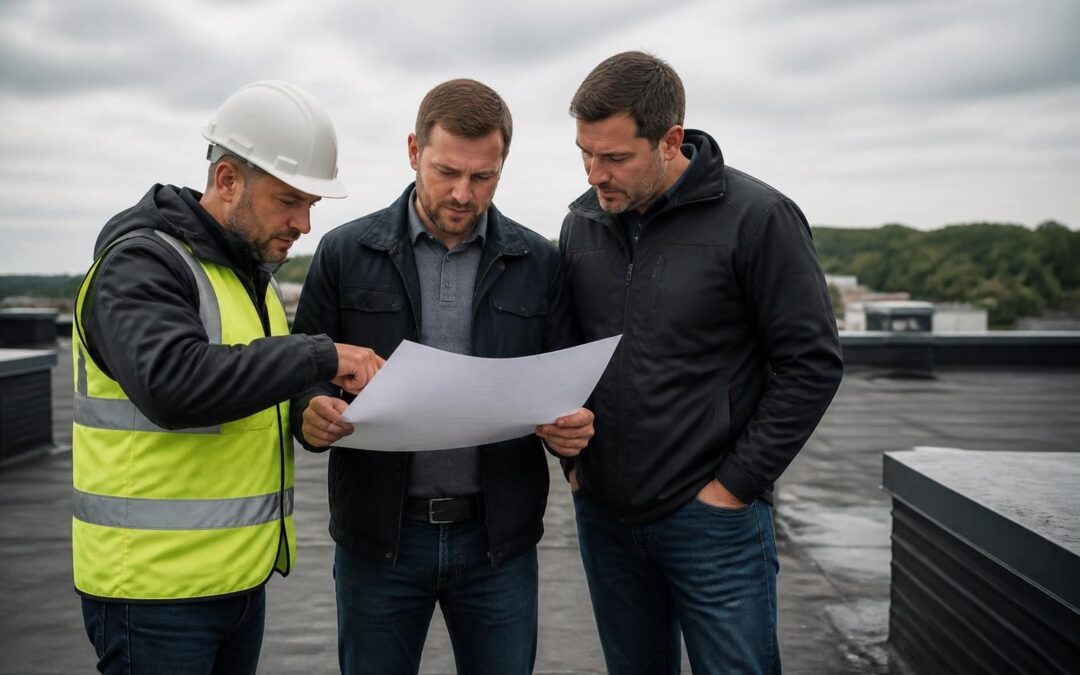
Finding reliable flat roofing companies near me has become increasingly important as more commercial and residential properties adopt low-slope roofing systems throughout Los Angeles and surrounding regions. Flat roofs offer unique advantages including efficient use of space, easier installation of HVAC systems, and the potential for rooftop solar panels or green roof systems. However, these specialized roofing systems require contractors with specific expertise in membrane installation, proper drainage design, and waterproofing techniques that differ significantly from pitched roof construction. Whether you need a new flat roof installation, emergency repairs, or routine maintenance, choosing the right local contractor makes the difference between a roof that lasts decades and one that requires constant attention.
Understanding Flat Roof Systems and Why Expertise Matters
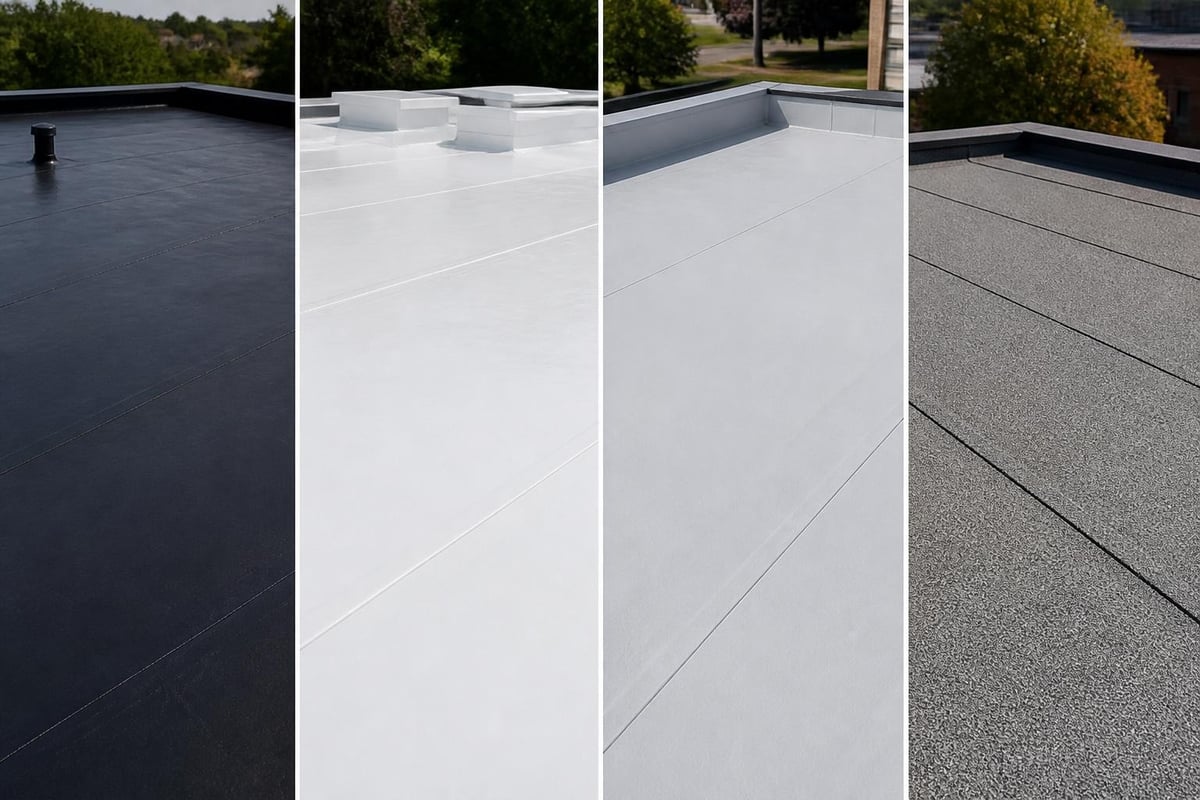
Flat roofs encompass several distinct material types and installation methods, each requiring specialized knowledge and equipment. Modern flat roofing systems include built-up roofing (BUR), modified bitumen, EPDM rubber, TPO, and PVC membranes. Each system has unique installation requirements, expected lifespans, and maintenance needs.
The technical challenges of low-slope roof design demand contractors who understand water management, thermal movement, and membrane compatibility. Unlike pitched roofs where gravity quickly sheds water, flat roofs must rely on carefully engineered drainage systems and perfectly sealed seams. A minor installation error can lead to ponding water, which accelerates membrane deterioration and eventually causes interior leaks.
Material Options for Flat Roofs
When searching for flat roofing companies near me, understanding material options helps you communicate effectively with potential contractors and evaluate their recommendations.
Common flat roofing materials include:
- EPDM (rubber): Durable, cost-effective, excellent weather resistance
- TPO (thermoplastic): Energy-efficient white surface, heat-welded seams
- PVC: Premium option, chemical-resistant, longest lifespan
- Modified bitumen: Multiple layers, torch-applied or self-adhering
- Built-up roofing: Traditional multi-ply system with gravel surfacing
| Material | Expected Lifespan | Best For | Energy Efficiency |
|---|---|---|---|
| EPDM | 20-25 years | Budget-conscious projects | Moderate (black absorbs heat) |
| TPO | 15-20 years | Energy savings priority | Excellent (reflective) |
| PVC | 25-30 years | Commercial, chemical exposure | Excellent (reflective) |
| Modified Bitumen | 15-20 years | Moderate traffic areas | Good with reflective coating |
The right material depends on your building type, budget, climate conditions, and long-term goals. Quality flat roofing companies near me should explain these options clearly and recommend systems based on your specific situation rather than pushing a single product they prefer to install.
How to Find Qualified Flat Roofing Companies Near Me
The search for local flat roof specialists should begin well before you face an emergency situation. Proactive research allows you to compare multiple contractors, verify credentials, and make informed decisions without time pressure.
Start your search with these proven methods:
- Ask property managers and facility managers for recommendations
- Search online directories and review platforms (Google, Yelp, Angi)
- Check professional associations like the National Roofing Contractors Association
- Request referrals from commercial real estate agents
- Review local building permits to see which contractors work in your area
Professional flat roofing companies near me maintain proper licensing, insurance, and bonding. In California, roofing contractors must hold a C-39 license issued by the Contractors State License Board. This license demonstrates they've met experience requirements, passed technical examinations, and maintain appropriate insurance coverage.
Verifying Contractor Credentials
Never skip credential verification when evaluating potential contractors. The Better Business Bureau provides essential guidance on checking contractor backgrounds and complaint histories.
Essential credentials to verify include:
- State contractor license number and status
- General liability insurance (minimum $1 million coverage)
- Workers' compensation insurance for all employees
- Manufacturer certifications for specific roofing systems
- Local business license and tax compliance
Request copies of insurance certificates and verify them directly with the insurance carrier. Many homeowners and property owners skip this step, only to discover after an accident that the contractor's insurance had lapsed or never existed. Legitimate contractors readily provide current insurance documentation.
Evaluating Experience and Specialization
Not all roofing contractors possess equal expertise in flat roof systems. Many companies focus primarily on residential pitched roofs and lack the specialized knowledge that flat roofs demand. When searching for flat roofing companies near me, prioritize contractors who dedicate significant portions of their business to low-slope systems.
Ask potential contractors about their specific experience with your building type and roofing material. A contractor who excels at residential EPDM installations may lack experience with commercial TPO systems or multi-story buildings. Specialized experience matters because installation techniques, safety protocols, and equipment requirements vary considerably.
Questions to Ask During Contractor Interviews
Schedule face-to-face meetings or detailed phone consultations with at least three contractors. This conversation reveals their communication style, technical knowledge, and professionalism.
Critical questions for flat roofing contractors:
- How many flat roof projects have you completed in the past year?
- What percentage of your business involves flat or low-slope roofing?
- Which flat roof systems do you install most frequently?
- Do you maintain manufacturer certifications?
- What warranty coverage do you provide on labor and materials?
- How do you handle unexpected substrate damage discovered during installation?
- What is your typical project timeline for a roof my size?
- How do you protect the building interior and landscaping during work?
The NRCA’s contractor selection guidance emphasizes the importance of comprehensive written proposals and clear communication throughout the selection process.

Comparing Bids and Understanding Pricing
Request detailed written proposals from multiple flat roofing companies near me to compare pricing, scope, and value. Beware of significantly low bids, which often indicate cut corners, inferior materials, or contractors who underestimated the project and may demand change orders later.
What a Complete Proposal Should Include
Professional contractors provide comprehensive written proposals that eliminate ambiguity and protect both parties. Review each proposal carefully before making decisions.
Essential proposal elements:
- Scope of work: Detailed description of all tasks including tear-off, substrate repair, new membrane installation, flashing details, and cleanup
- Materials specifications: Manufacturer names, product lines, thickness specifications, and warranty terms
- Project timeline: Start date, estimated completion, and milestone schedule
- Payment schedule: Deposit amount, progress payments, and final payment terms
- Warranty information: Separate labor and material warranties with specific coverage periods
- Permit responsibility: Who obtains and pays for required building permits
Comparing bids requires looking beyond the bottom-line number. A contractor offering a 20-year labor warranty and premium materials may cost more upfront but delivers better long-term value than a budget option with minimal warranty coverage.
| Proposal Component | Red Flags | Good Signs |
|---|---|---|
| Price | Significantly below others, vague "estimates" | Mid-range, itemized breakdown |
| Timeline | Rushed schedule, vague dates | Realistic schedule, weather contingencies |
| Warranty | Short coverage, labor excluded | Comprehensive labor + materials coverage |
| Payment terms | Large upfront deposit, cash-only | Reasonable deposit, multiple payment options |
Many flat roof projects encounter unexpected conditions such as water-damaged decking, inadequate insulation, or structural issues. Quality contractors address these possibilities upfront and explain how change orders will be handled if substrate repairs become necessary.
Checking References and Past Work
Reputable flat roofing companies near me willingly provide references from recent projects similar to yours. Contact at least three references and ask specific questions about their experience.
Reference check questions:
- Did the contractor complete the project on schedule?
- How did they handle unexpected issues or changes?
- Was the job site kept clean and safe?
- How is the roof performing several months or years later?
- Would you hire this contractor again?
- Were there any disputes about pricing or scope?
Request to visit completed projects if possible. Visual inspection of past work reveals installation quality, attention to detail, and how the roof has aged. Look for clean seam work, proper flashing installation, and neat terminations at roof edges and penetrations.
Online reviews provide additional perspective but require careful interpretation. Focus on patterns rather than isolated complaints. Every contractor occasionally faces difficult situations, but consistent themes about poor communication, shoddy work, or billing disputes indicate serious concerns.
Understanding Warranties and Long-Term Support
Warranty coverage represents one of the most important factors when selecting flat roofing companies near me. Flat roofs typically carry two distinct warranties: manufacturer material warranties and contractor labor warranties.
Manufacturer warranties cover defects in the roofing material itself and typically range from 10 to 30 years depending on the product. However, these warranties often become void if installation doesn't meet manufacturer specifications or if the contractor lacks proper certification. Always verify that your chosen contractor holds current manufacturer certifications for the proposed roofing system.
Labor Warranty Considerations
Labor warranties protect you against installation defects and typically run shorter than material warranties, often between 2 and 10 years. This warranty covers the contractor's workmanship and ensures they'll repair any leaks or failures resulting from improper installation.
Important warranty details to clarify:
- Warranty duration for both materials and labor
- What specific issues are covered versus excluded
- Whether the warranty is transferable to future property owners
- Maintenance requirements to keep the warranty valid
- How to file a warranty claim if problems arise
- Whether the contractor maintains adequate business continuity to honor long-term warranties
Some manufacturers offer extended "system warranties" that combine material and labor coverage when certified contractors install complete roof systems using all manufacturer-specified components. These comprehensive warranties provide superior protection but require contractors with specific training and certification.
Energy Efficiency and Cool Roof Options
Modern flat roofing technology offers significant energy-saving potential, particularly in warm climates like Southern California. The Department of Energy’s guidance on cool roofs explains how reflective roofing materials reduce cooling costs and improve building comfort.
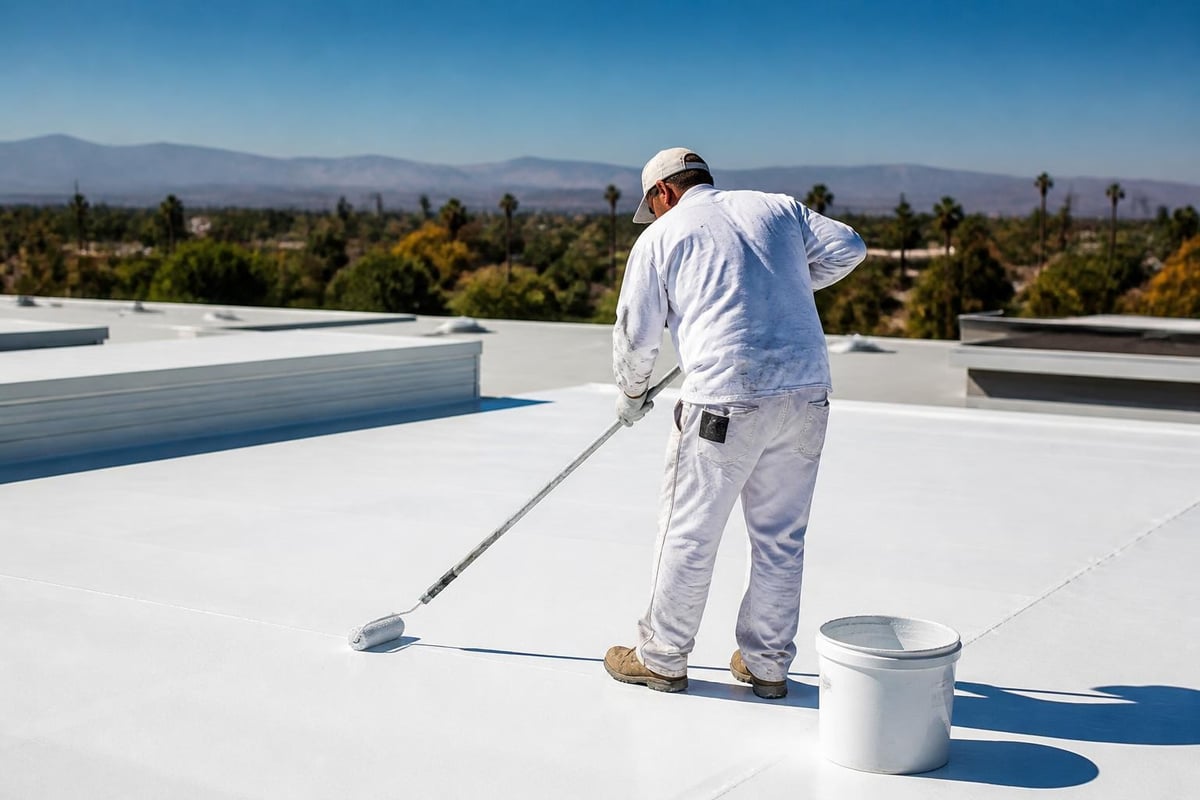
White or light-colored membrane options (TPO and PVC) reflect solar radiation rather than absorbing it, keeping building interiors cooler and reducing air conditioning demand. This reflectivity can lower roof surface temperatures by 50-60 degrees Fahrenheit compared to traditional dark membranes.
Energy-efficient flat roof features include:
- Reflective white or tan membrane surfaces
- Adequate insulation (minimum R-value varies by climate zone)
- Proper ventilation to prevent heat buildup
- Cool roof coatings applied over existing membranes
When discussing options with flat roofing companies near me, ask about energy-efficient solutions and potential utility rebates for cool roof installations. Many California utilities offer incentives for installing reflective roofing systems that meet specific performance standards.
Green Roof and Sustainable Options
Environmental consciousness drives many property owners to explore sustainable flat roofing alternatives. Green roofs offer multiple benefits including stormwater management, improved air quality, and extended membrane lifespan through UV protection.
Vegetative roof systems transform flat roofs into functional green spaces that absorb rainwater, provide insulation, and create urban habitat. However, these systems require specialized engineering, waterproofing expertise, and ongoing maintenance. Not all flat roofing companies near me possess the knowledge to properly install and support green roof systems.
Alternative Sustainable Options
Beyond vegetative systems, several sustainable approaches suit flat roof applications:
- Solar panel installation: Flat roofs provide excellent platforms for photovoltaic arrays
- Rainwater harvesting: Flat roof drainage can feed cisterns for landscape irrigation
- Recycled content membranes: Many modern membranes incorporate post-consumer recycled materials
- White reflective coatings: Extend existing roof life while improving energy performance
Discuss sustainability goals early in conversations with potential contractors. Their response indicates whether they stay current with industry innovations and can support your environmental objectives.
Maintenance Requirements and Service Agreements
Flat roofs require more frequent maintenance than pitched roofs to ensure proper performance and maximum lifespan. Regular inspections catch small problems before they escalate into expensive repairs or premature replacement needs.
Quality flat roofing companies near me offer maintenance agreements that provide scheduled inspections, minor repairs, and documentation to support warranty claims. These programs typically include semi-annual or quarterly inspections timed around seasonal weather changes.
Standard maintenance tasks include:
- Clearing drains and scuppers of debris
- Inspecting seams and flashings for separation
- Checking for ponding water after rainfall
- Removing accumulated dirt and vegetation
- Documenting roof conditions with photos
- Making minor repairs to prevent deterioration
Maintenance agreements cost significantly less than emergency repairs or premature roof replacement. When evaluating contractors, ask about their maintenance programs, response times for service calls, and whether they maintain detailed records of roof conditions over time.
Red Flags to Avoid When Hiring
Experience teaches property owners to recognize warning signs that indicate unreliable contractors. Trust your instincts when something feels wrong during the contractor evaluation process.
Major warning signs include:
- Requesting large upfront deposits (over 10-15% of total cost)
- Pressure to sign immediately or "today only" pricing
- Lack of physical business address or proper signage on vehicles
- Inability to provide current insurance certificates
- No manufacturer certifications for proposed roofing systems
- Reluctance to provide local references
- Vague proposals without material specifications
- Offers to handle insurance claims that seem too good to be true
The Consumer Reports roofing guide provides additional consumer protection advice and highlights common contractor scams to avoid.
Door-to-door contractors who appear after storms often provide substandard work or disappear after collecting deposits. Legitimate local contractors maintain established businesses, physical offices, and long-term presence in the community.
Making the Final Decision
After completing research, obtaining multiple bids, checking references, and verifying credentials, trust your overall assessment rather than focusing solely on price. The lowest bid rarely delivers the best value when considering quality, warranty coverage, and long-term support.
Consider the contractor's communication style and professionalism. You'll work closely with this company during installation and potentially for maintenance over many years. Choose a contractor who answers questions clearly, returns calls promptly, and demonstrates genuine interest in your project's success.
When you need expert flat roof services, working with established local companies ensures you receive quality workmanship backed by proven track records. Whether you're planning a complete roof replacement or addressing specific repair needs, experienced contractors guide you through material selection, installation process, and long-term maintenance requirements that keep your flat roof performing optimally for decades.
Review the complete proposal one final time before signing. Ensure all verbal agreements appear in writing, including specific material brands, warranty terms, and project timeline. Never sign blank forms or contracts with missing details that the contractor promises to "fill in later."
Working with Your Chosen Contractor
Once you've selected from the flat roofing companies near me and signed a contract, maintain active communication throughout the project. Attend the pre-construction meeting to understand site logistics, working hours, and how the contractor will protect your property.
Project management best practices:
- Establish a single point of contact for questions and concerns
- Request daily or weekly progress updates
- Document all changes to scope or pricing in writing
- Take photos before, during, and after construction
- Don't make final payment until completely satisfied with the work
- Obtain all warranty documentation and maintenance instructions
Professional contractors welcome owner involvement and keep you informed about progress, challenges, and timeline adjustments. They protect landscaping, minimize disruption to building occupants, and clean the site thoroughly each day.
Understanding common failure modes in low-slope roofs helps you monitor quality during installation and catch potential issues early. Pay attention to critical details like proper membrane overlap, secure flashing installation, and adequate drainage slope.
Local Knowledge and Climate Considerations
Choosing flat roofing companies near me offers distinct advantages beyond convenience. Local contractors understand regional climate challenges, building codes, permit requirements, and seasonal weather patterns that affect installation timing.
Los Angeles and Southern California present unique conditions including intense UV exposure, temperature extremes, occasional heavy rainfall, and seismic considerations. Contractors experienced in this market select appropriate materials, design robust attachment systems, and schedule work during optimal weather windows.
Local contractors also maintain relationships with regional suppliers, ensuring faster material delivery and easier warranty support. They understand local building inspection processes and maintain positive relationships with municipal officials who review permit applications and inspect completed work.
Regional expertise includes:
- Knowledge of California Title 24 energy efficiency requirements
- Experience with local soil conditions and seismic design standards
- Understanding of regional water management and drainage regulations
- Familiarity with homeowner association requirements in your area
- Relationships with local material suppliers for faster delivery
Long-term service availability matters significantly for flat roof maintenance and warranty support. National contractors who install your roof may not maintain local presence for future service calls, while established local companies remain accessible for routine maintenance and emergency repairs.
Selecting the right contractor requires careful research, thorough vetting, and clear communication about your expectations and budget. The investment in finding qualified flat roofing companies near me pays dividends through quality installation, comprehensive warranty protection, and reliable long-term support. Whether you need commercial flat roof installation, residential low-slope systems, or ongoing maintenance for existing roofs, Proof Your Roof brings specialized expertise and commitment to excellence to every project across Los Angeles and surrounding areas.