
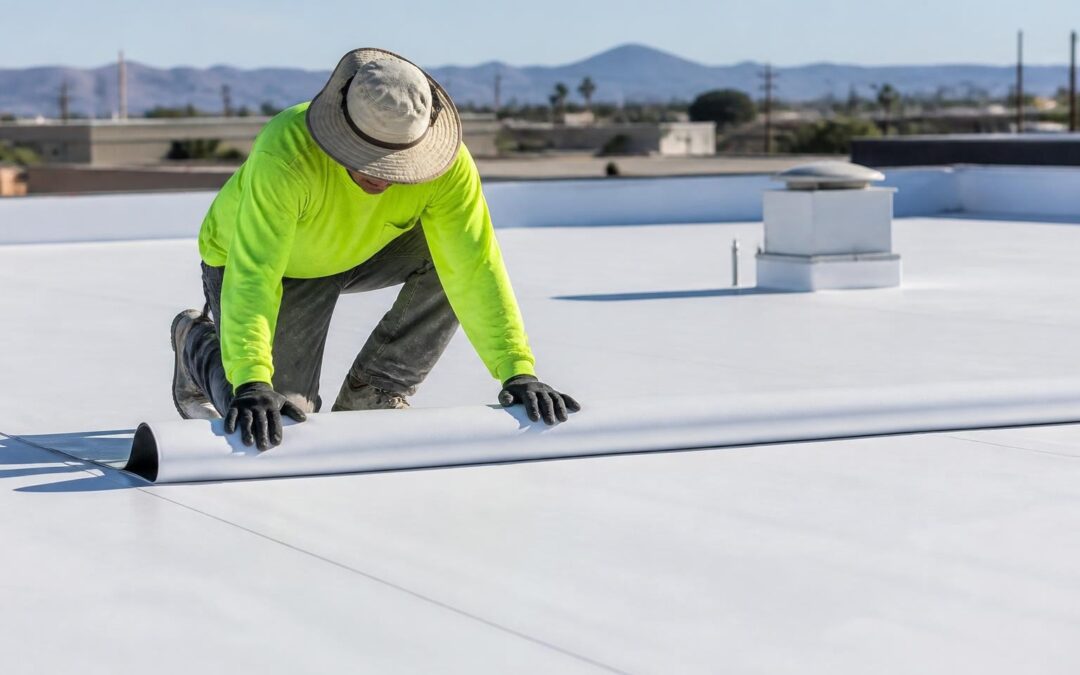
Commercial and residential property owners seeking durable, long-lasting flat roofing solutions are increasingly turning to advanced membrane systems that deliver superior performance and longevity. Trocal roofing represents a premium single-ply membrane technology that has earned recognition across the construction industry for its exceptional waterproofing capabilities, energy efficiency, and remarkable service life. Understanding the characteristics, installation methods, and benefits of this roofing system helps building owners make informed decisions about protecting their most valuable assets.
What Makes Trocal Roofing Stand Out
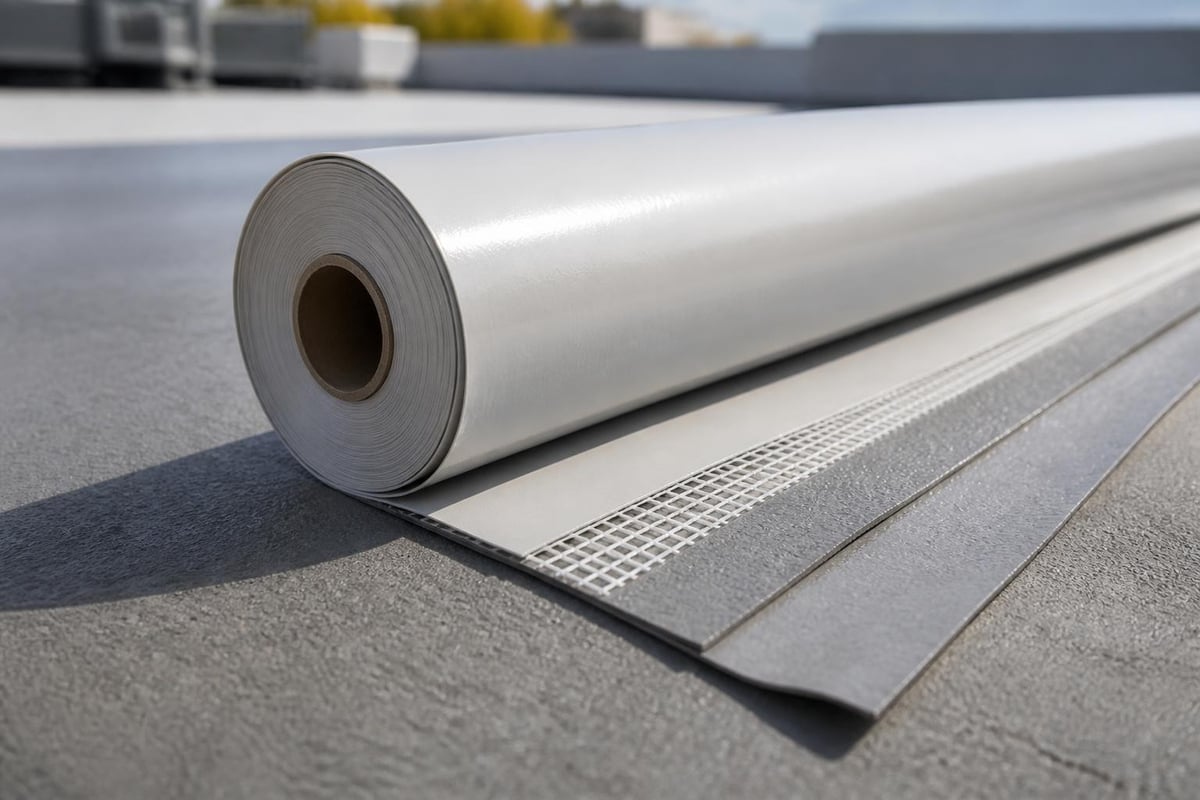
Trocal roofing systems utilize thermoplastic membranes specifically engineered for flat and low-slope applications. The material consists of plasticized polyvinyl chloride (PVC) formulated to withstand extreme weather conditions, UV radiation, and chemical exposure that typically degrade conventional roofing materials.
Core Material Composition
The fundamental strength of trocal roofing derives from its advanced polymer formulation. Manufacturers reinforce the PVC membrane with polyester or fiberglass matting, creating a multi-layer structure that resists punctures, tears, and dimensional changes. This reinforcement layer provides tensile strength while maintaining flexibility across a wide temperature range.
The membrane thickness typically ranges from 1.5mm to 2.0mm, with heavier specifications available for high-traffic areas or installations requiring additional durability. Factory-controlled manufacturing processes ensure consistent quality and uniform thickness throughout each sheet, eliminating weak spots that compromise performance.
| Property | Performance Characteristic |
|---|---|
| Flexibility | Remains pliable from -30°F to 175°F |
| UV Resistance | Superior stability, minimal degradation |
| Chemical Resistance | Withstands acids, alkalis, industrial pollutants |
| Fire Rating | Class A fire resistance when properly installed |
| Seam Strength | Heat-welded seams stronger than base material |
Heat Welding Technology
Unlike mechanical fastening or adhesive bonding alone, trocal roofing employs hot-air welding to create permanent seams. Specialized equipment heats the membrane edges to their melting point, fusing them together at the molecular level. This process creates watertight seams that often exceed the tensile strength of the surrounding membrane material.
Professional installers use automated welding machines for straight runs and handheld tools for detail work around penetrations, edges, and corners. The welding process eliminates reliance on adhesives that may deteriorate over time, providing long-term waterproofing integrity that mechanical systems cannot match.
Installation Methods and Applications
Property owners benefit from multiple trocal roofing installation approaches, each suited to specific building requirements, substrate conditions, and performance objectives. The versatility of installation methods makes this system adaptable to diverse commercial and residential applications throughout Los Angeles and similar climates.
Mechanically Fastened Systems
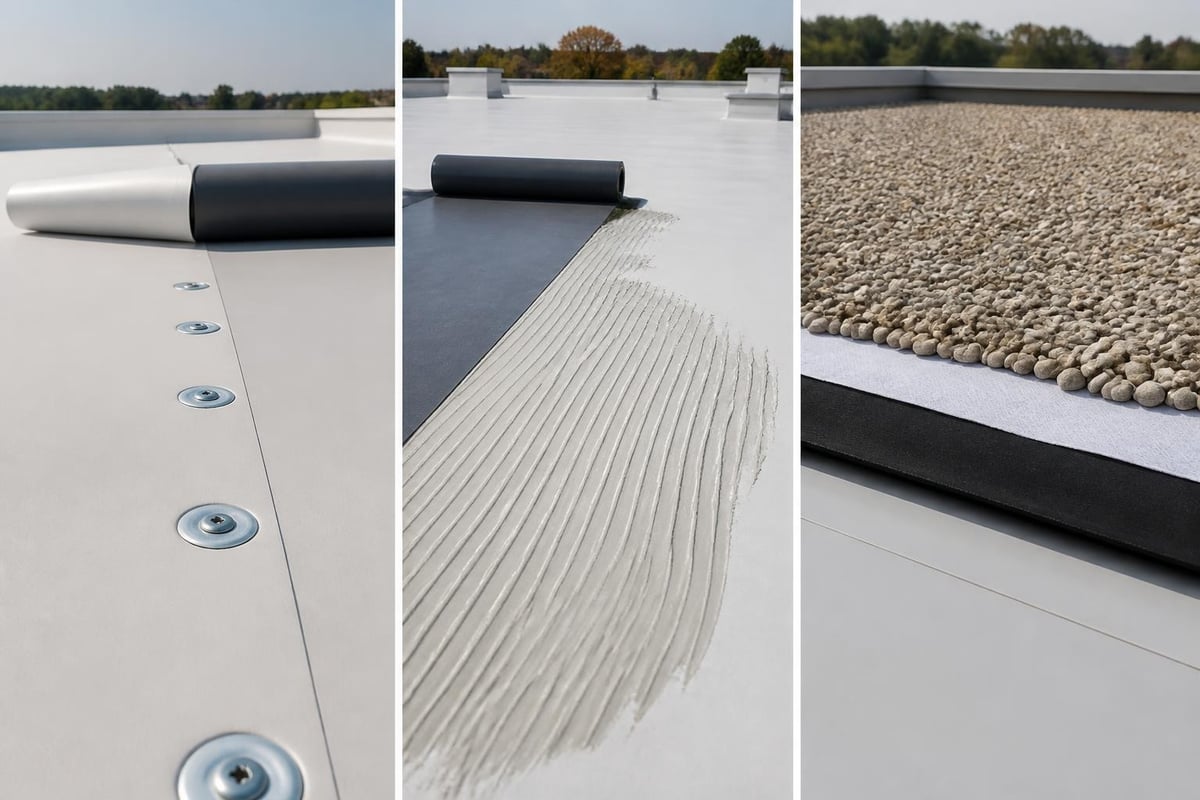
This installation approach secures the membrane to the roof deck using specially designed fasteners and plates. Contractors position fasteners along predetermined spacing patterns, typically in rows across the roof surface. The membrane sheets overlap at seams where heat welding creates waterproof bonds.
Mechanically fastened trocal roofing offers several advantages:
- Faster installation compared to fully adhered methods
- Reduced adhesive costs and associated labor
- Compatibility with existing roof assemblies requiring minimal preparation
- Improved wind uplift resistance through strategic fastener placement
- Ease of access for future repairs or modifications
This method works particularly well for retrofit projects where removing existing roofing materials proves impractical or cost-prohibitive. According to fast-track construction capabilities, the rapid installation process minimizes disruption to building occupants and accelerates project completion schedules.
Fully Adhered Applications
Fully adhered trocal roofing bonds the membrane directly to the substrate using specialized adhesives or hot asphalt. This continuous attachment method creates exceptional wind resistance and eliminates concerns about billowing or membrane movement during severe weather events.
The adhesive application process requires meticulous surface preparation to ensure proper bonding. Contractors must clean substrates thoroughly, removing dust, debris, and contaminants that interfere with adhesion. Primer applications may be necessary depending on substrate composition and environmental conditions during installation.
Benefits of fully adhered systems include:
- Superior wind uplift resistance in hurricane-prone regions
- Enhanced puncture resistance from continuous substrate support
- Reduced noise transmission during rainfall or hail events
- Improved dimensional stability preventing wrinkles or buckles
- Compatibility with green roof assemblies and rooftop amenities
Ballasted Roof Systems
Ballasted installations distribute weight across the membrane surface using rounded river rock, pavers, or concrete blocks. The ballast material holds the membrane in place through gravity rather than mechanical attachment or adhesives. Trocal roofing systems configured for ballasted applications typically incorporate heavier membranes to withstand the weight and protect against punctures.
This installation method suits buildings with adequate structural capacity to support the additional dead load. Engineering evaluations confirm load-bearing capabilities before specifying ballasted systems, ensuring compliance with building codes and safety standards.
Performance Benefits for Commercial Properties
Commercial building owners selecting trocal roofing invest in long-term roof performance that reduces maintenance requirements and extends replacement intervals. The material properties and installation techniques combine to deliver measurable advantages over alternative flat roofing systems.
Energy Efficiency Characteristics
Modern trocal roofing membranes feature white or light-colored surfaces that reflect solar radiation rather than absorbing heat. This reflectivity reduces cooling loads during summer months, particularly beneficial in warm climates like Southern California. Cool roof technology embedded in the membrane formulation maintains reflectivity throughout the service life, resisting dirt accumulation and surface degradation.
Studies demonstrate that reflective roofing membranes can reduce surface temperatures by 50-70 degrees Fahrenheit compared to traditional dark-colored materials. These temperature reductions translate directly into lower air conditioning costs and improved occupant comfort in top-floor spaces.
Energy performance advantages include:
- ENERGY STAR certification for qualifying membrane products
- Reduced urban heat island effect in densely developed areas
- Lower HVAC equipment wear from decreased operating cycles
- Potential utility rebates for cool roof installations
- LEED credit opportunities for sustainable building certifications
Durability and Service Life
When properly installed and maintained, trocal roofing systems regularly achieve service lives exceeding 30 years. The inherent material stability resists common degradation mechanisms that limit the longevity of other roofing types. UV stabilizers incorporated during manufacturing prevent polymer breakdown from constant sun exposure.
Chemical resistance proves particularly valuable for commercial properties with rooftop HVAC equipment, exhaust vents, or industrial processes. The membrane withstands exposure to oils, greases, and various chemicals without softening, swelling, or losing physical properties. This durability eliminates concerns about premature failures around mechanical equipment or ventilation systems.
| Durability Factor | Trocal Performance |
|---|---|
| UV Exposure | Excellent long-term stability |
| Thermal Cycling | Maintains flexibility through temperature extremes |
| Foot Traffic | Resists punctures from routine maintenance |
| Biological Growth | Inherently resistant to algae and fungus |
| Hail Impact | Superior impact resistance in severe weather |
Cost Considerations and Investment Value
Understanding the financial aspects of trocal roofing helps property owners evaluate total project costs and long-term value propositions. Initial installation expenses represent only one component of lifetime ownership costs that include maintenance, repairs, and eventual replacement.
Initial Installation Costs
Material and labor costs for trocal roofing vary based on project size, installation method, and regional market conditions. According to recent cost analysis data, property owners should anticipate premium pricing compared to basic built-up roofing or modified bitumen systems. However, the superior performance characteristics justify the increased upfront investment through reduced lifecycle costs.
Factors influencing installation costs include:
- Roof size and complexity affecting labor efficiency
- Substrate condition requiring preparation or repairs
- Installation method selection impacting material and labor requirements
- Regional labor rates varying by geographic location
- Building height and access considerations for material handling
- Warranty selections adding premium coverage options
For property owners considering new roof installation, evaluating multiple roofing systems against performance requirements and budget constraints ensures optimal material selection. Professional roofing contractors provide detailed cost estimates that account for project-specific variables affecting final pricing.
Long-Term Value Proposition
The extended service life and minimal maintenance requirements of trocal roofing systems deliver compelling return on investment over time. Property owners avoid frequent repair costs associated with less durable materials, while benefiting from consistent waterproofing protection that prevents costly interior damage.
Energy savings from reflective membrane surfaces accumulate throughout the roof's service life, offsetting higher initial costs through reduced utility expenses. In commercial applications, these savings can reach thousands of dollars annually depending on building size and climate conditions.
Warranty coverage provides additional value protection. Manufacturers typically offer material warranties ranging from 15 to 30 years, with some programs including labor coverage for specified periods. These comprehensive warranty packages demonstrate manufacturer confidence in long-term product performance while protecting property owners from unexpected replacement costs.
Environmental Sustainability Features
Sustainable building practices increasingly influence roofing material selections as property owners seek to minimize environmental impacts. Trocal roofing systems incorporate several features that support green building objectives and contribute to overall sustainability goals.
Recyclability and Material Conservation
The thermoplastic nature of PVC membranes enables recycling at the end of their service life. Specialized recycling programs accept clean membrane materials, processing them into new products rather than contributing to landfill waste. This circular approach reduces demand for virgin materials and conserves natural resources.
Manufacturing processes for trocal roofing continue evolving toward improved environmental performance:
- Reduced volatile organic compound (VOC) emissions during production
- Incorporation of recycled content in membrane formulations
- Energy-efficient manufacturing facilities minimizing carbon footprint
- Reduced packaging waste through optimized material handling
- Local production facilities reducing transportation impacts
Green Roof Compatibility
The Sika-Trocal membrane systems demonstrate excellent compatibility with vegetated roof assemblies, supporting urban greening initiatives and stormwater management objectives. The membrane's root resistance prevents penetration damage from aggressive plant species, while chemical stability withstands exposure to fertilizers and organic materials.
Green roof applications over trocal roofing membranes provide multiple environmental benefits including improved stormwater retention, enhanced building insulation, reduced heat island effects, and increased urban biodiversity. The waterproofing membrane remains accessible for inspection and maintenance beneath the vegetative layers, ensuring long-term performance monitoring.
Maintenance Requirements and Longevity
Proactive maintenance programs maximize trocal roofing system performance and extend service life beyond typical expectations. Regular inspections identify minor issues before they escalate into costly repairs, while routine cleaning preserves aesthetic appearance and functional performance.
Inspection Protocols
Professional roofing contractors recommend biannual inspections to assess membrane condition and identify maintenance needs. Spring and fall inspection schedules align with seasonal weather transitions, allowing contractors to address issues before extreme summer heat or winter moisture exposure.
Inspection activities focus on critical areas:
- Seam integrity and heat-weld quality
- Flashings around penetrations and roof edges
- Membrane surface for punctures or damage
- Drainage systems and scupper function
- Fastener plates and mechanical attachments
Detailed inspection reports document findings and recommend corrective actions, creating maintenance records that support warranty compliance and inform long-term planning decisions.
Cleaning and Surface Maintenance
Unlike porous roofing materials that trap dirt and support biological growth, trocal roofing surfaces resist staining and remain relatively clean through natural rainfall. However, periodic cleaning removes accumulated debris and restores optimal reflectivity for energy performance.
Pressure washing with mild detergents effectively removes stubborn dirt or atmospheric pollutants without damaging the membrane surface. Contractors avoid harsh chemicals or abrasive cleaning methods that could compromise the protective surface layers or accelerate weathering.
Technical Specifications for Design Professionals
Architects, engineers, and roofing consultants require detailed technical information when specifying trocal roofing systems for new construction or renovation projects. Understanding performance standards, testing protocols, and installation requirements ensures appropriate system selection and proper specification language.
Industry Standards Compliance
Trocal roofing membranes manufactured by reputable suppliers meet or exceed recognized industry standards established by organizations including ASTM International, FM Approvals, and Underwriters Laboratories. Third-party testing validates performance claims and provides independent verification of quality standards.
Key performance standards include:
| Standard | Requirement | Trocal Performance |
|---|---|---|
| ASTM D4434 | PVC Sheet Specification | Exceeds minimum requirements |
| FM 4450 | Wind Uplift Resistance | Class 1-90 through 1-405 ratings available |
| UL 790 | Fire Resistance | Class A when properly installed |
| ASTM D5640 | Tensile Properties | High breaking strength and elongation |
Detailed technical data sheets available from manufacturers and distributors like Robertson Roofing provide specification writers with comprehensive information needed for project documentation.
Design Considerations
Successful trocal roofing installations begin with proper system design addressing building-specific requirements and environmental conditions. Designers must evaluate substrate compatibility, insulation requirements, drainage design, and detail conditions that influence long-term performance.
Insulation selection affects both energy performance and installation methodology. Mechanically fastened systems require insulation boards with adequate pullout resistance to support fastener loads. Fully adhered applications work with various insulation types provided proper surface preparation ensures adequate adhesive bonding.
Drainage design proves critical for flat roof performance regardless of membrane selection. Positive drainage eliminating standing water prevents premature aging and maintains warranty compliance. Designers specify adequate roof slope, properly sized drains, and overflow provisions preventing catastrophic water accumulation during extreme weather events.
Trocal roofing systems deliver exceptional performance, longevity, and value for commercial and residential flat roof applications through advanced material technology and proven installation methods. Whether you need expert guidance on material selection, professional installation services, or comprehensive maintenance programs for your Los Angeles property, Proof Your Roof provides the knowledge and craftsmanship to protect your investment for decades to come.