
When minor roof damage strikes, homeowners often face a critical decision: attempt a quick fix, hire a general handyman, or call a specialized roofing contractor. Understanding the scope and limitations of handyman roof repair can save both time and money while ensuring your home stays protected. For Los Angeles area properties dealing with everything from sun-damaged shingles to storm-related issues, knowing when a handyman can handle repairs versus when professional roofers are necessary makes all the difference in maintaining your roof's integrity and avoiding costly mistakes down the road.
Understanding the Scope of Handyman Roof Repairs
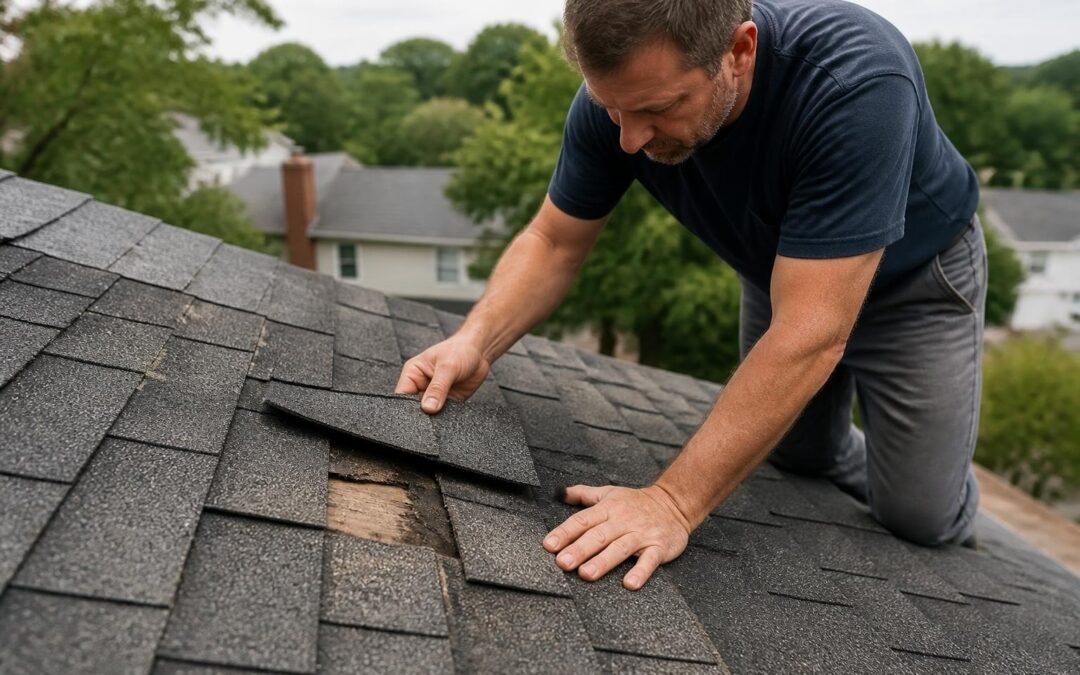
Handyman roof repair typically covers minor damage and routine maintenance tasks that don't require specialized roofing certification or extensive structural work. These repairs focus on addressing small problems before they escalate into major issues.
Common handyman roof repair tasks include:
- Replacing a few damaged or missing shingles
- Sealing minor flashing leaks around chimneys or vents
- Clearing debris from gutters and roof valleys
- Applying roof sealant to small cracks or gaps
- Installing new caulking around roof penetrations
- Reattaching loose fascia or soffit boards
A qualified handyman can handle these straightforward repairs efficiently, often at a lower cost than bringing in a full roofing crew. However, the key distinction lies in understanding complexity and risk. When damage extends beyond surface-level issues or affects the roof's structural integrity, professional roofing contractors become essential.
When Handyman Services Are Appropriate
Small-scale projects represent the ideal scenario for handyman roof repair work. If you've noticed three or four loose shingles after a windstorm, a handyman with roofing experience can typically replace them quickly. Similarly, minor flashing repairs around a single vent pipe or skylight fall within most handymen's skill sets.
The DIY approach or handyman assistance works best when damage is visible, localized, and doesn't involve water infiltration into the decking or attic space. A handyman familiar with basic roofing repair techniques can address these surface issues before they worsen.
Identifying Damage That Requires Professional Roofers
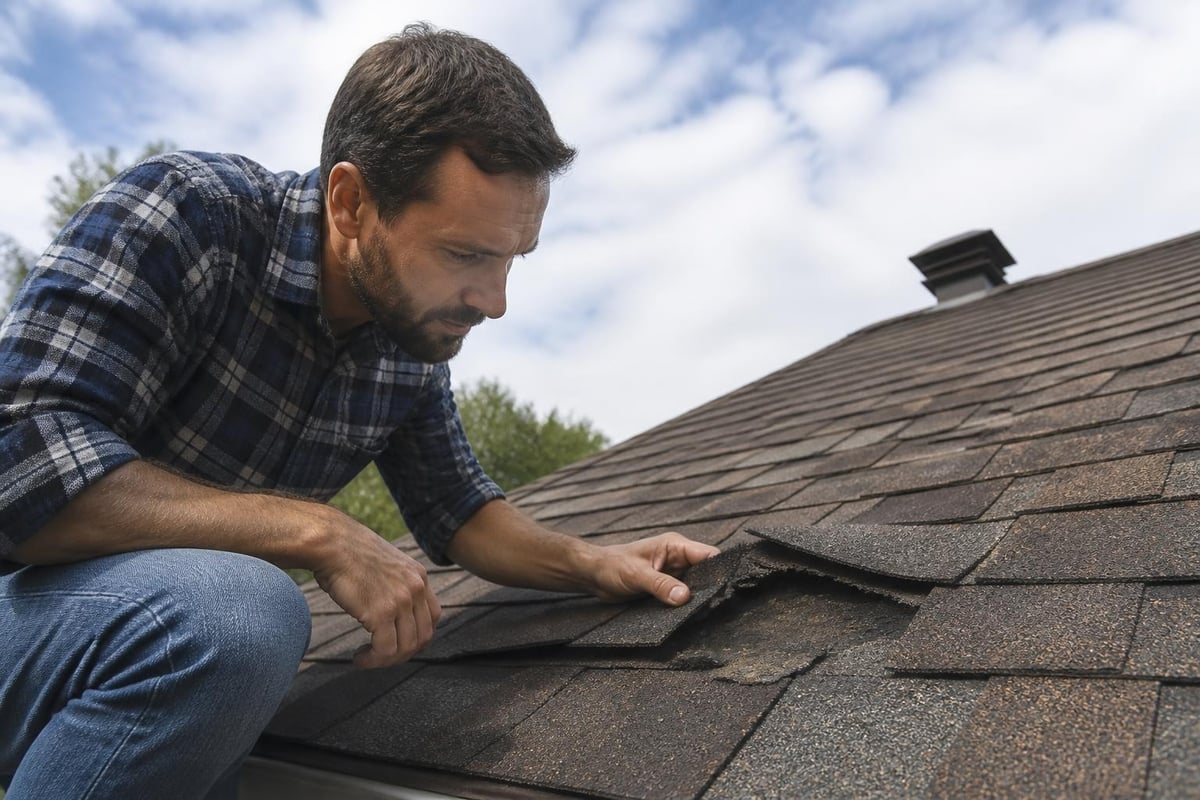
Not all roof problems suit the handyman approach. Certain situations demand the expertise, equipment, and warranties that licensed roofing contractors provide.
| Repair Type | Handyman Appropriate | Requires Professional Roofer |
|---|---|---|
| 1-5 missing shingles | Yes | No |
| Entire section damaged | No | Yes |
| Flashing around one vent | Yes | No |
| Complete flashing replacement | No | Yes |
| Surface sealant application | Yes | No |
| Structural decking repair | No | Yes |
| Cosmetic gutter cleaning | Yes | No |
| Full roof inspection | Sometimes | Yes (recommended) |
Major water damage signals that handyman roof repair has reached its limits. If you discover water stains on ceilings, sagging areas in the roof deck, or widespread shingle deterioration, professional roofers need to assess the full extent of damage. These specialists can identify hidden problems that aren't visible from ground level or to untrained eyes.
Insurance claims often require documentation from licensed contractors. While a handyman might patch a small leak temporarily, your insurance company will likely demand a professional assessment and certified repairs for any storm damage claims.
The Risk Factor in Roof Work
Safety represents another critical consideration when choosing between handyman roof repair and professional services. Roofing work inherently involves fall risks, and professional roofing companies maintain comprehensive insurance, safety equipment, and trained crews specifically for elevated work.
A handyman working alone may lack proper safety harnesses, scaffolding, or liability coverage for roof-specific work. For steep-pitch roofs, multi-story buildings, or repairs requiring extensive time on the roof surface, professional roofers offer significantly safer solutions. The National Roofing Contractors Association guidelines emphasize proper safety protocols that go beyond general handyman practices.
Cost Considerations for Small Roof Repairs
Budget constraints often drive homeowners toward handyman roof repair options. Understanding the true cost comparison helps you make informed decisions that balance immediate savings against long-term value.
Typical handyman roof repair costs in Los Angeles (2026):
- Single shingle replacement: $75-$150 per visit (includes 3-5 shingles)
- Flashing repair: $100-$250 for minor work
- Roof sealant application: $80-$200 depending on area
- Gutter cleaning with minor repair: $150-$300
These prices typically run 30-50% lower than hiring a specialized roofing company for the same small tasks. However, the savings calculation must include quality considerations and warranty protection. According to HomeAdvisor’s current cost data, professional roofing repairs often include guarantees on workmanship that handyman services may not provide.
For homeowners facing minor damage, handyman roof repair offers an economical solution. The challenge emerges when that small repair fails to address underlying issues, leading to repeated service calls or eventually requiring complete professional intervention anyway.
Hidden Costs of Inadequate Repairs
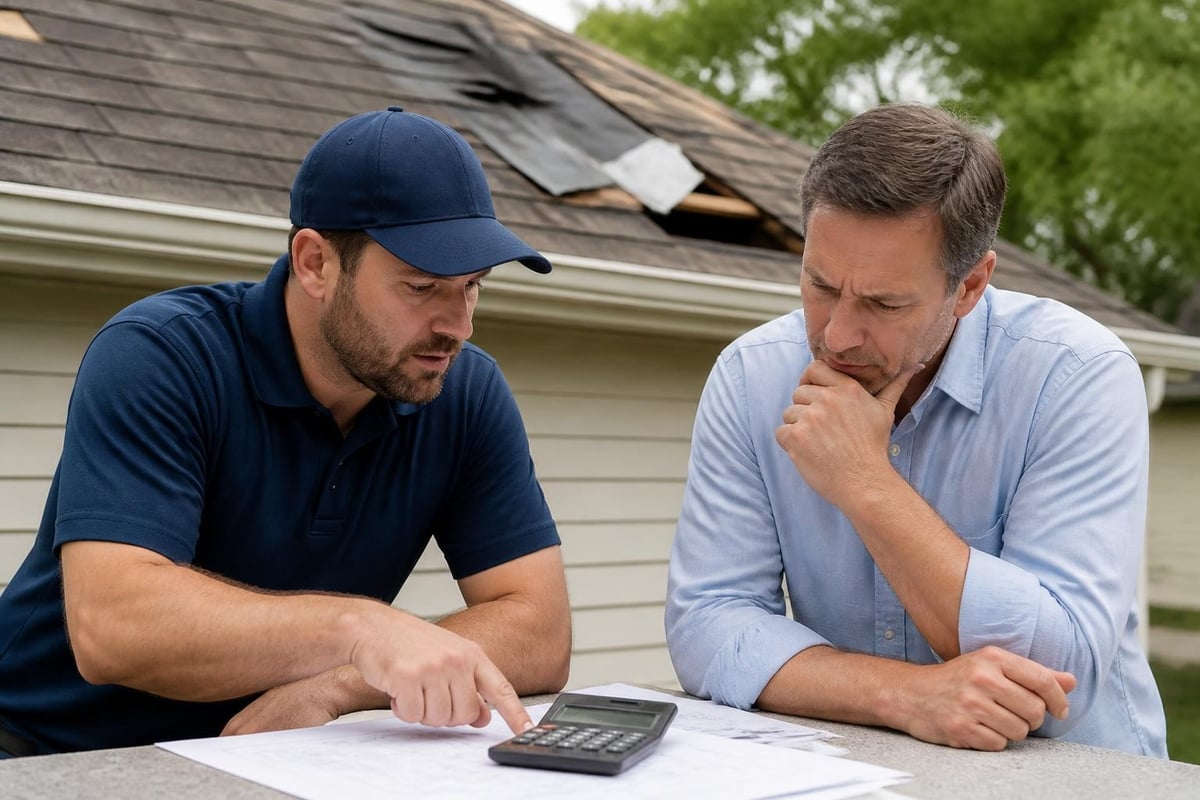
Cheap fixes can become expensive mistakes. A handyman unfamiliar with proper shingle installation techniques might create new leak points while attempting to replace damaged pieces. Improper flashing repairs often fail within months, allowing water infiltration that damages insulation, drywall, and structural components.
Consider the total cost of ownership when evaluating handyman roof repair options. If a $150 handyman patch job fails after six months and requires a $2,000 professional repair to fix both the original problem and new damage, the initial savings become losses.
Professional roofing services from companies like Roof Repairs include proper materials, manufacturer warranties, and workmanship guarantees that protect your investment. When even minor repairs involve critical waterproofing elements, this protection proves invaluable.
Essential Materials and Techniques for Handyman Repairs
Success in handyman roof repair depends heavily on using appropriate materials and following established best practices. Even skilled handymen must understand roofing-specific requirements that differ from general home repair work.
Shingle Repair Fundamentals
Asphalt shingle repair requires matching existing shingle types, colors, and quality levels. Using mismatched or inferior shingles creates aesthetic problems and potential performance gaps. A handyman tackling shingle replacement should:
- Source shingles from the same manufacturer and product line
- Check shingle age and consider sun fading when matching colors
- Use proper roofing nails (1.25-inch minimum for standard installations)
- Apply roofing cement sparingly but effectively
- Seal all nail heads to prevent water infiltration
The technique matters as much as materials. Consumer Reports’ roofing material guides explain how different shingle types require specific installation approaches. Three-tab shingles install differently than architectural shingles, and tile or metal roofing demands completely different expertise.
Flashing and Waterproofing Details
Flashing represents one of the most critical components in roof waterproofing. Handyman roof repair work involving flashing requires precision and understanding of water flow patterns.
Key flashing repair principles:
- Always work from bottom to top, allowing proper water shedding
- Use compatible metals to prevent galvanic corrosion
- Overlap flashing pieces by at least 3 inches
- Seal all fastener penetrations with appropriate sealants
- Ensure flashing extends under shingles, not over them
Step flashing around chimneys and sidewalls particularly challenges less experienced repairers. Each piece must interweave with the shingle course, creating a continuous barrier. Shortcuts in flashing repair invariably lead to leaks, often months after the initial work when identifying the source becomes difficult.
Ventilation Repairs and Roof Penetrations
Roof vents, pipes, and other penetrations create natural weak points where leaks commonly develop. Handyman roof repair around these features requires special attention to proper sealing and weatherproofing.
When replacing or repairing roof vents, understanding airflow requirements prevents creating new problems. Attic ventilation balances intake (soffit vents) with exhaust (ridge or roof vents). Adding or blocking vents without considering this balance can trap moisture and heat, damaging roof decking and shortening shingle life. The Department of Energy’s ventilation guidelines provide technical specifications for proper vent installation.
| Penetration Type | Common Issues | Repair Approach |
|---|---|---|
| Plumbing vents | Cracked boots, loose flashing | Replace boot, reseal base |
| Roof vents | Damaged caps, gap around base | Secure cap, apply fresh sealant |
| Skylights | Failed flashing, condensation leaks | Often requires professional |
| Chimneys | Deteriorated counter-flashing | Professional recommended |
A handyman comfortable with roof work can handle straightforward vent boot replacements and basic resealing. These relatively simple repairs prevent water entry that would otherwise damage ceilings and walls. However, complex skylight repairs or chimney flashing work typically exceeds handyman scope and benefits from professional roofing expertise available through services at Proof Your Roof.
Temporary Repairs and Emergency Patches
Sometimes handyman roof repair serves as a stopgap measure until professional repairs can be scheduled. Understanding effective temporary solutions helps minimize damage during waiting periods.
Effective temporary repair methods include:
- Tarp installation: Secure waterproof tarps over damaged areas using 2×4 boards
- Emergency patches: Apply roofing cement with temporary shingle covers
- Leak diversion: Place collection containers in attics to prevent ceiling damage
- Debris removal: Clear blocked valleys and gutters to restore drainage
These temporary measures shouldn't replace proper repairs but can prevent thousands of dollars in secondary water damage. After significant storms, when professional roofers face weeks-long backlogs, a capable handyman can implement emergency protection that buys time without compromising eventual permanent repairs.
Seasonal Considerations for Los Angeles Roofs
Los Angeles's Mediterranean climate presents unique challenges for handyman roof repair work. While the region avoids harsh winter weather common elsewhere, intense summer heat and occasional heavy winter rains create specific maintenance needs.
Sun Damage and Heat Degradation
Extended exposure to intense sunshine accelerates shingle aging in Southern California. UV radiation breaks down asphalt compounds, causing brittleness and granule loss. A handyman performing roof repairs should recognize signs of heat damage:
- Curling or cupping shingle edges
- Excessive granule loss visible in gutters
- Brittle shingles that crack when flexed
- Faded or discolored patches indicating age
When heat damage affects more than isolated shingles, handyman roof repair becomes inadequate. Widespread deterioration signals the need for complete roof evaluation and potentially full replacement rather than piecemeal fixes.
Summer repairs in Los Angeles require working during cooler hours. Asphalt shingles become pliable and easily damaged in afternoon heat, and working on hot roofs poses safety risks. Early morning repairs preserve shingle integrity and worker comfort.
Storm Preparation and Damage Assessment
Winter storms, though infrequent, can deliver substantial rainfall in short periods. Handyman roof repair work before storm season should focus on preventive maintenance that reduces damage risk.
Pre-season tasks include clearing debris from valleys and gutters, checking flashing integrity around penetrations, and ensuring proper drainage paths. The FORTIFIED Home program offers excellent resources on preparing roofs for severe weather, emphasizing preventive measures that reduce storm damage likelihood.
After storms, careful damage assessment determines whether handyman repair suffices or professional evaluation becomes necessary. A few displaced shingles might need simple replacement, but widespread lifting or missing sections indicate wind speeds that may have caused hidden structural damage requiring professional inspection.
Quality Standards and Workmanship Verification
Even skilled handymen benefit from understanding professional roofing standards. Quality handyman roof repair work should meet the same fundamental criteria as professional installations, even if on a smaller scale.
Inspection Checklist for Completed Repairs
After handyman roof repair work concludes, verify quality through systematic inspection:
- Shingle alignment: New shingles should match surrounding courses exactly
- Nail placement: Fasteners should penetrate the adhesive strip area, not too high or low
- Sealant application: Cement should be invisible from ground level when properly applied
- Flashing integration: All flashing should tuck under upslope shingles, over downslope ones
- Debris removal: Roof surface and gutters should be completely cleared of materials
Quality workmanship also includes cleanup. Professional standards require removing all debris, nails, and packaging materials from the property. A handyman leaving a scatter of old shingles and fasteners around your yard demonstrates poor attention to detail that might extend to the actual repair work.
Long-term Performance Expectations
Realistic expectations help you evaluate whether handyman roof repair delivers appropriate value. Properly executed minor repairs should last until surrounding materials require replacement. If a handyman replaces five shingles on a ten-year-old roof, those repairs should perform for another ten to fifteen years, matching the remaining roof lifespan.
Quick failure indicates inadequate work. Shingles blowing off within months, new leaks developing around repaired flashing, or visible deterioration at repair sites all suggest substandard workmanship. Document these failures with photos and dates, as they may indicate warranty claims or the need to hire different service providers.
Making the Right Decision for Your Roof
Choosing between handyman roof repair and professional roofing services ultimately depends on accurately assessing damage scope, understanding quality requirements, and balancing cost against risk.
Decision framework for roof repairs:
- Assess damage extent: Count affected areas and measure square footage involved
- Evaluate complexity: Consider accessibility, pitch, and technical requirements
- Research service providers: Check licenses, insurance, and reviews thoroughly
- Get multiple estimates: Compare pricing and scope descriptions
- Consider warranties: Factor long-term protection into value calculations
- Account for safety: Never compromise personal safety for cost savings
For truly minor repairs on accessible, low-slope roofs, experienced handymen offer cost-effective solutions. When damage extends beyond a few shingles, involves critical waterproofing components, or affects hard-to-reach areas, professional roofing contractors provide superior value through expertise, equipment, and guaranteed workmanship.
The middle ground involves using handymen for regular maintenance and minor fixes while establishing relationships with professional roofers for inspections and major work. This balanced approach maximizes cost efficiency while ensuring your roof receives appropriate care throughout its service life.
Understanding when handyman roof repair makes sense versus when professional expertise becomes essential protects both your home and your budget from costly mistakes. For Los Angeles area homeowners facing roof concerns beyond basic handyman scope, Proof Your Roof delivers comprehensive residential and commercial roofing services including expert repairs, replacements, and maintenance for all roof types. Whether you need immediate repair assistance or professional assessment of existing damage, experienced roofing specialists ensure your home stays protected with quality workmanship and reliable warranties.