
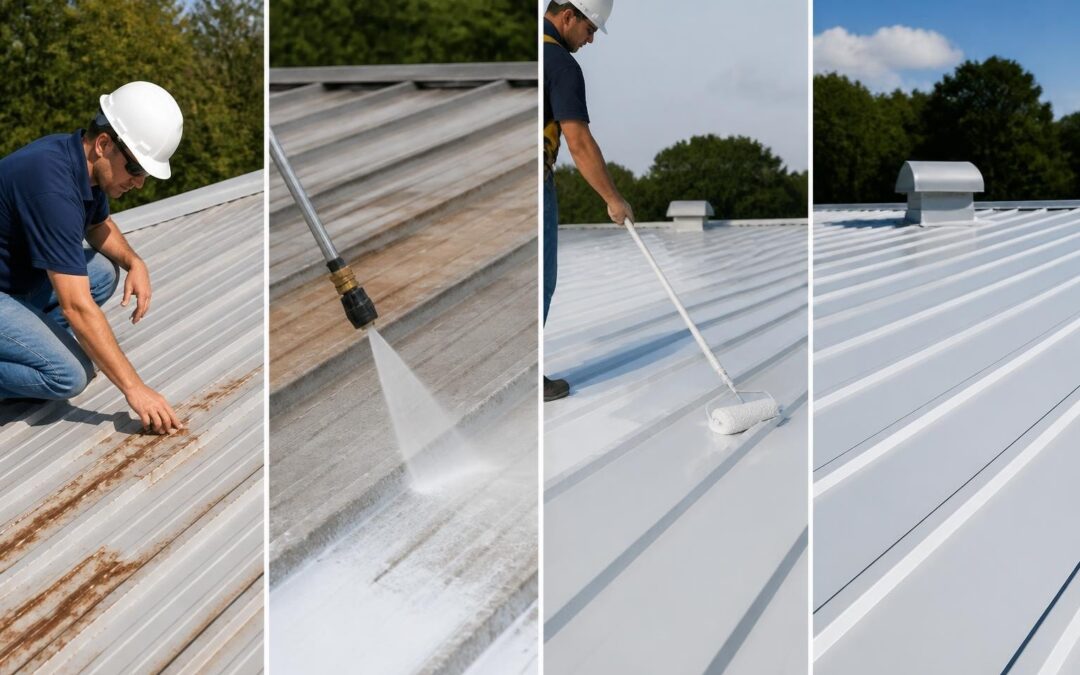
Metal roofs are known for their exceptional durability and longevity, often lasting 40 to 70 years with proper care. However, even the most resilient metal roofing systems eventually show signs of wear, including rust, corrosion, failing sealants, and persistent leaks. Rather than facing the substantial expense of complete roof replacement, metal roof restoration offers property owners a cost-effective alternative that can extend the lifespan of their existing roof by decades. This comprehensive approach addresses structural issues, protects against environmental damage, and restores the roof's protective capabilities while preserving the initial investment in quality roofing materials.
Understanding Metal Roof Restoration Benefits
Metal roof restoration involves a systematic process of repairing, cleaning, and protecting existing metal roofing systems to restore their performance and extend their service life. This approach has gained significant traction among commercial and residential property owners in Los Angeles and throughout California as a sustainable and economical alternative to complete roof replacement.
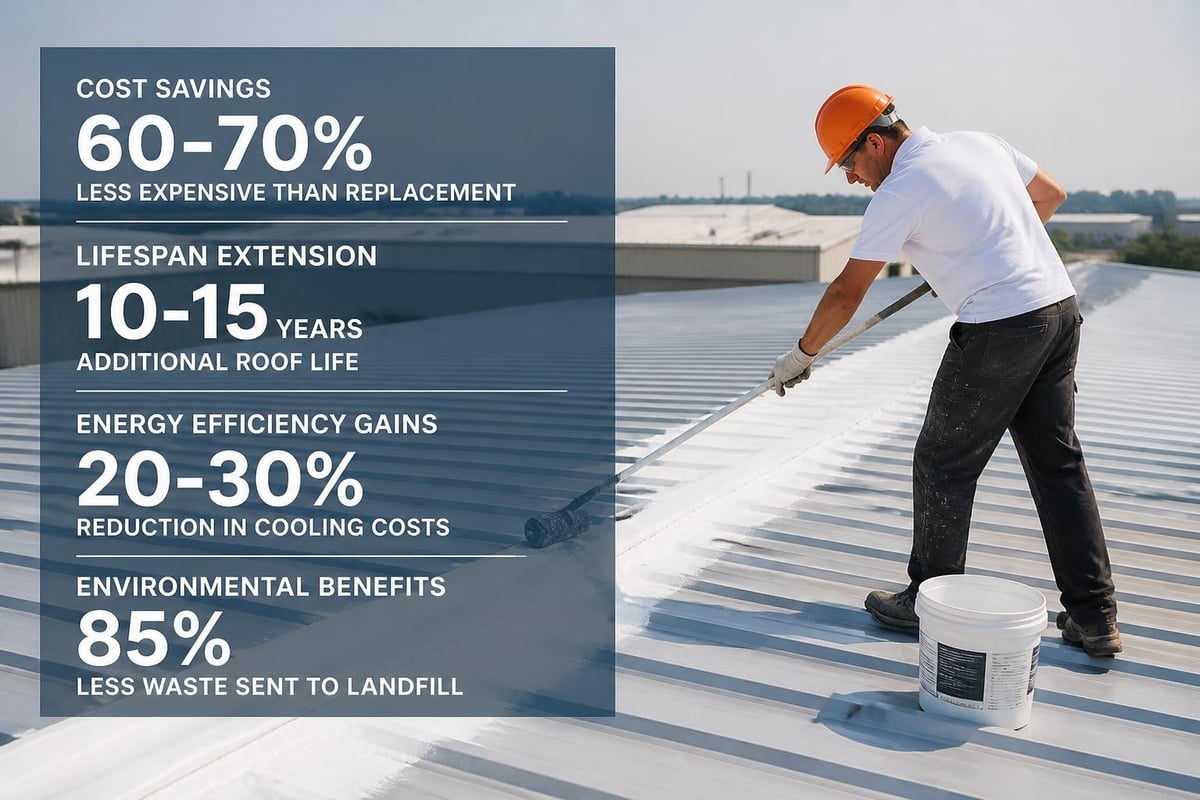
The financial advantages of restoration versus replacement are substantial. Property owners typically save 50 to 70 percent compared to the cost of installing a new metal roof. Beyond immediate cost savings, restoration minimizes business disruption, reduces waste sent to landfills, and maintains the building's operational continuity throughout the process.
Key benefits of metal roof restoration include:
- Extended roof lifespan by 10 to 20 years or more
- Improved energy efficiency through reflective coating systems
- Enhanced waterproofing and leak prevention
- Reduced environmental impact compared to replacement
- Minimal disruption to building occupants
- Preservation of the existing roof structure and insulation
Energy efficiency improvements represent another compelling advantage. Modern restoration coatings feature high solar reflectance and thermal emittance properties, which can reduce cooling costs by up to 30 percent in warm climates. This makes restoration particularly attractive for property owners in Southern California, where cooling expenses constitute a significant portion of operating costs.
Identifying When Your Metal Roof Needs Restoration
Recognizing the signs that indicate your metal roof requires restoration helps prevent minor issues from escalating into costly emergencies. Regular inspections enable property owners to address problems proactively and plan restoration work during optimal weather conditions.
Common Warning Signs
Visible rust and corrosion represent the most obvious indicators that your metal roof needs attention. Surface rust may initially appear as minor discoloration, but without intervention, it penetrates deeper into the metal substrate, compromising structural integrity. Understanding the best methods to restore metal roofs involves addressing these issues before they become critical failures.
Water stains on interior ceilings or walls signal active or recent leaks that require immediate investigation. Even small leaks can cause extensive damage to insulation, structural components, and interior finishes if left unaddressed.
Physical indicators requiring restoration:
- Failing or deteriorated sealants around penetrations and seams
- Loose or missing fasteners creating potential leak points
- Standing water or ponding in low areas
- Chalking or fading of factory-applied coatings
- Visible oil canning or deformation of metal panels
- Corroded flashing or trim components
The age of your roof provides important context for restoration planning. Metal roofs installed 15 to 25 years ago often benefit significantly from restoration, particularly if they've received minimal maintenance. Properties in coastal areas or industrial zones face accelerated deterioration due to salt exposure or airborne chemicals, making regular assessment even more critical.
The Metal Roof Restoration Process
Professional metal roof restoration follows a structured methodology that ensures thorough problem resolution and long-lasting results. Understanding each phase helps property owners appreciate the value and complexity of this specialized service.
Initial Assessment and Planning
The restoration process begins with a comprehensive roof inspection conducted by experienced professionals. This assessment identifies all problem areas, evaluates the overall condition of the roof system, and determines the most appropriate restoration approach. Inspectors examine seams, fasteners, penetrations, drainage systems, and the general condition of metal panels.
Documentation through photographs and detailed reports creates a baseline for project planning and helps property owners understand the scope of work required. Testing may include adhesion tests, moisture surveys using infrared technology, and core samples to assess existing coating systems and substrate conditions.
| Assessment Component | Purpose | Deliverable |
|---|---|---|
| Visual Inspection | Identify visible damage and deterioration | Photo documentation |
| Moisture Survey | Detect trapped moisture in insulation | Thermal imaging report |
| Substrate Testing | Evaluate metal condition and coating adhesion | Laboratory analysis |
| Drainage Evaluation | Assess water flow and ponding issues | Drainage improvement plan |
Surface Preparation Methods
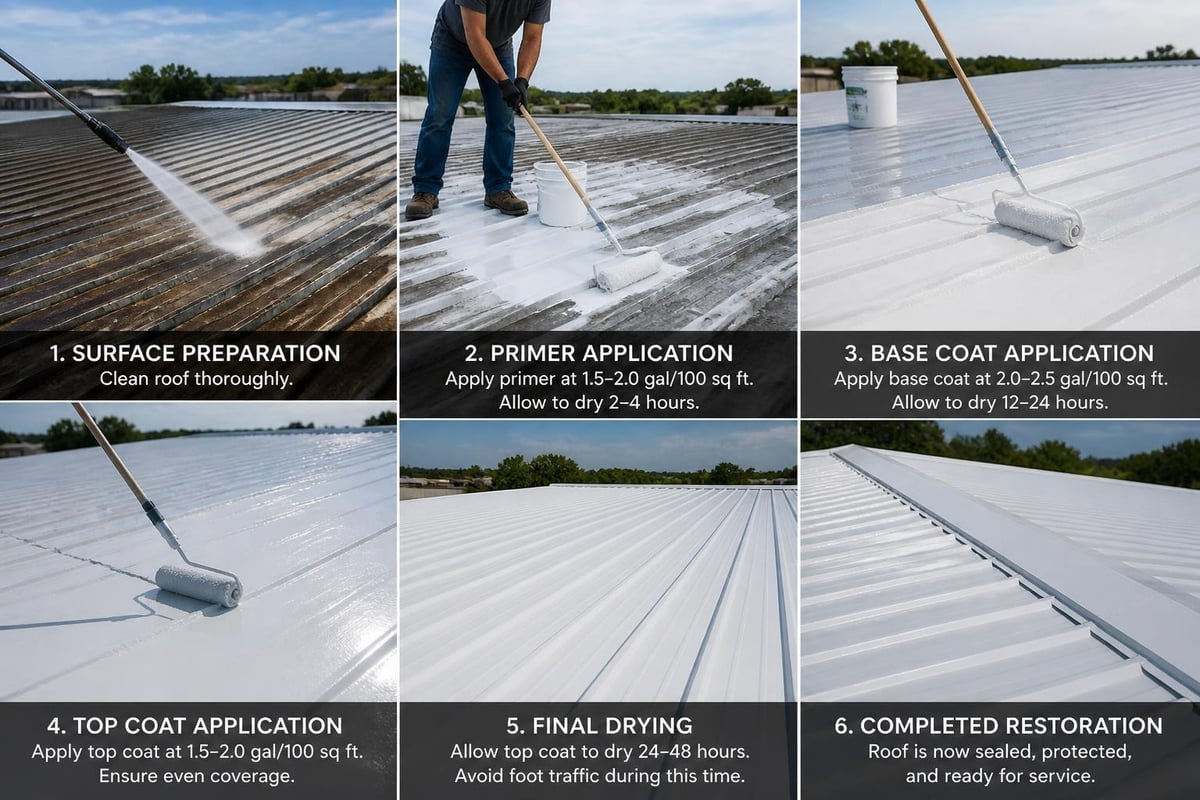
Proper surface preparation determines the success and longevity of any metal roof restoration project. This critical phase removes contaminants, failed coatings, rust, and other materials that would prevent new coatings from properly adhering to the metal substrate.
Power washing with appropriate cleaning agents removes dirt, biological growth, chalk, and loose paint. For heavily corroded areas, wire brushing or light abrasive methods eliminate rust while preserving the underlying metal. Maintenance best practices for metal roofing emphasize the importance of thorough cleaning before applying any protective systems.
The cleaned surface must achieve complete dryness before coating application. Moisture trapped beneath coatings leads to premature failure, blistering, and ongoing corrosion. Professional contractors monitor weather conditions carefully and may use forced air drying equipment to ensure optimal conditions.
Coating Systems for Metal Roof Restoration
Selecting the appropriate coating system represents one of the most important decisions in metal roof restoration. Different coating technologies offer distinct advantages, and the optimal choice depends on roof configuration, climate conditions, budget, and performance expectations.
Silicone Coating Technology
Silicone coatings have emerged as the preferred solution for metal roof restoration due to their exceptional weathering properties and longevity. These single-component systems cure through moisture exposure, creating a seamless, fully adhered membrane across the entire roof surface.
The superior water resistance of silicone coatings makes them ideal for areas prone to ponding water. Unlike other coating types that may soften or degrade when constantly exposed to standing water, silicone maintains its integrity and protective properties. Case studies demonstrate silicone coating effectiveness in addressing significant leak problems on aging metal roofs.
Advantages of silicone coating systems:
- Exceptional resistance to ponding water and UV degradation
- High solar reflectance reducing cooling costs
- Excellent elongation accommodating thermal movement
- Low dirt pickup maintaining reflective properties
- Renewable warranty programs extending protection indefinitely
- Resistance to mold, mildew, and biological growth
Acrylic and Urethane Alternatives
Acrylic coatings offer excellent reflectivity and breathability at a lower initial cost than silicone systems. These water-based products work well on roofs with minimal ponding issues and provide good protection in dry climates. However, they demonstrate lower resistance to standing water and typically require more frequent recoating.
Urethane coatings deliver superior abrasion resistance and impact protection, making them suitable for roofs subject to foot traffic or falling debris. These systems often serve as base coats beneath acrylic or silicone topcoats, combining the physical toughness of urethane with the weathering properties of other technologies.
| Coating Type | Best Application | Typical Lifespan | Water Resistance | Cost Range |
|---|---|---|---|---|
| Silicone | Ponding water areas | 15-20 years | Excellent | $$$ |
| Acrylic | Dry climates, minimal ponding | 10-15 years | Good | $$ |
| Urethane | High traffic, impact zones | 10-12 years | Fair | $$$ |
| Polyurea | Fast cure requirements | 12-18 years | Very Good | $$$$ |
Addressing Specific Metal Roof Problems
Metal roof restoration provides targeted solutions for the most common deterioration patterns affecting these roofing systems. Professional contractors customize their approach based on the specific issues present and the roof's overall condition.
Fastener and Seam Repairs
Exposed fasteners represent one of the primary failure points in metal roofing systems. Over time, thermal cycling causes fasteners to work loose, rubber washers deteriorate from UV exposure, and the penetrations become potential leak sources. Restoration addresses these issues through fastener replacement, sealing, and coating.
Contractors evaluate every fastener, replacing damaged or loose components and installing new sealing washers. High-quality sealants designed specifically for metal-to-metal applications fill gaps and create weathertight seals. The subsequent coating system encapsulates fastener heads, providing an additional layer of protection against water infiltration.
Standing seam metal roofs present unique challenges due to their clip systems and thermal expansion requirements. Standing seam metal roof restoration techniques maintain the roof's designed movement capabilities while addressing seam failures and coating degradation.
Rust Remediation Strategies
Rust removal and prevention form critical components of successful metal roof restoration. Surface rust requires mechanical removal through wire brushing, sanding, or media blasting to expose clean metal. For deeper corrosion, contractors assess whether the remaining metal thickness provides adequate structural capacity or requires reinforcement.
After cleaning, rust-inhibiting primers convert any remaining oxidation and create a stable base for coating adhesion. Modern primer technologies penetrate surface irregularities and provide excellent corrosion resistance even in challenging environments. Multiple primer coats may be necessary in heavily corroded areas to achieve proper film thickness and protection.
Property owners should work with contractors who address not just visible rust, but also the underlying conditions causing corrosion. Poor drainage, failing sealants, and dissimilar metal contact all accelerate rust formation and must be corrected during restoration to prevent recurrence.
Cost Considerations and Return on Investment
Understanding the financial aspects of metal roof restoration helps property owners make informed decisions and plan appropriately. While costs vary based on roof size, condition, and coating system selection, restoration consistently delivers superior value compared to replacement options.
Typical Project Costs
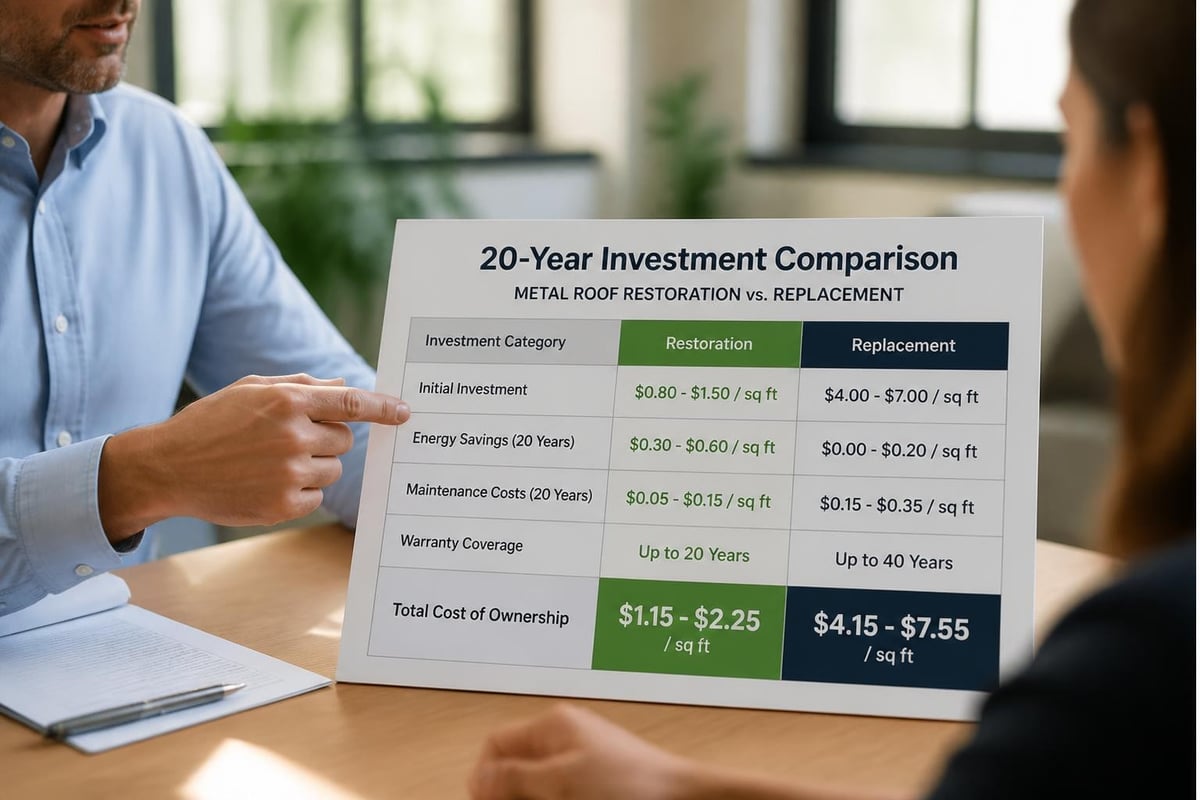
Metal roof restoration typically costs between $3 and $7 per square foot for comprehensive projects including repairs, surface preparation, and coating application. This compares favorably to metal roof replacement costs ranging from $10 to $25 per square foot depending on panel type and installation complexity.
Cost factors affecting restoration pricing:
- Existing roof condition and extent of repairs needed
- Roof accessibility and safety equipment requirements
- Coating system selection and number of coats applied
- Geographic location and local labor rates
- Project size and economies of scale
- Seasonal timing and weather considerations
Additional expenses may include upgrading drainage systems, replacing heavily damaged panels or flashing, and structural repairs if substrate damage has occurred. Comprehensive inspections help contractors provide accurate estimates that account for all necessary work.
Long-Term Value Analysis
The return on investment for metal roof restoration extends beyond initial cost savings. Energy efficiency improvements generate ongoing utility bill reductions that compound over the coating system's lifespan. Buildings with restored metal roofs also command higher property values and attract quality tenants who appreciate well-maintained facilities.
Warranty programs significantly enhance restoration value. Many coating manufacturers offer renewable warranties ranging from 10 to 20 years, with options to extend protection indefinitely through periodic topcoat applications. This contrasts sharply with traditional roofing warranties that expire after a fixed term regardless of actual roof condition.
Maintenance After Restoration
Proper maintenance following metal roof restoration maximizes the lifespan of the coating system and protects the investment. Establishing a proactive maintenance schedule prevents minor issues from developing into significant problems requiring costly interventions.
Recommended Inspection Schedule
Professional roof inspections should occur twice annually, ideally in spring and fall. These examinations identify emerging issues such as coating damage, clogged drains, vegetation growth, or new leaks before they cause substantial damage. Additional inspections following severe weather events help detect impact damage or wind-related problems.
Property owners can supplement professional inspections with regular visual checks from ground level. Binoculars enable observation of roof surfaces, drainage components, and flashing conditions without accessing the roof. Any unusual staining, visible damage, or drainage problems warrant immediate professional assessment.
Detailed inspection reports document roof conditions over time, creating a maintenance history that informs future decisions. This documentation proves valuable when considering warranty claims, planning additional restoration work, or evaluating property improvements.
Cleaning and Minor Repairs
Regular cleaning removes debris, leaves, and biological growth that can trap moisture and accelerate coating degradation. Gentle cleaning methods using soft-bristle brooms or low-pressure washing protect coating integrity while maintaining roof cleanliness. Harsh chemicals or abrasive cleaning techniques should be avoided as they can damage protective coatings.
Minor repairs addressed promptly prevent isolated problems from spreading. Small coating breaches can be patched with compatible materials, loose fasteners can be tightened and resealed, and debris can be removed from drainage systems before blockages develop. Many coating manufacturers provide touch-up materials and detailed instructions for minor maintenance procedures.
When restoration work includes roof repairs, property owners gain comprehensive solutions that address immediate problems while preventing future deterioration. Professional roof repair services ensure that underlying damage receives proper attention before coating application, maximizing restoration effectiveness and longevity.
Environmental and Sustainability Benefits
Metal roof restoration aligns with growing emphasis on sustainable building practices and environmental responsibility. The restoration approach delivers measurable environmental benefits that appeal to property owners committed to reducing their ecological footprint.
Waste Reduction Impact
Complete roof replacement generates substantial construction waste. A typical 10,000 square foot metal roof replacement produces approximately 7 to 10 tons of scrap metal and associated materials destined for landfills. Restoration eliminates this waste stream by preserving existing materials and extending their useful service life.
The environmental cost of manufacturing new metal roofing materials includes mining raw materials, energy-intensive production processes, and transportation emissions. By avoiding replacement, restoration conserves these resources and reduces the carbon footprint associated with new roof installation. This circular economy approach maximizes the value extracted from existing materials.
Many metal roofing coatings incorporate recycled content and low-VOC formulations that minimize environmental impact during application. These environmentally responsible products deliver high performance without compromising air quality or contributing to urban pollution.
Energy Efficiency Contributions
Reflective roof coatings reduce solar heat gain, decreasing building cooling loads and associated energy consumption. This effect proves particularly significant in warm climates where air conditioning represents the largest component of energy usage. Cool roof technologies can lower surface temperatures by 50 to 60 degrees Fahrenheit compared to uncoated dark surfaces.
The cumulative energy savings from widespread cool roof adoption contribute to reduced urban heat island effects and lower community-wide energy demand. Studies on extending metal roof lifespan demonstrate how proper restoration techniques combined with reflective coatings deliver both individual building benefits and broader environmental advantages.
LEED certification programs and similar green building standards recognize roof restoration as a sustainable practice. Projects can earn points toward certification through waste reduction, energy efficiency improvements, and selection of environmentally preferable materials, enhancing property values and marketability.
Selecting a Qualified Restoration Contractor
The success of any metal roof restoration project depends heavily on contractor expertise, quality materials, and proper installation techniques. Property owners should conduct thorough due diligence when selecting restoration professionals to ensure optimal results and long-term performance.
Essential Qualifications and Credentials
Licensed roofing contractors with specific metal roof restoration experience bring specialized knowledge to projects. Manufacturer certifications demonstrate that contractors have completed training programs and meet performance standards required to install warranty-backed coating systems. These certifications often include ongoing education requirements that keep contractors current with evolving technologies and best practices.
Insurance coverage protects property owners from liability associated with on-site accidents or property damage. Comprehensive general liability and workers' compensation insurance provide essential financial protection throughout project execution. Contractors should readily provide certificates of insurance and allow verification of coverage.
Evaluation criteria for restoration contractors:
- Minimum 5 years of metal roof restoration experience
- Manufacturer certifications for specified coating systems
- Current licensing and insurance documentation
- Portfolio of completed projects with verifiable references
- Detailed written proposals and specifications
- Clear warranty terms for labor and materials
- Financial stability and bonding capacity for larger projects
Questions to Ask Potential Contractors
Understanding contractor capabilities requires asking specific questions about their approach, experience, and quality standards. How do they handle surface preparation in different conditions? What coating systems do they recommend and why? How do they ensure proper application rates and film thickness?
Request detailed references from similar projects completed within the past two years. Contact these references to inquire about contractor performance, project timeline adherence, communication quality, and post-installation support. Site visits to completed projects provide valuable insight into workmanship quality and long-term coating performance.
Practical advice for metal roof restoration planning emphasizes the importance of clear communication and detailed documentation throughout the contractor selection and project execution process. Written agreements should specify all work to be performed, materials to be used, project timeline, payment terms, and warranty coverage.
Regional Considerations for Los Angeles Properties
Metal roof restoration in Los Angeles and surrounding areas presents unique opportunities and challenges influenced by local climate conditions, building codes, and environmental factors. Understanding these regional considerations helps property owners optimize restoration approaches for Southern California's specific requirements.
Climate-Specific Factors
Southern California's Mediterranean climate features warm, dry summers and mild, wet winters. This pattern creates ideal conditions for restoration work during extended dry seasons while requiring careful moisture management during winter months. The region's abundant sunshine accelerates UV degradation of unprotected metal surfaces, making reflective coating systems particularly valuable.
Coastal properties face additional challenges from salt-laden air that accelerates corrosion of metal roofing components. Restoration projects in these areas require enhanced surface preparation, corrosion-resistant primers, and coatings formulated to withstand marine environments. Regular maintenance becomes even more critical for coastal installations.
Seismic activity considerations influence fastener specifications and attachment methods. Restoration work should maintain or enhance the roof system's ability to accommodate building movement during seismic events without compromising weatherproofing or structural performance.
Local Building Code Compliance
Los Angeles building codes establish specific requirements for roofing materials, fire ratings, and installation methods. Metal roof restoration must comply with current codes even when working on older roof systems installed under previous regulations. Professional contractors maintain current knowledge of code requirements and ensure restoration work meets all applicable standards.
Cool roof requirements in California Title 24 energy codes mandate minimum solar reflectance and thermal emittance values for certain roof types and building applications. Modern restoration coating systems typically exceed these requirements, delivering superior energy performance while ensuring code compliance.
Permit requirements vary based on project scope and property location. While coating application may not always require permits, associated repairs or structural modifications typically do. Working with experienced local contractors familiar with jurisdictional requirements streamlines permitting processes and ensures regulatory compliance.
Metal roof restoration offers property owners a proven, cost-effective strategy to extend roof lifespan, improve energy efficiency, and protect their investment without the disruption and expense of complete replacement. By addressing deterioration proactively and applying modern coating technologies, buildings throughout Los Angeles can maintain superior weather protection for decades.
Whether you're managing a commercial facility or maintaining a residential property with a metal roof, Proof Your Roof delivers the expertise and quality workmanship necessary for successful restoration projects. Our comprehensive roofing services throughout Los Angeles and surrounding areas include thorough assessments, professional repairs, and application of premium coating systems designed to maximize your metal roof's performance and longevity. Contact our team today to schedule a free consultation and discover how restoration can benefit your property.