
Fiberglass shingles have dominated the residential roofing market for decades, offering homeowners a reliable blend of durability, affordability, and fire resistance. These roofing materials have evolved significantly since their introduction, becoming the preferred choice for millions of properties across the United States. Understanding the composition, performance characteristics, and installation requirements of fiberglass shingles empowers homeowners to make informed decisions about their roofing investments. For Los Angeles area properties where sun exposure and occasional wind events pose unique challenges, selecting the right shingle type becomes particularly critical.
What Are Fiberglass Shingles
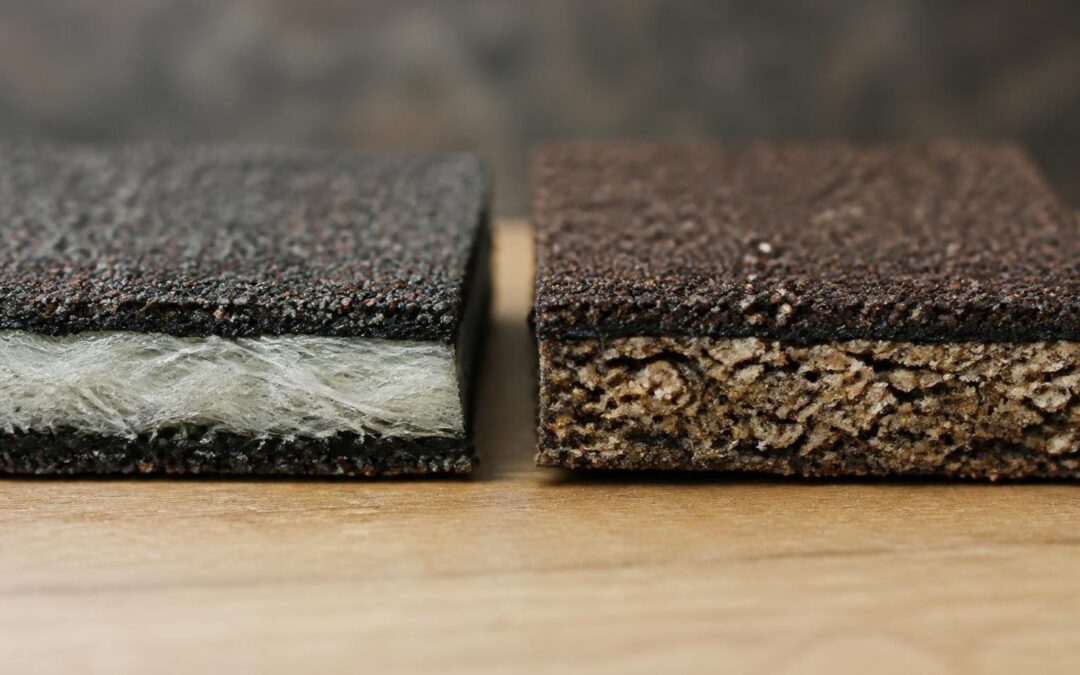
Fiberglass shingles represent a modern evolution in asphalt roofing technology, built around a glass fiber reinforcement mat rather than organic felt paper. This core difference fundamentally changes how the shingle performs under stress and environmental exposure.
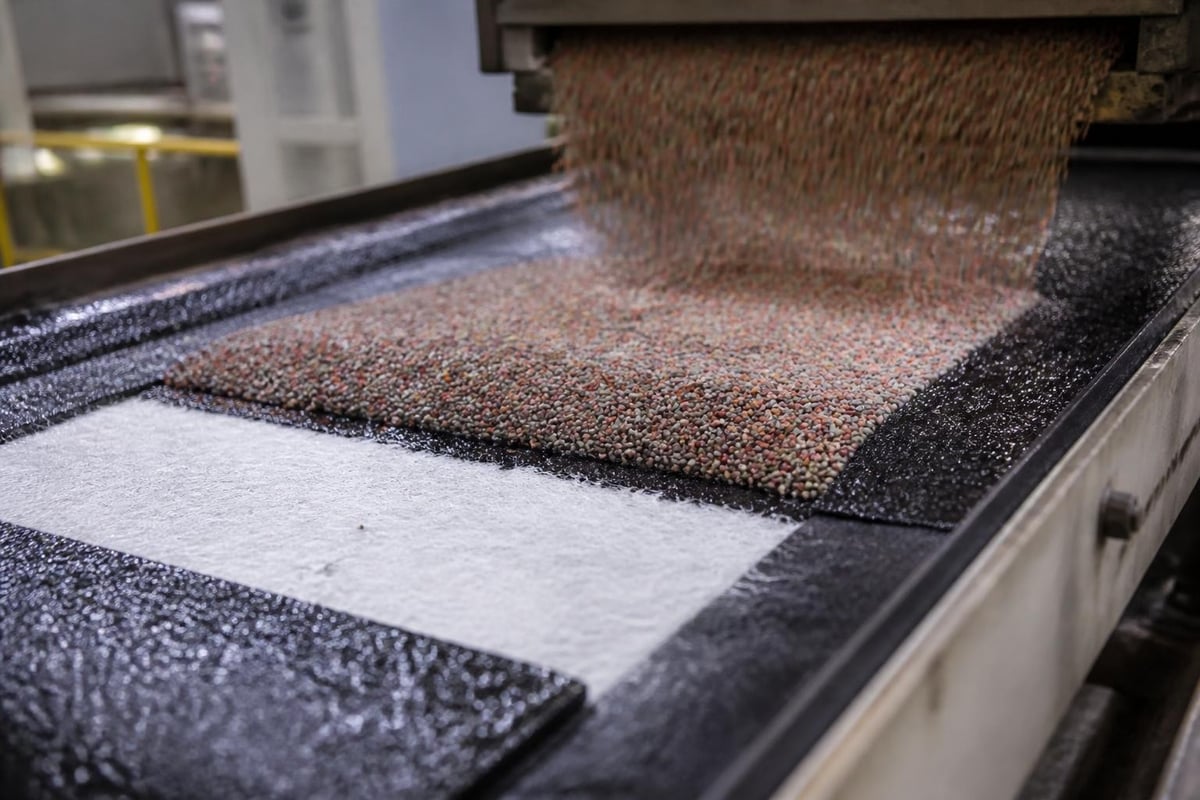
The manufacturing process begins with a non-woven glass fiber mat that provides the structural backbone. Manufacturers coat this mat with asphalt on both sides, creating a waterproof barrier that protects the underlying roof deck. Ceramic granules are then embedded into the top surface, offering UV protection and aesthetic appeal while contributing to fire resistance.
Composition and Manufacturing Standards
The glass fiber mat in these shingles consists of fine glass filaments randomly oriented and bonded together. This random orientation creates superior tensile strength compared to the linear fiber patterns found in organic alternatives. The National Roofing Contractors Association provides detailed specifications for how these materials should meet industry standards for fire resistance and structural integrity.
Modern fiberglass shingles typically contain:
- Glass fiber reinforcement mat (30-50% of total weight)
- Asphalt coating (oxidized or polymer-modified)
- Mineral fillers (limestone, silica, or recycled materials)
- Ceramic granules (colored, UV-resistant surface layer)
- Back surface coating (sand or talc for handling)
The asphalt used in 2026 formulations has advanced considerably, with many manufacturers incorporating polymer modifications that enhance flexibility in cold weather while maintaining stability in extreme heat.
Performance Advantages Over Organic Shingles
Fiberglass shingles deliver measurable performance benefits that explain their market dominance. The fundamental difference lies in how the base material interacts with moisture, temperature fluctuations, and physical stress.
Fire resistance stands out as perhaps the most significant advantage. Fiberglass shingles typically achieve Class A fire ratings, the highest available for roofing materials. The glass fiber mat does not combust, providing a non-flammable core that helps protect structures from external fire exposure.
Weight considerations matter significantly for both structural load and installation efficiency. Fiberglass shingles weigh approximately 50-70 pounds per square (100 square feet), considerably lighter than organic alternatives that can exceed 90 pounds per square. This reduced weight simplifies handling during installation and places less stress on roof framing systems.
Durability and Longevity Metrics
| Performance Factor | Fiberglass Shingles | Organic Shingles |
|---|---|---|
| Typical Lifespan | 20-30 years | 15-20 years |
| Fire Rating | Class A | Class C (typical) |
| Weight per Square | 50-70 lbs | 70-90 lbs |
| Moisture Resistance | Excellent | Good |
| Wind Rating | Up to 130 mph | Up to 110 mph |
Moisture resistance proves particularly valuable in climates with occasional rain exposure. The glass fiber mat does not absorb water like organic felt, preventing the dimensional changes and rot that can compromise organic shingles over time. Research on asphalt shingle performance demonstrates how this moisture stability contributes to longer service life.
Temperature cycling affects all roofing materials, but fiberglass shingles show superior resistance to thermal stress. The glass fiber mat maintains dimensional stability across temperature ranges, while the polymer-modified asphalt formulations used in premium products resist both cracking in cold weather and softening in extreme heat.
Installation Requirements and Best Practices
Proper installation determines whether fiberglass shingles achieve their rated performance and longevity. Even premium products fail prematurely when installation shortcuts compromise the roofing system's integrity.
Substrate preparation begins with ensuring the roof deck provides a smooth, dry, and structurally sound foundation. OSB or plywood decking should meet local building codes for thickness and fastener spacing. Any damaged or deteriorated deck sections require replacement before shingle installation begins.
Critical Installation Steps
- Install proper underlayment across the entire roof deck
- Apply ice and water shield in valleys and along eaves
- Establish proper starter course at eaves and rakes
- Maintain consistent exposure (typically 5-5.625 inches)
- Use appropriate fasteners (minimum 4 per shingle)
- Ensure proper ventilation through ridge and soffit vents
- Install flashing at all penetrations and transitions
Fastener selection and placement significantly impact wind resistance. Studies examining fiberglass shingle performance during wind events reveal that proper nailing technique matters as much as the shingle quality itself. Each fastener should penetrate through the shingle and at least 3/4 inch into the deck, positioned in the manufacturer's designated nailing zone.
Climate-specific considerations apply particularly to Los Angeles area installations. The combination of intense UV exposure, occasional Santa Ana winds, and temperature variations between coastal and inland areas demands attention to specific details. Adequate attic ventilation becomes critical for managing heat buildup that can accelerate shingle aging.
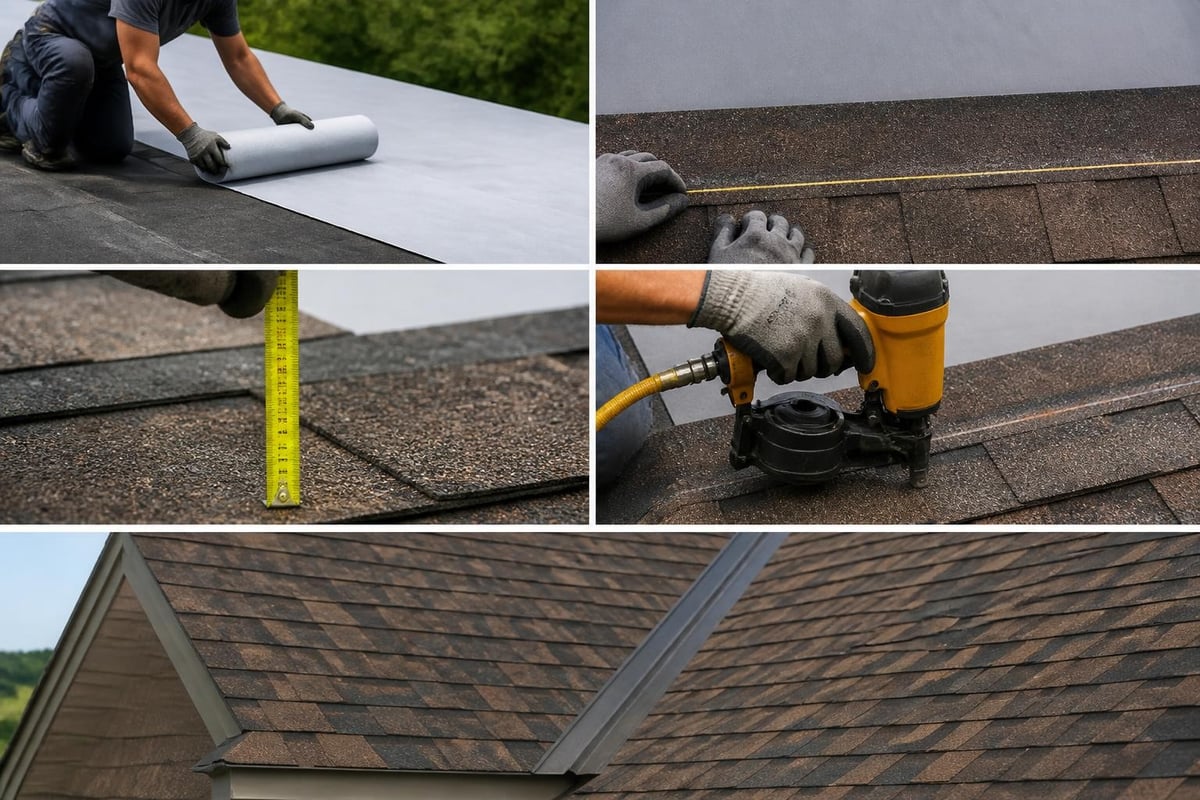
When homeowners invest in new roofing, proper installation ensures they receive the full value of their investment. New Roof Installation services that follow manufacturer specifications and local building codes deliver the performance and longevity that quality fiberglass shingles promise.
Thermal Performance and Energy Considerations
The color and reflectivity of fiberglass shingles directly impact attic temperatures and cooling costs, particularly relevant for Southern California properties where summer heat drives energy consumption.
Cool roof technology has transformed the fiberglass shingle market over the past decade. Manufacturers now offer products with specially formulated granules that reflect solar radiation rather than absorbing it. These cool roof shingles can reduce surface temperatures by 20-30 degrees Fahrenheit compared to traditional dark shingles.
Research analyzing summer temperatures of various roof assemblies demonstrates measurable differences in thermal performance between shingle colors and formulations. Dark-colored conventional shingles can reach surface temperatures exceeding 160°F during peak summer conditions, while cool roof alternatives may stay below 130°F under identical conditions.
The implications extend beyond comfort to actual service life. Every 10-degree reduction in sustained roof temperature can potentially extend shingle life by several years. The asphalt binders in fiberglass shingles gradually oxidize and become brittle when exposed to sustained high temperatures, a process accelerated by the intense UV exposure common in the Los Angeles area.
Color Selection Impact
- Light colors (white, tan, light gray): Maximum solar reflection, cooler attic temperatures
- Medium colors (brown, gray, green): Balanced aesthetics and thermal performance
- Dark colors (black, dark gray, dark brown): Traditional appearance, higher heat absorption
- Cool roof formulations: Available across color spectrum with enhanced reflectivity
Proper attic ventilation works synergistically with shingle selection to manage heat buildup. Ridge vents paired with adequate soffit intake allow passive air circulation that removes heat accumulating beneath the roof deck. This ventilation protects not only the shingles but also the roof structure and interior comfort.
Maintenance and Inspection Protocols
Proactive maintenance extends the functional life of fiberglass shingles while identifying potential issues before they cause interior damage. Los Angeles area properties face specific maintenance considerations related to debris accumulation, occasional wind events, and the gradual effects of UV exposure.
Annual Inspection Checklist
Professional or homeowner inspections should examine specific elements that indicate shingle condition and potential problems:
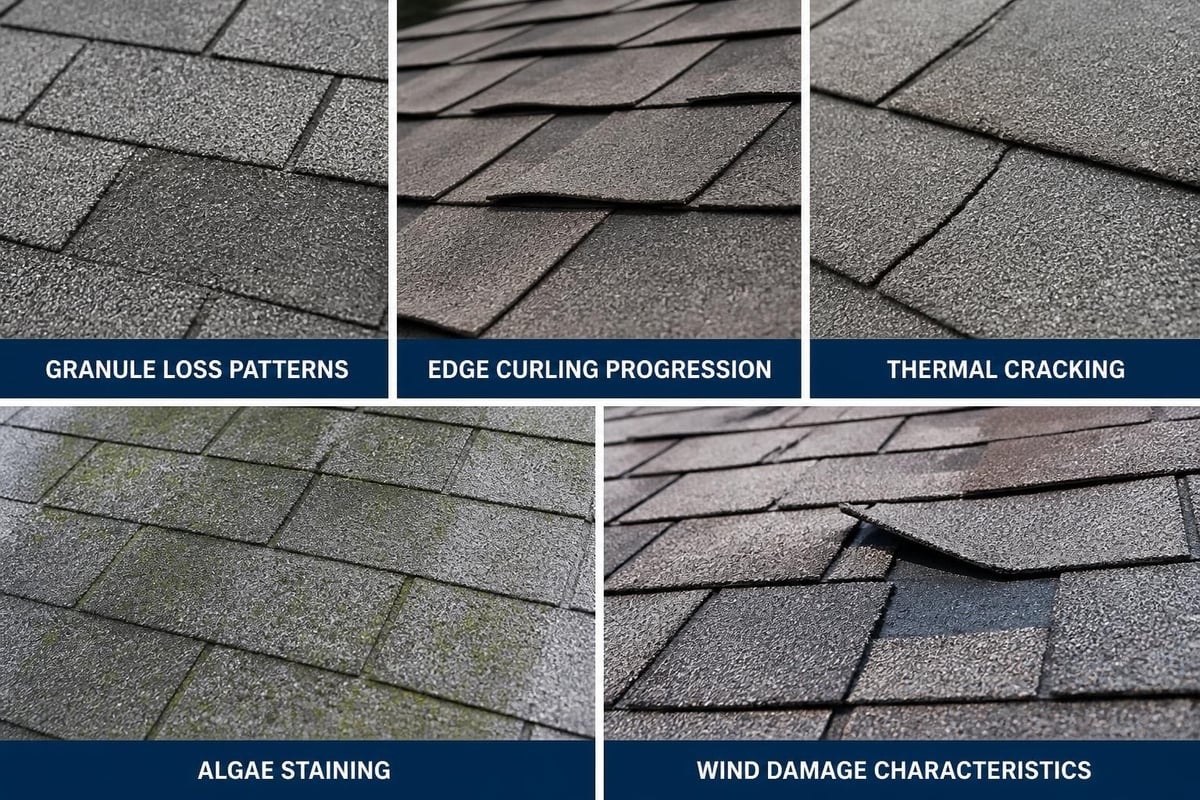
- Granule retention: Check gutters and downspouts for excessive granule accumulation
- Shingle edges: Examine for curling, lifting, or cracking along edges
- Valleys and transitions: Inspect for proper water channeling and flashing integrity
- Fastener exposure: Identify any raised or exposed nail heads
- Algae or moss growth: Note any organic growth patterns, particularly on north-facing slopes
- Flashing condition: Evaluate all penetrations, chimneys, and wall intersections
Granule loss represents a normal aging process, but excessive or premature loss indicates quality issues or installation problems. New fiberglass shingles shed some granules initially as the manufacturing process embeds more granules than ultimately adhere. However, substantial granule loss within the first five years suggests potential defects or inadequate adhesive coverage.
Debris removal prevents multiple problems. Leaves, pine needles, and other organic matter trap moisture against shingles, accelerating deterioration and potentially voiding warranties. Regular cleaning of valleys, behind chimneys, and along roof-to-wall intersections maintains proper drainage and prevents premature aging.
Wind damage often appears as lifted shingle tabs, missing shingles, or exposed underlayment. Even minor lifting compromises the wind resistance of adjacent shingles, creating vulnerability to progressive damage during subsequent wind events. Prompt repair maintains the integrity of the entire roofing system.
Warranty Coverage and Manufacturer Differences
Understanding warranty terms helps homeowners evaluate the true value proposition of different fiberglass shingle products. The roofing industry offers various warranty structures, each providing different levels of protection and coverage duration.
| Warranty Type | Coverage Period | What's Covered | Typical Exclusions |
|---|---|---|---|
| Material Defect | 25-50 years (prorated) | Manufacturing defects | Installation errors, wind damage |
| Limited Lifetime | Transferable period + extended coverage | Defects affecting water resistance | Normal weathering, algae growth |
| Wind Resistance | 10-15 years | Shingle blow-off from rated winds | Improper installation, tornado damage |
| Algae Resistance | 10-25 years | Staining from airborne algae | Other discoloration, moss growth |
Premium fiberglass shingle lines from major manufacturers typically include enhanced warranties that reflect their confidence in product performance. These warranties often feature extended non-prorated periods (10-15 years) where full replacement value applies, followed by prorated coverage that gradually reduces reimbursement percentage.
Installation warranties from professional contractors complement manufacturer material warranties. A comprehensive installation warranty should cover workmanship for a minimum of 5-10 years, addressing issues related to improper nailing, flashing defects, or ventilation inadequacies.
Transferability matters for homeowners who may sell their property before the warranty expires. Many premium fiberglass shingle warranties allow one-time transfer to a subsequent owner, though the coverage period or terms may change upon transfer. This transferability can serve as a selling point, providing documented protection for the new homeowner.
Environmental Considerations and Sustainability
The environmental impact of roofing materials has gained increasing attention as sustainability becomes a priority for homeowners and building codes. Fiberglass shingles present both challenges and opportunities in the context of environmental stewardship.
Recycling programs have expanded significantly in recent years. Asphalt from old fiberglass shingles can be processed and incorporated into asphalt paving materials, diverting millions of tons from landfills annually. However, the ceramic granules and glass fibers require separation, making recycling more complex than processing pure asphalt products.
Some manufacturers now incorporate recycled content into new fiberglass shingles. Post-consumer waste materials, recycled asphalt, and reclaimed minerals reduce the demand for virgin materials while maintaining performance standards. Current industry guidelines reflect growing emphasis on sustainable manufacturing practices.
The service life of fiberglass shingles affects their environmental footprint through avoided replacement cycles. A shingle lasting 30 years requires half the manufacturing energy, transportation fuel, and installation labor compared to a product lasting only 15 years. This longevity advantage represents a significant sustainability benefit when evaluating total lifecycle impact.
Sustainable Installation Practices
- Salvage and recycle old shingles when replacing roofs
- Choose products with recycled content certification
- Select cool roof formulations to reduce cooling energy consumption
- Ensure proper ventilation to maximize shingle longevity
- Work with contractors participating in shingle recycling programs
Energy performance contributes substantially to the environmental profile of roofing systems. Multi-year temperature analysis of roof systems confirms that cool roof technologies can reduce building cooling loads by 10-15%, translating to measurable reductions in greenhouse gas emissions from power generation.
Cost Analysis and Value Proposition
The economics of fiberglass shingles extend beyond initial purchase price to encompass installation costs, maintenance requirements, longevity expectations, and potential energy savings. Homeowners benefit from understanding the total cost of ownership rather than focusing solely on upfront expenses.
Material costs for fiberglass shingles in 2026 typically range from $90 to $200 per square for the shingles themselves, depending on quality tier and aesthetic features. Three-tab economy shingles occupy the lower end of this range, while premium architectural or designer shingles command higher prices reflecting enhanced aesthetics and extended warranties.
Installation labor represents 60-70% of total project costs for most residential re-roofing projects. This proportion emphasizes the importance of proper installation, as the labor cost remains constant regardless of whether economy or premium shingles are selected. The incremental cost of upgrading to better shingles becomes relatively modest when viewed in the context of total project expense.
Lifecycle Cost Comparison
Consider a typical 2,000 square foot roof (20 squares) with different fiberglass shingle options:
Economy Three-Tab Shingles
- Material: $1,800-2,200
- Installation: $4,000-5,000
- Expected Life: 20 years
- Cost per Year: $290-360
Mid-Grade Architectural Shingles
- Material: $2,400-3,000
- Installation: $4,200-5,200
- Expected Life: 25 years
- Cost per Year: $264-328
Premium Designer Shingles
- Material: $3,200-4,000
- Installation: $4,500-5,500
- Expected Life: 30 years
- Cost per Year: $257-317
The annual cost calculation reveals that premium fiberglass shingles often deliver superior value despite higher upfront investment. The extended service life distributes the cost over more years while delivering enhanced aesthetics, better wind resistance, and more comprehensive warranty coverage.
Energy savings from cool roof formulations add another dimension to the value equation. A typical Los Angeles area home might save $100-200 annually in cooling costs by selecting reflective shingles rather than dark conventional options. Over a 25-year service life, these savings can total $2,500-5,000, effectively offsetting the cost premium for cool roof products.
Regional Considerations for Southern California
Los Angeles area properties face a unique combination of environmental conditions that influence fiberglass shingle performance and selection. Understanding these regional factors helps homeowners make choices optimized for local climate patterns.
UV intensity in Southern California ranks among the highest in the United States, accelerating the photochemical degradation that gradually breaks down asphalt binders. The ceramic granules on quality fiberglass shingles provide essential UV protection, but prolonged exposure still causes gradual oxidation of the asphalt coating. Premium formulations with enhanced UV inhibitors demonstrate measurably better retention of flexibility and color stability.
Wind events, particularly Santa Ana conditions, create uplift forces that test shingle attachment. While catastrophic wind damage remains relatively rare compared to hurricane-prone regions, periodic strong winds can lift poorly installed shingles or exploit any existing attachment defects. Professional analysis of wind performance emphasizes the importance of proper fastening and use of wind-rated products in areas subject to occasional high winds.
The relatively low precipitation in much of the Los Angeles area might suggest that waterproofing performance matters less than in wetter climates. However, the occasional intense rainfall events that do occur can overwhelm inadequate drainage systems. Proper valley construction, adequate underlayment protection, and well-maintained gutters remain critical despite the overall dry climate.
Climate-Specific Product Selection
Optimal fiberglass shingle selection for Los Angeles area properties prioritizes:
- Enhanced UV resistance through premium granule formulations
- Cool roof certification to manage heat gain and reduce cooling costs
- Wind resistance ratings appropriate for local exposure (typically 110-130 mph)
- Algae-resistant granules for properties near coastal moisture or landscaping
- Lighter colors in inland areas subject to extreme summer heat
Coastal properties face additional considerations related to salt air exposure. While fiberglass shingles themselves resist salt damage better than many roofing materials, the metal components in the roofing system (flashing, fasteners, vents) require corrosion-resistant specifications. Stainless steel or heavily galvanized fasteners prevent premature failure from salt-induced corrosion.
Product Tiers and Selection Criteria
The fiberglass shingle market offers distinct product categories, each targeting different priorities for aesthetics, performance, and budget. Understanding these tiers helps homeowners match products to their specific needs and expectations.
Three-tab shingles represent the economy tier, featuring a uniform flat appearance created by cut-outs that create the appearance of three separate tabs per shingle. These products offer basic water protection and fire resistance at the lowest cost, typically backed by 20-25 year warranties. While functional, three-tab shingles provide minimal aesthetic interest and represent the minimum acceptable quality for most applications.
Architectural shingles (also called dimensional or laminated shingles) dominate the residential market in 2026. These products layer multiple asphalt-coated fiberglass mats to create shadow lines and dimensional appearance mimicking higher-end roofing materials. Architectural fiberglass shingles typically carry 25-30 year warranties and offer substantially better wind resistance than three-tab alternatives.
Designer or luxury shingles occupy the premium tier, offering authentic replication of slate, wood shake, or tile aesthetics through advanced manufacturing techniques. Multiple layers, varied granule sizes, and strategic color blending create products virtually indistinguishable from natural materials at ground level. These premium fiberglass shingles often feature 40-50 year limited lifetime warranties and the highest available wind and impact ratings.
Decision Factors Beyond Price
Homeowners should evaluate several considerations when selecting among fiberglass shingle options:
- Home architecture: Traditional designs may suit classic three-tab or architectural styles, while contemporary homes might warrant designer options
- Neighborhood standards: Matching or exceeding nearby roof quality maintains property values
- Long-term ownership plans: Premium products make more sense for homes you plan to keep 15+ years
- Climate exposure: Harsh conditions justify investment in enhanced UV and wind resistance
- Energy goals: Cool roof products deliver ongoing savings justifying higher initial costs
- Resale considerations: Premium roofing improves curb appeal and buyer confidence
Color selection involves both aesthetic preferences and practical thermal considerations. The expanding palette of cool roof colors in 2026 allows homeowners to achieve desired appearances while maintaining energy efficiency benefits previously available only with light-colored shingles.
Fiberglass shingles continue to evolve, offering Los Angeles area homeowners increasingly sophisticated options for protecting their properties while managing energy costs and environmental impact. The combination of fire resistance, longevity, and cost-effectiveness explains why these products dominate the residential roofing market. Whether you're planning a complete roof replacement or evaluating options for new construction, professional guidance ensures your investment delivers optimal performance for your specific property and climate conditions. Proof Your Roof brings decades of experience installing and maintaining fiberglass shingle roofing systems throughout the Los Angeles area, helping homeowners select and install the right products for lasting protection and value.