
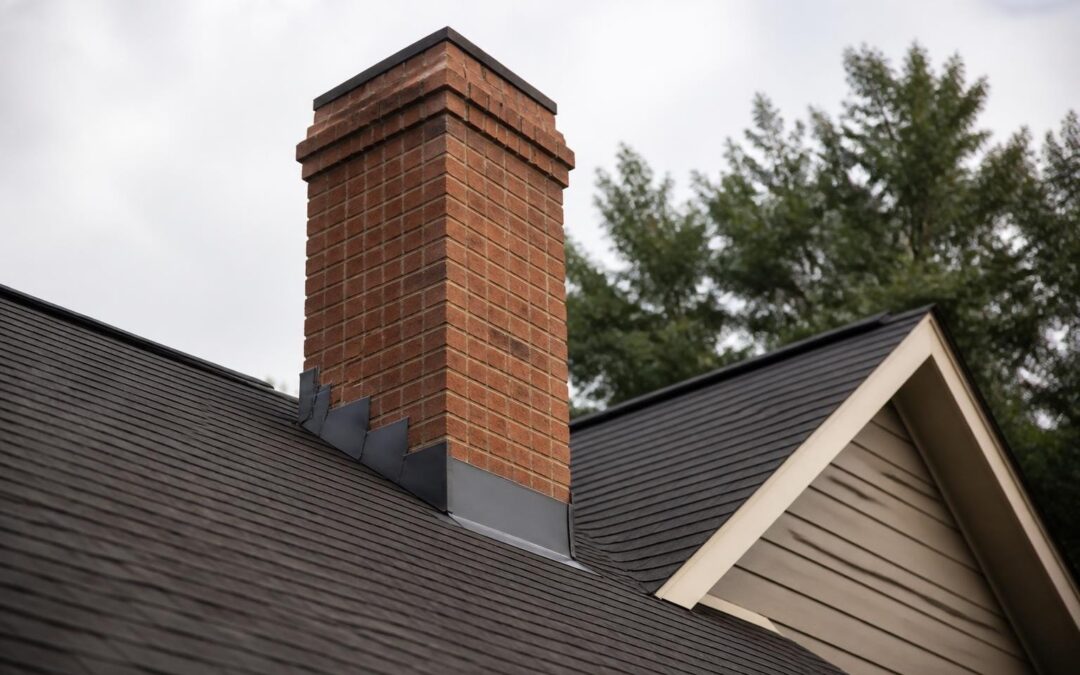
When homeowners invest in their properties, few elements demand as much attention as the roof and chimney system. These critical components work together to protect your home from the elements, maintain structural integrity, and ensure safety for everyone inside. Understanding what constitutes done right roofing and chimney services can mean the difference between decades of reliable performance and costly emergency repairs. The roofing industry has evolved significantly, with new materials, techniques, and standards emerging to address the unique challenges faced by California homeowners in 2026.
Understanding the Integration of Roofing and Chimney Systems
The relationship between your roof and chimney extends far beyond simple aesthetics. These two systems must work in harmony to prevent water intrusion, manage thermal expansion, and maintain proper ventilation throughout your home.
A properly installed chimney penetrates the roof plane, creating one of the most vulnerable points for potential leaks and structural damage. Done right roofing and chimney integration requires careful attention to flashing details, clearance requirements, and material compatibility. Professional contractors understand that the chimney acts as a foreign element breaking through the protective barrier of your roof, necessitating specialized installation techniques.
Critical Components of Chimney-Roof Integration
The success of any roofing and chimney system depends on several key elements working together seamlessly. Understanding these components helps homeowners recognize quality workmanship and identify potential problems early.
Flashing systems represent the most critical element in preventing water infiltration. Proper chimney flashing installation involves multiple layers of protection, including step flashing, counter flashing, and cricket installations for larger chimneys. Each piece must overlap correctly and integrate with the roofing material to create a watertight seal.
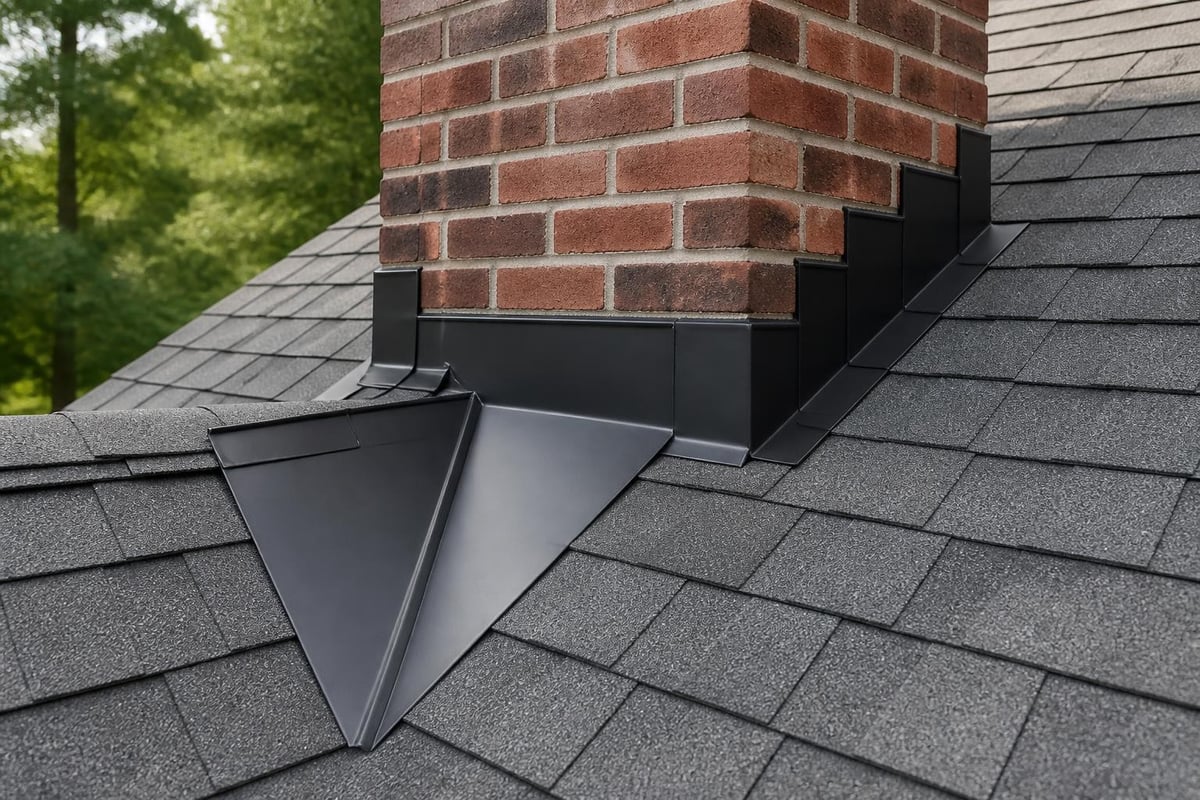
The materials used in flashing installations have evolved considerably. Modern systems incorporate:
- Galvanized steel for durability in moderate climates
- Copper flashing for premium installations and extended longevity
- Aluminum options for lightweight applications
- Specialty membranes for enhanced waterproofing
Crickets or saddles become necessary when chimneys exceed certain dimensions. These peaked structures installed on the upslope side of the chimney divert water around the obstruction, preventing debris accumulation and ice damming. Following proper chimney clearance and roof guidelines ensures adequate spacing between combustible materials and heat sources.
Essential Maintenance Practices for Longevity
Regular maintenance distinguishes done right roofing and chimney systems from those destined for premature failure. Los Angeles homeowners benefit from relatively mild weather, but seasonal maintenance remains crucial for optimal performance.
Seasonal Inspection Protocols
Creating a systematic inspection schedule prevents small issues from escalating into major repairs. Professional contractors recommend quarterly visual inspections supplemented by annual comprehensive evaluations.
Spring inspections should focus on winter damage assessment. Heavy rainfall in Southern California can reveal weaknesses in flashing systems, while thermal cycling may cause expansion and contraction damage. Examining the chimney crown for cracks and checking flashing integrity sets the foundation for year-round protection.
| Season | Focus Areas | Key Concerns |
|---|---|---|
| Spring | Water damage assessment | Flashing integrity, crown cracks |
| Summer | Heat-related expansion | Material separation, sealant failure |
| Fall | Debris removal | Gutter cleaning, chimney cap inspection |
| Winter | Weather preparation | Storm damage prevention, ventilation check |
Summer maintenance addresses thermal stress on roofing materials. Regular roof maintenance during warmer months allows contractors to work safely while identifying heat-related deterioration. This timing proves especially important for asphalt shingle roofs, which can show premature aging in California's intense sun.
Fall preparations involve debris removal and weatherproofing. Clearing valleys near chimneys prevents water backup, while inspecting chimney caps ensures proper draft and animal exclusion. Done right roofing and chimney professionals recognize that prevention costs significantly less than emergency repairs.
Chimney-Specific Maintenance Requirements
Beyond general roof maintenance, chimneys demand specialized attention to function safely and efficiently. Annual chimney maintenance practices include creosote removal, structural evaluation, and draft verification.
Creosote buildup represents the primary hazard for active fireplaces and wood-burning stoves. This highly flammable substance accumulates inside the flue, creating serious fire risks if not addressed. Professional chimney sweeps use specialized brushes and vacuums to remove these deposits safely.
Crown and cap inspection deserves special attention during maintenance visits. The chimney crown, a concrete or mortar layer sealing the top of the masonry, often develops cracks from freeze-thaw cycles. Even in Southern California, temperature fluctuations can cause deterioration over time.
Chimney caps serve multiple purposes beyond rain protection:
- Preventing animal entry and nesting
- Reducing downdrafts during high winds
- Containing sparks and embers
- Extending flue liner life through moisture control
Identifying and Addressing Common Problems
Recognizing early warning signs of roofing and chimney issues allows homeowners to address problems before they cause extensive damage. Done right roofing and chimney contractors educate clients on these indicators.
Water Intrusion Warning Signs
Water damage often begins subtly, with minor staining or musty odors preceding visible leaks. Understanding where to look and what to monitor helps catch problems early.
Interior warning signs include:
- Ceiling stains near the chimney, especially after heavy rain
- Efflorescence on chimney masonry, indicating moisture migration
- Musty odors in rooms adjacent to the chimney
- Wallpaper peeling or paint bubbling near the roofline
- Visible mold in attic spaces around chimney penetrations
Exterior indicators require regular inspection from ground level and occasional professional roof access. Inspecting chimney flashing reveals separation, rust, or missing components that compromise waterproofing.
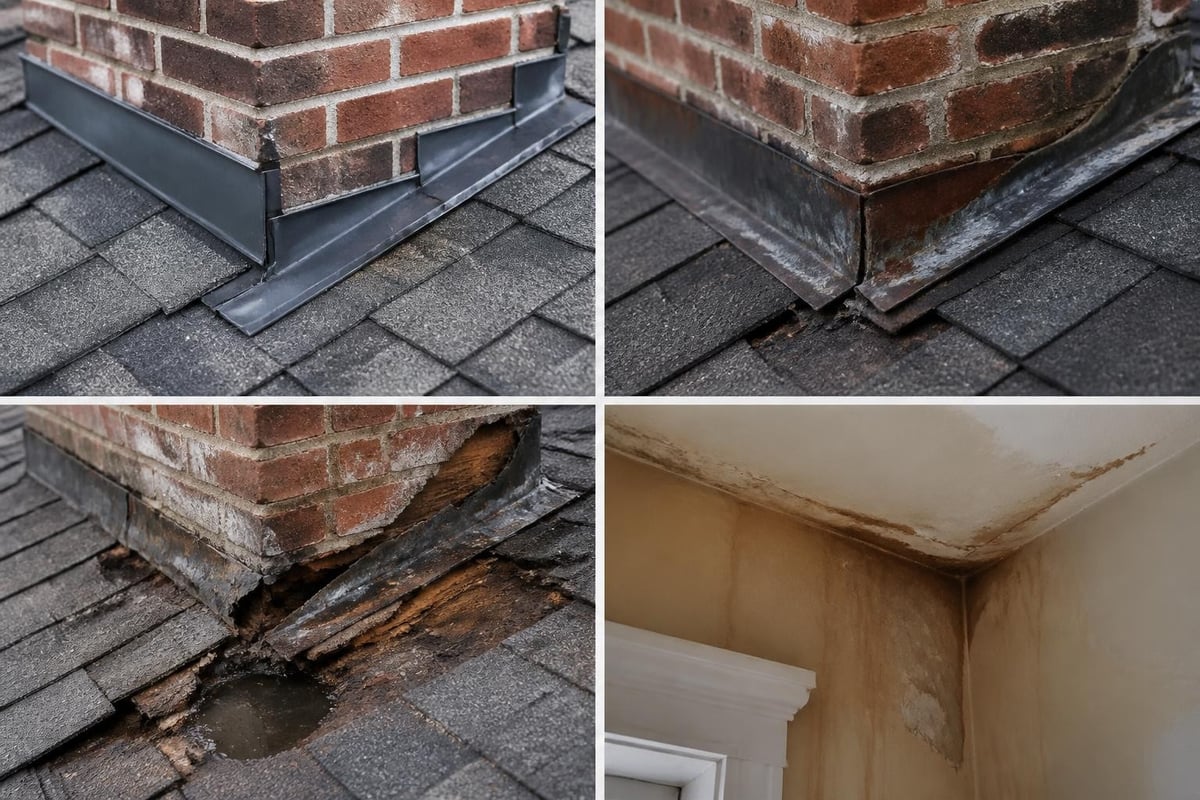
Flashing failures typically occur at sealant joints or where metal components meet masonry. Caulk deteriorates over time, creating gaps for water entry. Counter flashing embedded in mortar joints can work loose as the masonry expands and contracts, breaking the seal.
Structural Concerns and Safety Issues
Beyond water damage, structural problems threaten both property and personal safety. Done right roofing and chimney installations prevent these issues through proper engineering and material selection.
Chimney settlement causes significant problems when foundations fail to support the structure's weight. Signs include:
- Gaps between the chimney and house siding
- Tilting or leaning visible from ground level
- Cracking in the chimney structure
- Flashing separation from roof surfaces
Fire safety considerations require special attention when integrating chimneys with roofing systems. Building codes specify minimum clearances between combustible materials and chimney exteriors. These requirements protect homes from heat transfer igniting structural components.
Los Angeles building codes have become increasingly stringent regarding seismic safety for chimneys. Reinforcement requirements, particularly for masonry structures, help prevent collapse during earthquakes. Professional contractors stay current with evolving regulations to ensure compliance.
Installation Best Practices for New Construction
When building new homes or adding chimneys to existing structures, proper installation techniques establish the foundation for long-term performance. Done right roofing and chimney work begins with planning and preparation.
Pre-Installation Planning and Design
Successful projects start with comprehensive planning that considers structural, aesthetic, and functional requirements. Chimney placement affects roof complexity, interior space utilization, and overall construction costs.
Structural engineering determines appropriate chimney sizing, foundation requirements, and roof framing modifications. Chimneys add significant weight, requiring adequate support from footings through the entire structure. Professional engineers calculate load paths and specify reinforcement needs.
Roof pitch and chimney location influence flashing complexity and maintenance accessibility. Following roof maintenance best practices starts with designing systems that facilitate inspection and repair. Placing chimneys in valleys or near roof edges increases leak potential and complicates flashing installations.
For homeowners considering new installations, New Roof Installation services provide comprehensive solutions that integrate chimney systems from the ground up, ensuring proper coordination between all roofing components and structural elements.
Material Selection and Compatibility
Choosing appropriate materials for both roofing and chimney components ensures compatibility and longevity. Done right roofing and chimney professionals match materials to climate conditions, architectural style, and budget constraints.
| Roofing Material | Compatible Flashing | Typical Lifespan | Maintenance Level |
|---|---|---|---|
| Asphalt Shingles | Galvanized steel, aluminum | 20-30 years | Moderate |
| Clay Tiles | Copper, lead-coated copper | 50+ years | Low |
| Metal Roofing | Matching metal flashing | 40-70 years | Very Low |
| Concrete Tiles | Galvanized steel, copper | 40-50 years | Low |
Climate considerations play a crucial role in Southern California. While freeze-thaw cycles pose minimal concern, intense UV exposure, occasional heavy rainfall, and seismic activity influence material choices. Heat-resistant flashing materials prevent premature failure in high-temperature environments.
Chimney materials must complement roofing selections while meeting code requirements. Prefabricated metal chimneys offer cost advantages and easier installation, while masonry structures provide traditional aesthetics and superior heat retention. Each option requires specific flashing approaches and maintenance protocols.
Advanced Waterproofing Techniques
Modern waterproofing extends beyond traditional flashing to incorporate multiple layers of protection. Done right roofing and chimney installations employ comprehensive strategies that account for extreme weather events and long-term material degradation.
Multi-Layer Protection Systems
Professional contractors implement redundant waterproofing to ensure protection even when primary systems partially fail. This approach recognizes that no single component lasts forever, and backup protection prevents catastrophic damage during transition periods.
Waterproofing chimneys effectively requires attention to several vulnerable areas. The chimney crown receives particular focus, as this horizontal surface faces direct rain exposure and temperature extremes. High-quality crown coatings contain polymers that flex with temperature changes, preventing crack formation.
Self-adhering membranes beneath flashing materials create secondary barriers against water infiltration. These sticky-back products adhere directly to roof sheathing, sealing around fasteners and forming continuous protection. When primary flashing develops minor leaks, membranes prevent water from reaching vulnerable wood substrates.
Sealant selection impacts longevity significantly:
- Polyurethane sealants offer excellent adhesion and flexibility
- Silicone products resist UV degradation and temperature extremes
- Butyl rubber sealants provide reliable performance at lower costs
- Specialty masonry sealants accommodate brick and stone movement
Ventilation and Moisture Management
Controlling moisture extends beyond keeping rain out. Done right roofing and chimney systems manage condensation, ensure proper ventilation, and prevent humidity-related damage.
Attic ventilation around chimney penetrations requires careful design. Building codes mandate minimum clearances between chimney exteriors and combustible materials, complicating traditional ventilation paths. Contractors use specialized baffles and vent systems to maintain airflow while preserving fire safety.
Chimney liner systems prevent condensation damage inside masonry structures. Modern insulated liners keep exhaust gases warm, reducing condensation that deteriorates mortar and causes efflorescence. This protection proves especially important for high-efficiency appliances producing cooler exhaust temperatures.
Vapor barriers in attic spaces must be detailed properly around chimney penetrations. Creating continuous barriers while maintaining required clearances challenges even experienced contractors. Professional installations use fire-rated materials and proper sequencing to achieve both goals.
Professional Services vs. DIY Approaches
Homeowners often wonder which roofing and chimney tasks they can handle personally and which require professional expertise. Understanding these distinctions helps make informed decisions about done right roofing and chimney maintenance and repairs.
Tasks Suitable for Homeowner Maintenance
Regular observation and simple cleaning tasks fall within most homeowners' capabilities. These activities supplement professional services without risking safety or system integrity.
Visual inspections from ground level identify obvious problems like missing shingles, damaged flashing, or chimney cap issues. Using binoculars, homeowners can spot deterioration early and schedule professional evaluations before minor issues escalate.
Safe ground-level tasks include:
- Monitoring interior spaces for water stains or damage
- Checking attic areas around chimneys for moisture or light penetration
- Clearing debris from gutters near chimney locations
- Cleaning chimney exterior surfaces accessible from ground level
- Documenting changes with dated photographs for professional review
Seasonal preparations like installing chimney balloon draft stoppers or replacing basic chimney caps require minimal expertise. These tasks improve energy efficiency and prevent animal entry without involving roof access or structural modifications.
When Professional Expertise Becomes Essential
Complex repairs, installations, and comprehensive inspections demand professional knowledge and specialized equipment. Done right roofing and chimney work in these areas protects both property value and personal safety.
Roof access for inspections and repairs creates significant fall hazards. Professional contractors carry insurance, use proper safety equipment, and possess training to work safely at heights. The cost of professional service pales compared to medical expenses from serious falls.
Flashing repairs and installations require technical knowledge of water management principles, material properties, and code requirements. Improper flashing causes more roof leaks than any other factor. Professional roofers understand layering sequences, expansion joint placement, and sealant applications that ensure lasting protection.
Structural modifications, chimney rebuilds, and seismic retrofitting must meet building codes and pass inspections. Licensed contractors stay current with regulations, pull necessary permits, and coordinate inspections. Homeowners attempting these projects risk failed inspections, insurance complications, and safety hazards.
Cost Considerations and Value Protection
Investing in done right roofing and chimney services delivers long-term value through extended system life, reduced emergency repairs, and maintained property values. Understanding cost factors helps homeowners budget appropriately and recognize quality workmanship.
Investment Categories and Typical Pricing
Roofing and chimney expenses vary widely based on scope, materials, and regional factors. Los Angeles pricing reflects local labor costs, permit requirements, and material availability.
Routine maintenance represents the most cost-effective investment category. Annual inspections and minor repairs prevent major expenses by catching problems early. Typical costs include:
- Annual professional inspection: $200-$400
- Chimney cleaning and basic maintenance: $250-$500
- Minor flashing repairs: $300-$800
- Sealant renewal and weatherproofing: $400-$1,000
Major repairs address significant damage or system failures. These projects typically cost more but remain substantially cheaper than full replacements. Chimney rebuilds, extensive flashing replacement, and structural corrections fall into this category.
| Service Category | Typical Cost Range | Expected Lifespan | Annual Cost |
|---|---|---|---|
| Basic maintenance | $500-$1,200/year | Ongoing | $500-$1,200 |
| Flashing replacement | $1,500-$4,000 | 20-30 years | $50-$200 |
| Chimney cap/crown | $800-$2,500 | 15-25 years | $32-$167 |
| Complete chimney rebuild | $8,000-$25,000 | 50+ years | $160-$500 |
Long-Term Value and Return on Investment
Quality roofing and chimney work protects home values while reducing lifetime ownership costs. Done right roofing and chimney installations justify higher initial expenses through superior performance and longevity.
Energy efficiency improves when chimney and roof systems function optimally. Proper chimney dampers prevent conditioned air loss, while intact roof systems maintain insulation effectiveness. Many homeowners recover investment costs through reduced utility bills within several years.
Property value protection represents perhaps the most significant financial benefit. Real estate appraisers and home inspectors scrutinize roofing and chimney conditions carefully. Well-maintained systems support asking prices, while deferred maintenance triggers price reductions or sale complications.
Insurance considerations add another dimension to value calculations. Many insurers offer premium discounts for homes with newer roofs or regularly maintained systems. Conversely, neglected maintenance can complicate claims or trigger coverage limitations.
Regional Considerations for Southern California
Los Angeles area homeowners face unique challenges requiring specialized approaches to done right roofing and chimney services. Understanding these regional factors ensures appropriate material selection and maintenance strategies.
Climate-Specific Challenges
Southern California's Mediterranean climate creates distinct patterns of roof and chimney stress. While freeze-thaw damage rarely occurs, other factors accelerate deterioration and demand attention.
UV exposure in the region ranks among the nation's highest. Prolonged sun exposure degrades organic roofing materials, particularly asphalt shingles. Professional contractors recommend lighter colors that reflect heat and UV-resistant formulations that extend service life.
Wildfire risk in hillside communities necessitates fire-resistant roofing materials and proper chimney spark arrestor installation. Building codes in high-fire-hazard zones mandate Class A fire ratings for roofing, limiting material choices. Done right roofing and chimney work in these areas prioritizes ember resistance and proper clearances.
Santa Ana winds create unique challenges through high-velocity gusts and rapid humidity changes. These conditions stress flashing connections and can lift improperly secured roofing materials. Professional installations account for wind uplift requirements specific to exposed locations.
Seasonal rainfall patterns concentrate water exposure into limited periods. While annual precipitation remains low, intense storms deliver large volumes quickly. Roof drainage systems and chimney flashing must handle peak flows without failure, even after months of dry weather.
Building Code and Permit Requirements
Navigating Los Angeles County building regulations requires familiarity with local amendments to state codes. Done right roofing and chimney professionals maintain current knowledge of these requirements.
Seismic provisions affect chimney construction significantly. Reinforcement requirements for masonry structures exceed those in many other regions. Steel reinforcing bars, proper anchoring to structural framing, and limitations on unreinforced masonry heights all stem from earthquake concerns.
Permit requirements vary by project scope and property location. Simple repairs often proceed without permits, while replacements and new installations typically require plan approval and inspections. Working with licensed contractors who handle permitting streamlines processes and ensures compliance.
Energy code provisions influence ventilation requirements and insulation installations around chimney penetrations. Balancing energy efficiency with fire safety clearances requires careful planning and execution. Professional contractors understand these sometimes-conflicting requirements and implement compliant solutions.
Protecting your home through done right roofing and chimney practices combines regular maintenance, quality materials, and professional expertise to ensure decades of reliable performance. Whether you need routine inspections, complex repairs, or complete system installations, working with experienced contractors who understand Southern California's unique requirements delivers lasting value. Proof Your Roof brings decades of expertise serving Los Angeles area homeowners with comprehensive roofing solutions that integrate chimney systems properly from the start, ensuring your investment protects your family for generations to come.