
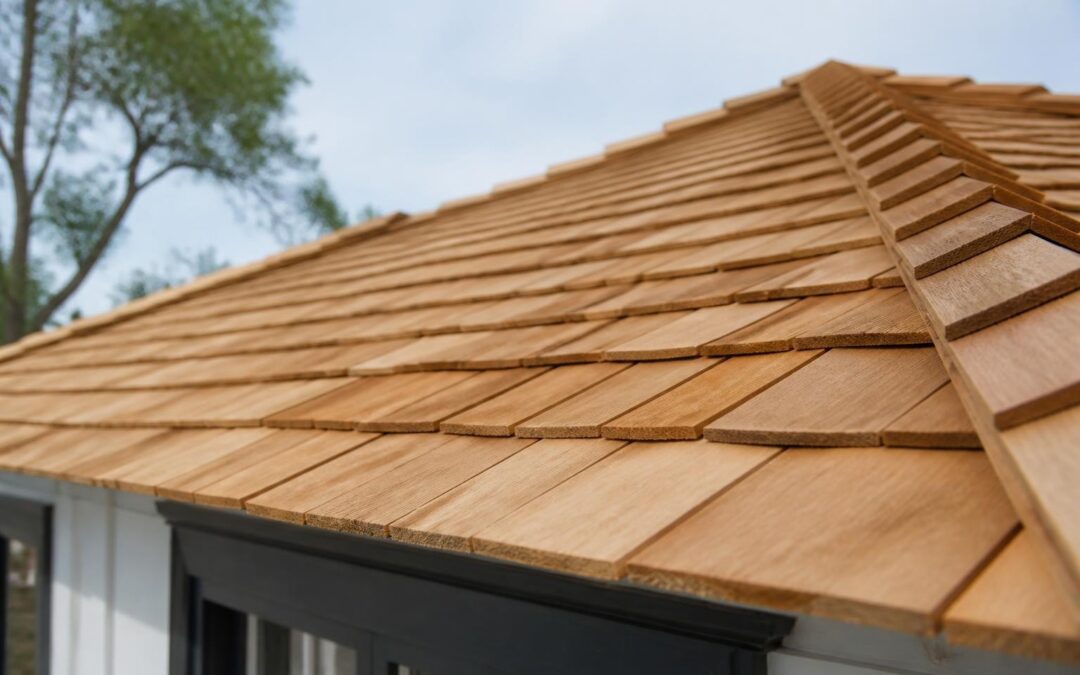
Cypress wood has earned a distinguished reputation in the construction industry for its exceptional durability and natural resistance to decay. When it comes to roofing cypress applications, this premium material offers homeowners and commercial property owners a unique combination of aesthetic appeal and long-lasting performance. The distinctive qualities of cypress make it an increasingly popular choice for roofing projects in regions where traditional materials may fall short of expectations. Understanding the benefits, proper installation techniques, and maintenance requirements of roofing cypress systems can help property owners make informed decisions about their roofing investments.
Understanding Cypress Wood for Roofing Applications
Cypress wood stands apart from other roofing materials due to its inherent characteristics that make it ideal for exterior applications. The wood contains natural oils called cypressene, which provide exceptional resistance to moisture, insects, and fungal decay. These properties make roofing cypress an excellent option for areas with high humidity or frequent rainfall.
Natural Durability and Weather Resistance
The cellular structure of cypress wood creates a natural barrier against environmental challenges. Unlike many softwoods that deteriorate rapidly when exposed to moisture, cypress maintains its structural integrity even in harsh weather conditions. This natural resistance to elements extends the lifespan of roofing systems significantly.
Key durability factors include:
- Resistance to rot and decay without chemical treatments
- Natural defense against termites and wood-boring insects
- Minimal expansion and contraction with temperature changes
- Superior dimensional stability compared to other wood species
- Inherent resistance to warping and splitting
Types of Cypress Used in Roofing
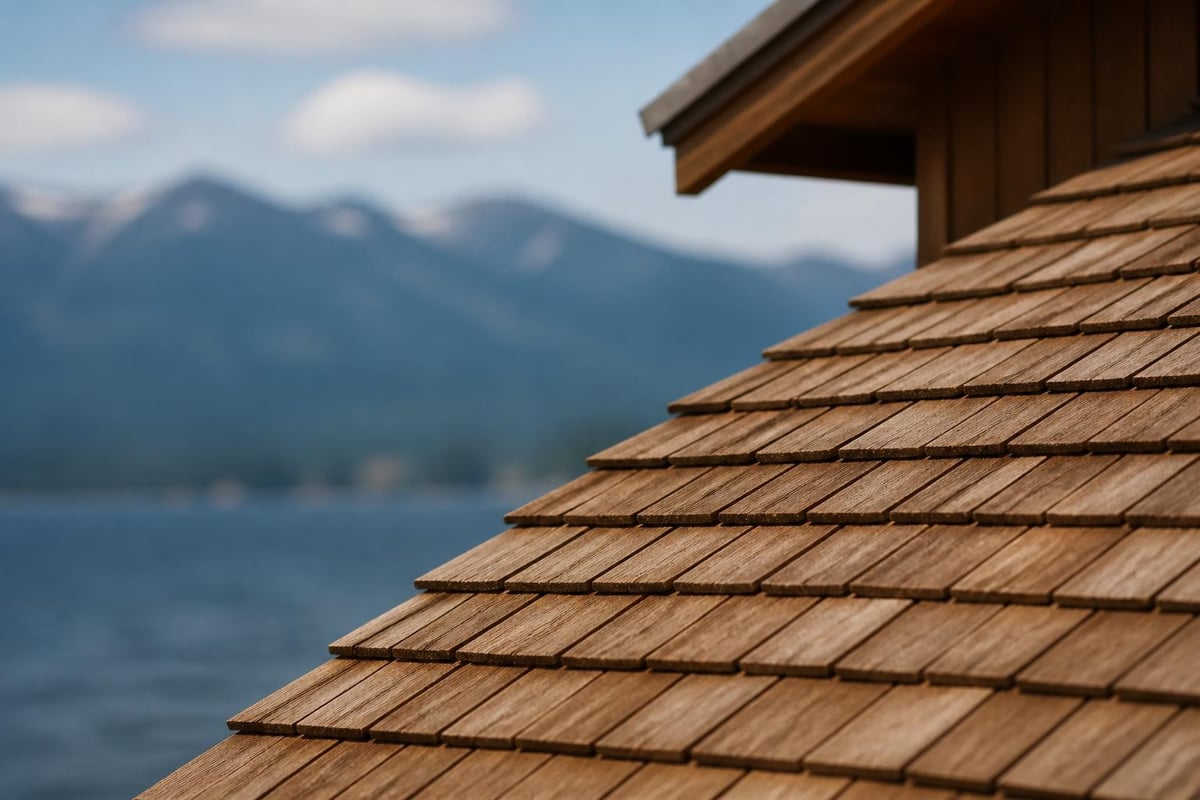
Not all cypress lumber performs equally in roofing applications. Old-growth cypress, harvested from trees over 200 years old, offers the highest concentration of natural oils and the greatest durability. However, second-growth cypress remains a viable and more sustainable option for modern roofing projects.
| Cypress Type | Heartwood Content | Durability Rating | Best Application |
|---|---|---|---|
| Old-Growth | 90-100% | Exceptional | Premium roofing, historical restoration |
| Second-Growth | 60-70% | Very Good | Residential roofing, standard projects |
| Plantation | 40-50% | Good | Budget projects, treated applications |
Installation Considerations for Roofing Cypress
Proper installation techniques determine the longevity and performance of any roofing cypress project. Unlike asphalt shingles or metal roofing, cypress requires specialized knowledge and careful attention to detail during the installation process.
Pre-Installation Preparation
Before beginning any roofing cypress installation, the material must be properly acclimated to local climate conditions. This step prevents excessive movement after installation and ensures optimal performance.
- Material Storage: Store cypress lumber in a covered, ventilated area for at least two weeks before installation
- Moisture Content Check: Verify that wood moisture content is between 12-15% using a moisture meter
- Surface Preparation: Ensure the roof deck is clean, dry, and structurally sound
- Ventilation Planning: Design adequate airflow beneath cypress roofing to prevent moisture accumulation
- Fastener Selection: Choose stainless steel or hot-dipped galvanized fasteners to prevent corrosion
The substrate preparation is equally critical. A solid roof deck with proper slope and drainage ensures that water does not pool on the roofing cypress surface. Many professionals recommend installing a weather-resistant barrier before placing cypress shingles or shakes.
Installation Techniques and Best Practices
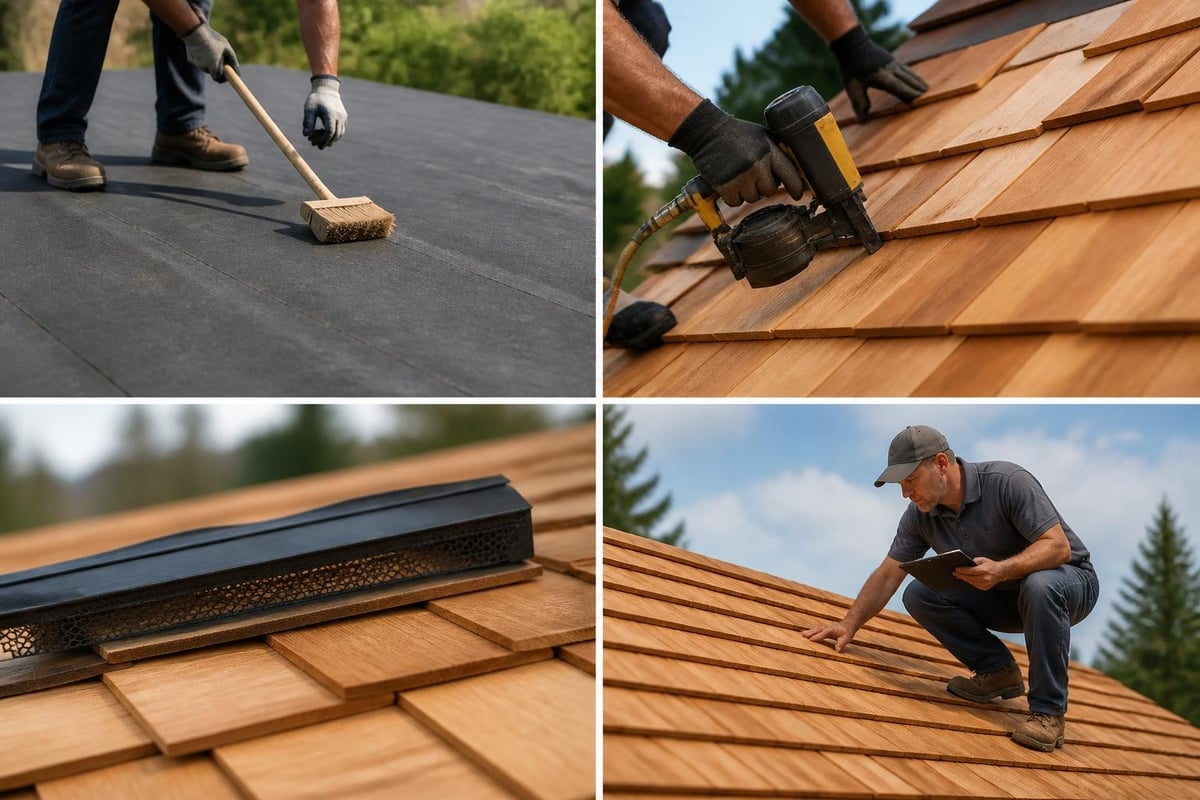
Professional installers employ specific techniques to maximize the performance of roofing cypress. The installation method varies depending on whether you're using cypress shingles, shakes, or solid planking.
Critical installation steps:
- Maintain consistent exposure rates based on shingle or shake dimensions
- Use proper overlap patterns to ensure complete water shedding
- Install starter courses with reverse orientation for optimal water resistance
- Space fasteners according to manufacturer specifications
- Allow appropriate gaps for thermal expansion
When working on residential projects, whether for new roof installation or replacement, proper planning ensures the roofing cypress system integrates seamlessly with existing architectural elements. Understanding the unique requirements of cypress helps contractors deliver superior results that stand the test of time.
Finishing and Sealing Roofing Cypress
The finishing process significantly impacts both the appearance and longevity of roofing cypress installations. While cypress performs well in its natural state, proper finishing enhances its protective qualities and maintains its aesthetic appeal.
Finishing Options and Techniques
Property owners can choose from several finishing approaches for cypress wood, each offering distinct advantages. Natural oil-based finishes penetrate deeply into the wood fibers, enhancing the grain while providing moisture protection. Water-based sealers offer easier cleanup and faster drying times.
The decision to finish roofing cypress often depends on the desired aesthetic outcome and maintenance commitment. Unfinished cypress weathers to an attractive silver-gray patina over time, while finished cypress maintains its original honey-brown color indefinitely.
| Finish Type | Maintenance Frequency | UV Protection | Water Resistance | Expected Lifespan |
|---|---|---|---|---|
| Natural (Unfinished) | Minimal | Low | High (Natural) | 25-40 years |
| Clear Sealer | Every 2-3 years | Moderate | Very High | 30-50 years |
| Semi-Transparent Stain | Every 3-5 years | High | Very High | 35-50 years |
| Solid Stain | Every 5-7 years | Very High | Excellent | 40+ years |
Application Process
Applying finish to roofing cypress requires careful attention to weather conditions and surface preparation. The wood must be clean and dry before any sealer or stain application. Following detailed cleaning and sealing procedures ensures optimal adhesion and performance.
Professionals typically apply finishes in moderate temperatures between 50-80 degrees Fahrenheit with low humidity. This allows proper curing and prevents finish defects such as bubbling or uneven coverage.
Maintenance Requirements for Roofing Cypress
Regular maintenance preserves the beauty and functionality of roofing cypress systems. While cypress requires less maintenance than many other roofing materials, establishing a consistent care schedule prevents minor issues from becoming costly repairs.
Routine Inspection Schedule
Annual maintenance checklist:
- Inspect for damaged or displaced shingles or shakes
- Clear debris from valleys and roof penetrations
- Check flashing integrity around chimneys and vents
- Examine fastener condition and reseal as needed
- Assess finish condition and plan for reapplication
- Remove moss or algae growth using appropriate methods
Preventive maintenance proves far more cost-effective than reactive repairs. Property owners who invest time in regular inspections can address small problems before they compromise the roofing system. Understanding how to prevent moss growth on a roof becomes particularly important for cypress installations in shaded or humid environments.
Cleaning and Preservation
Cleaning roofing cypress requires gentle methods that remove contaminants without damaging the wood fibers. Pressure washing should be avoided, as high-pressure water can erode the soft grain and damage protective finishes.
A soft-bristle brush combined with a mild cleaning solution effectively removes dirt and organic growth. For stubborn stains or extensive algae growth, oxygen bleach solutions provide effective cleaning without the harsh effects of chlorine bleach.
Cost Considerations and Value Analysis
Investing in roofing cypress represents a significant financial commitment, but the long-term value often justifies the initial expense. Understanding the full cost structure helps property owners make informed decisions about their roofing materials.
Initial Investment Factors
The cost of roofing cypress varies based on several factors including wood grade, region, and installation complexity. Old-growth cypress commands premium prices due to its scarcity and superior performance characteristics. Second-growth cypress offers a more budget-friendly alternative while still delivering excellent durability.
Price influencing factors:
- Wood grade and quality (heartwood content)
- Shingle or shake dimensions and style
- Geographic location and material availability
- Roof complexity and accessibility
- Installation labor costs in your region
Installation costs for roofing cypress typically exceed those of common materials like asphalt shingles. However, the extended lifespan and reduced maintenance requirements offset the higher upfront investment over the roof's lifetime.
Long-Term Value Proposition
When evaluating roofing cypress against alternatives, the total cost of ownership provides a more accurate comparison than initial price alone. A properly installed and maintained cypress roof can last 40-60 years or more, while standard asphalt shingles typically require replacement every 15-25 years.
The energy efficiency of roofing cypress also contributes to long-term value. The natural insulating properties of wood help regulate attic temperatures, potentially reducing heating and cooling costs. Additionally, the aesthetic appeal of cypress roofing can enhance property value and curb appeal.
Total cost of ownership analysis comparing roofing cypress to asphalt shingles and metal roofing over 50 years including installation, maintenance, and replacement cycles
Regional Suitability and Climate Performance
Different climate zones present unique challenges for roofing materials. Roofing cypress demonstrates remarkable adaptability across various environmental conditions, though certain climates maximize its performance advantages.
Optimal Climate Conditions
Cypress roofing excels in humid, coastal environments where moisture-related decay rapidly degrades lesser materials. The natural properties that make cypress suitable for various applications prove particularly valuable in challenging climates.
Property owners in the southeastern United States, Gulf Coast regions, and Pacific Northwest find cypress roofing ideally suited to their environmental conditions. The wood's resistance to salt air makes it excellent for coastal properties where metal roofing corrodes quickly.
Climate-specific benefits:
- High humidity regions: Superior rot resistance prevents premature failure
- Coastal areas: Natural salt tolerance outlasts treated materials
- Temperature extremes: Minimal expansion and contraction reduces stress
- Wet climates: Efficient water shedding prevents moisture infiltration
Adaptation Strategies for Various Climates
Even in less-than-ideal climates, proper installation and finishing techniques enable successful roofing cypress applications. In arid regions, regular sealing prevents excessive drying and splitting. Cold climate installations benefit from additional ventilation to manage ice dam risks.
Understanding professional preferences for cypress siding applications provides insights that translate well to roofing installations. The same qualities that make cypress excellent for siding contribute to its roofing performance.
Comparing Roofing Cypress to Alternative Materials
Making an informed roofing material selection requires understanding how roofing cypress compares to popular alternatives. Each material offers distinct advantages and limitations depending on project requirements and priorities.
Performance Comparison Matrix
| Feature | Roofing Cypress | Asphalt Shingles | Metal Roofing | Clay Tile |
|---|---|---|---|---|
| Lifespan | 40-60 years | 15-25 years | 40-70 years | 50-100 years |
| Maintenance | Low-Moderate | Low | Low | Very Low |
| Weight | Moderate | Light | Light | Very Heavy |
| Fire Resistance | Moderate (treated) | Good | Excellent | Excellent |
| Initial Cost | High | Low | Moderate-High | Very High |
| Environmental Impact | Low | Moderate | Low | Low |
Decision Factors
Choosing roofing cypress over alternatives depends on prioritizing specific performance characteristics. Property owners who value natural aesthetics, environmental sustainability, and proven durability find cypress particularly appealing.
The material selection process should consider building codes, insurance requirements, and architectural style. Some historic districts mandate wood roofing for period-appropriate restoration work. Modern building codes may require fire-retardant treatments for wood roofing in high-risk fire zones.
For those considering signs its time to replace your shingled roof, upgrading to roofing cypress represents an opportunity to invest in a longer-lasting, more sustainable solution. The transition from conventional shingles to cypress requires careful planning but delivers substantial long-term benefits.
Sustainability and Environmental Considerations
Environmental responsibility increasingly influences construction material choices. Roofing cypress offers several sustainability advantages that appeal to environmentally conscious property owners.
Renewable Resource Management
Modern cypress harvesting practices emphasize sustainability through selective cutting and reforestation programs. Plantation-grown cypress reaches maturity in 30-40 years, creating a renewable supply that reduces pressure on old-growth forests.
The environmental impact of roofing cypress production remains minimal compared to petroleum-based materials. Cypress processing requires less energy than manufacturing asphalt shingles or metal roofing, resulting in a smaller carbon footprint.
Sustainability benefits:
- Renewable resource with managed reforestation
- Low embodied energy compared to manufactured materials
- Biodegradable at end of life cycle
- No toxic chemicals required for natural rot resistance
- Local sourcing reduces transportation emissions
End-of-Life Disposal and Recycling
Unlike asphalt shingles that contribute to landfill waste, old cypress roofing materials can be repurposed for various applications. Reclaimed cypress finds new life as interior paneling, furniture, or decorative elements. When disposal is necessary, cypress biodegrades naturally without releasing harmful chemicals.
Following comprehensive installation and maintenance guidelines ensures roofing cypress achieves its maximum lifespan, further reducing environmental impact through extended service life.
Fire Safety and Building Code Compliance
Fire safety considerations play a crucial role in roofing material selection, particularly in areas prone to wildfires. While wood roofing presents inherent fire risks, modern treatments and installation techniques significantly improve fire resistance.
Fire Rating Classifications
Untreated roofing cypress typically carries a Class C fire rating, the lowest classification for roofing materials. However, pressure-treated cypress with fire-retardant chemicals can achieve Class A ratings, meeting the strictest building code requirements.
Property owners must verify local building codes before selecting roofing cypress. Some jurisdictions prohibit wood roofing entirely, while others permit it only with specific fire-retardant treatments. Working with knowledgeable contractors ensures compliance with all applicable regulations.
Understanding the three key reasons cypress excels as a building material helps frame the fire safety discussion within the broader context of cypress performance characteristics.
Mitigation Strategies
Several strategies reduce fire risk for roofing cypress installations:
- Apply certified fire-retardant treatments during manufacturing
- Maintain adequate defensible space around structures
- Remove debris and organic matter from roof surfaces regularly
- Install spark arrestors on chimneys and vents
- Ensure proper fire-resistant underlayment installation
Professional Installation Versus DIY Approaches
The complexity of roofing cypress installation raises important questions about professional versus do-it-yourself approaches. While experienced homeowners may handle small projects, most cypress roofing installations benefit from professional expertise.
When Professional Installation is Essential
Commercial properties, complex roof geometries, and projects requiring fire-retardant treatments should always involve licensed roofing contractors. Professional installers bring specialized knowledge of proper techniques, local building codes, and safety protocols.
For Los Angeles area homeowners considering roofing cypress, partnering with experienced contractors like Proof Your Roof ensures proper installation that maximizes material performance and longevity. Professional installation includes proper ventilation design, flashing integration, and quality control measures that prevent future problems.
DIY Considerations and Limitations
Homeowners with advanced carpentry skills may successfully tackle small cypress roofing projects such as shed roofs or small additions. However, DIY installations require:
- Thorough understanding of roofing principles and water management
- Appropriate safety equipment and fall protection systems
- Specialized tools including pneumatic nailers and cutting equipment
- Knowledge of local building codes and permit requirements
- Ability to properly integrate flashing and weatherproofing details
Following proper installation protocols becomes critical for DIY projects to avoid costly mistakes that compromise roof performance.
Roofing cypress offers an exceptional combination of natural beauty, durability, and environmental sustainability that few materials can match. From understanding material selection through proper installation and ongoing maintenance, success with cypress roofing depends on attention to detail and respect for the material's unique characteristics. Whether you're planning a historic restoration, seeking a premium roofing solution, or prioritizing environmental responsibility, cypress delivers proven performance that stands the test of time. For property owners in the Los Angeles area seeking expert guidance on roofing cypress or other premium roofing solutions, Proof Your Roof provides the professional expertise and quality craftsmanship necessary to bring your roofing vision to life.