
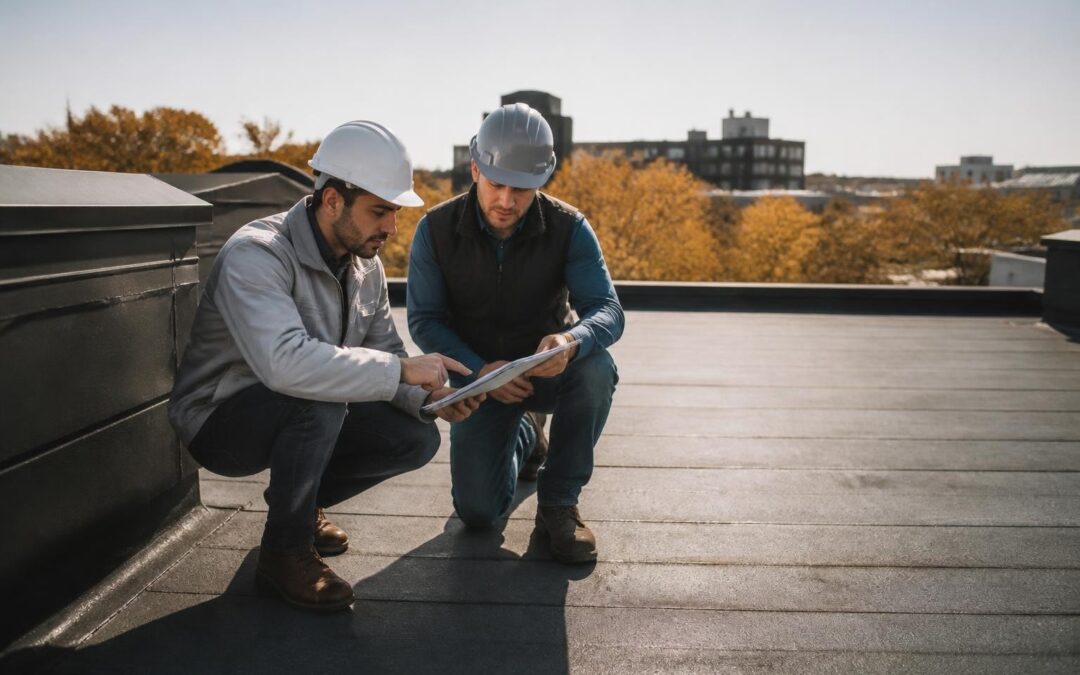
Finding qualified flat roof specialists near me requires careful consideration of credentials, experience, and local expertise. Whether you need installation, repair, or maintenance services, selecting the right contractor impacts both the quality of work and the longevity of your roofing system. Flat roofs present unique challenges compared to pitched roofs, requiring specialized knowledge of drainage systems, membrane materials, and waterproofing techniques. This guide walks you through the essential steps to identify, evaluate, and hire the best flat roof specialist in your area.
Understanding Flat Roof Specialization
Flat roof installation and maintenance require distinct skills from traditional sloped roofing. Specialists must understand membrane systems, proper drainage design, and water management techniques specific to low-slope applications. Not all roofing contractors possess these specialized capabilities.
Why Flat Roofs Demand Specific Expertise
The primary challenge with flat roofs involves water management. Unlike pitched roofs that rely on gravity for natural drainage, flat roofs require engineered slopes and drainage systems to prevent ponding water. Ponding water remains the leading cause of premature flat roof failure, making proper installation critical.
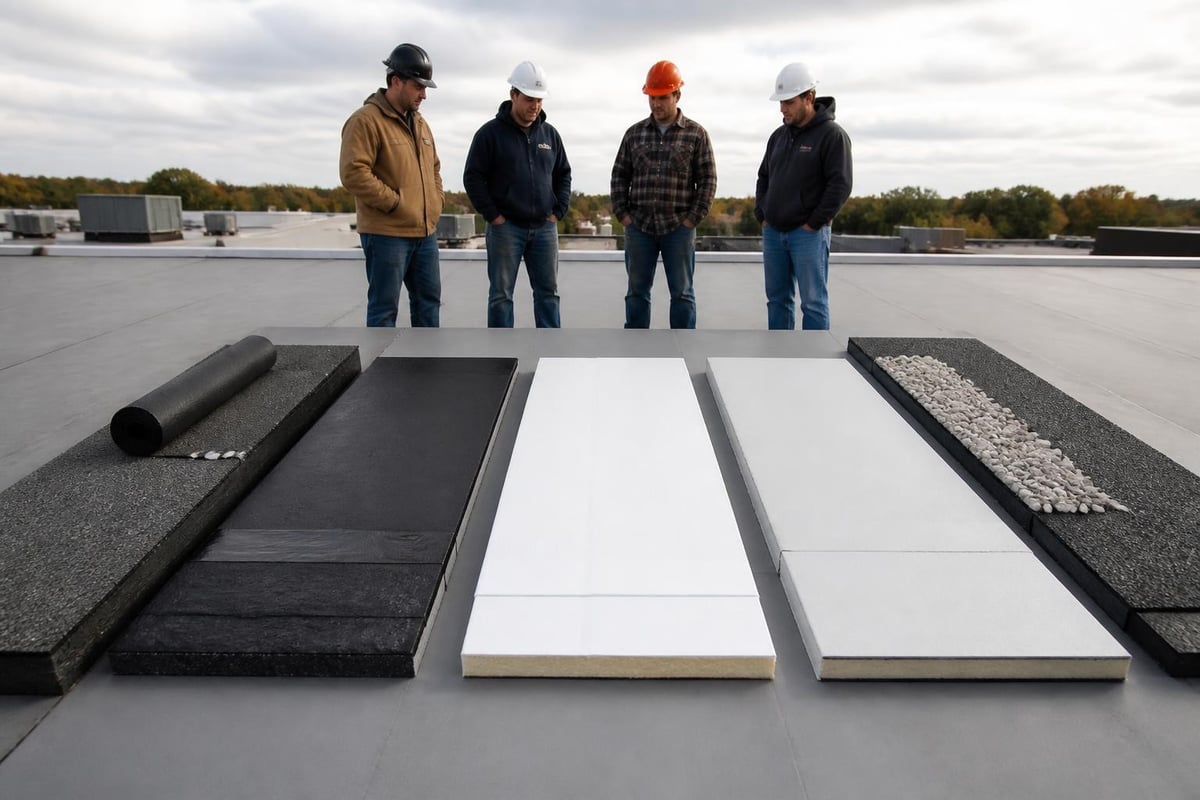
Flat roof specialists must master several distinct material systems:
- Modified bitumen membranes requiring torch application or cold adhesive techniques
- EPDM rubber roofing demanding precise seam sealing and proper adhesion
- TPO and PVC single-ply membranes requiring heat welding expertise
- Built-up roofing (BUR) involving multiple layers of asphalt and reinforcing fabric
- Spray polyurethane foam necessitating specialized equipment and application training
Each system has unique installation requirements, maintenance needs, and expected lifespans. Proper flat roof construction demands attention to detail at every phase.
Credentials to Verify When Searching for Flat Roof Specialists Near Me
Professional credentials separate qualified contractors from inexperienced installers. Before hiring any specialist, verify their legal standing and professional qualifications.
Essential Licensing and Insurance Requirements
Every legitimate flat roof specialist should carry comprehensive insurance coverage and proper licensing. Request documentation for:
- General liability insurance covering property damage during installation
- Workers' compensation insurance protecting employees and homeowners from injury claims
- State contractor's license proving legal authorization to perform roofing work
- Manufacturer certifications demonstrating training in specific roofing systems
- Bond documentation ensuring financial protection for customers
California requires all roofing contractors to hold a valid C-39 license issued by the Contractors State License Board. Verify license status, complaint history, and disciplinary actions through official state databases.
Manufacturer Certifications and Training
Leading roofing material manufacturers offer certification programs for contractors who complete specialized training. These certifications indicate a specialist's commitment to staying current with installation techniques and product specifications.
| Certification Type | Benefits | Verification Method |
|---|---|---|
| Manufacturer Preferred | Extended warranties, technical support | Check manufacturer website |
| Master Elite (GAF) | Industry's highest credential | GAF certification database |
| Quality Contractor (Firestone) | Extensive training verification | Firestone contractor locator |
| Select ShingleMaster (CertainTeed) | Excellence in installation | CertainTeed website verification |
Evaluating Experience and Local Reputation
Years in business provide insight into reliability and expertise. When researching flat roof specialists near me, prioritize contractors with substantial local experience.
The Importance of Local Knowledge
Local specialists understand regional climate challenges, building codes, and permit requirements. In Los Angeles and Southern California, flat roof contractors must account for:
- Intense UV exposure requiring durable membrane materials
- Minimal rainfall demanding proper drainage despite infrequent storms
- Seismic considerations affecting flashing and penetration details
- Local building codes specifying insulation values and fire ratings
Contractors familiar with your area navigate permitting processes efficiently and recommend materials suited to local conditions. They also maintain relationships with local building inspectors, streamlining approval processes.
Reading Beyond Five-Star Reviews
Online reviews provide valuable insights when filtered properly. Look for patterns in feedback rather than focusing on individual reviews:
- Response time and communication quality mentioned consistently
- Project timeline accuracy and whether work finished on schedule
- Clean-up practices and respect for property
- Problem-resolution approaches when issues arose
- Warranty fulfillment and post-installation support
Request references from projects completed in the past 24 months. Contact previous customers to ask specific questions about their experience, the specialist's professionalism, and long-term roof performance.
Questions to Ask Potential Flat Roof Contractors
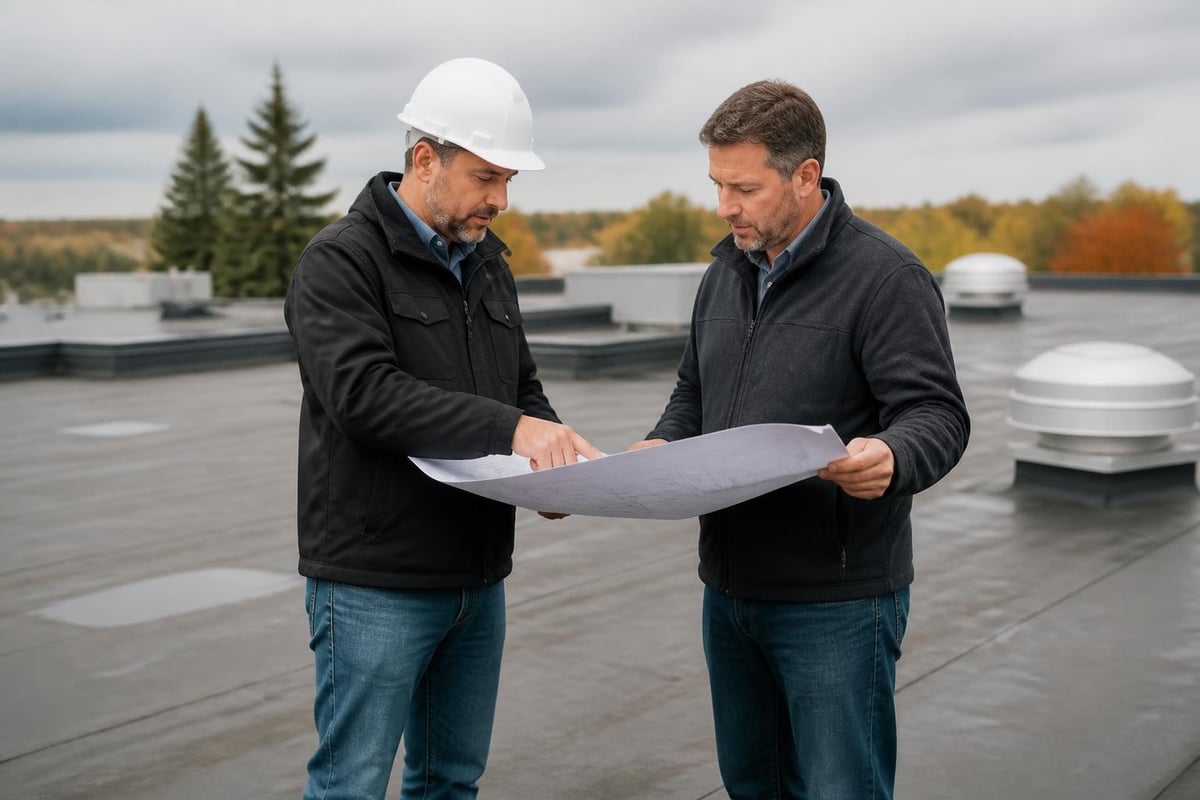
A thorough consultation reveals a contractor's expertise and professionalism. Prepare specific questions addressing your project requirements.
Technical Knowledge Assessment
Ask potential specialists to explain their approach to your specific situation:
- What membrane system do you recommend for my building and why?
- How will you address drainage and prevent ponding water?
- What R-value insulation do you recommend for energy efficiency?
- How do you handle penetrations, skylights, and HVAC equipment?
- What slope will you create for proper water runoff?
Qualified specialists provide detailed, technical answers demonstrating their understanding of flat roof systems. Vague responses or inability to explain recommendations indicate insufficient expertise.
Project Timeline and Process
Understanding the installation process helps set realistic expectations:
- Inspection and assessment duration before providing estimates
- Permit acquisition timeline and who handles applications
- Material ordering lead time for specialty products
- Actual installation duration based on roof size and complexity
- Weather contingency plans for unexpected delays
- Daily work hours and site access requirements
Professional flat roof installation follows systematic processes ensuring quality at each stage.
Material Selection and System Recommendations
Different flat roof systems suit different applications. Specialists should explain options and recommend the best solution for your building.
Comparing Flat Roof Membrane Systems
Each membrane type offers distinct advantages and limitations:
EPDM (Ethylene Propylene Diene Monomer) provides proven durability at moderate cost. This rubber membrane resists UV damage, withstands temperature extremes, and typically lasts 20-25 years. Installation involves adhering large sheets with minimal seams.
TPO (Thermoplastic Polyolefin) offers excellent heat reflectivity, reducing cooling costs in warm climates. Heat-welded seams create watertight bonds stronger than the membrane itself. TPO typically performs well for 15-20 years.
Modified Bitumen combines traditional asphalt roofing with modern polymer modifications. Available in torch-applied or cold-adhesive versions, this system suits various climates and provides 15-20 year lifespans.
PVC (Polyvinyl Chloride) delivers superior chemical resistance and strong seam strength through heat welding. While more expensive initially, PVC often provides 20+ years of service with proper maintenance.
| Membrane Type | Typical Lifespan | Cost Range | Best Application |
|---|---|---|---|
| EPDM | 20-25 years | $ | Budget-conscious projects |
| TPO | 15-20 years | $$ | Energy efficiency priority |
| Modified Bitumen | 15-20 years | $$ | Variable climate zones |
| PVC | 20-30 years | $$$ | Chemical exposure areas |
Understanding Flat Roof Installation Costs
Pricing varies significantly based on materials, roof size, accessibility, and existing conditions. Flat roof specialists near me should provide transparent, itemized estimates.
Factors Affecting Installation Prices
Multiple variables influence final project costs:
- Roof square footage with economies of scale for larger areas
- Accessibility challenges requiring specialized equipment
- Existing roof removal and disposal costs
- Substrate condition and necessary repairs or reinforcement
- Insulation requirements for energy code compliance
- Drainage modifications to improve water management
- Penetration quantity including vents, skylights, and equipment
- Warranty levels with extended coverage increasing costs
In the Los Angeles area, complete flat roof replacement typically ranges from $4.50 to $12.00 per square foot installed, depending on system selection and project complexity.
Comparing Written Estimates
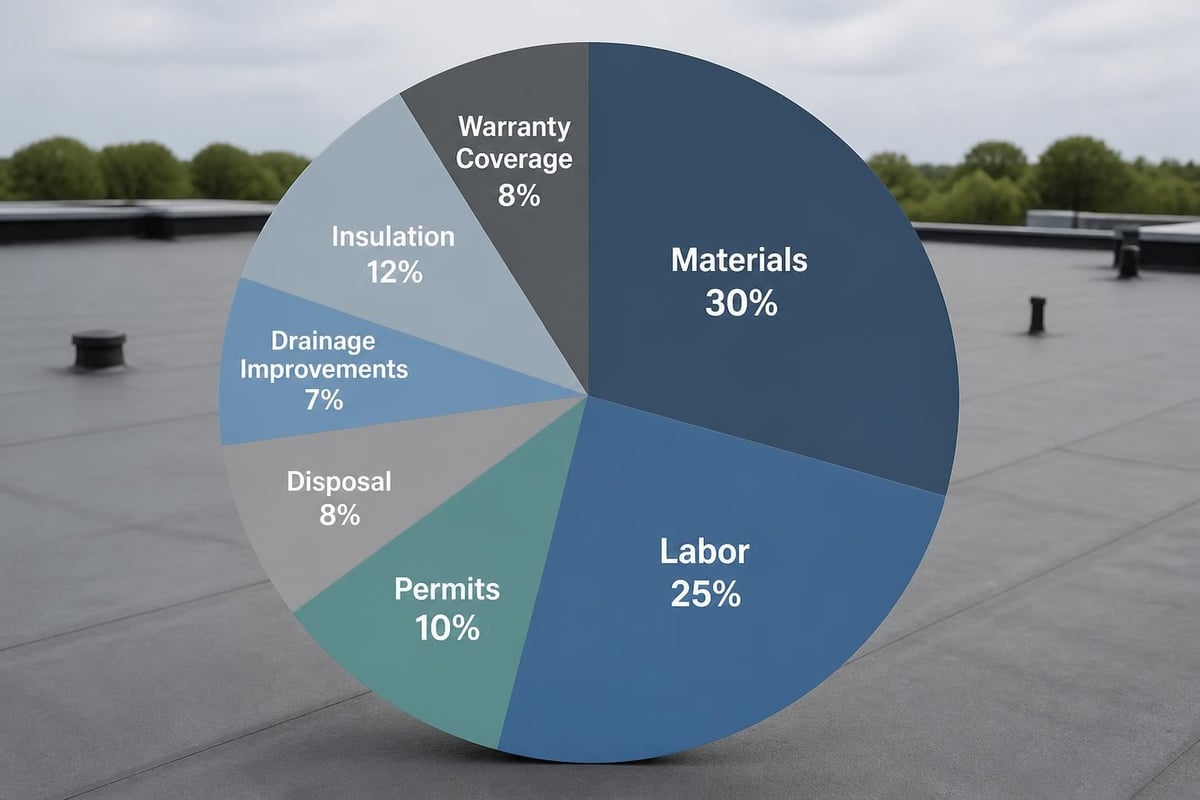
Request detailed written estimates from at least three qualified specialists. Comprehensive quotes should itemize:
- Material specifications including manufacturer and product line
- Labor costs separated from materials
- Tear-off and disposal expenses
- Permit and inspection fees
- Warranty coverage details
- Payment schedule tied to project milestones
- Start and completion dates
Beware of estimates significantly lower than others. Extremely low bids often indicate substandard materials, unlicensed workers, or hidden costs emerging during installation.
Maintenance Plans and Long-Term Support
Regular maintenance extends flat roof lifespan significantly. Proper flat roof maintenance prevents minor issues from becoming expensive problems.
What Maintenance Services Should Include
Comprehensive maintenance programs address flat roof vulnerabilities:
- Semi-annual inspections identifying damage before leaks develop
- Drainage system cleaning removing debris from gutters, drains, and scuppers
- Seam inspection and repair maintaining waterproof integrity
- Surface coating reapplication protecting membrane from UV degradation
- Flashing examination around penetrations and roof edges
- Ponding water assessment identifying drainage improvements needed
When considering roof repairs, choose specialists who provide ongoing maintenance services. Contractors familiar with your specific roof system deliver more effective preventive care. Roof repairs performed promptly prevent minor damage from compromising the entire roofing system.
Warranty Coverage Considerations
Flat roof warranties typically include two components: manufacturer material warranties and contractor workmanship warranties. Understanding both protects your investment.
Material warranties range from 10 to 30 years depending on membrane quality. However, these warranties often contain exclusions for ponding water, improper maintenance, or unauthorized repairs.
Workmanship warranties guarantee installation quality, typically covering 2-10 years. Extended workmanship warranties indicate contractor confidence in their installation standards.
Red Flags When Hiring Flat Roof Specialists
Certain warning signs indicate potential problems with contractors. Recognizing these red flags protects you from poor workmanship and financial loss.
Warning Signs to Avoid
Steer clear of contractors exhibiting these concerning behaviors:
- Requesting large upfront deposits exceeding 10-15% of project cost
- Pressuring immediate decisions without adequate consideration time
- Lacking proper licensing, insurance, or manufacturer certifications
- Offering unusually low prices compared to other qualified bidders
- Providing verbal estimates without written documentation
- Unwilling to provide references from recent projects
- Suggesting shortcuts or code violations to reduce costs
- Using subcontractors without proper licensing or insurance
- Refusing to obtain necessary permits for the work
Trust your instincts when evaluating contractors. Professional flat roof specialists communicate clearly, answer questions thoroughly, and demonstrate genuine concern for project quality.
The Consultation and Inspection Process
Initial consultations reveal contractor expertise and professionalism. Quality specialists conduct thorough inspections before providing recommendations.
What a Proper Roof Assessment Includes
Comprehensive flat roof inspections examine multiple systems and conditions:
Membrane condition assessment identifies punctures, tears, blistering, and UV degradation. Specialists note areas requiring repair or full replacement.
Drainage evaluation measures ponding water areas and assesses whether existing slopes move water efficiently toward drains and scuppers.
Flashing inspection examines transitions at parapets, penetrations, and roof edges where most leaks originate.
Substrate examination determines whether decking requires reinforcement or replacement before installing new membranes.
Insulation assessment measures current R-values and identifies opportunities for energy efficiency improvements.
Understanding flat roof design principles helps property owners ask informed questions during inspections.
Seasonal Considerations for Flat Roof Projects
Timing impacts installation success. While flat roofs allow more weather flexibility than pitched roofs, optimal conditions still matter.
Best Times for Flat Roof Installation
Temperature requirements vary by membrane type:
- EPDM adhesives perform best above 40°F
- TPO heat welding requires dry conditions above 20°F
- Modified bitumen torch application needs temperatures above 32°F
- Spray foam application demands humidity below 85% and temperatures above 50°F
In Southern California, mild weather permits year-round installation for most systems. However, summer heat can complicate certain applications while winter rain creates scheduling challenges.
Spring and fall typically provide ideal conditions: moderate temperatures, lower humidity, and minimal precipitation. These seasons also offer more flexible contractor scheduling before peak demand periods.
Navigating Permits and Building Codes
Professional flat roof specialists handle permit acquisition and ensure code compliance. Understanding these requirements helps you verify proper procedures.
Los Angeles Building Code Requirements
California building codes specify minimum standards for flat roof systems:
- Minimum roof slope of 1/4 inch per foot for drainage
- R-30 insulation minimum for most climate zones
- Fire-rated assembly requirements based on building type
- Proper ventilation specifications preventing moisture accumulation
- Seismic design considerations for rooftop equipment
Specialists familiar with local codes incorporate these requirements automatically. They also understand when variances or additional approvals become necessary for unique situations.
Permit costs typically range from $150 to $500 depending on project scope. Installation without proper permits risks code violations, insurance claim denials, and complications during property sales.
Emergency Repair Response and Availability
Flat roof leaks require immediate attention preventing water damage to building interiors. When researching flat roof specialists near me, consider emergency service availability.
What Constitutes a Roofing Emergency
Certain situations demand immediate professional response:
- Active leaks allowing water into occupied spaces
- Storm damage compromising membrane integrity
- Equipment damage threatening HVAC or electrical systems
- Ponding water exceeding 48 hours after rainfall
- Membrane uplift from high winds
Reliable specialists offer emergency services with clear response time commitments. They should provide temporary repairs preventing further damage while scheduling permanent solutions.
Making Your Final Selection
After gathering information, comparing estimates, and checking references, make an informed decision based on multiple criteria.
Decision Factors Beyond Price
While cost matters, the lowest bid rarely delivers the best value. Prioritize these considerations:
Contractor communication quality throughout the consultation process indicates how they'll communicate during installation. Specialists who listen carefully and explain thoroughly typically deliver superior customer experiences.
Material quality and warranty coverage protect your long-term investment. Premium materials with extended warranties often prove more economical than budget options requiring earlier replacement.
Installation timeline and crew size affect project disruption. Contractors committing realistic schedules and adequate crews complete work efficiently without quality shortcuts.
Local reputation and longevity demonstrate reliability. Established businesses with strong community presence remain available for warranty service and future maintenance needs.
Seasonal flat roof maintenance tips help you partner effectively with your chosen specialist for long-term roof health.
Selecting qualified flat roof specialists requires evaluating credentials, experience, and reputation alongside technical expertise and fair pricing. By asking detailed questions, verifying licenses and insurance, and comparing comprehensive proposals, you identify contractors capable of delivering quality installations that protect your property for decades. Whether you need installation, repair, or ongoing maintenance for residential or commercial properties in the Los Angeles area, Proof Your Roof brings specialized expertise and commitment to excellence in every flat roofing project.