
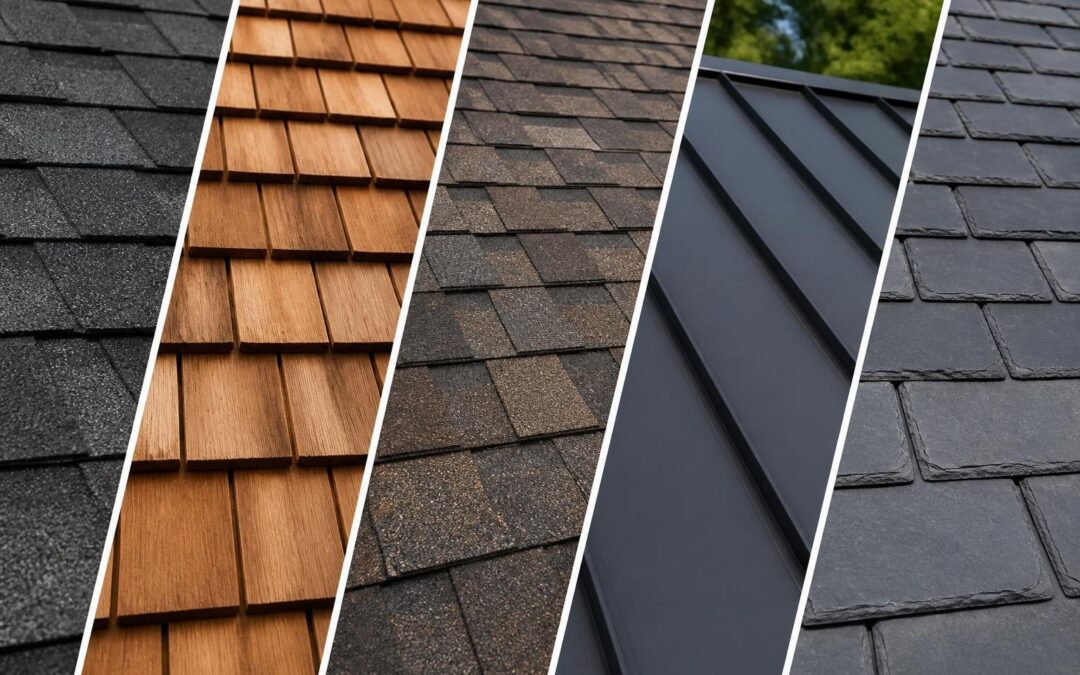
Choosing the right roofing material represents one of the most significant decisions homeowners face when building or renovating their property. The roof not only protects your home from the elements but also contributes substantially to its curb appeal and overall value. With numerous options available in today's market, understanding the different kinds of roofing shingles helps you make an informed decision that balances aesthetics, durability, budget, and climate considerations. This comprehensive guide explores the various shingle types available for residential and commercial properties, particularly for homeowners in Los Angeles and surrounding areas where climate and architectural style play crucial roles in material selection.
Asphalt Shingles: The Most Popular Choice
Asphalt shingles dominate the residential roofing market, accounting for approximately 80% of all residential roofs in the United States. Their popularity stems from an attractive combination of affordability, versatility, and reliable performance across various climate conditions.
Three-Tab Asphalt Shingles
Three-tab shingles represent the most basic and economical option among different kinds of roofing shingles in the asphalt category. These shingles feature a flat, uniform appearance with three distinct tabs, creating a consistent pattern across the roof surface.
Key characteristics include:
- Lightweight construction (approximately 200-250 pounds per square)
- Average lifespan of 15-20 years
- Cost-effective installation
- Limited wind resistance compared to architectural varieties
Three-tab shingles work well for budget-conscious homeowners or rental properties where initial cost takes priority over longevity. However, they offer less dimensional depth and visual interest than premium alternatives.
Architectural Shingles
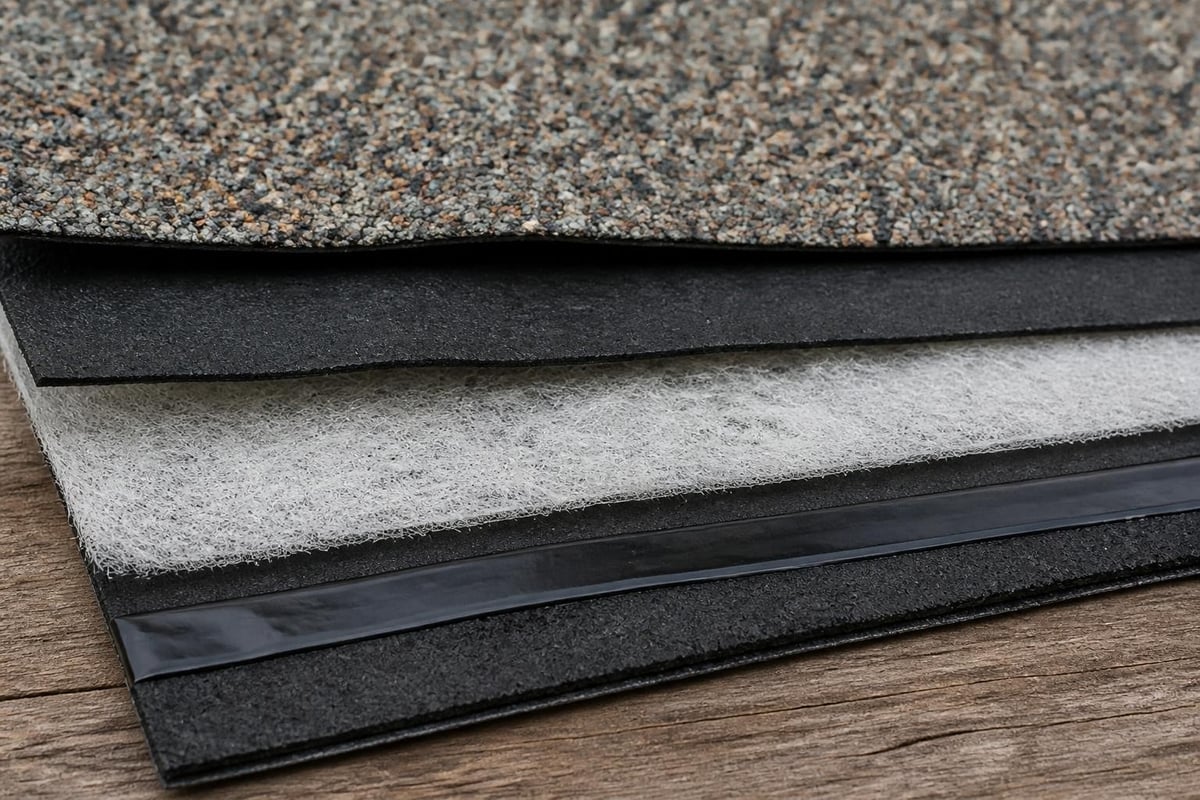
Architectural shingles, also called dimensional or laminated shingles, have gained tremendous popularity over the past two decades. These premium asphalt products feature multiple layers laminated together, creating a textured, three-dimensional appearance that mimics the look of wood shakes or slate tiles.
| Feature | Three-Tab Shingles | Architectural Shingles |
|---|---|---|
| Weight | 200-250 lbs/square | 300-400 lbs/square |
| Lifespan | 15-20 years | 25-30 years |
| Wind Rating | 60-70 mph | 110-130 mph |
| Cost per Square | $70-100 | $100-150 |
| Warranty | 20-25 years | 30-50 years |
The additional weight and thickness provide superior durability and weather resistance. Many manufacturers offer extended warranties on architectural shingles, with some premium lines featuring lifetime coverage. These shingles excel in areas prone to high winds or severe weather conditions.
Luxury or Designer Shingles
At the top tier of asphalt roofing, luxury shingles offer exceptional aesthetics and performance. These premium products replicate the appearance of natural materials like slate or cedar shakes while maintaining the practical benefits of asphalt composition. Various roofing shingle materials offer different aesthetic and functional characteristics that homeowners should carefully evaluate.
Wood Shingles and Shakes
Wood roofing materials provide timeless beauty and natural insulation properties that appeal to homeowners seeking organic, environmentally conscious options. The different kinds of roofing shingles in the wood category include both shingles and shakes, which differ in manufacturing and appearance.
Cedar Shingles
Machine-cut cedar shingles deliver a smooth, uniform appearance with precise edges and consistent thickness. Cedar naturally resists decay, insects, and moisture damage, making it suitable for various climates when properly maintained.
Installation considerations:
- Require adequate roof ventilation to prevent moisture accumulation
- Need periodic treatment with preservatives or stains
- Must maintain minimum 4:12 roof pitch for proper water drainage
- Should include proper underlayment for moisture protection
Cedar shingles typically last 25-30 years with appropriate maintenance. In California's dry climate, fire-resistant treatments become essential, as untreated wood shingles present significant fire hazards.
Wood Shakes
Hand-split or sawn wood shakes offer a more rustic, textured appearance compared to smooth cedar shingles. Their irregular surfaces create distinctive shadow lines and character that many homeowners find appealing for traditional or craftsman-style architecture.
Shakes generally cost more than shingles due to their handcrafted nature and thicker profile. They provide enhanced insulation properties and can last 30-40 years with proper care. However, wood shakes require more intensive maintenance than manufactured alternatives.
Metal Roofing Shingles
Metal roofing has evolved dramatically from utilitarian barn coverings to sophisticated residential products that replicate traditional shingle appearances. Modern metal shingles combine durability with aesthetic versatility, making them increasingly popular among homeowners seeking long-term value.
Steel Shingles
Steel roofing shingles feature protective coatings that prevent rust and corrosion while providing excellent strength-to-weight ratios. These products often incorporate stone-coated finishes that simulate the appearance of asphalt, slate, or tile roofing.
Benefits include exceptional longevity (50+ years), fire resistance, and energy efficiency through reflective properties. Steel shingles withstand extreme weather conditions, including high winds, hail, and heavy snow loads. Different roofing materials comparison reveals how metal options stack up against traditional choices in terms of cost and performance.
Aluminum Shingles
Lightweight aluminum shingles resist corrosion naturally without protective coatings, making them ideal for coastal environments where salt air accelerates metal degradation. Their lighter weight reduces structural load requirements, potentially eliminating the need for roof reinforcement during installation.
| Metal Type | Weight (lbs/sq) | Lifespan | Coastal Suitability | Cost Factor |
|---|---|---|---|---|
| Steel | 100-150 | 50+ years | Requires coating | Moderate |
| Aluminum | 40-70 | 50+ years | Excellent | Higher |
| Copper | 125-200 | 100+ years | Exceptional | Premium |
| Zinc | 150-200 | 80-100 years | Excellent | Premium |
Copper and Zinc Shingles
Premium metal options like copper and zinc develop natural patinas over time, creating distinctive appearances that evolve with age. These materials represent significant investments but offer unparalleled longevity and minimal maintenance requirements. Copper roofing can last over a century, making it the ultimate long-term roofing solution despite substantial upfront costs.
Clay and Concrete Tile Shingles
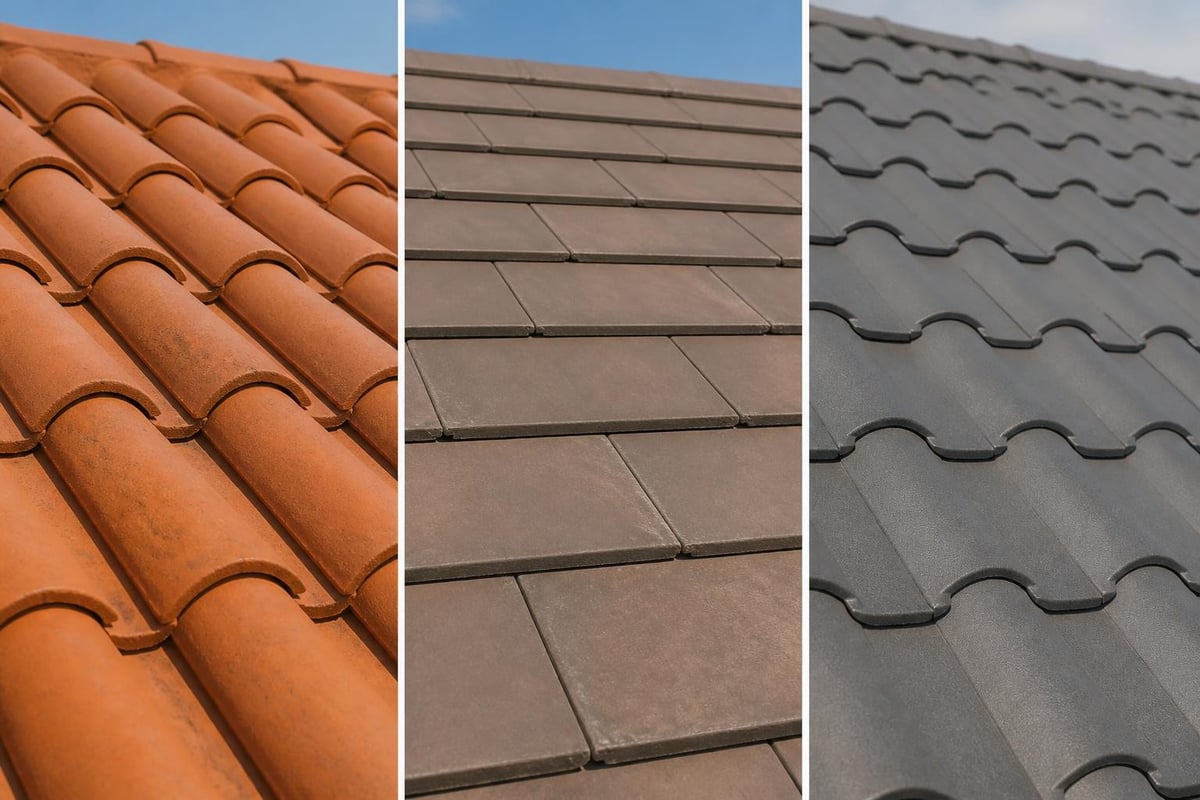
Tile roofing dominates Mediterranean, Spanish Colonial, and Mission-style architecture throughout Southern California. The different kinds of roofing shingles in the tile category provide exceptional durability and distinctive aesthetic character.
Clay Tiles
Natural clay tiles offer authentic beauty and proven performance spanning centuries of architectural history. These tiles undergo firing at high temperatures, creating dense, weather-resistant products that resist fading, rot, and insect damage.
Advantages of clay tiles:
- Exceptional longevity (50-100+ years)
- Natural fire resistance (Class A rating)
- Low maintenance requirements
- Energy efficiency through thermal mass properties
- Environmentally sustainable material
Clay tiles require substantial roof structure support due to their weight (900-1,000 pounds per square). Professional evaluation ensures existing framing can accommodate the load or identifies necessary reinforcement. Understanding roofing material qualities through expert demonstrations helps homeowners visualize installation and performance characteristics.
Concrete Tiles
Concrete tiles provide similar aesthetics to clay at reduced cost and weight. Modern manufacturing techniques enable concrete tiles to replicate various styles, including Spanish barrel tiles, flat shakes, and slate profiles. Advanced coloring processes ensure consistent appearance and fade resistance.
Concrete tiles typically weigh 820-950 pounds per square, slightly less than clay alternatives. They offer comparable lifespans (40-75 years) and require similar structural considerations during installation.
Slate Roofing Shingles
Natural slate represents the pinnacle of roofing materials, offering unmatched beauty, durability, and prestige. Quarried from metamorphic rock formations, slate tiles provide authentic character that manufactured products cannot replicate.
Natural Slate Characteristics
Slate roofing delivers extraordinary longevity, with many installations lasting 75-150 years or more. The material's dense composition resists water absorption, freeze-thaw damage, and fire. Color options range from classic gray and black to green, purple, red, and variegated blends depending on mineral content and quarry source.
Installation requirements:
- Specialized expertise for proper technique
- Reinforced roof structure to support 800-1,500 pounds per square
- Copper or stainless steel fasteners to match slate's lifespan
- Careful handling to prevent breakage during installation
- Custom flashing details around penetrations and valleys
The substantial investment in slate roofing (typically $15-30 per square foot installed) reflects material costs, specialized labor, and structural modifications. However, when amortized over a century of service, slate becomes cost-competitive with materials requiring multiple replacements.
Synthetic Slate Alternatives
Engineered slate products manufactured from rubber, plastic, or composite materials replicate natural slate's appearance at fraction of the cost and weight. These alternatives typically weigh 350-500 pounds per square, eliminating structural reinforcement needs in most applications.
Quality synthetic slate products offer 50-year warranties and realistic texture replication. However, they lack the authentic character and proven century-spanning performance of natural stone. Research on roofing material distribution globally demonstrates the prevalence and regional variations in roofing choices.
Composite and Specialty Shingles
Innovation in roofing materials has produced various composite and specialty products that combine beneficial properties from multiple materials or introduce entirely new performance characteristics.
Polymer Composite Shingles
Advanced polymer composites incorporate recycled materials like plastic and rubber to create durable, lightweight roofing products. These engineered materials resist impact damage, maintain color stability, and provide Class A fire ratings when properly formulated.
Some composite shingles incorporate rubber from recycled tires, offering environmental benefits alongside performance advantages. The material's flexibility reduces cracking and breakage compared to rigid alternatives.
Fiber Cement Shingles
Fiber cement combines cellulose fibers with portland cement and sand, creating durable shingles that resist fire, rot, and insect damage. These products successfully replicate wood shake appearance while eliminating organic material vulnerabilities.
Fiber cement shingles typically last 25-40 years and require less maintenance than natural wood products. Their moderate weight (350-450 pounds per square) falls between asphalt and tile categories, working with most existing roof structures without reinforcement.
Climate Considerations for Los Angeles Homeowners
Southern California's unique climate influences the performance and suitability of different kinds of roofing shingles. The region's characteristics include intense UV exposure, minimal precipitation, occasional high winds, and seismic activity.
Climate-optimized material selection:
- Heat reflection: Light-colored metal, tile, or cool roof asphalt shingles reduce cooling costs
- Fire resistance: Class A-rated materials provide essential protection in fire-prone areas
- Wind resistance: High wind-rated products withstand Santa Ana wind events
- UV durability: Materials with proven fade resistance maintain appearance longer
- Low maintenance: Products requiring minimal upkeep suit the dry climate well
Tile roofing particularly suits Mediterranean climates like Los Angeles, explaining its prevalence throughout the region. The thermal mass properties help moderate temperature fluctuations while the material withstands intense sun exposure without degradation.
Cost Analysis and Value Considerations
Understanding the total cost of ownership for different kinds of roofing shingles extends beyond initial installation expenses to include lifespan, maintenance requirements, energy efficiency, and resale value impacts.
| Shingle Type | Initial Cost | Expected Lifespan | Annual Cost | Maintenance Level |
|---|---|---|---|---|
| 3-Tab Asphalt | $3,500-6,000 | 15-20 years | $200-400 | Low |
| Architectural Asphalt | $5,000-9,000 | 25-30 years | $170-360 | Low |
| Wood Shakes | $12,000-18,000 | 30-40 years | $300-600 | High |
| Metal | $10,000-20,000 | 50+ years | $150-400 | Very Low |
| Concrete Tile | $11,000-19,000 | 40-75 years | $150-475 | Low |
| Clay Tile | $13,000-25,000 | 50-100 years | $130-500 | Low |
| Natural Slate | $25,000-50,000 | 75-150 years | $165-665 | Low |
Costs shown for typical 1,500-1,800 square foot residential roof in Los Angeles area
Premium materials with higher initial costs often deliver superior long-term value through extended lifespans and reduced maintenance requirements. Energy-efficient options provide ongoing utility savings that offset higher upfront investments over time. Comprehensive roofing material comparisons help homeowners evaluate trade-offs between different options.
Installation and Maintenance Requirements
Proper installation significantly impacts the performance and longevity of all roofing materials. Different kinds of roofing shingles require varying levels of expertise, specialized tools, and installation techniques.
Professional Installation Importance
While some homeowners consider DIY roofing projects, professional installation ensures proper technique, valid warranties, and long-term performance. Experienced contractors understand substrate preparation, proper fastener selection, appropriate overlap specifications, and critical flashing details that prevent water intrusion.
Licensed roofing professionals also navigate building code requirements, permit processes, and safety protocols that protect both workers and homeowners. When investing thousands of dollars in roofing materials, professional installation protects that investment through proven techniques and accountability.
Ongoing Maintenance Needs
Maintenance requirements vary considerably across different shingle types. Asphalt and metal products generally require minimal attention beyond periodic inspections and debris removal. Wood shingles and shakes demand regular treatments to maintain weather resistance and prevent deterioration. When repairs become necessary, working with professionals who specialize in roof repairs ensures proper techniques that maintain warranty coverage and long-term performance.
Standard maintenance schedule:
- Annual inspections after winter storms
- Gutter cleaning and debris removal (twice yearly)
- Tree trimming to prevent overhanging branches
- Flashing inspection around chimneys and vents
- Immediate repair of damaged or missing shingles
Early detection and prompt repair of minor issues prevent expensive damage to underlying structures. Regular maintenance extends roof lifespan regardless of material choice.
Selecting among the different kinds of roofing shingles requires careful evaluation of budget, aesthetic preferences, climate factors, and long-term value considerations. Each material category offers distinct advantages that suit particular applications, architectural styles, and homeowner priorities. Whether you're building new construction, replacing an aging roof, or upgrading to premium materials, professional guidance ensures optimal material selection and expert installation. Proof Your Roof provides comprehensive roofing services throughout Los Angeles and surrounding areas, helping homeowners navigate material choices and delivering quality installations backed by proven expertise and customer satisfaction.