

The roofing industry has evolved significantly over the past decade, transforming from a complex, intimidating process into a more accessible experience for homeowners and commercial property owners alike. The concept of ez roofing represents this shift toward simplified decision-making, transparent pricing, and streamlined installation processes that remove unnecessary complications. For property owners in Los Angeles and surrounding areas, understanding how to navigate modern roofing solutions while avoiding common pitfalls has become essential to protecting one of their most valuable investments. This comprehensive guide explores the principles behind ez roofing approaches, helping you make informed decisions about materials, contractors, timelines, and maintenance strategies.
Understanding the Ez Roofing Philosophy
The ez roofing approach centers on demystifying roofing projects through clear communication, standardized processes, and accessible information. Rather than overwhelming property owners with technical jargon and confusing options, this methodology breaks down complex roofing decisions into manageable steps.
Modern roofing companies that embrace ez roofing principles prioritize transparency in every phase of a project. They provide detailed written estimates, use visual aids to explain material differences, and establish clear timelines with built-in contingencies. This approach directly addresses the common homeowner frustration of unexpected complications and hidden costs that plague traditional roofing projects.
Key Components of Simplified Roofing
Streamlined Material Selection
Choosing roofing materials no longer requires extensive research or guesswork. Ez roofing approaches present options in clear comparison formats:
- Cost per square foot with installation included
- Expected lifespan under local climate conditions
- Maintenance requirements over the first decade
- Energy efficiency ratings and potential utility savings
- Warranty coverage details in plain language
Transparent Pricing Structures
Gone are the days of vague estimates and surprise charges. Modern ez roofing practices include itemized quotes that separate material costs, labor expenses, disposal fees, and permit charges.
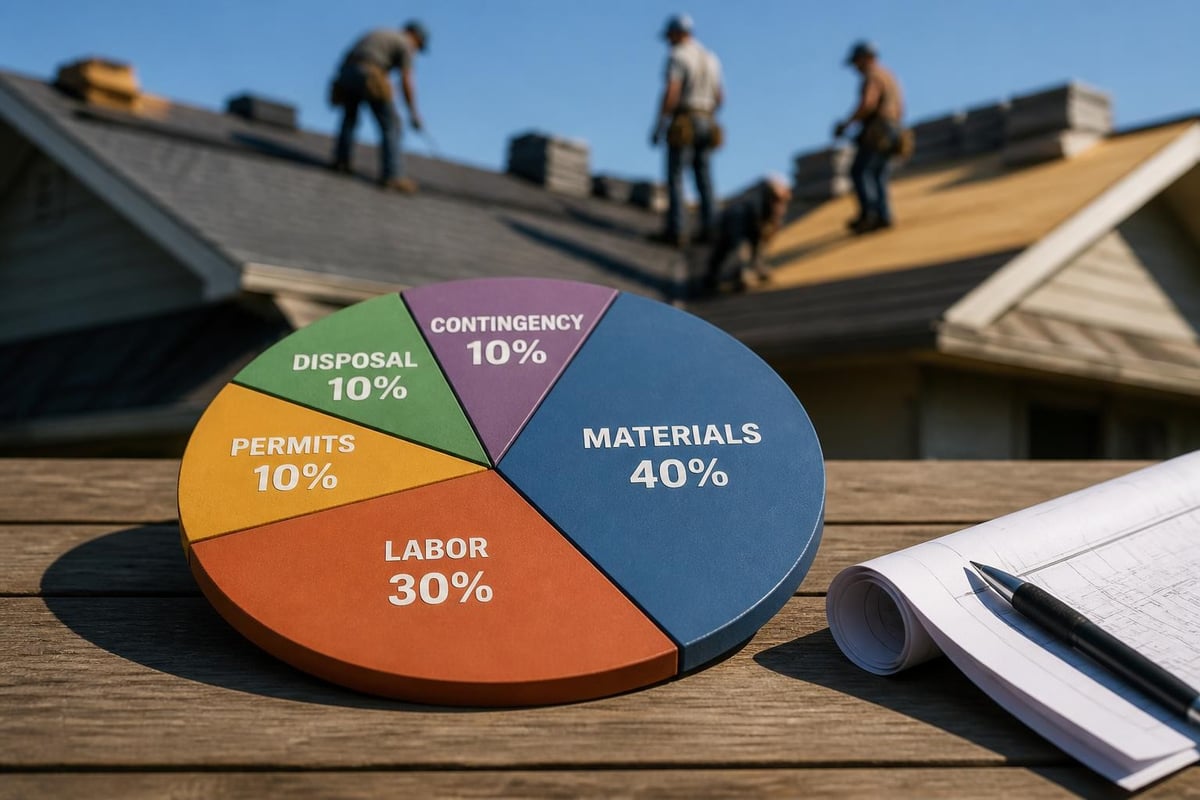
| Cost Category | Typical Percentage | What It Covers |
|---|---|---|
| Materials | 40-50% | Shingles, underlayment, flashing, ventilation |
| Labor | 30-40% | Installation crew, project management, cleanup |
| Permits & Inspection | 5-10% | Building permits, required inspections, compliance |
| Disposal | 5-8% | Old material removal, dumpster rental, recycling |
| Contingency | 5-10% | Unexpected substrate repairs, weather delays |
Navigating Roofing Material Options
The diversity of roofing materials available in 2026 provides excellent choices for every budget and aesthetic preference. However, this abundance can create decision paralysis without proper guidance. Ez roofing simplifies material selection by focusing on your specific needs rather than presenting every available option.
Climate-Appropriate Material Selection
Los Angeles climate conditions demand specific material considerations that differ dramatically from regions with heavy snow or extreme humidity. The Mediterranean climate with occasional Santa Ana winds requires materials that offer:
- Superior UV resistance for year-round sun exposure
- Wind uplift ratings appropriate for 70+ mph gusts
- Fire resistance ratings to meet California building codes
- Thermal performance to reduce cooling costs during summer months
Asphalt Shingles in Southern California
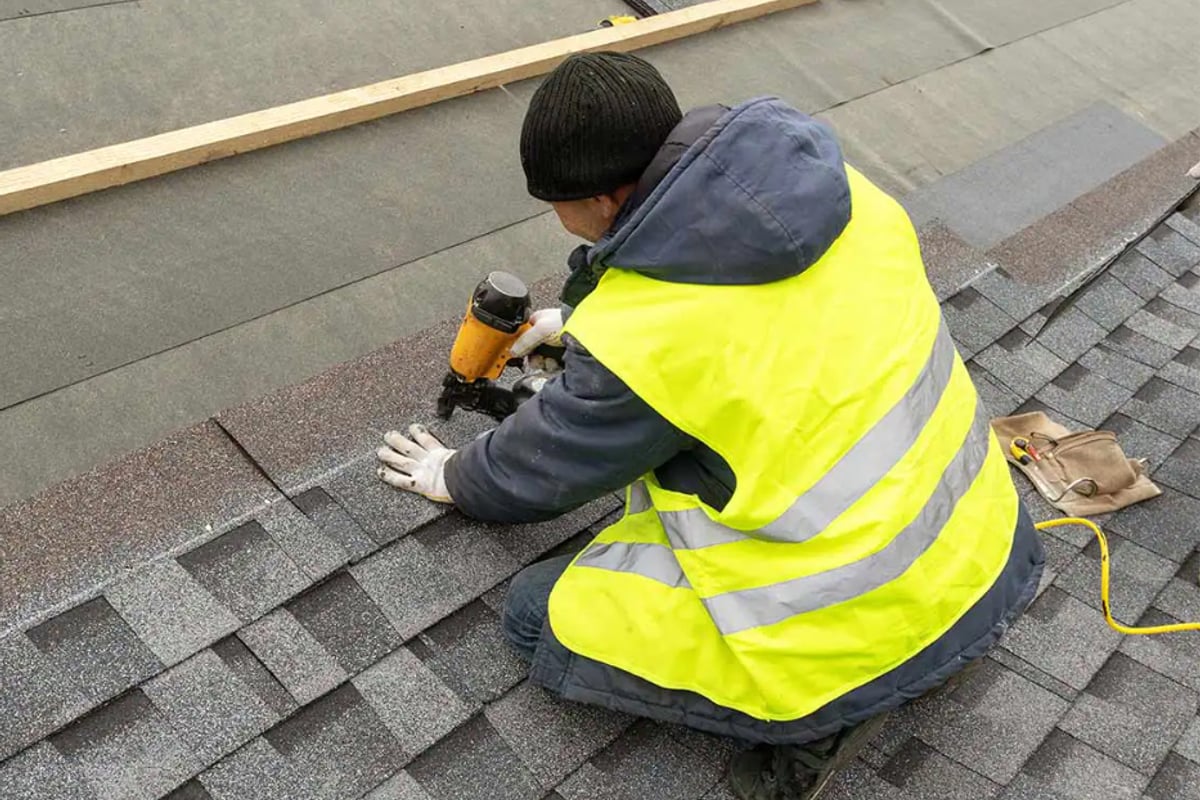
Asphalt shingles remain the most popular ez roofing choice for residential properties due to their favorable cost-to-performance ratio. Modern architectural shingles offer 25-30 year lifespans while providing excellent fire ratings required in many Los Angeles neighborhoods. When considering asphalt shingles, focus on products specifically rated for high-temperature environments.
The composition of contemporary asphalt shingles has improved dramatically, with enhanced granule adhesion that resists UV degradation. Fiberglass-based shingles provide superior dimensional stability compared to older organic mat versions, reducing the thermal expansion issues that previously shortened shingle life in hot climates.
Comparing Long-Term Value
While initial installation costs matter, ez roofing evaluates total cost of ownership over the expected service life. A comprehensive comparison of roofing materials reveals how upfront savings can disappear through increased maintenance or premature replacement.
- Calculate annual cost: Divide total installed cost by expected lifespan
- Add maintenance expenses: Include periodic inspections, cleaning, and minor repairs
- Factor energy impact: Estimate heating and cooling cost differences
- Consider insurance effects: Some materials qualify for premium discounts
- Evaluate resale value: Certain roof types enhance property marketability
Selecting the Right Roofing Contractor
The contractor you choose has more impact on project success than any other single factor. Ez roofing emphasizes contractor selection as the foundation of a smooth installation experience. Poor workmanship can compromise even premium materials, while skilled installers maximize the performance of budget-friendly options.
Essential Contractor Qualifications
Licensing and Insurance Verification
California requires contractors handling projects over four hundred and ninety-nine dollars to hold a valid C-39 Roofing Contractor license. Verify active status through the Contractors State License Board database before signing any agreements. Equally critical is comprehensive insurance coverage:
- General liability insurance (minimum two million dollars)
- Workers' compensation for all crew members
- Commercial auto insurance for company vehicles
- Umbrella coverage for large-scale projects
Evaluating Contractor Experience
Years in business provide valuable context, but specialization matters more than longevity. A contractor with fifteen years focusing exclusively on residential re-roofing in Los Angeles brings more relevant expertise than a thirty-year generalist. Ez roofing contractors demonstrate their capabilities through:
- Portfolio of completed projects in similar neighborhoods
- References from recent customers with comparable homes
- Manufacturer certifications for specific product lines
- Knowledge of local building code requirements
- Established relationships with building inspectors

Project Timeline and Scheduling Strategies
Understanding realistic timeframes prevents frustration and helps you plan around the disruption inherent in roofing projects. Ez roofing establishes clear expectations from initial consultation through final inspection.
Typical Project Phases
| Phase | Duration | Key Activities |
|---|---|---|
| Initial Consultation | 1-3 days | Inspection, measurements, preliminary estimates |
| Detailed Proposal | 3-7 days | Material selection, final pricing, contract preparation |
| Permit Acquisition | 5-15 days | Application submission, plan review, approval |
| Material Ordering | 7-14 days | Product procurement, delivery scheduling |
| Installation | 2-5 days | Tearoff, substrate repair, new roof installation |
| Final Inspection | 1-3 days | Municipal inspection, punch list completion |
Weather significantly impacts roofing schedules in ways beyond simple rain delays. Morning marine layer can prevent shingle sealing, while afternoon temperatures exceeding ninety-five degrees create safety concerns for installation crews. Professional ez roofing contractors build weather contingencies into every timeline.
Quality Assurance and Installation Standards
The difference between adequate and exceptional roofing lies in installation details that remain hidden once the project completes. Ez roofing emphasizes verifiable quality standards that protect your investment.
Critical Installation Elements
Proper Underlayment Application
The waterproofing barrier beneath your visible roofing material provides the actual weather protection. Synthetic underlayment has largely replaced traditional felt paper due to superior tear resistance and UV stability. Proper installation requires:
- Horizontal application starting from the eaves
- Minimum four-inch overlaps at horizontal seams
- Six-inch overlaps at vertical seams
- Proper integration with roof penetrations and valleys
- Secure fastening at recommended intervals
Ventilation System Design
Inadequate attic ventilation shortens roof lifespan by trapping heat and moisture. The correct balance between intake and exhaust ventilation maintains optimal temperature and humidity levels. Ez roofing approaches calculate ventilation requirements based on attic square footage, ensuring compliance with one square foot of net free ventilation area per one hundred and fifty square feet of attic space.
Warranty Protection Strategies
Manufacturer warranties only provide value when installation meets their specifications. Ez roofing contractors document compliance through:
- Photographs of critical installation stages
- Material delivery receipts with batch numbers
- Ventilation calculations and component specifications
- Fastener pattern documentation
- Final inspection reports
Maintenance Planning for Long-Term Performance
Even the most expertly installed roof requires periodic maintenance to achieve its full lifespan potential. Ez roofing includes maintenance planning as an integral component rather than an afterthought. For property owners seeking ongoing support, establishing a relationship with professionals who offer comprehensive roof maintenance services ensures issues get addressed before they escalate.
Annual Inspection Protocols
Professional inspections identify minor issues before they compromise your roof's integrity. Schedule inspections in fall before winter rains and spring after storm season. Trained inspectors evaluate:
- Shingle condition including granule loss and edge curling
- Flashing integrity at chimneys, vents, and roof valleys
- Gutter attachment and drainage functionality
- Attic ventilation performance and insulation condition
- Evidence of pest intrusion or nesting activity
Common Maintenance Tasks
- Debris removal from roof surfaces and valleys
- Gutter cleaning and downspout flushing
- Trim overhanging tree branches to prevent damage
- Replace damaged or missing shingles immediately
- Seal exposed nail heads and minor flashing gaps
| Maintenance Frequency | Tasks | Estimated Cost |
|---|---|---|
| Quarterly | Gutter cleaning, visual inspection | Eighty to one hundred and fifty dollars |
| Annually | Professional inspection, minor repairs | Two hundred and fifty to four hundred dollars |
| Every 5 Years | Detailed assessment, preventive sealing | Five hundred to eight hundred dollars |
| Every 10 Years | Comprehensive evaluation, component replacement | One thousand to two thousand dollars |
Energy Efficiency Considerations
Modern ez roofing recognizes that your roof significantly impacts home energy consumption. The right materials and installation techniques reduce heating and cooling costs while improving interior comfort.
Cool Roofing Technology
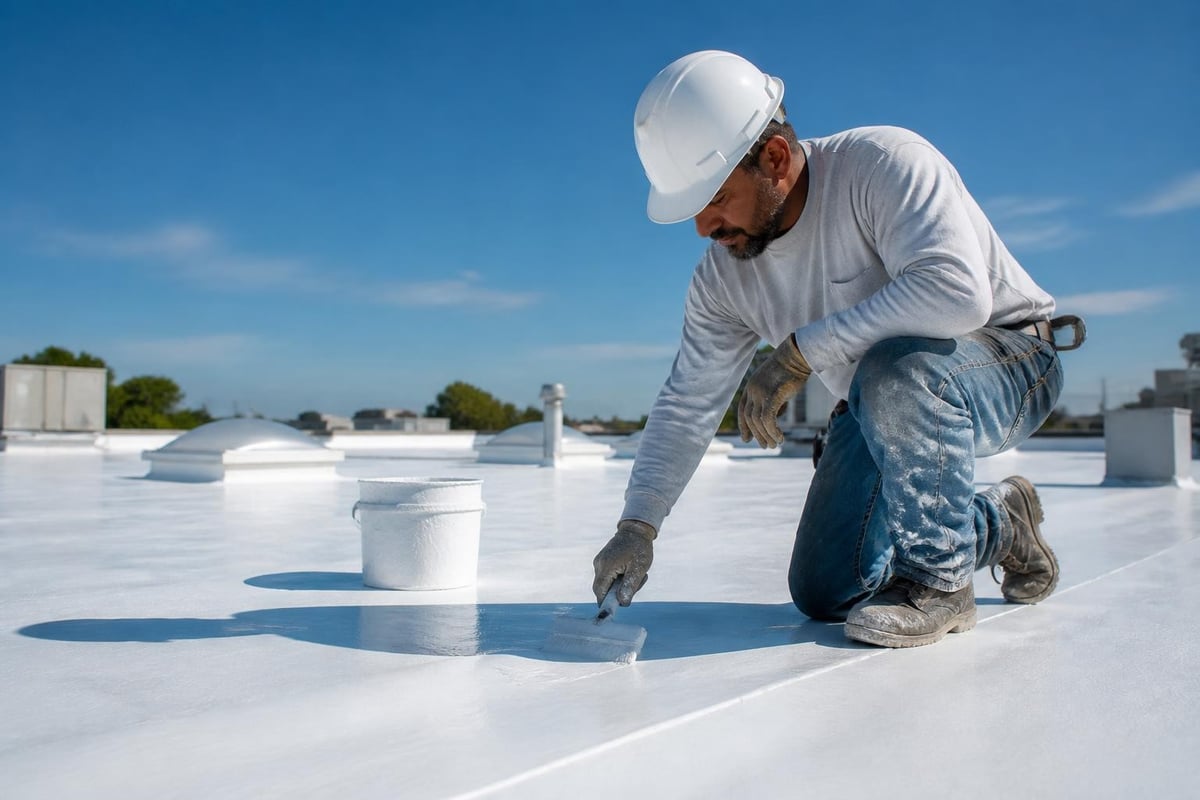
California Title 24 energy standards encourage reflective roofing materials that reduce heat absorption. Cool roofing products reflect more sunlight and emit absorbed heat more efficiently than traditional materials. Benefits include:
- Reduced summer cooling costs (fifteen to thirty percent)
- Extended HVAC equipment lifespan
- Improved indoor comfort in rooms below the roof
- Potential utility rebates and tax incentives
Color and Material Selection
Light-colored roofing materials naturally reflect more solar radiation than dark alternatives. However, advances in roofing technology have produced dark-colored "cool" shingles with specially formulated granules that reflect infrared radiation while maintaining aesthetic appeal.
Addressing Common Roofing Challenges
Every roofing project encounters obstacles. Ez roofing prepares property owners for likely scenarios while establishing clear protocols for unexpected issues.
Substrate Damage Discovery
Removing old roofing frequently reveals hidden damage to roof decking. Water infiltration from previous leaks, pest damage, or structural settling can compromise sheathing integrity. Responsible contractors:
- Stop work immediately upon discovering significant damage
- Document conditions with photographs
- Provide written repair estimates before proceeding
- Explain structural implications and safety concerns
- Obtain approval before performing unplanned work
Permit and Inspection Complications
Building departments occasionally reject permit applications or fail inspections due to code interpretation differences. Ez roofing contractors maintain positive relationships with local inspectors and understand current code requirements, minimizing approval delays.
Cost Management and Financing Options
Roofing projects represent substantial investments that strain many household budgets. Ez roofing includes flexible financing solutions that make necessary roof replacement accessible without compromising quality.
Budget-Friendly Strategies
Seasonal Timing Advantages
Roofing contractors experience predictable demand fluctuations throughout the year. Late fall through early spring typically sees reduced scheduling pressure, potentially creating negotiating opportunities. However, balance potential savings against weather risks that could extend project timelines.
Phased Approach for Complex Properties
Properties with multiple roof sections or detached structures can sometimes divide work into phases. This strategy spreads costs across multiple budget periods while addressing the most critical areas first.
Insurance Claims and Damage Assessment
Storm damage, falling trees, and other unexpected events occasionally necessitate roof replacement covered by homeowner's insurance policies. Ez roofing simplifies the claims process through proper documentation and professional damage assessment.
Working with Insurance Adjusters
Insurance companies employ adjusters to evaluate damage and determine coverage amounts. Property owners benefit from having their own professional assessment to ensure complete damage documentation. Key considerations include:
- Photograph all visible damage before repairs begin
- Document interior water damage or staining
- Obtain independent repair estimates from licensed contractors
- Understand policy deductibles and coverage limits
- Request explanation for any denied or reduced claims
The most successful insurance claims include comprehensive documentation showing both obvious damage and less visible issues like compromised underlayment or damaged flashing. Professional roofing contractors experienced with insurance work understand adjuster expectations and present information in formats that facilitate approval.
Environmental and Sustainability Factors
Modern ez roofing incorporates environmental consciousness without sacrificing performance or affordability. Sustainable roofing practices benefit both property owners and the broader community.
Recycling and Waste Management
Asphalt shingle recycling has become increasingly common, diverting millions of tons of material from landfills annually. Recycled shingles serve as aggregate in road construction and asphalt paving. Choose contractors who participate in shingle recycling programs to reduce your project's environmental impact.
Material Longevity and Resource Conservation
The most sustainable roofing choice is often the longest-lasting option appropriate for your budget. While premium materials cost more initially, their extended service life reduces the lifetime environmental impact of multiple replacement cycles. Consider materials rated for forty-plus year lifespans when planning for permanent residences.
Regional Code Compliance in Los Angeles
Los Angeles County and individual municipalities maintain specific roofing requirements that exceed minimum state standards in some areas. Ez roofing ensures full compliance with all applicable regulations, protecting you from future complications.
Fire Hazard Severity Zones
Many Los Angeles neighborhoods fall within designated fire hazard severity zones requiring Class A fire-rated roofing materials. These ratings indicate the highest level of fire resistance, essential for wildfire-prone areas. Verify your property's zone designation and ensure all material selections meet or exceed required ratings.
Wind Uplift Requirements
Coastal and hillside properties face higher wind loads requiring enhanced fastening patterns and edge securement. Local building codes specify minimum wind resistance ratings based on geographic location and elevation. Professional contractors calculate required ratings and install systems that exceed minimum standards for added security.
Successfully navigating your roofing project requires balancing quality, cost, and long-term performance while avoiding the complications that plague poorly planned installations. The ez roofing approach streamlines every decision point, from initial material selection through final inspection and ongoing maintenance. Whether you need a complete roof replacement, targeted repairs, or expert guidance on maximizing your current roof's remaining lifespan, Proof Your Roof brings decades of Los Angeles roofing expertise to every project. Contact their team today for a comprehensive assessment and transparent proposal tailored to your property's specific needs.