
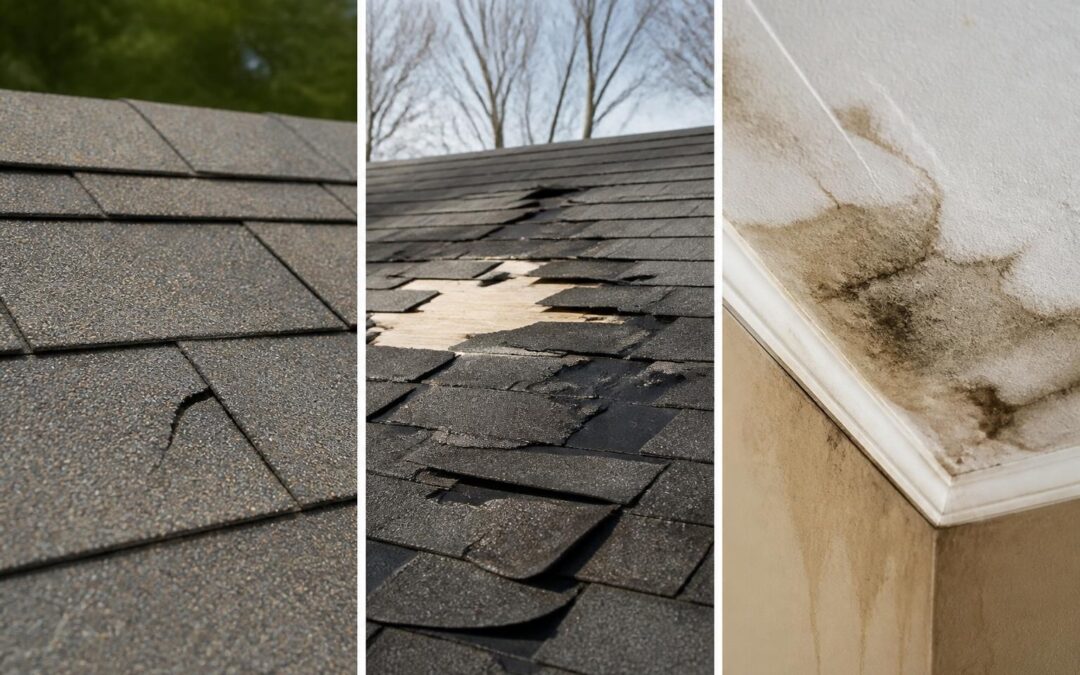
Roof damage rarely announces itself with dramatic fanfare. Instead, it begins quietly with a small crack, a lifted shingle, or a minor puncture that seems insignificant. However, these small defects can quickly escalate into major structural problems if left unaddressed. Roof patching represents a cost-effective solution that addresses localized damage before it compromises your entire roofing system. Understanding when to patch, which materials to use, and how to execute repairs properly can extend your roof's lifespan by years while preventing expensive emergency replacements. Whether you manage a commercial property in Los Angeles or own a residential home, mastering the fundamentals of effective roof patching protects your investment and maintains building integrity.
Identifying Damage That Requires Roof Patching
Recognizing the signs of roof damage early determines whether a simple patch will suffice or if more extensive repairs become necessary. Regular inspections reveal problems before they penetrate into your building's interior.
Common Damage Indicators
- Missing or damaged shingles that expose underlayment to weather
- Cracked or blistered membrane sections on flat roofs
- Punctures from falling branches or equipment installation
- Flashing separation around chimneys, vents, and skylights
- Visible water stains on interior ceilings or walls
- Granule loss on asphalt shingles indicating aging
Water stains on your ceiling often signal that damage has existed for some time. By the time interior signs appear, the underlying decking may have sustained moisture damage requiring more than surface patching.
Professional inspections twice yearly catch deterioration in its earliest stages. Spring inspections identify winter storm damage, while fall assessments prepare your roof for harsh weather ahead.
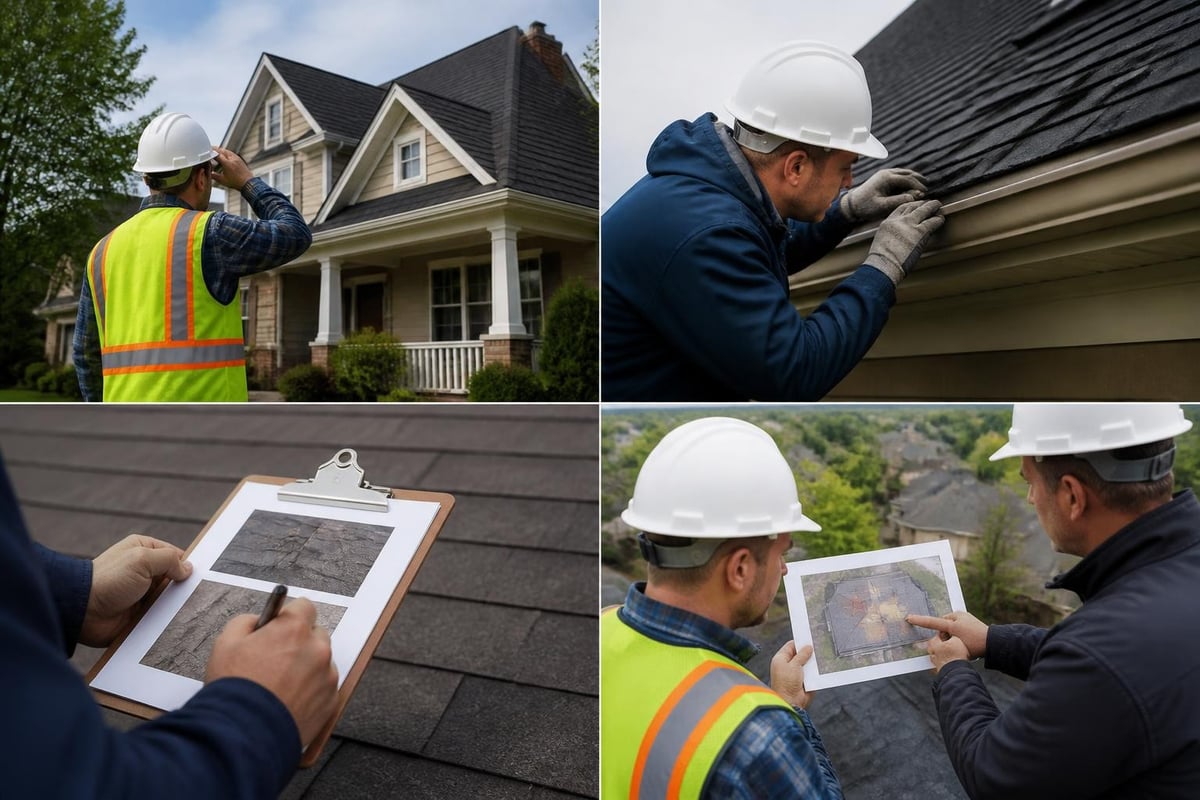
Materials and Tools for Effective Roof Patching
Selecting appropriate materials depends on your specific roof type and the extent of damage. Using incompatible products creates adhesion failures that allow leaks to persist.
Essential Patching Materials by Roof Type
| Roof Type | Primary Patching Materials | Secondary Components |
|---|---|---|
| Asphalt Shingle | Replacement shingles, roofing cement | Roofing nails, sealant |
| Flat EPDM | EPDM patch material, primer | Seam tape, adhesive |
| TPO Membrane | TPO patch, welding equipment | Cleaner, membrane adhesive |
| Metal Roofing | Metal patches, sealant tape | Matching screws, caulking |
| Clay Tile | Replacement tiles, mortar | Wire ties, underlayment |
Basic Tool Requirements
- Utility knife for cutting materials
- Pry bar for removing damaged sections
- Caulking gun for sealant application
- Roofing nail gun or hammer
- Wire brush for surface preparation
- Safety harness and fall protection equipment
Material quality directly impacts repair longevity. Premium-grade patching products cost more initially but provide superior weather resistance and adhesion compared to economy alternatives.
According to OSHA’s residential fall protection guidance, proper safety equipment prevents the majority of roofing-related injuries. Never compromise on fall protection when working at height.
Step-by-Step Roof Patching Techniques
Different roofing materials require specialized approaches. Following manufacturer specifications ensures patches integrate seamlessly with existing materials.
Patching Asphalt Shingle Roofs
Asphalt shingles represent the most common residential roofing material in North America. Damage typically manifests as cracks, missing tabs, or complete shingle loss.
- Remove damaged shingles by carefully lifting surrounding shingles and extracting nails
- Inspect underlayment for tears or deterioration requiring replacement
- Install replacement shingles starting from the bottom and working upward
- Seal edges with roofing cement to prevent wind uplift
- Press firmly to activate adhesive strips on new shingles
For homes with asphalt shingles, matching the exact style and color ensures repairs blend invisibly with existing materials. Manufacturers frequently discontinue specific product lines, making it worthwhile to keep spare shingles from original installation.
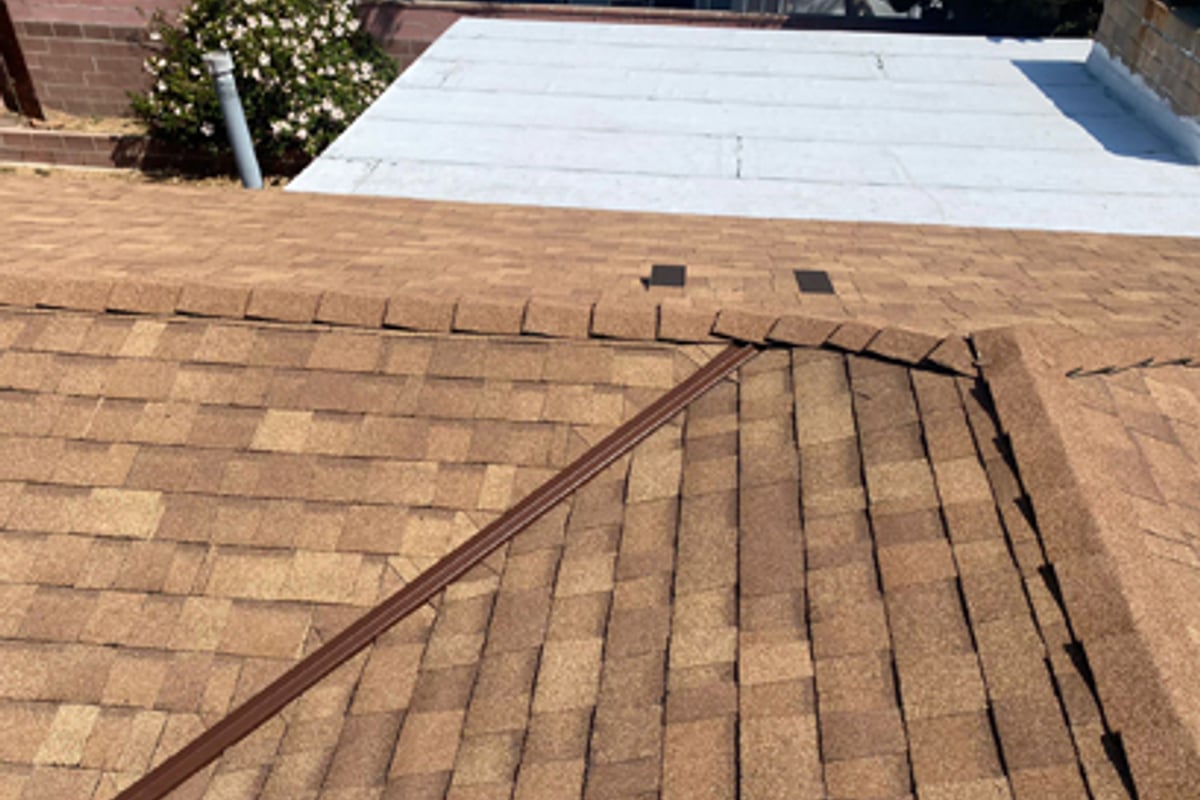
Small cracks in otherwise intact shingles respond well to roofing cement applied from underneath. Lift the damaged shingle gently, apply a generous bead of cement, and press down firmly to create a watertight seal.
Flat Roof Membrane Repairs
Commercial buildings often feature flat or low-slope roofs utilizing EPDM, TPO, or modified bitumen membranes. Engineer Fix’s comprehensive patching guide emphasizes proper surface preparation as the critical success factor.
EPDM Patch Application Process
- Clean the damaged area thoroughly with approved cleaner
- Allow the surface to dry completely
- Apply EPDM primer to both the roof and patch
- Position the patch and roll firmly from center outward
- Seal edges with lap sealant for additional protection
Temperature matters significantly during membrane repairs. Most adhesives require minimum temperatures between 40°F and 50°F for proper bonding. Cold weather applications often fail prematurely.
TPO membrane repairs require heat welding rather than adhesive bonding. Professional equipment creates molecular fusion between patch and membrane, producing seams stronger than the original material.
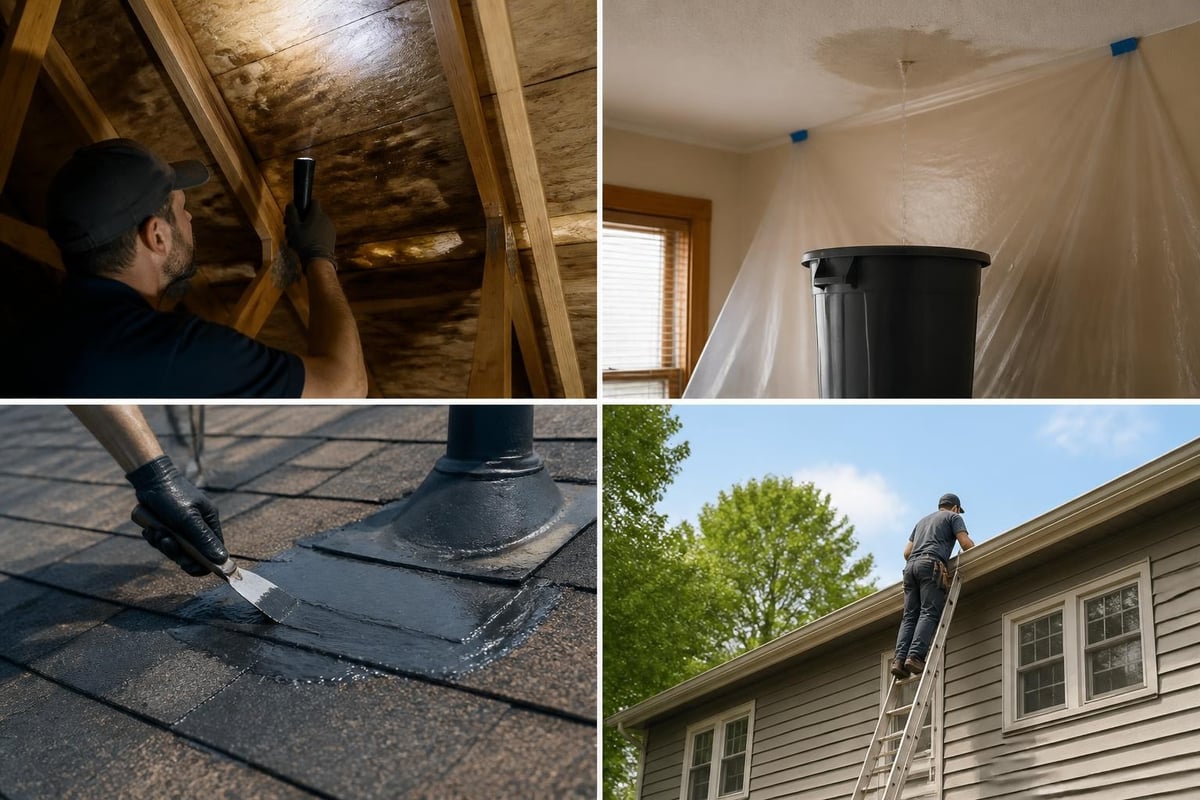
Emergency Patching from Inside Your Attic
When exterior conditions prevent immediate roof access, temporary interior patches prevent ongoing water damage. New England Metal Roof’s leak repair techniques detail effective stopgap measures until professional repairs commence.
Interior Temporary Solutions
Locating the exact leak source requires patience. Water often travels along rafters or decking before dripping into living spaces, making the visible stain misleading.
Once identified, several temporary measures minimize damage:
- Roofing tar applied to decking underside stops active drips immediately
- Plywood reinforcement over compromised sections prevents structural failure
- Bucket placement captures water until exterior repairs occur
- Plastic sheeting diverts water away from insulation and electrical components
Interior patches should never substitute for proper exterior roof patching. These measures buy time but fail to address the underlying damage or prevent further deterioration.
Commercial Roof Patching Considerations
Commercial properties face unique challenges due to roof size, equipment penetrations, and business continuity requirements. Universal Roofs’ commercial patching tips emphasize preventive maintenance over reactive repairs.
Preventive Maintenance Strategies
| Maintenance Activity | Frequency | Benefits |
|---|---|---|
| Visual inspections | Quarterly | Early damage detection |
| Drain cleaning | Monthly | Prevents ponding water |
| Membrane testing | Annually | Identifies hidden leaks |
| Flashing inspection | Bi-annually | Prevents penetration leaks |
| Documentation review | After storms | Tracks damage patterns |
Commercial roof patching often involves working around HVAC equipment, satellite dishes, and other rooftop installations. Coordinating repairs with building operations minimizes business disruption.
Ponding water accelerates membrane deterioration on flat commercial roofs. Patches in these areas require enhanced drainage solutions or structural modifications to prevent recurring problems.
Engineered Roofing Systems discusses repair methods that avoid complete replacement, including localized membrane patching for isolated damage zones. These targeted approaches significantly reduce repair costs compared to wholesale replacement.
Material-Specific Patching Methods
Each roofing material responds differently to repair attempts. Techniques that work perfectly for one material may damage another.
Metal Roof Repairs
Metal roofing develops leaks primarily at fastener locations, seam separations, or puncture sites. Patching metal requires compatible materials to prevent galvanic corrosion.
- Butyl tape patches seal small holes and fastener locations
- Metal patches with matching coating repair larger damaged sections
- Polyurethane sealants remain flexible through temperature cycles
- Rivets or screws secure patches without creating additional penetrations
Always match metal type when installing patches. Mixing dissimilar metals creates electrochemical reactions that accelerate corrosion.
Clay and Concrete Tile Patching
Tile roofs require careful handling during repairs. Individual tiles crack easily, and walking on them without proper technique causes additional damage.
Replacing broken tiles involves sliding out the damaged piece, installing new underlayment if necessary, and securing the replacement with mortar or wire ties. The Roofing Brief’s flat roof patching guide provides techniques applicable across various material types.
Cost Considerations and ROI
Roof patching costs vary dramatically based on damage extent, material type, and accessibility. Understanding these factors helps budget appropriately.
Cost Breakdown Factors
Material costs typically represent 20-30% of total patching expenses. Labor, equipment rental, and disposal fees comprise the remainder.
Accessibility challenges increase costs significantly:
- Second-story repairs cost 15-25% more than single-story work
- Steep pitches require additional safety equipment and time
- Commercial high-rises need specialized access equipment
Early intervention through timely roof patching prevents exponential cost increases. A $300 shingle patch today avoids a $5,000 decking replacement next year when water damage spreads.
Professional patches include warranties covering both materials and workmanship. DIY repairs void most roof warranties and may create liability issues if subsequent leaks damage interior spaces.
Safety Protocols During Roof Patching
Working at height presents inherent dangers requiring strict safety adherence. Fall protection saves lives and prevents catastrophic injuries.
Essential Safety Equipment
- Full-body harness connected to secure anchor points
- Non-slip footwear with aggressive tread patterns
- Hard hat protecting against falling tools or debris
- Eye protection during cutting and grinding operations
- Work gloves providing grip and hand protection
Weather conditions dictate safe working parameters. Avoid roof work during wet conditions, high winds above 20 mph, or extreme temperatures. Morning dew makes surfaces dangerously slippery even on clear days.
Two-person minimum crew requirements ensure immediate assistance if accidents occur. Never attempt roof patching alone, regardless of your experience level.
When Patching Isn't Sufficient
Certain damage types exceed patching capabilities and require more extensive intervention. Recognizing these situations prevents wasting money on inadequate repairs.
Indicators That Replacement Beats Patching
- Multiple leak locations across different roof sections
- Widespread shingle deterioration affecting over 30% of surface area
- Sagging decking indicating structural compromise
- Age exceeding manufacturer's expected lifespan
- Pervasive granule loss exposing asphalt substrate
Armour Construction’s DIY roof patch tips help homeowners address minor issues, but emphasize professional assessment for extensive damage.
Energy efficiency improvements often justify replacement over patching. Modern roofing materials provide superior insulation values and reflectivity compared to products installed 15-20 years ago.
Maintaining Patched Roof Sections
Completed patches require ongoing monitoring to ensure long-term performance. Establishing a maintenance routine protects your repair investment.
Post-Repair Maintenance Schedule
| Time Period | Inspection Focus | Action Items |
|---|---|---|
| First week | Initial adhesion | Check for lifting or separation |
| First month | Weather resistance | Assess performance after rain |
| Quarterly | General condition | Document any changes |
| Annually | Integration | Verify blending with surrounding material |
Photograph patched areas immediately after completion. These baseline images help identify subtle changes during future inspections that might otherwise go unnoticed.
Debris accumulation around patches creates moisture retention that undermines repair integrity. Regular cleaning prevents premature failure and extends patch lifespan.
Climate-Specific Patching Challenges
Los Angeles' Mediterranean climate presents unique roofing challenges. Understanding regional weather patterns informs material selection and repair timing.
Southern California Considerations
Intense UV exposure degrades roofing materials faster than in northern climates. Patches must incorporate UV-resistant compounds to match surrounding material weathering rates.
Minimal rainfall concentrates in winter months, creating ideal summer and fall repair windows. Scheduling roof patching during dry seasons ensures proper adhesive curing and prevents work delays.
Santa Ana winds generate substantial uplift forces on roof edges and ridges. Patches in these high-stress zones require additional fastening and adhesive application beyond standard specifications.
Thermal cycling between hot days and cool nights stresses roofing materials. Flexible sealants and expansion-accommodating installation techniques prevent patch failure from temperature-induced movement.
New England Metal Roof’s flat roof repair methods translate well to commercial properties throughout Southern California's coastal and inland regions.
Professional vs. DIY Roof Patching
Deciding between professional installation and DIY attempts depends on damage complexity, safety concerns, and skill level. Honest self-assessment prevents costly mistakes.
Situations Requiring Professional Expertise
- Steep pitches exceeding 6:12 slope create fall hazards for inexperienced workers
- Multiple material types requiring specialized tools and techniques
- Structural damage extending beyond surface materials
- Warranty preservation on newer roofing systems
- Commercial properties with liability and building code requirements
DIY roof patching suits simple repairs on accessible single-story homes with moderate pitches. Small shingle replacements, minor sealant applications, and basic flashing repairs fall within most homeowners' capabilities.
However, inadequate repairs often cost more ultimately than hiring professionals initially. Failed DIY patches allow continued water infiltration that damages decking, insulation, and interior finishes.
Insurance companies scrutinize repair quality following claims. Professional documentation and warranties strengthen claim approval and prevent coverage disputes.
Effective roof patching combines proper material selection, precise application techniques, and ongoing maintenance to extend your roof's service life while preventing costly emergency repairs. Whether addressing residential shingle damage or commercial membrane failures, understanding when patches suffice versus when replacement becomes necessary protects your property investment. For comprehensive roofing solutions throughout Los Angeles and surrounding areas, from minor repairs to complete installations, Proof Your Roof delivers expert service backed by quality craftsmanship and industry knowledge that keeps your property protected year-round.