
Finding reliable roofing services near me has become more critical than ever for homeowners and property managers across the United States. Your roof represents one of the most significant investments in your property, protecting everything beneath it from the elements while contributing to energy efficiency and curb appeal. Whether you're dealing with storm damage, planning a complete replacement, or simply maintaining your existing roof, selecting the right local contractor requires careful consideration of experience, credentials, service offerings, and community reputation. This comprehensive guide walks you through everything you need to know about locating and evaluating roofing professionals in your area.
Understanding Local Roofing Service Options
When searching for roofing services near me, you'll encounter contractors offering various specializations and service levels. The roofing industry encompasses multiple disciplines, from emergency repairs to complete system replacements, each requiring specific expertise and equipment.
Types of Roofing Services Available
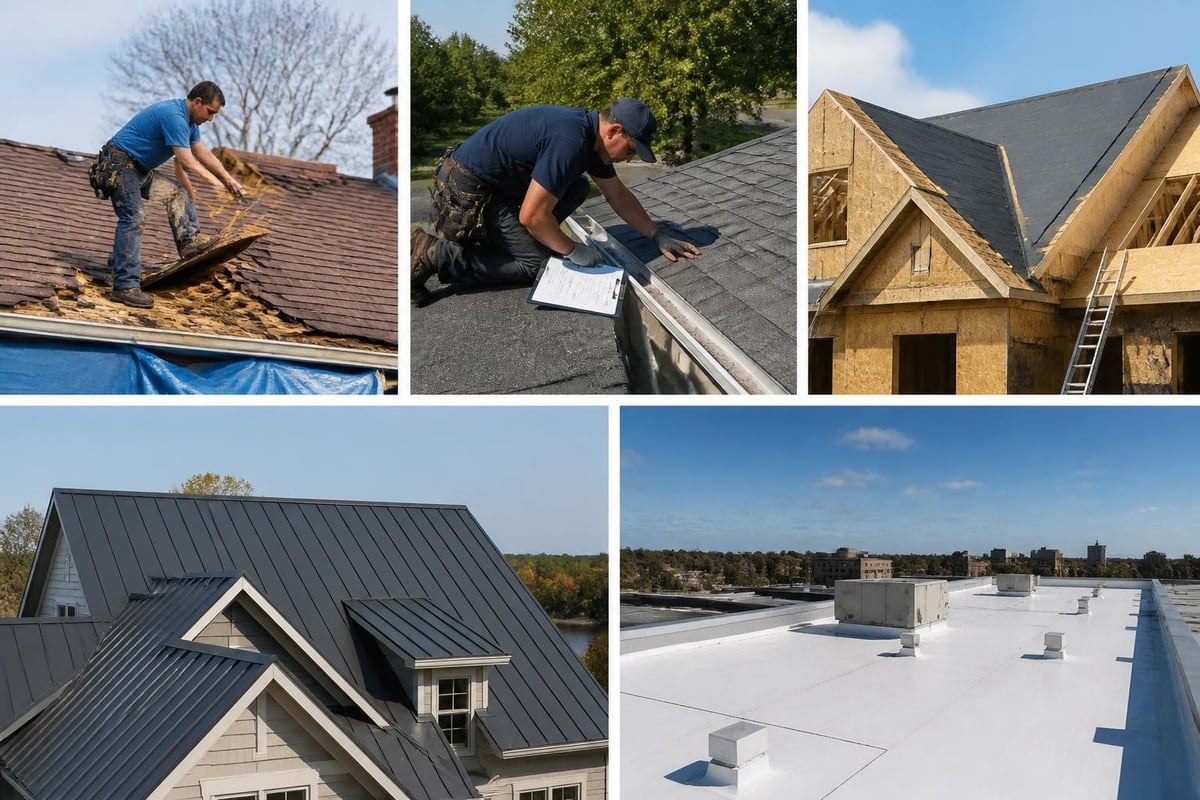
Professional roofing companies typically provide a range of services designed to address different customer needs throughout a roof's lifecycle:
- Emergency repair services for sudden leaks, storm damage, or structural issues
- Routine maintenance programs including inspections, cleaning, and preventive care
- Complete roof replacements when existing systems reach the end of their lifespan
- New construction installations for additions, remodels, or new buildings
- Commercial roofing services for flat roofs, membrane systems, and large-scale projects
- Specialty installations for unique materials like slate, tile, or metal roofing
Most reputable contractors offer free inspections and estimates, allowing you to understand your roof's condition and explore options without financial commitment. This initial assessment provides valuable information about remaining lifespan, potential issues, and budget planning for future work.
Material Expertise Matters
Different roofing materials require specialized knowledge and installation techniques. A contractor experienced with asphalt shingles may not possess the same expertise with clay tiles or metal roofing systems. When evaluating roofing services near me, verify that potential contractors have specific experience with your roof type.
| Roofing Material | Average Lifespan | Maintenance Level | Climate Suitability |
|---|---|---|---|
| Asphalt Shingles | 15-30 years | Low to Moderate | Most climates |
| Clay Tiles | 50-100 years | Low | Warm, dry climates |
| Metal Roofing | 40-70 years | Very Low | All climates |
| Slate | 75-200 years | Low | All climates |
| Wood Shakes | 20-40 years | High | Dry climates |
Evaluating Contractor Credentials and Reputation
The quality of roofing work directly impacts your home's protection and value. Thorough vetting of potential contractors prevents costly mistakes and ensures professional results.
Essential Licensing and Insurance Requirements
Before hiring any roofing professional, verify they maintain proper credentials:
- State contractor's license appropriate for roofing work in your jurisdiction
- General liability insurance protecting against property damage during projects
- Workers' compensation coverage for all employees working on your property
- Manufacturer certifications for specific roofing products they install
- Local business permits and good standing with municipal authorities
Request copies of these documents and verify them independently. Legitimate contractors readily provide this information, while those who hesitate or make excuses should raise immediate concerns.
Researching Local Reputation
Online reviews provide valuable insights into contractor performance, but evaluate them critically. Look for patterns across multiple platforms rather than focusing on individual extreme reviews.
Key reputation indicators include:
- Consistent communication and professionalism throughout projects
- Accuracy of estimates and transparency about costs
- Quality of workmanship verified through photos and testimonials
- Problem resolution when issues arise
- Warranty honoring and post-installation support
- Timeline adherence and job site cleanliness
Contact your local Better Business Bureau and state contractor licensing board to check for complaints or disciplinary actions. These resources reveal problems that might not appear in online reviews.
Cost Factors for Roofing Services
Understanding pricing structures helps you budget appropriately and identify suspiciously low bids that may indicate substandard work or hidden costs.
What Influences Roofing Project Costs
Multiple variables affect the final price when you hire roofing services near me:
The size and complexity of your roof constitute the primary cost driver. Steep pitches, multiple valleys, numerous penetrations, and architectural features increase labor requirements and material waste. Geographic location impacts pricing significantly, with urban areas and regions with higher living costs typically charging more for identical work.
Material selection represents another major expense category. Basic three-tab asphalt shingles cost substantially less than architectural shingles, while premium materials like slate or copper command top-tier pricing. However, these investments often provide superior longevity and performance that justify higher upfront costs.
Getting Accurate Estimates
Quality contractors provide detailed written estimates breaking down all costs. Beware of vague proposals listing only a total price without itemization.
Your estimate should specify:
- Square footage of roofing area
- Material brands, types, and quantities
- Labor costs separated from materials
- Removal and disposal of existing roofing
- Permit fees and inspection costs
- Warranty coverage for materials and workmanship
- Payment schedule tied to project milestones
- Project timeline with start and completion dates
Obtain at least three estimates from qualified contractors. The lowest bid isn't always the best value, particularly if it reflects inferior materials or shortcuts in proper installation procedures.
Questions to Ask Potential Roofing Contractors
Interviewing contractors helps you assess their expertise, communication style, and suitability for your project. Prepare a standard list of questions to ask each candidate for fair comparison.
Experience and Project History
Start by understanding their background and relevant experience:
- How long have you been providing roofing services in this area?
- How many projects similar to mine have you completed?
- Can you provide references from recent customers with similar roofs?
- What percentage of your business comes from referrals versus advertising?
- Are you a certified installer for the materials you're proposing?
Established local contractors with strong referral rates demonstrate customer satisfaction and community trust. Recent references allow you to verify current performance standards.
Project Management and Communication
Clear communication prevents misunderstandings and keeps projects on track:
- Who will supervise my project daily?
- How do you handle unexpected issues or change orders?
- What is your typical response time for questions during the project?
- How do you protect landscaping and property during work?
- What happens if weather delays the project?
Professional contractors maintain organized systems for customer communication and project management. They should articulate clear processes for handling common scenarios.
Timing Your Roofing Project
Strategic scheduling can affect both cost and quality outcomes for your roofing work.
Seasonal Considerations
Weather significantly impacts roofing installation quality and contractor availability. Most roofing services near me experience peak demand during specific seasons based on regional climate patterns.
Spring and fall typically offer ideal conditions in most areas, with moderate temperatures and lower precipitation probability. However, these seasons also bring higher demand and potentially longer wait times for popular contractors.
Summer provides excellent weather for roofing in many regions, though extreme heat can affect material handling and worker comfort. Some areas experience afternoon thunderstorms that may interrupt work schedules.
Winter presents challenges in cold climates where shingle adhesion becomes problematic, though some roofing types and repairs remain feasible. This off-season often brings lower prices and immediate availability from quality contractors.
| Season | Advantages | Disadvantages | Best For |
|---|---|---|---|
| Spring | Moderate weather, detect winter damage | High demand, rain delays | Major replacements |
| Summer | Optimal conditions, extended daylight | Heat stress, higher prices | New construction |
| Fall | Comfortable temperatures, preparing for winter | Weather windows closing | Proactive replacements |
| Winter | Lower prices, immediate availability | Installation challenges, limited materials | Emergency repairs |
Planning for Disruption
Roofing projects create noise, vibration, and activity around your home. Plan accordingly:
- Notify neighbors about the project timeline and expected disturbances
- Arrange alternative care for pets who may be stressed by noise
- Protect items in attics from potential dust and debris
- Remove vehicles from driveways to provide contractor access
- Secure outdoor furniture and decorations near work areas
Most residential roofing projects complete within three to seven days depending on size and complexity. Weather delays can extend timelines, so build buffer time into your schedule for critical deadlines.
Red Flags When Searching for Roofing Services
Recognizing warning signs helps you avoid problematic contractors who deliver poor quality or engage in fraudulent practices.
Common Contractor Warning Signs
Immediate red flags that should end consideration:
- Requesting full payment upfront before starting work
- Inability or unwillingness to provide proof of insurance and licensing
- Pressure tactics emphasizing limited-time offers or urgency
- Offering to help you commit insurance fraud through inflated claims
- No physical business address or local phone number
- Exclusively cash-only payment requirements
Storm chasers represent a particular concern after severe weather events. These contractors travel from area to area following storms, often providing substandard work before disappearing when problems emerge. Verify local business establishment and check how long they've operated in your community.
Contract and Warranty Concerns
Review all paperwork carefully before signing. Contracts should include comprehensive project details, not vague descriptions of work to be performed. Legitimate contractors stand behind their work with substantial warranties covering both materials and labor.
Manufacturer warranties on roofing materials often require certified installer status and proper installation techniques. Verify that your contractor's certifications remain current and that they'll register your warranty appropriately upon completion.
Maximizing Your Roofing Investment
Quality roofing services near me provide value beyond simple installation through proper planning and ongoing maintenance.
Preparing Your Property
Help contractors work efficiently by completing preparatory tasks:
- Clear items from walls where vibrations might cause damage
- Trim tree branches overhanging the roof by at least ten feet
- Ensure clear pathways for material delivery and debris removal
- Cover items in the garage if it's attached to the house
- Communicate special concerns about specific areas or features
These preparations prevent delays and protect your belongings from construction-related impacts.
Post-Installation Maintenance
Professional installation represents just the beginning of your roof's service life. Regular maintenance extends longevity and preserves warranty coverage.
Essential maintenance activities include:
- Annual professional inspections identifying minor issues before they escalate
- Gutter cleaning preventing water backup and ice dam formation
- Prompt repairs addressing damage from storms or fallen debris
- Proper attic ventilation maintaining appropriate temperature and humidity
- Moss and algae removal protecting roofing material integrity
Many contractors offer maintenance programs providing scheduled inspections and priority service for repairs. These programs often include discounts on future work and extend material warranties.
For property owners seeking comprehensive roofing solutions, working with an established local contractor ensures access to quality materials and expert installation. Roof replacement services from experienced professionals provide peace of mind through proper assessment, material selection, and installation techniques that maximize your investment's lifespan and performance.
Understanding Roofing Warranties and Guarantees
Warranty coverage protects your investment and provides recourse if problems develop after installation. However, understanding what warranties actually cover prevents misunderstandings later.
Types of Roofing Warranties
Manufacturer material warranties cover defects in roofing products themselves, typically ranging from twenty to fifty years depending on material grade. These warranties often use prorated structures where coverage value decreases over time. Read the fine print carefully, as many exclusions apply for specific damage types, improper installation, or inadequate ventilation.
Contractor workmanship warranties guarantee proper installation and typically run from one to ten years. Quality contractors stand confidently behind their work with substantial coverage periods. These warranties should cover labor costs for correcting installation errors or defects.
System warranties offered by some manufacturers provide comprehensive coverage when certified contractors install complete roofing systems using all components from a single manufacturer. These premium warranties often include upgraded coverage terms and transferability to future property owners.
| Warranty Type | Typical Duration | What's Covered | Common Exclusions |
|---|---|---|---|
| Material Warranty | 20-50 years | Manufacturing defects | Installation errors, weather damage |
| Workmanship Warranty | 1-10 years | Installation defects | Normal wear, owner modifications |
| System Warranty | 25-50 years | Materials and labor | Structural issues, ventilation problems |
Maintaining Warranty Coverage
Most warranties include specific requirements that homeowners must meet to maintain coverage. Common stipulations include regular professional inspections, prompt repair of identified issues, and prohibition of modifications without manufacturer approval. Document all maintenance and keep detailed records of inspections and repairs to support potential warranty claims.
The Importance of Local Roofing Expertise
Choosing roofing services near me provides advantages beyond convenience. Local contractors understand regional climate challenges, building codes, and architectural styles common in your area.
Regional Climate Considerations
Different regions face unique roofing challenges requiring specialized knowledge. Contractors working exclusively in your climate zone develop expertise in addressing these specific issues.
Coastal areas require materials and installation techniques resistant to salt air corrosion and high winds. Desert regions demand heat-reflective materials and proper ventilation systems. Areas with heavy snow loads need reinforced structures and ice dam prevention strategies. Local contractors incorporate these considerations automatically based on extensive regional experience.
Building Code Compliance
Municipal building codes specify minimum standards for roofing installations, varying significantly between jurisdictions. Local contractors maintain current knowledge of these requirements and obtain necessary permits, ensuring your project meets all regulatory standards.
Code violations discovered during property sales or insurance claims can create significant financial liability and legal complications. Working with knowledgeable local professionals prevents these costly problems through compliant installation from the start.
Leveraging Technology in Modern Roofing Services
Contemporary roofing contractors increasingly utilize advanced technology improving accuracy, efficiency, and customer communication throughout projects.
Digital Tools and Services
Progressive roofing companies employ various technological solutions:
- Aerial imagery and satellite measurements providing accurate roof dimensions without physical measurements
- Digital project management platforms keeping clients informed about progress and schedules
- Thermal imaging cameras detecting moisture intrusion and insulation deficiencies
- Drone inspections safely assessing hard-to-reach areas and documenting conditions
- 3D visualization software helping homeowners preview material options on their homes
These tools enhance service quality while streamlining processes. When evaluating roofing services near me, ask about technology integration in their workflow.
Online Research and Reviews
Digital platforms transformed how consumers find and evaluate service providers. Use these resources strategically:
Search engines connect you with local contractors, but distinguish between organic results and paid advertisements. Companies investing in long-term local presence through search engine optimization often demonstrate greater community commitment than those relying solely on advertising.
Review platforms like Google Business, Yelp, and Angie's List aggregate customer feedback. Look for substantial review volumes with consistent quality patterns rather than focusing on perfect ratings. How contractors respond to negative reviews reveals their professionalism and customer service priorities.
Social media presence showcases completed projects and customer interactions. Active social engagement often indicates established local operations versus transient businesses.
Environmental Considerations in Roofing
Sustainable roofing practices benefit both the environment and your long-term costs through improved energy efficiency and responsible material management.
Energy-Efficient Roofing Options
Modern roofing materials and techniques significantly impact home energy consumption:
- Cool roofing products with reflective surfaces reduce heat absorption, lowering cooling costs in warm climates
- Proper insulation and ventilation maintain consistent temperatures while preventing moisture accumulation
- Solar-ready installations accommodate future renewable energy integration
- Light-colored materials reflect more sunlight than dark alternatives in appropriate climates
Discuss energy efficiency priorities with contractors during consultations. Many offer options balancing environmental responsibility with budget constraints.
Responsible Disposal and Recycling
Roofing tear-offs generate substantial waste material. Professional contractors implement responsible disposal practices:
- Separating recyclable materials like metal flashing and certain shingles
- Using designated disposal facilities rather than illegal dumping
- Minimizing material waste through accurate ordering and careful handling
- Donating salvageable materials when appropriate
These practices demonstrate contractor professionalism and environmental stewardship. Ask about waste management plans during the estimate process.
Making Your Final Contractor Selection
After researching options and gathering estimates, synthesize all information to make an informed decision about which roofing services near me best fit your needs.
Weighing Decision Factors
Price represents just one consideration among many important factors:
- Contractor experience and specialization with your roof type
- Quality and warranties of proposed materials
- Workmanship warranty duration and terms
- Project timeline and crew availability
- Communication style and responsiveness
- Insurance coverage and license verification
- References and reputation in your community
- Professional certifications and manufacturer partnerships
Create a scoring matrix evaluating each contractor across these criteria. The best value rarely comes from the lowest bid, particularly when considering long-term performance and warranty support.
Trust Your Instincts
Professional credentials and competitive pricing matter, but personal comfort with your contractor also influences project satisfaction. Roofing work requires granting access to your property and tolerating disruption. Choose a contractor communicating clearly, answering questions thoroughly, and demonstrating respect for your concerns.
If something feels wrong during interactions, trust those instincts. Numerous qualified contractors compete for your business, so don't settle for one making you uncomfortable regardless of their price or qualifications.
Finding quality roofing services near me requires careful research, thorough vetting, and clear communication with potential contractors. By understanding service options, evaluating credentials, asking the right questions, and recognizing warning signs, you'll select a roofing professional delivering quality work that protects your property for decades. Whether you need emergency repairs, routine maintenance, or a complete system replacement, Proof Your Roof provides expert residential and commercial roofing services throughout Los Angeles and surrounding areas, backed by professional installation, quality materials, and dedicated customer service.