
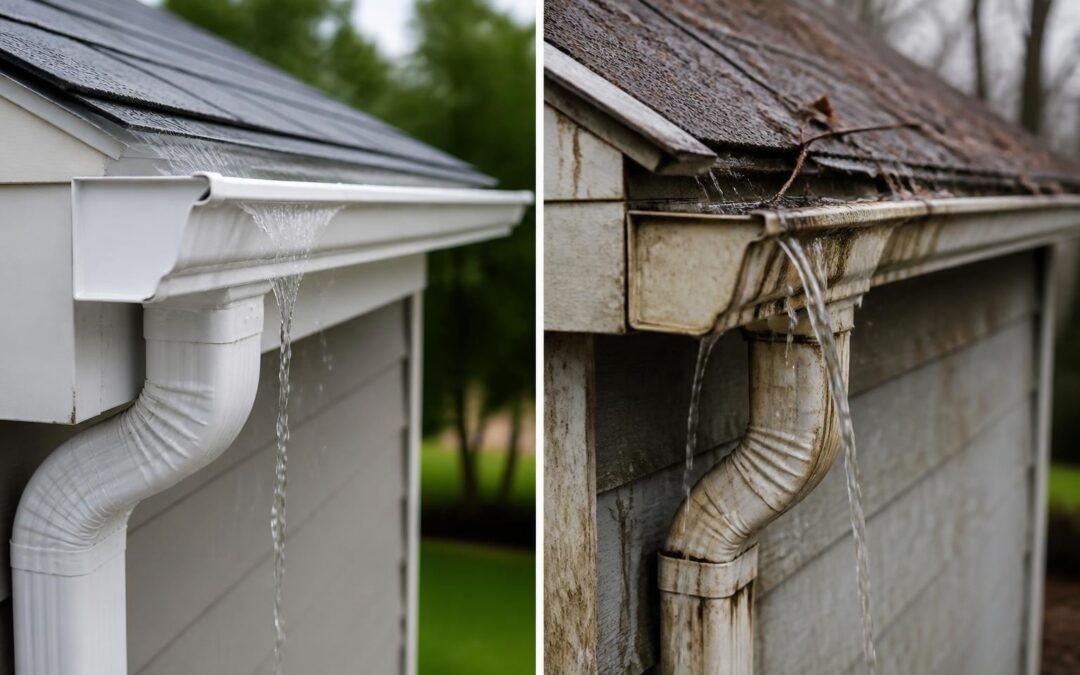
Gutter leaking represents one of the most common yet damaging problems homeowners face, particularly in Los Angeles where seasonal rains can quickly expose weaknesses in your drainage system. When gutters fail to channel water away from your home properly, the consequences extend far beyond a simple drip. Water infiltration can compromise your foundation, damage siding and fascia boards, create soil erosion around your property, and even lead to interior water damage and mold growth. Understanding the root causes of gutter failures, recognizing early warning signs, and implementing effective repair strategies can save you thousands of dollars in structural repairs while protecting your investment.
Common Causes Behind Gutter Leaking
Multiple factors contribute to gutter system failures, and identifying the specific cause determines the appropriate repair approach. The age and material composition of your gutters play a significant role in their vulnerability to leaks.
Seam and Joint Failures
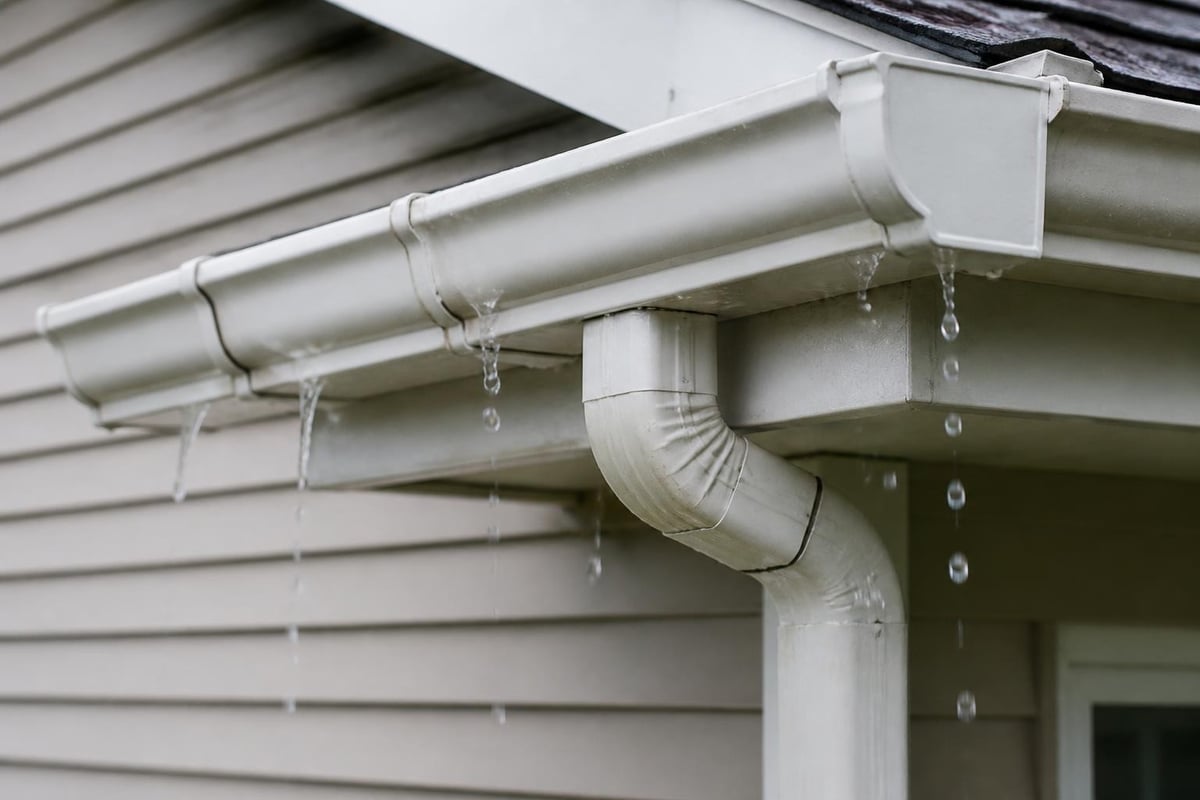
Traditional sectional gutters contain multiple seams where sections connect, and these joints represent the weakest points in any system. Over time, the sealant at these connections deteriorates due to temperature fluctuations, UV exposure, and physical stress from debris accumulation. Los Angeles homeowners experience temperature swings that cause metal expansion and contraction, gradually breaking down even high-quality sealants.
- Thermal expansion weakens caulk and adhesives
- Physical stress from debris weight compounds deterioration
- Age-related material fatigue creates gaps
- Improper initial installation accelerates failure
Corrosion and Material Degradation
Different gutter materials exhibit varying susceptibility to corrosion. Aluminum gutters resist rust but can develop pinholes from acid rain and environmental pollutants. Steel gutters rust when protective coatings wear away. Copper systems, while durable, can develop patina-related issues at solder joints.
Material-specific vulnerabilities:
| Material | Primary Weakness | Typical Lifespan | Common Leak Point |
|---|---|---|---|
| Aluminum | Pinhole corrosion | 20-25 years | Seams, bottom surface |
| Galvanized Steel | Rust formation | 15-20 years | Interior coating failures |
| Copper | Solder joint stress | 50+ years | Soldered connections |
| Vinyl | UV degradation, cracking | 10-15 years | Snap-fit joints |
Clogging and Overflow Damage
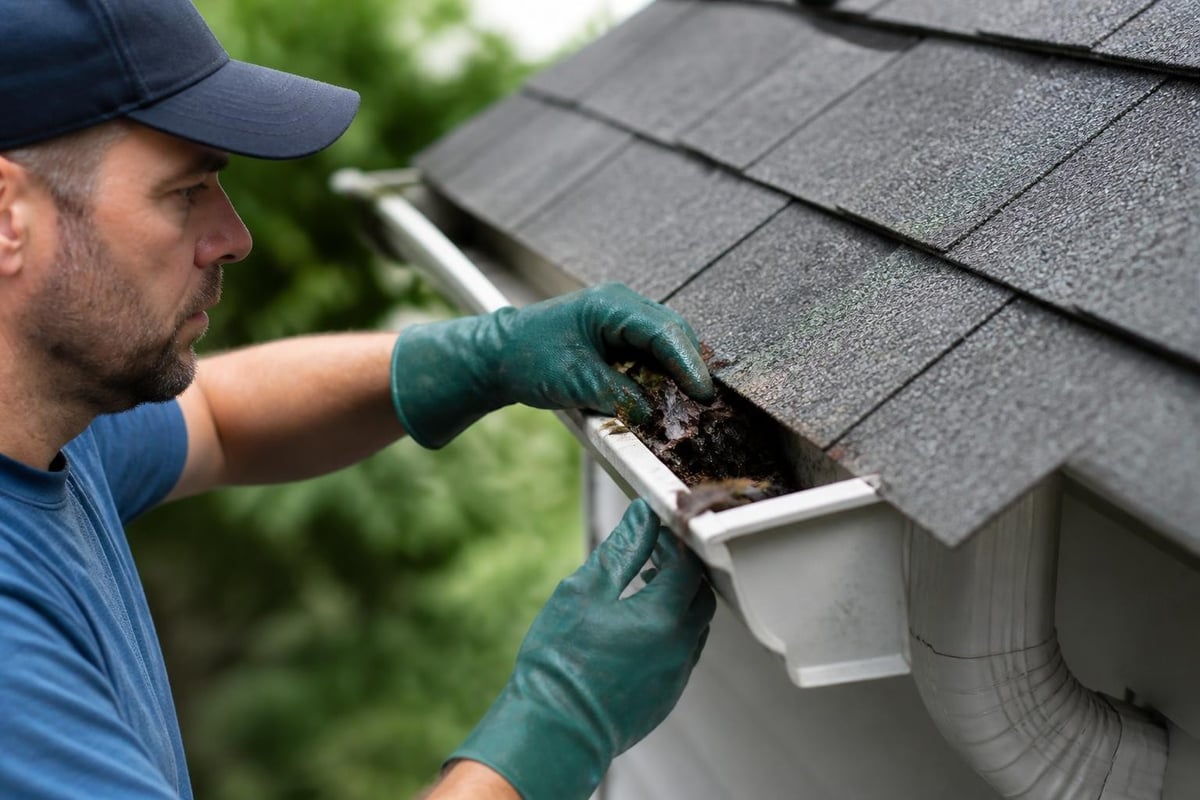
Perhaps the most preventable cause of gutter leaking stems from debris accumulation. Leaves, twigs, shingle granules, and organic matter create blockages that force water to pool rather than flow. This standing water accelerates corrosion, adds weight that stresses fasteners and seams, and eventually overflows, causing damage that mimics leaking.
According to NC State Cooperative Extension’s preventative maintenance guidance, regular gutter cleaning ranks among the most critical seasonal tasks for protecting your foundation and exterior structure.
Identifying Gutter Leak Locations
Early detection prevents minor issues from becoming major structural problems. Professional inspectors and informed homeowners use systematic approaches to locate leak sources.
Visual Inspection Techniques
Walk your property's perimeter during and immediately after rainfall. Look for water escaping from places other than downspout outlets. Staining on fascia boards, drip marks on siding, and water streaks on the gutter exterior all indicate failure points.
Key inspection checklist:
- Examine all seams and joints for separation
- Check end caps for proper sealing
- Inspect downspout connections and elbows
- Look for sagging sections that prevent proper drainage
- Verify that fasteners remain secure without creating holes
- Assess overall pitch and slope toward downspouts
Water Testing Methods
For subtle leaks that don't appear during natural rainfall, controlled water testing provides definitive diagnosis. Using a garden hose, simulate rain by running water from the high end of each gutter section. This allows you to observe flow patterns, identify pooling areas, and pinpoint the exact location where water escapes.
The This Old House guide to gutter repair demonstrates professional testing techniques that reveal even small leaks before they cause significant damage.
Professional Assessment Benefits
While homeowner inspections catch obvious problems, professional evaluations identify underlying issues. Experienced contractors assess whether your system is properly sized for your roof's square footage and local rainfall intensity. The SMACNA Downspout & Gutter Sizing Calculator provides industry standards that professionals use to verify adequate capacity, an often-overlooked factor in persistent overflow problems.
Effective Repair Solutions for Leaking Gutters
Repair approaches range from simple DIY fixes to complete system replacement, depending on damage extent and gutter age.
Temporary Emergency Repairs
When immediate action is needed to prevent ongoing damage, temporary solutions buy time until permanent repairs can be implemented. Gutter sealant or waterproof tape can stop active leaks temporarily, but these should never be considered long-term solutions.
Emergency materials and applications:
- Silicone-based gutter sealant for small cracks and pinholes
- Butyl rubber tape for temporary seam sealing
- Aluminum flashing for larger hole coverage
- Quick-setting epoxy putty for emergency patches
Permanent Seam and Joint Repairs
Professional-grade repairs address the root cause rather than symptoms. For sectional gutters with failed seams, the proper repair sequence involves complete cleaning of the joint area, removal of old sealant, application of high-quality gutter sealant, and reinforcement with rivets or screws as needed.
When multiple seams show deterioration, consider whether repair costs approach replacement value. Seamless gutter installation eliminates joint failures except at corners and end caps, providing superior long-term performance.
Addressing Corrosion and Material Failures
Pinholes from corrosion require different treatment than seam separations. Small holes can be patched with metal flashing and waterproof sealant, but widespread corrosion indicates systemic material failure requiring section replacement or full system upgrade.
For Los Angeles homeowners dealing with asphalt shingles roofs, gutter systems must handle the granule wash-off that accelerates during the first years after installation, which can contribute to clogging and moisture retention that promotes corrosion.
Preventive Maintenance Strategies
Preventing gutter leaking costs far less than repairing water damage to your home's structure and foundation. Implementing a regular maintenance schedule protects your investment.
Seasonal Cleaning Schedules
Los Angeles properties typically require gutter cleaning at least twice annually, with additional cleanings for homes surrounded by trees. Spring and fall represent critical timing, but after major storms, immediate inspection prevents debris from sitting in channels where it retains moisture and accelerates corrosion.
Professional cleaning services not only remove debris but also flush downspouts to verify complete drainage and identify developing problems before they cause leaks.
Gutter Guard Installation Considerations
Gutter protection systems promise reduced maintenance, but their effectiveness varies significantly. Consumer Reports testing of gutter guards reveals that while no system eliminates maintenance entirely, quality guards reduce cleaning frequency and prevent the heavy debris accumulation that stresses seams and fasteners.
Guard system comparison:
| Guard Type | Debris Blocking | Water Flow | Maintenance Reduction | Cost Range |
|---|---|---|---|---|
| Screen mesh | Moderate | Good | 50-60% | $ |
| Reverse curve | High | Variable | 70-80% | $$$ |
| Micro-mesh | Very High | Excellent | 80-90% | $$$$ |
| Foam insert | Good | Fair | 40-50% | $ |
Proper Slope and Pitch Maintenance
Gutters must maintain consistent pitch toward downspouts for proper drainage. Even slight sagging creates pooling areas where water sits, accelerating corrosion and increasing leak risk. The standard pitch measures one-quarter inch drop per 10 feet of run, though longer spans may require adjustment.
Over time, fastener failure or wood rot in fascia boards allows gutters to sag. Regular inspection catches these issues before standing water causes permanent damage.
Understanding Water Damage Beyond the Gutter
The consequences of gutter leaking extend throughout your property's structure, making prompt repair essential for long-term building health.
Foundation and Soil Implications
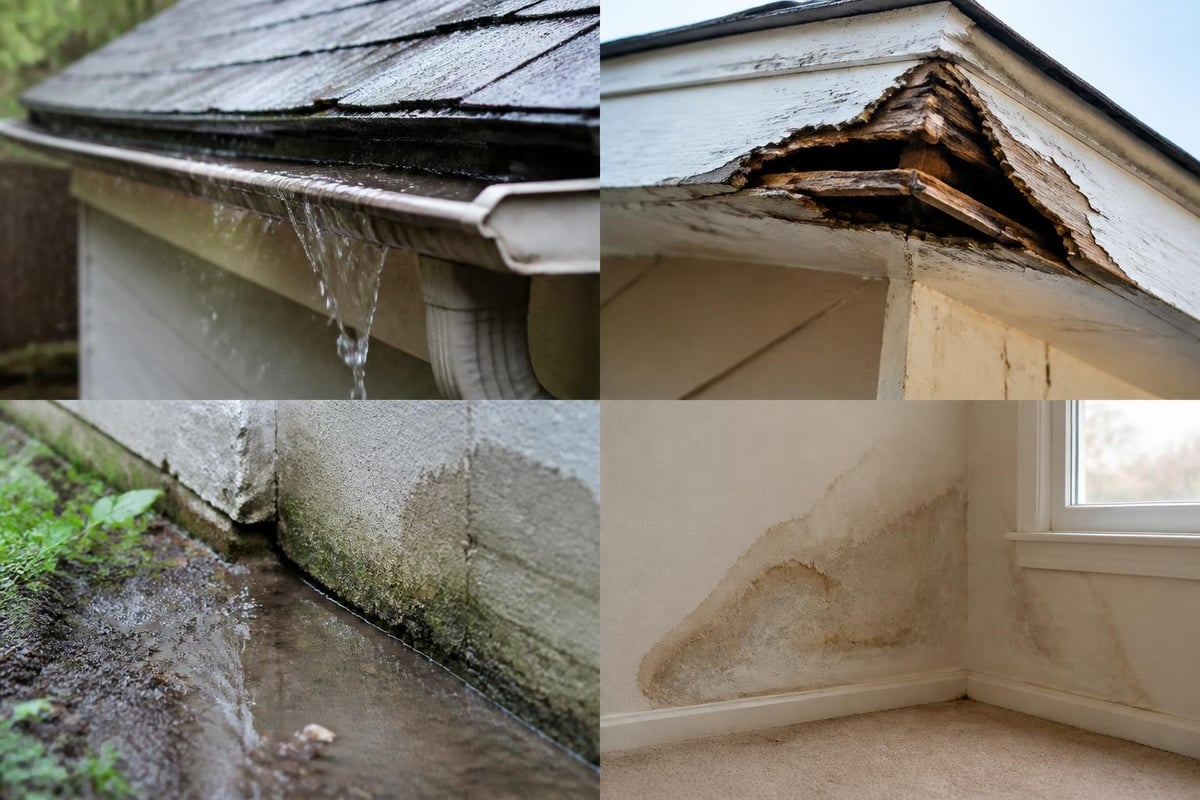
When gutters leak or overflow near foundation walls, soil becomes saturated. This saturation creates hydrostatic pressure against foundation walls, potentially causing cracks, moisture infiltration into basements or crawl spaces, and differential settling that affects structural integrity.
The EPA’s moisture control guidance emphasizes that effective exterior drainage, including properly functioning gutters, represents the first line of defense against moisture-related building problems, including mold growth and wood rot.
Proper downspout extensions direct water at least 6 feet from foundations, but this protection fails when gutter leaking dumps water directly against walls.
Fascia, Soffit, and Siding Deterioration
Water escaping from gutter leaks runs down fascia boards, saturating wood and creating ideal conditions for rot. Once fascia deteriorates, it no longer provides secure attachment for gutter fasteners, leading to system failure and costly repairs that extend beyond simple gutter replacement.
Siding materials suffer similar damage. Wood siding rots, vinyl warps, and stucco develops efflorescence and cracking when exposed to constant moisture from leaking gutters overhead.
Interior Moisture and Mold Risks
Persistent gutter leaking can eventually penetrate building envelopes, causing interior ceiling stains, wall moisture, and insulation saturation. Once moisture enters interior spaces, mold growth becomes a serious health and property value concern.
According to This Old House’s comprehensive gutter guide, the connection between exterior drainage failures and interior moisture problems represents one of the most expensive yet preventable maintenance issues homeowners face.
Professional Versus DIY Repair Decisions
Determining whether to tackle gutter repairs yourself or hire professionals depends on problem severity, safety considerations, and long-term cost effectiveness.
When DIY Repairs Make Sense
Homeowners with appropriate safety equipment and basic handyman skills can successfully handle minor repairs. Resealing a single joint, replacing a short section of damaged gutter, or clearing clogs represent reasonable DIY projects that require minimal specialized tools.
DIY-appropriate repairs:
- Cleaning and debris removal
- Small seam resealing (under 12 inches)
- Single fastener replacement
- Downspout reconnection
- Minor pitch adjustment
Professional Repair Advantages
Complex repairs, extensive damage, or multi-story homes warrant professional intervention. Licensed contractors carry appropriate insurance, use commercial-grade materials, and provide warranties on workmanship. They also identify problems that inexperienced eyes miss, such as inadequate system sizing or improper slope that causes recurring issues.
Safety represents another critical factor. Gutter work requires stable ladder positioning, often at significant heights. Professional crews use proper fall protection and have experience working safely on sloped roofs and multi-story structures.
Cost Benefit Analysis
While DIY repairs cost less initially, improper repairs that fail prematurely or miss underlying problems often cost more in the long run. Water damage from continued leaking far exceeds the cost difference between amateur and professional repair.
When repairs approach 40-50% of replacement cost, or when your system exceeds its expected lifespan, full replacement provides better value than patchwork repairs that delay inevitable failure.
Selecting the Right Gutter System
If assessment reveals that repair costs approach or exceed replacement value, choosing the optimal new system prevents future gutter leaking problems.
Material Selection Factors
Climate, budget, aesthetic preferences, and maintenance willingness all influence material choice. Los Angeles' moderate climate allows any material option, though coastal proximity may favor corrosion-resistant choices like aluminum or copper.
Material decision factors:
- Expected service life and warranty coverage
- Maintenance requirements and cleaning ease
- Compatibility with roof type and architectural style
- Initial installation cost versus lifetime value
- Local contractor experience with specific materials
Seamless Versus Sectional Systems
Seamless gutters, custom-formed on-site to precise measurements, eliminate most joint-related leaks. While sectional systems cost less initially, their seam vulnerability often makes seamless options more cost-effective over a 20-year timeframe.
Professional installation ensures proper pitch, secure fastening, and appropriate downspout placement. Quality installers assess your roof's drainage requirements and may recommend additional downspouts to prevent overflow problems.
Capacity and Sizing Considerations
Undersized gutters create overflow conditions that mimic leaking. Proper sizing accounts for roof square footage, slope, and local rainfall intensity. Los Angeles experiences intense seasonal storms that require adequate capacity, even if much of the year remains dry.
Five-inch gutters suit most residential applications, while six-inch systems better serve larger roofs or areas with concentrated runoff from valleys and dormers.
Protecting your home from gutter leaking requires understanding failure causes, implementing regular maintenance, and addressing problems before they escalate into costly structural damage. From simple seam repairs to complete system replacement, the right solution depends on damage extent, system age, and long-term cost effectiveness. Whether your Los Angeles property needs minor repairs or a complete gutter upgrade, Proof Your Roof provides expert assessment and quality installation that protects your investment for decades to come.