
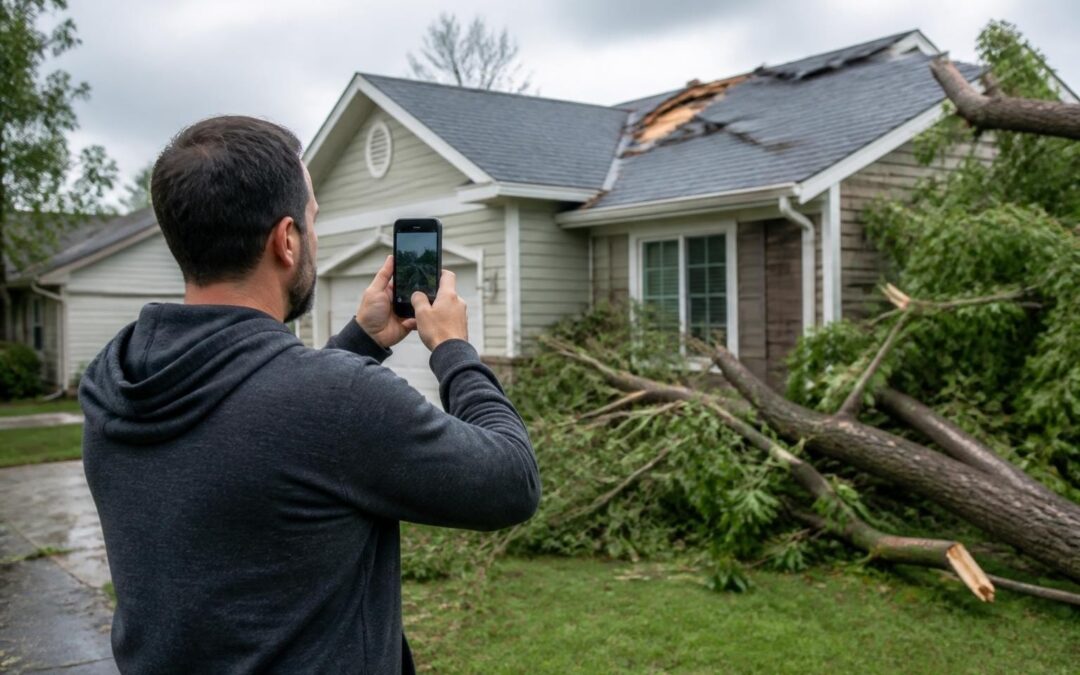
When severe weather strikes Southern California, homeowners face urgent decisions about protecting their property. Searching for "storm damage repair near me" often happens in moments of crisis, when wind, hail, or rain has compromised your roof's integrity. Understanding the repair process, selecting qualified contractors, and navigating insurance claims can mean the difference between a successful restoration and costly mistakes that compound the original damage. This comprehensive guide walks you through every step of storm damage recovery, from initial assessment through final repairs.
Understanding Common Types of Storm Damage
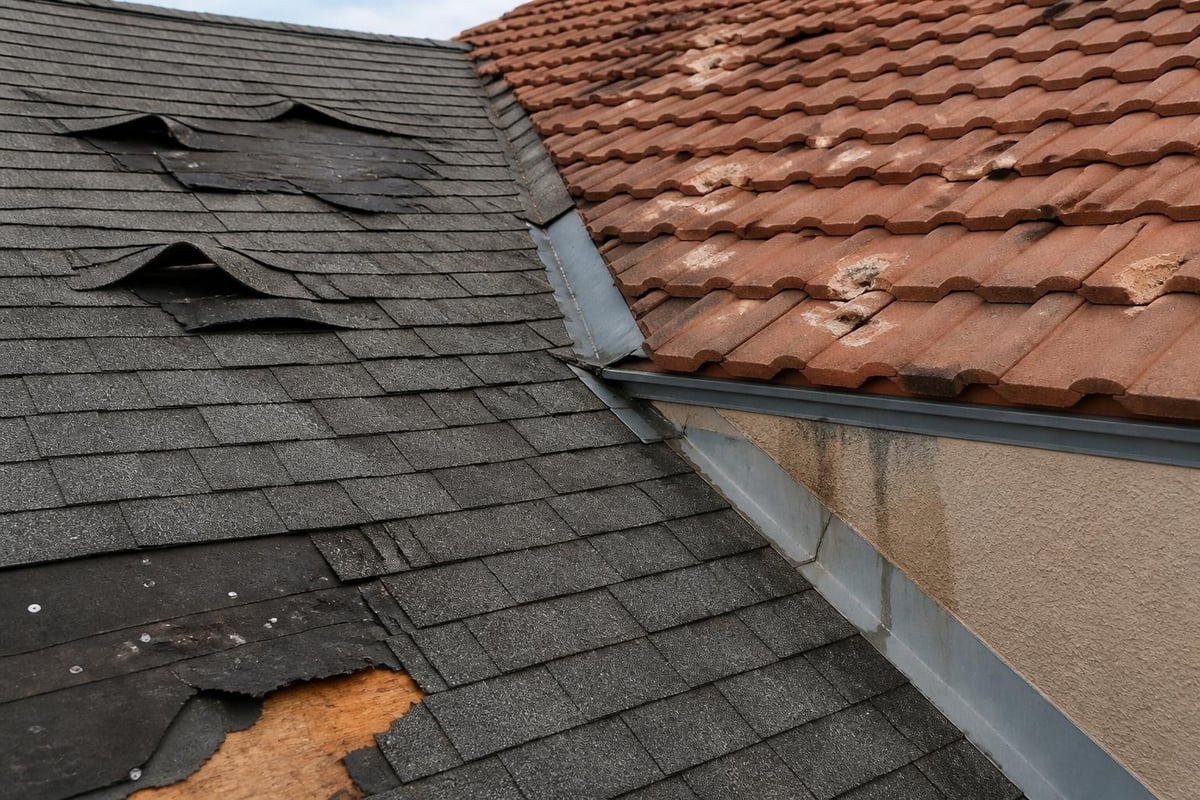
Los Angeles area storms create distinct patterns of roof damage that require professional evaluation. Wind damage often manifests as missing or lifted shingles, exposing the underlayment to water intrusion. High winds can also tear off flashing around chimneys, vents, and roof edges, creating vulnerable entry points for moisture.
Wind and Hail Impact on Different Roof Materials
Asphalt shingles show wind damage through granule loss, cracked tabs, and complete shingle displacement. Hail creates circular bruises where granules have been knocked away, weakening the protective layer and accelerating weathering.
Clay tile roofs, popular in Los Angeles, suffer differently:
- Cracked or broken tiles from hail strikes
- Displaced tiles from wind uplift
- Fractured ridge caps and hip tiles
- Damaged underlayment where tiles have shifted
Metal roofing typically withstands storms better but can experience denting from large hail, loosened fasteners from sustained winds, and compromised sealant at seams and penetrations.
Immediate Steps After Storm Damage
Your first actions after a storm determines how quickly you recover and how much secondary damage occurs. Safety must take priority over property assessment. Never climb on a damaged roof, especially while conditions remain wet or windy.
Document Everything From Ground Level
Start your documentation immediately, even before contacting contractors:
- Photograph visible damage from multiple angles
- Record the date, time, and weather conditions
- Note any interior water damage or stains
- Check attic spaces for water intrusion or daylight visible through the roof deck
- Photograph debris in gutters or on the ground (missing shingles, broken tiles)
This documentation proves invaluable when filing insurance claims and obtaining accurate repair estimates. According to the National Association of Insurance Commissioners, thorough documentation significantly accelerates the claims process and reduces disputes about damage extent.
| Documentation Type | Purpose | Best Practices |
|---|---|---|
| Exterior photos | Show visible damage | Take from all four sides, close-ups of specific damage |
| Interior photos | Document water intrusion | Capture ceiling stains, wall damage, attic moisture |
| Video walkthrough | Comprehensive record | Narrate what you're showing, include timestamps |
| Written notes | Detail observations | Date, time, weather conditions, damage locations |
Prevent Secondary Damage
When storm damage repair near me becomes an urgent need, temporary protection prevents additional destruction. Place tarps over exposed areas if you can do so safely from inside the attic or through a window. Many roofing companies offer emergency tarping services that protect your property while you arrange permanent repairs.
Water intrusion creates serious secondary problems beyond roof damage. The EPA’s mold cleanup guidance emphasizes addressing moisture within 24 to 48 hours to prevent mold growth, which poses health risks and increases remediation costs substantially.
Choosing the Right Storm Damage Contractor
The period immediately following major storms brings legitimate contractors and opportunistic fraudsters to affected neighborhoods. Knowing how to distinguish qualified professionals from scammers protects both your property and your finances.
Red Flags That Signal Potential Fraud
Be cautious of contractors who:
- Arrive unsolicited, going door-to-door immediately after storms
- Demand full payment upfront before starting work
- Pressure you to sign contracts immediately
- Offer to waive your insurance deductible
- Lack local addresses, proper licensing, or insurance documentation
- Suggest inflating insurance claims to cover your deductible
Legitimate contractors provide written estimates, carry proper licensing and insurance, offer references from recent projects, and give you time to review contracts without pressure. When searching for storm damage repair near me, prioritize established local businesses with verifiable track records over unknown entities that appear only after disasters.
Verification Steps Before Hiring
Research contractors thoroughly before signing any agreements:
- Verify state contractor licensing through California's Contractors State License Board
- Confirm liability and workers' compensation insurance
- Check Better Business Bureau ratings and complaint history
- Read recent reviews on multiple platforms
- Request and contact at least three recent references
- Verify physical business addresses, not just P.O. boxes
The National Roofing Contractors Association provides consumer resources specifically addressing post-storm contractor selection, emphasizing the importance of written contracts that detail scope of work, materials, timelines, and payment schedules.
Professional Storm Damage Assessment
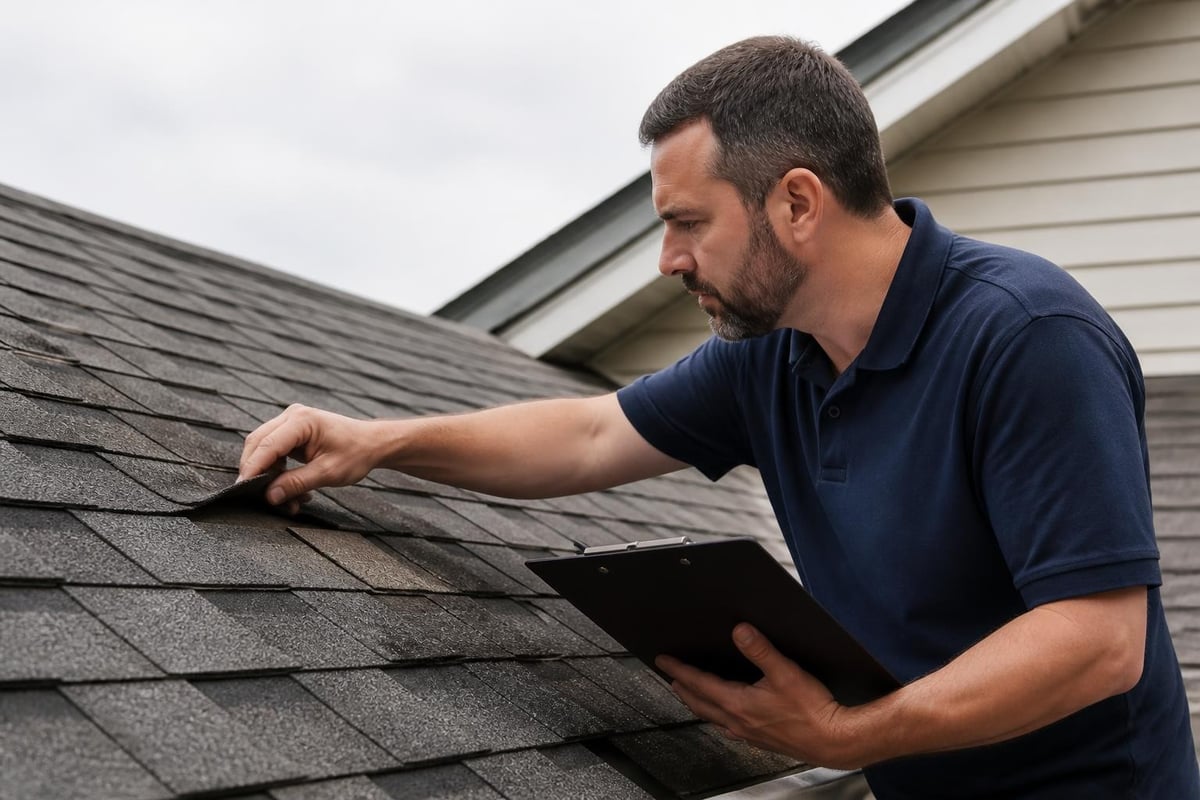
Professional roof inspections reveal damage invisible from ground level. Experienced contractors identify subtle indicators that homeowners miss, such as micro-fractures in tiles, compromised sealant integrity, and underlying structural concerns.
What Inspectors Evaluate
Comprehensive storm damage assessments examine multiple roof components:
- Shingle or tile condition: Cracks, displacement, granule loss, impact damage
- Flashing integrity: Around chimneys, vents, valleys, and roof edges
- Underlayment exposure: Where protective layers have been compromised
- Structural elements: Rafters, decking, and support beams for water damage or stress
- Drainage systems: Gutters, downspouts, and scuppers for blockages or damage
- Penetrations: Skylights, vents, and pipe boots for seal integrity
Many contractors offer free storm damage inspections, providing detailed reports with photographs and repair recommendations. These assessments typically take 45 minutes to two hours, depending on roof size and complexity.
When Repairs Suffice vs. Replacement Needed
Not all storm damage requires complete roof replacement. Minor wind damage affecting less than 25% of the roof area often qualifies for repair-only solutions. Isolated sections of damaged shingles or a few broken tiles can be replaced without disturbing the entire roof system.
However, extensive damage may necessitate full replacement, especially when:
- More than 30% of roofing material shows damage
- Multiple roof sections have sustained severe impact
- The roof was already near the end of its service life (15+ years for asphalt shingles)
- Underlying decking has suffered water damage or structural compromise
- Insurance coverage makes replacement financially comparable to extensive repairs
When storm damage affects a significant portion of an aging roof, roof replacement often provides better long-term value than patching deteriorating materials that will require attention again within a few years.
Navigating Insurance Claims for Storm Damage
Insurance coverage for storm damage varies significantly based on your policy specifics, deductible amounts, and the documented cause of damage. Understanding the claims process before filing improves outcomes and reduces frustration.
Filing Your Claim Effectively
Contact your insurance company promptly after discovering damage. Most policies require notification within specific timeframes, and delays can jeopardize coverage. Provide your documentation package, including photographs, videos, and written observations.
Key information to prepare:
- Policy number and coverage details
- Complete damage documentation with dates
- Any emergency repairs performed to prevent further damage (with receipts)
- Contact information for witnesses if applicable
- Preferred contractor estimates (if already obtained)
Your insurance company will assign an adjuster to inspect the damage and determine coverage. Be present during this inspection, pointing out all areas of concern and providing your documentation. Adjusters sometimes miss damage during brief inspections, so thorough documentation supports your claim if disputes arise.
Understanding Coverage Limitations
Standard homeowners insurance typically covers storm damage from wind, hail, and falling objects, but coverage varies for different scenarios:
| Damage Type | Typical Coverage | Common Exclusions |
|---|---|---|
| Wind damage | Covered | Poor maintenance, wear and tear |
| Hail damage | Covered | Cosmetic damage only (in some policies) |
| Rain intrusion | Covered only if entry resulted from covered peril | Rain through existing leaks or poor maintenance |
| Falling trees | Covered | Trees that fell without storm involvement |
Consumer Reports’ insurance guidance recommends reviewing your policy annually and understanding your actual cash value versus replacement cost coverage, which significantly impacts claim payouts.
Storm-Resistant Roofing Upgrades
Recovery from storm damage presents an opportunity to enhance your roof's resilience against future weather events. Modern materials and installation techniques significantly reduce vulnerability to wind and hail.
Impact-Resistant Materials and Techniques
The Insurance Institute for Business & Home Safety research demonstrates that specific roofing features dramatically reduce storm damage. Their FORTIFIED roofing standards emphasize sealed roof decks, enhanced attachment methods, and impact-resistant materials.
Proven storm-resistant upgrades include:
- Class 4 impact-resistant shingles with reinforced construction
- Enhanced underlayment with waterproof membranes
- Ring-shank nails or additional fasteners for improved wind resistance
- Sealed roof deck systems that prevent water intrusion even if shingles fail
- Strengthened flashing at vulnerable transition points
When searching for storm damage repair near me following a major weather event, consider these upgrades if your roof requires substantial repairs or replacement. Many insurance companies offer premium discounts for impact-resistant roofing materials, offsetting some upgrade costs over time.
Wind Rating Considerations for Los Angeles
While Los Angeles doesn't experience hurricane-force winds like coastal regions, Santa Ana wind events create their own challenges. Selecting roofing materials rated for your area's wind speeds provides appropriate protection without unnecessary expense.
Look for products meeting these standards:
- ASTM D3161 Class F wind resistance (110 mph)
- ASTM D7158 Class H hail impact resistance
- UL 2218 Class 4 impact ratings for maximum insurance benefits
- FM 4473 wind uplift ratings appropriate for your roof slope and building height
Preventing Future Storm Damage
Regular maintenance and proactive measures reduce storm vulnerability substantially. The most resilient roofs receive consistent attention rather than neglect between weather events.
Year-Round Maintenance Protocol
Implement a seasonal maintenance schedule that addresses potential problems before storms strike:
Spring inspection (March-April):
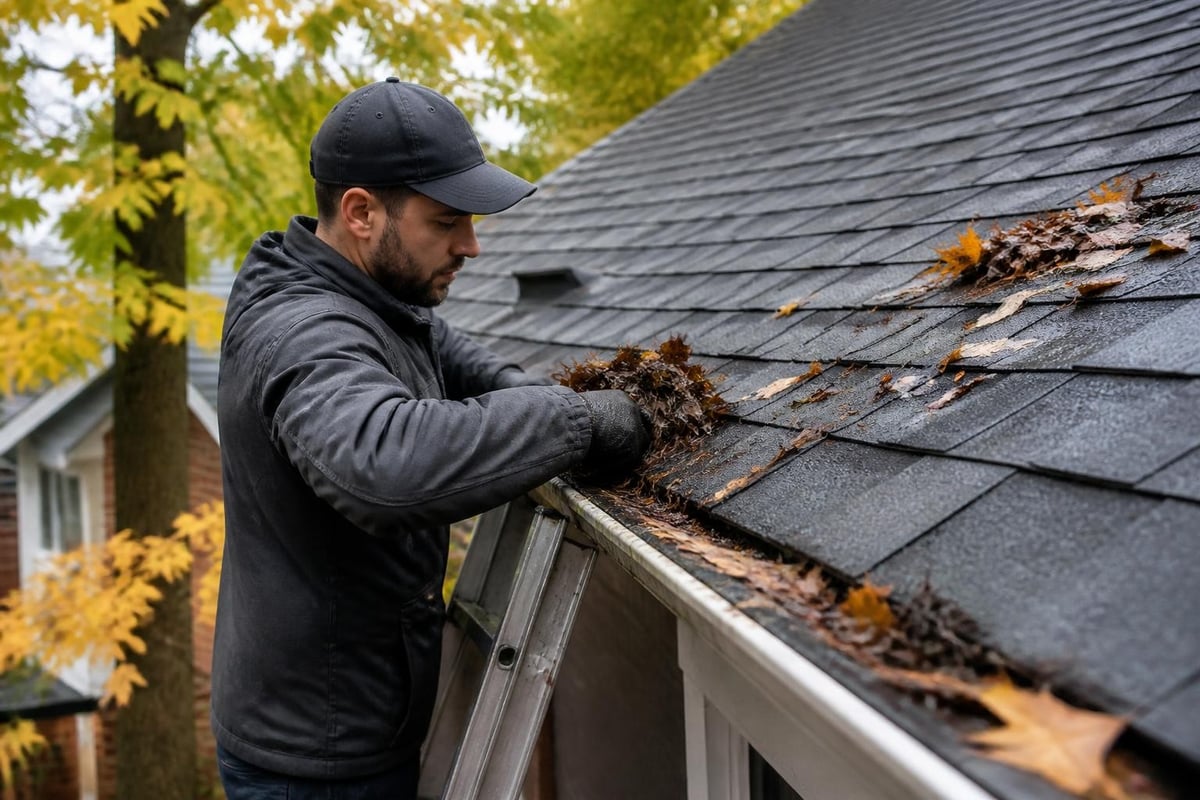
- Clear debris from valleys and gutters
- Check for winter damage from occasional freeze/thaw
- Verify flashing seals around penetrations
- Trim overhanging branches
Summer preparation (June-July):
- Inspect shingle adhesion and replace any loose elements
- Check attic ventilation to prevent heat damage
- Clear accumulated debris that could become projectiles
- Document roof condition for insurance purposes
Fall readiness (September-October):
- Clean gutters and downspouts thoroughly
- Secure or remove potential wind-borne objects
- Inspect and repair any identified weak points
- Review emergency contact information for contractors
Winter checks (December-January):
- Monitor for any weather-related damage after storms
- Ensure proper attic insulation and ventilation
- Address any minor issues before they escalate
Tree Management and Property Preparation
Trees pose significant storm risks when located near structures. Dead or diseased trees should be removed, while healthy trees benefit from professional pruning that removes weak branches and reduces wind resistance. Maintain at least 10 feet of clearance between branches and your roof surface.
The American Red Cross flood and storm preparedness resources emphasize proactive property preparation, including securing outdoor furniture, equipment, and decorative elements that could become projectiles during high winds.
Working With Emergency Services
Severe storm damage sometimes requires immediate professional intervention before permanent repairs can be scheduled. Understanding emergency service protocols helps you respond appropriately when time-sensitive situations develop.
When to Call for Emergency Repairs
Emergency roof services become necessary when damage creates immediate threats to property or safety:
- Active water intrusion during ongoing rain
- Large sections of missing roofing material exposing interior spaces
- Structural damage threatening roof stability
- Fallen trees or large debris penetrating the roof system
- Compromised areas that could collapse or worsen with continued exposure
Emergency services typically include temporary tarping, debris removal, and basic weatherproofing to protect your property until comprehensive repairs can be completed. These interventions prevent thousands of dollars in secondary water damage to interiors, belongings, and structural elements.
Emergency Service Costs and Coverage
Emergency storm damage repair near me services command premium pricing due to their urgent nature and after-hours timing. Expect higher rates for immediate response, but understand that this investment prevents exponentially greater losses from water damage, mold growth, and structural deterioration.
Most insurance policies cover reasonable emergency repair costs when necessary to prevent further damage. Document all emergency work with photographs, detailed invoices, and explanations of why immediate intervention was required. Submit this documentation with your primary claim to maximize reimbursement.
Quality Assurance During Repairs
Once you've selected a contractor and received insurance approval, monitoring the repair process ensures quality results and compliance with building codes.
What to Expect During Repairs
Professional storm damage repairs follow systematic procedures:
- Site preparation: Protecting landscaping, setting up safety barriers, arranging debris disposal
- Damage removal: Stripping damaged materials, exposing underlying structure for inspection
- Structural repairs: Replacing damaged decking, rafters, or support elements as needed
- Weatherproofing: Installing underlayment and moisture barriers
- Finish installation: Applying final roofing materials according to manufacturer specifications
- Cleanup: Removing debris, conducting magnetic sweeps for nails, final site restoration
Timeline varies based on damage extent, weather conditions, and material availability. Minor repairs might complete in one to two days, while extensive work requiring structural repairs or full replacement could take one to two weeks.
Code Compliance and Permit Requirements
Los Angeles County requires permits for most roofing work beyond basic repairs. Your contractor should handle permit applications and ensure all work meets current building codes. Permitted work receives inspection verification, providing assurance that repairs meet professional standards.
Unpermitted work creates problems when:
- Selling your property (title companies may require documentation)
- Filing future insurance claims (unpermitted work may void coverage)
- Ensuring warranty protection (manufacturers often require code-compliant installation)
Verify that your contractor includes permit fees in their estimate and schedules required inspections. This protects your investment and ensures compliance with local regulations.
Material Selection for Replacement Projects
When storm damage necessitates significant material replacement, choosing appropriate products balances durability, aesthetics, cost, and climate suitability.
Climate-Appropriate Choices for Los Angeles
Southern California's climate presents unique considerations. Extended dry periods punctuated by occasional intense rainfall require materials that resist UV degradation while handling water efficiently during storms.
| Material Type | Lifespan | Storm Resistance | Best For |
|---|---|---|---|
| Asphalt shingles (impact-resistant) | 25-30 years | Good wind/hail resistance | Budget-conscious, traditional appearance |
| Clay tiles | 50+ years | Excellent durability, fragile to impact | Mediterranean aesthetics, long-term investment |
| Concrete tiles | 40-50 years | Good impact resistance, heavy | Tile appearance, lower cost than clay |
| Metal roofing | 40-70 years | Excellent wind/hail resistance | Modern aesthetics, maximum durability |
When searching for storm damage repair near me with replacement needs, consider total lifecycle costs rather than just initial installation expenses. Premium materials with extended warranties often provide better value over time, especially when factoring in insurance premium discounts for impact-resistant products.
Post-Repair Inspection and Warranty
After completing repairs, thorough inspection ensures quality workmanship and activates warranty protection.
Final Walkthrough Checklist
Before making final payment, conduct a comprehensive inspection with your contractor:
- All damaged areas properly repaired with matching materials
- Flashing properly installed and sealed at all penetrations
- Gutters and downspouts securely attached and functional
- No visible gaps, lifted edges, or installation defects
- Complete cleanup with no debris remaining
- Permits finalized with passed inspections
Request copies of all permits, inspection approvals, warranty documentation, and manufacturer installation certificates. Store these documents with your homeowner's records for future reference.
Understanding Warranty Coverage
Roof repairs typically include multiple warranty layers:
Workmanship warranty: Contractor guarantees their installation for specified period (typically 1-10 years)
Material warranty: Manufacturer coverage for defective products (varies by product, 15-50 years)
Extended coverage: Some manufacturers offer enhanced warranties for certified installations
Read warranty terms carefully, noting exclusions, required maintenance, and claim procedures. Many warranties require annual professional inspections to remain valid, making ongoing maintenance both protective and contractually necessary.
Learning From Storm Events
Each storm provides lessons about your property's vulnerabilities and opportunities for improvement. Analyzing what failed and why informs better preparation for future weather events.
Document Lessons for Future Reference
After completing repairs, create a storm response file that includes:
- Timeline of damage discovery, contractor contact, and repair completion
- What worked well in your emergency response
- Areas where preparation could improve
- Contractor performance notes for future reference
- Updated property photos showing post-repair condition
- Insurance claim experience and any lessons learned
This documentation proves invaluable for future storms, property sales, or insurance reviews. It also helps identify patterns if particular roof areas repeatedly sustain damage, suggesting underlying design or installation issues requiring attention.
Community Resources and Support
Many Los Angeles neighborhoods have established disaster response networks that share information about reliable contractors, coordinate group services for better pricing, and support each other during recovery. Engaging with these resources before emergencies occur provides valuable connections when urgent needs arise.
Local emergency management agencies offer preparedness workshops, while insurance industry associations provide consumer education about coverage optimization. Investing time in these resources before storms strike positions you to respond more effectively when searching for storm damage repair near me becomes necessary.
Storm damage creates stress and urgency, but systematic response, careful contractor selection, and thorough documentation ensure successful recovery. Whether your situation requires minor repairs or complete replacement, understanding the process from initial assessment through final inspection protects your investment and restores your peace of mind. The professionals at Proof Your Roof bring decades of storm damage restoration experience to Los Angeles homeowners, combining technical expertise with compassionate service during challenging times. Contact them today for a comprehensive damage assessment and detailed repair plan tailored to your specific needs.