
Finding reliable flat roof replacement services in your area requires more than a quick online search. Whether you manage a commercial building or own a residential property with a flat roof system, understanding the replacement process, material options, and contractor selection criteria will help you make informed decisions that protect your investment for decades. This comprehensive guide walks you through everything you need to know when searching for "flat roof replacement near me" in 2026.
Understanding When Your Flat Roof Needs Replacement
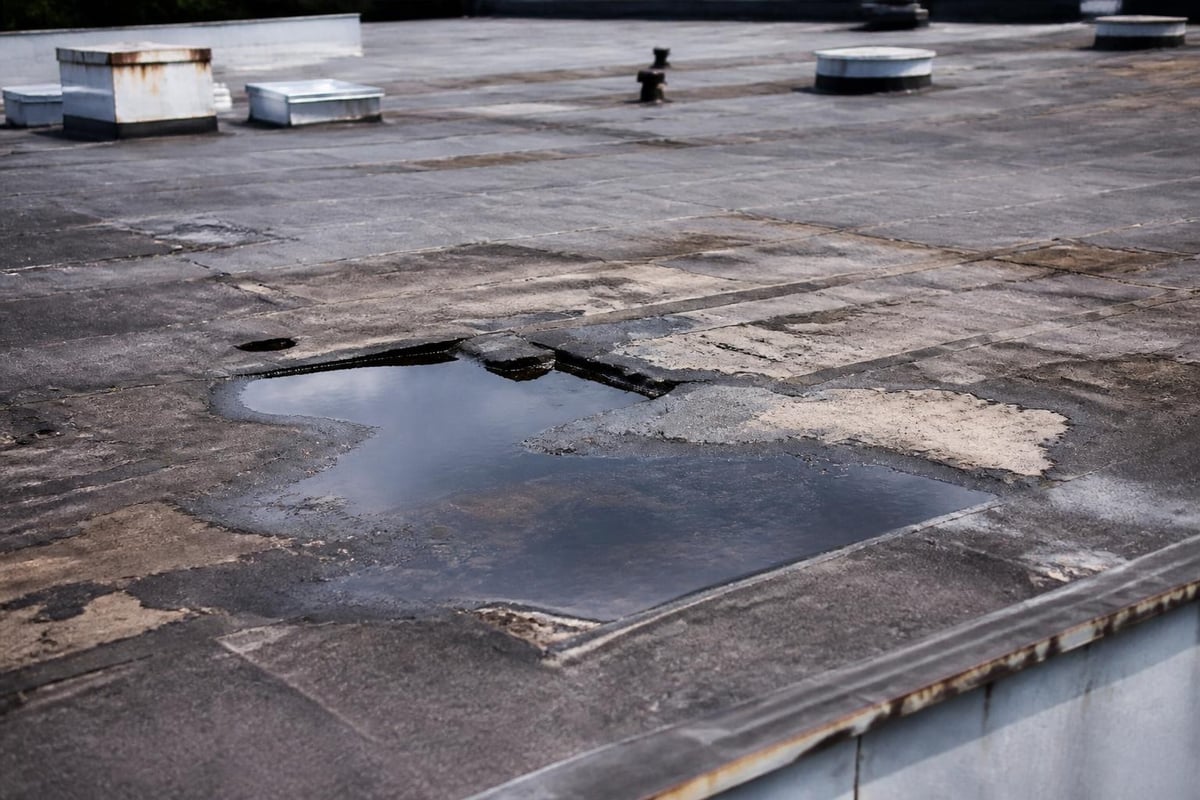
Flat roofs present unique challenges compared to pitched roofing systems. Water pooling, membrane deterioration, and structural stress can compromise your roof's integrity faster than you might expect.
Common Warning Signs
Recognizing early warning signs prevents minor issues from escalating into costly structural damage. Regular inspections help identify problems before they require emergency intervention.
- Persistent leaks that reappear after repairs indicate systemic failure
- Membrane blistering or cracking across large surface areas
- Ponding water that remains 48 hours after rainfall
- Visible sagging or soft spots when walking on the roof
- Interior water stains spreading across ceilings or walls
- Energy bills increasing due to compromised insulation
Most flat roofing systems last between 10 and 30 years depending on materials and maintenance. If your roof approaches the end of its expected lifespan and shows multiple warning signs, replacement becomes more cost-effective than ongoing repairs.
Repair Versus Replacement Decision Matrix
Determining whether to repair or replace requires careful cost-benefit analysis. Small sections of damage affecting less than 25% of the total roof area typically warrant repairs. However, widespread deterioration, repeated leak locations, or roof age exceeding 75% of expected lifespan generally indicates replacement offers better long-term value.
| Factor | Repair | Replacement |
|---|---|---|
| Damage extent | Under 25% of surface | Over 30% of surface |
| Roof age | Under 15 years | Over 20 years |
| Leak frequency | Single isolated area | Multiple recurring zones |
| Cost comparison | Under $3,000 | $5,000-$15,000+ total |
| Expected solution life | 2-5 years | 15-30 years |
Flat Roof Replacement Material Options
Material selection significantly impacts performance, longevity, and total project cost. Modern flat roofing systems offer diverse options suited to different climates, budgets, and building requirements.
Single-Ply Membrane Systems
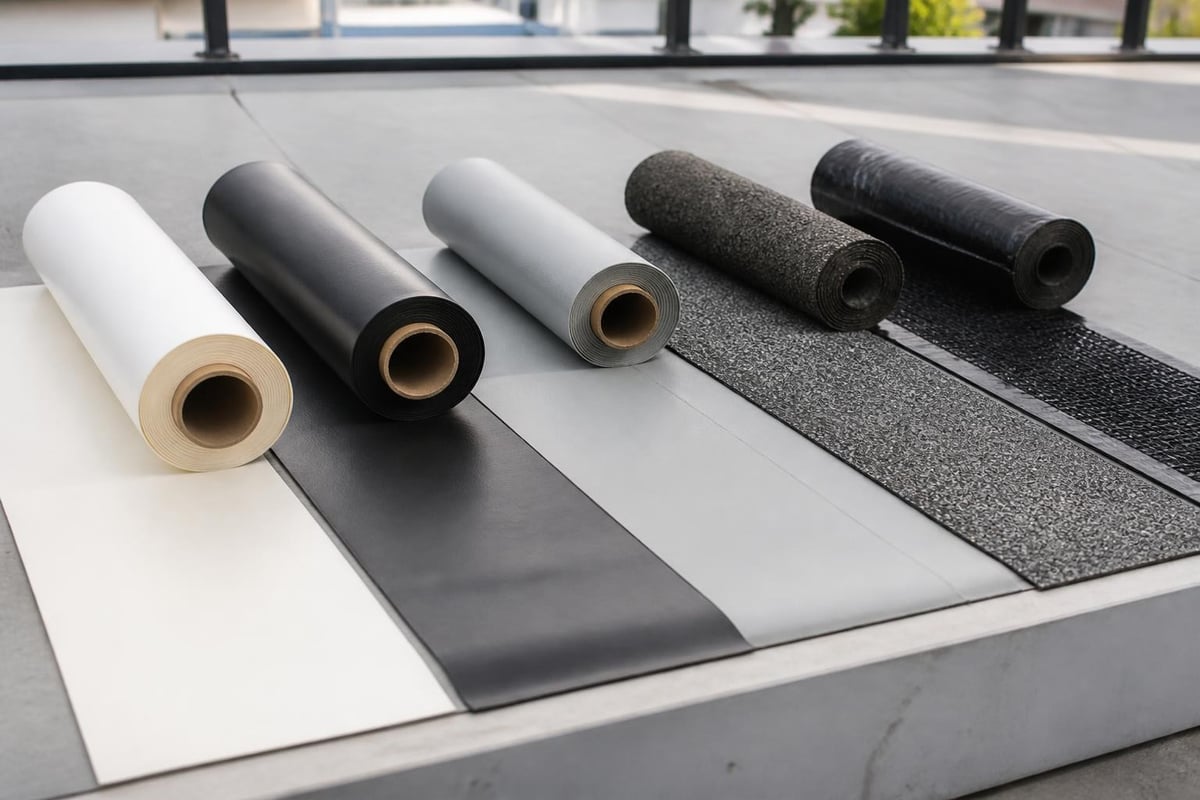
TPO (thermoplastic polyolefin) and EPDM (ethylene propylene diene monomer) represent the most popular single-ply options for flat roof replacement near me searches in 2026. TPO membranes offer excellent heat reflectivity, making them ideal for warm climates where cooling costs matter. EPDM provides superior durability and puncture resistance at a lower price point.
PVC membranes cost more but deliver exceptional chemical resistance and longevity exceeding 30 years. These white or light-colored membranes reflect solar radiation effectively, contributing to lower cooling costs and urban heat island reduction as documented by the EPA’s guidance on using cool roofs.
Installation considerations for single-ply systems include:
- Mechanically attached systems for easy future maintenance
- Fully adhered applications for maximum wind resistance
- Ballasted installations using stone or pavers for cost savings
- Proper seam welding to ensure waterproof integrity
Built-Up Roofing (BUR) Systems
Traditional built-up roofing layers multiple plies of roofing felt with hot asphalt or coal tar. While heavier and more labor-intensive to install, BUR systems provide excellent waterproofing and can last 20-30 years with proper maintenance. The reflective gravel surface coating helps manage solar heat gain.
Modified Bitumen Roofing
Modified bitumen combines traditional asphalt properties with modern polymer modifiers for enhanced flexibility and durability. Available in APP (atactic polypropylene) and SBS (styrene-butadiene-styrene) formulations, these systems resist temperature extremes better than conventional asphalt products.
Installation methods include heat welding, cold adhesive application, or self-adhering sheets. The NRCA roofing guidelines provide detailed installation standards that ensure long-term performance regardless of the method chosen.
Cost Factors for Flat Roof Replacement
Understanding what drives flat roof replacement costs helps you budget accurately and identify unreasonably low bids that may indicate corner-cutting.
Material Costs in 2026
National average material costs per square foot range considerably based on system type:
| Material Type | Cost per Sq. Ft. | Expected Lifespan |
|---|---|---|
| EPDM | $4.50-$7.00 | 15-25 years |
| TPO | $5.50-$8.50 | 15-20 years |
| PVC | $7.00-$12.00 | 20-30 years |
| Modified Bitumen | $4.00-$7.00 | 10-20 years |
| Built-Up Roofing | $5.00-$9.00 | 15-30 years |
These figures represent materials only. Total project costs include labor, disposal, substrate repairs, and additional components.
Labor and Installation Variables
Labor represents 40-60% of total flat roof replacement costs. Experienced installers charge premium rates but deliver superior workmanship that extends roof lifespan. Complexity factors affecting labor costs include:
- Building height and accessibility requiring specialized equipment
- Existing roof removal and disposal fees
- Substrate condition and necessary deck repairs
- Penetrations and details around HVAC units, vents, and drains
- Local permit requirements and inspection schedules
A typical 1,500 square foot flat roof replacement costs between $7,500 and $15,000 in most markets. Commercial projects with specialized requirements or challenging access can exceed $20 per square foot installed.
Additional Cost Considerations
Beyond basic installation, factor in costs for improved drainage systems, enhanced insulation upgrades, warranty extensions, and future maintenance agreements. Investing in proper drainage prevents ponding water issues that shorten roof lifespan. According to research from Building Science Corporation, inadequate drainage represents the primary cause of premature flat roof failure.
Selecting the Right Contractor
The contractor you choose determines whether your flat roof replacement succeeds or fails. Quality workmanship matters far more than saving a few hundred dollars on the initial bid.
Essential Contractor Qualifications
Verify these credentials before scheduling estimates:
- Active state contractor license appropriate for roofing work
- Comprehensive liability insurance with current certificates
- Workers' compensation coverage for all crew members
- Manufacturer certifications for specified roofing systems
- Local references from projects completed within two years
Request detailed written estimates that itemize materials, labor, permits, disposal, and warranty terms. Vague or suspiciously low bids often lead to change orders, substandard materials, or abandoned projects.
Questions to Ask Potential Contractors
When interviewing contractors for your flat roof replacement near me search, ask targeted questions that reveal expertise and reliability:
- How many flat roof replacements have you completed in the past year?
- Which membrane manufacturers do you prefer and why?
- What substrate repairs do you anticipate for my specific roof?
- How do you handle unexpected structural issues discovered during tear-off?
- What warranty coverage do you offer beyond manufacturer warranties?
- Who supervises the daily installation work on-site?
Proof Your Roof specializes in roof replacement services throughout Los Angeles and surrounding areas, bringing decades of combined experience to every project. Their team handles everything from initial assessment through final inspection, ensuring your flat roof replacement meets or exceeds industry standards.
Evaluating Contractor Proposals
Compare proposals on quality indicators, not just bottom-line price. The cheapest bid frequently uses thinner membranes, shortcuts critical details, or employs inexperienced installers. Mid-range and premium proposals should specify:
- Exact membrane brand, model, and thickness
- Insulation type and R-value improvements
- Flashing and penetration sealing methods
- Edge metal and termination details
- Drainage improvements or modifications
- Warranty terms for both materials and labor
The Flat Roof Replacement Process
Understanding the installation sequence helps you prepare your property and monitor progress effectively.
Pre-Installation Preparation
Contractors should protect landscaping, move patio furniture, and secure tarps before beginning work. Interior preparation includes relocating items stored in attics or top floors and alerting occupants to expect noise and vibration.
Tear-Off and Substrate Inspection
Complete removal of existing roofing materials allows thorough substrate inspection. Experienced contractors identify damaged decking, inadequate structural support, or hidden moisture damage requiring attention before new membrane installation.
The ASCE standards provide engineering guidance for evaluating structural adequacy and load requirements that ensure your replacement roof meets current building codes.
Installation Phases
Professional flat roof replacement follows systematic phases:
- Substrate preparation including repairs and cleaning
- Insulation installation secured to structural deck
- Membrane application using specified attachment method
- Seam welding or adhesion ensuring watertight connections
- Flashing installation around penetrations and edges
- Quality inspection by manufacturer representative if certified
- Final cleanup and debris removal
Timeline varies based on project size, weather conditions, and complexity. Most residential flat roofs under 2,000 square feet complete within 3-5 days. Commercial projects may require several weeks for phased installations that minimize business disruption.
Energy Efficiency and Sustainability Considerations
Modern flat roof replacement offers significant opportunities to improve building energy performance and reduce environmental impact.
Cool Roofing Technology
Highly reflective "cool roof" membranes reduce surface temperatures by 50-60 degrees Fahrenheit compared to dark conventional roofing. This temperature reduction translates directly into lower cooling costs, especially in sunny climates. The U.S. Department of Energy cool roof resources explain how proper material selection and installation verification maximize energy savings.
White TPO and PVC membranes achieve Solar Reflectance Index (SRI) values above 100, qualifying for numerous energy efficiency incentive programs. Building owners in urban areas also contribute to reducing the heat island effect that raises ambient temperatures and increases citywide cooling demand.
Insulation Upgrades
Flat roof replacement provides the ideal opportunity to improve thermal performance. Modern polyisocyanurate and EPS foam insulation boards deliver R-values between R-5 and R-7 per inch thickness. Upgrading from minimal R-10 insulation to R-30 or higher dramatically reduces heat transfer.
Insulation benefits include:
- Lower heating and cooling costs year-round
- Improved occupant comfort in top-floor spaces
- Reduced HVAC equipment strain and maintenance
- Enhanced condensation control preventing moisture damage
Green Building Certifications
Property owners pursuing LEED certification or other green building standards benefit from strategic flat roof replacement material selections. The U.S. Green Building Council guidance outlines how cool roofs, recycled content materials, and proper disposal practices contribute toward certification credits in multiple categories.
Maintenance After Replacement
Your new flat roof requires ongoing maintenance to achieve its expected lifespan. Neglecting routine care voids many warranties and leads to premature failure.
Recommended Maintenance Schedule
Implement a proactive maintenance program that includes:
- Bi-annual inspections in spring and fall
- Post-storm assessments after severe weather events
- Drain and gutter cleaning quarterly or more frequently
- Penetration sealing checks annually around HVAC and vents
- Membrane cleaning to remove debris and organic growth
Professional inspections identify minor issues before they compromise the roofing system. Most contractors offer maintenance agreements that include scheduled inspections, priority service, and discounted repair rates.
Common Maintenance Tasks
Regular maintenance extends flat roof lifespan by addressing minor problems immediately:
| Task | Frequency | Purpose |
|---|---|---|
| Remove debris | Monthly | Prevent drain clogs |
| Inspect seams | Quarterly | Catch separation early |
| Check flashing | Semi-annually | Ensure watertight seals |
| Clean drains | Quarterly | Maintain proper drainage |
| Inspect membrane | Annually | Document condition changes |
Maintaining detailed service records documents proper care for warranty claims and provides valuable information for future replacement decisions.
Local Regulations and Permit Requirements
Flat roof replacement typically requires building permits that ensure work meets local codes and safety standards.
Permit Application Process
Contractors normally handle permit applications, but property owners should understand the requirements. Most jurisdictions require:
- Detailed project plans showing materials and methods
- Structural calculations if loads change significantly
- Energy compliance documentation for insulation upgrades
- Contractor license verification and insurance certificates
- Fee payment based on project value
Permit approval timelines range from same-day issuance to several weeks in busy municipalities. Schedule installations accordingly to avoid weather delays during permit waiting periods.
Inspection Requirements
Building departments typically require inspections at specific project phases. Inspectors verify proper installation techniques, material specifications, and code compliance. Failed inspections delay project completion and may require corrective work at contractor expense.
Work with contractors familiar with local requirements to streamline the inspection process and avoid costly delays.
Warranty Protection and Long-Term Value
Comprehensive warranty coverage protects your investment and provides recourse if problems develop.
Manufacturer Material Warranties
Roofing membrane manufacturers offer warranties ranging from 10 to 30 years depending on product grade. Premium warranties cover both material defects and performance issues like excessive shrinkage or premature aging. Standard warranties limit coverage to manufacturing defects only.
Read warranty terms carefully, noting:
- Coverage duration and any prorated reduction schedules
- Exclusions for improper installation or maintenance
- Transferability to subsequent property owners
- Requirements for regular inspections or maintenance
- Claim procedures and documentation needed
Contractor Workmanship Warranties
Separate from material warranties, reputable contractors guarantee their installation work for specified periods. Workmanship warranties typically last 2-10 years and cover installation defects, improper flashing, or failed seams resulting from poor technique.
Verify warranty terms in writing before signing contracts. Understand what triggers coverage and how quickly the contractor responds to warranty claims.
Maximizing Warranty Value
Protect warranty coverage by following all specified maintenance requirements and documenting completed work. Unauthorized repairs or modifications by non-certified contractors often void manufacturer warranties. Keep comprehensive records including:
- Original installation contracts and specifications
- Material purchase receipts and certifications
- Inspection reports and maintenance logs
- Repair invoices with detailed work descriptions
- Warranty registration documentation
These records prove proper care if warranty claims become necessary and add value when selling property.
Successful flat roof replacement requires careful planning, informed material selection, and choosing qualified contractors who deliver quality workmanship. By understanding the process, costs, and long-term maintenance requirements, you make investment decisions that protect your property for decades. When you're ready to move forward with your flat roof replacement project, Proof Your Roof brings the expertise, materials, and commitment to excellence that Los Angeles-area property owners trust for all their roofing needs.