
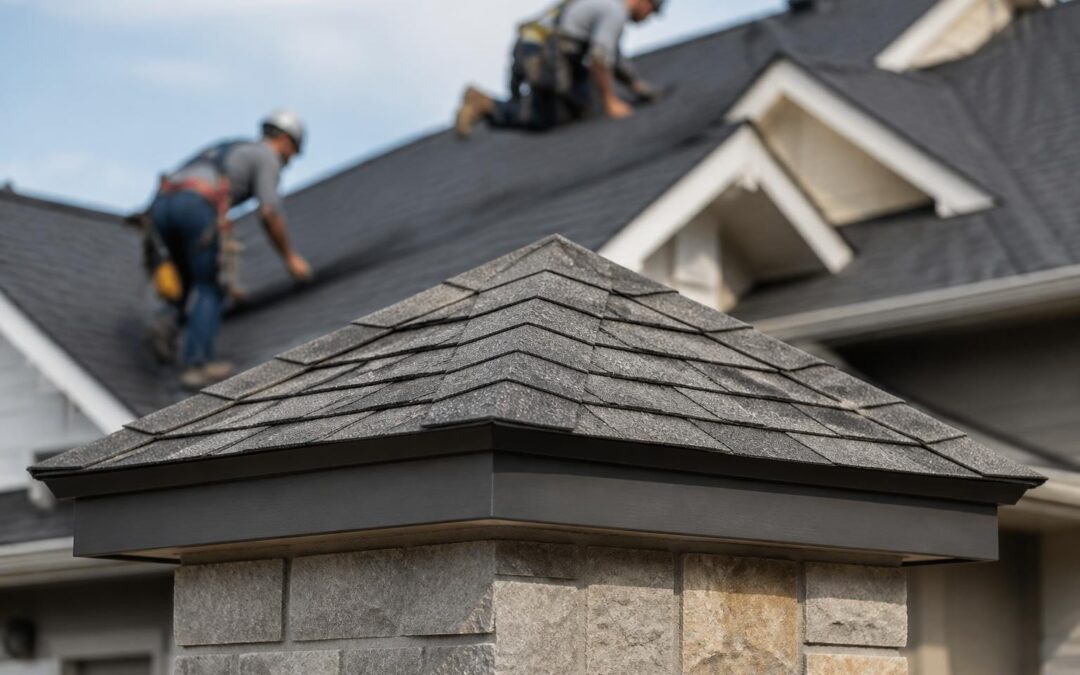
When homeowners and business owners invest in roofing projects, they are making one of the most critical decisions for their property's longevity and value. The concept of cornerstone roofing represents more than just the physical structure protecting a building from the elements. It embodies the fundamental principles that ensure every roofing system delivers decades of reliable performance. Understanding what makes roofing a true cornerstone of property protection helps property owners make informed decisions about materials, contractors, and maintenance strategies that will serve them well into the future.
Understanding Cornerstone Roofing Principles
Cornerstone roofing begins with recognizing that a roof is not merely an assembly of materials but rather a comprehensive system designed to work in harmony. The term "cornerstone" traditionally refers to the first stone set in the construction of a masonry foundation, and in roofing, this concept translates to the foundational elements that support everything else.
Quality materials form the first pillar of cornerstone roofing. Whether choosing asphalt shingles, clay tiles, metal panels, or membrane systems, the materials must meet rigorous industry standards. The Asphalt Roofing Manufacturers Association provides technical bulletins that detail performance requirements for residential roofing products, ensuring contractors and property owners have access to verified specifications.
Beyond materials, proper installation techniques represent the second critical element. Even premium roofing products will fail prematurely if not installed according to manufacturer specifications and industry best practices. The NRCA Roofing Manual serves as the industry's authoritative guide, covering comprehensive installation standards for every major roofing type.
Material Selection That Stands the Test of Time
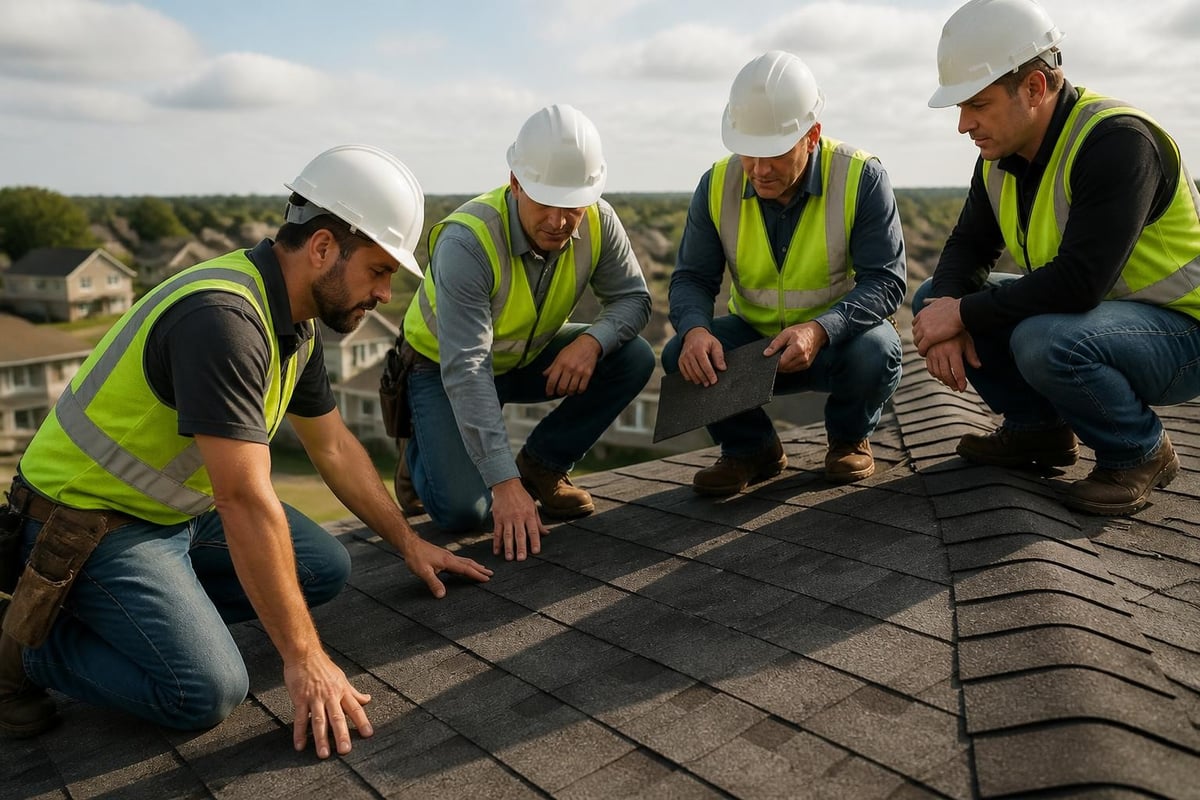
Choosing the right roofing material requires evaluating multiple factors beyond initial cost. Climate conditions in Los Angeles demand materials that can withstand intense UV exposure, occasional heavy rains, and temperature fluctuations. Cornerstone roofing emphasizes durability, energy efficiency, and aesthetic compatibility with the architectural style.
| Material Type | Lifespan | Climate Suitability | Energy Efficiency |
|---|---|---|---|
| Asphalt Shingles | 20-30 years | Good for mild climates | Moderate with reflective options |
| Clay Tiles | 50+ years | Excellent for hot, dry regions | Superior thermal mass |
| Metal Roofing | 40-70 years | Versatile for all climates | High reflectivity available |
| Modified Bitumen | 15-20 years | Good for low-slope commercial | Enhanced with cool-roof coatings |
The energy performance of roofing materials has become increasingly important. The U.S. EPA’s cool roofs program demonstrates how reflective roofing materials can reduce cooling costs by 10-30% in hot climates while mitigating urban heat island effects. Property owners implementing cornerstone roofing principles often prioritize cool-roof technologies verified by the Cool Roof Rating Council to ensure measurable energy savings.
Installation Excellence as a Cornerstone Element
The installation phase transforms roofing materials into a functioning protective system. Cornerstone roofing demands that every step follows established protocols, from deck preparation through final flashing details. Skilled contractors understand that shortcuts during installation inevitably lead to premature failures, voiding warranties and creating expensive repair scenarios.
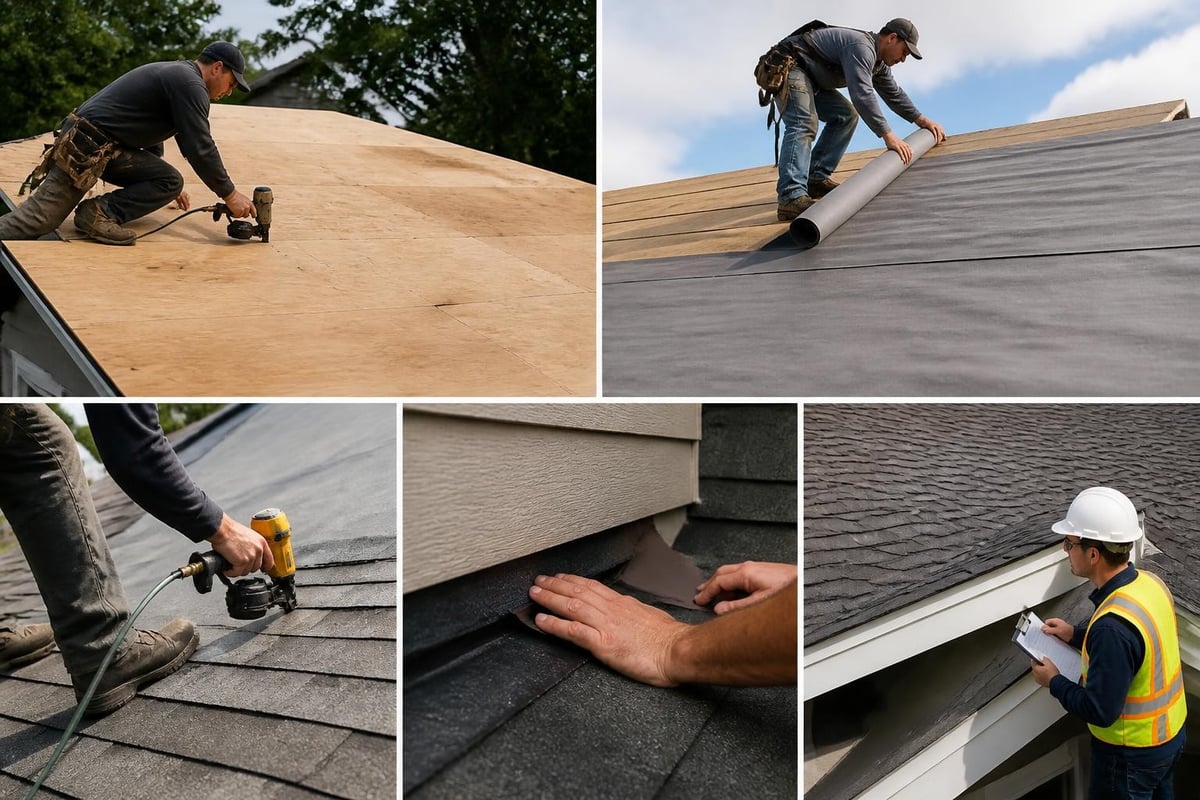
Critical Installation Checkpoints
Proper substrate preparation ensures a solid foundation for all roofing materials. The roof deck must be structurally sound, properly fastened, and free from moisture damage before any covering is applied.
- Deck inspection and repair identifies weak spots, rot, or inadequate ventilation
- Underlayment installation provides secondary water protection and meets code requirements
- Drip edge and starter course establishes proper water management from the outset
- Field shingle or tile placement follows manufacturer nailing patterns and exposure requirements
- Ridge, hip, and valley treatments address critical transition areas where leaks commonly originate
- Flashing installation around penetrations, chimneys, and wall intersections prevents water intrusion
Owens Corning’s technical documentation provides detailed installation specifications that help contractors achieve warranty compliance while ensuring long-term performance. Following these guidelines is essential to cornerstone roofing that protects property investments.
When considering roof replacement, the installation quality becomes even more critical, as the entire roofing system is being rebuilt from the deck up. This presents an opportunity to correct historical deficiencies, upgrade ventilation systems, and incorporate modern materials that offer superior performance characteristics.
Maintenance Programs That Preserve Cornerstone Roofing
Even the highest-quality roofing system requires ongoing attention to deliver its full lifespan potential. Cornerstone roofing philosophy emphasizes proactive maintenance rather than reactive repairs. Regular inspections identify minor issues before they escalate into major problems requiring extensive intervention.
Seasonal inspection schedules should include spring assessments after winter weather and fall evaluations before the rainy season. These inspections examine:
- Shingle or tile condition for cracks, curling, or displacement
- Flashing integrity around all penetrations and transitions
- Gutter and downspout functionality for proper drainage
- Attic ventilation performance to prevent moisture accumulation
- Evidence of wildlife intrusion or nesting activity
- Sealant condition around vents, pipes, and equipment
Professional maintenance extends roof lifespan by addressing small repairs promptly. Replacing a few damaged shingles costs a fraction of the expense involved in repairing water damage to interior structures. This preventive approach exemplifies cornerstone roofing's emphasis on long-term value.
Weatherproofing Strategies for Enhanced Protection
Los Angeles properties face unique environmental challenges that demand specialized weatherproofing attention. While the region avoids harsh winter conditions, intense sun exposure and occasional severe storms require robust protection strategies. Understanding weatherproofing techniques helps property owners implement cornerstone roofing principles effectively.
Weatherproofing extends beyond the visible roof surface to include proper attic ventilation, radiant barriers, and insulation coordination. These elements work together to manage heat transfer, prevent condensation, and maintain comfortable interior conditions while reducing energy consumption.
Commercial Cornerstone Roofing Considerations
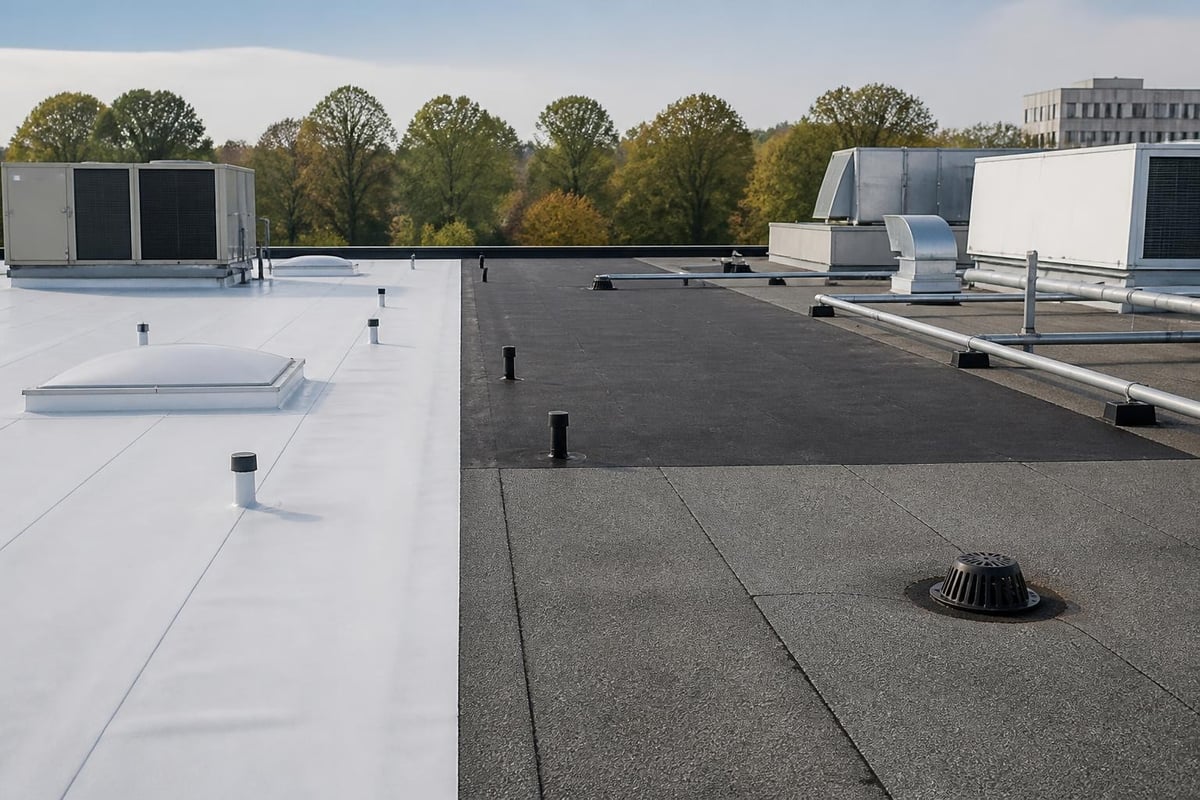
Commercial properties demand additional attention to roofing system design and performance. Low-slope roofs common on commercial buildings require different materials and installation techniques compared to residential steep-slope applications. Cornerstone roofing for commercial properties emphasizes durability under foot traffic, resistance to ponding water, and accommodation of rooftop equipment.
Membrane roofing systems dominate the commercial sector, with options including:
- TPO (thermoplastic polyolefin) for heat-welded seams and reflective surfaces
- EPDM (ethylene propylene diene monomer) offering proven durability and cost-effectiveness
- Modified bitumen providing flexibility and puncture resistance
- Built-up roofing (BUR) delivering multi-layer redundancy
The U.S. Department of Energy provides guidance on selecting energy-efficient commercial roofing products that reduce operational costs while meeting sustainability objectives. These resources help building owners implement cornerstone roofing strategies aligned with broader environmental and financial goals.
Exploring various commercial roofing materials reveals the trade-offs between initial investment, maintenance requirements, and expected service life. Cornerstone roofing decision-making balances these factors based on building use, budget constraints, and long-term ownership plans.
Contractor Selection and Professional Expertise
The contractor chosen to install or maintain a roofing system dramatically impacts whether cornerstone roofing principles are actually achieved. Professional expertise separates adequate work from exceptional results that deliver decades of trouble-free performance.
| Contractor Qualification | Why It Matters | Verification Method |
|---|---|---|
| Proper licensing | Legal compliance and consumer protection | State contractor license board |
| Insurance coverage | Liability and workers' compensation protection | Certificate of insurance |
| Manufacturer certifications | Training on specific product installation | Manufacturer websites |
| Industry association membership | Commitment to professional standards | NRCA, local associations |
| Project references | Real-world performance verification | Direct contact with past clients |
Vetting contractors thoroughly before awarding roofing projects ensures that cornerstone roofing standards will be met. Request detailed proposals that specify materials by manufacturer and model, installation methods, warranty coverage, and project timeline.
Quality Assurance Throughout the Project
Cornerstone roofing requires oversight during installation to verify that plans are being executed correctly. Property owners or their representatives should conduct periodic inspections at key milestones, such as deck preparation completion, underlayment installation, and mid-project progress.
Photographic documentation creates accountability and provides a record of proper installation should warranty claims become necessary. Reputable contractors welcome this transparency, as it demonstrates their commitment to quality workmanship.
Storm Resilience and Fortified Construction
Recent emphasis on climate resilience has elevated storm-resistant construction methods within cornerstone roofing discussions. The FORTIFIED Roof standards provide comprehensive technical guidance for building roofs that withstand severe weather events, including high winds, hail, and hurricane conditions.
While Los Angeles does not face hurricane threats, implementing FORTIFIED principles still offers value through:
- Enhanced wind uplift resistance protecting against occasional severe windstorms
- Impact-resistant materials reducing hail and debris damage
- Sealed roof deck systems preventing water intrusion during driven rain events
- Reinforced attachment schedules ensuring materials remain in place
Insurance companies increasingly recognize the value of resilient construction, with some offering premium discounts for homes meeting FORTIFIED certification standards. This financial incentive complements the intrinsic protection benefits, making storm-resilient cornerstone roofing an attractive option.
Energy Efficiency and Sustainability Integration
Modern cornerstone roofing increasingly incorporates sustainability considerations beyond basic weather protection. Energy-efficient roofing reduces operational costs while contributing to broader environmental goals. Cool-roof technologies, solar integration, and recycled content materials all play roles in sustainable roofing strategies.
Reflective roofing materials reduce heat absorption, lowering attic temperatures and decreasing air conditioning loads. In Los Angeles' sunny climate, this translates to measurable energy savings throughout the year. Products with high solar reflectance index (SRI) values perform best, with ratings available through the Cool Roof Rating Council directory.
Solar-ready roofing design prepares properties for future photovoltaic installations even if panels are not installed immediately. This involves:
- Structural engineering for anticipated panel loads
- Conduit pathways for electrical connections
- Flashing preparations for mounting hardware
- Material selection compatible with panel attachment systems
Cornerstone roofing thinking anticipates future needs, avoiding costly retrofits by incorporating flexibility into initial design and construction.
Warranty Protection and Long-Term Value
Comprehensive warranty coverage demonstrates manufacturer and contractor confidence in cornerstone roofing quality. Understanding warranty structures helps property owners protect their investments and secure recourse should problems develop.
Material warranties from manufacturers typically cover defects in the roofing products themselves, with durations ranging from 20 years to lifetime depending on the product tier. Premium products often include enhanced coverage, such as algae resistance guarantees or wind damage protection up to specified speeds.
Workmanship warranties from contractors protect against installation defects and typically extend 1-10 years depending on the contractor's policies. Extended workmanship warranties signal contractor confidence in their work quality and provide property owners with greater protection.
Maintaining warranty coverage requires adherence to specified maintenance schedules and using approved contractors for repairs. Documentation of all inspections and maintenance activities preserves warranty validity throughout the coverage period.
Regional Considerations for Los Angeles Properties
Los Angeles' Mediterranean climate creates specific opportunities and challenges for cornerstone roofing implementation. The region's mild winters reduce ice damming and freeze-thaw concerns common in northern climates, but intense summer sun and occasional torrential rains demand specific attention.
UV degradation accelerates in the intense Southern California sunshine, making material selection critical. Premium asphalt shingles with enhanced UV inhibitors, clay tiles with proven fade resistance, or metal roofing with durable coatings all offer superior longevity compared to economy-grade alternatives.
Seismic considerations also factor into cornerstone roofing for Los Angeles properties. Proper attachment schedules and flexible flashing details accommodate building movement during earthquakes without compromising weather protection. Coordination with structural engineers ensures roofing systems complement overall seismic resilience strategies.
Wildfire Interface Zone Strategies
Properties in Los Angeles' wildland-urban interface face additional requirements related to fire resistance. Class A fire-rated roofing materials provide the highest level of protection against ember attacks and flames. Cornerstone roofing in fire-prone areas prioritizes non-combustible materials like metal, clay tile, or fire-rated composition shingles.
Fire-resistant roofing coordinates with other defensive measures, including ember-resistant venting, non-combustible decking materials, and maintained defensible space. This comprehensive approach provides layered protection that significantly reduces wildfire vulnerability.
Implementing cornerstone roofing principles ensures your property receives protection that endures for decades while delivering energy efficiency, storm resilience, and aesthetic appeal. Whether planning new construction, considering replacement, or maintaining an existing system, these foundational concepts guide decisions toward optimal long-term outcomes. Proof Your Roof brings cornerstone roofing expertise to residential and commercial properties throughout Los Angeles, combining quality materials, expert installation, and comprehensive maintenance services to protect your most valuable investment. Contact our team today to discuss how professional roofing services can enhance your property's performance and value.