
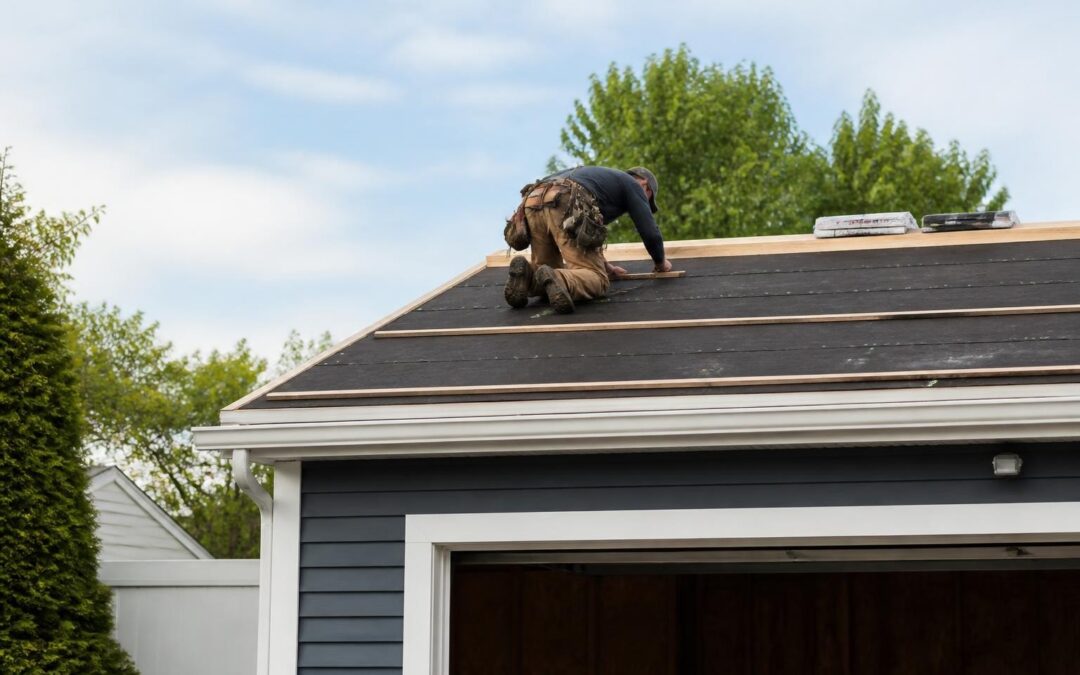
Replacing a garage roof represents a significant home improvement investment, and understanding the full scope of costs helps property owners make informed decisions. The garage roof replacement cost varies widely based on factors including roof size, material selection, structural complexity, and regional labor rates. Whether you own a detached two-car garage or have an attached structure, knowing what drives pricing enables better planning and budgeting. This comprehensive guide breaks down the cost components, material options, and strategic considerations for garage roof replacement projects in 2026.
Average Garage Roof Replacement Cost Ranges
The typical garage roof replacement cost falls between $2,500 and $8,000 for most residential projects. This range accounts for standard single-car and two-car garages using common roofing materials.
Single-car garages (12×20 feet, approximately 240 square feet) generally cost $2,500 to $4,500 to reroof. Two-car garages (20×20 feet, approximately 400 square feet) typically range from $3,500 to $6,500. Three-car or oversized garages can exceed $8,000, particularly when premium materials or complex roof designs are involved.
Several variables influence where your project lands within these ranges:
- Material type and quality grade
- Roof pitch and accessibility
- Removal and disposal of existing roofing
- Structural repairs or decking replacement
- Local labor rates and permitting costs
Regional cost differences significantly impact final pricing. Projects in metropolitan areas like Los Angeles often run 15-30% higher than national averages due to elevated labor costs and stricter building code requirements. According to professional cost-estimating data, location adjustments can add $500 to $2,000 to base estimates in high-cost markets.
Material Costs for Garage Roofing
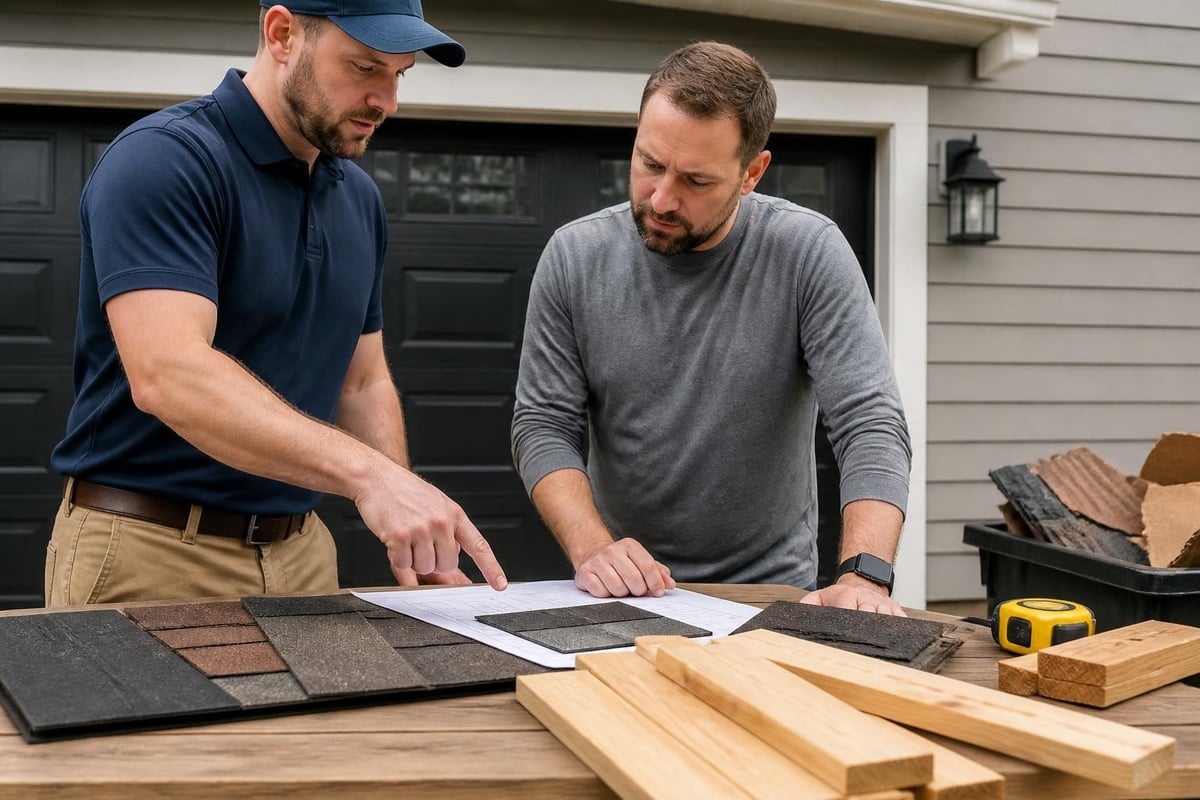
Material selection represents 40-50% of the total garage roof replacement cost. Each roofing material offers distinct price points, lifespans, and performance characteristics.
Asphalt Shingles
Asphalt shingles remain the most economical and popular choice for garage roofs. Three-tab shingles cost $90-$150 per square (100 square feet) installed, while architectural shingles range from $120-$250 per square.
For a 400-square-foot two-car garage (4 squares), material costs break down as follows:
| Shingle Type | Material Cost per Square | Total Material (4 squares) | Expected Lifespan |
|---|---|---|---|
| Three-tab | $90-$150 | $360-$600 | 15-20 years |
| Architectural | $120-$250 | $480-$1,000 | 25-30 years |
| Premium/Designer | $200-$400 | $800-$1,600 | 30-50 years |
Asphalt roofing shingles provide excellent waterproofing and come in numerous color options to match your home's aesthetic. The material versatility makes asphalt suitable for most garage roof pitches and configurations.
Metal Roofing
Metal roofing costs $300-$600 per square installed, making it 2-3 times more expensive than asphalt initially. However, metal roofs last 40-70 years and require minimal maintenance.
For a 400-square-foot garage, expect material costs of $1,200-$2,400. Standing seam metal panels deliver superior durability and weather resistance, while corrugated metal offers a budget-friendly alternative at the lower end of the price range.
Flat Roof Membranes
Detached garages often feature low-slope or flat roofs requiring membrane systems. TPO (thermoplastic polyolefin) costs $150-$250 per square installed, while EPDM rubber runs $120-$200 per square. Modified bitumen systems fall in the $180-$280 range.
These materials suit garages with minimal pitch and provide reliable waterproofing for 15-25 years depending on the membrane type and installation quality.
Labor and Installation Costs
Professional labor typically accounts for 50-60% of the garage roof replacement cost. Roofing contractors charge either by the square or quote a flat project rate based on complexity.
Average labor rates in 2026 range from $150 to $300 per square for asphalt shingle installation. Metal roofing labor runs higher at $200-$400 per square due to specialized installation requirements.
Hourly rates vary by region and contractor experience. Expect $50-$100 per hour for roofing labor in most markets, with crews completing a standard two-car garage roof in 1-2 days.
Labor costs increase when projects involve:
- Steep roof pitches requiring additional safety equipment
- Multiple roof planes or complex geometries
- Limited accessibility or challenging site conditions
- Structural repairs discovered during tear-off
- Code-required upgrades to ventilation or decking
Additional Cost Factors
Beyond materials and labor, several supplementary expenses contribute to the total garage roof replacement cost.
Tear-Off and Disposal
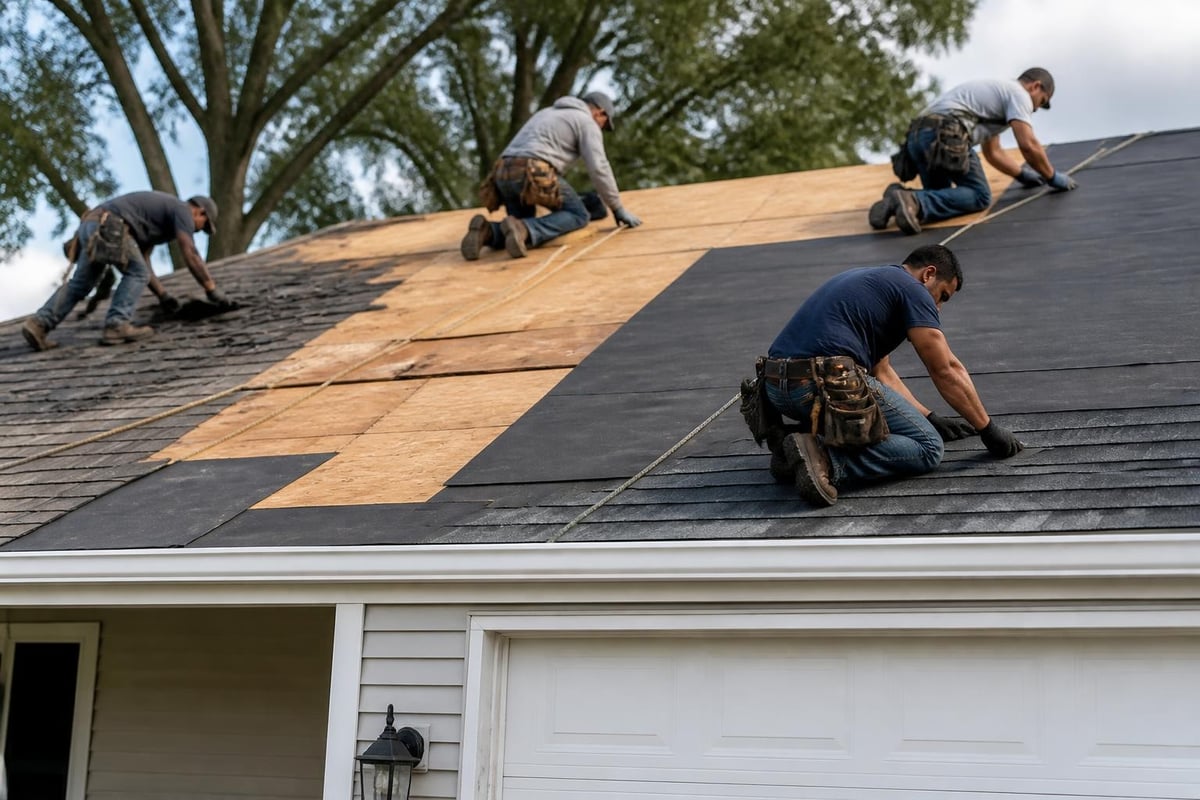
Removing existing roofing adds $100-$150 per square to project costs. A two-car garage generates 1-2 tons of roofing debris, with disposal fees ranging from $200-$500 depending on local landfill rates and haul distance.
Some contractors include tear-off and disposal in their base quotes, while others itemize these separately. Always clarify what's included in written estimates.
Roof Decking Replacement
Damaged or deteriorated decking requires replacement before new roofing installation. Plywood or OSB sheathing costs $45-$75 per sheet, with labor adding another $30-$50 per sheet installed.
Expect to replace 10-30% of decking on older garages, adding $300-$1,200 to project totals. Water damage, rot, or structural inadequacies discovered during tear-off necessitate these repairs.
Permits and Inspections
Building permits cost $150-$500 for most garage reroofing projects. Municipalities require permits to ensure code compliance, proper installation, and structural adequacy.
Inspection fees typically bundle with permit costs, though some jurisdictions charge separately. Working without permits risks fines and complications during future property sales.
Ventilation and Upgrades
Proper attic ventilation extends roof lifespan and improves energy efficiency. Ridge vents cost $5-$8 per linear foot installed, while soffit vents run $3-$6 per linear foot.
Budget $300-$800 for ventilation improvements if your garage requires code-required upgrades. ENERGY STAR guidance recommends adequate ventilation to reduce cooling costs and prevent moisture accumulation.
Detached vs. Attached Garage Considerations
The garage roof replacement cost differs between detached and attached structures due to access, material matching, and complexity factors.
Detached garages often cost less per square foot because contractors can work from all sides without navigating around the main house. However, standalone structures may require complete material purchases without leftovers from the house roof.
Attached garages must match the main residence's roofing material and color for aesthetic consistency. This matching requirement sometimes limits material choices or necessitates special orders, potentially increasing costs by 10-20%.
Attached garage roofs also integrate with house roofing systems, requiring careful flashing at connection points. This additional detail work adds labor hours and complexity to installations.
Ways to Reduce Garage Roof Replacement Cost
Strategic planning and informed choices help control garage roof replacement expenses without compromising quality.
Timing and Scheduling
Schedule projects during contractor off-peak seasons (late fall through early spring in many regions) when competition for work is lower. Some contractors offer 10-15% discounts during slower periods.
Bundle garage reroofing with your main house if both need replacement. Contractors often provide package pricing that reduces per-square costs when completing larger projects.
Material Selection
Choose cost-effective materials that meet your durability requirements without unnecessary premium features. Three-tab asphalt shingles deliver adequate protection for most garages at the lowest price point.
For detached garages not visible from the street, prioritize function over aesthetics to maximize value. Architectural shingles make sense when appearance matters or you need extended warranty coverage.
Scope Management
Handle preparatory work yourself if you're capable. Clearing the garage interior, relocating stored items, and trimming overhanging branches reduces contractor time and associated labor charges.
Obtain multiple detailed estimates from licensed, insured contractors. Consumer Reports’ roofing guidance recommends at least three quotes to establish fair market pricing and identify outliers.
Overlay vs. Tear-Off
In limited cases where building codes permit and only one existing roof layer is present, an overlay (installing new shingles over old) costs 30-40% less than complete tear-off. However, overlays hide potential decking problems, add weight, and typically void manufacturer warranties.
Most professionals and building officials discourage overlays. The short-term savings rarely justify the long-term risks and reduced performance.
When Replacement Makes More Sense Than Repair
Determining whether to replace or repair a garage roof affects both immediate costs and long-term value. Several indicators suggest replacement represents the better investment.
Age and lifespan: Roofs approaching or exceeding their expected lifespan (15-20 years for three-tab shingles, 25-30 years for architectural shingles) should be replaced rather than repeatedly repaired.
Extent of damage: When repairs exceed 25-30% of the roof area, replacement becomes more cost-effective. Patching multiple sections creates an inconsistent appearance and doesn't address underlying deterioration.
Energy efficiency goals: Replacing your roof provides opportunities to upgrade insulation, improve ventilation, and install energy-efficient materials that reduce long-term operating costs.
Professional roof replacement ensures comprehensive protection and often includes warranties covering both materials and workmanship. For homeowners investing in their property's longevity, roof replacement services address not just surface issues but underlying structural concerns that impact the entire garage system.
| Repair Scenario | Typical Cost | Replacement Scenario | Typical Cost |
|---|---|---|---|
| Small leak patch | $200-$500 | Full asphalt reroof (2-car) | $3,500-$6,500 |
| Flashing repair | $300-$800 | Full metal reroof (2-car) | $5,000-$10,000 |
| Shingle section | $400-$1,200 | Flat membrane system (2-car) | $2,800-$5,500 |
| Multiple patches | $800-$2,000 | Complete tear-off + premium | $6,000-$12,000 |
Regional Cost Variations
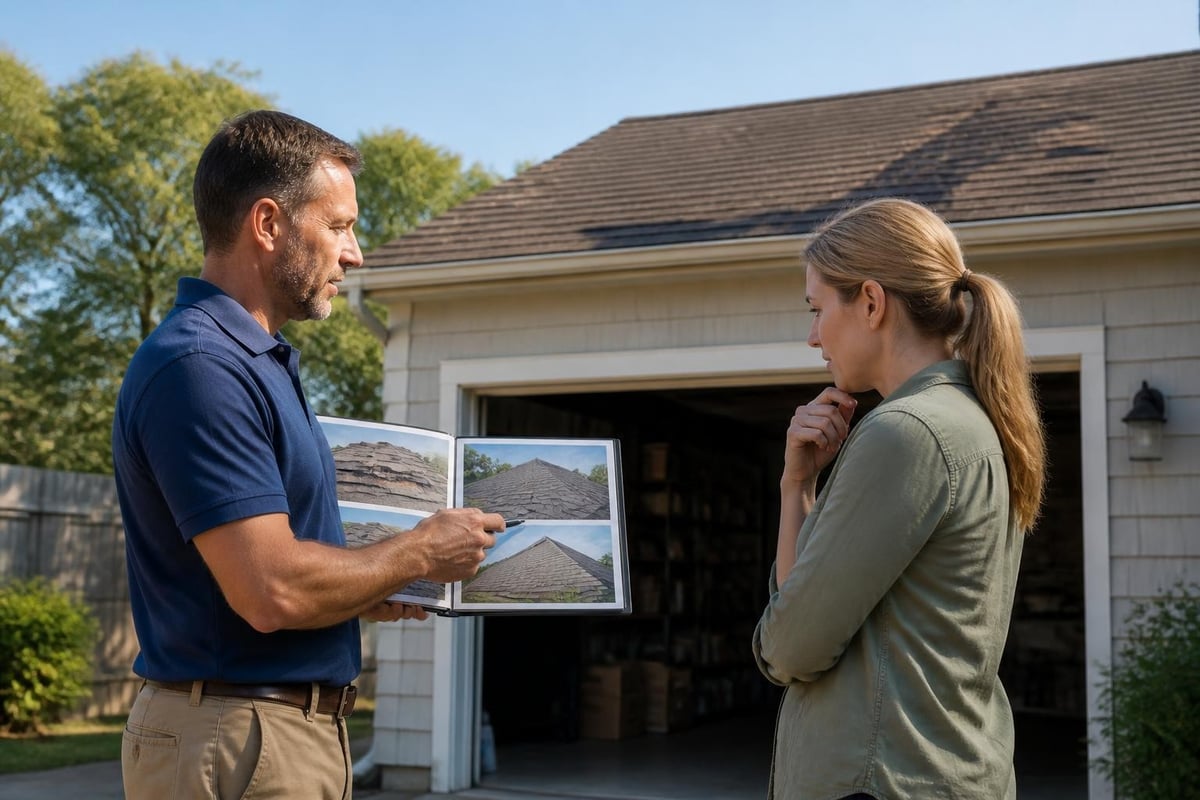
Geographic location substantially impacts garage roof replacement cost through labor rates, material availability, and code requirements.
High-cost metropolitan markets (Los Angeles, San Francisco, New York, Boston) see prices 25-40% above national averages. A standard two-car garage costing $4,500 nationally might run $5,600-$6,300 in these areas.
Moderate-cost regions (Dallas, Atlanta, Phoenix, Seattle) typically align with national averages or run 5-15% higher. The same garage would cost $4,700-$5,200 in these markets.
Lower-cost areas (rural Midwest, smaller Southern cities) often see prices 10-20% below national averages, bringing the two-car garage to $3,600-$4,100.
Transportation costs for materials, local competition among contractors, and regional building code stringency all contribute to these variations. Always obtain local estimates rather than relying solely on national averages when budgeting your project.
Contractor Selection and Estimates
Choosing the right contractor significantly influences both garage roof replacement cost and project outcomes. Quality installations prevent costly callbacks and ensure long-term performance.
Qualification Verification
Confirm contractors hold current licenses, liability insurance, and workers' compensation coverage. Request certificates of insurance and verify them directly with insurance carriers.
Check references from recent projects similar in scope to your garage. Industry guidance from the NRCA emphasizes verifying contractor credentials before signing contracts.
Estimate Components
Comprehensive estimates should itemize:
- Material specifications (brand, type, grade, color)
- Labor costs separated from materials
- Tear-off and disposal fees
- Permits and required inspections
- Warranty coverage details
- Project timeline and payment schedule
Be wary of estimates significantly below competitors (20%+ lower) or those lacking detail. These often indicate missing work scope, inferior materials, or uninsured operators.
Contract Essentials
Formal written contracts protect both parties and establish clear expectations. Essential elements include:
- Detailed work scope and specifications
- Total cost with payment schedule
- Start and completion dates
- Warranty terms for materials and workmanship
- Cleanup and disposal responsibilities
- Change order procedures
Never pay the full amount upfront. Standard practice involves 10-25% deposit, progress payments at milestones, and final payment upon satisfactory completion and inspection.
Insurance and Warranty Considerations
Insurance coverage and product warranties affect both immediate garage roof replacement cost and long-term financial protection.
Homeowners Insurance
Standard homeowners policies cover roof damage from covered perils (wind, hail, fire) but exclude wear and tear. If storm damage necessitates replacement, insurance may cover most costs after your deductible.
Document damage thoroughly with photos and obtain professional assessments. Insurance industry research shows that impact-resistant roofing materials can reduce premiums by 5-20% in some markets.
Manufacturer Warranties
Material warranties range from 20 years (basic three-tab shingles) to lifetime (premium architectural products). These warranties typically cover manufacturing defects but require proper installation by certified contractors.
Enhanced warranties often cost 10-15% more but include coverage for algae resistance, wind damage, and accelerated weathering. Evaluate whether extended coverage justifies the additional expense based on your climate and exposure.
Workmanship Warranties
Contractor workmanship warranties cover installation defects and typically run 1-10 years. Premium contractors offering longer coverage demonstrate confidence in their work quality.
Ensure workmanship warranties transfer to new owners if you plan to sell your property. Transferable warranties add value and provide selling points during real estate transactions.
Long-Term Value and ROI
While garage roof replacement cost represents significant upfront investment, the project delivers tangible returns through protection, efficiency, and property value.
Protection value: A sound garage roof prevents water damage to stored vehicles, tools, equipment, and the structure itself. Avoiding one major leak repair ($2,000-$8,000) offsets a substantial portion of replacement cost.
Energy efficiency: Properly ventilated and insulated garage roofs reduce heat transfer to attached living spaces. In Los Angeles and similar climates, this can lower cooling costs by $100-$300 annually.
Property value: Real estate professionals estimate that garage roof replacement returns 60-70% of its cost in increased property value. A $5,000 garage roof project typically adds $3,000-$3,500 to sale price.
Insurance benefits: Newer roofs qualify for better insurance rates and improved coverage terms. Some carriers offer 10-25% discounts for roofs less than 10 years old with impact-resistant materials.
Calculate total ownership costs over the roof's lifespan rather than focusing solely on initial installation expenses. A $6,000 asphalt roof lasting 25 years costs $240 annually, while a $9,000 metal roof lasting 50 years costs just $180 annually.
Seasonal Factors Affecting Cost
Project timing influences both garage roof replacement cost and installation quality through weather conditions and contractor availability.
Spring and summer (April-September) represent peak roofing season when demand is highest. Contractors charge premium rates during these months, and scheduling lead times extend to 4-8 weeks in busy markets.
Fall (October-November) offers ideal installation weather with moderate temperatures and typically dry conditions. Costs often drop 5-10% as contractors seek to fill schedules before winter slowdowns.
Winter (December-March) brings the lowest prices but weather-related challenges. Cold temperatures affect shingle adhesion and sealant performance, though experienced contractors work through mild winter periods in temperate climates like Los Angeles.
Late winter/early spring (February-March) provides a sweet spot with lower rates as contractors ramp up for busy season while weather improves. Book early to secure preferred contractors at off-season pricing.
Weather delays are common regardless of season. Build 1-2 weeks of buffer into your project timeline to accommodate unexpected conditions without rushing installation quality.
Understanding garage roof replacement cost components enables informed budgeting and smart material selection for your project. From material choices and labor factors to timing strategies and contractor selection, each decision impacts both upfront investment and long-term value. Whether you need to reroof a single-car detached garage or a three-car attached structure, professional installation ensures lasting protection and performance. Proof Your Roof serves Los Angeles and surrounding areas with expert garage and residential roofing services, providing detailed estimates, quality materials, and skilled installation backed by comprehensive warranties. Contact us today for a free consultation and discover how we can protect your garage investment with professional roofing solutions tailored to your needs and budget.