
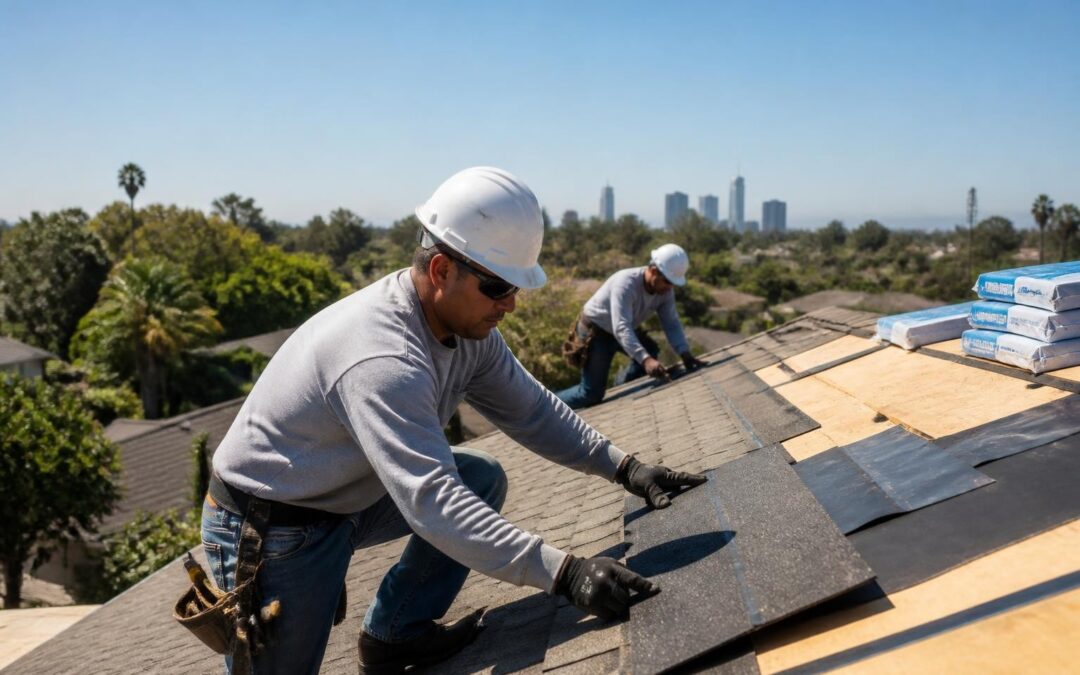
Roofing works encompass far more than simply placing shingles on a structure. These critical construction activities protect buildings from weather, enhance energy efficiency, and contribute significantly to property value. Whether you're planning a new installation, considering replacement options, or managing ongoing maintenance, understanding the scope and complexity of roofing works ensures better decisions and outcomes. In 2026, property owners across Los Angeles and surrounding areas face evolving building codes, advancing material technologies, and changing climate considerations that make professional expertise more valuable than ever.
Understanding the Scope of Roofing Works
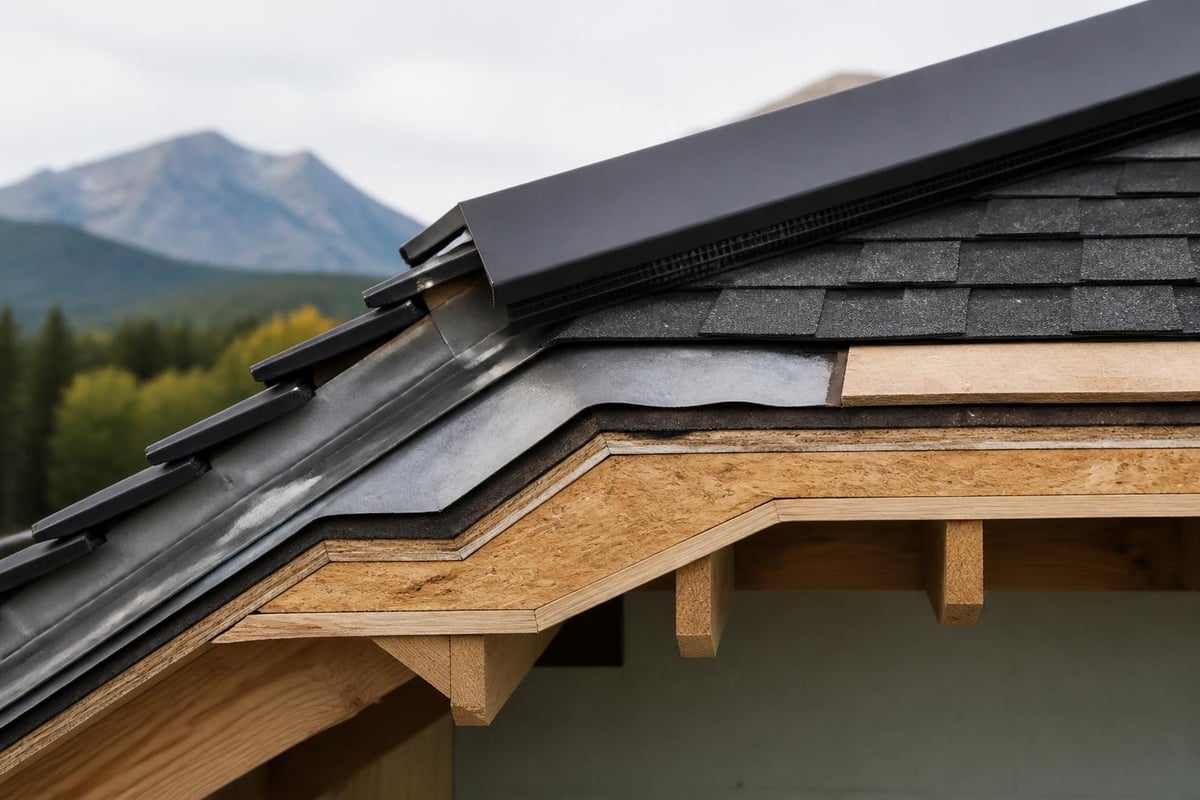
Modern roofing works involve multiple interconnected systems that work together to protect your property. The visible surface material represents just one component of a comprehensive roof assembly. Understanding these layers helps property owners make informed decisions about their roofing projects.
Primary Components of Roof Systems
A complete roof system typically includes several essential elements:
- Structural decking that provides the foundation for all other layers
- Underlayment serving as a secondary water barrier
- Primary roofing material such as shingles, tiles, or metal panels
- Flashing around penetrations, valleys, and edges
- Ventilation systems that regulate attic temperature and moisture
- Drainage components including gutters and downspouts
Each component plays a vital role in the overall performance of your roof. The International Code Council’s 2024 updates have introduced new requirements for several of these elements, particularly regarding wind resistance and fire ratings in different climate zones.
Different Types of Roofing Works
Roofing works fall into distinct categories, each with specific requirements and timelines:
- New installation projects on newly constructed buildings
- Complete replacement of existing roof systems
- Repair work addressing localized damage or leaks
- Maintenance services including inspections and preventive care
- Retrofitting and upgrades to improve performance or efficiency
The approach, materials, and timeline vary significantly depending on the type of work required. New installations offer the opportunity to incorporate the latest technologies and materials, while replacement projects must often work within existing structural constraints.
Material Selection for Roofing Works
Choosing the right materials represents one of the most consequential decisions in any roofing project. Los Angeles's unique climate-characterized by intense UV exposure, minimal rainfall, and occasional extreme weather events-demands careful material consideration.
Popular Roofing Materials in 2026
| Material Type | Expected Lifespan | Best For | Climate Suitability |
|---|---|---|---|
| Asphalt Shingles | 20-30 years | Budget-conscious projects | Good for most climates |
| Clay Tiles | 50-100 years | Mediterranean aesthetics | Excellent for hot, dry regions |
| Metal Roofing | 40-70 years | Durability and efficiency | Outstanding in all conditions |
| Concrete Tiles | 40-50 years | Fire resistance | Very good for Southern California |
Each material brings distinct advantages and considerations. The NRCA’s Roofing Guidelines provide comprehensive technical specifications for proper installation of various roofing materials, ensuring work meets industry standards.
Energy Efficiency Considerations
Energy-efficient roofing works have become increasingly important as utility costs rise and environmental concerns grow. Cool roofing technologies can significantly reduce cooling costs in Los Angeles's climate. According to ENERGY STAR’s cool roof guidance, reflective roofing materials can lower roof surface temperatures by up to 50°F compared to traditional materials.
Property owners should consider:
- Solar reflectance index (SRI) ratings for different materials
- Thermal emittance properties that affect heat transfer
- Long-term energy savings versus initial investment
- Local rebates and incentives for energy-efficient installations
The right material choice balances upfront costs, longevity, maintenance requirements, and energy performance to deliver optimal value over the roof's lifetime.
Planning and Preparation for Roofing Works
Successful roofing works begin long before the first shingle is removed or installed. Thorough planning ensures projects stay on schedule, within budget, and meet all regulatory requirements.
Essential Pre-Project Steps
Before roofing works commence, several critical activities must occur:
- Comprehensive roof inspection to assess current conditions
- Structural evaluation to verify decking integrity
- Permit acquisition from local building departments
- Material selection and ordering with appropriate lead times
- Scheduling coordination accounting for weather and contractor availability
- Site preparation including protecting landscaping and establishing access routes
Los Angeles County and surrounding municipalities have specific permitting requirements for roofing works. These regulations ensure work meets fire safety standards, seismic requirements, and energy codes applicable to California construction.
Budget Planning for Roofing Projects
Developing a realistic budget prevents surprises and ensures quality work. Comprehensive roofing works costs typically include:
- Material expenses for all roof system components
- Labor costs for skilled installation crews
- Permit and inspection fees required by local authorities
- Disposal costs for old roofing materials
- Contingency funds for unexpected structural repairs
Smart property owners allocate 10-15% beyond the base estimate for contingencies. Hidden damage discovered during tear-off is common, particularly in older structures. The EPA’s guidance on construction material management provides valuable information on recycling asphalt shingles and managing waste responsibly.

Installation Best Practices
Quality roofing works depend on adherence to manufacturer specifications and industry best practices. Proper installation techniques protect your investment and ensure warranty coverage remains valid.
Critical Installation Standards
Professional roofing works follow established protocols at every stage. The ASTM roofing standards define performance requirements and testing methods for roofing materials, providing objective benchmarks for quality.
Underlayment Installation Requirements:
- Proper overlap at seams (typically 6 inches minimum)
- Secure fastening at specified intervals
- Appropriate material selection for roof slope
- Special consideration around penetrations and valleys
Primary Material Application:
- Correct fastener type, length, and placement
- Proper alignment and spacing
- Adequate overlap following manufacturer specifications
- Weather-appropriate installation temperatures
Ventilation and Moisture Management
Effective ventilation represents one of the most overlooked aspects of roofing works. Inadequate airflow leads to premature material failure, energy waste, and moisture damage. Building Science Corporation’s research on roof ventilation demonstrates how proper design prevents condensation and extends roof life.
Balanced ventilation systems require:
- Intake vents at soffits or low on the roof
- Exhaust vents at the ridge or high points
- Adequate net free area calculated based on attic space
- Unobstructed airflow paths through the attic
Los Angeles's climate generally favors vented roof assemblies, though unvented designs can work with proper insulation and vapor control strategies.
Weather Resistance and Durability
Roofing works must address specific climate challenges to ensure long-term performance. Southern California's weather patterns demand particular attention to wind resistance, fire safety, and UV degradation.
Wind and Impact Resistance
While Los Angeles doesn't experience hurricanes, Santa Ana winds can generate significant uplift forces on roof systems. The IBHS Roof 101 guidance provides research-based recommendations for wind-resistant roofing works.
High-performance roofing works incorporate:
- Enhanced fastening patterns in perimeter zones
- Sealed shingle tabs on asphalt installations
- Proper edge metal attachment to resist uplift
- Impact-resistant materials rated for hail exposure
Properties in wildfire-prone areas require Class A fire-rated materials. Many traditional roofing products now meet these stringent requirements while maintaining aesthetic appeal.
UV Degradation Protection
California's intense sunlight accelerates roofing material degradation. Quality roofing works account for UV exposure through material selection and protective measures:
| Protection Strategy | Application | Effectiveness |
|---|---|---|
| UV-resistant granules | Asphalt shingles | High |
| Reflective coatings | Metal and tile | Very high |
| Quality underlayment | All systems | Moderate |
| Regular maintenance | All materials | Essential |
Materials specifically formulated for high-UV environments maintain their integrity and appearance longer than standard products.
Maintenance and Inspection Programs
Completed roofing works require ongoing attention to achieve their expected lifespan. Regular maintenance identifies small issues before they become expensive problems.
Recommended Maintenance Schedule
Proactive property owners follow a structured maintenance calendar:
Annual inspections should occur twice yearly:
- Spring inspection after winter weather
- Fall inspection before rainy season
Immediate attention required for:
- Storm damage assessment
- Leak detection and repair
- Flashing evaluation
- Gutter cleaning and drainage verification
Professional inspections provide objective assessments and documentation for insurance and warranty purposes. Many roofing contractors offer maintenance programs that include regular inspections and minor repairs.
Common Issues Requiring Repair
Even quality roofing works eventually need repairs. Recognizing problems early prevents secondary damage:
- Missing or damaged shingles from wind or age
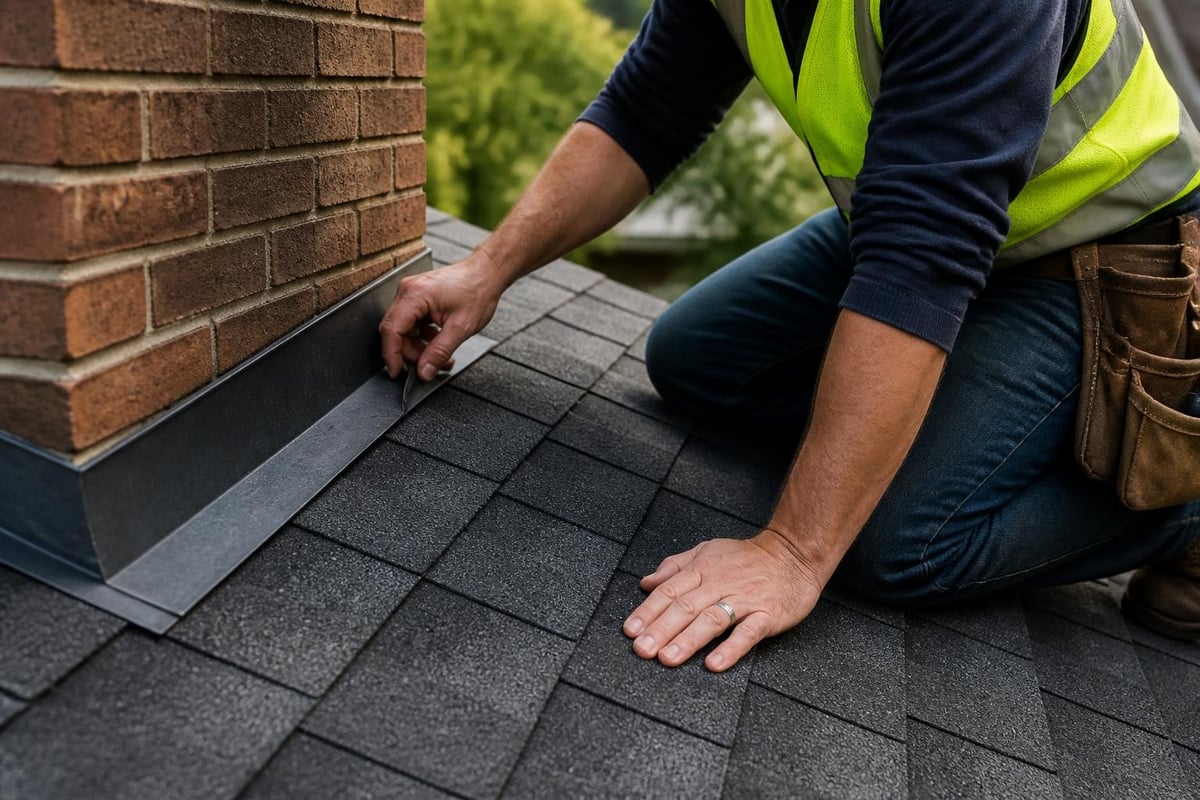
- Flashing failures around chimneys and penetrations
- Ponding water indicating drainage problems
- Granule loss on asphalt shingles suggesting age
- Cracked tiles from foot traffic or debris impact
Professional roof repairs address these issues promptly, preventing water intrusion that can damage insulation, framing, and interior finishes. Quality repair work matches existing materials and follows the same installation standards as the original roofing works.
Contractor Selection and Project Management
Choosing the right contractor determines whether roofing works meet expectations. Los Angeles has numerous roofing companies, but qualifications and reliability vary significantly.
Evaluating Roofing Contractors
Thorough vetting protects property owners from substandard work:
Essential contractor credentials:
- Active California contractor's license (C-39 classification)
- Current general liability insurance
- Workers' compensation coverage
- Manufacturer certifications for installed products
- Verifiable local references
Red flags to avoid:
- Requests for full payment upfront
- Lack of physical business address
- Absence of written warranties
- Pressure tactics or limited-time offers
- Unwillingness to provide references
Reputable contractors provide detailed written estimates, explain the scope of work clearly, and maintain open communication throughout the project.
Understanding Warranties and Guarantees
Roofing works typically include multiple warranty types:
- Manufacturer's material warranty covering defects in products
- Contractor's workmanship warranty guaranteeing proper installation
- System warranties when using complete manufacturer systems
- Extended warranties available for premium products
Read warranty terms carefully. Many require regular professional inspections and prohibit unauthorized repairs. Understanding coverage limitations prevents disappointment when issues arise.
Sustainable and Green Roofing Practices
Modern roofing works increasingly incorporate sustainable practices that benefit both property owners and the environment. Green roofing solutions offer long-term value beyond basic weather protection.
Recycling and Waste Reduction
Responsible roofing works minimize environmental impact through proper waste management. Asphalt shingle recycling programs divert millions of tons of material from landfills annually. Recycled shingles find new life in asphalt paving and other applications.
Contractors committed to sustainability:
- Sort materials for recycling at the job site
- Use recyclable underlayment products
- Minimize packaging waste
- Transport debris efficiently
- Document recycling for LEED and other green building programs
Solar Integration
Roofing works present ideal opportunities to incorporate solar energy systems. Coordinating roof replacement with solar panel installation creates synergies:
- Roof structure receives single inspection and permit
- Panels install on new, warranted roofing
- Electrical penetrations integrate during construction
- Long-term roof and solar lifespans align
Solar-ready roofing works include reinforced areas for equipment mounting and conduit pathways planned during installation rather than added later.
Regional Considerations for Los Angeles
Los Angeles's diverse microclimates and regulatory environment create unique requirements for roofing works. Coastal properties face different challenges than inland or mountain locations.
Climate Zone Variations
Southern California encompasses multiple climate zones affecting roofing decisions:
Coastal regions experience:
- Salt air corrosion concerns
- Marine layer moisture
- Moderate temperatures
- Higher winds near shore
Inland valleys encounter:
- Extreme summer heat
- Greater temperature swings
- Lower humidity
- Intense UV exposure
Mountain communities face:
- Snow loads (occasional)
- Freeze-thaw cycles
- High winds
- Fire hazard exposure
Successful roofing works account for these location-specific factors through appropriate material selection and installation techniques.
Local Building Code Compliance
Los Angeles County and incorporated cities adopt California Building Code with local amendments. Roofing works must comply with:
- Title 24 energy efficiency requirements
- Fire hazard severity zone restrictions
- Seismic considerations for tile and heavy materials
- Wind exposure classifications by location
- Historic district guidelines where applicable
Licensed contractors stay current with code changes and ensure roofing works meet all applicable requirements. Proper permitting protects property owners from compliance issues during future sales or insurance claims.
Future Trends in Roofing Works
The roofing industry continues evolving with new technologies and materials emerging regularly. Understanding upcoming trends helps property owners make forward-looking decisions.
Technology Integration
Smart roofing systems incorporate sensors and monitoring equipment:
- Moisture sensors detect leaks before visible damage occurs
- Temperature monitoring optimizes ventilation and energy use
- Weather stations provide hyperlocal data
- Structural monitors track movement and stress
These technologies transform roofing works from passive protection to active building management systems.
Advanced Materials
Research continues producing enhanced roofing products:
- Self-healing materials that seal minor damage automatically
- Photocatalytic coatings that reduce air pollution
- Enhanced reflectivity products exceeding current cool roof standards
- Recycled content materials with performance matching virgin products
- Longer warranty products backed by improved formulations
Early adopters of proven technologies gain performance advantages while supporting industry innovation.
Quality roofing works require expertise, planning, and attention to detail that property owners simply cannot achieve through DIY approaches or discount contractors. Whether you're considering a complete replacement, need reliable repairs, or want to establish a preventive maintenance program, Proof Your Roof brings decades of experience to residential and commercial properties throughout Los Angeles and surrounding areas. Our commitment to quality materials, proper installation techniques, and customer education ensures your roofing investment delivers lasting protection and value.