
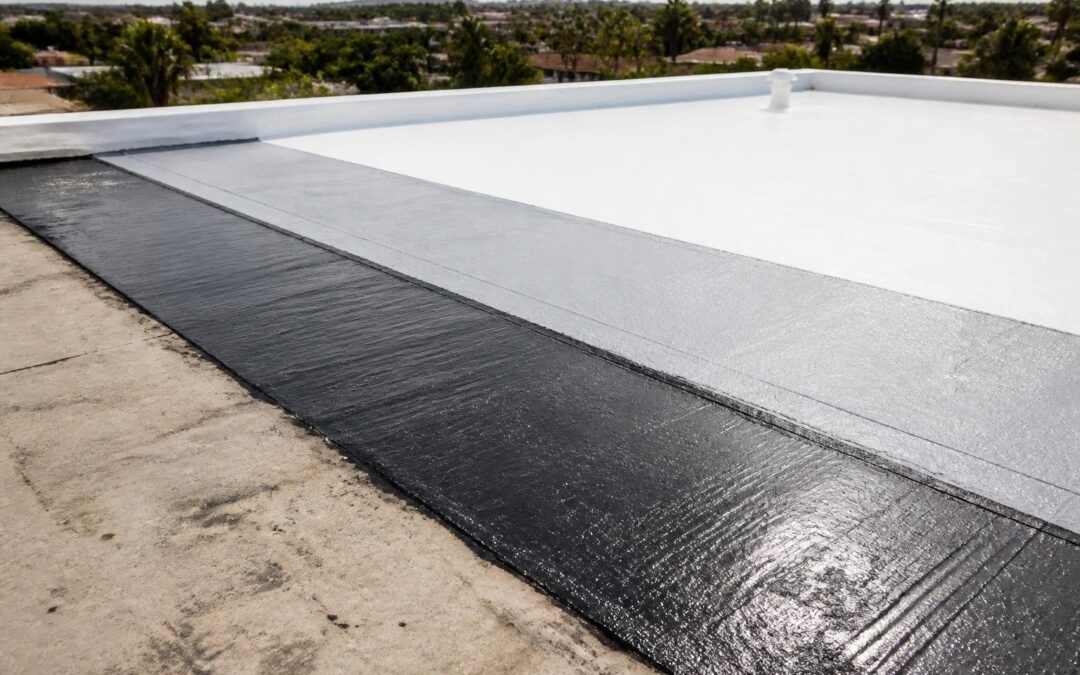
Water intrusion represents one of the most destructive forces threatening residential and commercial properties across Los Angeles and surrounding areas. A properly waterproofed roof system protects your investment, prevents costly interior damage, and extends the lifespan of your entire structure. Professional roof waterproofing services provide comprehensive solutions that go beyond basic installation, incorporating advanced materials, proven techniques, and ongoing maintenance protocols designed to keep moisture out for decades. Understanding the fundamentals of roof waterproofing, recognizing when your property needs intervention, and selecting the right service provider can save thousands in repair costs while ensuring long-term structural integrity.
Understanding Roof Waterproofing Fundamentals
Roof waterproofing services encompass far more than simply applying a coating to your existing roof surface. These specialized services create multi-layered barrier systems engineered to prevent water penetration under various environmental stresses including heavy rainfall, ponding water, wind-driven rain, and thermal expansion cycles.
The science behind effective waterproofing relies on creating continuous, unbroken barriers that redirect water away from vulnerable areas. Unlike water-resistant materials that slow moisture penetration, true waterproofing systems create impermeable shields. Professional contractors evaluate substrate conditions, climate factors, roof geometry, and building usage patterns before recommending specific waterproofing strategies.
Key Components of Professional Waterproofing Systems
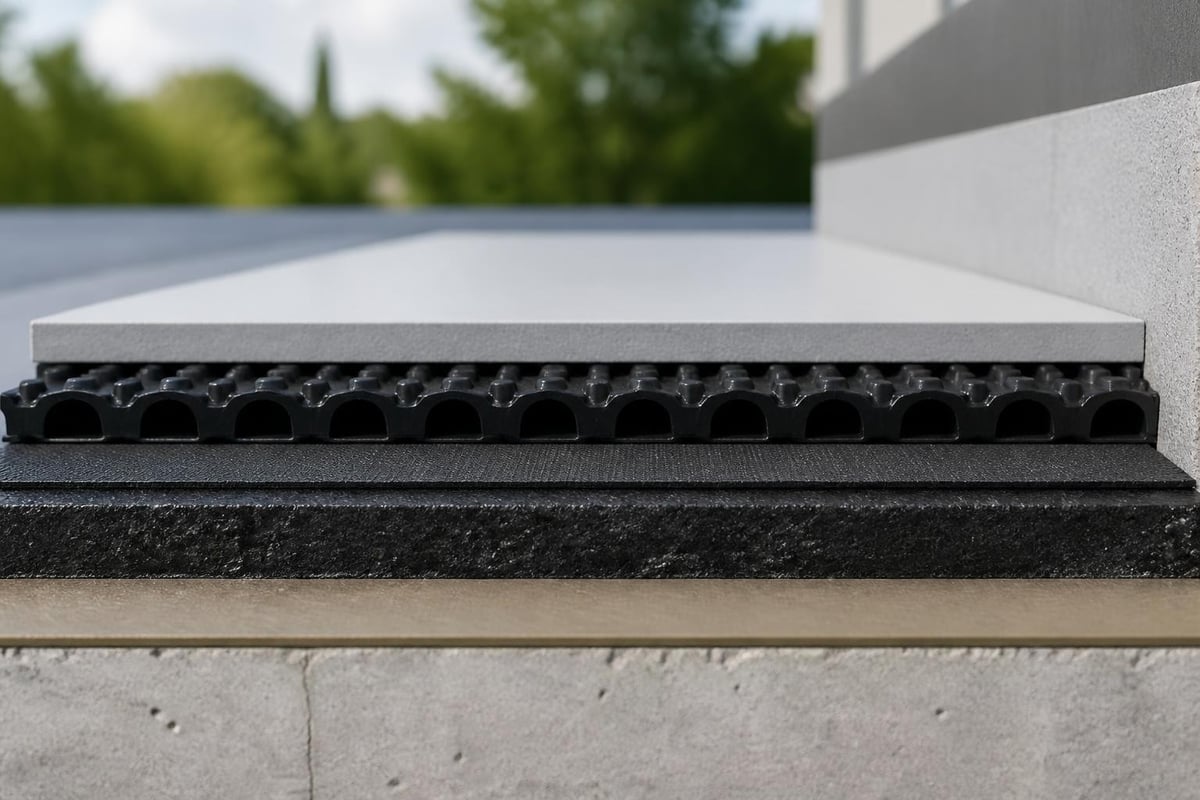
Modern roof waterproofing services integrate multiple protective layers working together as a cohesive system:
- Primary waterproofing membranes (liquid-applied, sheet-applied, or spray-applied systems)
- Flashing assemblies protecting transitions, penetrations, and terminations
- Drainage components ensuring proper water evacuation
- Protective surfacing shielding membranes from UV degradation and mechanical damage
- Quality control measures verifying installation integrity
Each component plays a critical role in overall system performance. The NRCA’s Roofing Guidelines provide detailed technical specifications for proper integration of these elements across various roof types and configurations.
Common Waterproofing Methods and Materials
Professional roof waterproofing services employ various methodologies depending on roof type, slope, exposure, and budget considerations. Selecting the optimal approach requires balancing performance requirements, longevity expectations, and cost parameters.
Liquid-Applied Membrane Systems
Liquid waterproofing creates seamless, monolithic barriers ideal for complex roof geometries with numerous penetrations. Contractors spray or roll liquid compounds directly onto prepared substrates, forming continuous membranes without seams or joints that typically represent vulnerability points.
Primary advantages include:
- Complete coverage around complex details
- Self-flashing properties at penetrations
- Excellent adhesion to various substrates
- Easy inspection and repair access
- Minimal seam-related failures
These systems cure to form flexible, elastomeric membranes that accommodate structural movement and thermal cycling. ASTM’s Roofing Standards collection establishes performance benchmarks for liquid-applied waterproofing materials including tensile strength, elongation, and permeability requirements.
Sheet-Applied Waterproofing Membranes
Modified bitumen, synthetic rubber (EPDM), and thermoplastic (TPO/PVC) sheet membranes provide proven waterproofing solutions with established track records. Roof waterproofing services using sheet systems involve careful surface preparation, precise membrane placement, proper seam welding or adhesion, and detailed flashing integration.
| Membrane Type | Primary Benefits | Typical Lifespan | Best Applications |
|---|---|---|---|
| Modified Bitumen | Excellent puncture resistance, easy repair | 15-20 years | Low-slope commercial roofs |
| EPDM | Cost-effective, proven performance | 20-25 years | Simple roof geometries |
| TPO | Heat-reflective, energy efficient | 15-20 years | Commercial buildings |
| PVC | Chemical resistant, welded seams | 20-30 years | Restaurants, facilities with grease exposure |
Spray Polyurethane Foam (SPF) Waterproofing
SPF systems combine waterproofing with insulation benefits, making them particularly attractive for energy-conscious property owners. Professional contractors spray expanding foam directly onto existing roof surfaces, creating seamless insulation layers topped with protective elastomeric coatings that provide waterproofing functionality.
This approach works exceptionally well for retrofit applications where adding insulation value alongside waterproofing delivers dual benefits. The closed-cell foam structure inherently resists water penetration while the protective coating layer shields against UV degradation and weather exposure.
Critical Waterproofing Details and Vulnerable Areas
Even the highest-quality waterproofing membranes fail without proper attention to critical details where different building elements intersect. Professional roof waterproofing services dedicate significant effort to these transitional zones that statistically account for over 80% of roof leaks.
Flashing and Termination Details
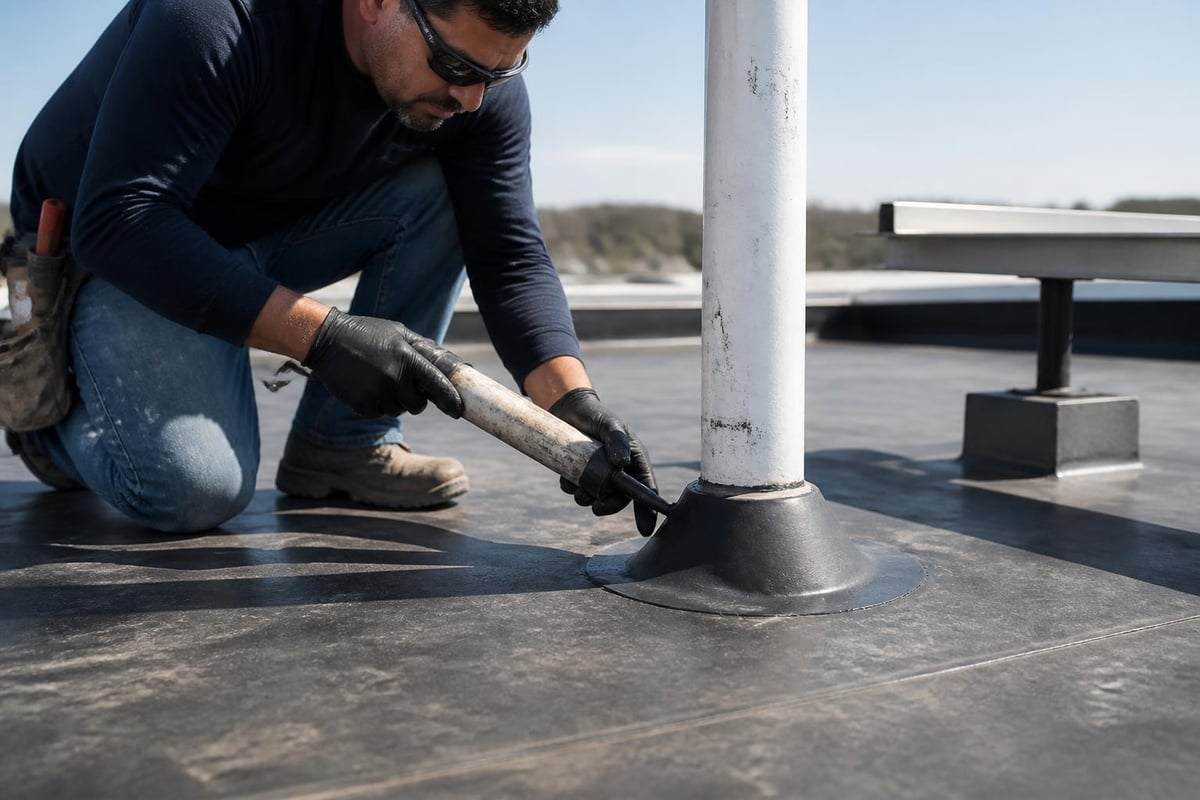
Proper flashing represents the cornerstone of effective waterproofing. These specialized components bridge transitions between horizontal roof surfaces and vertical elements including walls, curbs, equipment supports, and roof penetrations.
Building Science Corporation provides technical guidance on rain control principles and flashing details critical for preventing water intrusion at these vulnerable junctions. Missing or improperly installed flashing creates direct pathways for water entry regardless of primary membrane quality.
Essential flashing locations include:
- Parapet walls and roof edges
- Plumbing vents and exhaust stacks
- HVAC equipment curbs and supports
- Skylights and roof hatches
- Expansion joints and control joints
- Valley intersections on sloped roofs
Penetration Management
Every pipe, conduit, antenna mount, or structural element passing through the roof plane represents a potential leak point. Professional waterproofing services employ specialized techniques including pitch pans, boot assemblies, and custom fabricated flashings to seal these penetrations.
The integration between primary waterproofing membranes and penetration flashings requires precise overlap dimensions, proper adhesive application, and reinforcement at stress concentration points. Quality contractors follow manufacturer specifications and industry standards to ensure watertight performance.
Drainage and Water Management Considerations
Effective roof waterproofing services extend beyond creating impermeable barriers to include comprehensive water management strategies. Even perfectly waterproofed roofs require proper drainage design to prevent ponding water that accelerates membrane degradation and creates excessive structural loading.
Slope Requirements and Drainage Pathways
Building codes typically mandate minimum roof slopes to facilitate drainage, though these minimums represent bare thresholds rather than optimal design targets. Professional waterproofing projects evaluate existing drainage patterns, identify low spots where water accumulates, and implement corrective measures.
Drainage optimization strategies include:
- Installing tapered insulation systems to create positive slope
- Adding supplemental drains in ponding areas
- Enlarging existing drain openings for increased capacity
- Implementing scupper and overflow drain systems
- Creating cricket assemblies to divert water around equipment
The GSA P100 Facilities Standards establish federal baseline requirements for roof drainage, ponding prevention, and durability that inform best practices across the roofing industry.
Green Roof Waterproofing Considerations
Green or vegetated roof systems require specialized waterproofing approaches that accommodate root penetration risks, extended moisture exposure, and additional structural loading. The U.S. EPA provides guidance on green roof systems including waterproofing requirements for these sustainable installations.
Waterproofing membranes beneath green roofs must resist root penetration while maintaining flexibility under sustained moisture conditions. Root barrier layers, drainage composites, and growing media all interact with the primary waterproofing assembly, requiring careful system coordination.
When Your Property Needs Waterproofing Services
Recognizing the early warning signs of waterproofing failure allows property owners to address problems before minor issues escalate into major damage. Regular inspections identify deterioration patterns that indicate intervention needs.
Visual Indicators of Waterproofing Compromise
External symptoms provide the first clues that roof waterproofing services may be necessary:
- Surface cracking, splitting, or blistering in membrane materials
- Standing water remaining 48 hours after rainfall
- Exposed underlying materials at seams or flashings
- Vegetation growth on roof surfaces
- Rust staining around metal components
- Gravel displacement exposing base membranes
Interior signs often indicate that water has already penetrated the waterproofing system. Water staining on ceilings, peeling paint, musty odors, or visible mold growth all signal active moisture intrusion requiring immediate professional evaluation.
Age-Based Waterproofing Assessment
Even without obvious failure symptoms, roof waterproofing systems have finite service lives determined by material composition, environmental exposure, and maintenance history. Most waterproofing membranes approach the end of their effective lifespan between 15 and 30 years depending on system type.
Properties with roofs approaching or exceeding these age thresholds benefit from proactive waterproofing evaluation and renewal rather than reactive emergency repairs after leaks develop. Professional roof waterproofing services can assess remaining service life and recommend appropriate intervention timing.
Professional Installation Process and Quality Control
The gap between adequate and exceptional waterproofing performance often lies in installation quality rather than material selection. Professional contractors follow systematic processes ensuring every installation meets manufacturer specifications and industry standards.
Pre-Installation Surface Preparation
Proper substrate preparation represents the foundation of successful waterproofing. Roof waterproofing services begin with thorough surface cleaning, removing dirt, debris, oils, and loose materials that compromise adhesion. Contractors repair substrate damage, fill voids, and create smooth, uniform surfaces ready to receive waterproofing materials.
Surface preparation steps include:
- Power washing or mechanical cleaning of existing surfaces
- Removing failed coatings or deteriorated materials
- Repairing cracks, spalls, and structural damage
- Priming substrates to enhance waterproofing adhesion
- Installing base sheets or vapor retarders where specified
- Verifying surface moisture levels meet material requirements
For properties requiring repair work alongside waterproofing, roof repairs address underlying structural issues before waterproofing installation proceeds. This ensures the waterproofing system protects a sound substrate capable of providing long-term performance.
Membrane Application and Detail Work
Following substrate preparation, contractors install primary waterproofing membranes using application methods specific to chosen materials. Sheet membrane systems require careful alignment, proper overlap dimensions at seams, and complete adhesion or mechanical attachment. Liquid systems need precise thickness control, proper cure conditions, and multiple coat application.
Detail work at transitions and penetrations demands patience and precision. Experienced technicians hand-form flashings, apply reinforcement fabric at stress points, and verify complete membrane continuity at every termination. This meticulous attention to details separates professional installations from marginal work.
Testing and Quality Assurance Protocols
Reputable roof waterproofing services incorporate testing procedures verifying installation integrity before project completion. Testing methodologies vary based on system type but commonly include:
| Test Method | Application | What It Reveals |
|---|---|---|
| Flood Testing | Flat roof sections | Leak location and drainage performance |
| Electronic Leak Detection | Membrane systems | Pinhole defects and incomplete adhesion |
| Infrared Thermography | Existing roofs | Moisture entrapment and insulation defects |
| Visual Inspection | All systems | Workmanship quality and detail completion |
Resources from IIBEC provide quality assurance guidelines and condition assessment protocols that inform professional testing procedures.
Maintenance and Long-Term Performance
Roof waterproofing services extend beyond initial installation to include ongoing maintenance programs protecting your investment. Regular maintenance dramatically extends waterproofing system lifespan while identifying minor issues before they require expensive remediation.
Preventive Maintenance Programs
Scheduled maintenance visits allow contractors to inspect waterproofing conditions, clean drainage components, remove debris accumulation, and perform minor repairs maintaining system integrity. Most manufacturers require documented maintenance as a condition of warranty coverage.
Essential maintenance activities include:
- Semi-annual inspections after winter and summer seasons
- Drain and scupper cleaning preventing water backup
- Debris removal eliminating moisture retention
- Minor sealant renewal at terminations
- Vegetation control preventing root penetration
- Documentation of conditions and repairs
Repair vs. Restoration vs. Replacement Decisions
As waterproofing systems age, property owners face decisions between localized repairs, comprehensive restoration, or complete replacement. Professional contractors assess system conditions, remaining service life, and cost-effectiveness of various interventions.
Minor damage affecting limited areas typically warrants targeted repairs. Widespread deterioration with compromised adhesion may necessitate restoration coating systems that renew aging membranes. Systems with multiple failures, substrate damage, or exceeded service life generally require complete replacement.
Early intervention through timely roof waterproofing services prevents minor issues from cascading into major damage requiring extensive work. The cost differential between proactive maintenance and reactive emergency repairs often exceeds 500% when accounting for interior damage restoration.
Selecting Qualified Waterproofing Contractors
The success of any waterproofing project depends heavily on contractor expertise, experience, and commitment to quality. Property owners should evaluate multiple factors beyond simple cost comparisons when selecting service providers.
Essential Contractor Qualifications
Look for contractors demonstrating comprehensive qualifications across multiple dimensions:
- Active state contractor licensing with proper classifications
- General liability and workers' compensation insurance
- Manufacturer certifications for specific waterproofing systems
- Industry association memberships (NRCA, IIBEC)
- Documented experience with your roof type and waterproofing system
- Local references from comparable projects
Contractors should provide detailed written proposals specifying materials, methods, warranties, project timeline, and total costs. Vague estimates or reluctance to document commitments signal potential problems.
Understanding Warranties and Guarantees
Waterproofing warranties vary significantly in coverage scope, duration, and transferability. Professional roof waterproofing services typically offer both contractor workmanship warranties and manufacturer material warranties.
Material warranties from reputable manufacturers range from 10 to 30 years depending on system type and coating thickness. These warranties cover manufacturing defects and premature material failure but typically exclude damage from improper installation, lack of maintenance, or building movement.
Workmanship warranties guarantee proper installation and typically range from 1 to 10 years. Longer workmanship warranties indicate contractor confidence in installation quality. Review warranty exclusions carefully, as some contractors limit coverage to materials only while excluding labor costs.
Climate-Specific Waterproofing Considerations for Los Angeles
Los Angeles' Mediterranean climate presents unique waterproofing challenges requiring specialized approaches. While the region receives less annual rainfall than many areas, concentrated winter storms, intense summer UV exposure, and temperature variations stress waterproofing systems.
UV Degradation and Heat Cycling
Intense Southern California sunshine accelerates UV degradation of exposed waterproofing membranes. Professional roof waterproofing services in the region prioritize UV-resistant materials and protective coatings that shield underlying membranes from solar radiation.
Extreme temperature fluctuations between cool nights and hot days create expansion and contraction cycles stressing waterproofing materials. Systems must accommodate thermal movement without cracking, splitting, or losing adhesion at critical details.
Seismic Considerations
California's seismic activity introduces building movement that waterproofing systems must accommodate without failure. Flexible membrane materials, proper expansion joint treatment, and stress-relief details at structural separations help waterproofing assemblies survive earthquake events.
The ASCE 24-24 flood-resistant design requirements also influence waterproofing specifications for properties in designated flood hazard areas, though these affect fewer Los Angeles properties than coastal and low-lying regions.
Wildfire Ember Protection
Growing wildfire risks in surrounding areas have increased focus on roof assemblies' resistance to ember intrusion. While primarily a concern for combustible roofing materials, waterproofing systems supporting roof coverings should avoid creating pathways for ember penetration at joints, seams, and terminations. Building America Solution Center guidance addresses proper flashing installation that eliminates gaps where embers might lodge.
Cost Factors and Investment Considerations
Roof waterproofing services represent significant investments that property owners should evaluate based on long-term value rather than initial cost alone. Multiple variables influence project pricing and overall cost-effectiveness.
Project Cost Variables
Waterproofing project costs vary based on numerous factors:
- Roof size and complexity (square footage, penetrations, details)
- System type and materials (liquid vs. sheet, material quality grades)
- Substrate condition (repair requirements before waterproofing)
- Accessibility (roof height, equipment access, staging requirements)
- Project timing (emergency vs. planned work, seasonal factors)
- Warranty level (extended warranties increase material costs)
Typical costs for professional roof waterproofing services range from $3 to $12 per square foot depending on these variables. Complex projects with extensive detail work, difficult access, or premium material specifications command higher pricing.
Return on Investment Analysis
Evaluating waterproofing investments should account for costs avoided through proper installation. Water damage repairs, interior restoration, business interruption, inventory losses, and mold remediation often exceed waterproofing project costs by substantial margins.
Energy savings from reflective waterproofing coatings or insulated systems provide ongoing operational cost reductions. Extended roof lifespan defers replacement capital expenditures. Proper waterproofing protects building structural integrity, preserving property values and avoiding premature deterioration.
Financial benefits include:
- Prevented interior water damage ($5,000 to $50,000+ per incident)
- Extended roof service life (additional 10-20 years)
- Reduced energy costs (10-30% HVAC savings with reflective coatings)
- Lower insurance premiums (some carriers offer discounts for quality roofing)
- Preserved property values and marketability
Emerging Technologies and Future Trends
The roof waterproofing industry continues advancing through material innovations, application technologies, and monitoring systems improving performance and longevity.
Smart Waterproofing Systems
Emerging sensor technologies enable continuous monitoring of waterproofing system conditions. Embedded moisture sensors detect water intrusion at earliest stages, alerting property managers to problems before visible damage occurs. These proactive systems transform waterproofing from reactive repair to predictive maintenance.
Sustainable Waterproofing Solutions
Environmental considerations drive development of waterproofing materials with reduced VOC emissions, recycled content, and improved end-of-life recyclability. Bio-based waterproofing compounds derived from renewable resources offer comparable performance to petroleum-based products while reducing environmental impact.
Cool roof technologies integrating high solar reflectance with waterproofing functionality continue gaining adoption. These systems reduce urban heat island effects while lowering building cooling loads and extending membrane lifespan through reduced thermal stress.
Drone Inspection and Documentation
Unmanned aerial systems revolutionize roof condition assessment, enabling detailed photographic documentation without physical roof access. Thermal imaging drones identify moisture intrusion patterns invisible to naked eye inspection. This technology improves diagnostic accuracy while reducing inspection costs and safety risks.
Protecting your property through professional roof waterproofing services ensures long-term structural integrity while preventing costly water damage that threatens your investment. Whether you need preventive maintenance, comprehensive restoration, or complete waterproofing system installation, expert guidance helps you make informed decisions about materials, methods, and timing that deliver optimal value. For residential and commercial properties throughout Los Angeles and surrounding areas, Proof Your Roof provides comprehensive roofing solutions including waterproofing services tailored to Southern California's unique climate challenges, backed by experienced professionals committed to protecting your property for decades to come.