
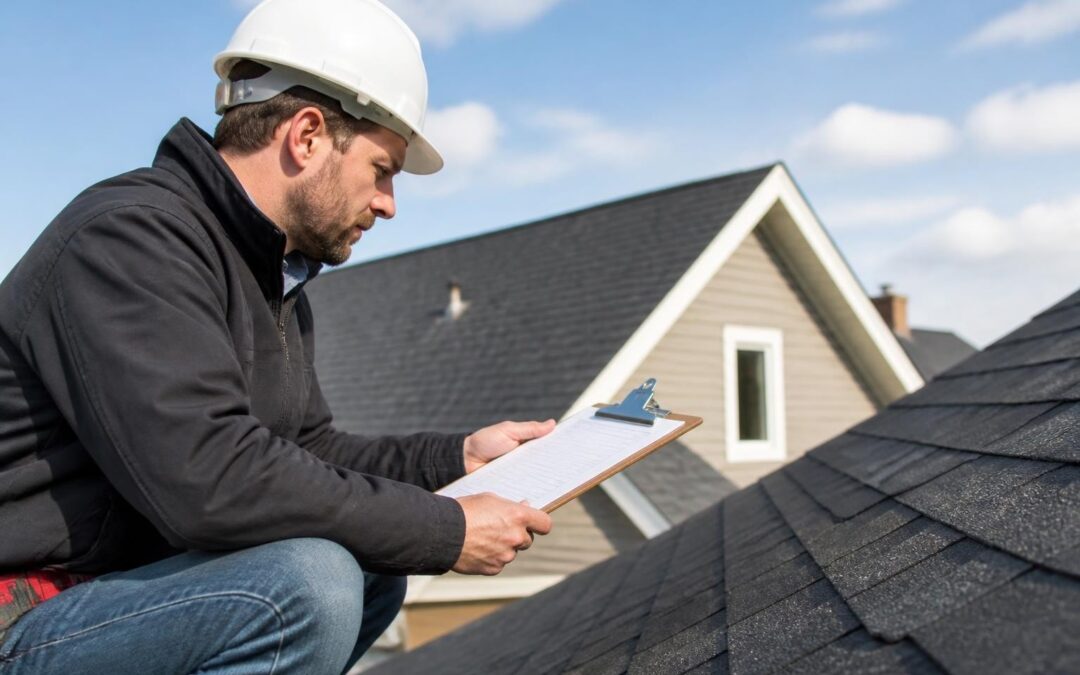
When it comes to protecting your property investment, choosing an all pro roofing contractor makes the difference between a roof that lasts decades and one that fails prematurely. Professional roofing services encompass more than just installing shingles or tiles-they represent a commitment to quality craftsmanship, industry-leading materials, comprehensive warranties, and adherence to strict building codes. Understanding what distinguishes truly professional roofing companies from basic contractors helps property owners make informed decisions that protect their homes and businesses for years to come.
What Defines All Pro Roofing Services
Professional roofing contractors operate under a specific set of standards that separate them from general handyman services or unlicensed operators. An all pro roofing company maintains proper licensing, carries comprehensive insurance coverage, and invests in ongoing training for their crews. These businesses understand that roofing represents one of the most critical components of any structure, requiring specialized knowledge of materials, installation techniques, and local building requirements.
Licensing and Insurance Requirements
Every legitimate all pro roofing contractor must hold appropriate state and local licenses that demonstrate their competency and legal authority to perform roofing work. In California, this includes a valid C-39 Roofing Contractor license issued by the Contractors State License Board. Beyond licensing, comprehensive insurance coverage protects both the property owner and the contractor.
Essential insurance coverage includes:
- General liability insurance (minimum $1 million coverage)
- Workers' compensation insurance for all employees
- Commercial auto insurance for company vehicles
- Completed operations coverage for post-installation issues
Property owners should always verify these credentials before signing any contract. A professional roofing company readily provides proof of insurance and license numbers without hesitation.

Industry Certifications and Manufacturer Partnerships
Beyond basic licensing, all pro roofing companies pursue manufacturer certifications that demonstrate expertise with specific roofing systems. These certifications require contractors to complete specialized training, maintain quality installation standards, and achieve customer satisfaction benchmarks. Major manufacturers like GAF, CertainTeed, Owens Corning, and Atlas offer tiered certification programs.
| Certification Level | Requirements | Benefits |
|---|---|---|
| Authorized Contractor | Basic training completion | Standard warranties |
| Select ShingleMaster | Proven track record, enhanced training | Extended warranties up to 30 years |
| Master Elite/President's Club | Top 1-3% of contractors nationally | Lifetime warranties, priority support |
These partnerships allow all pro roofing contractors to offer enhanced warranties that standard installers cannot provide. The NRCA’s technical library serves as an authoritative resource that professional contractors reference for installation best practices and material specifications.
Material Selection and Quality Standards
Professional roofing contractors distinguish themselves through their commitment to quality materials and proper installation methods. An all pro roofing company educates clients about material options, explaining the performance characteristics, longevity expectations, and cost-benefit analysis of each roofing system. This transparency helps property owners make decisions based on their specific needs rather than simply choosing the lowest bid.
Asphalt Shingle Quality Tiers
Asphalt shingles dominate the residential roofing market, but not all shingles perform equally. Professional contractors understand the substantial differences between basic 3-tab shingles, mid-grade architectural shingles, and premium designer products.
Quality indicators include:
- Base material composition (organic versus fiberglass)
- Shingle weight (heavier typically means better quality)
- Algae resistance treatments
- Wind resistance ratings (Class D, G, or H)
- Impact resistance certifications (UL 2218 ratings)
When discussing what to consider about your roof as a new homeowner, material selection emerges as a critical decision point. All pro roofing contractors explain how premium materials often justify their higher upfront cost through extended lifespan and reduced maintenance requirements. The ASTM roofing standards catalog establishes the testing protocols that quality materials must meet.
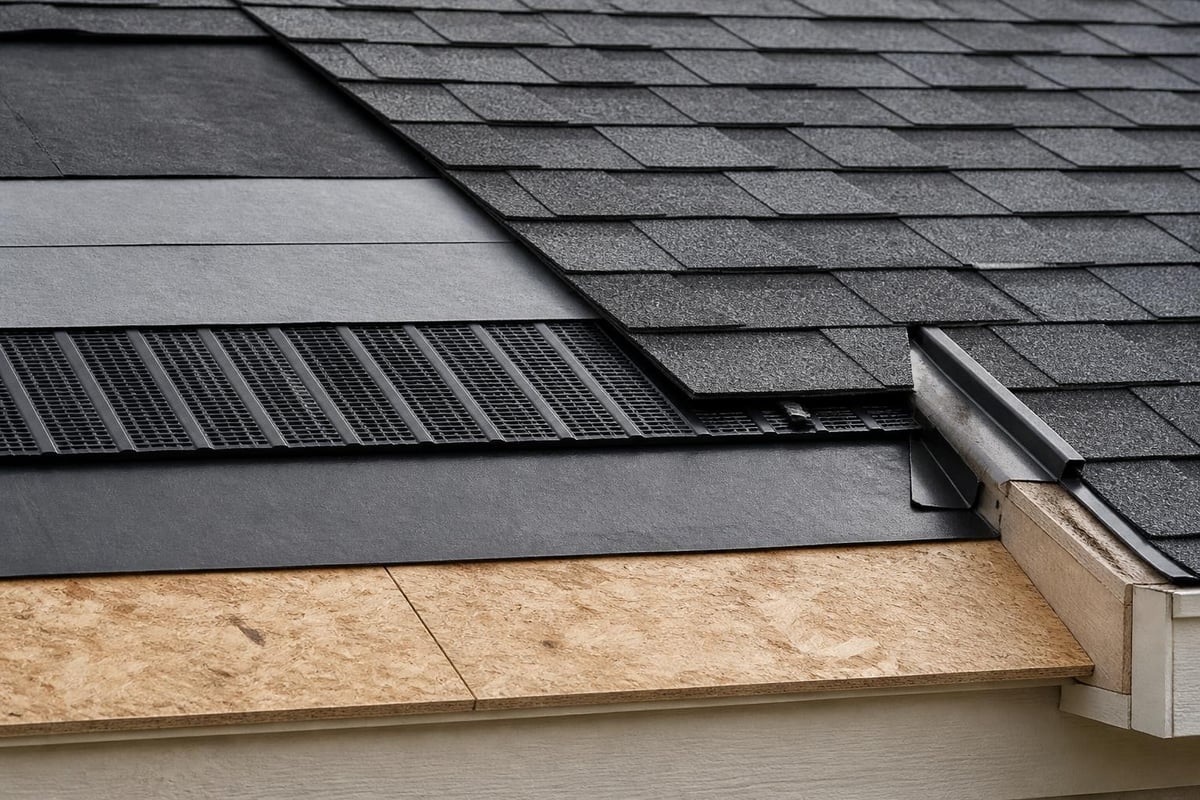
Underlayment and Ventilation Systems
The visible roofing material represents just one component of a complete roofing system. Professional contractors emphasize the importance of proper underlayment, ventilation, and flashing details that homeowners never see but that dramatically impact roof performance.
Modern synthetic underlayments offer superior protection compared to traditional felt paper. These advanced materials provide:
- Enhanced tear resistance during installation
- Superior water shedding capabilities
- Extended exposure ratings before final roofing installation
- Better performance in extreme temperatures
- Lighter weight for easier handling
Proper attic ventilation works in conjunction with quality materials to extend roof lifespan. All pro roofing companies calculate ventilation requirements based on Net Free Area (NFA) calculations, ensuring adequate intake and exhaust ventilation to prevent moisture accumulation and heat buildup.
Installation Standards and Workmanship
The difference between an adequate roof and an exceptional one often comes down to installation quality rather than material selection. An all pro roofing contractor follows manufacturer specifications precisely, understands how environmental factors affect installation, and employs experienced crews who take pride in their craftsmanship.
Following Manufacturer Installation Guidelines
Every roofing material comes with detailed installation instructions from the manufacturer. These guidelines specify everything from minimum roof slopes to fastener placement, overlap requirements, and temperature restrictions during installation. Professional contractors recognize that deviating from these specifications can void warranties and compromise roof performance.
The NRCA’s 2025 roofing manual volumes provide comprehensive guidance that all pro roofing companies reference alongside manufacturer specifications. These authoritative resources address:
- Deck preparation and fastening requirements
- Proper starter strip installation
- Shingle alignment and exposure measurements
- Valley treatment options (open, closed, or woven)
- Ridge vent installation best practices
- Flashing details for chimneys, skylights, and penetrations
When property owners need comprehensive solutions, roof replacement services from professional contractors ensure every component meets or exceeds these industry standards, providing confidence in the investment made in your property.
Weather Considerations and Installation Timing
All pro roofing contractors understand that weather conditions significantly impact installation quality and material performance. Professional companies monitor weather forecasts closely and adjust schedules to ensure optimal installation conditions.
Critical weather factors include:
- Temperature ranges (most shingles require 40°F minimum for proper sealing)
- Wind speeds during installation (safety and material handling)
- Precipitation forecasts (moisture on decking compromises adhesion)
- Humidity levels (affect sealant curing and material handling)
Experienced contractors never rush installations to meet arbitrary deadlines when weather conditions could compromise quality. They explain weather-related delays to clients and reschedule work when conditions fall outside acceptable parameters.
Project Management and Communication
Professional roofing companies excel not just in technical execution but in project management and customer communication. An all pro roofing contractor maintains clear communication channels, provides detailed project timelines, and keeps property owners informed throughout every phase of the work.
Pre-Installation Planning Process
Before any work begins, professional contractors conduct comprehensive pre-installation planning that sets the foundation for project success. This process includes:
- Detailed property assessment evaluating existing roof condition, structural capacity, and potential challenges
- Material calculations accounting for waste factors, complex roof geometry, and proper ventilation requirements
- Logistics planning including material delivery timing, debris disposal arrangements, and site protection
- Crew scheduling matching crew size and expertise to project complexity
- Permit acquisition handling all required building permits and inspection scheduling
This planning phase prevents costly surprises during installation and ensures projects proceed smoothly from start to finish. All pro roofing companies document this planning in detailed proposals that clearly outline scope, materials, timeline, and pricing.
On-Site Project Execution
During installation, professional contractors maintain organized, safe work sites that minimize disruption to property owners. Daily site management practices include:
| Practice | Purpose | Benefit |
|---|---|---|
| Morning site setup | Establish safe work zones, protect landscaping | Prevents property damage |
| Daily cleanup | Remove debris, organize materials | Maintains safe environment |
| Progress documentation | Photo documentation of each phase | Provides installation records |
| Quality checkpoints | Verify installation standards at key milestones | Catches issues early |
| Evening site securing | Protect exposed areas, store materials | Prevents weather damage |
Communication remains constant throughout the project. Professional contractors provide daily updates, address questions promptly, and ensure property owners understand what to expect each day.
Warranty Coverage and Long-Term Support
The relationship between property owners and all pro roofing contractors extends far beyond installation completion. Professional companies stand behind their work with comprehensive warranties and ongoing support services that protect the customer's investment for decades.
Understanding Warranty Types
Roofing warranties come in multiple forms, each providing different levels of protection. Professional contractors clearly explain these distinctions:
Manufacturer material warranties cover defects in roofing materials themselves. These typically range from 25 years to lifetime coverage, depending on the product tier. However, these warranties often prorate coverage over time, reducing the manufacturer's liability as the roof ages.
Workmanship warranties protect against installation errors and cover labor costs to correct problems arising from improper installation. All pro roofing companies typically offer 5 to 10-year workmanship warranties, with some extending to 25 years for premium installations.
System warranties represent the most comprehensive coverage, available only through manufacturer-certified contractors. These warranties cover both materials and labor, often with non-prorated periods and transferability features that add value when selling a property.
Maintenance Programs and Inspections
Professional roofing contractors offer maintenance programs that extend roof lifespan and protect warranty coverage. Regular inspections identify minor issues before they become major problems, potentially saving thousands in repair costs.
Recommended maintenance includes:
- Annual professional inspections (spring and fall)
- Debris removal from valleys and gutters
- Flashing inspection and resealing as needed
- Ventilation system verification
- Algae or moss treatment in susceptible climates
- Documentation of roof condition for insurance purposes
Research from the Insurance Institute for Business & Home Safety demonstrates that properly maintained roofs significantly outperform neglected systems, especially during severe weather events. All pro roofing companies provide detailed inspection reports that document roof condition and recommend proactive maintenance.
Energy Efficiency and Sustainable Practices
Modern all pro roofing contractors increasingly emphasize energy efficiency and sustainable practices that benefit both property owners and the environment. Advanced roofing technologies and installation techniques can substantially reduce energy consumption while improving indoor comfort.
Cool Roofing Technology
Cool roofing systems reflect more sunlight and absorb less heat than standard roofing materials, reducing cooling costs and extending roof lifespan. These technologies work particularly well in warm climates like Southern California, where air conditioning represents a major energy expense.
The U.S. Department of Energy’s guidance on cool roofs explains how reflective roofing materials can lower surface temperatures by 50-60°F compared to traditional materials. Professional contractors help property owners evaluate whether cool roofing makes economic sense for their specific situation.
Cool roofing options include:
- White or light-colored reflective shingles
- Special reflective granules on standard shingles
- Reflective roof coatings applied over existing materials
- Metal roofing with reflective finishes
- Tile roofing in light colors with ventilated installation
Some jurisdictions offer tax incentives or rebates for cool roofing installations. All pro roofing contractors stay informed about available programs and help clients navigate the application process.
Recycling and Waste Management
Professional roofing contractors implement waste management practices that divert materials from landfills. The EPA’s green infrastructure guidance addresses sustainable roofing practices, including material recycling and stormwater management.
Asphalt shingles, which constitute the majority of residential roofing waste, can be recycled into new asphalt paving. All pro roofing companies partner with recycling facilities to ensure old roofing materials get properly processed rather than disposed in landfills.
Commercial Roofing Considerations
While residential roofing receives considerable attention, all pro roofing contractors also serve commercial clients with unique requirements and challenges. Commercial roofing demands different materials, installation approaches, and maintenance strategies compared to residential applications.
Low-Slope and Flat Roofing Systems
Commercial buildings often feature low-slope or flat roofing systems that require specialized expertise. These systems use different materials and installation methods than steep-slope residential roofs.
Common commercial roofing systems include:
- Built-up roofing (BUR) featuring multiple layers of bitumen and reinforcing fabrics
- Modified bitumen combining traditional built-up technology with polymer modifications
- Single-ply membranes (TPO, PVC, EPDM) offering lightweight, durable solutions
- Spray polyurethane foam (SPF) providing seamless insulation and waterproofing
- Metal roofing panels with standing seam or architectural profiles
Professional contractors evaluate building use, budget constraints, energy goals, and maintenance capabilities when recommending commercial roofing systems. They understand that commercial roof selection impacts building operations, energy costs, and property value.
Energy Code Compliance
Commercial roofing projects must comply with energy codes that residential work doesn't face. The ASHRAE Standard 90.1 establishes minimum insulation requirements, reflectance standards, and thermal performance criteria for commercial roof assemblies.
All pro roofing contractors stay current with evolving energy codes and help building owners navigate compliance requirements. They understand how different roofing systems contribute to overall building energy performance and can model potential energy savings from various roofing options.
| Roofing System | Typical R-Value | Cool Roof Options | Maintenance Level |
|---|---|---|---|
| Built-Up Roof | R-15 to R-30 | Reflective coatings | Moderate |
| TPO Single-Ply | R-20 to R-40 | White membrane standard | Low |
| Metal Panel | R-19 to R-38 | Reflective finishes | Low |
| SPF | R-6 to R-7 per inch | Inherently reflective | Very Low |
Professional contractors help building owners balance initial costs against long-term energy savings, often demonstrating how higher-performance roofing systems pay for themselves through reduced utility expenses.
Selecting Your All Pro Roofing Contractor
Choosing the right roofing contractor represents one of the most important decisions property owners make. The difference between a professional company and a less qualified contractor often determines whether a roof performs as expected or becomes a source of ongoing problems and expenses.
Evaluation Criteria and Red Flags
When evaluating potential all pro roofing contractors, property owners should assess multiple factors beyond price alone. Professional contractors welcome scrutiny and provide comprehensive information that supports informed decision-making.
Positive indicators include:
- Detailed written proposals specifying materials, methods, and timeline
- Willingness to provide multiple client references
- Professional website with project galleries and educational content
- Established business address and consistent contact information
- Transparent discussion of warranty coverage and limitations
- Membership in professional organizations like NRCA or local trade groups
Warning signs to avoid:
- Requests for full payment upfront before work begins
- Pressure tactics or limited-time offers creating artificial urgency
- Inability to provide proof of insurance or licensing
- Reluctance to put agreements in writing
- Significantly lower bids than other qualified contractors
- Use of subcontractors without proper vetting
Taking time to thoroughly evaluate contractors prevents costly mistakes. Property owners should interview at least three qualified contractors, compare detailed proposals, and verify credentials before making final selections.
Questions to Ask Potential Contractors
Informed property owners ask specific questions that reveal contractor capabilities and business practices. All pro roofing companies answer these questions confidently and provide supporting documentation.
Essential questions include:
- How long has your company been in business under current ownership?
- What manufacturer certifications do you hold?
- Will you provide a detailed written estimate breaking down materials and labor?
- What is your timeline from contract signing to project completion?
- How do you handle change orders or unexpected issues discovered during work?
- Who will supervise my project daily, and how can I reach them?
- What is included in your workmanship warranty?
- How do you protect my property during installation?
- What happens if weather delays the project?
- Can you provide references from projects completed in the past year?
Professional contractors appreciate these questions because they demonstrate that property owners value quality and understand the importance of selecting qualified professionals.
Selecting an all pro roofing contractor requires careful evaluation of credentials, materials, installation practices, and long-term support capabilities. Professional roofing companies distinguish themselves through comprehensive training, quality materials, proven installation methods, and commitment to customer satisfaction that extends far beyond project completion. Whether you need residential or commercial roofing services in the Los Angeles area, Proof Your Roof delivers the professional expertise, quality craftsmanship, and customer support that protects your property investment for decades to come.