
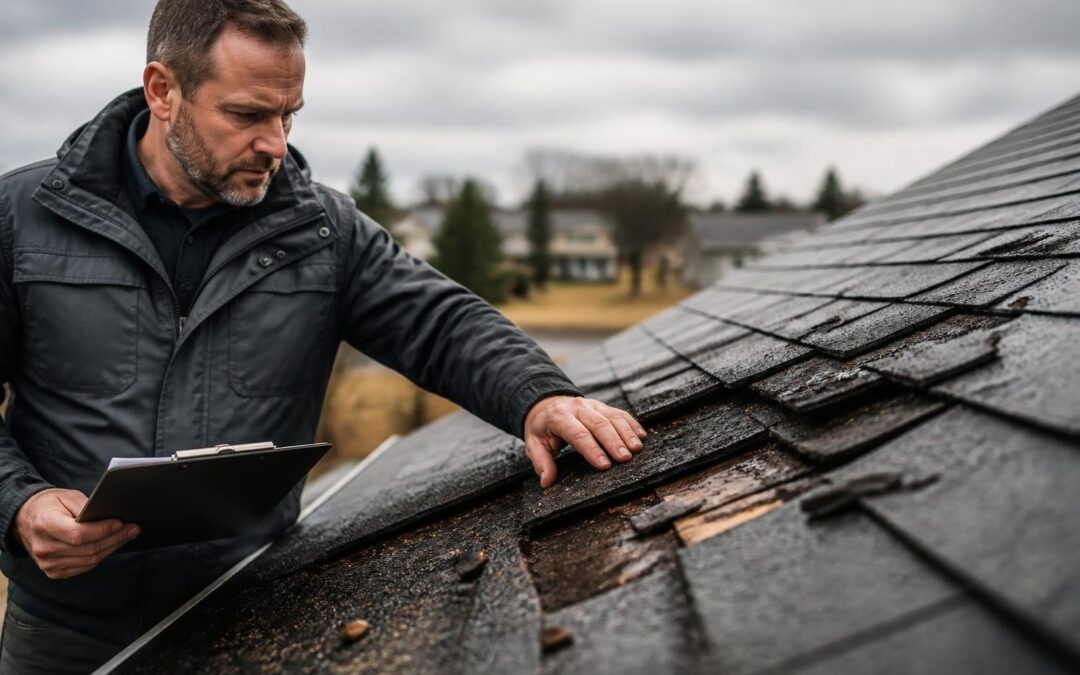
When severe weather strikes or unexpected damage compromises your roof, finding reliable emergency roofers near me becomes an urgent priority. Roof emergencies don't wait for business hours, and the difference between a quick professional response and delayed action can mean thousands of dollars in additional water damage, structural issues, and interior destruction. Understanding how to locate, vet, and hire qualified emergency roofing contractors ensures your property receives immediate protection while avoiding common pitfalls that desperate homeowners often encounter during crisis situations.
Understanding What Qualifies as a Roofing Emergency
Not every roof problem requires immediate emergency service, and understanding the distinction helps you make informed decisions about timing and costs. True roofing emergencies involve active threats to your property's structural integrity or interior spaces.
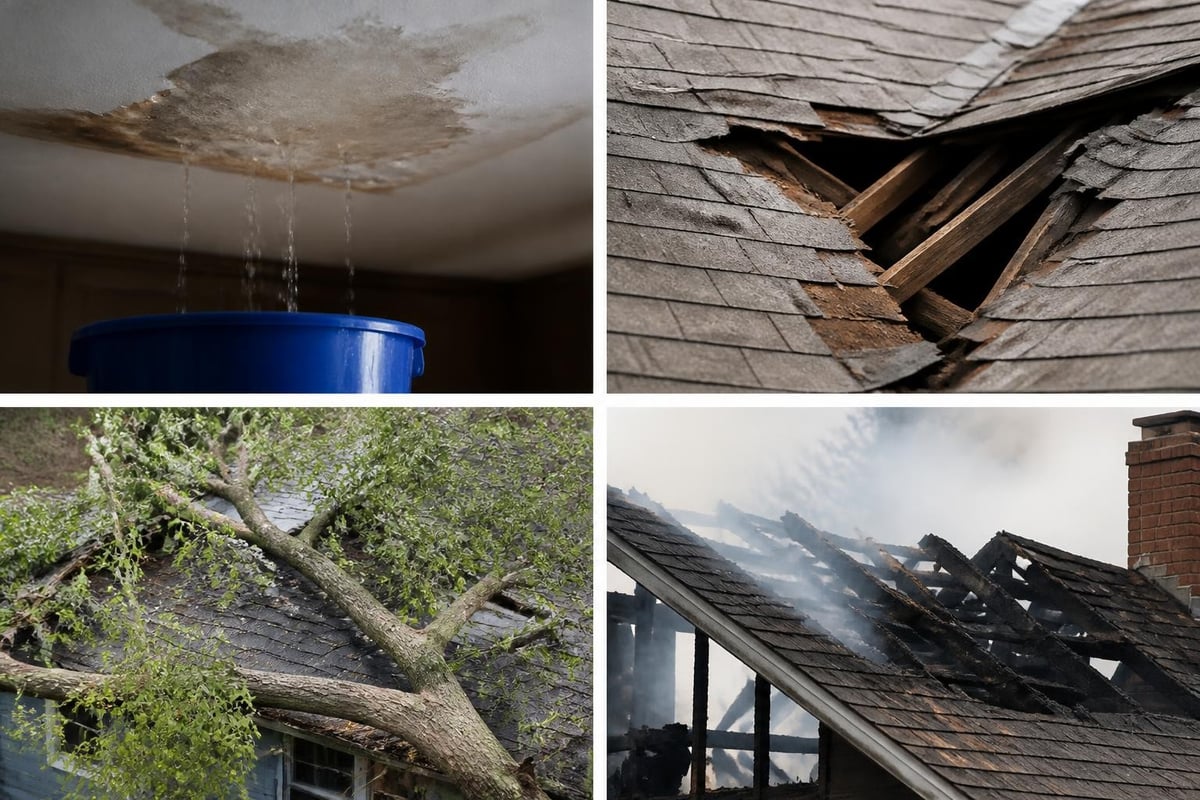
Active water intrusion during rainstorms represents the most common roofing emergency. When water pours through your ceiling, saturates insulation, or streams down walls, you're experiencing damage that worsens with every passing minute. Similarly, severe storm damage that leaves large sections of your roof exposed, removes significant portions of shingles, or creates visible holes demands immediate attention regardless of current weather conditions.
Critical Emergency Situations
- Missing or severely damaged sections exceeding three square feet
- Structural damage to roof decking or support beams
- Fire damage affecting roofing materials
- Tree or debris penetration through the roof surface
- Complete shingle blow-off exposing underlayment
- Ice dam formation causing interior leaks
Wind damage that exposes underlayment or creates flapping sections presents both immediate and progressive risks. Even if rain isn't currently falling, exposed areas allow moisture infiltration and further wind uplift. The IBHS FORTIFIED Roof program demonstrates how proper installation and materials reduce storm vulnerability, but once damage occurs, rapid professional response prevents escalation.
How to Find Emergency Roofers Near Me Quickly
Speed matters during roofing emergencies, but hasty decisions often lead to contractor problems. The key involves having preparation strategies before emergencies strike and efficient vetting processes during crisis situations.
Pre-Emergency Preparation Steps
Smart homeowners research local roofing contractors before problems occur. Identify three to five reputable companies serving your area, verify their licensing and insurance, and save their emergency contact information. Many established roofing companies offer 24/7 emergency hotlines specifically for urgent situations.
Digital search strategies during emergencies should extend beyond generic searches. When searching for emergency roofers near me, include your specific city or neighborhood for more targeted results. Los Angeles homeowners should search "emergency roofers Los Angeles" or "24-hour roof repair [neighborhood name]" for contractors actually available in their service area.
| Search Method | Response Speed | Reliability Factor | Best Used When |
|---|---|---|---|
| Pre-vetted contractor list | Immediate | Highest | You've prepared in advance |
| Local roofing company websites | 1-4 hours | High | During business hours |
| Emergency hotline services | 30 min – 2 hours | Variable | After-hours emergencies |
| General online search | 2-6 hours | Low to Medium | No other options available |
Neighborhood networks provide valuable real-time information. Local community groups, homeowner associations, and social media neighborhood pages often yield immediate recommendations from residents who've recently used emergency services. These firsthand experiences reveal actual response times and service quality under pressure.
Verification During Crisis Situations
Even during emergencies, basic verification protects you from fraudulent contractors who exploit desperate homeowners. Check contractor licensing through your state's official database. California residents can verify credentials through the California Contractors State License Board, which provides instant online verification of license status, expiration dates, and complaint history.
Confirm active insurance coverage before allowing any work to begin. Legitimate emergency roofers carry both general liability insurance and workers' compensation coverage. Request certificates of insurance and verify them directly with the insurance provider, not just by accepting documents the contractor provides.
What to Expect from Emergency Roofing Services
Emergency roofing services differ significantly from standard roofing projects in scope, timing, and cost structure. Understanding these differences helps set realistic expectations and facilitates smoother contractor relationships during stressful situations.
The primary goal of emergency roofing work focuses on immediate damage mitigation rather than permanent repairs. Professional emergency roofers assess the situation, implement temporary protective measures, and prevent further damage until comprehensive repairs can be scheduled. This approach balances urgency with practicality, recognizing that permanent solutions often require daylight, dry conditions, and proper material procurement.
Typical Emergency Service Timeline
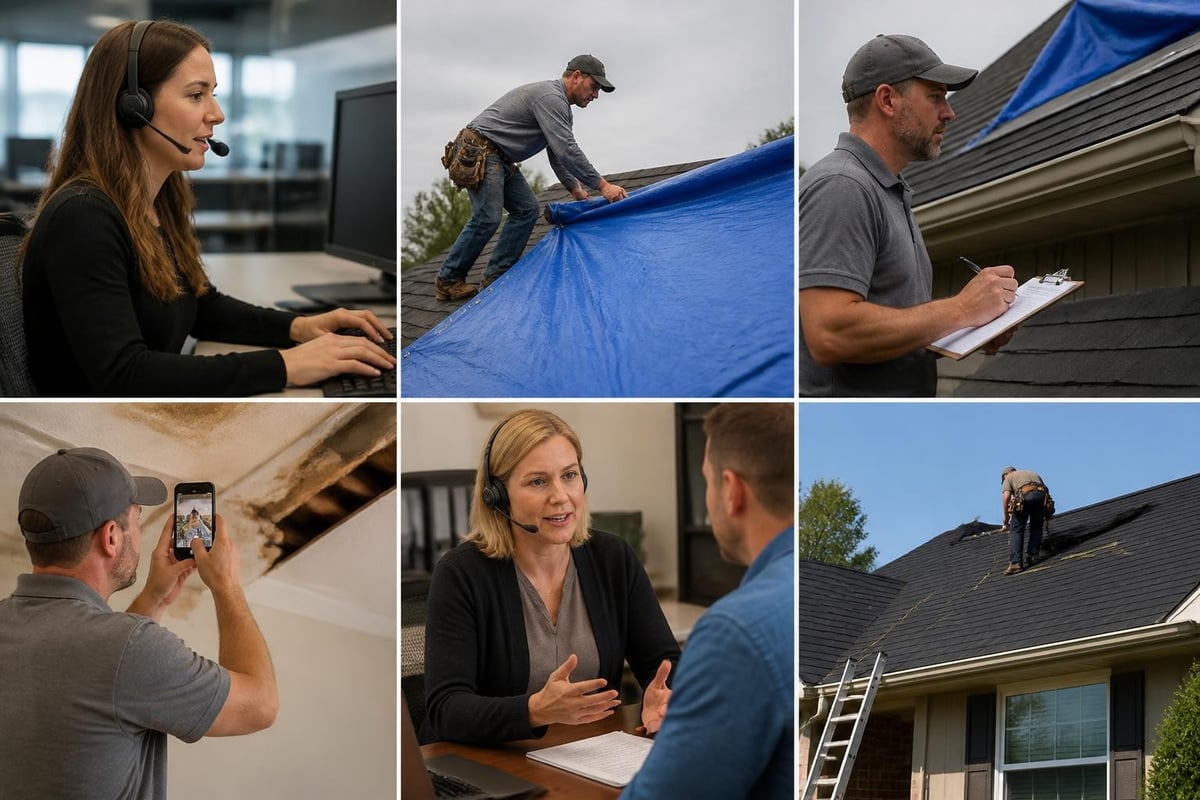
- Initial contact and dispatch (15-60 minutes): Describe the situation, provide address, and receive estimated arrival time
- On-site damage assessment (20-45 minutes): Professional evaluation of damage extent, safety hazards, and immediate needs
- Temporary protection installation (1-4 hours): Tarping, boarding, or emergency patching to stop active intrusion
- Documentation and next steps (30 minutes): Photographs, damage notes, and permanent repair scheduling
Temporary measures typically involve industrial-grade tarps secured with specialized fastening systems that withstand additional weather without causing further roof damage. Quality emergency roofers use proper tarping techniques that extend over ridges, secure to undamaged sections, and create water-shedding configurations rather than simply draping plastic over holes.
When dealing with significant damage, professional emergency services include comprehensive roof repairs that address both immediate concerns and underlying issues. Experienced contractors identify whether damage requires isolated patching or signals broader problems needing complete attention once emergency stabilization is complete.
Cost Factors for Emergency Roofing Services
Emergency roofing services command premium pricing compared to scheduled work, reflecting after-hours availability, rapid response requirements, and immediate resource allocation. Understanding cost structures helps homeowners budget appropriately and recognize reasonable pricing versus price gouging.
Base emergency service fees typically range from $300 to $800 just for the emergency call and initial assessment, regardless of work performed. This covers after-hours dispatch, immediate technician availability, and priority scheduling that displaces other planned work. Actual repair costs add to this base fee depending on damage extent and required materials.
Emergency Service Cost Components
- Emergency dispatch fee: $300-$800
- Temporary protective measures (tarping): $400-$1,500
- Emergency patching per section: $200-$600
- Structural stabilization: $500-$2,000+
- After-hours labor premium: 1.5x to 2.5x standard rates
Geographic location significantly impacts pricing. Major metropolitan areas like Los Angeles typically see higher emergency rates due to increased operational costs, while rural areas might face limited contractor availability but potentially lower base rates. Time of day matters too; services required between midnight and 6 AM often carry additional premiums beyond standard after-hours rates.
Insurance coverage affects out-of-pocket costs substantially. Most homeowner policies cover emergency mitigation measures when protecting property from further damage. The Insurance Information Institute provides guidance on what insurers typically cover, documentation requirements, and temporary repair allowances. Contact your insurance company immediately after securing emergency services to understand your coverage and claim process.
Red Flags When Hiring Emergency Roofers
Roofing emergencies create vulnerability that unscrupulous contractors exploit. Storm chasers, unlicensed operators, and outright scammers target desperate homeowners, particularly after major weather events affect entire neighborhoods. Recognizing warning signs protects you from poor workmanship, insurance fraud schemes, and financial losses.
Pressure tactics represent the clearest danger signal. Legitimate emergency roofers provide urgent service without demanding immediate payment or pressuring instant decisions about permanent repairs. Contractors who insist you sign contracts immediately, claim they're only in the area today, or push for full payment before work completion are implementing classic high-pressure sales strategies inappropriate for professional emergency services.
Warning Signs of Problematic Contractors
Be cautious of contractors who exhibit these behaviors:
- Arrive unsolicited after storms offering "free inspections"
- Request large deposits or full payment upfront
- Lack proper business identification, vehicles, or uniforms
- Cannot provide license numbers or insurance certificates
- Offer to waive insurance deductibles (insurance fraud)
- Refuse to provide written estimates or contracts
- Use only cash payment or suggest avoiding insurance claims
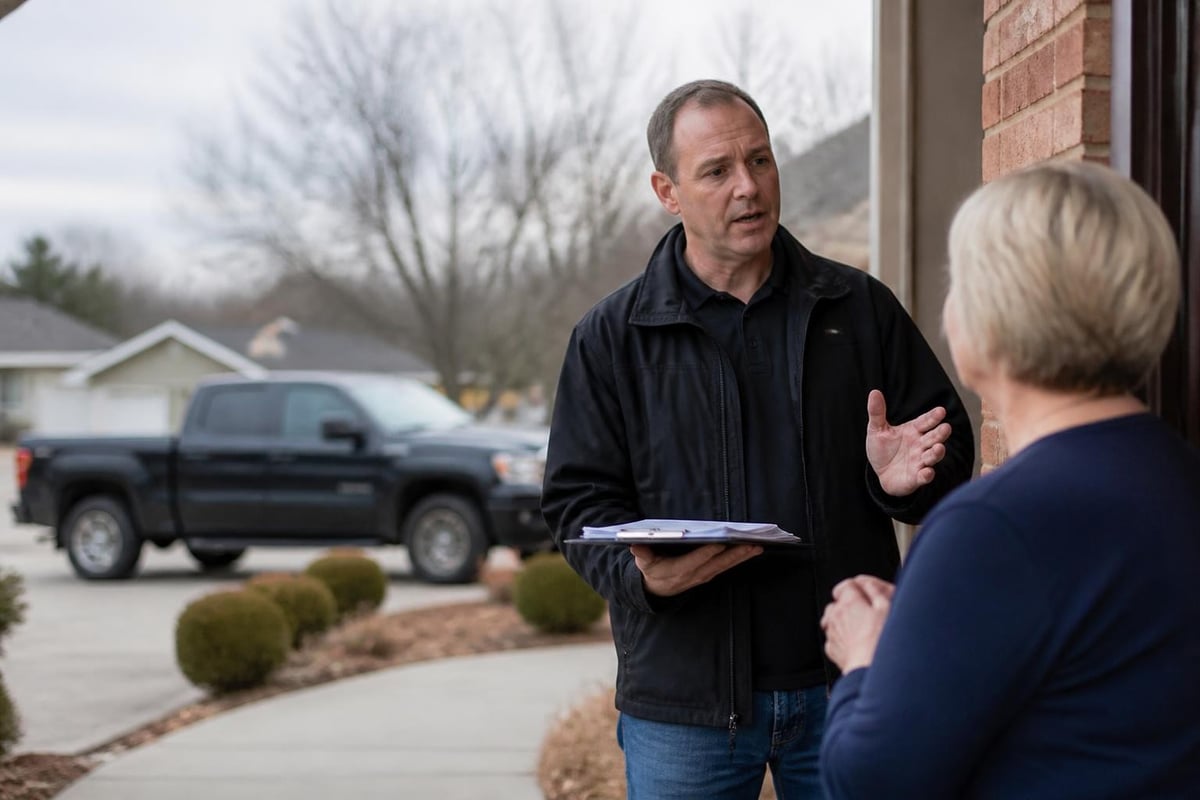
Door-to-door solicitation after major storms frequently indicates storm chasers rather than established local businesses. According to the BBB’s contractor hiring guidance, reputable companies rarely need to canvas neighborhoods for emergency work, as their existing customer base and reputation generate sufficient business even during high-demand periods.
Licensing verification through official state channels remains essential. NASCLA provides resources for understanding contractor licensing requirements across different states, helping homeowners recognize what proper credentials look like in their jurisdiction. Never accept contractor-provided "proof" of licensing without independent verification through government databases.
Questions to Ask Emergency Roofers
Even during stressful emergency situations, asking specific questions helps identify qualified professionals and establishes clear expectations. The contractor's responses reveal their experience level, business practices, and reliability.
Start with availability and response details. Ask when they can arrive on-site, what their assessment process involves, and how long temporary protection typically requires. Professional emergency roofers provide realistic timeframes rather than promising immediate arrival they cannot deliver.
Essential Pre-Service Questions
- What is your estimated arrival time at my property?
- What emergency services do you provide tonight versus what requires daylight?
- Can you provide your contractor license number for immediate verification?
- Do you carry current liability insurance and workers' compensation coverage?
- What are your emergency service fees and payment terms?
- Will you provide written documentation of temporary repairs performed?
- How do you handle insurance claim documentation and coordination?
Insurance coordination questions matter significantly for damage covered under homeowner policies. Ask whether they work directly with insurance companies, provide detailed damage documentation, and separate emergency mitigation costs from permanent repair estimates. Quality contractors understand insurance processes and facilitate rather than complicate claim submissions.
Inquire about permanent repair timelines and transitions. Emergency services should seamlessly connect to comprehensive repairs. Ask when they can schedule permanent work, whether the same crew handles both phases, and how emergency charges apply toward total project costs if you hire them for complete repairs.
Insurance Considerations for Emergency Roof Repairs
Understanding your insurance coverage before emergencies occur streamlines the claims process and maximizes coverage benefits. Most homeowner policies include provisions for emergency repairs and temporary protection, but specific terms, limits, and documentation requirements vary significantly between policies.
Immediate notification to your insurance company starts the claims process and confirms coverage before you incur substantial costs. Many policies require notification within specific timeframes after discovering damage. When you search for emergency roofers near me during a crisis, simultaneously contact your insurance agent or company's 24-hour claims line.
| Insurance Aspect | Typical Coverage | Homeowner Responsibility |
|---|---|---|
| Emergency tarping | Usually covered up to policy limits | Document with photos, save receipts |
| Temporary repairs | Covered as part of loss mitigation | Necessary and reasonable only |
| Permanent repairs | Covered minus deductible (if covered peril) | Obtain multiple estimates |
| Additional living expenses | Covered if home uninhabitable | Keep detailed expense records |
Documentation requirements extend beyond simple receipts. Insurance adjusters need photographs of damage before temporary repairs, during emergency work, and showing final temporary protection. They require written estimates from contractors, detailed invoices separating emergency services from other work, and sometimes independent assessments. Professional emergency roofers familiar with insurance processes provide documentation packages that meet adjuster requirements.
Policy coverage limitations often surprise homeowners during claims. Many policies cover sudden, accidental damage but exclude maintenance issues or gradual deterioration. If your emergency stems from a long-neglected small leak that finally caused ceiling collapse, coverage might be denied. The Insurance Information Institute explains how maintenance history affects claim outcomes and what documentation proves damage resulted from covered perils rather than neglect.
Steps to Take While Waiting for Emergency Roofers
The time between discovering roof damage and emergency roofer arrival requires immediate action to minimize interior damage and ensure safety. Strategic temporary measures protect your property without creating additional problems or safety hazards.
Safety assessment takes absolute priority over property protection. If damage involves structural instability, electrical hazards near water intrusion, or significant ceiling sagging, evacuate affected areas immediately. Never enter spaces where ceiling collapse appears imminent or where water contacts electrical fixtures or outlets.
Immediate Protective Actions
- Move valuables and furniture away from active leak areas
- Place buckets or containers to catch dripping water
- Use towels or plastic sheeting to protect flooring from spreading water
- Turn off electricity to affected rooms at the circuit breaker
- Document all damage with photographs and videos
- Ventilate areas to prevent mold growth (weather permitting)
Water containment prevents damage from spreading to unaffected areas. Place waterproof barriers between wet and dry zones, use fans to promote air circulation, and wipe up standing water from hard surfaces. However, never climb onto your roof to attempt repairs yourself. Walking on damaged roofing creates additional damage and presents serious fall risks, particularly during wet or windy conditions.
The American Red Cross provides guidance on safe actions during and after severe weather events, including what to do while waiting for professional help. Their recommendations emphasize personal safety over property protection and outline when to seek temporary shelter rather than remaining in damaged structures.
Choosing Between Emergency Patch and Full Repair
After emergency roofers stabilize immediate damage, homeowners face decisions about permanent repair timing and scope. Understanding the difference between adequate temporary solutions and necessary immediate permanent repairs helps balance urgency with budget and weather constraints.
Temporary emergency repairs designed to last weeks or months suffice when damage is localized, permanent materials require special ordering, or weather conditions prevent proper installation. Quality temporary work using professional-grade materials can protect your property through an entire season if necessary, allowing you to schedule comprehensive repairs during optimal conditions.
Certain situations demand immediate permanent repairs despite added complexity or cost. Structural damage compromising roof integrity, extensive material loss exposing large roof sections, or damage occurring just before severe weather seasons requires rapid permanent solutions. Delaying permanent repairs in these scenarios risks catastrophic failure during the next storm event.
Factors Influencing Repair Timing Decisions
Consider these elements when deciding between temporary stabilization and immediate permanent repair:
- Extent of damage: Minor isolated damage versus widespread destruction
- Weather forecast: Approaching storm systems requiring robust protection
- Season: Time available before winter weather or rainy season
- Material availability: Lead times for specialized roofing materials
- Budget considerations: Insurance claim processing timelines and out-of-pocket capabilities
- Age of roof: Whether damage indicates broader replacement needs
Cost-benefit analysis becomes crucial for older roofs where isolated emergency repairs might represent throwing good money after bad. If your roof approached replacement age before the emergency, investing in comprehensive replacement rather than expensive emergency patches often makes financial sense. Professional contractors provide honest assessments of whether your situation warrants patch repairs or accelerated replacement planning.
Finding Pre-Vetted Emergency Roofers in Your Area
Proactive research before emergencies strike provides peace of mind and eliminates desperate decision-making during crisis situations. Building a contractor relationship before you need emergency services ensures you know who to call when seconds count.
Local roofing companies with established physical locations and long community histories offer more reliability than national chains or itinerant contractors. Companies invested in their local reputation prioritize customer satisfaction and remain available for warranty service and follow-up needs. When searching for emergency roofers near me before an emergency occurs, prioritize businesses with visible permanent locations and verifiable local track records.
Industry certifications and affiliations signal professional commitment and technical competence. NRCA membership indicates contractors follow industry best practices and maintain technical knowledge through continuing education. Manufacturer certifications for specific roofing materials demonstrate specialized expertise and often come with enhanced warranty options.
Vetting Checklist for Pre-Emergency Research
- Verify active contractor license through state database
- Confirm current insurance coverage (liability and workers' comp)
- Review online ratings across multiple platforms (Google, Yelp, BBB)
- Check complaint history with state licensing board and BBB
- Examine portfolio of completed projects similar to your roof type
- Request and contact recent customer references
- Verify physical business location and years in operation
- Understand their emergency service availability and response protocols
Customer reviews provide insights into emergency responsiveness specifically. Look for reviews mentioning after-hours service, storm damage response, and communication during crisis situations rather than focusing solely on standard project reviews. Companies that excel at scheduled work sometimes struggle with emergency service logistics, so seek specific feedback about urgent situation handling.
Regional Considerations for Los Angeles Emergency Roofing
Geographic location significantly influences emergency roofing needs, common damage types, and contractor availability. Los Angeles presents unique considerations that affect both emergency frequency and appropriate responses.
Weather patterns in Southern California differ dramatically from regions experiencing regular severe weather. While Los Angeles sees fewer thunderstorms and tornadoes than many areas, the region faces distinctive challenges including Santa Ana wind events, occasional intense rainfall during atmospheric rivers, and wildfire risks affecting roof integrity. Understanding local weather hazards helps homeowners recognize when roof inspections should follow specific events.
The diversity of roofing materials in Los Angeles reflects the region's architectural variety and climate. Spanish tile roofs common in many neighborhoods require specialized emergency repair techniques different from asphalt shingle approaches. Flat roofs on commercial buildings present unique emergency challenges compared to residential pitched roofing systems. When searching for emergency roofers near me in Los Angeles, specify your roof type to find contractors with relevant material expertise.
Los Angeles-Specific Emergency Scenarios
- Santa Ana wind damage to lightweight roofing materials
- Wildfire ember damage requiring immediate assessment
- Seismic activity causing structural shifts and material displacement
- Rare but intense rainfall overwhelming aging drainage systems
- Tree damage from eucalyptus or palm species common to the region
Contractor availability in major metropolitan areas like Los Angeles offers advantages and disadvantages. The large contractor population increases your options but also attracts more fly-by-night operators and storm chasers. Established Los Angeles roofing companies understand local building codes, common architectural styles, and region-specific material performance characteristics that traveling contractors lack.
Building department requirements vary between Los Angeles city limits and surrounding communities. Emergency repairs exceeding certain square footage or involving structural work may require permits even for temporary measures. Professional local emergency roofers navigate these requirements efficiently, knowing when permits apply and how to expedite approval processes during emergencies.
Long-Term Prevention Strategies
While understanding how to find emergency roofers near me provides essential crisis management knowledge, implementing prevention strategies reduces emergency frequency and severity. Proactive roof maintenance identifies small problems before they become emergencies and extends roof lifespan substantially.
Regular professional inspections represent the single most effective prevention strategy. Annual or bi-annual inspections by qualified roofing contractors identify developing issues like loose shingles, failing flashing, or early leak indicators. Addressing these minor problems during scheduled maintenance prevents them from becoming emergency situations during the next storm.
Seasonal preventive maintenance tasks prepare your roof for upcoming weather challenges. Before rainy seasons, clear debris from gutters and valleys, trim overhanging branches that could fall during storms, and verify proper drainage function. These simple steps significantly reduce emergency risk by eliminating common failure triggers.
Prevention Maintenance Schedule
| Season | Maintenance Tasks | Purpose |
|---|---|---|
| Spring | Inspect for winter damage, check flashing, clean gutters | Prepare for summer heat and identify damage before major use |
| Summer | Verify ventilation function, inspect for heat damage | Prevent thermal stress damage and prepare for fall storms |
| Fall | Clear debris, trim trees, inspect for loose materials | Prepare roof for winter weather and reduce wind damage risk |
| Winter | Monitor for ice dams, check for leaks after storms | Address developing problems before they worsen |
Documentation of maintenance history serves multiple purposes. It provides evidence of proper care if insurance claims arise, helps contractors understand your roof's service history when emergencies occur, and creates a baseline for comparing future inspection findings. Maintain a roof file including inspection reports, repair receipts, and photographs showing roof condition over time.
Understanding your roof's expected lifespan helps you plan strategically. Different materials offer varying durability, with asphalt shingles typically lasting 15-30 years depending on quality, while tile and metal roofs may last 50+ years with proper maintenance. As your roof approaches its expected replacement age, emergency repairs become less cost-effective compared to planned replacement, making proactive planning financially wise.
Finding qualified emergency roofers near me during crisis situations requires balancing speed with proper vetting, understanding realistic service expectations, and protecting yourself from predatory contractors who exploit desperate homeowners. By preparing contact information in advance, knowing what questions to ask, and understanding insurance processes, you can navigate roofing emergencies with confidence even during stressful circumstances. Proof Your Roof serves Los Angeles and surrounding areas with professional emergency response and comprehensive roofing services, providing the reliable expertise homeowners need when roof damage threatens their property. Whether you're facing immediate emergency needs or planning preventive maintenance to avoid future crises, working with established local professionals ensures your roof receives expert care that protects your investment for years to come.