
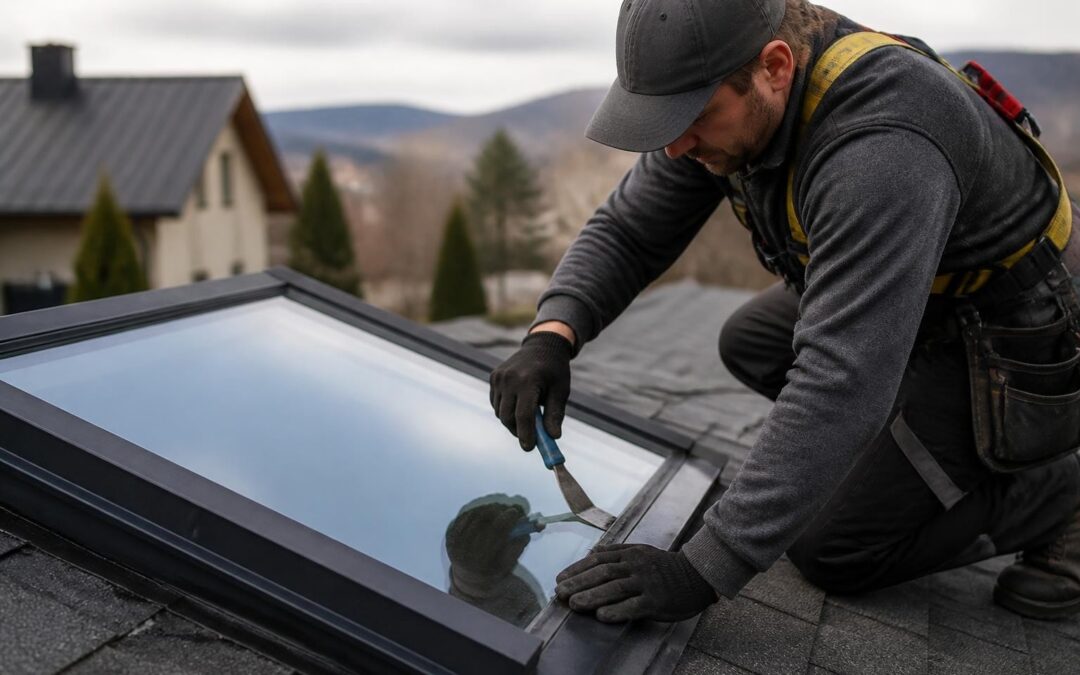
Skylights transform living spaces by bringing natural light into homes, creating an open and airy atmosphere that enhances both aesthetics and energy efficiency. However, these valuable architectural features require regular maintenance and occasional repairs to continue performing optimally. When skylight issues arise, whether from age, weather damage, or installation errors, addressing them promptly prevents minor problems from escalating into costly structural damage. Understanding the common challenges, repair methods, and professional solutions helps Los Angeles homeowners make informed decisions about maintaining these essential components of their roofing systems.
Understanding Common Skylight Problems
Skylights face unique challenges due to their position and construction. Unlike standard roofing materials, they create penetrations in the roof surface that require specialized flashing and sealing techniques to maintain weatherproof integrity.
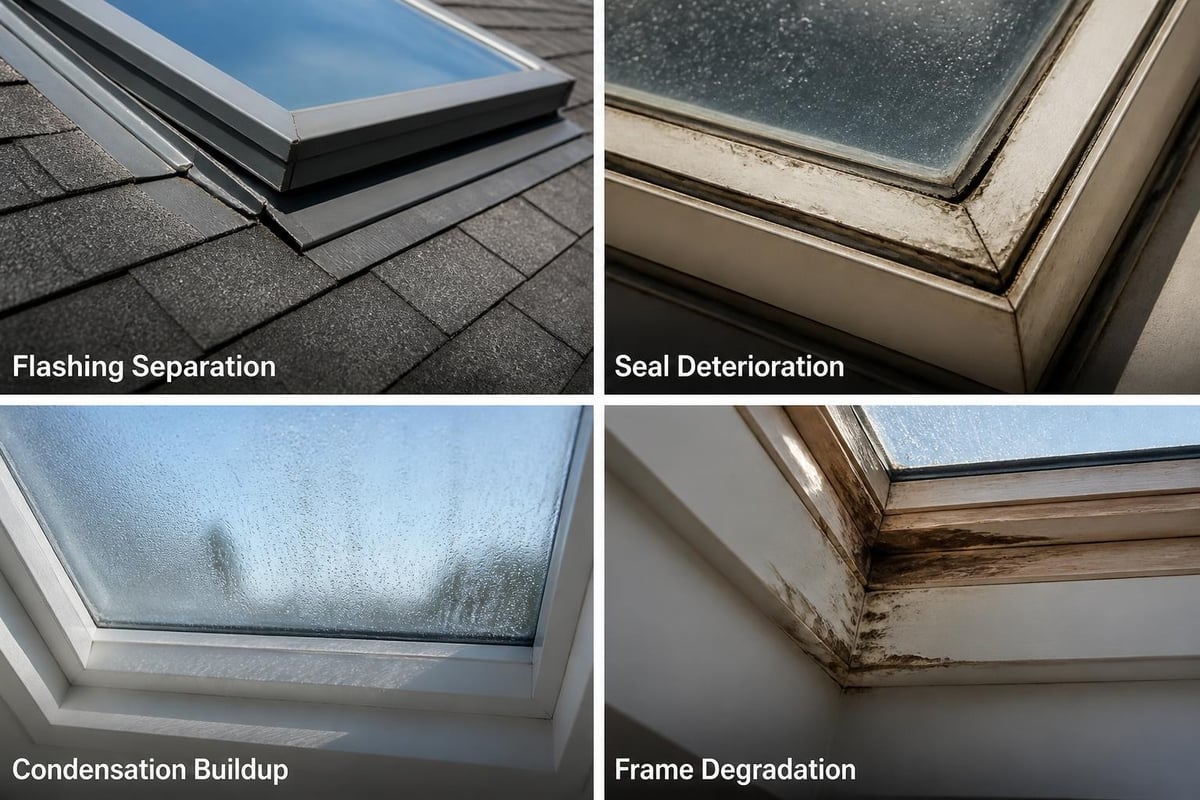
Water leaks represent the most frequent complaint among skylight owners. These leaks often stem from deteriorated flashing, cracked seals, or condensation issues rather than the skylight itself. The flashing system, which creates a waterproof barrier between the skylight frame and roofing material, can separate or corrode over time, particularly in coastal environments like Los Angeles where salt air accelerates metal degradation.
Identifying Damage Early
Regular inspection helps catch problems before they cause interior damage. Homeowners should examine their skylights at least twice annually, looking for specific warning signs:
- Visible water stains on ceiling surfaces surrounding the skylight
- Condensation forming between glass panes
- Cracked or yellowed glazing material
- Gaps or separation between the skylight frame and roofing surface
- Damaged or missing flashing components
Physical damage from falling branches, hail, or debris can crack or shatter glazing materials. Metal frames may develop rust or corrosion, particularly around fastener locations. Plastic or acrylic dome skylights become brittle with UV exposure, developing stress cracks that compromise both weatherproofing and structural integrity.
Repair Versus Replacement Decisions
Determining whether to repair or replace a skylight depends on multiple factors including age, extent of damage, and long-term cost considerations. Modern skylights offer significant improvements in energy efficiency and durability compared to units installed even ten years ago.
| Factor | Repair Recommended | Replacement Recommended |
|---|---|---|
| Age | Less than 15 years | 20+ years |
| Damage Extent | Isolated flashing/seal issues | Multiple component failures |
| Energy Performance | Meets current needs | Condensation, heat loss present |
| Glazing Condition | Clear, intact | Yellowed, cracked, or foggy |
| Frame Integrity | Solid, minimal corrosion | Significant rust or warping |
Many skylight repair situations involve addressing the flashing and sealing systems rather than the unit itself. Professional roofers can often restore weathertight performance by replacing deteriorated components while keeping the existing skylight structure intact.
Cost Considerations
Skylight repair typically costs between $300 and $800 for straightforward flashing and seal replacement. More extensive repairs involving structural work or multiple components may range from $800 to $1,500. Complete replacement, including removing the old unit and installing a new skylight with updated flashing, generally runs $1,000 to $3,000 depending on size and accessibility.
Energy efficiency improvements often justify replacement costs. According to the National Fenestration Rating Council, modern skylights with low-emissivity coatings and argon gas fills reduce heat transfer by up to 40% compared to older single-pane units. These efficiency gains translate into lower cooling costs, particularly important in Southern California's climate.
Professional Repair Process
Professional skylight repair follows systematic procedures that ensure long-lasting results. Understanding this process helps homeowners evaluate service providers and set realistic expectations.
Initial Assessment
Qualified roofing contractors begin with comprehensive inspection to identify all contributing factors. This examination includes interior and exterior evaluation, checking not only the skylight but surrounding roofing materials, insulation, and structural framing.
Professional assessment distinguishes between true skylight failure and unrelated roofing issues that manifest near the skylight location. Water often travels along rafters or sheathing before appearing at ceiling level, making it difficult for untrained observers to pinpoint actual leak sources.
Flashing Replacement Procedures
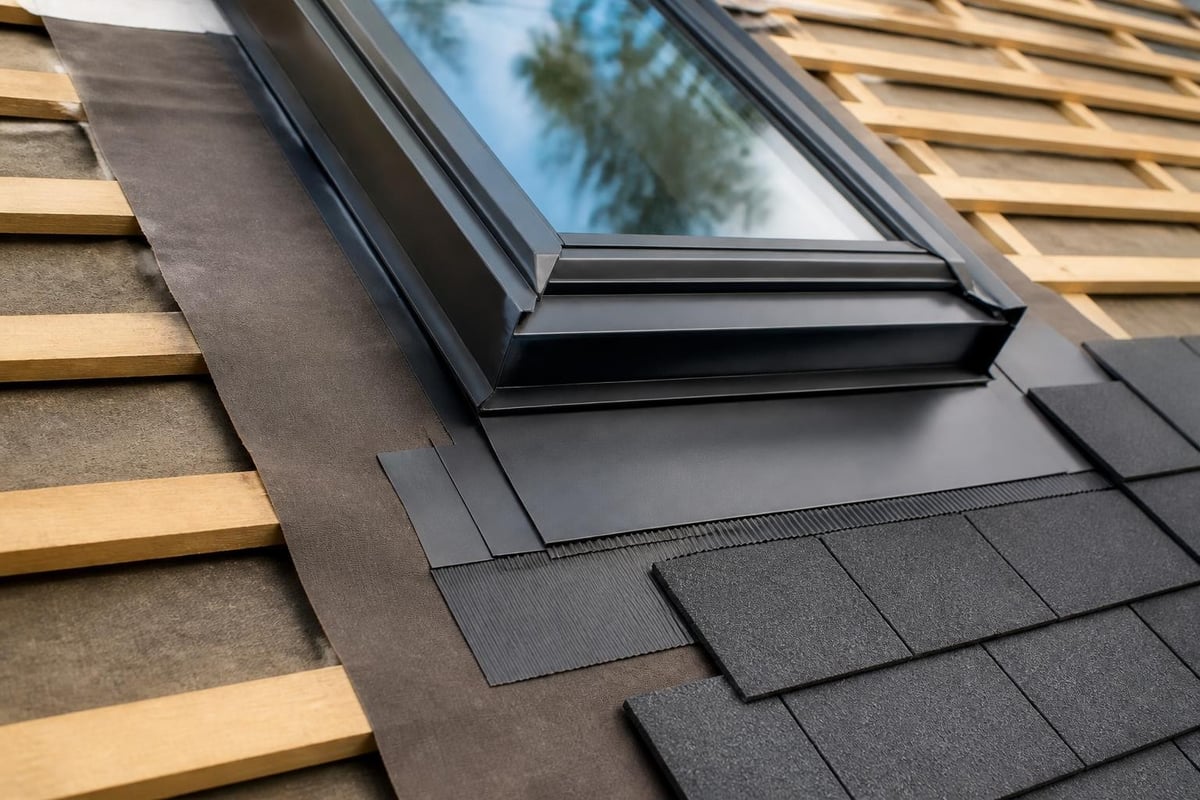
The flashing system creates a critical weatherproof barrier. Professional repair typically involves complete flashing replacement rather than attempting to patch deteriorated components. The National Roofing Contractors Association provides detailed technical guidance on proper flashing installation that professionals follow to ensure lasting weatherproofing.
Step-by-step flashing repair:
- Remove roofing materials surrounding the skylight to expose existing flashing
- Extract deteriorated flashing components carefully to avoid damaging skylight frame
- Inspect skylight curb and structural framing for rot or damage
- Install new step flashing along skylight sides, integrating with roofing material
- Apply head and sill flashing with proper overlap and seal points
- Replace roofing materials with careful attention to shingle integration
- Seal all penetrations using appropriate roofing cement and caulking
The U.S. Department of Energy provides detailed guidance on flashing installation that minimizes disruption to surrounding roof sections while ensuring waterproof performance.
Addressing Specific Repair Challenges
Different skylight types and damage patterns require specialized approaches. Los Angeles homes feature diverse skylight configurations, each presenting unique repair considerations.
Fixed Versus Operable Skylights
Fixed skylights generally require simpler repairs focused on flashing and sealing. Operable units that open for ventilation include additional mechanisms, hinges, and seals that may need service. Repair of operable skylights often involves addressing:
- Worn weatherstripping around opening perimeters
- Failed actuator mechanisms in motorized units
- Damaged hardware including hinges, latches, and cranks
- Compromised operator seals that allow water infiltration when closed
Dome Versus Flat Glazing
Acrylic or polycarbonate dome skylights, common in commercial applications and some residential installations, develop different problems than flat glass units. UV exposure causes plastic materials to become brittle and yellow over time. Small cracks propagate quickly under thermal stress cycles.
Flat glass skylights offer superior longevity but require careful attention to glass seal integrity. Double or triple-pane units that develop seal failures allow moisture between glass layers, creating permanent fogging that obscures visibility and reduces insulation value.
Energy Performance and Modern Upgrades
Skylight repair presents an opportunity to enhance energy performance through strategic upgrades. Even when repairing rather than replacing the entire unit, homeowners can improve efficiency through component updates.
The ASHRAE Handbook on fenestration provides authoritative technical discussion of skylight thermal performance factors. Key metrics include U-factor (heat transfer rate), Solar Heat Gain Coefficient (SHGC), and Visible Transmittance (VT).
Glazing Enhancements
Replacing damaged glazing provides chances to upgrade to more efficient materials:
- Low-E coatings reflect infrared radiation while allowing visible light transmission
- Tinted glass reduces solar heat gain in climate zones with high cooling loads
- Laminated glass improves impact resistance and UV protection
- Gas fills (argon or krypton) between panes enhance insulation value
Performance comparison:
| Glazing Type | U-Factor | SHGC | Relative Cost |
|---|---|---|---|
| Single clear | 1.10 | 0.75 | Baseline |
| Double clear | 0.50 | 0.62 | +30% |
| Double low-E | 0.30 | 0.35 | +45% |
| Triple low-E gas | 0.20 | 0.27 | +85% |
Seasonal Maintenance Strategies
Preventive maintenance extends skylight lifespan and reduces emergency repair frequency. Los Angeles' Mediterranean climate presents specific seasonal challenges that benefit from targeted attention.
Spring inspection checklist:
- Clear debris from skylight wells and surrounding roof area
- Inspect seals for winter storm damage
- Check drainage paths for blockages
- Examine interior for condensation staining
- Test operable mechanisms for smooth operation
Fall preparation tasks:
- Clean glazing surfaces inside and out
- Verify flashing condition before rainy season
- Trim overhanging branches that could drop debris
- Inspect weatherstripping and replace if deteriorated
- Document current condition with photographs for future reference
Professional Maintenance Services
Professional roofing contractors offer maintenance programs that include skylight inspection as part of comprehensive roof care. These services identify developing problems before they cause damage, often catching issues that homeowners overlook during casual observation.
When addressing skylight concerns, working with experienced professionals ensures proper diagnosis and effective solutions. Roof repairs require specialized knowledge of building envelope performance, waterproofing principles, and material compatibility. Professional contractors understand how skylight systems integrate with overall roof assembly and can identify contributing factors that homeowners might miss.
Local Code and Permit Considerations
Skylight repair in Los Angeles requires compliance with California building codes and local regulations. While minor repairs like seal replacement typically don't require permits, more extensive work may trigger permitting requirements.
When Permits Are Required
California building codes generally require permits for:
- Structural modifications to skylight curbs or framing
- Complete skylight replacement including new roof penetrations
- Changes to skylight size or location
- Electrical work for motorized operators or integrated lighting
Permit-exempt repairs usually include:
- Flashing replacement without structural changes
- Glazing replacement in existing frames
- Seal and weatherstripping renewal
- Hardware replacement on operable units
Working with licensed contractors ensures code compliance and proper permit acquisition when required. Los Angeles building inspectors pay particular attention to proper flashing installation and structural integrity around roof penetrations.
Material Selection for Lasting Results
Choosing appropriate materials significantly impacts repair longevity and performance. Professional contractors select components based on compatibility with existing systems, local climate conditions, and long-term durability requirements.
Flashing Materials
Modern flashing options include:
- Aluminum flashing: Lightweight, corrosion-resistant, cost-effective for most applications
- Copper flashing: Premium durability, excellent weather resistance, develops protective patina
- Galvanized steel: Strong, affordable, requires protective coatings in coastal areas
- Synthetic underlayment: Advanced waterproofing membranes that complement metal flashing
Coastal Los Angeles locations benefit from corrosion-resistant materials that withstand salt air exposure. Inland areas with greater temperature swings require materials that accommodate thermal expansion without failing.
Sealant and Caulking Products
Professional repairs use appropriate sealants for each application:
| Sealant Type | Best Use | Expected Lifespan |
|---|---|---|
| Butyl rubber | Flashing seams, metal-to-metal | 20+ years |
| Polyurethane | Frame perimeters, expansion joints | 15-20 years |
| Silicone | Glazing seals, non-porous surfaces | 20+ years |
| Asphalt mastic | Roofing integration, shingle contact | 10-15 years |
Quality sealants cost more initially but prevent premature failure and reduce long-term maintenance requirements. Professional contractors understand which products work best for specific skylight configurations and exposure conditions.
Warning Signs Requiring Immediate Attention
Certain skylight problems demand urgent professional evaluation to prevent serious damage. Recognizing these critical warning signs helps homeowners prioritize repairs appropriately.
Active water intrusion represents the most urgent concern. Water entering living spaces damages ceilings, insulation, and structural framing. Mold growth can begin within 24-48 hours of water exposure, creating health hazards and expensive remediation requirements.
Structural concerns including sagging skylight curbs, visible frame separation from roof surface, or cracked framing members require immediate professional assessment. These conditions indicate potential failure that could allow complete skylight collapse during wind events or heavy rain.
Emergency Temporary Measures
While awaiting professional skylight repair, homeowners can take temporary steps to minimize damage:
- Place collection containers under active leaks to protect interior finishes
- Cover damaged areas with waterproof tarps secured to prevent wind displacement
- Divert water flow using temporary gutters or barriers on roof surface
- Document damage with photographs and videos for insurance claims
- Monitor conditions during storms to catch developing problems
Temporary measures provide stopgap protection but shouldn't replace professional repair. Prolonged reliance on makeshift solutions often leads to compounding damage that increases ultimate repair costs. Homeowners concerned about maintaining their roofing systems can learn more about preventive strategies through resources like preventing moss growth on roofs and recognizing when shingle replacement becomes necessary.
Working With Professional Contractors
Selecting qualified contractors ensures successful skylight repair outcomes. Los Angeles homeowners should evaluate potential service providers carefully, considering experience, credentials, and customer feedback.
Contractor Qualifications
Professional roofing contractors should possess:
- Valid California contractor's license (C-39 Roofing classification)
- Current liability insurance and workers' compensation coverage
- Manufacturer certifications for skylight brands they service
- Established business history with verifiable references
- Detailed written estimates outlining scope, materials, and timeline
Request multiple estimates to compare approaches and pricing. The lowest bid often indicates cut corners or inferior materials that compromise long-term performance.
Questions to Ask Contractors
Evaluate contractors by asking specific questions about their approach:
- How will you determine the root cause of the problem?
- What diagnostic steps do you include before proposing repairs?
- Which materials do you recommend and why?
- Do you provide written warranties on labor and materials?
- How do you protect interior spaces during roof work?
- What is your typical project timeline for this repair?
Professional contractors provide clear answers and explain their reasoning. They should welcome questions and offer transparent information about their processes and materials.
Long-Term Performance Expectations
Properly executed skylight repair should provide years of trouble-free performance. Understanding realistic expectations helps homeowners plan for future maintenance needs and budget accordingly.
Well-maintained skylights with quality repairs typically last 15-25 years before requiring major service or replacement. This lifespan depends on several factors:
- Installation quality of original unit and subsequent repairs
- Material selection for flashing, glazing, and sealing components
- Maintenance consistency including cleaning and inspection schedules
- Environmental exposure to UV radiation, temperature extremes, and precipitation
- Building movement from settling, seismic activity, or structural changes
Warranty Coverage
Professional contractors typically offer warranties covering both materials and labor. Standard warranty terms include:
Labor warranty: 2-5 years covering installation workmanship
Material warranty: 10-20 years depending on component type
Manufacturer warranty: Varies by skylight brand and component
Maintain documentation of all repair work, including invoices, warranties, and before/after photographs. This record proves valuable for future service needs and potential insurance claims.
Integration With Overall Roof System
Skylight repair shouldn't occur in isolation from broader roof maintenance. These components function as part of integrated building envelope systems that work together to protect structures from weather and environmental conditions.
Experienced contractors evaluate how skylights interact with surrounding roofing materials, ventilation systems, and attic insulation. For illustrated guidance on comprehensive approaches, This Old House provides detailed skylight replacement procedures that demonstrate proper integration techniques.
System integration considerations:
- Ensuring continuous air barrier around skylight perimeter
- Maintaining insulation R-value at skylight transitions
- Coordinating vapor retarder placement to prevent condensation
- Aligning skylight drainage with roof water management
- Accounting for thermal expansion at material interfaces
Professional contractors understand these interconnections and address them during repair work, preventing problems that compromise overall roof performance.
Understanding skylight repair fundamentals, recognizing warning signs early, and working with qualified professionals ensures these valuable architectural features continue enhancing your home for years to come. Whether addressing minor seal deterioration or more extensive flashing replacement, prompt attention prevents small issues from escalating into costly damage. For comprehensive roofing expertise covering all aspects of residential and commercial systems throughout Los Angeles and surrounding areas, Proof Your Roof provides the professional knowledge and quality workmanship homeowners trust for lasting skylight solutions and complete roof care.