
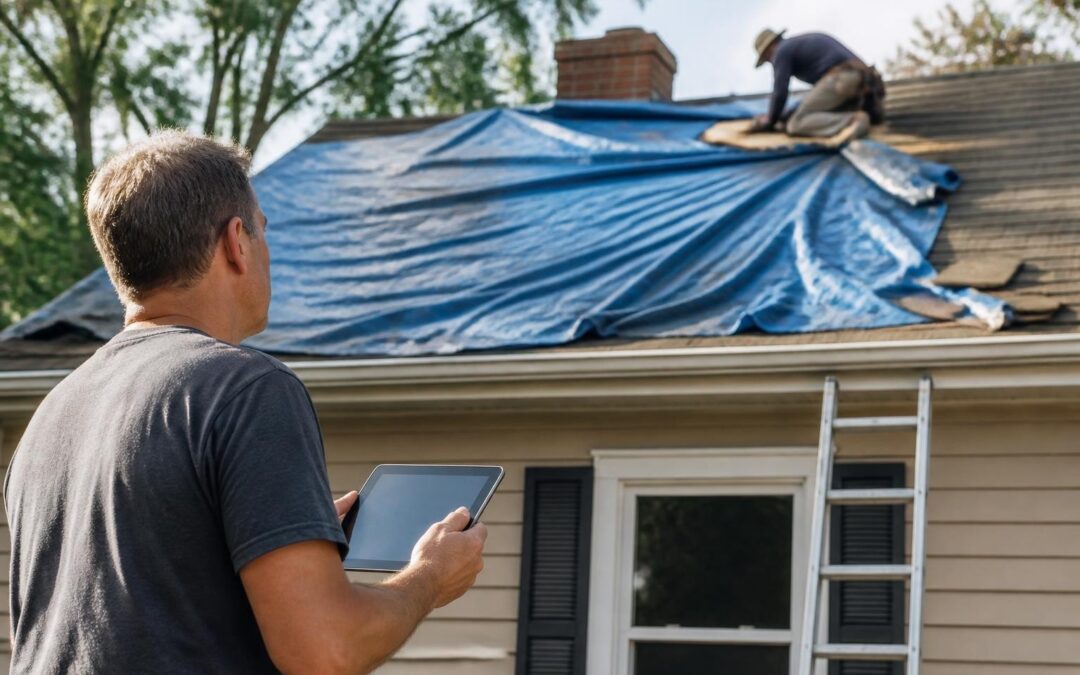
When roofing emergencies strike, time becomes your most valuable asset. Whether a violent storm has torn shingles from your roof, a fallen tree has punctured your protective barrier, or a sudden leak threatens your home's interior, the need for asap roofing services transforms from convenience to absolute necessity. Los Angeles homeowners face unique challenges with their roofing systems, from intense summer heat degrading materials to winter storms exposing vulnerabilities. Understanding what constitutes a true roofing emergency and how to secure rapid, professional intervention can mean the difference between minor repairs and catastrophic property damage.
Understanding Emergency Roofing Situations
Roofing emergencies rarely announce themselves at convenient times. Most critical failures occur during severe weather events or reveal themselves gradually until reaching a breaking point.
Identifying True Roofing Emergencies
Active water intrusion represents the most common emergency requiring asap roofing intervention. When water penetrates your roof system and enters living spaces, every passing hour increases damage to insulation, framing, electrical systems, and personal property. Stains spreading across ceilings, dripping water, or visible daylight through the roof deck all signal immediate action requirements.
Structural damage from fallen debris demands equally urgent attention:
- Tree branches penetrating the roof surface
- Complete shingle blow-off exposing underlayment
- Sagging roof sections indicating compromised support
- Visible holes or punctures in roofing materials
- Detached flashing around chimneys or vents
Wind damage often proves deceptive. While some effects appear obvious, other compromises remain hidden until the next rainfall. According to Consumer Reports’ roofing guide, wind speeds exceeding 50 mph can lift shingles without immediate visible damage, creating vulnerable entry points for water.
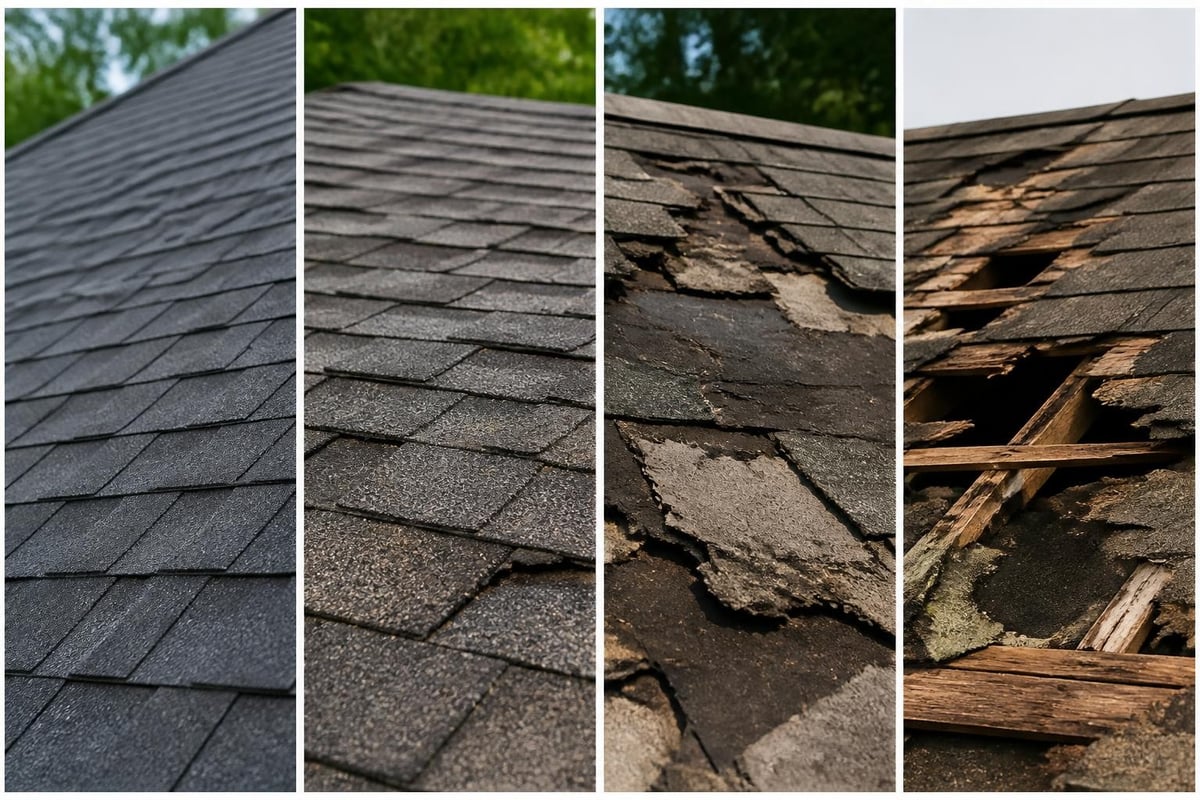
Fire damage requires specialized asap roofing response even when flames haven't directly contacted roofing materials. Heat exposure can degrade adhesive bonds, warp materials, and compromise structural integrity without obvious visual indicators.
Weather-Related Urgencies in Los Angeles
Southern California's climate presents specific emergency triggers. Santa Ana winds generate some of the region's most severe roofing challenges, with gusts reaching 70 mph or higher in exposed areas. These seasonal windstorms coincide with dry conditions, meaning any structural openings created by wind damage also introduce fire vulnerability.
| Weather Event | Primary Damage Type | Response Timeline |
|---|---|---|
| Santa Ana Winds | Shingle displacement, flashing failure | Within 24 hours |
| Heavy Rain | Leak activation, drainage overflow | Immediate |
| Heat Waves | Accelerated material degradation | Scheduled inspection |
| Hail Storms | Impact damage, granule loss | Within 48 hours |
Summer heat extremes exceeding 100°F can cause rapid deterioration of compromised roofing materials. An existing weakness becomes critical faster under thermal stress, making asap roofing assessment crucial after extreme temperature events.
The True Cost of Delayed Roof Repairs
Postponing necessary roofing interventions creates exponential cost increases. What begins as a localized repair requirement expands into comprehensive replacement projects when water damage spreads unchecked.
Progressive Damage Patterns
Water follows paths of least resistance through roofing systems. A single compromised shingle allows moisture penetration that saturates underlayment, rots decking, and eventually compromises structural framing. The Insurance Information Institute’s roof toolkit demonstrates how delayed repairs increase claim values by 300% or more when structural damage enters the equation.
Interior damage multiplies costs beyond roofing itself. Ceiling replacement, wall repair, electrical system remediation, and mold abatement quickly eclipse original roofing repair expenses. Comprehensive roof repairs address both immediate damage and underlying vulnerabilities before they cascade into larger problems.
Energy efficiency losses represent hidden costs. Compromised insulation from water intrusion increases heating and cooling expenses. Research from the Building America program shows that wet insulation loses up to 40% of its R-value, forcing HVAC systems to work harder year-round.
Insurance Considerations
Most homeowners insurance policies include provisions requiring timely damage mitigation. Failing to address known roofing issues can void coverage for subsequent damage. Insurance adjusters distinguish between sudden, covered events and gradual deterioration from neglected maintenance.
Documentation timing matters critically:
- Photograph damage immediately upon discovery
- Contact insurance provider within policy timeframes
- Secure emergency repairs to prevent further loss
- Maintain detailed records of all communications
- Obtain professional assessments from licensed contractors
Asap roofing responses demonstrate due diligence to insurers. Professional emergency tarping or temporary repairs show good-faith efforts to minimize claim values while awaiting formal inspections and approvals.
Selecting Reliable Emergency Roofing Contractors
Not all roofing companies maintain capacity for rapid emergency response. Distinguishing between qualified professionals and opportunistic operators becomes crucial when urgent needs cloud judgment.
Essential Contractor Qualifications
Valid licensing and insurance form non-negotiable baseline requirements. California requires contractors performing roofing work exceeding $500 to hold active C-39 roofing contractor licenses. Verify credentials through the Contractors State License Board before authorizing any work, regardless of urgency.
Comprehensive insurance coverage protects homeowners from liability. Legitimate asap roofing contractors carry:
- General liability insurance ($1-2 million minimum)
- Workers compensation for all employees
- Vehicle insurance for company trucks
- Bonding sufficient for project scope
Experience with your specific roofing type matters significantly. Asphalt shingle repairs require different expertise than clay tile or metal roofing systems. Request examples of similar emergency repairs the contractor has completed recently.
Red Flags to Avoid
Storm chasers represent the roofing industry's most problematic operators. These contractors follow weather events, offering immediate services at seemingly attractive prices before disappearing when problems emerge. Warning signs include:
- Out-of-state license plates or phone area codes
- Pressure for immediate decisions without written estimates
- Requests for full payment upfront
- Reluctance to provide local references
- Missing physical business addresses
Legitimate emergency services provide detailed written estimates even for urgent repairs. While timing pressure exists, professional contractors document scope, materials, labor, and pricing before beginning work.
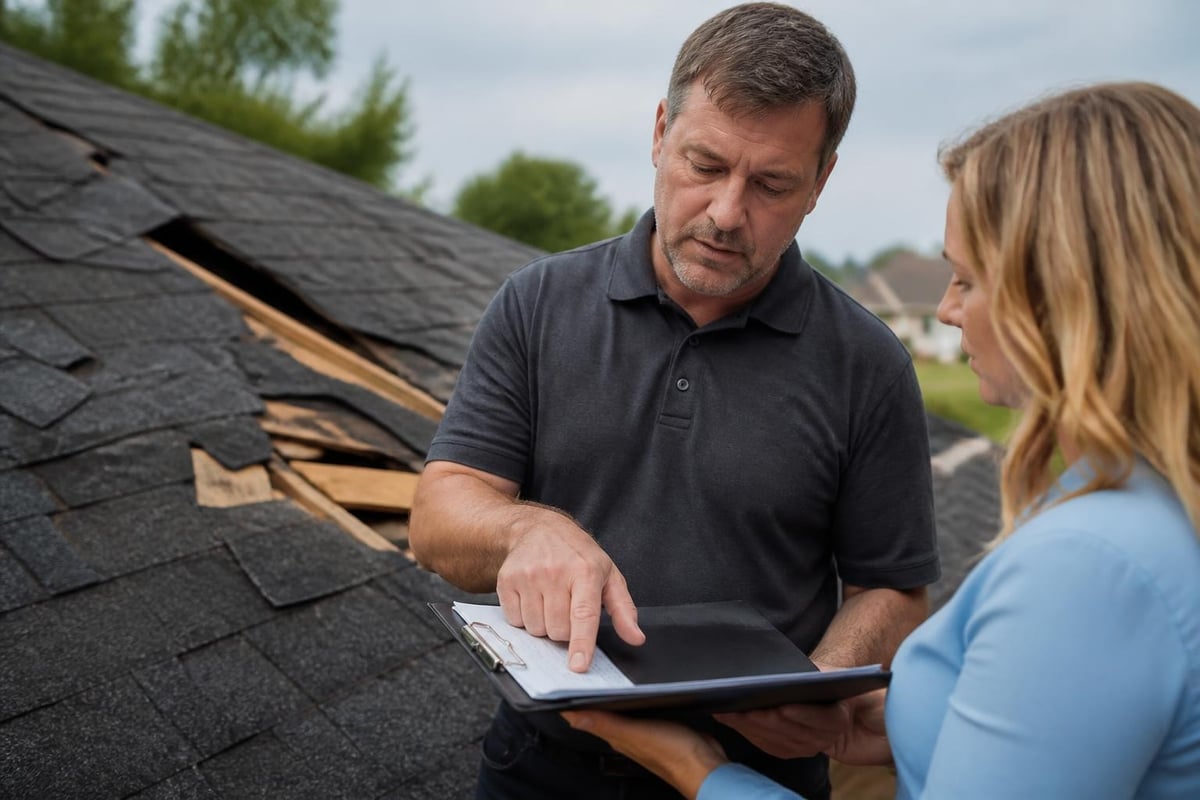
The National Roofing Contractors Association maintains directories of member contractors committed to industry standards and continuing education. While membership doesn't guarantee quality, it indicates investment in professional development.
Emergency Response Procedures and Expectations
Understanding the asap roofing process helps homeowners make informed decisions during stressful situations. Professional emergency responses follow systematic approaches balancing speed with quality.
Initial Assessment and Temporary Protection
First responders prioritize stopping active damage. This typically involves emergency tarping to prevent continued water intrusion while comprehensive assessments proceed. Quality tarping uses multiple layers with proper anchoring to resist wind displacement.
Professional emergency assessments include:
- Complete roof surface inspection for visible damage
- Interior evaluation for water intrusion patterns
- Attic inspection for structural compromise
- Documentation through photographs and measurements
- Preliminary repair scope development
Temporary repairs serve distinct purposes from permanent solutions. Emergency interventions stop immediate damage progression while allowing time for insurance processing, material procurement, and weather-appropriate permanent repairs.
Timeline Expectations for Permanent Repairs
Realistic asap roofing timelines balance urgency with quality outcomes. Emergency tarping or temporary patching should occur within hours of contractor contact during business hours, or by next business day for after-hours emergencies.
| Repair Type | Typical Timeline | Weather Dependency |
|---|---|---|
| Emergency tarping | Same/next day | Minimal |
| Minor leak repairs | 2-5 days | Moderate |
| Section replacement | 1-2 weeks | High |
| Complete re-roof | 3-6 weeks | High |
Weather introduces variables beyond contractor control. The Asphalt Roofing Manufacturers Association establishes temperature and moisture requirements for proper installation. Installing asphalt shingles below 40°F or during precipitation compromises adhesive activation and long-term performance.
Material Selection for Rapid Repairs
Emergency situations sometimes necessitate material compromises or creative solutions when exact matches prove unavailable. Understanding options helps homeowners make informed decisions balancing speed, cost, and longevity.
Matching Existing Roofing Systems
Asphalt shingle matching presents challenges as manufacturers discontinue colors and update formulations. Professional contractors maintain relationships with suppliers providing access to older inventory or comparable alternatives. Visual matching considers not just color but texture, dimension, and weathering patterns.
For tile roofing common in Los Angeles, finding exact replacements for older installations can prove impossible. Quality contractors source the closest available alternatives and position them strategically to minimize visual impact.
Metal roofing offers advantages in emergency situations through sectional replacement capabilities. Damaged panels remove and replace without affecting adjacent areas, assuming matching materials remain available.
Long-term Versus Temporary Solutions
Asap roofing sometimes means choosing between immediate temporary fixes and scheduling comprehensive permanent repairs. Honest contractors present both options with transparent cost-benefit analyses.
Temporary repairs make sense when:
- Insurance claim processing requires time
- Weather conditions prevent proper permanent installation
- Budget constraints necessitate phased approaches
- Replacement materials require special ordering
Permanent immediate repairs suit situations involving:
- Localized damage with readily available materials
- Pre-approved insurance coverage
- Favorable weather windows
- Higher urgency for complete resolution
Preventing Future Roofing Emergencies
While some damage proves unavoidable, proactive maintenance and informed material choices significantly reduce emergency frequency and severity. Los Angeles homeowners benefit from region-specific prevention strategies.
Regular Inspection Schedules
Biannual professional inspections catch developing issues before they become emergencies. Spring inspections prepare roofs for summer heat stress and identify winter storm damage. Fall inspections ensure readiness for rainy season while documenting pre-winter condition for insurance purposes.
Homeowners can perform basic monthly visual checks:
- Scan for missing, curled, or damaged shingles from ground level
- Check gutters for granule accumulation indicating shingle wear
- Inspect ceilings for new stains or discoloration
- Examine attic spaces for light penetration or moisture
- Clear debris from roof valleys and drainage points
Professional inspections provide value beyond visual assessment. Experienced contractors identify subtle indicators like improper ventilation, inadequate flashing, or developing structural issues invisible to untrained observers.
Strategic Upgrades and Reinforcements
Certain roofing system enhancements reduce emergency vulnerability. Impact-resistant shingles rated Class 4 better withstand hail and windblown debris common during Santa Ana events. While initially more expensive, these materials often qualify for insurance premium reductions offsetting upgrade costs.
Proper ventilation extends material lifespan and reduces heat-related failures. The EPA’s cool roof guidance explains how reflective materials and adequate airflow decrease thermal stress, particularly important in Southern California's climate.
Flashing improvements around chimneys, skylights, and penetrations represent high-value preventive investments. These vulnerable transition points account for disproportionate emergency calls. Modern materials and installation techniques provide superior weather resistance compared to older methods.
Working with Insurance After Roofing Emergencies
Insurance claim navigation following roofing emergencies requires understanding policy provisions, documentation requirements, and negotiation strategies. Informed homeowners secure fair settlements more consistently.
Documentation Best Practices
Comprehensive damage documentation begins immediately upon discovery. Before contractors perform emergency repairs, photograph all affected areas from multiple angles. Include wide shots showing context and close-ups revealing specific damage.
Detailed inventories of interior damage prove valuable if water intrusion affects personal property. List damaged items with purchase dates, replacement values, and photographic evidence when possible.
Maintain chronological records of all communications:
- Insurance company calls with dates, times, and representative names
- Contractor estimates and invoices
- Repair completion certificates
- Follow-up inspection reports
Professional asap roofing contractors experienced with insurance work provide documentation formatted for adjuster review. Detailed estimates specifying materials, labor hours, and code compliance requirements support claim valuations.
Understanding Coverage Limitations
Most policies distinguish between sudden damage from covered perils and gradual deterioration from deferred maintenance. Storm damage receives coverage; worn-out roofs do not. This distinction makes pre-existing condition documentation crucial.
Actual cash value versus replacement cost coverage dramatically affects settlement amounts. ACV policies depreciate roof value based on age and condition. Replacement cost coverage pays for new installations regardless of depreciation, though subject to policy limits.
Deductibles apply per occurrence. Multiple storm events affecting roofing within short timeframes may trigger separate deductibles depending on policy language and claim timing.
Regional Considerations for Los Angeles Roofing
Geographic factors influence both emergency frequency and appropriate response strategies. Los Angeles roofing presents distinct challenges requiring localized expertise.
Microclimate Effects on Roofing Systems
Coastal properties face salt air exposure accelerating metal component corrosion. Inland valleys experience more extreme temperature swings stressing materials through expansion-contraction cycles. Hillside locations encounter higher wind speeds and increased fire risk.
UV radiation intensity in Southern California exceeds many other regions, degrading asphalt shingle granules and organic materials faster. This accelerated aging means roofs approach failure points earlier than predicted lifespans suggest, increasing asap roofing needs as systems age.
Seismic considerations matter for roofing system design and emergency preparedness. While earthquakes rarely damage roofs directly, they can shift structures causing flashing separation or triggering pre-existing vulnerabilities.
Local Building Code Requirements
Los Angeles building codes establish minimum standards for roofing installations, particularly regarding fire resistance and wind ratings. Replacement work following emergencies must meet current codes even if original installations predated requirements.
Title 24 energy efficiency standards affect material choices for roof replacements. Cool roof requirements apply to steep-slope residential roofing in many circumstances, influencing asap roofing decisions when emergencies necessitate material selection.
Permit requirements apply to most roofing work beyond minor repairs. Professional contractors handle permitting processes, but homeowners should verify applications occur for work requiring approval. Unpermitted work creates future sale complications and potential liability.
Cost Factors in Emergency Roofing Services
Understanding price components helps homeowners evaluate quotes and budget appropriately for asap roofing needs. Emergency services typically command premium pricing reflecting availability demands and urgency.
Emergency Service Premiums
After-hours, weekend, and holiday emergency responses reasonably cost 25-50% more than standard-hour services. This premium compensates contractors for maintaining on-call availability and mobilizing crews outside normal schedules.
Temporary protection costs add to total project expenses. Emergency tarping, typically ranging $500-2,000 depending on roof size and complexity, represents necessary damage mitigation even when insurance covers permanent repairs.
Material expediting fees apply when standard supply chains cannot meet urgent timelines. Rush orders, specialized sourcing, or premium suppliers increase unit costs compared to projects allowing normal procurement lead times.
Value Versus Price Considerations
The cheapest asap roofing quote rarely provides best value. Extremely low bids often indicate:
- Inadequate insurance coverage shifting liability risk
- Substandard materials compromising longevity
- Inexperienced crews producing poor workmanship
- Hidden fees emerging during or after work
- Unlicensed operators unable to pull permits
Quality emergency roofing balances fair pricing with professional qualifications, appropriate materials, and warranty protection. Mid-range quotes from established contractors typically deliver optimal value.
Comprehensive estimates detail all cost components including materials, labor, disposal, permits, and warranties. Vague or incomplete quotes prevent meaningful comparison and often indicate unprofessional operations.
Roofing emergencies demand swift, informed responses to protect your property and minimize damage. Understanding what constitutes true emergencies, selecting qualified contractors, and maintaining proper documentation ensures you navigate these stressful situations effectively. When urgent roofing needs arise in Los Angeles or surrounding areas, Proof Your Roof provides expert residential and commercial services including emergency repairs, complete replacements, and preventive maintenance for all roofing types. Their experienced team delivers the rapid, professional intervention your property deserves when time matters most.