
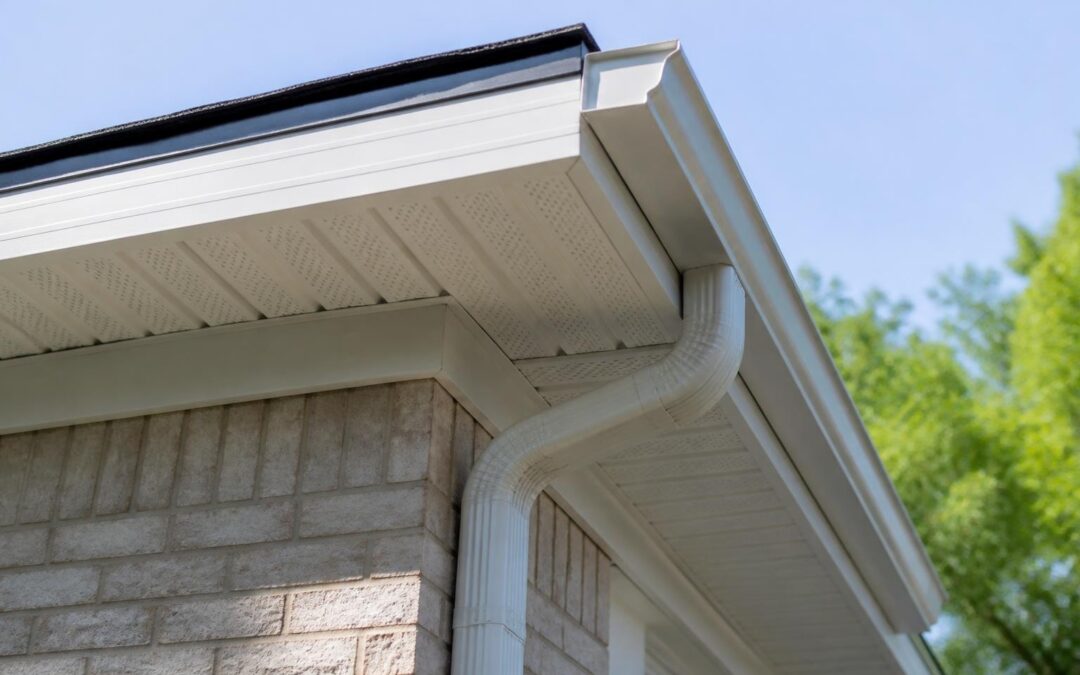
Every homeowner in Los Angeles understands the importance of a solid roof, but many overlook two critical components that protect their investment: soffits and guttering. These elements work together as a unified system, defending your home against moisture intrusion, pest infestation, and structural damage. While California may not experience the heavy rainfall of other regions, the combination of occasional downpours and intense sun exposure makes proper installation and maintenance of soffits and guttering absolutely essential. Understanding how these components function, what materials work best in Southern California's climate, and when to call professionals can save thousands in repair costs.
Understanding the Role of Soffits in Your Roofing System
Soffits serve as the underside covering of your roof's overhang, spanning the gap between your home's exterior wall and the roofline. This often-overlooked component performs multiple critical functions that directly impact your home's longevity and energy efficiency.
The primary purpose of soffits centers on ventilation. Properly vented soffits allow fresh air to enter your attic space, traveling upward and exiting through ridge vents or gable vents. This continuous air circulation prevents moisture buildup that can lead to mold growth, wood rot, and compromised insulation. According to Building Science Corporation’s ventilation guidance, adequate soffit ventilation significantly improves thermal performance and extends the lifespan of roofing materials.
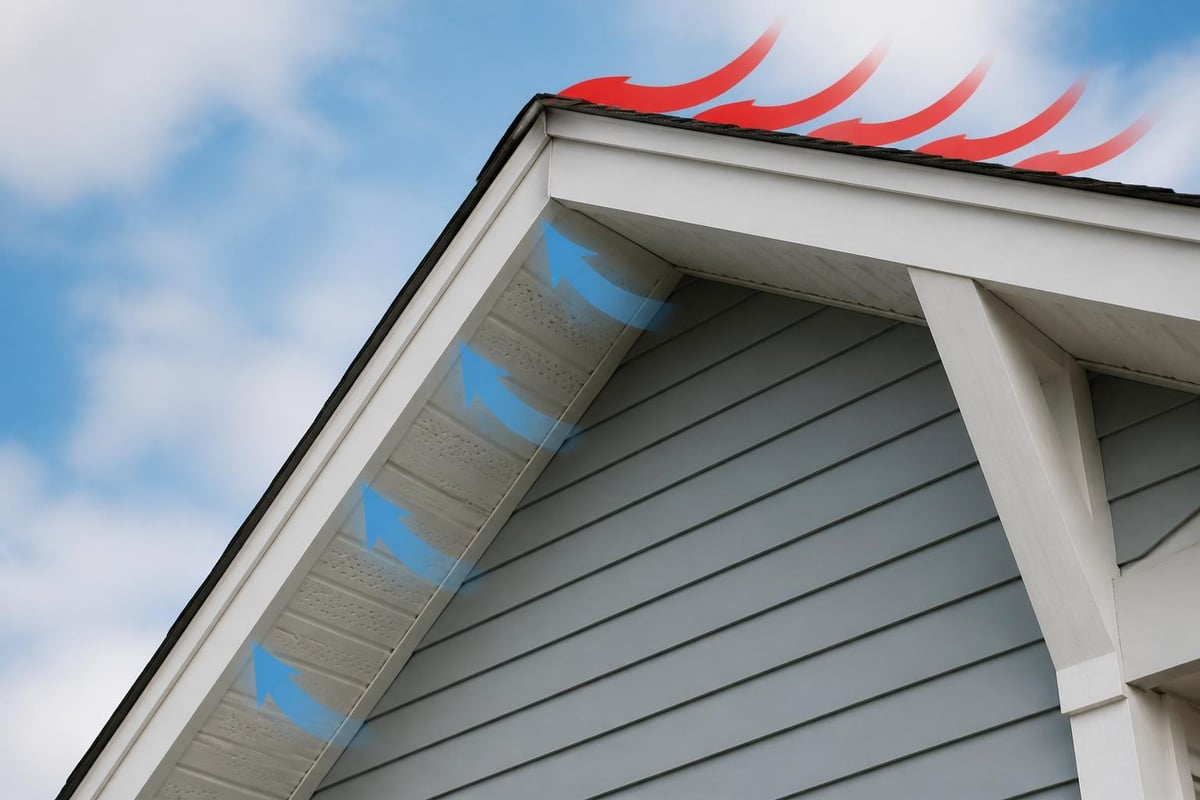
Beyond ventilation, soffits protect the exposed rafters and roof decking from weather elements. Without this protective barrier, rain and wind can directly impact structural wood members, accelerating deterioration. In Los Angeles, where wildfires remain a concern, fire-rated soffit materials add an extra layer of protection to vulnerable roof edges.
Common Soffit Materials and Their Applications
Selecting the right soffit material depends on climate conditions, architectural style, maintenance preferences, and budget considerations. Here are the most popular options for Los Angeles homeowners:
- Vinyl soffits: Affordable, low-maintenance, available in vented and solid panels, resistant to moisture and insects
- Aluminum soffits: Durable, fire-resistant, won't rot or warp, excellent for coastal areas with salt exposure
- Fiber cement soffits: Superior fire resistance, paintable, mimics wood appearance without maintenance concerns
- Wood soffits: Traditional aesthetic appeal, requires regular painting or staining, susceptible to moisture and pest damage
| Material | Lifespan | Maintenance | Cost | Fire Rating |
|---|---|---|---|---|
| Vinyl | 20-30 years | Very Low | $ | Fair |
| Aluminum | 30-50 years | Low | $$ | Excellent |
| Fiber Cement | 50+ years | Medium | $$$ | Excellent |
| Wood | 15-25 years | High | $$ | Poor |
The U.S. Department of Energy’s insulation guide emphasizes that continuous soffit ventilation, when properly coordinated with attic insulation and air sealing, can reduce cooling costs by 10-15% in warm climates like Southern California.
How Guttering Systems Protect Your Home Investment
Guttering systems channel rainwater away from your roof, foundation, and landscaping. While Los Angeles averages only 15 inches of annual rainfall, the intensity of winter storms can overwhelm inadequate or poorly maintained gutters, causing thousands of dollars in water damage.
Properly functioning gutters prevent foundation erosion, basement flooding, and landscape washout. When water cascades directly off your roof edge, it saturates the soil around your foundation, creating hydrostatic pressure that can crack concrete and compromise structural integrity. Guttering directs this water to designated drainage areas, protecting your home's most expensive component.
Gutter Materials for California's Climate
The harsh UV exposure and temperature fluctuations in Los Angeles demand durable gutter materials. Each option offers distinct advantages:
-
Aluminum gutters remain the most popular choice, offering excellent corrosion resistance, lightweight installation, and availability in seamless configurations that minimize leak points.
-
Copper gutters provide unmatched longevity and develop an attractive patina over time, though the premium price point limits their use to high-end applications.
-
Vinyl gutters offer budget-friendly installation but can become brittle under prolonged sun exposure, making them less suitable for California's intense UV conditions.
-
Steel gutters deliver superior strength for homes with heavy roof runoff or overhanging trees, though they require protective coatings to prevent rust.
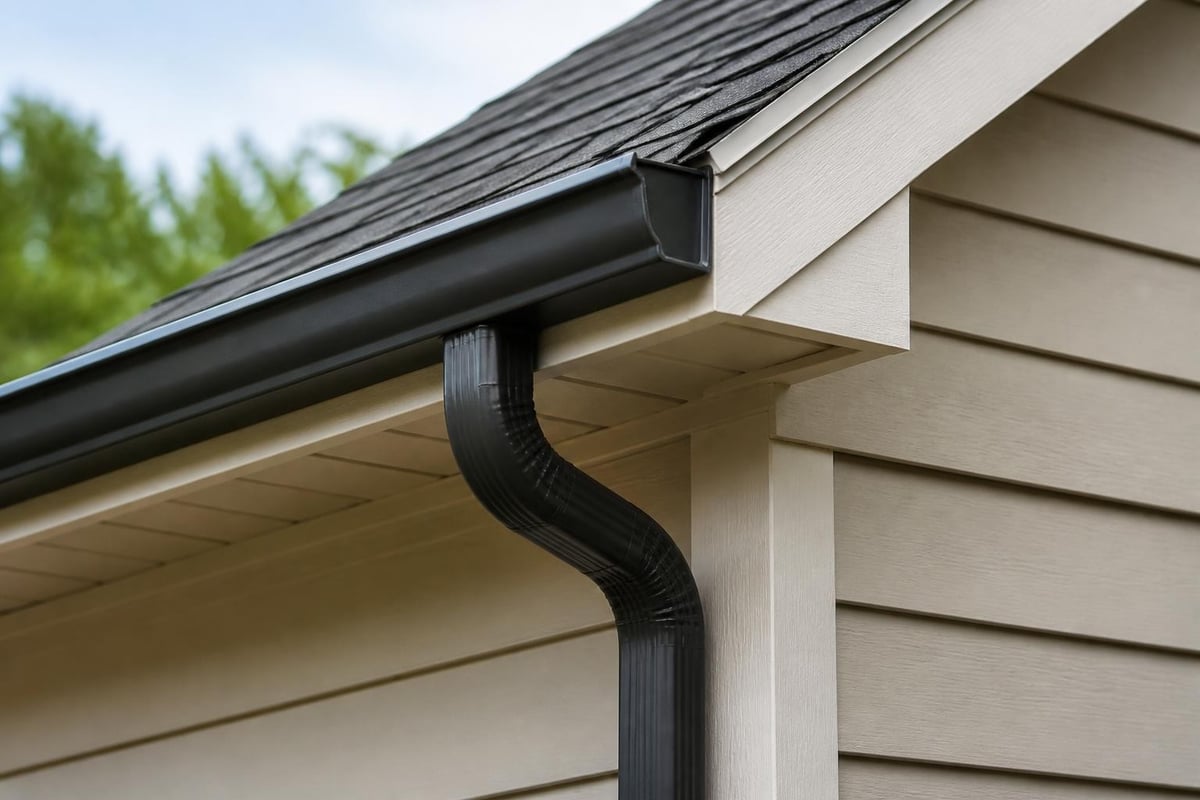
The connection between soffits and guttering becomes apparent when examining water management. Gutters must align precisely with the roof edge, positioned to catch water without creating gaps where moisture can reach soffit materials or fascia boards.
Installation Best Practices for Soffits and Guttering
Professional installation of soffits and guttering requires precise measurements, proper slope calculations, and attention to structural attachment points. DIY installations often result in ventilation problems, water pooling, and premature system failure.
Critical Installation Steps for Soffits
Experienced contractors follow a systematic approach when installing soffits. First, they ensure adequate ventilation area, calculating the required square footage based on attic volume. Most building codes specify one square foot of ventilation for every 150 square feet of attic space, split evenly between intake (soffit) vents and exhaust (ridge or gable) vents.
Next, professionals verify that insulation doesn't block soffit vents. Baffles or chutes maintain clear air channels between the roof decking and insulation, allowing unrestricted airflow from soffit to ridge. This detail, often missed in amateur installations, determines whether your ventilation system actually functions as designed.
The American Society of Home Inspectors’ standards identify soffit and fascia inspection as essential components of a thorough home evaluation, highlighting common defects like insufficient ventilation, moisture damage, and improper attachment.
Gutter Slope and Placement Guidelines
Gutters require precise slope to function properly. The standard specification calls for one-quarter inch of drop for every ten feet of gutter run. This gentle slope ensures water flows toward downspouts without creating visible sagging or standing water.
Downspout placement follows the rule of one downspout for every 30-40 feet of gutter, adjusted for roof size and local rainfall intensity. In Los Angeles, where storms can deliver intense short-duration rainfall, additional downspouts prevent overflow during peak flow periods.
- Position gutter hangers every 24-36 inches for aluminum gutters
- Use hidden hangers for seamless aesthetic appearance
- Install leaf guards in areas with significant tree coverage
- Extend downspouts 4-6 feet from foundation walls
- Consider underground drainage pipes for optimal water management
For homes requiring comprehensive roof work, roof repairs often include soffit and gutter assessment as part of a complete system evaluation. Addressing these components together prevents overlooking critical connections between different roofing elements.
Maintenance Requirements for Long-Term Performance
Regular maintenance extends the lifespan of soffits and guttering while preventing expensive emergency repairs. Los Angeles homeowners should implement a seasonal inspection schedule tailored to local conditions.
Seasonal Soffit Inspection Checklist
Spring and fall represent ideal times for soffit evaluation. Look for these common issues:
Visual indicators of problems: Peeling paint, water stains, sagging sections, visible daylight through vent holes, pest entry points, and damaged screening all signal needed repairs.
Ventilation testing involves checking attic temperature and humidity levels. If your attic temperature exceeds outdoor temperature by more than 20 degrees on a sunny day, inadequate soffit ventilation may be restricting airflow. Excessive humidity or condensation on roof decking indicates moisture infiltration that soffits should prevent.
Gutter Cleaning and Maintenance Schedule
Los Angeles's dry season allows debris to accumulate in gutters, creating fire hazards and blockages that cause overflow during winter rains. Establish this maintenance routine:
| Season | Task | Frequency |
|---|---|---|
| Spring | Remove debris, check slope | Annually |
| Summer | Inspect for leaks, test flow | As needed |
| Fall | Clear leaves, prep for rain | Before first storm |
| Winter | Check during storms | During rainfall |
The National Roofing Contractors Association recommends professional inspection of gutters, soffits, and fascias at least once every two years, with more frequent checks for homes near trees or in fire-prone areas.
Research from Frontiers in Environmental Chemistry examines pollutants in roof runoff, finding that first-flush rainwater contains concentrated contaminants from accumulated debris. This underscores the importance of regular gutter cleaning, not just for home protection but for environmental water quality.
Common Problems and Professional Solutions
Even well-installed soffits and guttering systems develop issues over time. Recognizing problems early prevents minor defects from becoming major repair projects.
Soffit Damage and Deterioration
Water intrusion represents the most common cause of soffit failure. When gutters overflow or ice dams form (rare but possible in mountain communities near Los Angeles), water backs up under shingles and saturates soffit materials. Wood soffits absorb moisture, leading to rot and paint failure. Vinyl soffits may crack or warp from prolonged water exposure.
Pest intrusion occurs when soffit vents lack proper screening or gaps develop between soffit panels and fascia boards. Birds, bats, insects, and rodents exploit these openings, nesting in attic spaces and causing insulation damage, noise disturbances, and health concerns.
Ventilation blockage happens when debris, insulation, or paint accumulates in soffit vents. Homeowners sometimes seal vents intentionally, mistakenly believing this improves energy efficiency. In reality, blocking soffit vents traps heat and moisture, dramatically shortening roof lifespan and potentially voiding manufacturer warranties.
Gutter System Failures
Sagging gutters result from inadequate hanger spacing, accumulated debris weight, or structural damage to fascia boards. Once gutters sag, water pools instead of flowing toward downspouts, accelerating corrosion and increasing stress on attachment points.
Leaking seams plague sectional gutter systems installed with improper sealant or insufficient overlap. Seamless gutters, fabricated on-site to exact measurements, eliminate most seam-related failures while providing cleaner aesthetics.
Downspout disconnection or clogging creates the most visible gutter problems. When downspouts separate from gutters or become blocked with debris, water overflows near the foundation, exactly where you don't want it. Regular flushing with a garden hose identifies blockages before they cause overflow.
Upgrading Soffits and Guttering for Enhanced Performance
Homeowners considering renovations should evaluate whether their existing soffits and guttering meet current performance standards. Older homes in Los Angeles often feature undersized gutters or inadequate soffit ventilation based on outdated building practices.
Modern Ventilation Solutions
Contemporary soffit design emphasizes continuous ventilation rather than intermittent vent panels. Continuous perforated soffit material provides superior airflow, eliminates dead zones, and simplifies installation. This approach aligns with UK building regulations on ventilation, which specify minimum ventilation rates based on roof area and insulation levels.
Baffles or vent chutes installed during roof replacement or attic insulation upgrades ensure unrestricted airflow paths. These inexpensive components prevent insulation from blocking soffit vents, a problem that compromises ventilation effectiveness in countless homes.
Combination ridge and soffit venting creates the ideal balanced ventilation system. Hot air rises naturally through ridge vents while cooler air enters through soffits, establishing continuous circulation without mechanical assistance.
High-Performance Gutter Options
Gutter guards or covers reduce maintenance requirements while preventing debris accumulation. Multiple designs exist, from simple screens to sophisticated surface-tension systems:
- Mesh screens block leaves while allowing water passage
- Reverse-curve guards use surface tension to direct water into gutters while shedding debris
- Foam inserts fill gutter channels, filtering water while blocking leaves
- Micro-mesh systems provide the finest filtration but command premium prices
Larger gutter profiles (6-inch versus standard 5-inch) handle greater water volume, beneficial for homes with large roof areas or steep pitches that concentrate runoff. Oversized gutters reduce overflow risk during intense storms.
Underground drainage systems represent the ultimate upgrade for water management. Rather than dumping downspout water near the foundation, buried pipes carry it to street storm drains, dry wells, or designated drainage areas, providing maximum foundation protection.
Material Selection for California's Unique Conditions
Los Angeles's Mediterranean climate presents specific challenges for soffits and guttering. Intense UV exposure, occasional heavy rains, seismic activity, and wildfire risk influence optimal material selection.
UV and Fire Resistance Considerations
California's Building Code emphasizes fire resistance in wildland-urban interface areas. Aluminum and fiber cement soffits offer superior fire ratings compared to vinyl, which can melt or burn. Some municipalities restrict combustible soffit materials in high fire-hazard zones.
UV degradation affects all exterior materials, but vinyl shows particular susceptibility to Southern California's intense sunlight. Quality vinyl products incorporate UV inhibitors that extend lifespan, but even premium vinyl doesn't match the durability of metal or fiber cement in direct sun exposure.
Color selection impacts thermal performance and longevity. Lighter colors reflect heat, reducing thermal expansion and contraction cycles that stress gutter seams and soffit joints. Dark colors may provide aesthetic appeal but absorb more heat, potentially shortening material lifespan.
Seismic and Wind Load Factors
California's seismic activity demands secure attachment of soffits and guttering to resist shaking. Standard installation practices may prove inadequate in earthquake-prone areas. Professional installers use:
- Structural fasteners driven into rafters or blocking rather than just fascia boards
- Flexible gutter hangers that accommodate building movement
- Expansion joints in long gutter runs to prevent stress concentration
- Reinforced mounting for downspouts and heavy components
Wind uplift forces near roof edges can dislodge improperly secured soffits during Santa Ana wind events. The NHBC Standards for pitched roofs provide detailed guidance on securing roof edge components to resist wind forces, applicable to California construction despite being UK-based standards.
Integration with Complete Roofing Systems
Soffits and guttering don't function in isolation. They integrate with shingles, fascia, flashing, and attic ventilation as components of a complete weather protection system. Understanding these connections helps homeowners make informed decisions about repairs and upgrades.
The fascia board serves as the mounting surface for gutters and the backing for soffit panels. When fascia deteriorates from water damage or age, it compromises both gutter stability and soffit attachment. Comprehensive roof projects address all three components together, ensuring proper integration and avoiding patchwork repairs that create new problems.
Drip edge flashing bridges the gap between shingles and gutters, directing water into gutters while protecting fascia and soffit from moisture intrusion. Many older homes lack proper drip edge, allowing water to wick behind gutters and saturate wood components. Adding drip edge during re-roofing or gutter replacement significantly improves long-term durability.
Roof pitch and overhang dimensions determine optimal gutter sizing and soffit ventilation requirements. Steep pitches concentrate water flow, demanding larger gutters or additional downspouts. Minimal overhangs limit soffit area available for ventilation, requiring alternative ventilation strategies or carefully designed vent placement to achieve adequate airflow.
Well-maintained soffits and guttering protect your Los Angeles home from water damage, improve energy efficiency, and extend roof lifespan through proper ventilation and drainage. Whether you're building new, replacing aging components, or addressing damage, professional installation ensures these critical systems perform as designed. Proof Your Roof brings decades of experience to residential and commercial roofing projects throughout Los Angeles and surrounding areas, delivering quality workmanship on everything from minor repairs to complete roof replacements with properly integrated soffits, fascias, and guttering systems.