
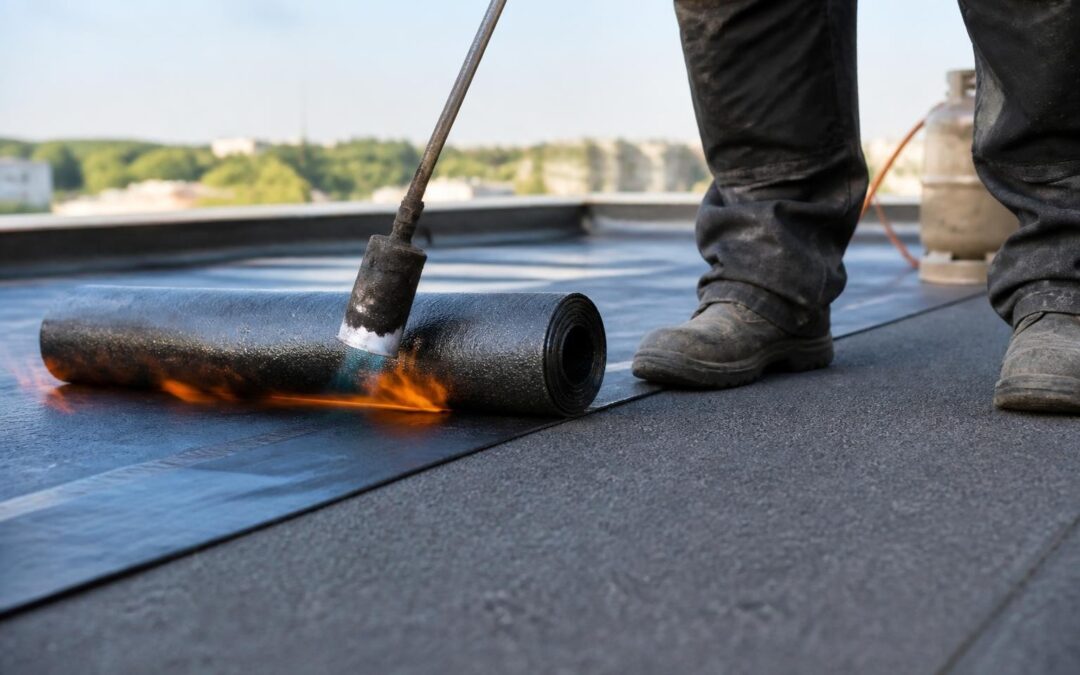
An asphalt cement roof remains one of the most widely used roofing systems across residential and commercial properties in the United States, combining proven waterproofing capabilities with cost-effectiveness. Whether you're considering a new installation or maintaining an existing structure, understanding the composition, application methods, and longevity factors of asphalt cement roofing helps property owners make informed decisions. This comprehensive guide explores the technical aspects, installation best practices, maintenance requirements, and environmental considerations specific to asphalt cement roof systems in 2026.
Understanding Asphalt Cement Roof Composition
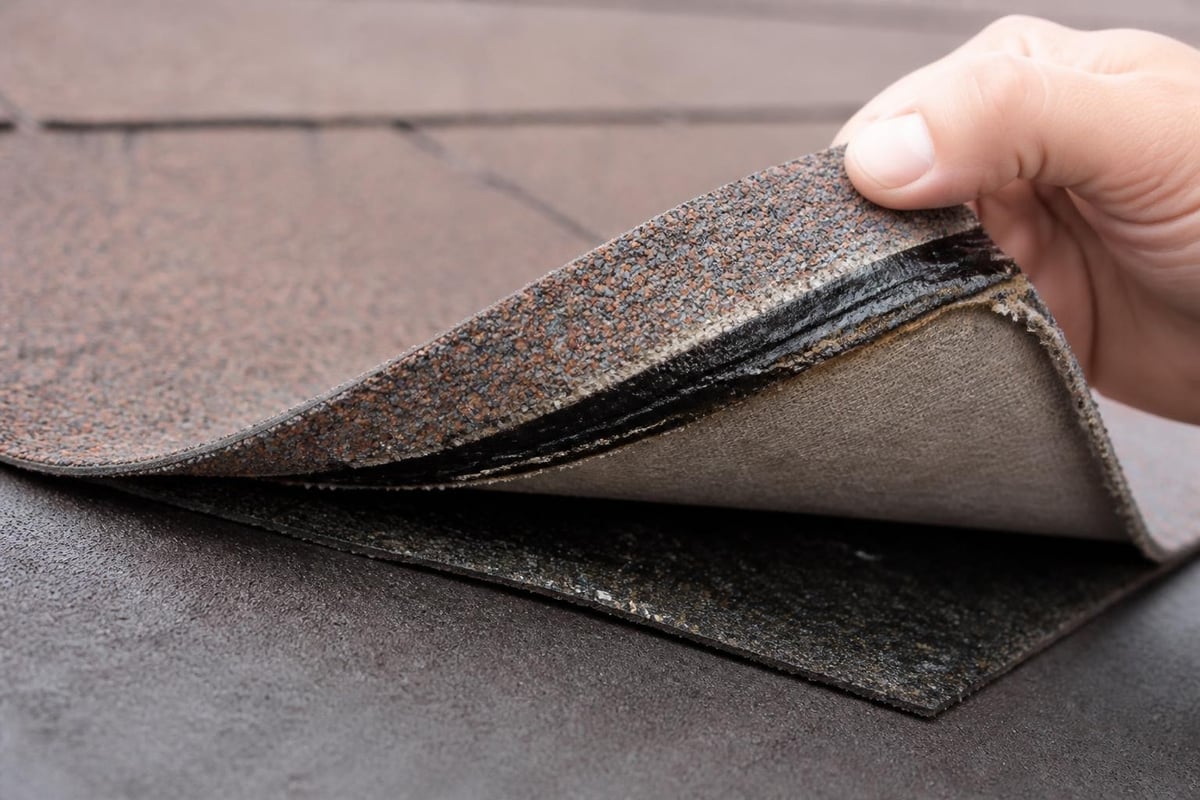
The foundation of any asphalt cement roof lies in its carefully engineered material composition. These roofing systems utilize asphalt as the primary waterproofing agent, combined with various base materials and protective layers to create a durable barrier against the elements.
Base Material Options
Asphalt cement roofing products incorporate two distinct base material categories, each offering unique performance characteristics:
- Organic-based systems utilize recycled paper products saturated with asphalt, providing traditional performance at economical pricing
- Fiberglass-based systems feature woven glass fiber mats coated in asphalt, delivering enhanced dimensional stability and fire resistance
- Hybrid formulations combine elements from both categories for specialized applications
The selection between organic and fiberglass bases depends on climate conditions, building codes, and specific project requirements. Fiberglass bases have gained prominence in recent years due to superior resistance to moisture absorption and lighter weight characteristics.
Protective Coatings and Granules
Surface protection forms a critical component of asphalt cement roof performance. Manufacturers apply ceramic granules, mineral particles, or stone coatings to shield the asphalt layer from ultraviolet radiation and physical damage.
| Coating Type | Primary Benefit | Typical Lifespan Extension |
|---|---|---|
| Ceramic granules | UV resistance, color retention | 15-20 years |
| Mineral coatings | Fire resistance, durability | 12-18 years |
| Reflective granules | Energy efficiency, cooling | 18-25 years |
These protective layers also contribute to the aesthetic appeal of the roof while managing heat absorption. The U.S. Department of Energy provides detailed guidance on cool-roof technologies that reduce energy consumption through reflective surface treatments.
Installation Methods and Best Practices
Proper installation determines the long-term performance of an asphalt cement roof system. Professional installation requires attention to substrate preparation, environmental conditions, and manufacturer specifications.
Substrate Preparation Requirements
Before any asphalt cement roof installation begins, the underlying deck must meet specific criteria:
- Surface cleanliness ensures proper adhesion without contamination from debris, oil, or previous roofing materials
- Structural integrity verification confirms adequate load-bearing capacity and absence of damaged decking
- Moisture testing identifies any trapped moisture that could compromise the new system
- Ventilation assessment guarantees adequate airflow to prevent condensation-related failures
The NRCA Roofing Guidelines establish industry standards for deck preparation and system installation across various asphalt roofing applications.
Application Techniques
Installation methodologies vary based on the specific asphalt cement roof product selected. Three primary installation approaches dominate the residential and commercial markets:
Nail-down installation represents the traditional method for asphalt shingles, where fasteners secure each course to the deck. This technique works effectively in moderate climate zones with predictable weather patterns.
Adhesive application utilizes specialized asphalt cement formulations to bond roofing materials without mechanical fasteners. This method excels in high-wind areas where uplift resistance becomes paramount.
Heat-activated systems employ modified asphalt that bonds when exposed to solar radiation or applied heat, creating seamless waterproof barriers ideal for low-slope applications.
Climate Considerations for Los Angeles Installations
Southern California's unique climate influences asphalt cement roof installation timing and material selection. The region's characteristic dry seasons, intense UV exposure, and occasional heavy rainfall periods require specific adaptations.
- Temperature management: Install during moderate temperatures (50-85°F) to ensure proper adhesive activation
- UV protection: Specify enhanced granule coatings to combat intense Los Angeles sunshine
- Wind resistance: Select products rated for regional wind speeds, particularly in exposed locations
- Thermal expansion: Account for significant daily temperature variations that stress roofing materials
When planning an Asphalt Shingles roof installation, professional contractors evaluate these climate factors alongside building-specific requirements to optimize system performance and longevity.
Maintenance and Longevity Factors
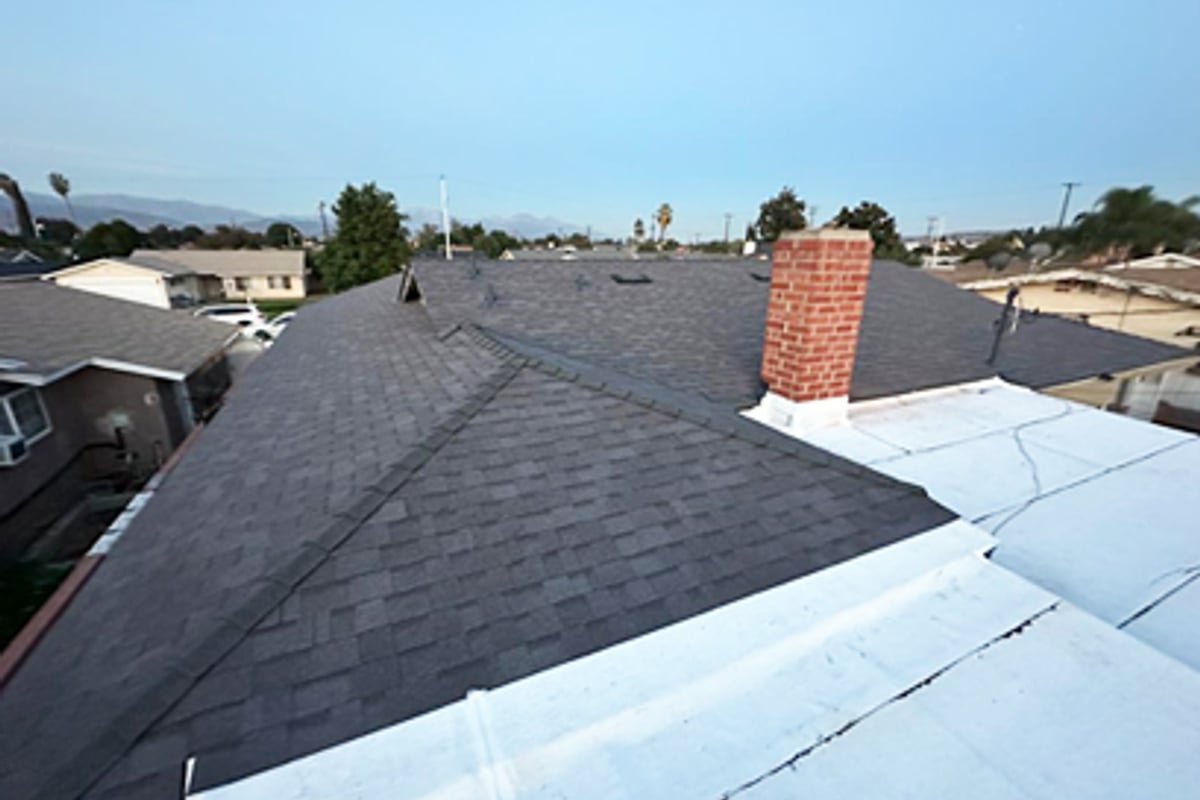
The lifespan of an asphalt cement roof depends heavily on proactive maintenance and timely interventions. Property owners who implement regular inspection schedules typically extend roof service life by 30-40% compared to neglected systems.
Routine Inspection Protocol
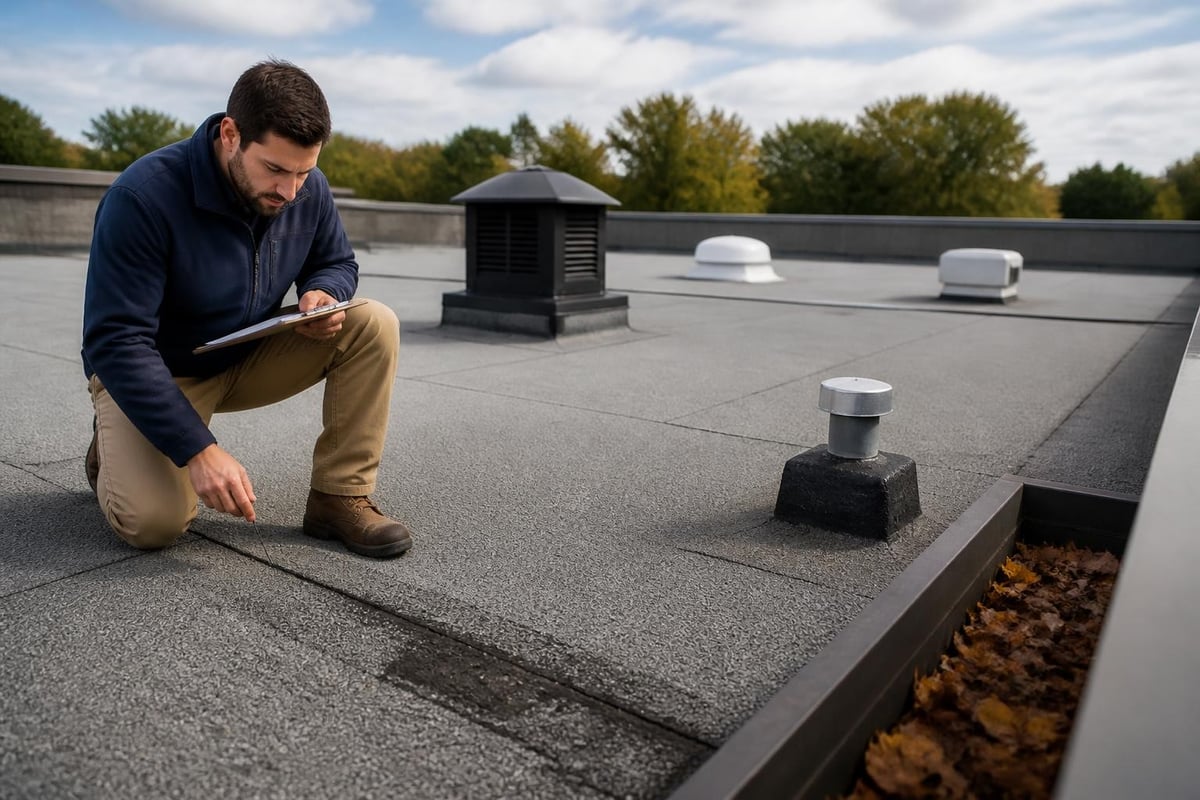
Establishing a comprehensive inspection routine identifies potential issues before they escalate into costly failures:
Spring inspections focus on winter damage assessment, checking for lifted shingles, granule loss, and flashing integrity after storm seasons.
Fall preparations ensure drainage systems remain clear and seal any minor penetrations before rainy periods commence.
Post-storm evaluations document wind damage, impact from debris, and water intrusion signs that warranty claims may require.
| Inspection Element | Frequency | Critical Warning Signs |
|---|---|---|
| Granule retention | Quarterly | Bare spots, excessive gutter accumulation |
| Flashing condition | Semi-annually | Rust, separation, missing sealant |
| Ventilation performance | Annually | Moisture stains, temperature differentials |
| Fastener integrity | After major storms | Exposed nails, lifted corners |
Common Repair Scenarios
Understanding typical asphalt cement roof repair needs helps property managers budget appropriately and respond promptly to emerging issues.
Minor repairs often involve replacing individual damaged shingles, resealing flashing around penetrations, or applying asphalt cement patches to small compromised areas. These interventions typically cost a fraction of full replacement while extending system life considerably.
Moderate damage scenarios might require section replacement following wind events or impact damage from falling branches. Professional assessment determines whether localized repairs maintain warranty coverage or if more extensive work becomes necessary.
Performance Specifications and Standards
Industry standards govern asphalt cement roof manufacturing, installation, and performance expectations. Familiarity with these specifications helps property owners evaluate contractor proposals and material selections.
ASTM Standards and Testing
The ASTM D4586 specification establishes requirements for asphalt roof cement used in various applications. This standard defines four distinct types of asphalt cement products based on application method and performance characteristics.
Testing protocols evaluate critical performance metrics including:
- Adhesion strength under various temperature conditions
- Flexibility across expected service temperature ranges
- Water resistance when subjected to ponding and driving rain
- Durability through accelerated aging simulations
Contractors referencing ASTM standards demonstrate commitment to quality installations meeting recognized industry benchmarks.
Fire Resistance Classifications
Fire safety represents a paramount consideration for asphalt cement roof systems, particularly in wildfire-prone regions of California. Understanding classification systems helps property owners select appropriate materials for their risk profile.
Class A ratings indicate the highest fire resistance, with materials demonstrating effective protection against severe fire exposure from external sources. Most modern fiberglass-based asphalt products achieve this classification.
Class B ratings provide moderate fire protection suitable for many residential applications where building codes permit.
Class C ratings offer basic fire resistance, though increasingly uncommon in new construction as codes tighten fire safety requirements.
Environmental Impact and Sustainability
The roofing industry has made significant progress addressing environmental concerns associated with asphalt cement roof systems. Understanding these developments helps environmentally conscious property owners make informed decisions aligned with sustainability goals.
Recycling Programs and Initiatives
Asphalt shingle recycling has emerged as a viable solution for managing end-of-life roofing materials. The Asphalt Roofing Manufacturers Association reports that recycling programs now operate in most major metropolitan areas, including Los Angeles.
Recycled asphalt roofing materials find applications in:
- Hot-mix asphalt paving for roads and parking lots, where ground shingles serve as aggregate replacement
- Cold-patch products for pothole repair and pavement maintenance
- Fuel blending in cement kilns and industrial facilities
- Aggregate base material for construction projects
The EPA’s sustainable construction materials guidance provides comprehensive resources for contractors and property owners seeking to minimize landfill disposal of asphalt roofing products.
Energy Efficiency Advancements
Modern asphalt cement roof products incorporate cool-roof technologies that reduce building cooling loads through enhanced solar reflectance. These systems prove particularly valuable in Los Angeles's climate, where air conditioning costs represent significant operational expenses.
| Roof Type | Solar Reflectance | Estimated Cooling Savings |
|---|---|---|
| Standard dark shingles | 5-15% | Baseline |
| Medium-color shingles | 20-35% | 10-15% reduction |
| Cool-roof rated products | 35-50% | 20-30% reduction |
Technical resources from the Asphalt Institute detail material formulations and application techniques that optimize thermal performance while maintaining traditional asphalt cement roof aesthetics.
Cost Considerations and Value Analysis
Understanding the complete cost picture for asphalt cement roof systems helps property owners budget effectively and evaluate contractor proposals accurately.
Initial Investment Components
The total installation cost encompasses multiple factors beyond material pricing:
- Material costs including shingles, underlayment, fasteners, and flashing components
- Labor expenses for professional installation, typically representing 40-60% of total project cost
- Disposal fees for removing existing roofing materials and transporting waste to approved facilities
- Permit costs required by local building departments for re-roofing projects
Los Angeles-area projects often incur additional expenses related to enhanced seismic requirements, stricter building codes, and premium pricing for experienced contractors serving competitive markets.
Long-term Value Factors
Evaluating asphalt cement roof value requires looking beyond initial installation costs to lifecycle economics:
Maintenance requirements for asphalt systems remain modest compared to alternative roofing types, with annual inspection and minor repair costs typically ranging from two to four hundred dollars for residential properties.
Energy savings accumulate over the roof's service life, particularly with cool-roof products that reduce air conditioning demands during Los Angeles's extended warm seasons.
Property value impact reflects positively when selling homes, as buyers recognize the security and reduced near-term capital expenditure needs of recently installed quality roofing systems.
Warranty coverage provides financial protection against material defects and installation errors, with premium products offering transferable warranties that enhance property marketability.
Advanced Application Techniques
Professional contractors employ specialized techniques to address challenging installation scenarios and maximize asphalt cement roof performance in demanding conditions.
Modified Asphalt Systems
Modified asphalt formulations incorporate polymers or rubberized compounds that enhance performance characteristics beyond traditional asphalt cement roof capabilities. These advanced systems excel in:
- High-temperature environments where standard asphalt softens excessively
- Low-slope applications requiring enhanced waterproofing properties
- High-traffic areas where rooftop equipment access demands superior durability
Modified bitumen products combine the proven waterproofing capabilities of asphalt with modern polymer technology, creating hybrid systems suited to commercial applications and challenging residential installations.
Multi-layer Installation Strategies
Certain applications benefit from multi-layer asphalt cement roof assemblies that provide redundant waterproofing and enhanced longevity:
- Base layer installation establishes primary waterproofing barrier
- Intermediate layers add puncture resistance and thermal performance
- Cap sheet application provides UV protection and weather resistance
- Surface treatments enhance reflectivity and extend service life
These sophisticated systems typically appear in commercial properties, high-value residential estates, and critical-use buildings where roofing failure consequences justify premium investment in enhanced reliability.
Quality Control Measures
Distinguishing professional installations from substandard work requires understanding quality control checkpoints throughout the installation process:
Material staging ensures products remain dry and undamaged before installation, with proper storage protecting against moisture infiltration and physical damage.
Weather monitoring confirms installation occurs within manufacturer-specified temperature and precipitation parameters that enable proper adhesive activation and seal formation.
Installation verification includes checking fastener patterns, overlap dimensions, and flashing details against manufacturer specifications and building code requirements.
Final inspection documents completed work through photographs and written reports that support warranty activation and provide baseline documentation for future maintenance planning.
Regional Adaptation Strategies
Los Angeles's diverse microclimates and varied architectural styles require tailored approaches to asphalt cement roof design and installation. Successful projects account for location-specific factors that influence material selection and installation methodology.
Coastal Zone Considerations
Properties within several miles of the Pacific Ocean face accelerated deterioration from salt-laden air and elevated humidity levels. Coastal asphalt cement roof installations benefit from:
- Enhanced corrosion-resistant fasteners and flashing materials
- Increased inspection frequency to identify salt damage early
- Premium underlayment products providing additional moisture protection
- Specialized sealants formulated for marine environments
Valley and Inland Applications
The San Fernando Valley and inland areas experience temperature extremes that stress roofing systems through thermal cycling. These locations require:
- Materials rated for extended temperature ranges (140°F+ surface temperatures)
- Enhanced ventilation systems managing attic heat buildup
- UV-resistant formulations combating intense solar radiation
- Expansion joint details accommodating thermal movement
Hillside and Elevated Site Requirements
Properties at higher elevations or exposed hillside locations face increased wind loads and potential fire exposure from wildland interface zones. Specialized installation approaches include:
- Enhanced fastener schedules exceeding standard requirements
- Fire-resistant underlayment and edge details
- Wind-rated products certified for uplift resistance
- Perimeter reinforcement preventing edge blow-off
Asphalt cement roof systems deliver reliable, cost-effective protection when properly specified, professionally installed, and regularly maintained throughout their service life. The combination of proven waterproofing technology, diverse product options, and established installation practices makes these systems an excellent choice for Los Angeles-area properties. Whether you need expert installation, routine maintenance, or emergency repairs, Proof Your Roof brings decades of experience serving residential and commercial clients throughout Los Angeles and surrounding communities with quality workmanship and customer-focused service.