
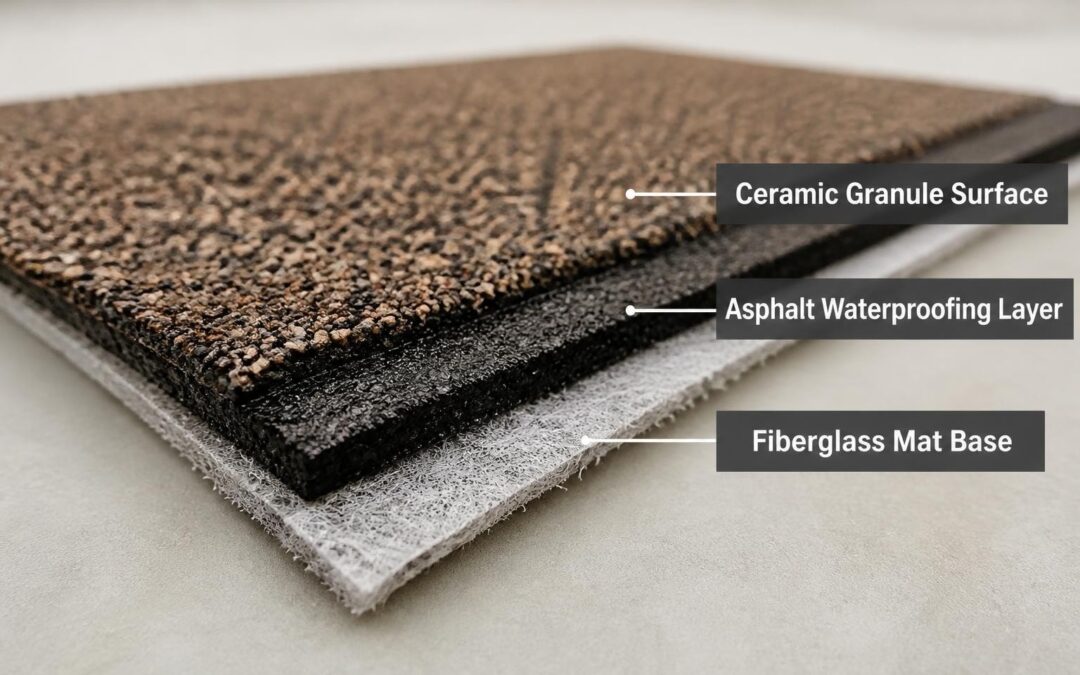
Asphalt fiberglass shingles represent the most widely installed roofing material in North America, protecting over 80% of residential structures across the continent. This dominance stems from a unique combination of affordability, durability, and proven performance that few roofing materials can match. As building codes evolve and climate considerations become increasingly important, understanding the composition, standards, and installation requirements for these shingles helps homeowners and contractors make informed decisions. Whether you're planning a new roof installation or evaluating replacement options for your Los Angeles home, the technical details behind asphalt fiberglass shingles directly impact long-term performance and value.
Understanding Fiberglass-Based Shingle Composition
Modern asphalt fiberglass shingles evolved from earlier organic-mat shingles through innovations in base material technology. The fiberglass mat provides dimensional stability and fire resistance that organic felt could not achieve.
The Fiberglass Mat Foundation
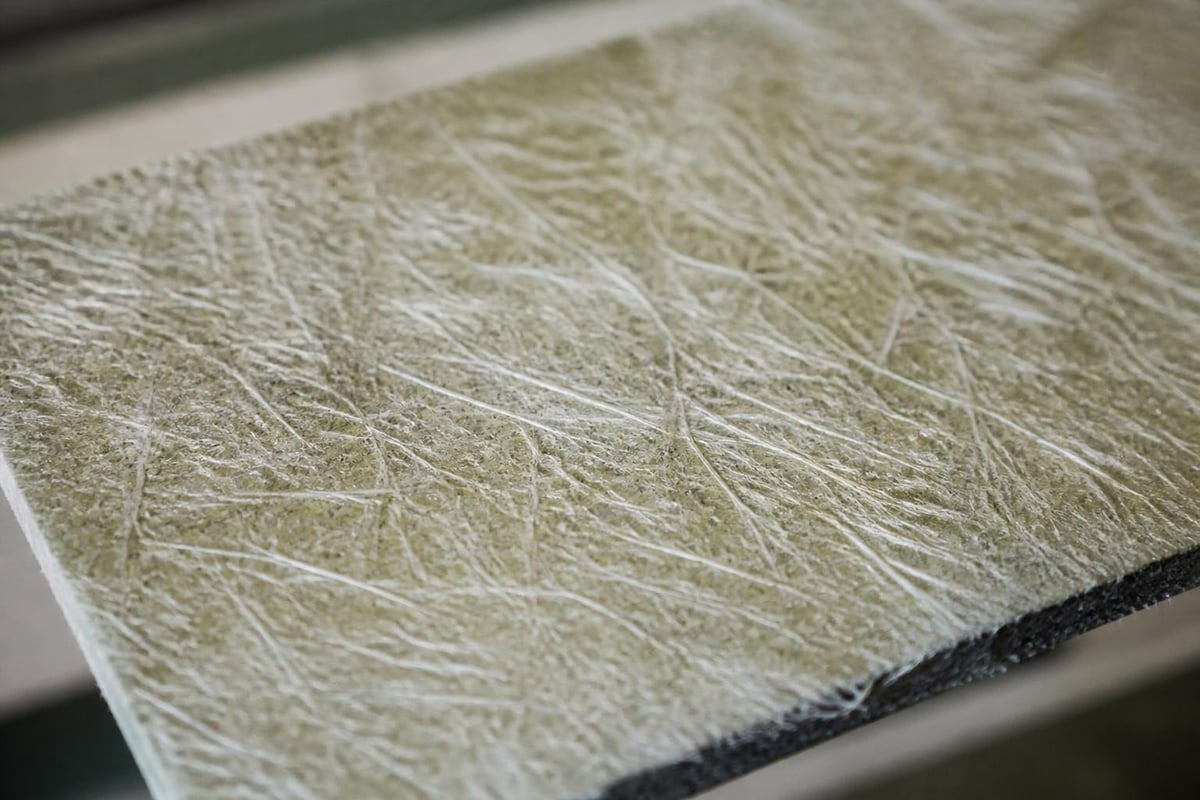
The base mat consists of randomly oriented glass fibers bonded with resin into a thin, strong substrate. This mat typically weighs between 1.5 and 3.0 pounds per 100 square feet, creating a stable platform that resists tearing and dimensional change.
Key performance advantages of fiberglass mats:
- Superior fire resistance (Class A ratings without additional treatment)
- Dimensional stability in varying temperatures and humidity
- Lower moisture absorption compared to organic materials
- Consistent thickness and uniform composition
- Lighter overall shingle weight
The ASTM D3462 specification governs fiberglass asphalt shingles, establishing minimum requirements for physical properties, dimensional tolerances, and performance characteristics. This standard differentiates fiberglass shingles from their organic predecessors and sets baseline expectations for manufacturers.
Asphalt Coating and Waterproofing
Asphalt serves as the primary waterproofing agent in fiberglass shingles. Manufacturers apply specially formulated asphalt blends to both sides of the glass mat, with the top surface receiving a thicker coating.
Modified asphalt formulations enhance performance through polymer additives. These modifications improve flexibility at low temperatures and resistance to flow at high temperatures. Premium shingles often incorporate styrene-butadiene-styrene (SBS) or other polymer modifiers that extend service life in extreme climates.
| Component | Function | Typical Content |
|---|---|---|
| Fiberglass mat | Structural stability | 1.5-3.0 lb/100 sq ft |
| Asphalt coating | Waterproofing | 12-18 lb/100 sq ft |
| Granules | UV/weather protection | 20-30 lb/100 sq ft |
| Backing material | Handling/adhesion | Variable |
Granule Technology and Surface Protection
Ceramic-coated mineral granules create the weather-facing surface of asphalt fiberglass shingles. These granules protect the asphalt from ultraviolet degradation while providing color and texture.
Manufacturers source granules from crushed rock (typically basalt or granite) sized between 0.7 and 2.0 millimeters. Ceramic coatings fired onto the stone surface provide durable color that resists fading. Recent innovations include algae-resistant copper-containing granules and reflective granules that reduce heat absorption.
Performance Standards and Testing Requirements
Industry organizations and code bodies maintain rigorous testing protocols that ensure asphalt fiberglass shingles meet minimum performance thresholds before entering the marketplace.
Fire Resistance Classifications
Fire testing evaluates how shingles perform when exposed to external fire sources. The UL 790/ASTM E108 tests measure flame spread, intermittent flame exposure, and burning brand resistance.
Asphalt fiberglass shingles typically achieve Class A fire ratings, the highest classification available. This rating indicates the roof covering is effective against severe fire exposure. The fiberglass mat's inherent fire resistance eliminates the need for additional fire-retardant treatments required by organic-mat shingles.
Fire test classifications:
- Class A – Effective against severe fire exposure (most fiberglass shingles)
- Class B – Effective against moderate fire exposure
- Class C – Effective against light fire exposure
Wind and Impact Resistance
Wind resistance testing evaluates how well shingles resist uplift forces during high-wind events. The Asphalt Roofing Manufacturers Association outlines testing protocols that measure adhesion strength and wind performance.
Standard shingles typically meet 60 mph wind ratings, while high-performance products achieve 110-130 mph ratings through enhanced adhesive formulations and reinforced construction. Installation methods significantly affect field performance, with proper fastening patterns and starter courses critical for achieving rated wind resistance.
Impact resistance addresses hail damage potential. UL 2218 testing drops steel balls of increasing diameter onto sample shingles. Products pass Class 4 (the highest rating) when they resist cracking from a 2-inch diameter steel ball.
| Test Standard | Purpose | Typical Results for Fiberglass Shingles |
|---|---|---|
| ASTM D3462 | Material properties | Baseline compliance required |
| UL 790/ASTM E108 | Fire resistance | Class A (most products) |
| ASTM D3161 | Wind resistance | 60-130 mph depending on product |
| UL 2218 | Impact resistance | Class 3-4 for enhanced products |
Installation Best Practices for Long-Term Performance
Proper installation techniques directly determine whether asphalt fiberglass shingles achieve their rated service life and performance characteristics. The National Roofing Contractors Association provides comprehensive guidelines that contractors follow for quality installations.
Deck Preparation and Underlayment
Solid, smooth deck surfaces create the foundation for successful shingle installation. Plywood or oriented strand board (OSB) decking should meet structural load requirements and provide adequate fastener holding power.
Underlayment serves as a secondary water barrier beneath shingles. Asphalt-saturated felt (15 or 30 pound) represents traditional underlayment, while synthetic underlayment products offer enhanced tear resistance and longer exposure periods during construction.
Critical deck preparation steps:
- Ensure proper ventilation meets code requirements (1:150 or 1:300 ratios)
- Replace damaged or water-stained decking before shingle installation
- Install drip edge along eaves before underlayment application
- Apply ice and water shield in valleys and along eaves in cold climates
- Extend underlayment coverage beyond exterior walls by 6 inches minimum
Fastening Patterns and Techniques
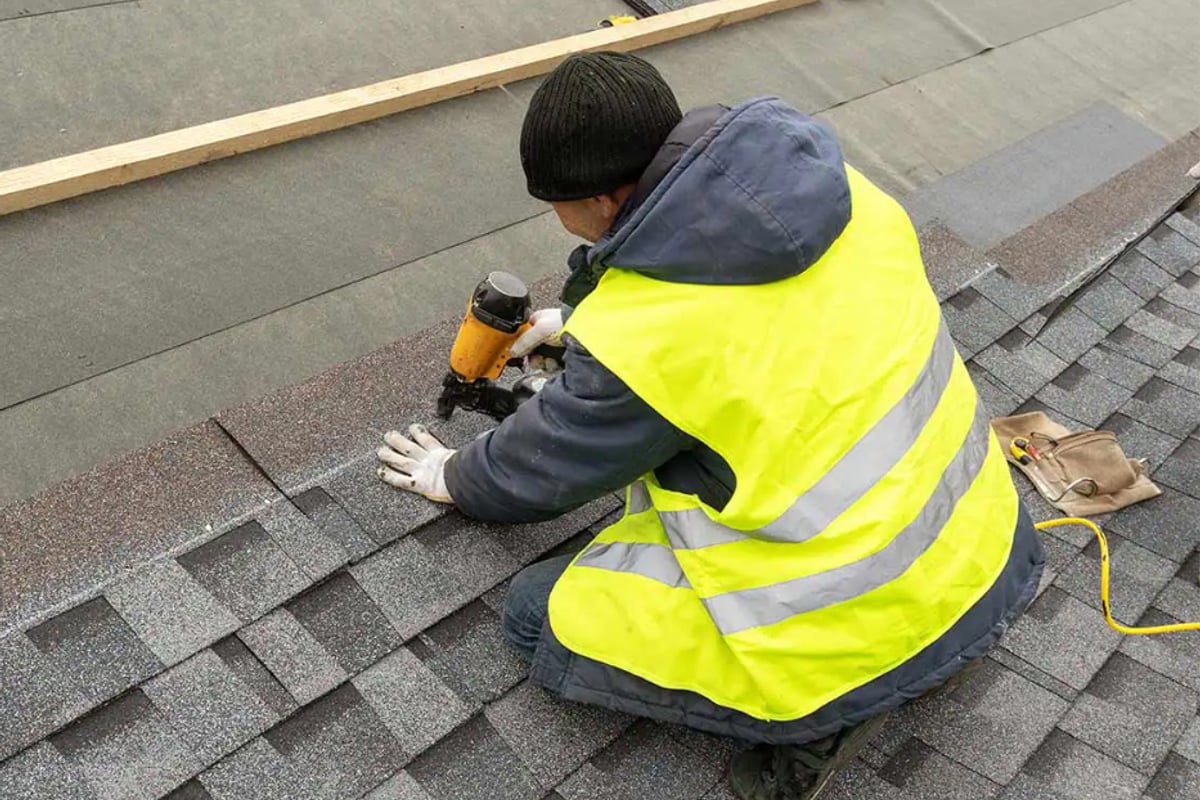
Nail placement and quantity determine how well asphalt fiberglass shingles resist wind uplift. Manufacturers specify fastening patterns in installation instructions, with requirements varying by product design and local wind exposure.
Standard three-tab shingles typically require four fasteners per shingle, positioned 5/8 inch above the cutouts and one inch from each end. Laminated architectural shingles often specify six fasteners per shingle for enhanced wind resistance.
Fastener type matters significantly. Ring-shank or deformed-shank roofing nails provide superior holding power compared to smooth-shank nails. Nail length should penetrate through decking by at least 3/4 inch, requiring 1.25-inch nails for typical installations over 3/8-inch or 7/16-inch OSB.
Critical Detail Work
Valleys, ridges, and penetrations require specialized techniques that prevent water infiltration. For Los Angeles homes and commercial buildings, proper flashing installation around chimneys, skylights, and vent pipes becomes essential for leak prevention.
Open valley construction uses metal flashing (typically 24-gauge galvanized steel or aluminum) centered in the valley. Closed-cut and woven valley methods integrate shingles directly but require careful execution to prevent premature failure.
Professional roofing contractors understand that roof repairs often trace back to inadequate detail work during initial installation, making proper valley and penetration treatment critical for long-term performance.
Environmental Considerations and Recycling
The environmental impact of asphalt fiberglass shingles extends from manufacturing through end-of-life disposal. Understanding this lifecycle helps property owners make informed decisions about sustainability.
Manufacturing and Transportation Impacts
Fiberglass shingle production requires energy for asphalt heating, mat manufacturing, and granule processing. The EPA WARM documentation quantifies greenhouse gas emissions associated with asphalt shingle manufacturing, distinguishing between fiberglass and organic mat products.
Fiberglass shingles generate lower emissions during production compared to organic-mat predecessors, primarily due to reduced material weight and simplified processing. Regional manufacturing reduces transportation distances for most installations, with products typically shipped within 500 miles of production facilities.
Recycling and Reuse Options
Asphalt shingle recycling has expanded significantly since 2015, with tear-off material increasingly diverted from landfills. Recycled shingles find applications in asphalt paving, where the asphalt content offsets virgin binder requirements.
Common recycling applications:
- Hot-mix asphalt pavement (most common use)
- Cold-patch asphalt products
- Road base and aggregate applications
- Fuel supplement in cement kilns
- Temporary road surfaces and pathways
Contamination from nails, wood, and underlayment reduces recycling efficiency. Specialized equipment separates ferrous metals and processes shingles into specified gradations for various applications. Los Angeles area contractors increasingly offer recycling as part of roof replacement services, reducing disposal costs while supporting sustainability goals.
Selecting the Right Shingle for Your Climate
Geographic location and local weather patterns should guide shingle selection decisions. California's diverse climate zones present different challenges for roofing materials.
Heat and UV Resistance Considerations
Los Angeles experiences intense UV exposure and elevated surface temperatures that accelerate asphalt aging. Cool-roof shingles with reflective granules reduce heat absorption, lowering cooling costs while extending shingle life.
Premium asphalt fiberglass shingles incorporate polymer-modified asphalt that resists softening at high temperatures. Standard shingles may experience granule loss and premature aging in continuous high-heat environments without these enhancements.
Solar reflectance values quantify how well shingles reflect sunlight. Values range from 0.05 (dark colors) to 0.30 (light colors with reflective granules). Title 24 energy code compliance in California may require specific solar reflectance indexes depending on roof slope and climate zone.
| Climate Factor | Standard Shingle Response | Enhanced Shingle Features |
|---|---|---|
| High UV exposure | Moderate aging acceleration | UV-stable polymer modifiers |
| Elevated temperatures | Potential granule adhesion loss | Modified asphalt formulations |
| Thermal cycling | Standard flexibility range | Enhanced low-temp flexibility |
| Wind exposure | 60 mph wind rating | 110-130 mph ratings available |
Algae Resistance for Humid Microclimates
Coastal areas and locations with morning fog may experience algae growth that creates dark streaking on roof surfaces. Algae-resistant asphalt fiberglass shingles incorporate copper-containing granules that prevent organism colonization.
These granules release small amounts of copper during rain events, creating an environment inhospitable to algae growth. While primarily aesthetic, algae resistance maintains curb appeal and can extend perceived shingle life by preventing premature replacement due to appearance degradation.
Cost Analysis and Value Proposition
Asphalt fiberglass shingles offer the most cost-effective roofing solution for most residential and light commercial applications. Understanding total installed costs and lifecycle value helps justify material selection.
Initial Installation Costs
Material costs for asphalt fiberglass shingles range from $90 to $180 per square (100 square feet) for basic three-tab products, with premium architectural shingles commanding $180 to $350 per square. Labor typically adds $150 to $300 per square depending on roof complexity and regional wage rates.
Total installed cost breakdown:
- Materials (40-50%): Shingles, underlayment, fasteners, flashing
- Labor (35-45%): Installation, tear-off, disposal
- Overhead and profit (10-15%): Insurance, equipment, business costs
Los Angeles installations typically fall toward the higher end of regional cost ranges due to prevailing wage rates and disposal fees. Complex roof geometries with multiple valleys, dormers, and penetrations increase labor requirements significantly.
Lifecycle Cost Considerations
Service life for quality asphalt fiberglass shingles ranges from 20 to 30 years in typical applications, with premium products potentially reaching 40 years under ideal conditions. Comparing lifecycle costs requires factoring in expected service life, maintenance requirements, and replacement timing.
Wind and impact-resistant shingles may qualify for insurance discounts that offset their premium pricing. Class 4 impact-rated products commonly receive 10-30% premium reductions in hail-prone areas, creating savings that accumulate over the policy period.
Energy savings from cool-roof shingles vary by climate zone and building characteristics. In Los Angeles's warm climate, reflective shingles can reduce cooling costs by 7-15% for poorly insulated buildings, with savings diminishing for well-insulated structures.
Warranty Coverage and Product Guarantees
Manufacturers provide warranty coverage that addresses material defects and performance failures. Understanding warranty terms, limitations, and transferability helps protect your roofing investment.
Material Defect Warranties
Standard material warranties cover manufacturing defects that cause premature failure. Basic shingle products typically include 10-year material defect coverage, while premium architectural shingles offer lifetime material warranties for the original property owner.
Limited lifetime warranties do not guarantee perpetual replacement. Most incorporate prorated coverage that reduces manufacturer obligation over time. After an initial non-prorated period (typically 10-15 years), coverage decreases annually based on shingle age.
Warranty structure example:
- Years 1-10: Full replacement cost coverage (non-prorated)
- Years 11-20: Coverage reduces 5% annually
- Years 20+: Minimal coverage (typically 20% maximum)
Wind and Algae Guarantees
Enhanced warranties address specific performance characteristics. Wind warranties guarantee shingle performance up to specified wind speeds for designated periods, typically 10-15 years at full coverage.
Algae resistance warranties prevent staining for 10-20 years depending on product line. These warranties require proper installation and may exclude certain environmental conditions that promote growth despite copper granules.
Warranty enforcement requires documentation. Retain installation invoices, product specifications, and photographs of completed work. Many manufacturers require professional installation for warranty validity, with specific installation standards that must be met for coverage.
Code Compliance and Approval Documentation
Building codes reference industry standards to establish minimum performance requirements. ICC Evaluation Service reports provide third-party verification that products meet or exceed code requirements.
Local Code Requirements
California building codes adopt International Residential Code (IRC) provisions with state-specific amendments. Chapter 9 covers roof assemblies, specifying requirements for fire resistance, wind resistance, and material standards.
Jurisdictions may impose additional requirements based on local hazards. High-fire-severity zones require Class A fire-rated roofing regardless of other factors. Wind exposure maps determine required wind ratings based on geographic location and building height.
Key code compliance checkpoints:
- Fire rating appropriate for wildland-urban interface zones
- Wind resistance matching local exposure category and building height
- Underlayment type and coverage for climate zone
- Valley flashing materials and installation methods
- Ventilation ratios for attic spaces
Product Approval and Listing
County and city building departments may maintain approved product lists that prequalify materials for permit approval. Manufacturers submit test reports and evaluation service documentation to achieve listing.
Products not on approved lists require individual evaluation, submitting test data and compliance documentation with permit applications. This process delays approval and increases administrative burden, making listed products preferable for most projects.
Asphalt fiberglass shingles deliver proven performance, cost-effectiveness, and versatile application across diverse climate conditions. Understanding composition, standards, and installation requirements enables informed decisions that maximize value and longevity. Whether you're planning a new installation or considering replacement options for your Los Angeles property, Proof Your Roof brings professional expertise in asphalt shingle installation, repair, and maintenance to ensure your roofing investment performs as expected for decades to come.