
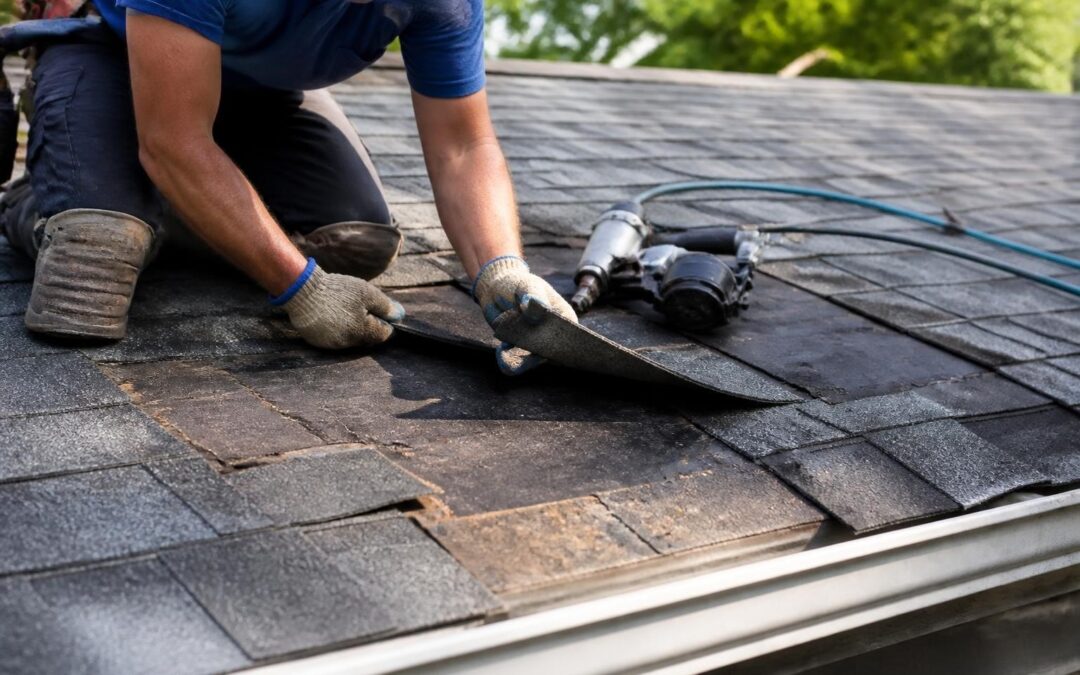
Asphalt shingles remain the most popular roofing material across the United States, covering approximately 80% of residential homes due to their affordability, durability, and ease of installation. Despite their proven performance, even the highest-quality asphalt roofs eventually require repairs due to weather exposure, age-related wear, or installation defects. Understanding when and how to address asphalt roof repair can save homeowners thousands of dollars while extending the lifespan of their roofing investment. This comprehensive guide explores everything Los Angeles homeowners need to know about identifying damage, choosing the right repair approach, and maintaining their asphalt shingle roofs for optimal longevity.
Common Types of Asphalt Shingle Damage
Asphalt shingles face numerous threats throughout their service life, with damage patterns varying based on climate, installation quality, and maintenance history. Recognizing these issues early allows homeowners to address problems before minor repairs escalate into costly replacements.
Wind and Storm Damage
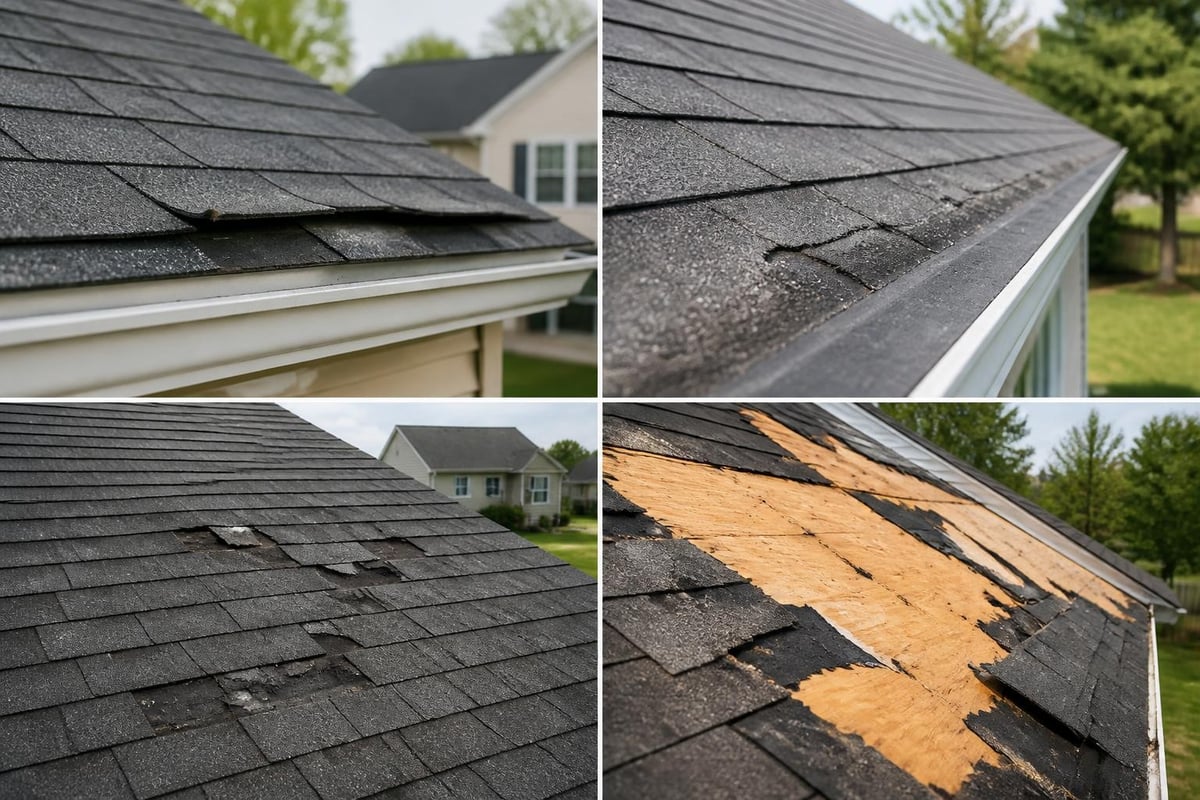
High winds represent one of the most frequent causes of asphalt shingle failure, particularly in areas experiencing severe weather events. Wind damage typically manifests as lifted, creased, or completely missing shingles where the adhesive seal breaks or the fasteners pull through the shingle material.
Common wind damage indicators include:
- Shingles curling upward at the edges or corners
- Complete shingle loss exposing the underlayment
- Granule accumulation in gutters following storms
- Visible nail pops or exposed fasteners
- Horizontal lines where wind has lifted entire rows
The Insurance Institute for Business & Home Safety conducts extensive testing on asphalt shingle performance under various wind conditions, providing valuable data on failure thresholds and expected performance standards.
Hail and Impact Damage
Hail strikes create distinctive damage patterns that differ significantly from other deterioration types. Impact damage may not always be immediately visible from ground level, making professional inspection essential after significant hail events.
| Damage Type | Visual Indicators | Severity Level |
|---|---|---|
| Minor hail hits | Small divots, granule loss in circular patterns | Low – monitor condition |
| Moderate impacts | Visible dents, broken seal tabs, mat exposure | Medium – repair needed |
| Severe damage | Cracked shingles, punctures, structural tears | High – immediate repair required |
Hail damage assessment requires careful inspection because the full extent may not be apparent until months later when water infiltration begins. According to the Asphalt Roofing Manufacturers Association, understanding the repairability of asphalt shingles helps homeowners make informed decisions about restoration versus replacement.
Aging and Granule Loss
All asphalt shingles experience gradual granule loss throughout their lifespan, with accelerated deterioration occurring during the final years of service. These ceramic-coated granules protect the asphalt layer from UV radiation and provide fire resistance, making their preservation critical to roof performance.
Normal aging presents as uniform, gradual granule loss across the entire roof surface. Premature or accelerated loss often indicates manufacturing defects, improper ventilation causing excessive heat buildup, or installation errors that stressed the shingles beyond their design parameters.
Flashing Failures and Penetration Issues
Flashing surrounds roof penetrations, valleys, and transitions where different planes meet, creating watertight seals at vulnerable locations. Asphalt roof repair frequently involves addressing flashing failures rather than shingle damage itself.
Critical flashing locations requiring regular inspection:
- Chimney bases and cricket installations
- Plumbing vent boots and sleeves
- Skylight perimeters and curbs
- Wall-to-roof transitions and step flashing
- Valley installations using metal or woven shingles
The FORTIFIED technical documents provide detailed specifications for proper flashing installation and repair techniques that exceed standard building code requirements.
Professional Assessment and Damage Documentation
Accurate damage assessment forms the foundation of effective asphalt roof repair planning. Professional inspections provide detailed documentation necessary for insurance claims, scope development, and cost estimation.
Inspection Methodology
Comprehensive roof inspections examine both the exterior shingle surface and interior attic spaces to identify water intrusion, structural issues, and ventilation problems. Professional contractors use systematic approaches that evaluate every roof component.
A thorough inspection includes moisture meter readings in the attic to detect hidden leaks, thermal imaging to identify insulation gaps or water-damaged areas, and close examination of all flashings, valleys, and penetrations. Inspectors document findings with photographs, measurements, and detailed notes that support repair recommendations.
When to Call a Professional
While homeowners can identify obvious damage like missing shingles, subtle issues require professional expertise. Schedule professional inspections after severe weather events, when noticing water stains on interior ceilings, or as part of annual maintenance programs.
Early detection through professional assessment prevents minor issues from developing into structural problems. The Building America Solution Center emphasizes proactive maintenance and timely repairs as essential strategies for maximizing asphalt roof performance and longevity.
Repair Techniques for Asphalt Shingles
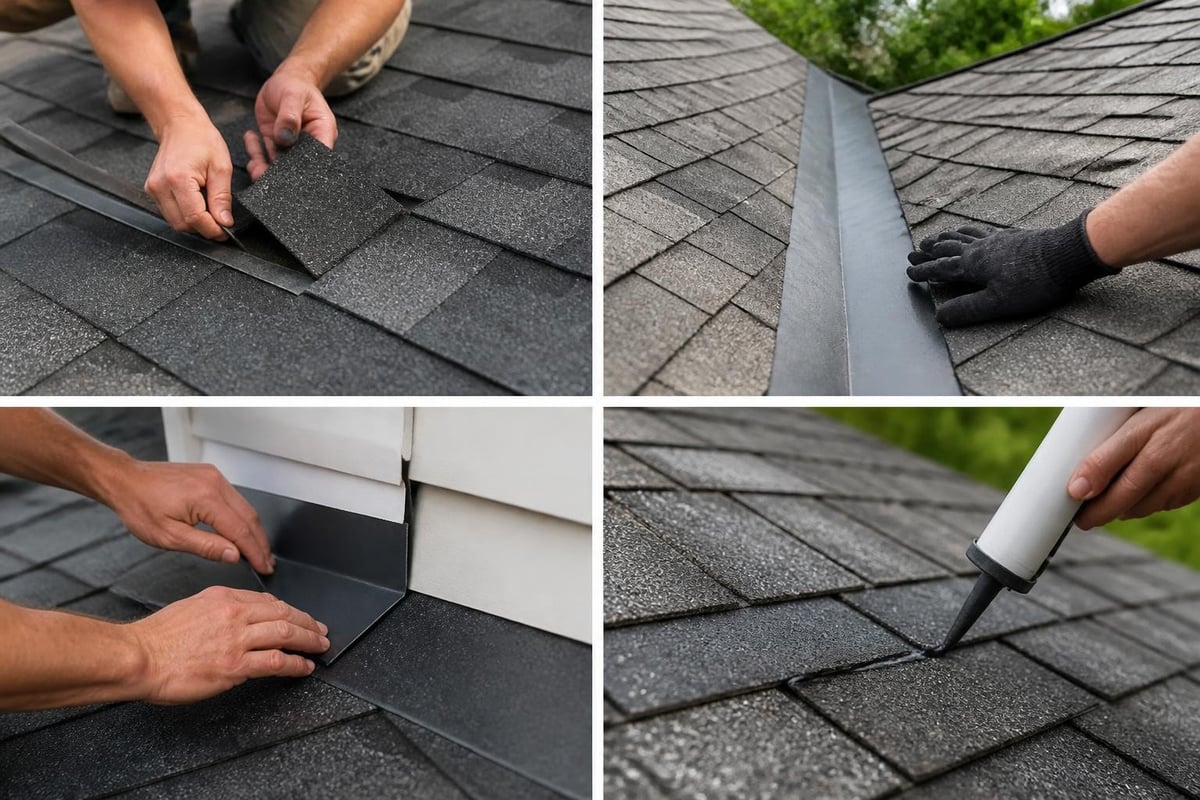
Asphalt roof repair encompasses various techniques ranging from simple shingle replacement to complex structural restoration. Selecting the appropriate method depends on damage extent, roof age, and long-term performance expectations.
Individual Shingle Replacement
Replacing individual damaged shingles represents the most straightforward repair approach when damage remains localized. This technique works best for roofs under fifteen years old where replacement shingles can closely match existing materials.
Step-by-step replacement process:
- Carefully lift surrounding shingles using a flat bar
- Remove nails securing the damaged shingle without tearing adjacent materials
- Slide out the damaged shingle and inspect underlayment condition
- Install the replacement shingle using roofing nails placed according to manufacturer specifications
- Apply roofing cement under lifted tabs and seal the repair area
Matching replacement shingles to existing roof materials presents challenges as product lines change and weathering alters color. Experienced contractors maintain relationships with suppliers and stock discontinued products to ensure seamless repairs.
Valley and Flashing Repairs
Valley repairs require particular attention because these areas channel significant water volume during rainfall. Failed valley installations cause accelerated deterioration and interior water damage if not addressed promptly.
Professional asphalt roof repair in valleys may involve complete valley reconstruction using proper underlayment, ice and water barrier protection, and appropriate valley installation methods. Metal valleys provide superior longevity compared to woven shingle valleys in most climates.
Emergency Temporary Repairs
Storm damage sometimes necessitates immediate temporary protection until permanent repairs can be scheduled. Temporary solutions include high-quality tarps secured with proper anchoring methods that won't cause additional damage.
Emergency repairs should always be considered temporary measures requiring follow-up with permanent restoration. Tarps left in place for extended periods can trap moisture, accelerate deterioration, and void warranty coverage on surrounding materials.
Cost Factors in Asphalt Roof Repair
Understanding cost variables helps homeowners budget appropriately and evaluate contractor estimates. Asphalt roof repair costs vary significantly based on damage extent, accessibility, material requirements, and regional labor rates.
Pricing Factors and Typical Ranges
Minor repairs addressing a few damaged shingles typically cost between three hundred and six hundred dollars, while extensive repairs involving multiple roof sections may reach several thousand dollars. Los Angeles homeowners should expect pricing toward the higher end of national averages due to regional cost factors.
| Repair Type | Typical Cost Range | Key Variables |
|---|---|---|
| Single shingle replacement | $150-$400 | Access difficulty, material matching |
| Section repair (50-100 sq ft) | $500-$1,500 | Extent of damage, structural work needed |
| Valley reconstruction | $800-$2,500 | Valley length, material type, water barrier |
| Complete flashing replacement | $600-$3,000 | Number of penetrations, material quality |
Accurate estimates require on-site inspection because hidden damage, structural issues, or code compliance requirements significantly impact final costs. Reputable contractors provide detailed written estimates breaking down material and labor components.
Insurance Considerations
Many asphalt roof repair projects qualify for insurance coverage when damage results from covered perils like wind, hail, or falling objects. Understanding policy language and claim procedures maximizes recovery while minimizing out-of-pocket expenses.
Document all damage thoroughly with photographs and detailed notes before making emergency repairs. Most policies require prompt notification and may send adjusters to assess damage independently. Professional contractors experienced in insurance work can provide documentation supporting appropriate claim scope.
Material Selection and Compatibility
Successful asphalt roof repair depends on using compatible materials that match or exceed the performance characteristics of existing roofing components. Material mismatches can lead to premature failure and voided warranties.
Shingle Matching Challenges
Finding exact replacement shingles for roofs older than five years presents significant challenges due to product discontinuations, formula changes, and weathering effects. Even identical new shingles appear noticeably different when installed among weathered materials.
Experienced contractors employ strategies like using shingles from less visible roof areas to patch prominent sections, then installing new materials in the harvested locations. This approach provides better aesthetic results while maintaining proper protection.
Underlayment and Accessory Products
Modern building codes and manufacturer requirements often mandate upgraded underlayment products that weren't available when older roofs were installed. Ice and water barrier, synthetic underlayment, and enhanced starter strips improve performance even during limited repairs.
The NRCA roofing guidelines provide authoritative technical specifications for proper asphalt shingle repair materials and installation methods that meet industry best practices.
Code Compliance and Standards
Repair work must comply with current building codes even when original installation predates current requirements. Understanding applicable standards prevents code violations and ensures repairs meet modern performance expectations.
The Asphalt Roofing Manufacturers Association product standards outline ASTM testing requirements and performance criteria that guide material selection for repair projects.
Repair vs. Replacement Decision Making
Determining whether to repair or replace an asphalt roof requires evaluating multiple factors beyond simple cost comparison. Strategic decision-making considers long-term value, remaining service life, and overall roof condition.
Age and Remaining Service Life
Asphalt shingle roofs typically provide twenty to thirty years of service depending on quality, climate, and maintenance. Extensive repairs on roofs approaching the end of their expected lifespan often prove financially inefficient compared to complete replacement.
Decision framework based on roof age:
- Under 10 years: Repair almost always makes financial sense unless damage exceeds 30% of roof area
- 10-15 years: Evaluate cost of repairs versus remaining service life and potential for recurring issues
- 15-20 years: Consider replacement if repairs exceed 25% of replacement cost
- Over 20 years: Replacement typically provides better long-term value unless damage is minimal and localized
Professional contractors help homeowners evaluate these factors objectively, providing honest assessments of when repairs make sense versus when replacement offers better value.
Extent of Damage Assessment
Isolated damage affecting less than fifteen percent of roof area generally supports repair approaches, while widespread deterioration signals systemic issues requiring replacement. Hidden damage complicates this assessment, making thorough inspection essential.
For homeowners facing significant repair decisions, understanding that Roof repairs require professional expertise to evaluate properly ensures they receive honest assessments of the most cost-effective approach for their specific situation.
Future Plans and Property Considerations
Homeowners planning to sell within three to five years should consider how partial repairs versus complete replacement affects property value and marketability. New roofs provide stronger selling points than patched older systems.
Investment properties and long-term residences justify different approaches. Rental properties might benefit from cost-effective repairs extending service life several years, while forever homes warrant premium solutions maximizing longevity and performance.
Preventive Maintenance and Longevity Strategies
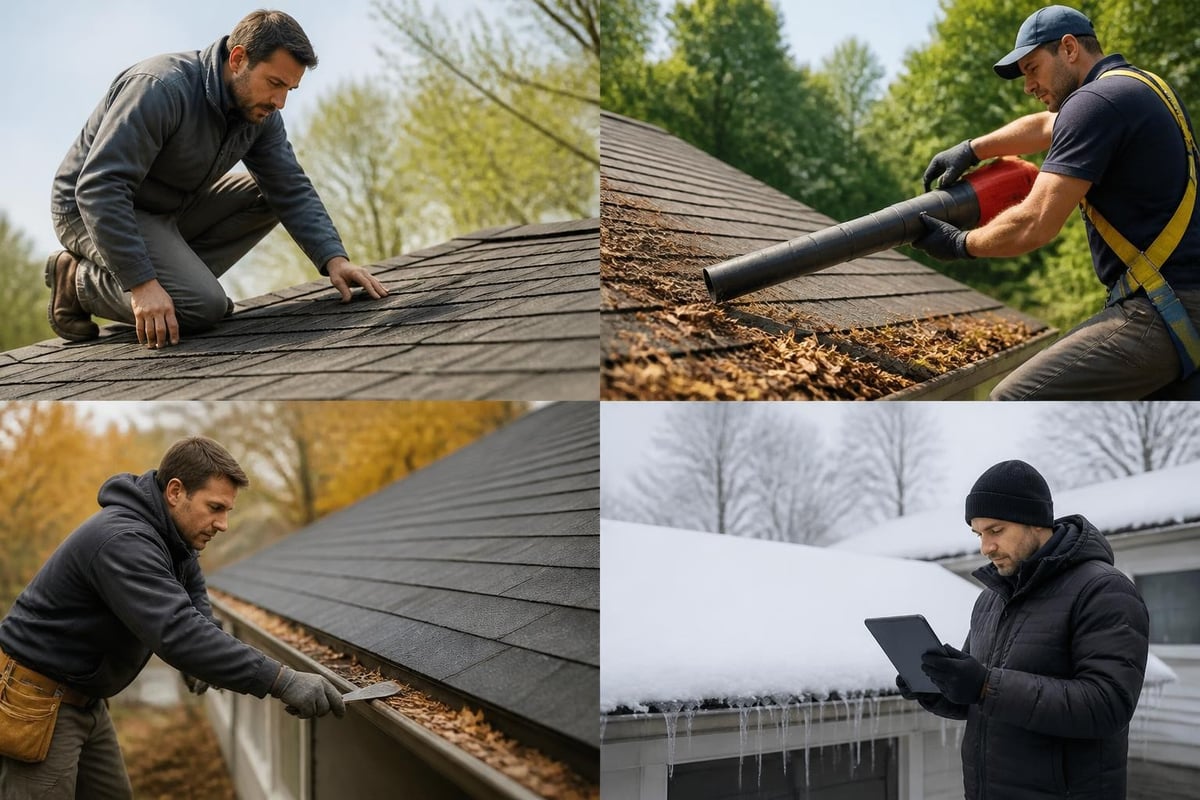
Proactive maintenance significantly extends asphalt roof lifespan while reducing repair frequency and severity. Systematic care programs identify developing issues before they require expensive interventions.
Regular Inspection Schedules
Homeowners should conduct basic visual inspections twice annually, typically in spring and fall, looking for obvious damage indicators. Professional inspections every three to five years provide comprehensive assessments identifying subtle deterioration.
Inspection checklist for homeowners:
- Check for missing, damaged, or lifted shingles
- Examine valleys for debris accumulation or damage
- Inspect flashing around chimneys, vents, and skylights
- Look for granule accumulation in gutters
- Assess attic ventilation and check for moisture or stains
Professional inspections include detailed documentation, moisture testing, and assessment of structural components inaccessible to homeowners.
Debris Removal and Cleaning
Accumulated debris traps moisture against shingles, accelerating deterioration and creating conditions favorable to moss and algae growth. Regular cleaning prevents these issues while allowing visual inspection of underlying materials.
Tree branches overhanging roofs should be trimmed back at least six feet to prevent debris accumulation and physical damage during wind events. This practice also reduces squirrel and rodent access to roof structures.
Ventilation Optimization
Proper attic ventilation regulates temperature and moisture levels that directly impact asphalt shingle longevity. Inadequate ventilation causes excessive heat buildup that accelerates shingle aging and can void manufacturer warranties.
Balanced ventilation systems incorporating both intake and exhaust components provide optimal performance. Ridge vents combined with soffit vents create natural airflow that removes heat and moisture without requiring mechanical assistance.
Special Considerations for Los Angeles Climate
Southern California's Mediterranean climate presents unique challenges and advantages for asphalt roof repair and maintenance. Understanding these regional factors helps homeowners optimize their roofing strategies.
UV Exposure and Heat Effects
Intense sunlight and elevated temperatures accelerate asphalt shingle aging in Los Angeles compared to cooler climates. UV radiation degrades the asphalt binder and causes granule loss, while thermal cycling stresses materials through expansion and contraction.
Premium shingles featuring enhanced UV protection and reflective granules provide better performance in high-sun environments. These products cost more initially but deliver superior longevity in challenging Southern California conditions.
Limited Precipitation Considerations
Los Angeles's relatively low annual rainfall reduces certain deterioration mechanisms common in wetter climates but doesn't eliminate the need for proper waterproofing. When rain does occur, it often arrives in intense bursts that stress roofing systems.
Valley installations require particular attention in areas receiving minimal rain because accumulated debris isn't naturally flushed away. Manual cleaning becomes essential for preventing blockages that cause water backup during occasional heavy rains.
Wildfire Resilience
Increasing wildfire risk in Southern California makes fire-resistant roofing materials increasingly important. Asphalt shingles carry Class A fire ratings when installed over proper underlayment, providing excellent protection against ember exposure.
Regular maintenance removing accumulated vegetation and debris from roofs and gutters reduces ignition sources during wildfire events. This proactive approach complements the inherent fire resistance of quality asphalt shingles.
Working with Professional Contractors
Selecting qualified contractors ensures asphalt roof repair projects meet professional standards while providing appropriate warranties and insurance protection. Due diligence during contractor selection prevents problems and disappointments.
Licensing and Insurance Verification
California requires contractors performing work valued over five hundred dollars to hold valid contractor licenses. Verify license status through the Contractors State License Board and confirm workers' compensation and liability insurance coverage.
Licensed contractors demonstrate commitment to professional standards and provide recourse if problems arise. Insurance protection shields homeowners from liability for worker injuries and property damage during repair projects.
Estimate Evaluation and Scope Understanding
Quality estimates detail specific work to be performed, materials to be used, and project timeline expectations. Vague estimates lacking detail often signal contractors who cut corners or add charges through change orders.
Compare multiple estimates evaluating not just price but scope completeness, material quality, warranty terms, and contractor communication. The lowest bid frequently indicates substandard materials, inadequate scope, or unsustainable business practices.
Warranty Coverage and Documentation
Manufacturer material warranties and contractor workmanship warranties provide important protections for asphalt roof repair investments. Understand coverage terms, duration, and claim procedures before work begins.
Document all work with photographs, save all receipts and warranties, and maintain contractor contact information. This documentation proves invaluable if issues arise or when selling the property.
Safety and Regulatory Compliance
Asphalt roof repair involves significant safety risks and regulatory requirements that homeowners should understand even when hiring professionals. Awareness of these factors promotes safe practices and code-compliant outcomes.
Worker Safety Standards
Roofing consistently ranks among the most dangerous construction activities, with fall hazards representing the primary risk. Professional contractors implement comprehensive safety programs including proper fall protection, equipment maintenance, and worker training.
Homeowners considering DIY repairs should honestly assess their capabilities and risk tolerance. Most asphalt roof repair projects warrant professional intervention due to safety concerns, specialized knowledge requirements, and tool needs.
Hazardous Material Considerations
Older roofing materials may contain asbestos or lead-based components requiring special handling during repair or removal. The EPA provides guidance on how asbestos regulations apply to roofing work and when specialized abatement becomes necessary.
Properties built before 1980 should be evaluated for potential hazardous materials before beginning roof work. Professional testing identifies these materials, allowing proper handling that protects workers and occupants.
Permit Requirements
Many jurisdictions require permits for roof repairs exceeding certain thresholds or involving structural modifications. Permit processes ensure work meets building codes and provides permanent documentation of improvements.
Working without required permits can complicate insurance claims, create liability during property sales, and result in enforcement actions requiring costly corrections. Professional contractors handle permit acquisition as part of standard service.
Maintaining your asphalt roof through timely repairs protects your home investment while avoiding the significant expense of premature replacement. Understanding damage types, repair options, and maintenance strategies empowers homeowners to make informed decisions that maximize roof performance and longevity. Whether you need minor shingle replacement or extensive restoration, Proof Your Roof provides expert asphalt roof repair services throughout Los Angeles and surrounding areas, combining technical expertise with honest assessments that prioritize your long-term interests.