
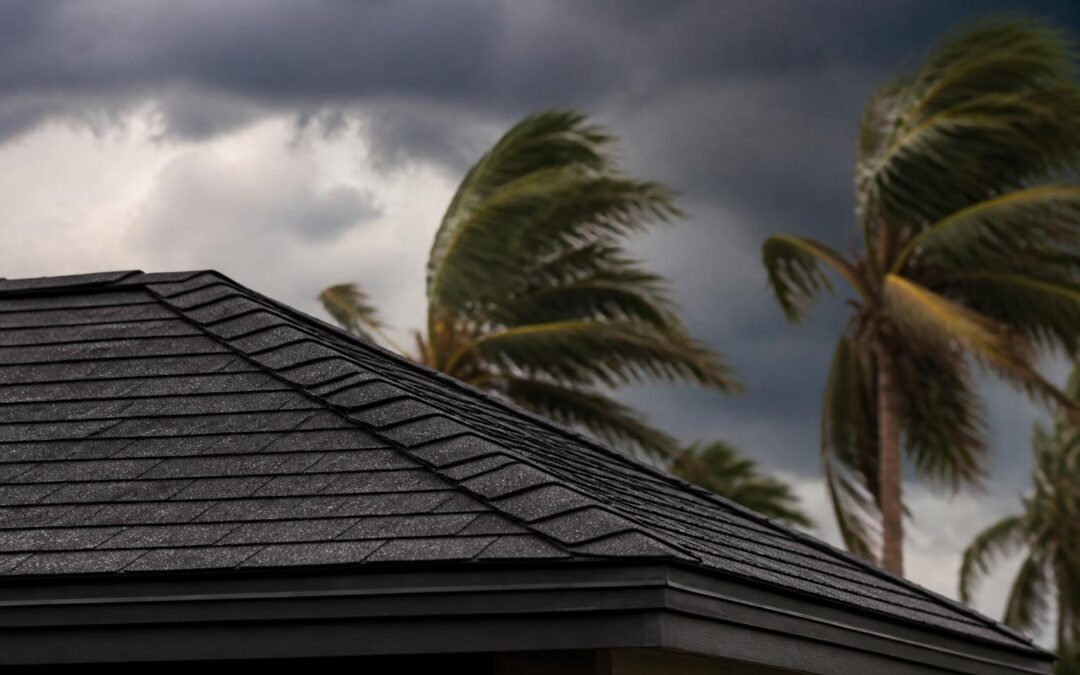
Carolina roofing presents unique challenges and opportunities for homeowners navigating the region's distinctive climate conditions. From the coastal plains to the Piedmont and mountain regions, roofing systems in North and South Carolina must withstand intense summer heat, high humidity, hurricane-force winds, and occasional winter storms. Understanding the specific demands placed on carolina roofing systems helps property owners make informed decisions about materials, installation, and long-term maintenance strategies that protect their investment while maximizing energy efficiency and durability.
Understanding Carolina's Climate Impact on Roofing
The climate across the Carolinas varies significantly from the coast to the mountains, and each zone places different demands on roofing systems. Coastal areas face salt spray corrosion, hurricane winds exceeding 130 mph, and storm surge flooding that can devastate improperly protected structures. The National Hurricane Center provides detailed storm surge maps showing how coastal Carolina properties face substantial wind and water hazards during tropical systems.
Inland regions experience their own challenges, including:
- Severe thunderstorms with large hail and straight-line winds
- Temperature fluctuations causing expansion and contraction cycles
- High humidity promoting algae, moss, and mold growth
- UV radiation degrading roofing materials over time
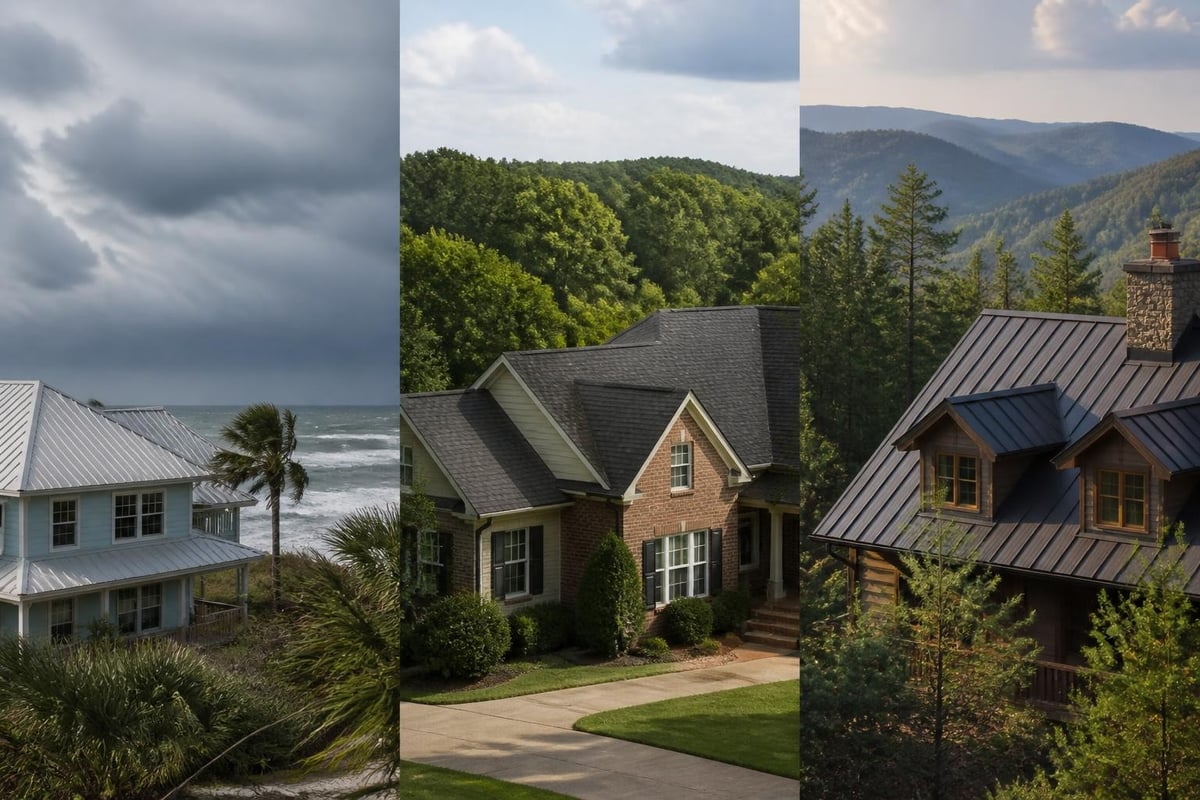
The Piedmont region sits in a transitional zone where homeowners must balance coastal storm preparation with inland thermal stress. Mountain communities face freeze-thaw cycles and heavy snow loads that demand specialized attention. Each microclimate within the Carolinas requires tailored carolina roofing solutions that address local weather patterns and environmental stressors.
Hurricane and Wind Resistance Standards
Building codes throughout the Carolinas have evolved substantially following major hurricanes like Hugo (1989), Floyd (1999), and Florence (2018). Modern carolina roofing installations must meet stringent wind resistance standards, particularly in coastal counties designated as high-velocity hurricane zones. The NRCA’s roofing guidelines provide comprehensive technical standards for wind-resistant installation methods.
Wind resistance ratings for Carolina roofing typically fall into these categories:
| Wind Zone | Design Speed | Typical Counties | Installation Requirements |
|---|---|---|---|
| I | 85-90 mph | Mountain regions | Standard attachment |
| II | 100-110 mph | Central Piedmont | Enhanced perimeter |
| III | 120-130 mph | Coastal plains | Full adhesive/6-nail pattern |
| IV | 140+ mph | Immediate coast | Impact-rated, sealed deck |
Homeowners should verify their property's wind zone designation and ensure contractors follow appropriate installation protocols. The Insurance Institute for Business & Home Safety offers research-based recommendations for reducing wind and hail damage to carolina roofing systems through proper material selection and installation techniques.
Material Selection for Carolina Roofing Systems
Choosing the right roofing material represents one of the most consequential decisions for Carolina homeowners. Each material offers distinct advantages and limitations based on local climate conditions, architectural style, budget constraints, and expected lifespan.
Asphalt Shingles: The Carolina Standard
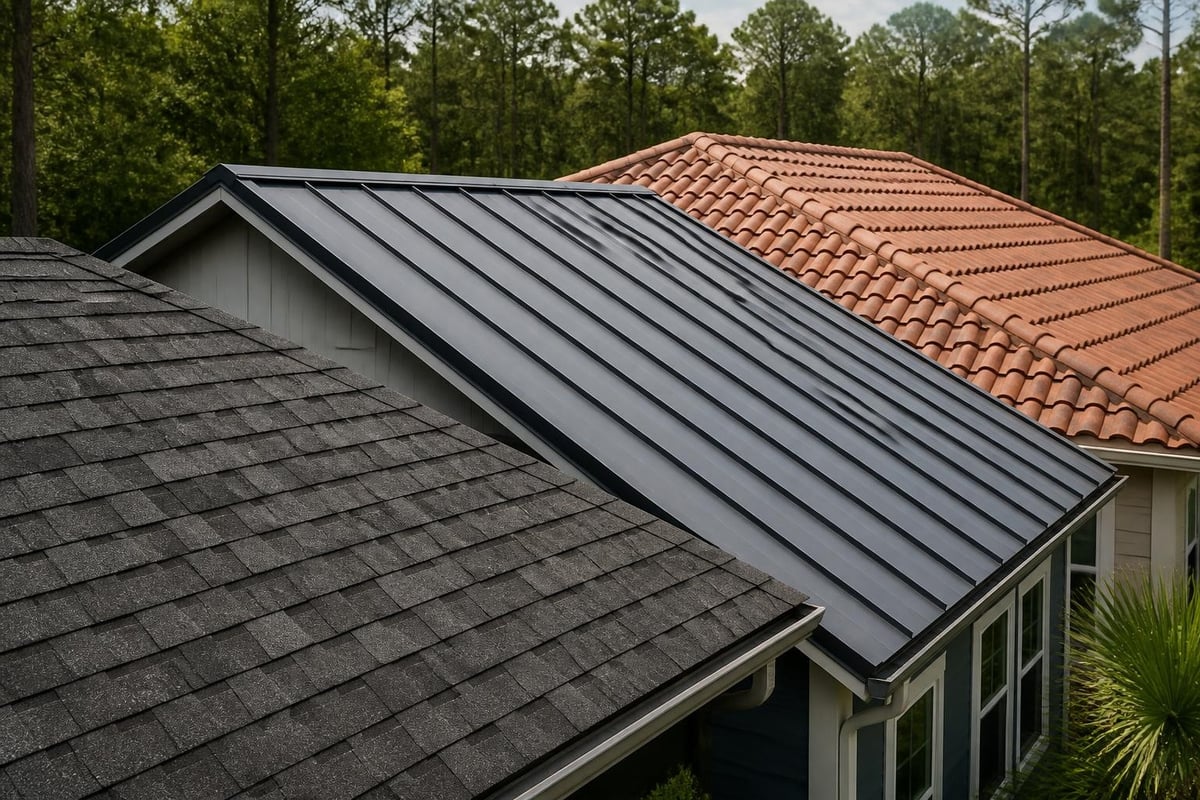
Asphalt shingles dominate the carolina roofing market due to their cost-effectiveness, versatility, and proven performance in southeastern climates. Modern architectural shingles offer substantial improvements over traditional three-tab designs, with enhanced wind ratings, impact resistance, and aesthetic appeal.
Key considerations for asphalt shingles in Carolina include:
- Algae-resistant granules to combat humid-climate discoloration
- Class 4 impact ratings for hail-prone areas
- Enhanced adhesive strips for wind resistance
- Cool-roof reflective options for energy savings
Homeowners investing in premium asphalt products should expect 25-30 years of service life when properly installed and maintained. Roof replacement becomes necessary when shingles show widespread granule loss, curling, or wind damage that compromises the waterproof barrier.
Metal Roofing for Longevity and Performance
Metal roofing has gained significant traction in carolina roofing markets over the past decade. Standing seam metal systems offer exceptional wind resistance, with proper installation withstanding hurricane-force winds that would devastate lesser materials. The cool-roof properties of metal significantly reduce cooling costs in Carolina's hot summers.
Metal roofing benefits specific to the Carolinas:
- Wind resistance: Interlocking panels rated for 140+ mph winds
- Longevity: 40-70 year lifespan with minimal maintenance
- Fire resistance: Class A fire rating for wildfire-prone mountain areas
- Energy efficiency: Reflective coatings reducing heat gain by 25-30%
- Impact resistance: Superior hail protection compared to asphalt
The higher upfront cost of metal roofing is offset by extended lifespan and reduced energy expenses. Homeowners should budget $8-14 per square foot installed for quality metal systems, compared to $3-5 for standard asphalt shingles.
Clay and Concrete Tiles in Coastal Applications
Clay and concrete tiles provide exceptional durability and aesthetic appeal for carolina roofing projects, particularly in coastal communities where Mediterranean or Spanish Colonial architecture predominates. These materials resist salt spray corrosion, withstand Category 3 hurricane winds when properly installed, and offer Class A fire ratings.
Tile roofing considerations include:
| Factor | Clay Tiles | Concrete Tiles |
|---|---|---|
| Weight | 850-1000 lb/square | 750-950 lb/square |
| Lifespan | 50-100+ years | 40-75 years |
| Cost | $12-25/sq ft installed | $10-18/sq ft installed |
| Color retention | Excellent | Good with sealers |
| Structural needs | Often requires reinforcement | May need additional support |
Both clay and concrete tiles require structural evaluation before installation, as their substantial weight exceeds the capacity of many existing roof frames designed for lighter asphalt shingles.
Installation Best Practices for Carolina Roofing
Proper installation separates carolina roofing systems that survive decades from those requiring premature replacement. The 2025 NRCA Roofing Manual provides updated guidance on installation standards that address modern materials and code requirements.
Underlayment and Deck Preparation
Quality carolina roofing begins with a sound substrate. Contractors should inspect and repair damaged decking before installing underlayment. In coastal areas, upgraded underlayment provides critical secondary water resistance when wind-driven rain penetrates the primary roofing layer.
Underlayment options for Carolina climates:
- Standard felt: 15-30 lb felt for basic applications
- Synthetic underlayment: Lightweight, high-strength, better moisture resistance
- Self-adhering membrane: Premium protection for valleys, eaves, and high-risk areas
- Impact-resistant underlayment: Reinforced for hail-prone regions
Coastal properties benefit from full self-adhering membrane coverage, while inland homes typically require membrane only at vulnerable points with synthetic underlayment across field areas.
Ventilation Requirements for Humidity Control
Adequate attic ventilation proves essential for carolina roofing longevity. High humidity combined with summer heat creates ideal conditions for moisture accumulation, leading to premature shingle deterioration, deck rot, and mold growth. Proper ventilation extends roof life by 20-30% while reducing cooling costs.
Ventilation calculations follow industry standards:
- Calculate net free ventilation area (NFVA) at 1 square foot per 150 square feet of attic space
- Balance intake (soffit) and exhaust (ridge/gable) ventilation 50/50
- Install baffles to maintain airflow from soffit to ridge
- Seal attic bypasses to prevent conditioned air infiltration
Modern ridge vents combined with continuous soffit vents provide superior performance compared to older gable or turbine vent systems. Homeowners should avoid mixing ventilation types, as this creates air circulation conflicts that reduce overall effectiveness.
Energy Efficiency Considerations
Carolina's long cooling season makes energy-efficient carolina roofing an attractive investment. The ENERGY STAR Cool Roofs program provides guidance on reflective roofing materials that reduce heat absorption and lower air conditioning costs by 10-15%.
Cool Roofing Technology
Cool roofing materials incorporate reflective pigments and coatings that reflect solar radiation rather than absorbing it as heat. This technology benefits Carolina homeowners through:
- Lower surface temperatures: Cool roofs remain 50-60°F cooler than standard materials
- Reduced cooling costs: Annual savings of $150-300 for average homes
- Extended material life: Lower temperatures reduce thermal stress and aging
- Improved comfort: More stable indoor temperatures during peak summer
Light-colored metal roofs naturally provide excellent cool-roof performance. Asphalt shingle manufacturers now offer cool-roof rated products in dark colors through specialized granule coatings. The U.S. Department of Energy offers detailed guidance on evaluating and purchasing energy-efficient roofing products.
Insulation Integration
Carolina roofing systems should coordinate with appropriate attic insulation levels. The recommended R-value for Carolina attics ranges from R-38 to R-49 depending on specific location and climate zone. Proper air sealing combined with adequate insulation maximizes the energy benefits of reflective roofing materials.
Maintenance Requirements for Carolina Roofs
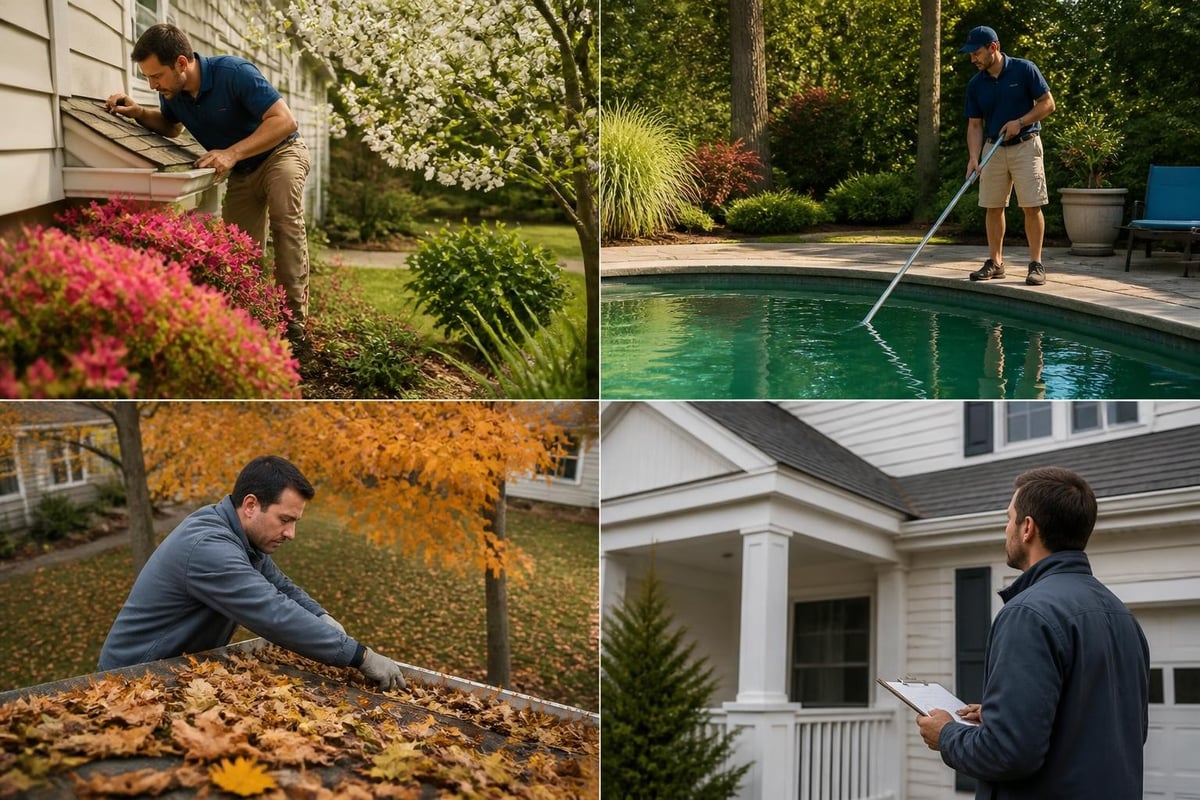
Regular maintenance extends carolina roofing system lifespan and prevents minor issues from escalating into costly repairs. Coastal environments demand more frequent inspection and maintenance than inland properties due to salt exposure and storm frequency.
Recommended maintenance schedule:
- Biannual inspections (spring and fall) for all roof types
- Post-storm surveys after hurricanes, severe thunderstorms, or hail events
- Gutter cleaning quarterly in wooded areas, biannually elsewhere
- Algae treatment annually for asphalt shingles in humid areas
- Fastener inspection every 3-5 years for metal roofing systems
- Tile replacement as needed when individual tiles crack or slip
Homeowners should maintain documentation of all inspections, repairs, and maintenance activities. This record proves valuable for insurance claims, warranty enforcement, and property sales.
Common Carolina Roofing Issues
| Problem | Cause | Solution | Prevention |
|---|---|---|---|
| Algae streaks | Humidity + organic material | Zinc/copper strips or chemical wash | Algae-resistant shingles |
| Wind damage | Hurricane/storm exposure | Replace damaged shingles promptly | Enhanced installation methods |
| Flashing leaks | Thermal cycling | Reseal/replace flashing | Quality materials, proper installation |
| Ice dams | Mountain freeze-thaw | Improve ventilation/insulation | Adequate attic insulation |
Professional inspections identify developing problems before they cause interior damage. The North Carolina Licensing Board for General Contractors provides resources for verifying contractor credentials and understanding consumer protections.
Contractor Selection and Verification
Choosing a qualified carolina roofing contractor requires due diligence beyond comparing estimates. North Carolina requires contractors performing work valued over $30,000 to hold a general contractor license, while South Carolina has similar licensing thresholds and requirements.
Essential Contractor Qualifications
Homeowners should verify contractors possess:
- Active state licensure (check status through state licensing boards)
- Workers' compensation insurance protecting against on-site injuries
- General liability coverage of at least $1 million
- Manufacturer certifications for specific roofing products
- Local references from recent projects in your area
Request and verify at least three recent references, ideally from projects completed 2-5 years ago so you can assess long-term performance. Drive by completed projects to evaluate workmanship quality and aesthetic results.
Contract and Warranty Considerations
Comprehensive written contracts protect both homeowners and contractors. Carolina roofing contracts should specify:
- Detailed scope of work including materials, methods, and project timeline
- Total cost breakdown separating materials, labor, permits, and disposal
- Payment schedule tied to project milestones
- Warranty coverage for materials and workmanship
- Cleanup and disposal procedures
- Dispute resolution mechanisms
Material warranties typically extend 25-50 years for premium products, while workmanship warranties range from 2-10 years depending on contractor. Transferable warranties add value for homeowners planning to sell within the warranty period.
Sustainable Roofing Options
Environmental consciousness increasingly influences carolina roofing decisions. Sustainable options range from recyclable materials to green roofing systems that provide ecological benefits beyond basic weather protection.
Green Roofing Systems
Green or vegetated roofs remain uncommon in residential carolina roofing applications but offer substantial benefits for commercial and institutional buildings. The EPA’s Green Roofs Best Management Practice guide outlines stormwater management and urban heat island reduction benefits.
Green roof advantages for Carolina applications:
- Stormwater retention reducing runoff by 50-90%
- Urban heat island mitigation in Charlotte, Raleigh, Charleston metro areas
- Extended roof membrane life through UV and thermal protection
- LEED certification points for commercial projects
The humid Carolina climate supports diverse plant palettes for green roofs, though intensive systems require irrigation during summer dry spells. Structural requirements limit retrofits primarily to buildings designed for additional load capacity.
Recyclable and Reclaimed Materials
Metal roofing systems offer exceptional sustainability credentials, with most products containing 25-95% recycled content and complete recyclability at end of life. Unlike asphalt shingles that contribute millions of tons to landfills annually, metal roofs often get recycled into new roofing or other steel products.
Some carolina roofing contractors now offer asphalt shingle recycling services, grinding old shingles into aggregate for road paving. While not universal, this option diverts substantial waste from landfills when available.
Storm Preparation and Recovery
Hurricane season spans June through November, with peak activity in August and September. Carolina homeowners should prepare roofing systems well before storm season begins and know how to assess and document damage when storms strike.
Pre-Storm Preparation Steps
- Schedule professional inspection to identify and repair vulnerabilities
- Trim overhanging branches that could damage roofing during high winds
- Clear gutters and downspouts to handle heavy rainfall
- Photograph roof condition for insurance documentation
- Secure or remove roof-mounted equipment (satellites, antennas)
- Review insurance coverage and understand claim procedures
Emergency roof repairs during storm seasons may cost 50-100% more than routine work due to high demand and limited contractor availability. Proactive maintenance proves far more cost-effective than emergency response.
Post-Storm Assessment
Following significant weather events, homeowners should safely inspect carolina roofing systems for damage. Ground-level inspection using binoculars protects against fall hazards while allowing identification of obvious problems like missing shingles, lifted metal panels, or damaged flashing.
Document damage through:
- Timestamped photographs from multiple angles
- Written notes describing extent and location of damage
- Measurements of affected areas
- Records of any emergency tarping or temporary repairs
Contact insurance carriers promptly to initiate claims for storm damage. Most policies require notification within specific timeframes, and delays can jeopardize coverage.
Carolina roofing systems must balance multiple demands-hurricane resistance, energy efficiency, longevity, and cost-effectiveness-while adapting to diverse climate zones from coast to mountains. Whether you're planning new construction, replacing an aging roof, or simply maintaining your current system, understanding these regional requirements ensures optimal performance and value. Though Proof Your Roof specializes in serving the Los Angeles market with comprehensive residential and commercial roofing solutions, homeowners throughout the Carolinas can apply these principles when working with qualified local contractors. For expert guidance on your roofing project, consult licensed professionals who understand your specific climate challenges and building code requirements, and visit Proof Your Roof to learn more about professional roofing services.