
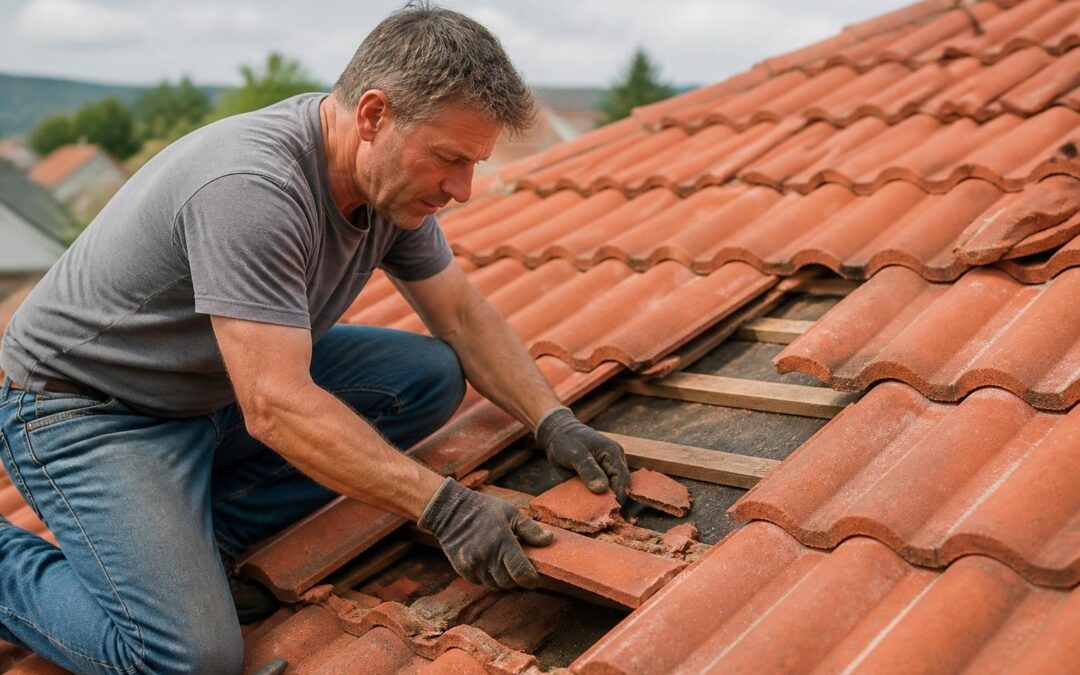
Cement tile roofs offer exceptional durability and aesthetic appeal for residential and commercial properties throughout Los Angeles and surrounding areas. These concrete-based roofing systems can last 50 years or more when properly maintained, but even the most durable roofs require periodic repairs. Whether dealing with cracked tiles from thermal stress, damage from falling branches, or wear from decades of exposure to Southern California's unique climate, understanding cement tile roof repair ensures your investment remains protected and your property value is preserved.
Understanding Cement Tile Roof Systems
Cement tiles, also known as concrete roof tiles, are manufactured using a mixture of sand, cement, and water that is molded under high pressure and heat-cured. The ASTM C1492 standard specification establishes the minimum requirements for these tiles, including physical properties, dimensions, and performance characteristics.
Common Types of Cement Tiles
Modern cement tile roofs come in several distinct profiles:
- Flat profile tiles that create a sleek, contemporary appearance
- Low-profile S-tiles offering gentle curves and shadow lines
- High-profile barrel tiles providing traditional Mediterranean aesthetics
- Shake-style tiles mimicking wood shake appearance with concrete durability
- Interlocking tiles designed for enhanced wind resistance and weather protection
Each profile type requires specific repair techniques and replacement strategies. The tile profile affects not only the visual outcome but also the complexity of repairs, as some designs interlock more tightly than others.
Material Composition and Vulnerability
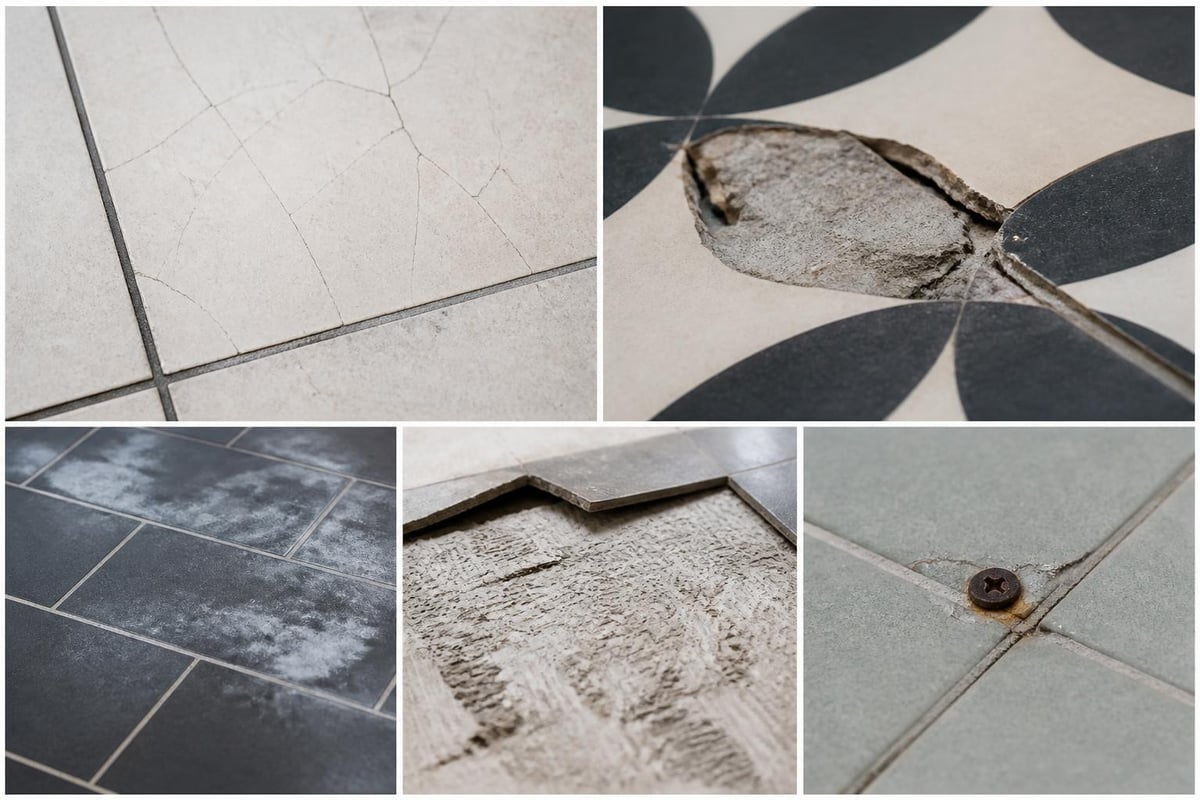
Cement tiles are highly durable but not indestructible. Their Portland cement composition makes them susceptible to specific forms of deterioration that differ from clay tile weaknesses. Understanding these vulnerabilities guides effective repair decisions.
| Damage Type | Primary Cause | Repair Urgency |
|---|---|---|
| Thermal cracking | Expansion/contraction cycles | Medium |
| Impact damage | Falling debris, foot traffic | High |
| Efflorescence | Salt migration and water exposure | Low |
| Underlayment failure | Age and UV degradation | High |
| Fastener corrosion | Moisture and incompatible metals | Medium |
The National Park Service preservation guidance provides valuable insight into concrete deterioration mechanisms, many of which apply directly to cement roof tiles.
Assessing Damage and Repair Needs
Proper damage assessment forms the foundation of successful cement tile roof repair. A systematic inspection reveals not only visible surface damage but also hidden problems that could compromise roof performance.
Visual Inspection Protocols
Begin your assessment from ground level using binoculars to identify obvious damage patterns. Look for:
- Missing or displaced tiles creating gaps in the roof coverage
- Visible cracks running through tile surfaces
- Color variations indicating water infiltration
- Sagging areas suggesting structural issues beneath
- Debris accumulation in valleys and behind chimneys
Ground-level inspection provides initial information, but comprehensive assessment requires safe roof access. Professional roofers use proper fall protection equipment and distribute weight carefully to avoid causing additional damage during inspection.
Interior Warning Signs
Interior inspection often reveals damage not visible from outside. Check attics and ceiling spaces for:
- Water stains on roof decking or rafters
- Daylight visible through the roof structure
- Wet insulation or active dripping during rain
- Mold growth on wood members
- Deteriorated underlayment visible from below
These interior indicators often signal that cement tile roof repair needs extend beyond simple tile replacement to include underlayment, flashing, or structural repairs.
Repair Techniques and Methodology
Cement tile roof repair encompasses several distinct approaches depending on damage extent and location. Each technique requires specific tools, materials, and expertise levels.
Individual Tile Replacement
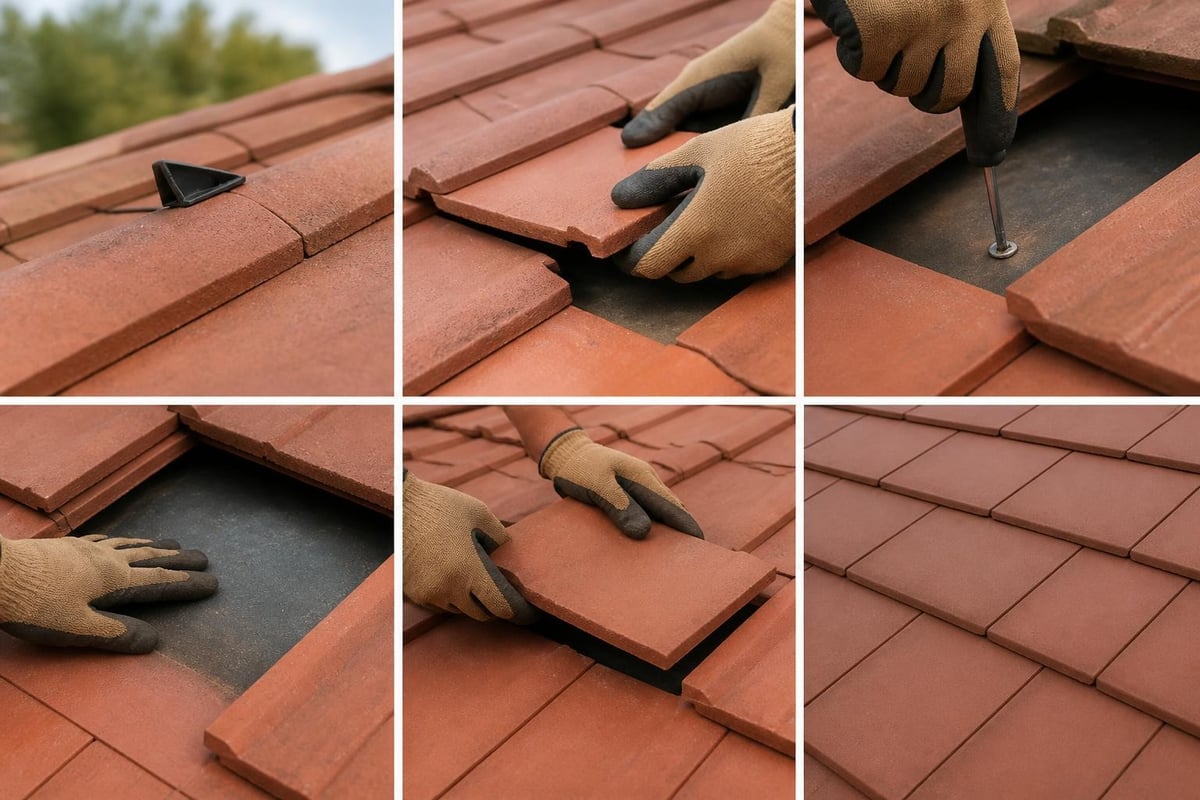
Replacing individual damaged tiles represents the most common cement tile roof repair task. This process requires careful execution to avoid damaging surrounding tiles.
Step-by-step replacement process:
- Secure adjacent tiles with wooden wedges to prevent movement
- Lift the tile courses above the damaged tile using specialized lifting tools
- Remove broken fasteners without damaging the underlayment
- Slide the damaged tile out from beneath the upper course
- Inspect underlayment and repair if necessary
- Install the replacement tile using corrosion-resistant fasteners
- Remove wedges and ensure proper overlap and alignment
The Tile Roofing Industry Alliance installation manual provides detailed specifications for proper tile installation and replacement procedures that meet current building codes.
When performing cement tile roof repair work, matching the replacement tile profile, color, and manufacturer ensures the best aesthetic outcome. Cement tiles from different manufacturers or production runs may exhibit subtle color variations that become noticeable over time.
Crack Repair and Patching
Minor cracks in cement tiles don't always require full tile replacement. Strategic patching extends tile life while maintaining weather protection.
Effective crack repair materials include:
- High-quality polyurethane sealants for hairline cracks
- Epoxy-based concrete repair compounds for structural cracks
- Cement-based patching materials for surface deterioration
- Acrylic roof coatings for widespread minor cracking
Apply repairs during dry weather with temperatures between 50°F and 85°F for optimal curing. Surface preparation is critical; clean cracks thoroughly and remove loose material before applying repair compounds.
Underlayment Replacement
Deteriorated underlayment requires more extensive cement tile roof repair intervention. This situation typically occurs when tiles remain intact but the waterproofing membrane beneath has failed.
| Underlayment Type | Expected Lifespan | Replacement Indicators |
|---|---|---|
| #30 felt paper | 15-20 years | Brittleness, tears, water stains |
| Synthetic underlayment | 25-40 years | UV degradation, mechanical damage |
| Self-adhering membrane | 30-50 years | Loss of adhesion, seam separation |
Replacing underlayment necessitates removing and reinstalling all tiles in the affected area. This labor-intensive process requires meticulous organization to ensure tiles return to their original positions.
Material Selection and Compatibility
Choosing appropriate materials for cement tile roof repair directly impacts repair longevity and performance. Incompatible materials create new problems even when installation appears successful.
Replacement Tile Sourcing
Matching existing cement tiles presents unique challenges, especially for older roofs. Consider these sourcing strategies:
- Original manufacturer for discontinued profiles may maintain limited stock
- Architectural salvage yards often carry reclaimed tiles from demolitions
- Tile brokers specialize in locating discontinued or rare profiles
- Custom fabrication for small quantities when exact matches are unavailable
Color matching proves particularly challenging with cement tiles. UV exposure and weathering create patina that new tiles lack. Some professionals weather new tiles before installation or treat them with staining products to reduce visual contrast.
Fastener and Flashing Considerations
The NRCA roofing guidelines emphasize the importance of corrosion-resistant fasteners in tile roofing systems. Los Angeles's coastal proximity makes this consideration especially critical.
Recommended fastener materials:
- Stainless steel nails or screws for maximum corrosion resistance
- Hot-dipped galvanized fasteners for moderate exposure areas
- Hurricane clips and straps in high-wind zones
- Minimum 11-gauge wire for wire-tied installations
Avoid aluminum fasteners with cement tiles, as the alkaline nature of concrete can cause galvanic corrosion when in direct contact with aluminum.
Professional vs. DIY Repair Considerations
Cement tile roof repair decisions involve weighing professional expertise against do-it-yourself capabilities. This assessment depends on damage extent, roof accessibility, and safety considerations.
When Professional Help is Essential
Certain cement tile roof repair scenarios demand professional expertise:
- Structural damage requiring engineering assessment
- Large-scale underlayment replacement involving significant tile removal
- Valley and ridge repairs where water management is critical
- Multi-story buildings presenting fall hazards
- Historic properties requiring preservation-compliant techniques
Professional roofing contractors bring specialized tools, insurance coverage, and warranty protection that homeowners cannot replicate. Roof repairs performed by experienced professionals ensure work meets building codes and manufacturer specifications while protecting your safety and investment.
DIY-Appropriate Repairs
Homeowners with proper safety equipment and construction experience can tackle limited cement tile roof repair projects:
- Replacing 1-3 individual tiles on accessible single-story sections
- Applying sealant to minor cracks on safely accessible areas
- Installing temporary patches during emergencies
- Cleaning debris from valleys and gutters
Even when performing DIY repairs, consult technical guidance from industry organizations to ensure proper techniques and materials.
Preventive Maintenance Strategies
Proactive maintenance reduces the frequency and severity of cement tile roof repair needs. Regular attention identifies small problems before they escalate into expensive failures.
Inspection Schedule and Focus Areas
Establish a systematic inspection routine:
| Season | Focus Areas | Key Observations |
|---|---|---|
| Spring | Underlayment exposure, flashings | Winter storm damage, leak evidence |
| Summer | Tile condition, fasteners | Thermal stress cracking, UV damage |
| Fall | Drainage systems, valleys | Debris accumulation, water flow |
| Winter | Emergency checks after storms | Missing tiles, new leaks |
Document each inspection with photos and notes. This historical record helps identify developing patterns and supports insurance claims when necessary.
Cleaning and Debris Management
Regular cleaning prevents several common cement tile roof repair needs:
- Remove moss and algae that retain moisture and accelerate deterioration
- Clear debris from valleys that create water dams and underlayment stress
- Trim overhanging branches that drop leaves and damage tiles during storms
- Clean gutters to prevent backup and water infiltration under tile edges
Use gentle cleaning methods appropriate for cement tiles. Avoid pressure washing, which can damage tile surfaces and drive water under the tiles. Soft brushing and low-pressure rinsing prove more effective and safer.
Cost Factors and Budget Planning
Understanding cement tile roof repair costs helps property owners budget appropriately and make informed decisions about repair versus replacement.
Repair Cost Variables
Multiple factors influence cement tile roof repair expenses:
- Tile availability affects material costs, with rare profiles commanding premium prices
- Roof pitch impacts labor costs, as steeper roofs require additional safety equipment
- Access difficulty increases labor hours for hard-to-reach areas
- Extent of damage determines whether simple tile replacement or comprehensive underlayment work is needed
- Permit requirements add costs in jurisdictions requiring permits for roofing work
Minor repairs involving a few tile replacements typically cost substantially less than extensive work requiring underlayment replacement or structural repairs. Obtain detailed written estimates from multiple contractors before proceeding with significant repairs.
Long-term Value Considerations
Cement tile roof repair should be evaluated within the context of the roof's remaining service life. A 40-year-old roof approaching the end of its expected lifespan may warrant replacement rather than expensive repairs.
Calculate the cost-benefit ratio by comparing:
- Estimated repair costs versus replacement costs
- Expected additional service life from repairs
- Energy efficiency improvements from modern underlayment
- Property value impact of new versus repaired roof
Federal specifications like UFGS 07 32 13 provide guidance on decision criteria for repair versus replacement in institutional settings that can inform residential decisions.
Code Compliance and Permitting
Cement tile roof repair work must comply with current building codes and permit requirements. Los Angeles and surrounding jurisdictions maintain specific roofing regulations that govern repair work.
Building Code Requirements
California building codes incorporate wind resistance, fire rating, and seismic considerations particularly relevant to tile roofing:
- Wind uplift resistance standards require specific fastening patterns
- Fire ratings must maintain Class A fire resistance
- Seismic attachment provisions address lateral load resistance
- Flashing details must meet waterproofing standards
The IAPMO evaluation report demonstrates code-accepted installation methods that satisfy building official requirements.
Permit Processes
Determine whether your cement tile roof repair requires permits:
Typically requires permits:
- Structural repairs or modifications
- Underlayment replacement exceeding 25% of roof area
- Changes to roof profile or materials
- Work on historic properties
Generally exempt:
- Individual tile replacements
- Minor crack sealing
- Cleaning and maintenance
- Emergency temporary repairs
Contact your local building department before starting significant repair work. Unpermitted work can complicate property sales and insurance claims.
Climate-Specific Considerations for Los Angeles
Los Angeles's Mediterranean climate creates unique challenges and advantages for cement tile roof repair. Understanding regional weather patterns optimizes repair timing and material selection.
Thermal Cycling Effects
Southern California's temperature variations, though moderate compared to other regions, still create expansion and contraction stress in cement tiles. Daily temperature swings cause micro-movements that accumulate over years.
Thermal stress management strategies:
- Schedule cement tile roof repair during mild weather when tiles experience less stress
- Use flexible sealants that accommodate thermal movement
- Ensure adequate fastener engagement without over-tightening
- Allow proper overlap distances specified by manufacturers
Wildfire Preparedness
Recent wildfire events throughout California emphasize the importance of maintaining Class A fire-rated roofing systems. Cement tiles provide excellent inherent fire resistance, but repairs must preserve this critical protection.
Maintain ember-resistant performance by:
- Sealing gaps where embers could penetrate to underlayment
- Installing proper ridge and hip closures
- Repairing damaged tiles promptly to eliminate fuel entry points
- Clearing combustible debris from roof surfaces
The UK Roof Tile Association guidance provides additional maintenance recommendations applicable to cement tiles in fire-prone regions.
Selecting a Qualified Contractor
Choosing the right professional for cement tile roof repair significantly impacts results, costs, and long-term satisfaction. Thorough contractor evaluation protects your investment and ensures quality workmanship.
Essential Qualifications
Verify contractors possess:
- Current licensing appropriate for roofing work in California
- Adequate insurance including general liability and workers' compensation
- Tile roofing experience specifically with cement tile systems
- Local references from recent similar projects
- Manufacturer certifications when applicable
Request documentation rather than accepting verbal assurances. Licensed contractors provide accountability and recourse if problems arise.
Evaluation Criteria
Compare contractors using these criteria:
| Factor | Evaluation Method | Red Flags |
|---|---|---|
| Experience | Years in business, project portfolio | Recently established, no references |
| Communication | Responsiveness, clarity | Vague answers, pressure tactics |
| Estimates | Detailed breakdown, written format | Verbal-only quotes, significant outliers |
| Timeline | Realistic scheduling, clear milestones | Immediate availability, rushed schedule |
| Warranty | Written coverage terms | No warranty or vague promises |
Obtain at least three detailed estimates for significant cement tile roof repair projects. The lowest bid often indicates cut corners or hidden costs that emerge later.
Warranty Protection and Documentation
Proper documentation and warranty coverage provide long-term protection for your cement tile roof repair investment. Establish clear expectations before work begins.
Warranty Types and Coverage
Understand the different warranties applicable to roofing repairs:
Material warranties from tile manufacturers typically cover:
- Manufacturing defects in replacement tiles
- Coverage periods ranging from 30-50 years
- Transferability to subsequent property owners
- Prorated coverage reducing value over time
Workmanship warranties from contractors should cover:
- Installation errors and technique failures
- Typical coverage periods of 1-10 years
- Specific exclusions clearly documented
- Claim procedures and response timeframes
Request written warranty documentation and store it with other important property records. Photograph completed work for future reference.
Maintenance Requirements
Most warranties require ongoing maintenance to remain valid. Document compliance with:
- Annual professional inspections
- Prompt repair of identified issues
- Proper cleaning procedures
- Debris removal from roof surfaces
Failure to maintain the roof according to warranty terms may void coverage when claims arise. The GSA technical guidance outlines maintenance expectations for government facilities that establish professional standards.
Cement tile roof repair requires careful assessment, appropriate materials, skilled execution, and ongoing maintenance to preserve your roof's protective function and aesthetic appeal. Whether addressing minor damage through individual tile replacement or undertaking comprehensive underlayment renewal, understanding proper techniques and material compatibility ensures lasting results. For expert cement tile roof repair throughout Los Angeles and surrounding areas, Proof Your Roof brings decades of experience in tile roofing systems, combining technical expertise with commitment to quality workmanship that protects your investment for years to come.