
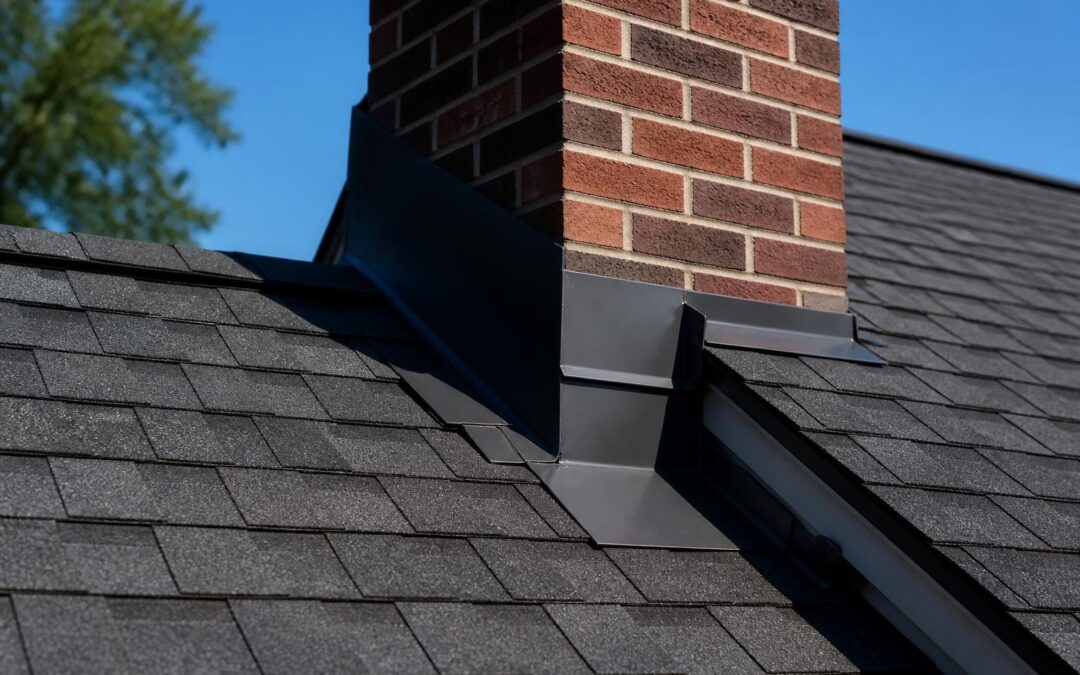
When water starts seeping into your home around the chimney, the culprit is often damaged or improperly installed flashing. Searching for "chimney flashing repair near me" is the first step many Los Angeles homeowners take when they notice water stains on ceilings or walls adjacent to their chimney. Chimney flashing serves as the critical waterproof barrier between your chimney and roof, and when it fails, the consequences can range from minor cosmetic damage to serious structural problems. Understanding what chimney flashing does, recognizing when it needs repair, and knowing how to find qualified contractors can save you thousands of dollars in water damage repairs.
Understanding Chimney Flashing and Its Critical Role
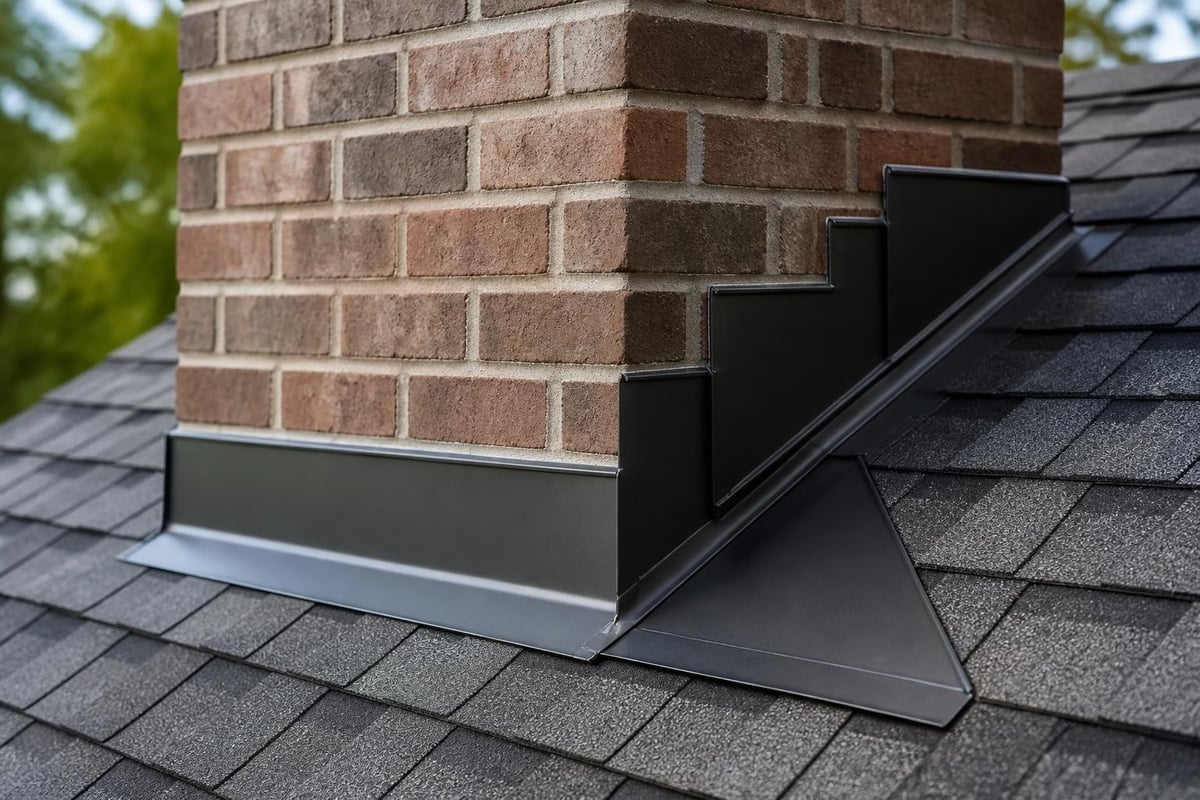
Chimney flashing consists of multiple metal components that create a weatherproof seal where your chimney penetrates the roof surface. This system typically includes step flashing, counter flashing, base flashing, and sometimes a cricket or saddle on the upslope side of larger chimneys.
Step flashing pieces are L-shaped metal sections installed in layers with each course of shingles along the chimney sides. Counter flashing embeds into the chimney masonry and overlaps the step flashing, creating a two-part seal that allows for thermal expansion while maintaining water resistance. Base flashing wraps around the chimney bottom, directing water away from the vulnerable intersection.
Why Flashing Fails Over Time
Several factors contribute to flashing deterioration in Los Angeles and surrounding areas:
- Thermal expansion and contraction causing metal fatigue
- UV exposure degrading sealants and metal coatings
- Poor initial installation with improper overlap or insufficient embedding
- Masonry deterioration allowing counter flashing to pull loose
- Lack of maintenance permitting small issues to become major failures
The components of chimney flashing work together as a system, meaning failure in one area often compromises the entire waterproofing barrier. Regular inspections help identify problems before they cause interior damage.
Warning Signs You Need Chimney Flashing Repair Near Me
Recognizing early indicators of flashing failure allows you to address problems before extensive water damage occurs. Los Angeles homeowners should watch for these telltale signs.
Interior Damage Indicators
Water infiltration through damaged flashing manifests in several ways inside your home:
Ceiling stains near the chimney often appear as yellowish or brown discoloration. These stains may be subtle initially but typically expand over time, especially after rainfall. Water marks on walls adjacent to the chimney indicate that moisture is traveling through the structure.
Musty odors around the fireplace suggest ongoing moisture intrusion. Even when visible staining isn't apparent, persistent dampness creates ideal conditions for mold growth. Efflorescence on interior chimney surfaces appears as white, chalky deposits where water carries salts through masonry.
Exterior Warning Signs
A thorough inspection of chimney flashing from the exterior reveals critical information:
| Warning Sign | What It Indicates | Urgency Level |
|---|---|---|
| Rust or corrosion on metal flashing | Material breakdown, potential holes | Medium to High |
| Gaps between flashing and chimney | Seal failure, water entry point | High |
| Missing or damaged step flashing | Direct exposure, immediate leak risk | Critical |
| Cracked or missing sealant | Compromised waterproofing | Medium |
| Lifted shingles around chimney | Installation failure, wind damage | High |
Checking the overall condition of your roof helps determine whether isolated flashing repair will suffice or if broader roofing work is necessary.
Types of Chimney Flashing Repair Methods
Professional contractors employ various repair approaches depending on the extent and nature of the damage. Understanding these methods helps you evaluate proposals when searching for chimney flashing repair near me.
Partial Flashing Repair
This approach addresses specific damaged sections while preserving intact components. Contractors replace deteriorated step flashing pieces, reseal counter flashing embedment, or patch small holes in base flashing.
Benefits of partial repair:
- Lower cost than complete replacement
- Faster completion time
- Less disruption to surrounding roofing
- Suitable for isolated damage on newer systems
However, partial repairs only work when the underlying flashing system remains fundamentally sound. Attempting to patch an extensively deteriorated system often leads to repeated callbacks and escalating costs.
Complete Flashing Replacement
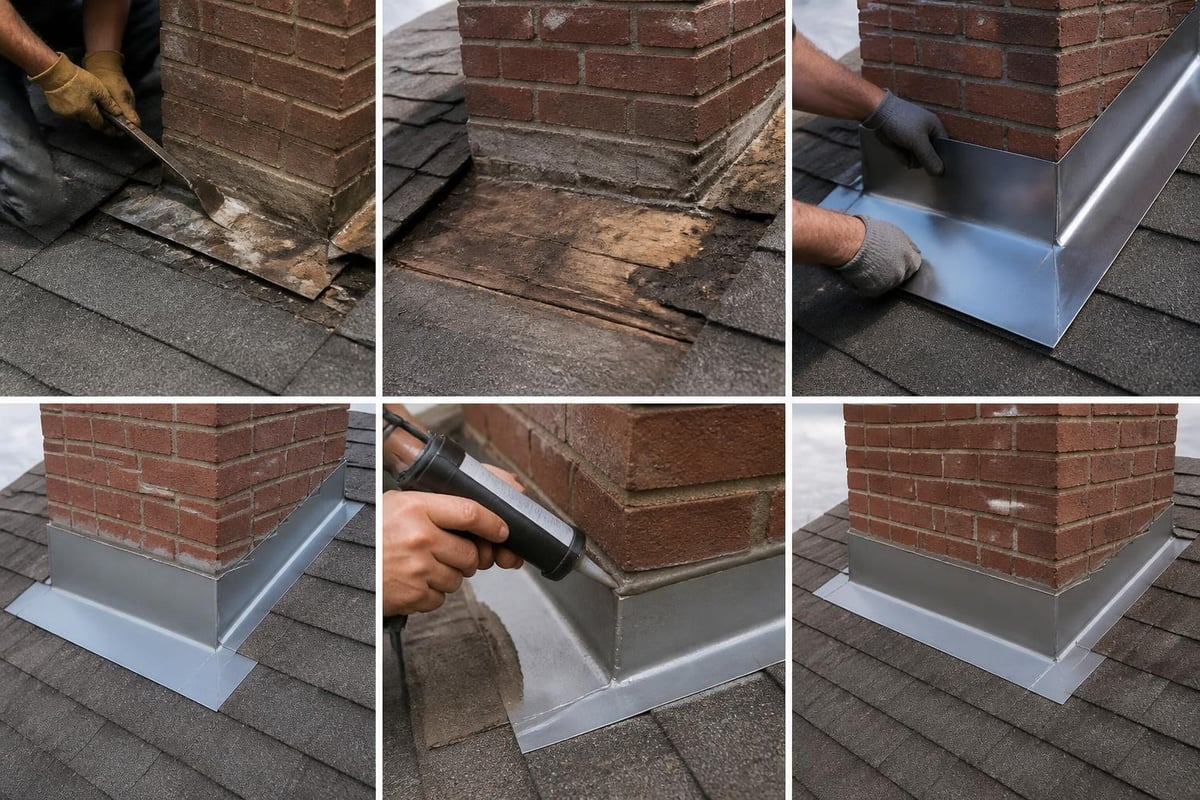
Full replacement involves removing all existing flashing components and installing a new system. This method ensures comprehensive waterproofing and typically comes with warranty coverage.
The process includes:
- Careful removal of shingles around the chimney perimeter
- Extraction of old flashing without damaging chimney masonry
- Surface preparation and repair of any underlying damage
- Installation of new base flashing around the chimney bottom
- Step flashing installation integrated with roofing layers
- Counter flashing embedding and sealing into mortar joints
- Cricket fabrication for chimneys wider than 30 inches
- Final sealing and shingle replacement
Professional chimney flashing installation techniques ensure proper overlap, adequate fastening, and correct integration with your roofing system. Quality installation prevents the common failures that plague DIY attempts.
Material Selection for Long-Lasting Repairs
The materials used in your chimney flashing repair significantly impact longevity and performance. Los Angeles contractors typically offer several options with varying price points and durability characteristics.
Metal Flashing Options
Aluminum flashing represents the most economical choice, offering adequate corrosion resistance for most residential applications. Its lighter weight simplifies installation, but it's more prone to denting and may not withstand extreme weather as well as heavier metals.
Galvanized steel provides excellent strength and reasonable corrosion resistance at a moderate price point. However, the zinc coating eventually wears away, particularly in areas with high moisture exposure or industrial pollution.
Copper flashing stands as the premium choice, offering unmatched durability and natural corrosion resistance. While initial costs run higher, copper often outlasts the roof itself. Its distinctive appearance also adds aesthetic appeal as it develops a natural patina. Many durable roofing materials pair well with copper flashing for extended service life.
Stainless steel combines excellent corrosion resistance with modern aesthetics. It costs less than copper while providing superior longevity compared to galvanized steel.
Sealant and Waterproofing Products
Modern sealants have largely replaced traditional mortar for embedding counter flashing. High-quality polyurethane or modified silicone sealants offer superior flexibility, adhesion, and weather resistance. These products accommodate thermal movement without cracking, a critical advantage over rigid mortars.
The best materials for chimney flashing depend on your specific roof type, budget, and longevity expectations. Professional contractors can recommend optimal combinations for your situation.
Cost Factors for Chimney Flashing Repair Near Me
Understanding pricing variables helps you budget appropriately and evaluate contractor estimates. Chimney flashing repair costs in the Los Angeles area vary based on multiple factors.
Primary Cost Drivers
Repair scope represents the most significant variable. Minor resealing might cost $200-$400, while complete flashing replacement typically ranges from $800-$2,500. Extensive damage requiring chimney masonry repairs or roof decking replacement can push costs considerably higher.
Chimney size and complexity directly impact labor requirements. A small chimney with straightforward geometry costs less to flash than a large, multi-flue chimney or one positioned at a roof valley. Chimneys requiring crickets add $400-$800 to project costs.
Material selection affects both immediate costs and long-term value:
| Material | Cost Range (per linear foot) | Expected Lifespan | Best For |
|---|---|---|---|
| Aluminum | $8-$12 | 20-30 years | Budget-conscious repairs |
| Galvanized Steel | $10-$15 | 25-35 years | Standard residential applications |
| Copper | $20-$35 | 50+ years | Premium installations |
| Stainless Steel | $15-$25 | 40-60 years | Modern aesthetics, durability |
Roof accessibility influences labor costs. Steep pitches, multiple stories, or difficult access requiring specialized equipment increase contractor expenses. Properties with limited staging areas or HOA restrictions may incur additional charges.
Hidden Costs to Consider
When searching for chimney flashing repair near me, factor in potential additional expenses. Water damage from delayed repairs often necessitates interior restoration work. Deteriorated chimney masonry may require tuckpointing or crown repairs. If your roof's condition is marginal, coordinating flashing repair with broader roofing work often proves more cost-effective than separate projects.
Roof repairs addressing multiple issues simultaneously typically offer better value than piecemeal approaches. Contractors can evaluate your entire roofing system during the flashing inspection.
Finding Qualified Contractors in Los Angeles
The abundance of roofing contractors in the Los Angeles area makes selecting the right professional challenging. Applying systematic evaluation criteria helps identify qualified specialists for your chimney flashing repair near me search.
Essential Qualifications to Verify
Licensing and insurance protect you from liability and ensure contractors meet minimum competency standards. California requires roofers to hold a C-39 license from the Contractors State License Board. Verify current licensing status and confirm contractors carry adequate liability insurance and workers' compensation coverage.
Specialized experience with chimney flashing separates true specialists from general roofers. Ask prospective contractors about their specific flashing experience, preferred materials, and approach to common failure modes. Request references from recent chimney flashing projects similar to yours.
Warranty offerings reflect contractor confidence in their work. Reputable professionals provide written warranties covering both materials and workmanship. Material warranties should match manufacturer specifications, while labor warranties typically range from one to ten years depending on the contractor.
Red Flags to Avoid
Certain warning signs indicate contractors to eliminate from consideration:
- Requests for large upfront deposits exceeding 10% of project cost
- Pressure tactics or limited-time offers creating artificial urgency
- Inability to provide verifiable references or project photos
- Reluctance to provide detailed written estimates
- Lack of physical business address or established local presence
- Proposals significantly below competing bids without clear explanation
Tips for choosing a commercial roofing company apply equally to residential contractors and chimney flashing specialists.
Preventing Future Flashing Failures
Proactive maintenance extends flashing lifespan and prevents costly emergency repairs. Los Angeles homeowners should implement regular inspection and maintenance protocols.
Annual Inspection Protocol
Schedule professional roof inspections at least annually, preferably before the rainy season. Inspectors should examine:
- Sealant condition around counter flashing embedment
- Metal integrity checking for rust, corrosion, or fatigue cracks
- Flashing-to-chimney contact ensuring continuous seal
- Step flashing exposure verifying proper shingle coverage
- Cricket condition if applicable, checking for debris accumulation
Between professional inspections, homeowners can perform basic visual checks from the ground using binoculars. Look for obvious damage, missing pieces, or separation between flashing and chimney.
Maintenance Best Practices
Several simple maintenance tasks prevent premature flashing failure:
Regular chimney cap inspection prevents water entry through the chimney top, reducing moisture exposure to flashing components. Prompt debris removal from roof valleys and around chimneys prevents water damming and ice formation. Vegetation control keeps trees trimmed away from the roof, reducing abrasion damage and debris accumulation.
Weatherproofing your roof through comprehensive maintenance addresses flashing along with other vulnerable areas.
When to Schedule Professional Maintenance
Certain situations warrant immediate professional attention even without visible damage. After severe storms with high winds or hail, schedule an inspection to identify hidden damage. Following nearby earthquakes, check for separation between rigid chimneys and flexible roof structures. If you notice water stains that disappear when dry, moisture is penetrating somewhere, and flashing represents a likely entry point.
The proper repair methods for chimney flashing require professional expertise and specialized tools. Attempting DIY repairs often creates new problems while voiding existing warranties.
Special Considerations for Los Angeles Homeowners
Los Angeles's unique climate and construction characteristics create specific chimney flashing challenges. Understanding these regional factors helps you make informed repair decisions.
Climate Impact on Flashing Performance
While Los Angeles receives less annual rainfall than many regions, the concentrated winter precipitation creates demanding conditions for flashing systems. Extended dry periods allow sealants to cure excessively, reducing flexibility when rain finally arrives. UV exposure intensity in Southern California accelerates sealant degradation and metal coating breakdown.
Temperature fluctuations between day and night create continuous expansion and contraction cycles. Metal fatigue accumulates faster in these conditions compared to regions with more stable temperatures. Coastal areas face additional challenges from salt air exposure, which accelerates corrosion on certain metals.
Coastal homes experience unique flashing challenges requiring specialized materials and techniques. Properties within five miles of the Pacific Ocean benefit from corrosion-resistant materials like copper or stainless steel.
Building Code Requirements
California building codes and Los Angeles municipal regulations establish minimum standards for chimney flashing installation. Current codes require:
- Fire-resistant materials meeting ASTM E136 specifications
- Minimum metal thickness of 26-gauge for galvanized steel
- Proper cricket installation for chimneys exceeding 30 inches width
- Adequate fastening using corrosion-resistant fasteners
- Sealed embedment preventing water infiltration into masonry
Professional contractors familiar with local requirements ensure code compliance, avoiding issues during home sales or insurance claims. Permit requirements vary by jurisdiction and project scope, with major replacements typically requiring permits while minor repairs may not.
Historic Home Considerations
Los Angeles's diverse architectural heritage includes numerous historic properties with specific preservation requirements. Historic designation may limit material choices or require adherence to original construction methods. Copper flashing often represents the preferred option for historic properties due to its traditional appearance and longevity.
Consult historic preservation officers before proceeding with flashing repairs on designated properties. Specialized contractors experienced with historic buildings understand requirements and can navigate approval processes efficiently.
DIY vs. Professional Chimney Flashing Repair
Homeowners with construction experience sometimes consider tackling chimney flashing repair independently. Understanding the challenges and risks helps you make informed decisions about DIY approaches.
Skills and Tools Required
Successful flashing repair demands multiple specialized competencies. Sheet metal fabrication skills enable proper cutting, bending, and shaping of flashing components. Roofing knowledge ensures correct integration with shingles or tiles without creating new leak points. Masonry experience helps embed counter flashing properly without damaging chimney structure.
Essential tools include aviation snips, metal brake, caulking gun, hammer, pry bar, and appropriate safety equipment. Working at heights requires fall protection harnesses, secure ladder placement, and roof jacks on steep pitches. The specialized tool investment often exceeds simple repair costs.
Risk Assessment
Several significant risks accompany DIY flashing repair attempts:
Safety hazards from falls represent the most serious concern. Roofing work consistently ranks among the most dangerous home improvement activities. Even experienced DIYers face substantial injury risk without proper equipment and training.
Installation errors frequently create worse problems than the original damage. Improperly installed flashing channels water into wall cavities or roof structures, causing extensive hidden damage. Common mistakes include inadequate overlap, incorrect fastener placement, insufficient sealant application, and failure to integrate properly with surrounding roofing.
Warranty implications deserve consideration. DIY repairs void manufacturer warranties on roofing materials and may complicate insurance claims. Future buyers and home inspectors often view non-professional repairs skeptically, potentially affecting resale value.
When DIY Makes Sense
Very minor maintenance tasks fall within homeowner capabilities. Applying fresh sealant to small gaps or replacing obviously damaged sealant beads requires minimal expertise. However, any work involving metal removal, masonry alteration, or shingle replacement warrants professional involvement.
For comprehensive repairs or complete replacement, professional contractors offer expertise, efficiency, and warranty protection that justify their costs. The regulatory standards governing roof flashing repairs require professional knowledge to ensure compliance.
Coordinating Flashing Repair with Other Roofing Work
Strategic timing of chimney flashing repair relative to other roofing projects maximizes value and minimizes disruption. Coordination creates opportunities for cost savings and comprehensive solutions.
Combining Projects for Efficiency
When your roof approaches the end of its service life, coordinating flashing replacement with complete roof replacement makes economic sense. Contractors already mobilizing equipment and crews to your property can address flashing at reduced marginal cost. This approach eliminates the inefficiency of disturbing newly installed roofing to replace flashing shortly after a roof replacement.
Similarly, if multiple chimneys require flashing work, scheduling repairs simultaneously reduces fixed costs like mobilization, scaffolding, and permits. Properties with both chimney flashing issues and moss growth problems benefit from addressing all roofing concerns in a single comprehensive project.
Negotiating Combined Quotes
Request itemized estimates separating fixed costs from variable components. This transparency reveals actual savings available through project combination. Compare standalone flashing repair quotes against bundled pricing to quantify combination benefits.
Many contractors offer package discounts for comprehensive roofing work. However, verify that quality doesn't suffer in pursuit of lower pricing. Cheaper materials or reduced labor standards undermine long-term value regardless of initial savings.
Sequencing Considerations
Certain repair sequences optimize outcomes. Complete chimney masonry repairs before installing new flashing, ensuring sound substrate for counter flashing embedment. Address roof deck damage or rotted sheathing before flashing installation prevents future callbacks. Clean and treat biological growth prior to flashing work extends material lifespan.
Professional contractors develop logical sequencing that minimizes rework and ensures each component supports subsequent installations. Discuss project phasing during initial consultations to understand proposed timelines and interdependencies.
Protecting your home from water damage requires maintaining the critical waterproof barrier where your chimney meets your roof. When you notice warning signs of flashing failure, acting quickly prevents minor issues from becoming costly structural repairs.
For Los Angeles homeowners seeking expert chimney flashing repair, Proof Your Roof delivers professional craftsmanship backed by decades of experience with residential and commercial roofing systems. Our licensed specialists provide comprehensive inspections, transparent pricing, and warranty-backed repairs using quality materials designed for Southern California's unique climate demands. Contact us today for a free estimate and protect your investment with flashing repairs that last.