
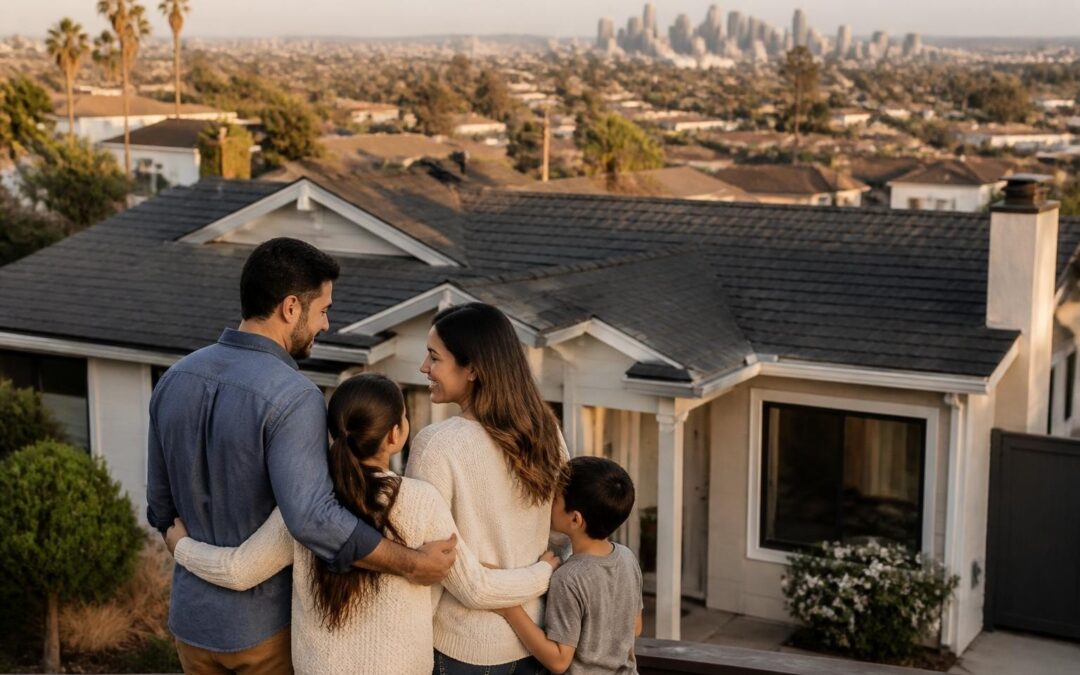
When homeowners think about protecting their most valuable asset, the roof often takes center stage in long-term planning discussions. Family roofing encompasses more than just the physical structure over your head; it represents a commitment to safety, comfort, and financial security for everyone living under that roof. Whether you're raising young children, caring for aging parents, or planning to pass your home down through generations, understanding how to select, maintain, and invest in quality roofing becomes a cornerstone of responsible home ownership. This comprehensive guide explores everything families need to know about making informed roofing decisions that will serve their households for decades to come.
Understanding the Family Roofing Concept
Family roofing refers to the approach of viewing your roof as a critical component of your family's overall well-being rather than simply a construction element. This perspective shifts the conversation from short-term fixes to long-term value creation.
When families invest in roofing, they're making decisions that affect daily comfort, monthly utility bills, and future resale value. A quality roof protects against water intrusion that could damage belongings and create health hazards like mold growth. It regulates indoor temperatures, keeping children comfortable during study time and ensuring elderly family members aren't exposed to dangerous heat or cold.
The Multi-Generational Impact
Different family members experience roofing quality in unique ways:
- Young children benefit from consistent indoor temperatures and protection from outdoor allergens
- Working parents see reduced energy bills and fewer emergency repair costs
- Elderly residents enjoy safer indoor air quality and temperature stability
- Future generations inherit a well-maintained asset with documented care history
The decisions you make today about roofing materials, maintenance schedules, and contractor relationships create a legacy that extends well beyond your immediate occupancy. Many Los Angeles families are discovering that investing in premium roofing materials and professional installation pays dividends across multiple decades.

Selecting the Right Roofing Materials for Your Family
Material selection represents one of the most consequential family roofing decisions. Each option offers distinct advantages depending on your household's priorities, budget, and long-term plans.
Comparing Popular Residential Roofing Options
| Material | Typical Lifespan | Energy Efficiency | Maintenance Needs | Family Benefits |
|---|---|---|---|---|
| Asphalt Shingles | 15-30 years | Moderate | Low to Moderate | Affordable, versatile, widely serviceable |
| Clay Tiles | 50-100 years | Excellent | Low | Generational durability, fire resistance |
| Metal Roofing | 40-70 years | Excellent | Very Low | Long-term value, storm resistance |
| Composite | 30-50 years | Good | Low | Balance of cost and performance |
Asphalt shingles roof installations remain popular among families because they offer dependable protection at accessible price points, making them ideal for growing families managing multiple financial priorities simultaneously.
Climate Considerations for Los Angeles Families
Southern California's unique climate demands specific material characteristics. The intense sun exposure, occasional heavy rains, and minimal freeze-thaw cycles create different performance requirements than families face in other regions.
Cool roof technologies have become increasingly relevant for family roofing projects in Los Angeles. These materials reflect more sunlight and absorb less heat, directly reducing cooling costs during long summer months. According to guidance from ENERGY STAR’s cool roof program, reflective roofing can lower roof surface temperatures by up to 50 degrees Fahrenheit, translating to measurable reductions in air conditioning expenses.
Fire resistance also matters significantly in California's wildfire-prone regions. Class A fire-rated materials provide the highest level of protection, offering families critical extra minutes during evacuation scenarios and potentially reducing insurance premiums.
The Financial Dimension of Family Roofing
Budget planning for roofing projects requires families to balance immediate affordability with long-term value creation. Understanding the total cost of ownership rather than just upfront installation expenses leads to smarter decisions.
Breaking Down Roofing Investment Components
Initial Installation Costs:
- Material expenses (30-40% of total project)
- Labor and installation (40-50% of total project)
- Permits and inspections (5-10% of total project)
- Disposal and preparation (5-10% of total project)
Ongoing Ownership Costs:
- Annual maintenance and inspections
- Periodic repairs and component replacement
- Energy costs influenced by roof performance
- Insurance premium adjustments based on roof condition
Many families overlook how roof condition affects homeowners insurance. Insurance experts note that insurers increasingly factor roof age and condition into coverage decisions, with some companies refusing to insure homes with roofs older than 20 years or requiring higher premiums for aging systems.
Creating a Family Roofing Budget Strategy
Start by obtaining multiple detailed estimates from licensed contractors. Quality family roofing companies provide transparent breakdowns showing exactly where your investment goes. Compare proposals based on total value rather than lowest price alone.
Consider financing options if a necessary roof replacement strains your budget:
- Home equity lines of credit offer flexible borrowing against existing home value
- Property Assessed Clean Energy (PACE) programs fund energy-efficient upgrades through property tax payments
- Contractor financing provides convenient approval but may carry higher interest rates
- Energy efficiency rebates from utilities can offset costs for qualifying cool roof installations
Building a dedicated home maintenance fund that includes roofing reserves prevents families from facing financial emergencies when repairs become necessary. Financial advisors often recommend setting aside 1-2% of your home's value annually for all maintenance needs, with roofing representing a significant portion of that allocation.
Maintenance Strategies That Protect Family Investments
Proactive maintenance represents the most cost-effective approach to family roofing longevity. Regular attention prevents minor issues from escalating into expensive emergencies that disrupt household budgets and daily routines.
Essential Annual Maintenance Tasks
Spring Inspection Checklist:
- Clear debris from gutters and downspouts
- Check for missing, damaged, or curling shingles
- Inspect flashing around chimneys, vents, and skylights
- Look for signs of algae, moss, or biological growth
- Verify adequate attic ventilation
Fall Preparation Activities:
- Remove leaves and branches before winter rains
- Verify drainage systems function properly
- Check for animal intrusion points or nesting
- Inspect interior ceilings for water stains
- Document roof condition with photographs
The National Roofing Contractors Association provides detailed homeowner guidance on seasonal maintenance best practices that extend roof lifespan and protect family investments.
When to Call Professionals Versus DIY
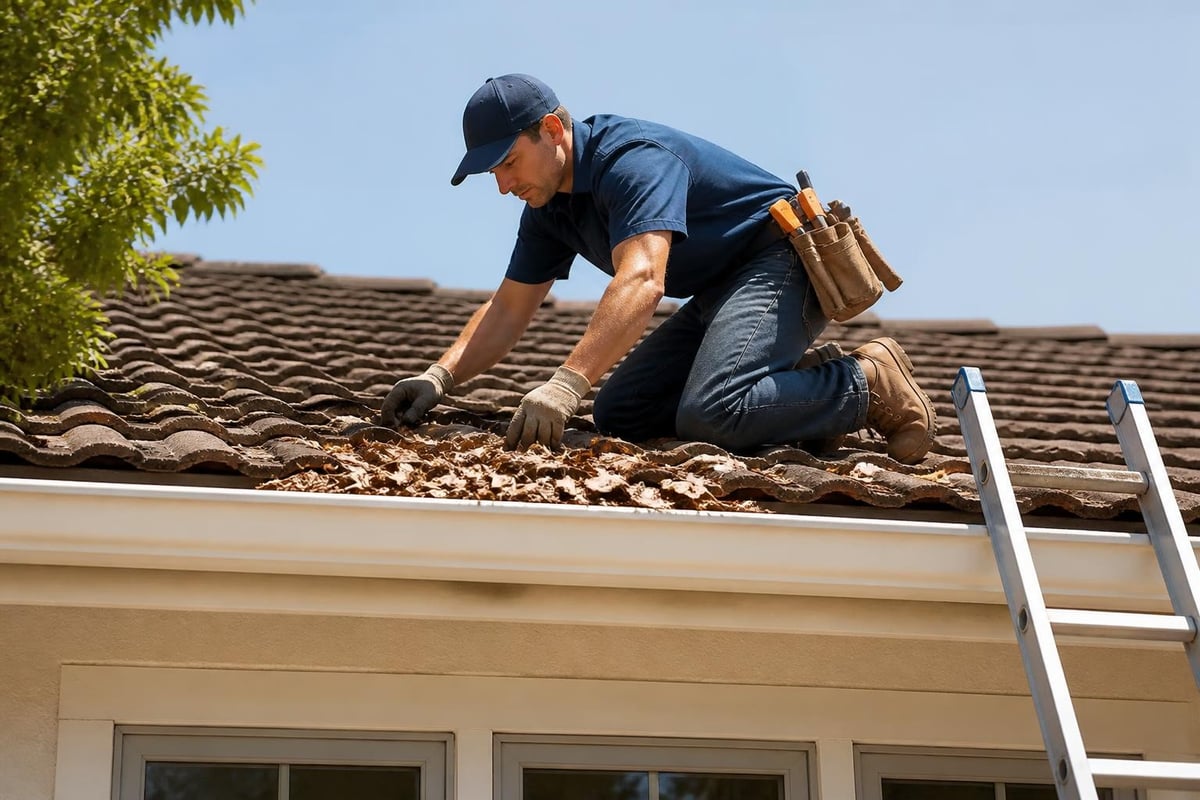
Safety considerations should guide every family roofing maintenance decision. While homeowners can safely perform ground-level tasks like gutter cleaning with proper equipment, roof surface inspections and repairs require professional expertise.
Appropriate for DIY:
- Ground-level visual inspections with binoculars
- Gutter cleaning from stable ladders
- Minor debris removal from roof edges
- Interior attic ventilation checks
- Documentation and record-keeping
Requiring Professional Service:
- Walking on roof surfaces for detailed inspection
- Any repair involving waterproofing or structural components
- Flashing replacement or adjustment
- Shingle replacement beyond a few isolated pieces
- Identifying sources of active leaks
Professional inspections cost significantly less than emergency repairs. Most family roofing contractors offer seasonal inspection services that identify developing problems before they cause interior damage or require extensive repairs.
Energy Efficiency and Family Comfort
Modern family roofing projects increasingly incorporate energy performance considerations that directly impact household comfort and operating costs. The connection between roof characteristics and indoor environmental quality deserves careful attention from families committed to sustainable living.
How Roofing Affects Indoor Climate
Your roof serves as the primary barrier against solar heat gain during summer months. In Los Angeles, where cooling costs dominate energy bills, roof surface temperature directly influences air conditioning requirements.
The Environmental Protection Agency’s research on cool roofs demonstrates that reflective roofing materials reduce urban heat island effects while simultaneously lowering individual building cooling loads. For families, this translates to more consistent indoor temperatures, reduced HVAC system wear, and lower monthly utility expenses.
Proper attic insulation and ventilation work synergistically with roofing materials to optimize energy performance. The Department of Energy provides comprehensive guidance on coordinating insulation upgrades with roofing projects to maximize efficiency gains and family comfort improvements.
Calculating Energy Savings from Roofing Upgrades
| Roof Type | Summer Cooling Savings | Winter Heating Impact | Annual Utility Reduction |
|---|---|---|---|
| Standard Dark Shingles | Baseline | Baseline | Baseline |
| Cool Roof Shingles | 10-15% reduction | Minimal increase | 7-10% net savings |
| Metal Cool Roof | 15-25% reduction | 2-5% increase | 10-15% net savings |
| Clay Tile (Light Color) | 12-20% reduction | 3-6% increase | 8-12% net savings |
These savings compound over the roof's lifespan, potentially recovering thousands of dollars in energy costs while simultaneously reducing your family's environmental footprint and improving indoor air quality through reduced HVAC runtime.
Choosing the Right Family Roofing Contractor
Contractor selection represents perhaps the most critical decision in any family roofing project. The difference between an excellent installation and a problematic one often determines whether your roof performs as expected for its full design life or requires premature replacement.
Essential Contractor Qualifications
Non-Negotiable Requirements:
- Valid California contractor's license (C-39 roofing classification)
- Current general liability insurance and workers' compensation coverage
- Physical business location and established local presence
- References from recent residential projects in your area
- Written warranty covering both materials and workmanship
Desirable Additional Credentials:
- Manufacturer certifications for specific roofing products
- Industry association memberships (NRCA, local chapters)
- BBB accreditation with positive rating history
- Specialized training in energy-efficient installation techniques
- Storm damage assessment and insurance claim experience
Never work with contractors who pressure immediate decisions, request full payment upfront, or lack proper licensing and insurance documentation. Consumer Reports’ roofing buying guide offers additional guidance on evaluating contractor proposals and avoiding common pitfalls that compromise family roofing investments.
Questions Every Family Should Ask
Before signing any contract, engage contractors in detailed discussions about their approach to your specific project:
- How will you protect landscaping, vehicles, and other property during work?
- What specific ventilation and insulation improvements do you recommend?
- How do you handle unexpected discoveries like hidden damage?
- What is your typical project timeline and crew size?
- How do you communicate progress and address concerns during installation?
- What maintenance do you recommend for the materials you're proposing?
Quality family roofing contractors welcome these questions and provide thorough, specific answers that demonstrate their expertise and customer service commitment. Evasive responses or generic answers should raise immediate concerns about contractor suitability.
Storm Preparedness and Damage Response
California weather patterns bring occasional intense storms that test roofing systems. Families benefit from understanding both preventive measures and proper response procedures when weather events cause damage.
Pre-Storm Preparation Strategies
Before Storm Season:
- Schedule professional inspection to identify vulnerable areas
- Trim overhanging branches that could damage roof during high winds
- Verify emergency contact information for trusted roofing contractors
- Review homeowners insurance coverage and deductible amounts
- Create photographic documentation of current roof condition
When Storms Approach:
- Secure outdoor furniture and objects that could become projectiles
- Clear gutters and downspouts to handle heavy rainfall
- Check that attic access is clear for post-storm inspection
- Prepare emergency supplies for potential power outages
- Document weather conditions with timestamps for insurance purposes
The Insurance Institute for Business & Home Safety offers FORTIFIED guidance on specific upgrades that significantly improve roof performance during severe weather events, including enhanced attachment methods and sealed roof deck systems that prevent water intrusion even when shingles suffer damage.
Post-Storm Assessment and Documentation
After significant weather events, systematic damage assessment protects both your family's safety and insurance claim potential:
- Conduct safe ground-level inspection looking for obvious damage like missing shingles or debris
- Check interior spaces for water stains, drips, or damp insulation in attics
- Photograph all visible damage from multiple angles with date stamps
- Contact your insurance company to report potential claims before making temporary repairs
- Arrange professional inspection from licensed contractors to identify hidden damage
Temporary repairs that prevent additional damage (tarping exposed areas, collecting water from active leaks) are typically covered by insurance and should be documented thoroughly. Avoid signing contracts with storm-chasing contractors who appear in neighborhoods immediately after weather events offering suspiciously low prices or pressuring immediate decisions.
Long-Term Planning for Multi-Generational Homes
Families planning to remain in homes for decades or hoping to pass properties to future generations benefit from strategic family roofing decisions that prioritize longevity and documented maintenance.
Creating a Roof Maintenance Archive
Essential Documentation:
- Original installation contracts and material specifications
- Warranty documentation from manufacturers and contractors
- Annual inspection reports with photographic evidence
- Repair histories including dates, costs, and contractor information
- Material samples or product information for future matching
This documentation significantly increases home value during sales by demonstrating responsible ownership. It also proves invaluable when filing insurance claims or addressing warranty issues years after original installation.
Maintain both digital and physical copies of all roofing documentation, organized chronologically. Many families find success using dedicated folders in home management apps that sync across family members' devices, ensuring critical information remains accessible even if primary record-keepers become unavailable.
Timing Replacement for Maximum Value
Strategic replacement timing balances remaining roof life against other family priorities and market conditions. Consider these factors when planning major family roofing investments:
- Home sale timing: New roofs increase property value but full cost recovery varies by market
- Insurance requirements: Some insurers mandate replacement before roofs reach certain ages
- Energy efficiency incentives: Available rebates and tax credits change with policy updates
- Family financial milestones: Coordinate with other major expenses like college tuition or retirement
- Material availability: Supply chain issues can affect certain products during specific periods
Working with experienced contractors like those at Proof Your Roof helps families develop realistic timelines that align roofing investments with broader household financial planning, ensuring that necessary work proceeds without creating undue budget strain.
Family roofing decisions represent significant investments in your household's safety, comfort, and long-term financial security. By understanding material options, implementing proactive maintenance, selecting qualified contractors, and planning strategically for future needs, you protect both your physical home and your family's quality of life for generations to come. Whether you're addressing immediate repair needs or planning a complete roof replacement, Proof Your Roof serves Los Angeles families with the expertise, transparency, and commitment to quality that transforms roofing projects from stressful obligations into valuable home improvements that deliver lasting peace of mind.