
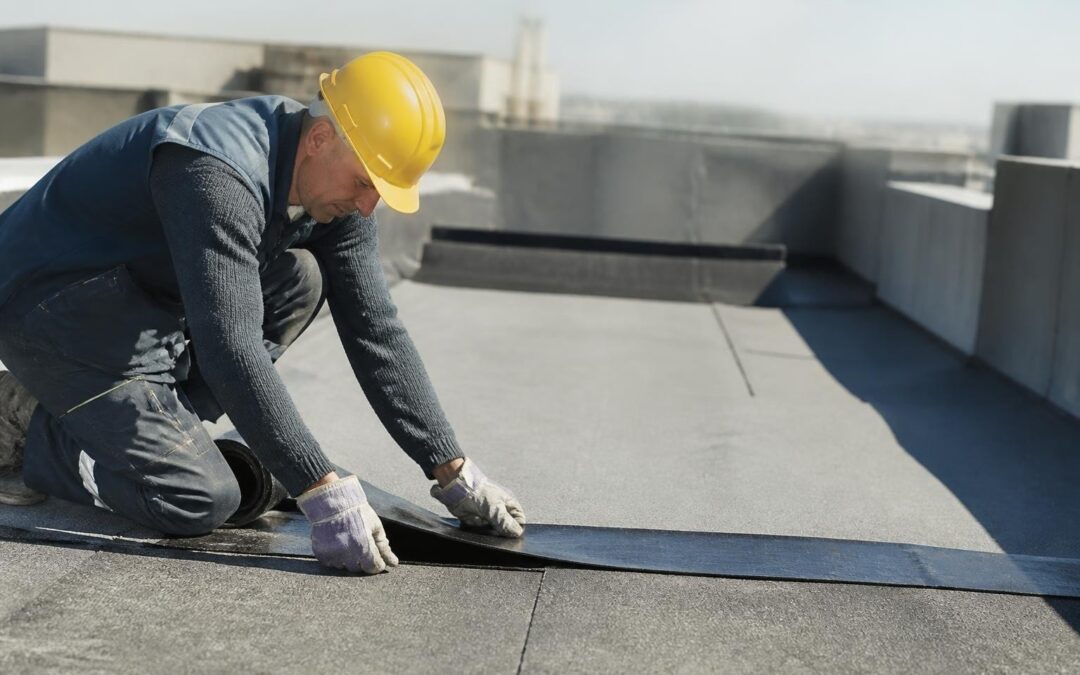
Finding the right flat roof specialist can make the difference between a reliable, long-lasting roof and costly repairs down the road. Flat roofing systems present unique challenges that require specialized knowledge, from proper drainage design to membrane installation techniques. Whether you manage a commercial building in Los Angeles or own a residential property with a modern flat roof design, understanding what sets qualified flat roof specialists apart helps you make informed decisions about installation, maintenance, and repair. This guide explores the expertise, services, and considerations that matter most when selecting a professional for your flat roofing needs.
Understanding Flat Roof Specialist Expertise
A flat roof specialist brings technical knowledge that extends far beyond general roofing experience. These professionals understand the nuances of low-slope and flat roof systems, including waterproofing requirements, thermal movement considerations, and drainage engineering.
Certifications and Training Requirements
Professional flat roof specialists typically hold manufacturer certifications for specific roofing systems they install. These certifications require ongoing education and adherence to installation standards that protect both the property owner and the contractor.
Key qualifications to look for:
- Manufacturer certifications for TPO, EPDM, PVC, or modified bitumen systems
- NRCA (National Roofing Contractors Association) membership and training
- State contractor licensing with appropriate bonding and insurance
- OSHA safety certification for working at heights
- Track record of commercial and residential flat roof projects
The NRCA provides comprehensive guidelines for low-slope roofing that certified contractors follow to ensure quality installations. Experience with various membrane types and attachment methods demonstrates a contractor's versatility in addressing different building requirements and climate conditions.
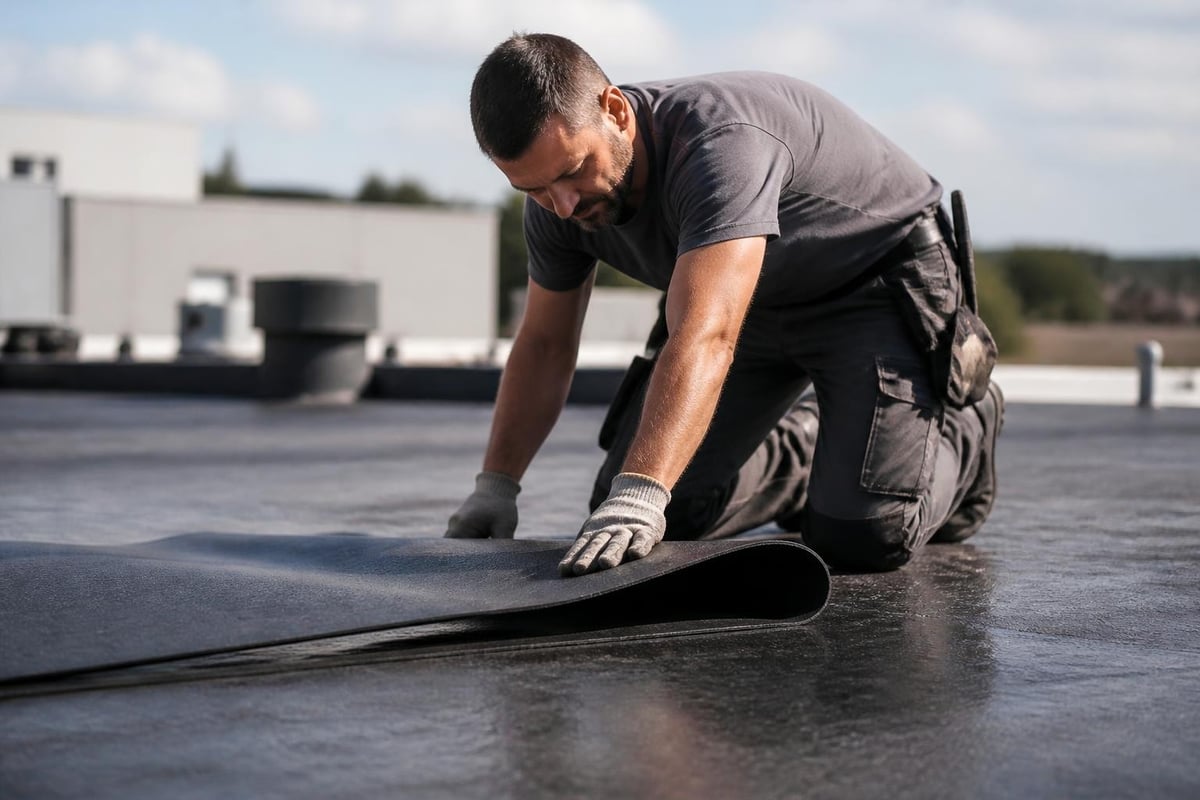
Technical Knowledge Areas
Flat roof systems require understanding of building science principles that don't apply to pitched roofing. A qualified flat roof specialist must comprehend moisture management, insulation placement, vapor barriers, and thermal bridging.
| Knowledge Area | Why It Matters | Common Applications |
|---|---|---|
| Drainage design | Prevents ponding water and premature failure | Tapered insulation, scupper placement |
| Membrane compatibility | Ensures long-term adhesion and performance | Substrate preparation, primer selection |
| Thermal performance | Reduces energy costs and meets code | Insulation R-value, cool roof coatings |
| Flashing details | Prevents 90% of flat roof leaks | Parapet walls, penetrations, edges |
The Institute of Building Enclosure Consultants offers technical resources that demonstrate the complexity of flat roof assemblies and the importance of proper detailing at every interface.
Common Flat Roof Systems and Materials
Modern flat roofing encompasses several distinct system types, each with specific installation requirements and performance characteristics. A knowledgeable flat roof specialist can recommend the best option for your building type, budget, and climate.
Single-Ply Membrane Systems
Single-ply membranes dominate the commercial flat roofing market due to their reliability and proven performance. These systems come in three primary types: TPO (thermoplastic polyolefin), EPDM (ethylene propylene diene monomer), and PVC (polyvinyl chloride).
TPO roofing offers excellent heat-reflective properties and strong seam strength through heat welding. This white or tan membrane helps reduce cooling costs in warm climates like Southern California while providing reliable waterproofing for 15 to 25 years with proper maintenance.
EPDM roofing provides a cost-effective solution with a proven track record spanning over 50 years. This black rubber membrane excels in temperature extremes and offers straightforward repair procedures. Installation methods include fully adhered, mechanically attached, or ballasted systems.
PVC roofing represents the premium option with superior chemical resistance and fire performance. Buildings with rooftop equipment, grease exhaust, or high foot traffic benefit from PVC's durability and resistance to punctures.
Built-Up and Modified Bitumen Systems
Traditional built-up roofing (BUR) consists of alternating layers of bitumen and reinforcing fabrics. While less common on new construction, many existing buildings still rely on these time-tested systems. A skilled flat roof specialist understands how to properly maintain, repair, and re-roof these assemblies.
Modified bitumen roofing bridges traditional and modern approaches, incorporating polymer-modified asphalt in roll form. These systems install through torch application, cold adhesive, or self-adhering methods. The reinforced construction provides excellent tear resistance and accommodates building movement without compromising waterproofing integrity.
Critical Services Provided by Flat Roof Specialists
Professional flat roof specialists offer comprehensive services that address every phase of a roof's lifecycle. Understanding these service categories helps property owners maintain their investment and address issues before they escalate.
New Installation and Replacement
Installing a new flat roof system requires meticulous planning and execution. The process begins with structural assessment to verify the deck can support the new assembly's weight, especially when adding insulation or changing from a lightweight system to a heavier one.
- Deck evaluation and preparation – Inspecting for damage, ensuring proper slope, addressing structural concerns
- Insulation installation – Selecting appropriate R-value, installing in proper sequence, creating tapered systems for drainage
- Membrane application – Following manufacturer specifications, creating watertight seams, detailing penetrations and transitions
- Quality control inspection – Verifying seam integrity, checking flashing details, documenting installation for warranty
Roof replacement represents a significant investment that requires careful contractor selection and clear communication about project scope, timeline, and performance expectations. Working with experienced professionals ensures your new flat roof system meets current building codes and energy efficiency standards.
Leak Detection and Repair
Flat roof leaks can be notoriously difficult to locate because water often travels along the deck or insulation before appearing inside the building. A qualified flat roof specialist employs multiple diagnostic techniques to pinpoint leak sources without unnecessary exploratory demolition.
Advanced detection methods include:
- Electronic leak detection using low-voltage current
- Infrared thermography to identify moisture-saturated insulation
- Nuclear moisture scanning for precise moisture mapping
- Visual inspection of common failure points and penetrations
Once identified, repairs must address not just the symptom but the underlying cause. Improper drainage, inadequate flashing, or membrane degradation all require different solutions. Professional repairs restore waterproofing integrity while maintaining warranty coverage when applicable.
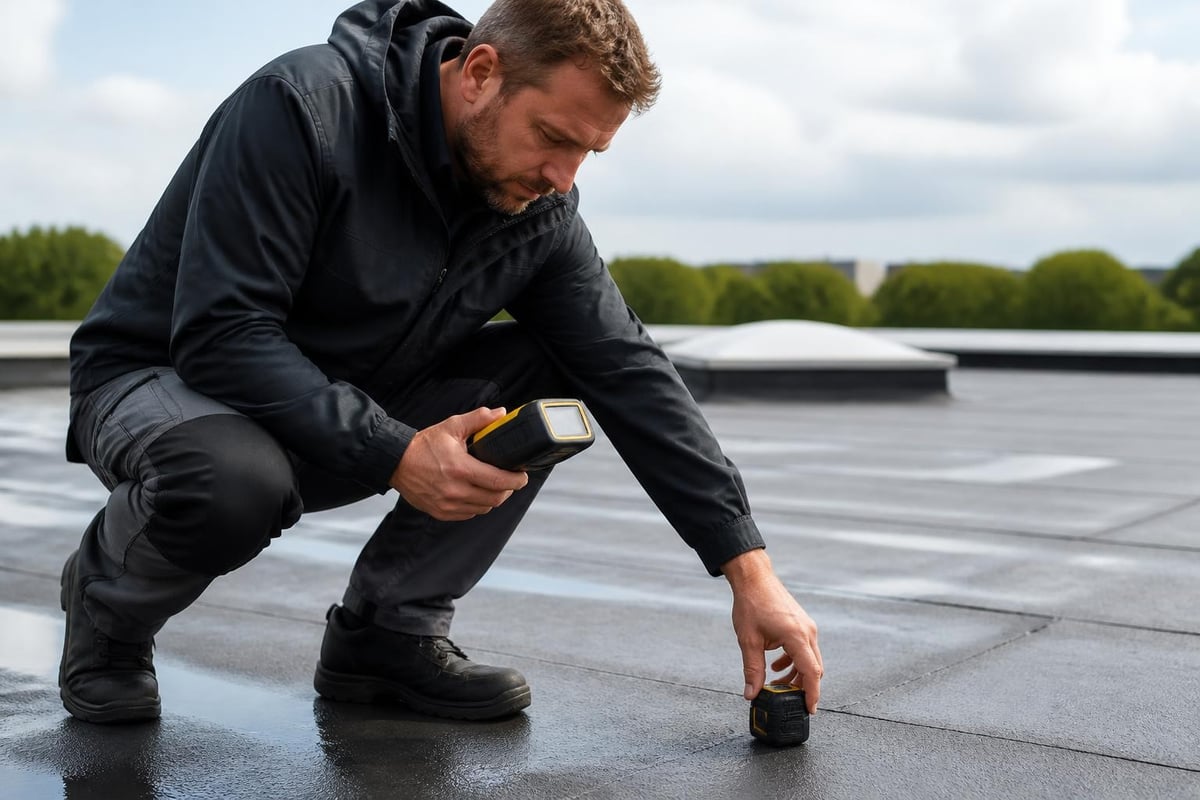
Maintenance and Restoration Programs
Preventive maintenance extends flat roof lifespan significantly and costs a fraction of premature replacement. A comprehensive maintenance program should include biannual inspections, debris removal, drain cleaning, and minor repairs before they escalate.
| Maintenance Task | Frequency | Purpose |
|---|---|---|
| Drain and scupper cleaning | Quarterly | Prevents water ponding and overflow |
| Debris removal | After storms, seasonally | Reduces membrane wear and drainage blockage |
| Seam and flashing inspection | Twice annually | Identifies early signs of separation or damage |
| Minor repairs | As needed | Prevents small issues from becoming major leaks |
| Documentation and reporting | Each service visit | Tracks roof condition over time |
The Roof Coatings Manufacturers Association provides resources on restoration coatings that can extend roof life by 10 to 15 years when applied to structurally sound membranes. This approach offers substantial savings compared to complete replacement while improving energy efficiency.
Energy Efficiency and Cool Roof Technologies
Modern flat roof systems increasingly focus on thermal performance and energy efficiency. The EPA’s cool roof guidance demonstrates how reflective roofing reduces urban heat island effects while cutting cooling costs by 15 to 40 percent in warm climates.
Reflective Membrane Options
White or light-colored single-ply membranes naturally provide excellent solar reflectance. TPO and PVC membranes typically achieve Solar Reflectance Index (SRI) values above 80, meeting stringent cool roof requirements in California and other jurisdictions with Title 24 energy codes.
Cool roof technologies benefit Los Angeles properties particularly well, where intense sunshine and long cooling seasons create substantial air conditioning loads. A flat roof specialist familiar with local climate and code requirements can specify systems that maximize energy savings while qualifying for utility rebates or tax incentives.
Insulation Strategies
Proper insulation placement dramatically impacts both energy performance and roof longevity. Flat roof specialists must understand the relationship between insulation, vapor retarders, and membrane selection to prevent condensation-related failures.
Common insulation configurations:
- Above-deck insulation – Keeps the structural deck warm, reducing condensation risk
- Tapered insulation systems – Create positive drainage while providing thermal resistance
- Multi-layer approaches – Offset joints between layers to eliminate thermal bridging
- Retrofitted insulation – Adds R-value during reroofing without removing existing assemblies
The Whole Building Design Guide offers technical guidance on integrating roof insulation with overall building performance, addressing moisture management, air barriers, and thermal continuity at the roof-to-wall interface.
Drainage Design and Ponding Water Prevention
Proper drainage separates successful flat roofs from problematic ones. While called "flat," these roofs require a minimum slope of 1/4 inch per foot to ensure water flows to drains, scuppers, or roof edges. A qualified flat roof specialist designs and installs drainage systems that handle both typical rainfall and extreme weather events.
Tapered Insulation Systems
Tapered insulation creates positive slope on structurally flat decks, directing water to designated drainage points. This approach adds minimal weight while improving both drainage and thermal performance. Computer-aided design tools allow specialists to model water flow patterns and optimize drain placement for complex roof geometries.
Primary and Emergency Drainage
Building codes require both primary drains and emergency overflow provisions. Primary drains handle normal rainfall, while overflow scuppers or secondary drains activate when primary systems become blocked or overwhelmed. The size and number of drains depend on roof area, local rainfall intensity, and parapet height.
A comprehensive drainage design accounts for:
- Rainfall intensity for the local climate zone
- Roof area contributing to each drain
- Drain size and flow capacity
- Sump depth to ensure positive flow
- Emergency overflow at appropriate elevation
Selecting the Right Flat Roof Specialist
Choosing a contractor for flat roof work requires evaluating multiple factors beyond price. The lowest bid often indicates inexperience with specialized flat roof systems or shortcuts that compromise long-term performance.
Questions to Ask Potential Contractors
Project-specific expertise:
- How many similar flat roof projects have you completed in the past three years?
- Which membrane systems do you hold manufacturer certifications for?
- Can you provide references from commercial or residential flat roof clients?
- What warranty coverage do you offer on labor and materials?
- How do you handle drainage design and ensure proper slope?
Business practices:
- Do you carry appropriate licensing, bonding, and insurance for commercial work?
- Will you provide a detailed written proposal with specifications?
- What is your approach to project management and communication?
- How do you handle change orders and unexpected conditions?
- What maintenance programs do you offer after installation?
Red Flags to Avoid
Certain warning signs indicate a contractor lacks the specialized knowledge required for quality flat roof work. Be cautious of contractors who cannot explain membrane attachment methods, dismiss the importance of proper drainage, or lack manufacturer certifications for the systems they propose.
Warning signs include:
- Unwillingness to provide proof of insurance or licensing
- Pressure to make immediate decisions or sign contracts
- Vague or generic proposals without system specifications
- No references from similar flat roof projects
- Significantly lower bids than other qualified contractors
- Limited understanding of building codes and permit requirements
Long-Term Performance and Lifecycle Considerations
A well-designed and properly installed flat roof system should provide 20 to 30 years of reliable service with appropriate maintenance. Understanding lifecycle costs helps property owners make informed decisions about system selection and maintenance investment.
Total Cost of Ownership
Initial installation cost represents only one component of total ownership expenses. Energy performance, maintenance requirements, and expected lifespan all factor into the economic equation. Premium systems with higher upfront costs often deliver superior value through reduced maintenance, better energy efficiency, and longer service life.
| System Type | Typical Lifespan | Maintenance Level | Energy Efficiency |
|---|---|---|---|
| TPO single-ply | 20-25 years | Low to moderate | Excellent (white) |
| EPDM rubber | 20-30 years | Low | Moderate (black) |
| PVC single-ply | 25-30 years | Low | Excellent (white) |
| Modified bitumen | 15-20 years | Moderate | Good with coating |
| Built-up roof | 20-30 years | Moderate to high | Poor without coating |
Warranty Programs and Coverage
Manufacturer warranties typically cover membrane defects for 10 to 20 years, while contractor workmanship warranties range from 2 to 10 years. Extended system warranties that cover both materials and labor require certified installers and often mandate regular inspections.
Understanding warranty limitations helps set realistic expectations. Most warranties exclude damage from ponding water, improper maintenance, or building movement. A flat roof specialist should clearly explain what the warranty covers and what maintenance obligations the building owner must fulfill to maintain coverage.
Climate-Specific Considerations for Los Angeles
Southern California's Mediterranean climate presents unique challenges and opportunities for flat roofing. The region's minimal rainfall, intense UV exposure, and temperature swings require systems designed for local conditions.
UV Resistance and Heat Management
Los Angeles receives over 280 sunny days annually, subjecting flat roofs to relentless ultraviolet radiation. Membrane materials with excellent UV stability, such as PVC and TPO, outperform in this environment. The Department of Energy provides guidance on cool roof strategies that reduce heat absorption and lower cooling costs in sunny climates.
Heat buildup on dark-colored flat roofs can push surface temperatures above 160°F during summer months. This accelerates membrane aging and increases air conditioning loads. Reflective white membranes or cool roof coatings maintain surface temperatures 50 to 70 degrees cooler, extending system life while cutting energy costs.
Seismic Considerations
California's seismic activity requires flat roof systems that accommodate building movement without tearing or separating. Fully adhered systems must use adhesives with sufficient flexibility, while mechanically attached systems need proper fastener spacing and wind uplift resistance. Building science resources provide detailed guidance on designing roof assemblies for seismic zones.
Selecting a qualified flat roof specialist ensures your commercial or residential property receives a roofing system designed for long-term performance, energy efficiency, and reliable waterproofing. The expertise, certifications, and attention to detail that distinguish professional flat roof contractors make the difference between a successful project and costly problems. Whether you need new installation, leak repairs, or ongoing maintenance for your Los Angeles property, Proof Your Roof brings decades of experience with flat and low-slope roofing systems to every project, combining technical knowledge with quality workmanship and transparent communication.