
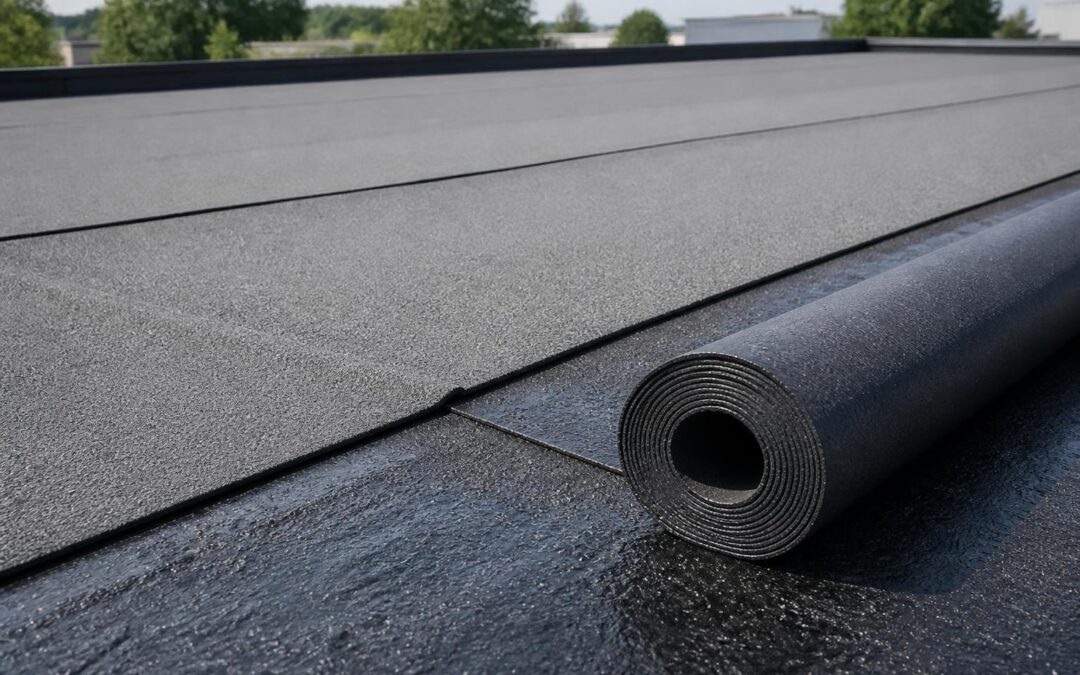
When it comes to reliable, long-lasting roofing systems for both commercial and residential applications, modified bitumen membranes have earned a solid reputation among contractors and building owners alike. Among the most recognized brands in this category, flintlastic roofing stands out for its proven performance, comprehensive warranty options, and versatility across different climate zones. Whether you're managing a commercial property portfolio in Los Angeles or planning a residential flat roof replacement, understanding the benefits, installation requirements, and maintenance considerations of this roofing system can help you make an informed investment decision.
What Is Flintlastic Roofing
Flintlastic roofing is a premium modified bitumen membrane system manufactured by CertainTeed, one of the most established names in commercial roofing products. The system utilizes styrene-butadiene-styrene (SBS) polymer-modified asphalt as its core waterproofing component, which provides exceptional flexibility and elongation properties even in cold weather conditions.
The SBS modified bituminous sheet materials meet rigorous industry standards for tear strength, puncture resistance, and dimensional stability. Unlike traditional built-up roofing or APP-modified systems that require heat welding, flintlastic roofing products can be installed using cold-applied adhesives, self-adhering technology, or torch application, depending on the specific product line and project requirements.
Key Product Lines and Configurations
CertainTeed offers several distinct flintlastic roofing product families designed for different applications:
- Flintlastic GMS – Granulated cap sheets with mineral surfacing for superior UV protection
- Flintlastic SA – Self-adhering base and cap sheets for no-flame installation
- Flintlastic CoolStar – Cool roof technology with high solar reflectance values
- Flintlastic Base Sheets – Smooth or fiberglass-reinforced base plies for multi-ply systems
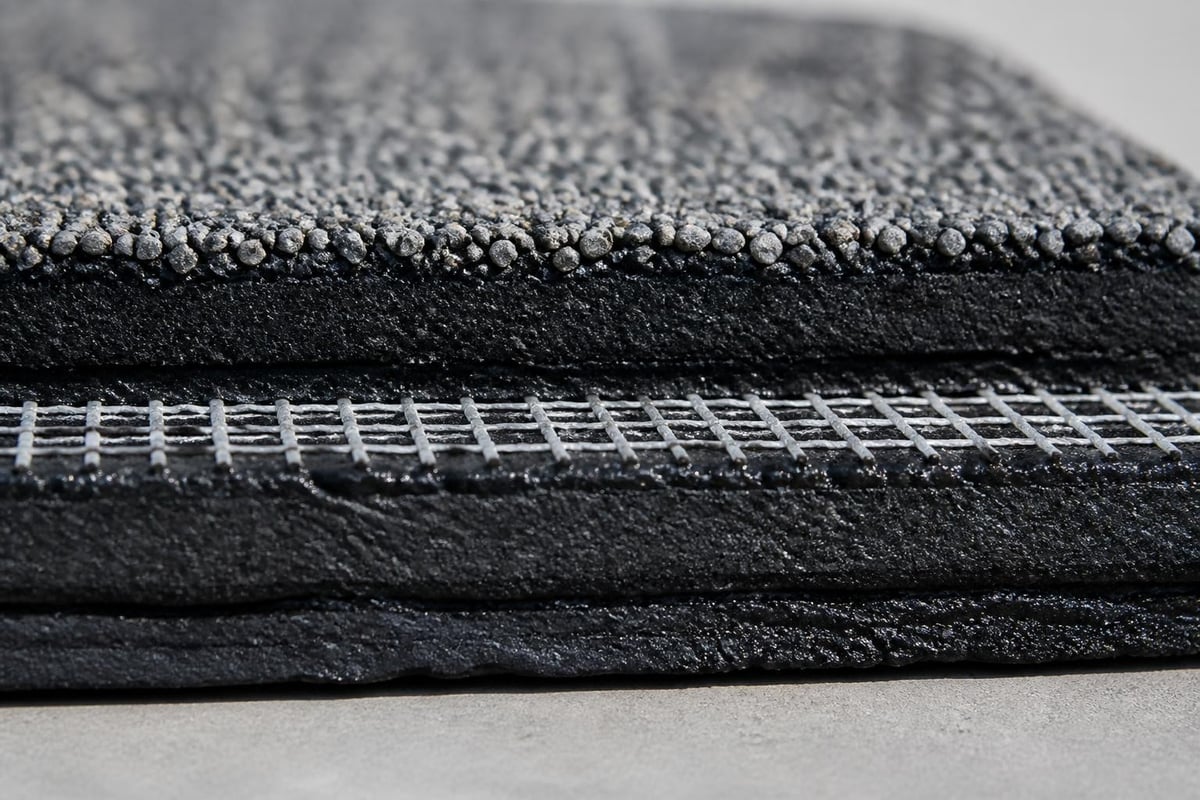
The Flintlastic GMS cap-sheet features a ceramic-coated granule surface available in multiple colors, providing both aesthetic appeal and long-term weather resistance for exposed membrane applications.
Performance Benefits and Material Advantages
The technical properties of flintlastic roofing deliver measurable advantages over alternative low-slope roofing systems. The SBS polymer modification enhances the base asphalt's physical characteristics, creating a membrane that remains flexible at temperatures as low as -25°F while maintaining stability in extreme heat.
Elongation and Flexibility – SBS-modified membranes typically exhibit elongation values exceeding 300 percent, allowing the material to accommodate building movement, thermal cycling, and structural settlement without cracking or splitting. This flexibility proves particularly valuable in seismic zones like California, where buildings experience periodic stress.
Weathering Resistance – The ceramic granule surfacing on cap sheets provides excellent protection against UV degradation, hail impact, and foot traffic. Independent testing shows properly installed flintlastic roofing systems maintain their physical properties for decades, with many installations surpassing 25-year service lives.
Energy Efficiency and Cool Roof Technology
The Flintlastic CoolStar product line addresses the growing demand for energy-efficient roofing solutions. These cool roof membranes feature specially engineered granules that reflect solar radiation and reduce heat transfer into the building envelope.
According to EPA guidance on cool roofs, reflective roofing products can reduce surface temperatures by 50°F or more compared to conventional dark roofs. This temperature reduction translates to:
- Lower cooling energy costs during peak demand periods
- Reduced urban heat island effect in dense metropolitan areas
- Extended roof membrane service life due to reduced thermal stress
- Improved occupant comfort in top-floor spaces
The Cool Roof Rating Council provides independent third-party ratings for solar reflectance and thermal emittance values. Flintlastic CoolStar products carry CRRC ratings that meet or exceed requirements in California's Title 24 energy code and similar regulations in other jurisdictions.
| Property | Standard Flintlastic | Flintlastic CoolStar |
|---|---|---|
| Initial Solar Reflectance | 0.10 – 0.25 | 0.70 – 0.82 |
| Aged Solar Reflectance | 0.08 – 0.20 | 0.60 – 0.75 |
| Thermal Emittance | 0.85 – 0.90 | 0.85 – 0.90 |
| CRRC Listed | Select products | All variants |
Installation Methods and Technical Requirements
Professional installation remains critical to flintlastic roofing system performance and warranty compliance. CertainTeed provides detailed installation instructions covering substrate preparation, application techniques, and flashing details for each product line.
Torch Application Method
Torch-applied installation uses propane heat to melt the bottom asphalt layer of the membrane, creating a strong bond to the substrate or base ply. This method offers excellent adhesion and weather-tight seams when performed by experienced roofing contractors.
The process requires:
- Proper substrate preparation and priming as specified
- Controlled torch temperature and distance (typically 6-10 inches from membrane)
- Continuous forward motion to avoid overheating or scorching
- Minimum 3-inch side laps and 6-inch end laps
- Immediate rolling of seams to ensure complete bonding
Hot work permits and fire watch protocols apply in most jurisdictions when using torch application. The NRCA roofing manual provides comprehensive guidance on safe torch application practices and quality control procedures.
Self-Adhering Systems
The Flintlastic SA self-adhering product line eliminates open flame requirements, making it suitable for occupied buildings, facilities with strict fire codes, or projects where hot work creates safety concerns. The factory-applied, pressure-sensitive adhesive creates immediate bond strength upon membrane application.
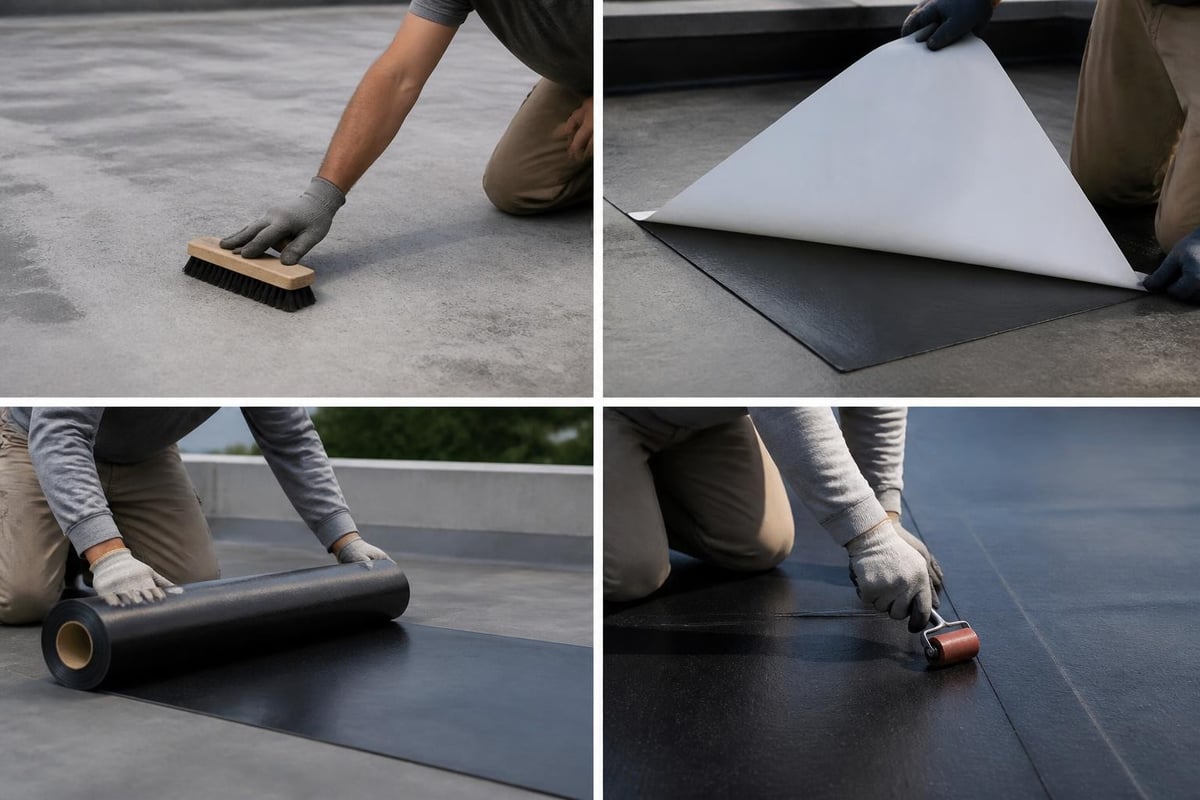
Installation advantages include:
- No specialized heating equipment required
- Reduced liability and insurance concerns
- Faster application in suitable weather conditions
- Lower skill threshold for qualified installers
Self-adhering systems do have temperature limitations, typically requiring ambient temperatures above 40°F for proper adhesive activation. Cold-weather installation may require auxiliary heat or temporary enclosures to maintain proper application conditions.
Code Compliance and Third-Party Verification
Building officials and project specifiers increasingly require documented evidence of code compliance and product performance. The ICC-ES Evaluation Report ESR-1388 for CertainTeed Flintlastic products provides independent verification of the system's compliance with International Building Code requirements.
The evaluation report documents tested assemblies for:
- Fire resistance classifications (including Class A ratings)
- Wind uplift resistance (tested to various ASTM standards)
- Impact resistance ratings for hail-prone regions
- FM Global approvals for commercial insurance compliance
Many public-sector projects reference specific technical standards in their bid specifications. For example, the Los Angeles Community College District specifications include detailed requirements for modified bitumen cap sheets, base sheets, and installation procedures that align with Flintlastic product capabilities.
Warranty Considerations
CertainTeed offers several warranty tiers for flintlastic roofing systems, ranging from standard manufacturer material warranties to comprehensive system warranties covering both materials and installation workmanship. Warranty coverage depends on:
- Product selection and system configuration
- Installer certification and contractor qualifications
- Proper specification and installation documentation
- Regular maintenance and inspection protocols
System warranty terms typically extend from 15 to 30 years, with some configurations qualifying for extended coverage based on climate zone and application details. Working with certified contractors ensures warranty eligibility and provides access to manufacturer technical support throughout the installation process.
Maintenance and Long-Term Performance
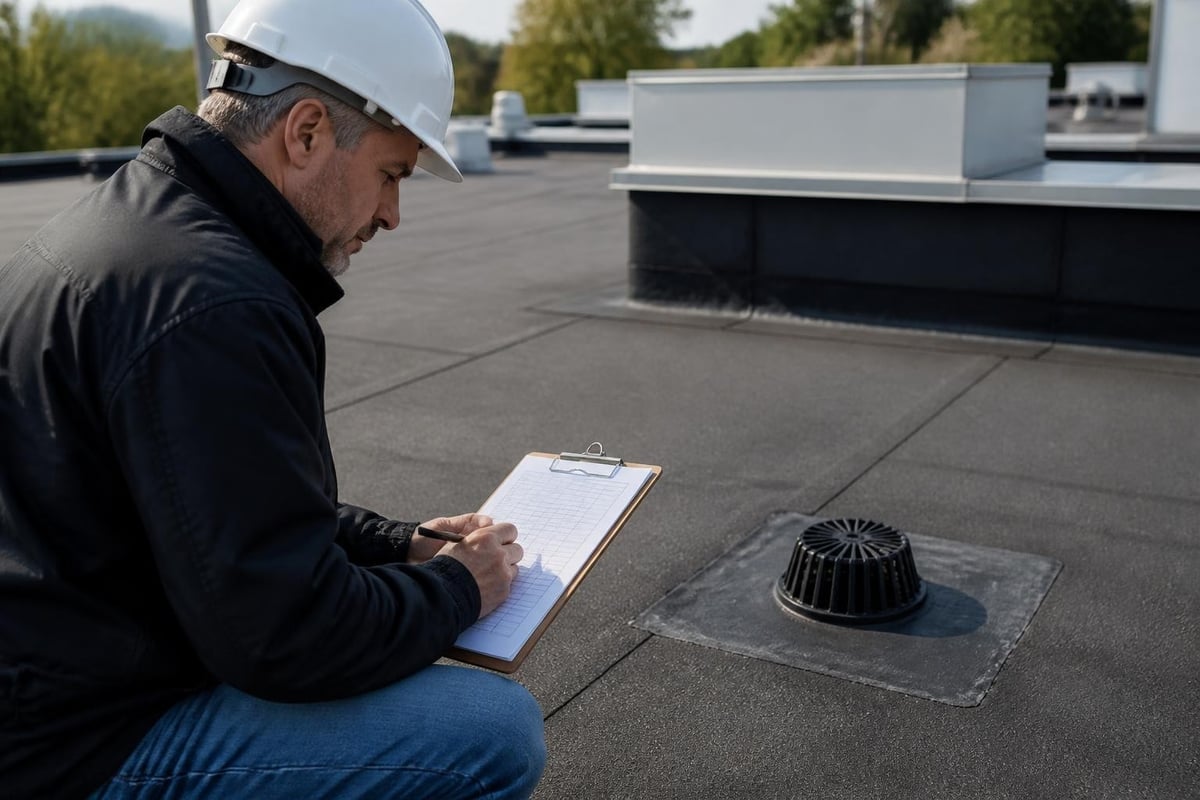
Proactive maintenance extends flintlastic roofing system service life and protects the building owner's investment. Regular inspections identify minor issues before they develop into costly failures, while preventive care maintains warranty coverage requirements.
Recommended Maintenance Schedule
| Task | Frequency | Focus Areas |
|---|---|---|
| Visual inspection | Semi-annually | Flashings, penetrations, drainage |
| Debris removal | Quarterly | Drains, scuppers, low spots |
| Professional inspection | Annually | Seam integrity, membrane condition |
| Detailed survey | Every 5 years | Complete system assessment |
Spring and fall inspections prove particularly valuable, addressing winter damage and preparing the roof system for seasonal weather extremes. Los Angeles properties may require additional attention during Santa Ana wind events or after rare heavy rainfall periods.
Common maintenance activities include:
- Clearing drains and scuppers to ensure positive drainage
- Removing vegetation, debris, and accumulated dirt
- Inspecting and resealing penetration flashings
- Addressing minor repairs before they expand
- Documenting roof condition for warranty compliance
When repairs become necessary, working with experienced contractors familiar with modified bitumen systems ensures proper material selection and installation techniques. Professional roof repairs address issues using compatible materials and methods that maintain system integrity and warranty coverage.
Comparison with Alternative Roofing Systems
Property owners evaluating low-slope roofing options often compare flintlastic roofing against single-ply membranes (TPO, EPDM, PVC) and traditional built-up roofing systems. Each system offers distinct advantages depending on project priorities, budget constraints, and performance requirements.
Modified Bitumen vs. Single-Ply Membranes
Single-ply membranes typically cost less initially and install faster than multi-ply modified bitumen systems. However, flintlastic roofing provides superior tear resistance and easier repair capabilities. The SBS polymer matrix creates a self-healing characteristic that allows minor punctures to seal around penetrating objects, reducing leak potential.
Flintlastic Advantages:
- Better puncture and tear resistance
- Self-sealing around fastener penetrations
- Easier field repairs using compatible materials
- Proven long-term performance in diverse climates
- Multiple installation method options
Single-Ply Advantages:
- Lower initial material cost
- Faster installation on large projects
- Lighter weight per square foot
- Wider sheet widths reduce seam quantity
Built-Up Roofing Comparison
Traditional built-up roofing (BUR) systems share the multi-ply construction concept with modified bitumen but use different materials and application methods. BUR requires hot asphalt kettles and multiple felt plies, creating more odor and site disruption than flintlastic roofing installation.
Modern SBS-modified systems like Flintlastic offer improved flexibility, elongation, and cold-weather performance compared to conventional BUR while maintaining the proven reliability of layered construction and redundant waterproofing.
Specification and Contractor Selection
Successful flintlastic roofing projects begin with proper specification and qualified contractor selection. Building owners and facility managers should develop comprehensive project specifications that address system design, material requirements, and installation standards.
Key specification elements include:
- Base sheet and cap sheet product identification – Specify exact Flintlastic product lines and grades
- Installation method requirements – Define torch, self-adhering, or cold-applied systems
- Substrate preparation standards – Detail priming, repair, and preparation procedures
- Flashing and termination details – Reference manufacturer standard details or custom drawings
- Quality control and inspection protocols – Establish testing and verification requirements
- Warranty documentation – Specify desired warranty coverage and registration procedures
Contractor qualifications significantly impact project outcomes. CertainTeed maintains a network of certified contractors who have completed manufacturer training programs and demonstrated proficiency in flintlastic roofing installation. Verification of contractor licensing, insurance coverage, and relevant project experience protects building owners from liability and ensures access to warranty benefits.
Project Cost Considerations
Flintlastic roofing costs vary based on project size, system configuration, substrate conditions, and regional labor rates. Los Angeles commercial projects typically range from seven to twelve dollars per square foot installed, depending on complexity factors such as:
- Building height and access requirements
- Existing roof removal and disposal needs
- Substrate repair or upgrade scope
- Flashing and penetration density
- Warranty coverage level selected
While initial costs exceed some single-ply alternatives, the combination of durability, repairability, and proven performance often delivers superior lifecycle value. The Department of Energy guidance on energy-efficient roof procurement emphasizes lifecycle cost analysis over simple first-cost comparison when evaluating roofing investments.
Climate Suitability and Regional Performance
The versatility of flintlastic roofing makes it suitable for virtually all North American climate zones, from the extreme cold of northern regions to the intense heat and sun exposure of southwestern markets. The SBS polymer modification provides consistent performance across this temperature range.
Cold Climate Performance – The flexibility retention of SBS-modified membranes at low temperatures prevents the brittleness and cracking common in conventional roofing asphalts. This characteristic proves essential in regions experiencing freeze-thaw cycling and winter thermal shock.
Hot Climate Benefits – Los Angeles and similar markets benefit from Flintlastic's heat stability and optional cool roof technologies. The granulated surface reflects solar radiation while the stable polymer-asphalt matrix resists flow and deformation even during extended heat waves.
Coastal applications face unique challenges including salt air exposure, high humidity, and potential wind-driven rain. Modified bitumen systems demonstrate excellent resistance to these conditions when properly detailed and maintained. The multi-ply construction creates redundant waterproofing layers that provide security even if the outer surface experiences minor weathering.
Environmental Considerations and Sustainability
Building owners increasingly evaluate roofing decisions through an environmental and sustainability lens. Flintlastic roofing systems contribute to green building strategies through several mechanisms:
- Energy efficiency – Cool roof variants reduce cooling loads and associated emissions
- Durability – Long service life minimizes material consumption and landfill impact
- Repairability – Ability to patch and extend service life reduces waste
- Recyclability – Some modified bitumen materials can be recycled into new products
The energy savings from Flintlastic CoolStar installations can contribute to LEED certification points under the Energy and Atmosphere category. Documentation of solar reflectance values and thermal performance supports energy modeling efforts and demonstrates compliance with increasingly stringent building energy codes.
Material sourcing and manufacturing processes also factor into environmental impact assessments. CertainTeed publishes environmental product declarations (EPDs) and health product declarations (HPDs) for many product lines, providing transparent lifecycle analysis data for specification professionals pursuing specific sustainability certifications.
Flintlastic roofing offers property owners a proven, versatile solution combining decades of field performance with modern advancements in energy efficiency and installation technology. Whether you're managing a commercial building portfolio or planning a residential project in the Los Angeles area, Proof Your Roof brings the expertise and certification needed to specify, install, and maintain modified bitumen roofing systems that protect your investment for decades. Contact our team today for a comprehensive evaluation of your roofing needs and a detailed proposal tailored to your specific project requirements.