
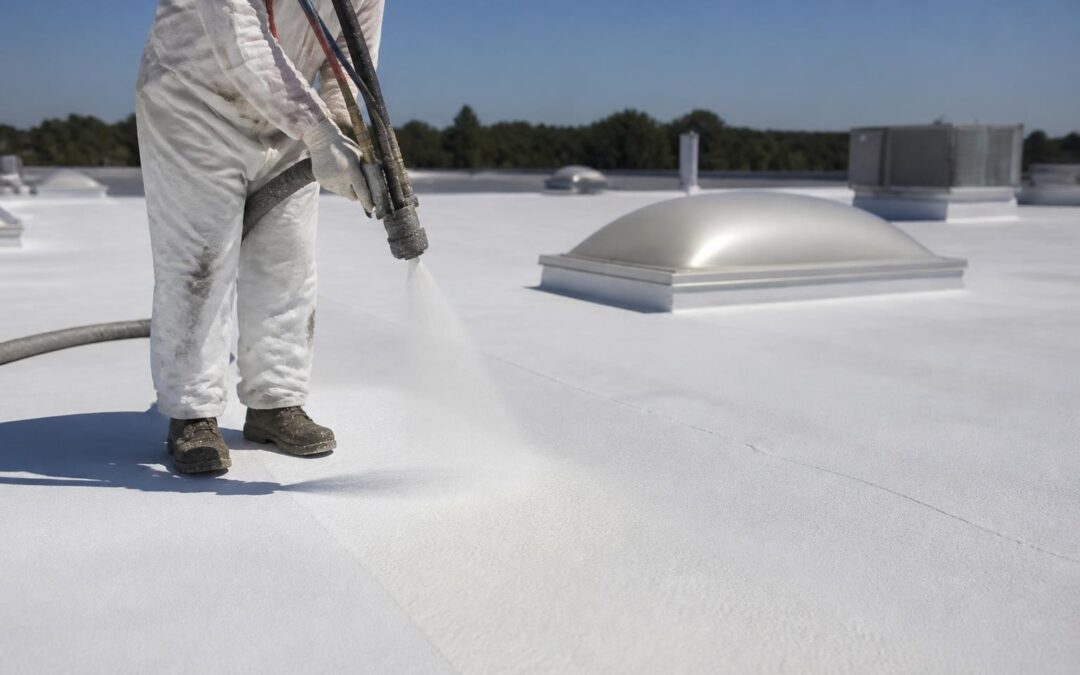
Spray polyurethane foam (SPF) roofing systems have become increasingly popular across Los Angeles and surrounding areas, offering exceptional insulation, waterproofing, and energy efficiency. However, like all roofing materials, foam roofs eventually require maintenance and repair to maintain their protective qualities. Understanding when and how to address foam roof repair ensures property owners maximize their investment while preventing costly water damage and maintaining energy performance throughout Southern California's demanding climate conditions.
Understanding Spray Polyurethane Foam Roofing Systems
SPF roofing consists of two primary components applied directly to roof decking or existing substrates. The polyurethane foam layer provides insulation and creates a monolithic, seamless barrier that conforms to irregular roof shapes. Above this foam layer, protective elastomeric coatings shield the underlying foam from ultraviolet degradation, physical damage, and weather exposure.
The foam itself expands upon application, filling gaps and creating an air-tight seal that delivers superior thermal performance. This expansion property makes SPF particularly effective for flat and low-slope commercial buildings common throughout Los Angeles County. The coating system typically requires reapplication every 10-20 years, while the foam substrate can last significantly longer with proper maintenance.
Common Foam Roof Damage Patterns
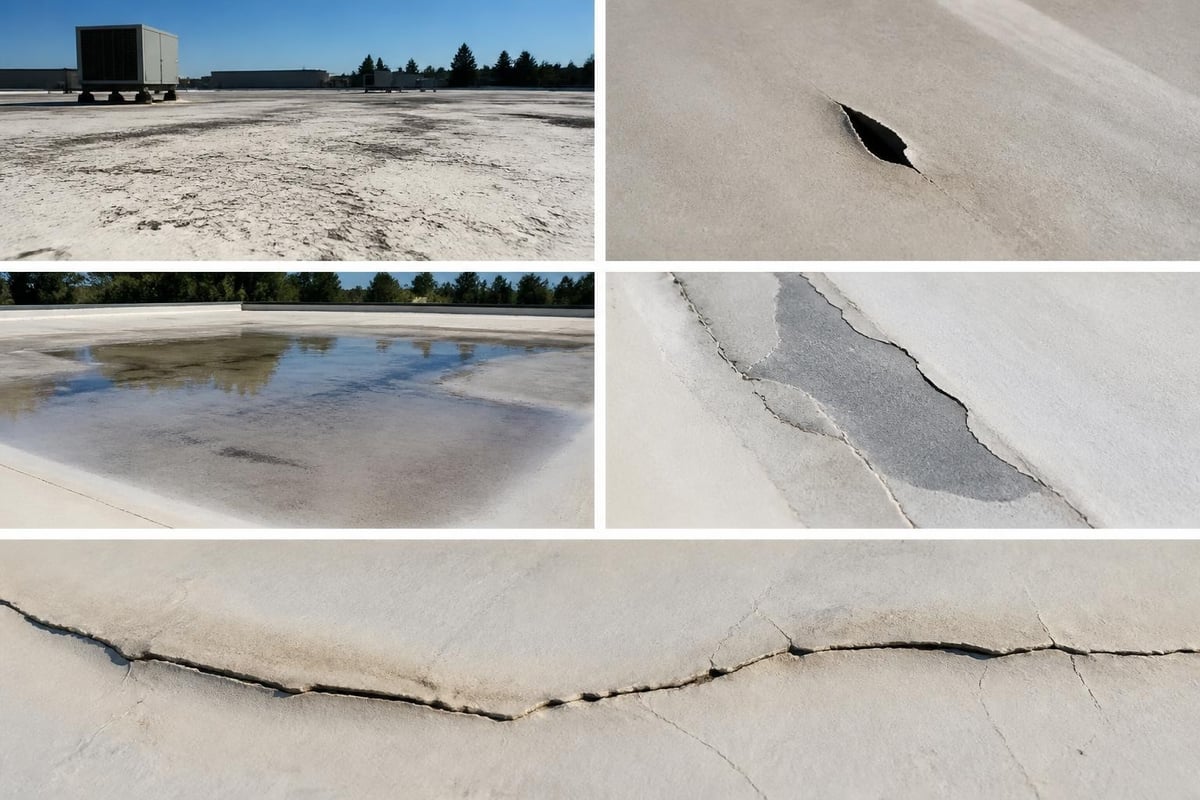
Several distinct failure modes affect SPF roofing systems in Southern California's climate. Ultraviolet degradation occurs when protective coatings wear thin, exposing foam to direct sunlight that breaks down the cellular structure. Physical damage from foot traffic, HVAC equipment installation, or falling debris creates punctures and compressions in the foam layer.
Ponding water presents particular challenges for foam roofs, as extended exposure to standing water can degrade both coating and foam materials. Los Angeles occasionally experiences heavy rainfall, and inadequate drainage can accelerate deterioration. Coating adhesion failure manifests as peeling, blistering, or delamination where the elastomeric surface separates from the foam substrate.
Thermal cycling between hot days and cool nights causes expansion and contraction that can create stress cracks, particularly around penetrations and roof edges. According to the National Roofing Contractors Association’s technical guidance, regular inspection identifies these issues before they compromise the entire roofing system.
Inspection and Damage Assessment Strategies
Professional foam roof repair begins with comprehensive inspection to identify all damaged areas and determine appropriate repair strategies. Visual examination reveals obvious coating failures, physical damage, and areas where foam has deteriorated. Infrared thermography detects hidden moisture intrusion beneath apparently intact surfaces, preventing partial repairs that leave underlying problems unaddressed.
Core sampling provides definitive evidence of moisture penetration depth and foam condition below the surface. Laboratories analyze these samples for water content, adhesion quality, and structural integrity. This data-driven approach ensures repair specifications address actual conditions rather than visible symptoms alone.
Creating an Effective Repair Specification
Documentation during inspection forms the foundation for accurate repair planning. Mapping damage locations, photographing conditions, and measuring affected areas enables precise material estimates and scope definition. Specifications should address:
- Surface preparation requirements including cleaning, drying, and contamination removal
- Foam removal depth and feathering requirements at repair boundaries
- New foam application thickness to match or exceed existing profiles
- Coating system compatibility with existing materials
- Quality control measures including adhesion testing and thickness verification
The Spray Polyurethane Foam Alliance technical documents provide standardized repair procedures that ensure work meets industry standards and manufacturer warranty requirements.
Localized Foam Roof Repair Techniques
Small-scale damage affecting limited areas typically requires targeted interventions that restore weatherproofing without wholesale coating replacement. These economical solutions address specific problems while preserving functional portions of the roofing system.
Puncture and Crack Repairs
Minor punctures and cracks smaller than two inches often respond to simplified repair procedures. Clean the damaged area thoroughly, removing loose foam, debris, and any degraded coating material. Apply compatible polyurethane caulk or patching compound designed specifically for SPF systems, overfilling slightly to account for settling.
Once the patch compound cures completely, sand or grind the surface flush with surrounding areas. Apply primer if specified by the coating manufacturer, then coat the repair with multiple layers of elastomeric coating extending six inches beyond the patched area. This overlap ensures proper adhesion and creates weathertight transitions.
For larger cracks or damaged sections up to several square feet, removal and replacement of the affected foam provides more reliable long-term performance. Cut out damaged foam in a rectangular or circular pattern with clean, vertical edges. The Building Science Corporation analysis demonstrates proper moisture management considerations when working with foam insulation systems.
Blister and Delamination Correction
Blisters form when moisture or air becomes trapped between coating layers or between coating and foam. Cut an "X" pattern through the blister, peel back the coating flaps, and inspect the underlying foam for moisture or deterioration. If the foam appears dry and intact, apply primer to exposed surfaces and re-adhere the coating flaps with compatible adhesive.
When foam beneath blisters shows degradation, complete removal and replacement becomes necessary. Extract damaged foam, allow adequate drying time for any residual moisture, and apply new foam to match surrounding thickness. Feather repair edges by grinding at 45-degree angles to create smooth transitions that prevent stress concentrations.
| Repair Type | Damage Size | Materials Required | Approximate Timeframe |
|---|---|---|---|
| Puncture Patch | Under 2 inches | Caulk, coating | 2-4 hours |
| Section Replacement | 2-20 sq ft | Foam, primer, coating | 1-2 days |
| Blister Repair | Variable | Adhesive, coating | 3-6 hours |
| Drainage Correction | Entire roof area | Tapered foam, coating | 3-7 days |
Comprehensive Recoating and Restoration
When foam roof repair involves widespread coating degradation or approaches the recommended recoating interval, complete coating system renewal offers the most cost-effective solution. This preventive maintenance extends roof service life by decades while addressing minor foam damage simultaneously.
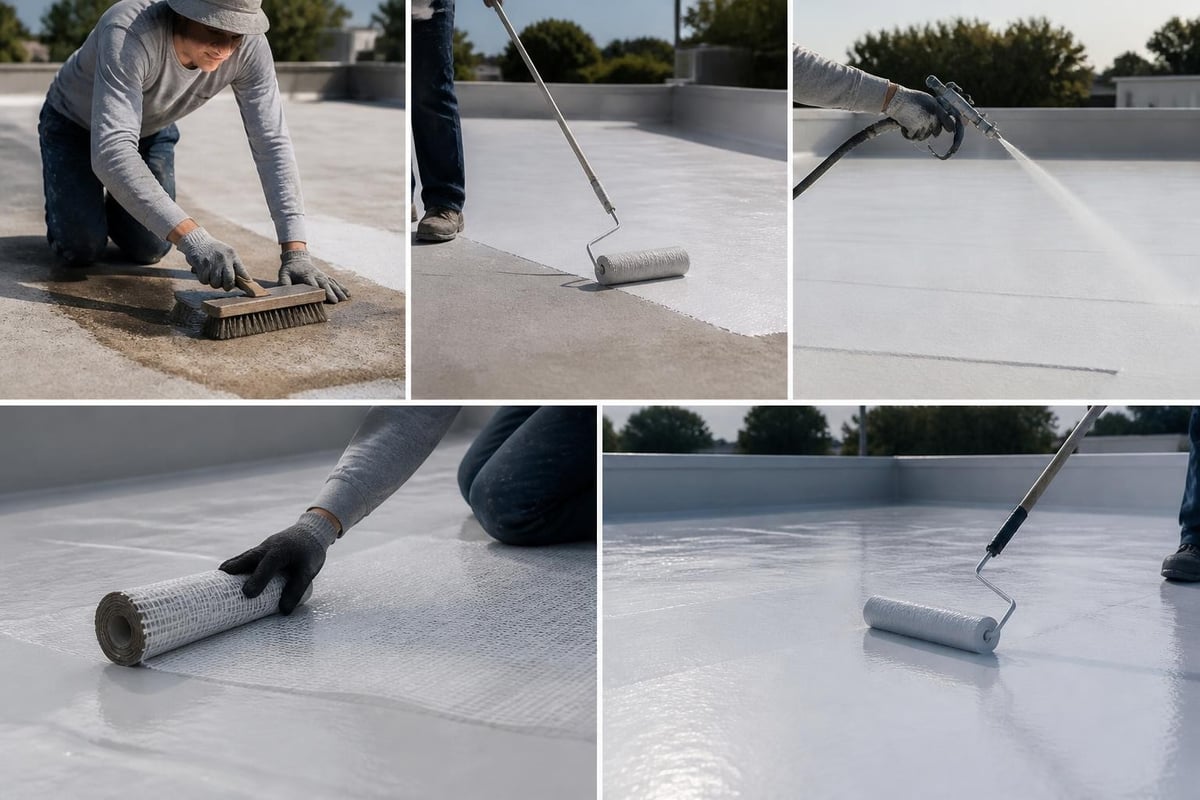
Preparation for recoating requires power washing to remove dirt, biological growth, and loose coating material. Pressure settings must remain low enough to avoid damaging foam, typically 1500-2000 PSI with wide fan tips. Allow surfaces to dry completely before proceeding-moisture trapped beneath new coatings leads to premature failure.
Application Procedures and Quality Standards
Professional foam roof repair and recoating follows systematic application sequences. Apply bonding primer to all surfaces, paying particular attention to previously repaired areas and around penetrations. Once primer cures according to manufacturer specifications, apply base coat at manufacturer-specified thickness, typically 20-30 mils when wet.
After base coat curing, embed polyester reinforcement fabric in wet coating around roof perimeters, penetrations, and previously problematic areas. This reinforcement prevents cracking at high-stress locations. Apply the final topcoat to achieve total dry film thickness meeting warranty requirements, usually 20-30 mils total across both coating layers.
Quality control measures include:
- Wet film thickness gauge readings during application
- Dry film thickness verification after curing
- Adhesion testing using pull-off or cross-hatch methods
- Visual inspection for holidays, thin spots, and incomplete coverage
- Documentation with photographs and measurement records
The IBHS resilience guidance emphasizes proper coating thickness as critical for long-term weather resistance and impact protection.
Addressing Ponding Water and Drainage Issues
Improper drainage represents one of the most common triggers for foam roof repair needs in flat commercial buildings. Standing water accelerates coating degradation and can eventually saturate foam, reducing its insulating value and creating pathways for leaks. Correcting these drainage deficiencies prevents recurring damage.
Tapered foam systems provide the most permanent solution for ponding problems. Contractors apply additional foam in calculated thicknesses that create positive drainage slopes toward roof drains and scuppers. Computer-aided design determines precise tapering profiles that eliminate low spots while maintaining proper drain relationships.
Cricket and saddle installation around HVAC units, skylights, and other large penetrations redirects water flow away from vulnerable areas. These small foam build-ups prevent water from pooling against equipment supports and flashing assemblies where leaks commonly develop.
Temporary and Cost-Effective Drainage Solutions
When complete tapered system installation exceeds available budgets, intermediate solutions can improve drainage until comprehensive work becomes feasible. Additional roof drains or scuppers installed at ponding locations provide immediate relief without extensive foam work. However, this approach requires penetrating the existing roof membrane and careful waterproofing around new drain assemblies.
Targeted foam build-up at specific low points offers another economical option. By filling depressions with additional foam and recoating affected areas, contractors can eliminate many ponding zones without whole-roof tapering. This selective approach works best when ponding affects limited areas rather than broad roof sections.
Material Selection and Compatibility Considerations
Successful foam roof repair depends critically on material compatibility between existing systems and new products. Different foam formulations, coating chemistries, and manufacturers create potential conflicts that cause adhesion failures or coating degradation.
Foam Chemistry and Coating Systems
Two primary polyurethane foam types dominate roofing applications: traditional high-density closed-cell foam (2.5-3.0 pounds per cubic foot) and low-density options sometimes used for specific applications. Coating systems include silicone, acrylic, polyurethane, and polyurea formulations, each with distinct characteristics.
| Coating Type | Key Advantages | Primary Limitations | Best Applications |
|---|---|---|---|
| Silicone | Superior ponding resistance, no recoat preparation | Higher cost, less foot traffic resistance | Problematic drainage areas |
| Acrylic | Economical, easy application, breathable | Reduced ponding performance | Well-drained roofs, maintenance budgets |
| Polyurethane | Excellent durability, impact resistance | Moisture-sensitive during application | High-traffic areas |
| Polyurea | Fast cure, wide temperature range | Requires specialized equipment | Time-sensitive projects |
Testing compatibility before proceeding with large-scale foam roof repair prevents expensive failures. Apply proposed materials to small inconspicuous areas and monitor adhesion over several days. Oak Ridge National Laboratory research documents long-term performance data for various foam and coating combinations under different climate conditions.
Professional Foam Roof Repair vs. DIY Approaches
Property owners occasionally attempt foam roof repair without professional assistance, particularly for minor damage. However, several factors make professional intervention advisable for most situations beyond simple caulk application.
Specialized equipment requirements represent a significant barrier to effective DIY repairs. Plural-component spray foam application demands expensive proportioning equipment, heated hoses, and proper ventilation systems. Even single-component foam products designed for consumer use rarely match the density, adhesion, and longevity of professionally applied materials.
Safety considerations include fall protection on commercial roofs, proper respiratory protection when applying chemicals, and safe handling of isocyanate-based materials. Professional contractors maintain training, equipment, and insurance addressing these hazards.
When to Engage Roofing Professionals
Several indicators suggest professional foam roof repair provides better value than self-performed work:
- Damage exceeding 10-20 square feet total area
- Evidence of moisture intrusion or structural concerns
- Coating failure affecting more than 30% of roof surface
- Drainage problems requiring slope correction
- Warranty preservation requirements
- Lack of access to proper application equipment
- Buildings with occupied spaces beneath the roof
Whether you need targeted repairs or complete restoration, Proof Your Roof’s expert roof repair services ensure proper diagnosis, material selection, and application techniques that maximize your SPF system's remaining service life.
Cost Analysis and Budget Planning
Foam roof repair costs vary significantly based on damage extent, access difficulties, material selections, and project timing. Understanding these cost drivers helps property owners plan budgets and make informed decisions about repair timing and scope.
Minor localized repairs addressing punctures, small cracks, or isolated blisters typically range from $300-800 per incident, including mobilization, materials, and labor. These interventions prove most economical when consolidated-repairing multiple small issues during a single service call reduces per-repair costs substantially.
Section replacements involving foam removal and replacement average $15-30 per square foot depending on foam thickness requirements and coating specifications. Difficulty factors including roof height, access limitations, and preparation requirements influence final pricing within this range.
Complete recoating projects generally cost $3-6 per square foot for standard elastomeric systems on straightforward roof configurations. Premium coating products, extensive surface preparation needs, or complex roof geometries increase costs toward the upper end of this range. The Department of Energy guidance provides context for energy savings that offset maintenance investments.
Return on Investment Considerations
Evaluating foam roof repair costs requires comparing repair investments against alternative options. Full roof replacement for SPF systems typically costs $8-12 per square foot, making properly timed repairs and recoating significantly more economical. A well-maintained foam roof can deliver 50+ years of service, while deferred maintenance often necessitates premature replacement.
Energy savings from restored insulation value provide ongoing returns. Degraded foam loses R-value as moisture intrudes and cellular structure deteriorates. Professional repairs restore thermal performance, reducing cooling costs in Los Angeles's warm climate by 15-30% compared to severely degraded conditions.
Preventive Maintenance Programs
Establishing systematic maintenance schedules prevents minor issues from escalating into major foam roof repair projects. Proactive care extends coating service life, identifies developing problems early, and maintains manufacturer warranty compliance.
Biannual inspections should occur each spring and fall, examining coating condition, checking for physical damage, verifying drainage performance, and documenting any changes since previous inspections. Early detection of coating thinning, small punctures, or emerging drainage problems enables economical interventions before water intrusion damages foam or building interiors.
Immediate post-storm inspections after significant weather events identify new damage while causes remain apparent. Wind-driven debris, hail impact, or unusual water accumulation may create conditions requiring prompt attention to prevent progressive deterioration.
Maintenance Program Components
Effective preventive maintenance includes several regular activities beyond inspection:
- Debris removal from drains, scuppers, and roof surfaces prevents clogging and water accumulation
- Vegetation elimination stops root penetration and removes moisture-trapping organic material
- Minor repairs address small issues before they expand
- Documentation creates historical records tracking roof condition over time
- Coating touch-up at high-wear areas extends overall coating service life
Professional maintenance programs typically cost $0.15-0.35 per square foot annually, delivering substantial returns through extended material life and avoided emergency repairs. These programs often include priority service for unexpected issues and detailed reporting documenting roof condition for property management records.
Climate-Specific Considerations for Los Angeles
Southern California's unique climate patterns influence foam roof repair priorities and maintenance timing. Extended dry periods interrupted by occasional intense rainfall create specific challenges for SPF roofing systems throughout the Los Angeles metropolitan area.
UV exposure intensity in Southern California exceeds many other regions, accelerating coating degradation rates. White or light-colored reflective coatings prove essential for both energy performance and coating longevity, but require more frequent inspection and touch-up than similar installations in less sunny climates.
Minimal freeze-thaw cycling compared to northern climates reduces one common damage mechanism, but thermal expansion during extreme heat events still creates stress on coating systems. Summer roof surface temperatures regularly exceed 160°F, demanding coating products with excellent heat stability and flexibility retention.
Seasonal Timing for Repair Projects
Los Angeles's Mediterranean climate provides extended weather windows for foam roof repair work, but optimal timing still matters. Late spring through early fall offers consistently dry conditions that facilitate proper curing and minimize weather delays. However, extreme summer heat can challenge applicator comfort and affect material workability.
Early fall (September through October) often provides ideal conditions-warm temperatures ensure proper curing without summer's extreme heat, and preceding dry months mean roofs are thoroughly dried out. Completing work before winter rains begin prevents water intrusion through temporarily exposed areas during multi-day projects.
Winter repairs remain feasible during dry periods but require close attention to weather forecasts. Many coating products require minimum temperatures above 40-50°F during application and initial curing, limiting options during occasional cold snaps.
Warranty Preservation and Documentation
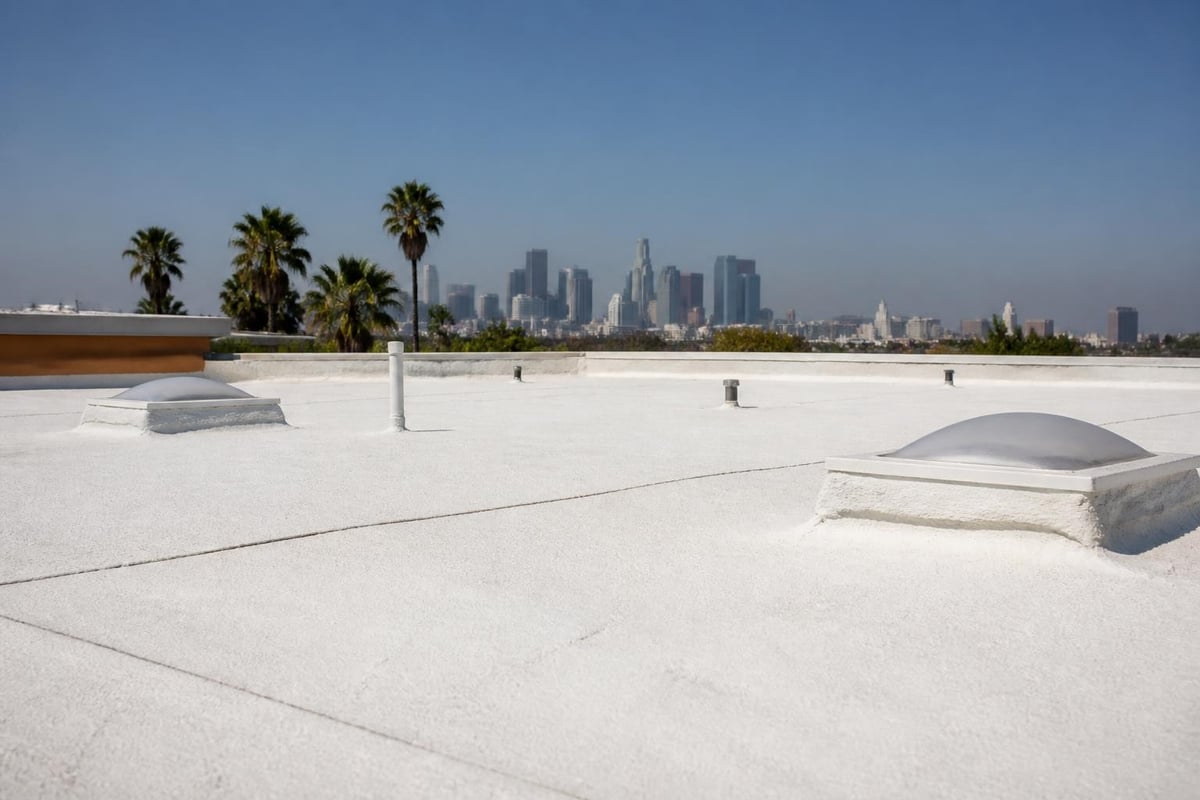
Maintaining manufacturer warranties represents an important consideration when planning foam roof repair work. Most SPF system warranties require regular professional maintenance and specify approved repair procedures. Understanding these requirements prevents inadvertent warranty voidance through improper repairs.
Material compatibility requirements form the foundation of most warranty provisions. Using non-approved coatings, incompatible repair materials, or unauthorized contractors typically voids coverage. Before proceeding with any repair work, review warranty documents and contact manufacturers if questions arise about proposed approaches.
Documentation standards specified in warranty agreements usually require photographic records, material invoices, and contractor certifications demonstrating work quality. Maintain comprehensive files including inspection reports, repair specifications, application records, and quality control test results. These records prove invaluable when filing warranty claims or documenting roof condition for property transactions.
Working with Approved Contractors
Many foam roofing system manufacturers maintain networks of certified contractors authorized to perform warranty-compliant repairs. These contractors receive product-specific training, maintain required insurance levels, and agree to follow manufacturer specifications. While engaging approved contractors may cost slightly more than unlicensed alternatives, warranty preservation often justifies this investment.
Request contractor credentials before committing to foam roof repair projects, including:
- Current licensing and bonding appropriate for commercial roofing work
- Liability and workers compensation insurance certificates
- Manufacturer certifications for proposed material systems
- References from similar projects completed within the past two years
- Detailed written proposals specifying materials, procedures, and warranties
Advanced Repair Technologies and Innovations
Foam roof repair techniques continue evolving as material science advances and industry experience accumulates. Several emerging technologies offer improved performance, reduced costs, or enhanced durability compared to traditional approaches.
Moisture-curing polyurethane coatings eliminate concerns about humidity during application, providing greater flexibility for scheduling work in coastal Los Angeles areas where marine layer fog creates variable moisture conditions. These products react with atmospheric moisture rather than requiring strictly dry conditions, though excessive wetness still compromises results.
Rapid-cure formulations reduce project duration by achieving handling strength and weather resistance in hours rather than days. This advancement particularly benefits occupied buildings where shorter exposure periods minimize disruption and reduce risk from unexpected weather changes.
Infrared-reflective coating additives enhance solar reflectance beyond standard white pigments, reducing roof surface temperatures by additional 10-20°F. Lower temperatures slow coating degradation, reduce building cooling loads, and extend maintenance intervals-benefits especially valuable in Los Angeles's sunny climate.
Drone-Based Inspection Technologies
Unmanned aerial systems equipped with high-resolution cameras and thermal sensors now provide detailed roof condition documentation without requiring extensive roof access. These inspections identify problem areas, generate comprehensive condition reports, and create baseline records for monitoring deterioration rates over time.
Thermal imaging from drones detects moisture intrusion beneath apparently intact coatings with remarkable precision. Temperature differential mapping reveals wet insulation, coating delamination zones, and thermal bridges that indicate foam damage or missing insulation. This technology enables targeted foam roof repair that addresses only truly damaged areas rather than extensive exploratory removals.
Professional foam roof repair combines technical expertise, proper material selection, and systematic procedures to restore SPF roofing systems to full performance. Whether addressing localized damage or undertaking comprehensive recoating, understanding repair fundamentals ensures successful outcomes that extend roof service life for decades. Proof Your Roof brings deep expertise in foam roofing systems throughout Los Angeles and surrounding communities, delivering quality repairs that protect your property investment while maintaining energy efficiency and weather resistance.