
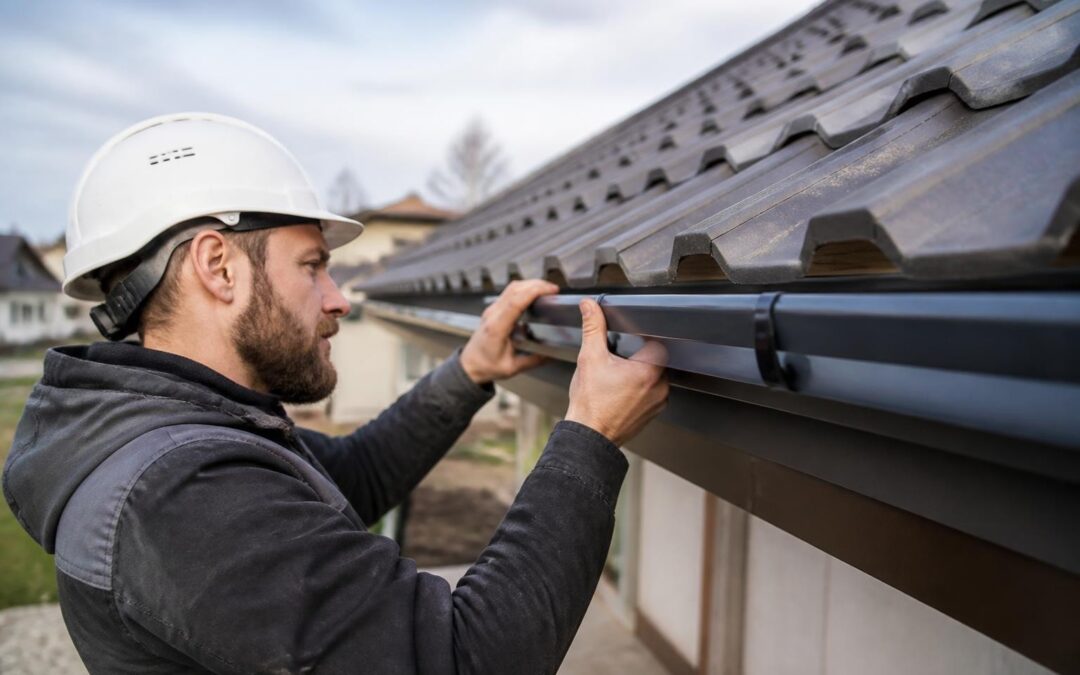
Effective water management stands as one of the most critical yet often overlooked aspects of protecting your home's structural integrity. Guttering installation plays a vital role in directing rainwater away from your foundation, preventing soil erosion, basement flooding, and costly damage to siding and landscaping. For Los Angeles homeowners and property managers, understanding the installation process, material options, and professional standards ensures your investment delivers decades of reliable performance. This comprehensive guide walks through everything you need to know about proper gutter system installation in 2026.
Understanding Guttering Systems and Their Purpose
A properly designed gutter system consists of several integrated components working together to channel water safely away from your property. The primary elements include horizontal gutters mounted along roof edges, downspouts that carry water vertically, elbows and connectors that navigate architectural features, and outlets that transition between components.
Key functions of residential guttering systems:
- Collecting rainwater runoff from roof surfaces
- Preventing water infiltration into walls and foundations
- Protecting landscaping from erosive water flow
- Reducing soil saturation near building perimeters
- Minimizing basement and crawlspace moisture issues
The stakes for proper guttering installation extend beyond simple convenience. Without functional gutters, a single moderate rainstorm can deposit hundreds of gallons directly against your foundation. Over time, this persistent moisture penetration compromises structural elements, promotes mold growth, and accelerates deterioration of building materials.
Climate Considerations for Los Angeles Properties
Southern California's unique weather patterns demand specific attention during guttering installation. While the region experiences less annual rainfall than many areas, concentrated winter storms deliver substantial water volumes in short periods. Los Angeles properties also face specific challenges including extended dry seasons that cause soil movement, hillside locations requiring careful drainage planning, and diverse architectural styles from Spanish Colonial to contemporary designs.
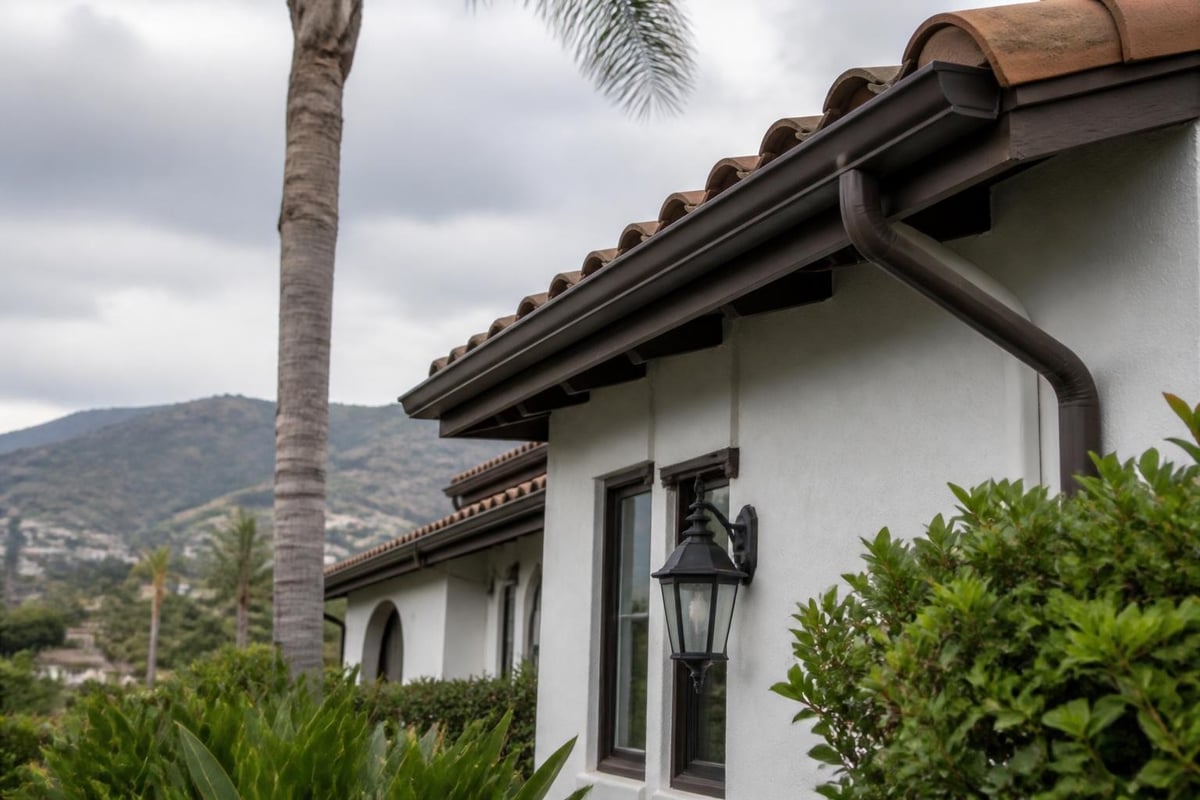
According to This Old House’s comprehensive guide to gutters and downspouts, proper sizing calculations must account for regional rainfall intensity, roof area, and pitch to prevent overflow during peak precipitation events.
Material Selection for Guttering Installation
Choosing the right gutter material significantly impacts both performance longevity and maintenance requirements. Each option presents distinct advantages suited to different budgets, architectural styles, and durability expectations.
| Material | Lifespan | Cost Range | Best Applications |
|---|---|---|---|
| Aluminum | 20-25 years | $6-12/linear foot | Standard residential, coastal areas |
| Copper | 50+ years | $25-40/linear foot | Historic homes, premium installations |
| Vinyl | 10-15 years | $3-5/linear foot | Budget-conscious, DIY projects |
| Steel | 20-30 years | $8-15/linear foot | Commercial, high-durability needs |
| Zinc | 50+ years | $20-35/linear foot | Low-maintenance, architectural features |
Aluminum Guttering Systems
Aluminum dominates residential guttering installation due to its optimal balance of affordability, workability, and corrosion resistance. This lightweight material allows for seamless installations up to 50 feet without joints, reducing leak potential substantially. Aluminum gutters accept paint readily, enabling precise color matching to existing trim and architectural elements.
Advantages of aluminum for Los Angeles installations:
- Excellent resistance to saltwater corrosion in coastal areas
- Lightweight construction reducing stress on fascia boards
- Available in numerous factory-finished colors
- Seamless fabrication possible with on-site equipment
- Recyclable material supporting sustainable building practices
The material does exhibit some limitations. Aluminum dents more easily than steel alternatives, and thermal expansion requires proper accommodation during installation. For properties near large trees, the softer material may suffer damage from falling branches.
Premium Materials and Specialty Applications
Copper guttering installation represents the pinnacle of durability and aesthetic appeal. The material develops a distinctive patina over decades, transitioning from bright metallic to characteristic green hues that many homeowners prize. Beyond appearance, copper resists bacterial growth naturally and requires virtually no maintenance beyond periodic cleaning.
Steel guttering systems, particularly galvanized or stainless varieties, deliver exceptional strength for commercial applications or residential properties in areas with heavy snow loads. While Los Angeles rarely experiences snow, steel gutters excel in situations demanding maximum structural integrity.
Different types of gutters each bring specific performance characteristics that match particular architectural requirements and environmental conditions, as detailed in comprehensive material comparisons.
Professional Guttering Installation Process
Successful guttering installation follows a systematic approach ensuring proper water flow, secure mounting, and long-term reliability. Professional contractors employ proven techniques refined through industry standards and field experience.
Step 1: Assessment and Planning
The installation process begins with comprehensive site evaluation. Contractors measure roof dimensions, calculate drainage requirements, identify optimal downspout locations, and assess fascia board condition. This planning phase determines appropriate gutter sizing, typically 5-inch or 6-inch profiles for residential applications.
Proper slope calculation proves critical. Gutters require approximately 1/4 inch decline per 10 feet of run toward downspout outlets. Insufficient pitch allows water pooling and debris accumulation, while excessive slope creates visible aesthetic issues and may overwhelm outlet capacity during heavy rainfall.
Step 2: Fascia Preparation and Repair
Before mounting new gutters, installers inspect and repair fascia boards that provide structural support. Rotted or damaged wood requires replacement to ensure secure bracket attachment. This step prevents future sagging and premature system failure.
Quality contractors also install drip edge flashing if absent. This metal strip directs water into gutters rather than behind them, protecting fascia and preventing ice dam formation in cooler climates. While ice rarely concerns Los Angeles properties, proper water direction remains essential for moisture control.
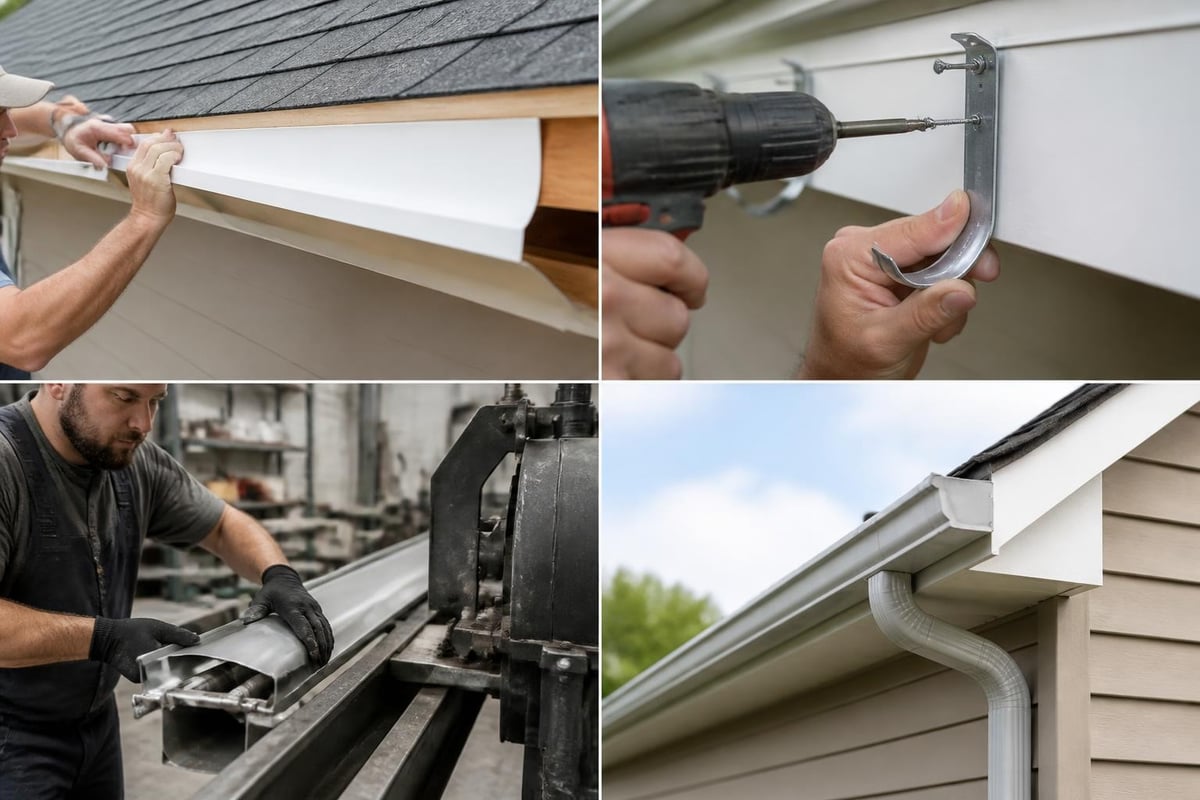
Step 3: Gutter Fabrication and Installation
Professional guttering installation typically employs seamless techniques. Specialized trucks carry coiled material and forming equipment directly to job sites, creating custom-length gutter sections without seams. This approach eliminates the weakest points in traditional sectional systems.
Installation sequence for seamless gutters:
- Mark chalk lines establishing proper slope along fascia
- Install end caps and outlet fittings at predetermined locations
- Secure hidden hangers or brackets at 24-inch intervals
- Fabricate gutter sections to precise measurements
- Snap formed gutters into mounted brackets
- Seal end caps and outlets with professional-grade sealant
- Install downspout components and extensions
The mounting method significantly affects long-term performance. Hidden hangers provide superior strength compared to spike-and-ferrule systems common in older installations. These modern brackets distribute weight evenly and maintain proper slope even as gutters collect debris or occasional ice.
Step 4: Downspout Placement and Extensions
Strategic downspout positioning completes effective water management. Installers place outlets every 30-40 feet along gutter runs, routing water to locations that discharge away from foundations. Extensions carry water at least 5-6 feet from building perimeters, preventing soil saturation and foundation issues.
For properties with challenging drainage, contractors may recommend underground drainage systems. These buried pipes connect to downspouts and carry water to distant discharge points, French drains, or municipal storm sewers where permitted.
Sizing Calculations and Capacity Requirements
Proper guttering installation requires accurate capacity calculations matching rainfall intensity, roof area, and drainage requirements. Undersized systems overflow during storms, while oversized gutters prove unnecessarily expensive and visually disproportionate.
The basic sizing formula considers three primary factors: roof area in square feet, rainfall intensity in inches per hour, and gutter cross-sectional area. Los Angeles properties typically use 5-inch K-style gutters for roofs up to 2,000 square feet, while larger homes or commercial buildings require 6-inch profiles.
Roof pitch adjustments for capacity calculations:
- Flat to 3:12 pitch: Use actual roof area
- 4:12 to 6:12 pitch: Multiply area by 1.05
- 7:12 to 9:12 pitch: Multiply area by 1.1
- 10:12 to 12:12 pitch: Multiply area by 1.2
- Greater than 12:12 pitch: Multiply area by 1.3
These adjustments account for increased water velocity on steeper roofs, which concentrates flow and requires greater gutter capacity to prevent overflow.
Industry Standards and Code Compliance
Professional guttering installation adheres to established building codes and industry best practices. The International Residential Code (IRC) provides baseline requirements, while organizations like the National Roofing Contractors Association (NRCA) publish detailed technical guidelines.
The NRCA’s updated best practices for 2024 include comprehensive recommendations for gutter installation, edge metal details, and flashing integration that ensure weather-tight performance and structural adequacy.
Recent developments in testing standards also impact professional installations. The Single Ply Roofing Industry (SPRI) has undertaken revisions to test standards for edge and gutter systems that will influence inspection criteria and installation techniques moving forward.
Permit Requirements in Los Angeles
Most guttering installation projects do not require building permits in Los Angeles when replacing existing systems. However, new installations on additions, structural modifications to support heavy materials like copper, or connections to municipal drainage systems may trigger permit requirements. Consulting with local building departments before commencing work ensures compliance and prevents costly corrections.
Integration with Roofing Systems
Guttering installation works hand-in-hand with overall roof performance. The connection point between roofing materials and gutter systems represents a critical waterproofing transition requiring careful attention to detail.
For properties with asphalt shingle roofing, new roof installation provides the ideal opportunity to integrate modern gutter systems. Installing gutters during roof replacement allows proper coordination of drip edge, underlayment, and shingle overhang for optimal water shedding. This integrated approach prevents the moisture infiltration that occurs when gutters are added to older roofs without addressing transition details.
Tile roofing common in Spanish and Mediterranean-style Los Angeles homes presents unique guttering considerations. The substantial weight and profile of clay or concrete tiles require specialized hangers and may benefit from wider gutter profiles to capture water flowing off tile edges.
Cost Factors and Investment Considerations
Guttering installation costs vary significantly based on material selection, property size, accessibility challenges, and regional labor rates. Los Angeles homeowners can expect professional installation ranging from $1,200 to $3,500 for average single-family homes, with premium materials and complex configurations reaching higher price points.
| Cost Component | Percentage of Total | Variables Affecting Price |
|---|---|---|
| Materials | 40-50% | Metal type, gauge thickness, finish |
| Labor | 35-45% | Accessibility, height, complexity |
| Accessories | 5-10% | Gutter guards, specialty outlets, extensions |
| Disposal/Prep | 5-10% | Fascia repair, old gutter removal |
Beyond initial installation expenses, consider long-term value through maintenance requirements and lifespan. Vinyl gutters cost less initially but require replacement twice as frequently as aluminum. Copper represents substantial upfront investment but may outlast the building itself with minimal upkeep.
Return on Investment
Quality guttering installation delivers measurable returns through property protection and value preservation. Foundation repairs average $4,000 to $12,000 in Los Angeles, while basement waterproofing costs $3,000 to $7,000. Landscape restoration after erosion damage adds thousands more. Functional gutters preventing these issues return their cost many times over.
Real estate professionals consistently cite proper drainage and well-maintained gutters as factors supporting property values during sales. Buyers perceive homes with quality gutter systems as better maintained overall, influencing offers and negotiating positions.
Maintenance Requirements After Installation
Even the best guttering installation requires periodic maintenance for optimal performance. Establishing a consistent care routine prevents minor issues from escalating into system failures or property damage.
Essential maintenance tasks:
- Clean gutters and downspouts twice annually, or quarterly near trees
- Inspect brackets and hangers for secure attachment after storms
- Check slope and adjust sagging sections promptly
- Clear downspout outlets and extensions of debris blockages
- Examine seams and end caps for separation or leakage
- Flush systems with water to verify proper flow
Los Angeles properties near eucalyptus, oak, or pine trees face accelerated debris accumulation. These species drop leaves, bark, and seed pods year-round, requiring more frequent cleaning than properties with distant vegetation.
Gutter Guard Considerations
Gutter protection systems reduce maintenance frequency by preventing debris entry while allowing water flow. Options include mesh screens, reverse-curve designs, foam inserts, and micro-mesh systems. Each type presents trade-offs between effectiveness, cost, and compatibility with different gutter profiles.
Quality micro-mesh guards represent the most effective solution, blocking even small debris like pine needles and roof grit while handling high water volumes. Professional installation during initial guttering installation ensures proper fit and performance, though these systems add $7-12 per linear foot to project costs.
Common Installation Mistakes to Avoid
Understanding frequent guttering installation errors helps homeowners recognize quality workmanship and avoid contractors cutting corners. These issues compromise performance and longevity, often requiring costly corrections.
Insufficient slope ranks among the most common problems. Water should never pond in gutters between cleanings. Visible standing water indicates improper pitch that allows debris accumulation and promotes corrosion. Professional installers use precise leveling techniques and string lines ensuring correct slope throughout runs.
Additional installation pitfalls:
- Spacing hangers too far apart, allowing sagging under debris weight
- Failing to seal end caps and outlets thoroughly
- Positioning downspouts ineffectively for property drainage
- Neglecting fascia repairs before mounting new gutters
- Using incompatible materials that promote galvanic corrosion
- Installing gutters too far from roof edge, missing runoff
Mixing dissimilar metals creates electrochemical reactions accelerating deterioration. Copper gutters require copper or stainless steel fasteners, never aluminum. Similarly, galvanized steel hangers corrode rapidly when supporting aluminum gutters in coastal environments.
Selecting Qualified Installation Contractors
Professional guttering installation requires specialized equipment, technical knowledge, and field experience that separates skilled contractors from general handymen. Homeowners benefit from careful contractor evaluation before committing to projects.
Verify licensing and insurance coverage appropriate for roofing and exterior work. California requires specific license classifications for contractors performing gutter installation. Adequate liability and workers' compensation insurance protects property owners from financial exposure if accidents occur during installation.
Request detailed written estimates itemizing materials, labor, accessories, and warranty coverage. Quality contractors provide comprehensive proposals explaining work scope, timeline, and payment terms. Be wary of significantly low bids that may indicate substandard materials or shortcut installation methods.
Questions to ask potential contractors:
- How many years have you specialized in gutter installation?
- Do you carry seamless fabrication equipment to job sites?
- What warranty covers materials and workmanship?
- Can you provide recent references from similar projects?
- How do you ensure proper slope and secure mounting?
- What measures protect landscaping during installation?
Check references thoroughly, contacting multiple previous clients about their experience with the contractor's work quality, communication, and problem resolution. Visit completed projects if possible to observe installation craftsmanship firsthand.
Guttering installation represents a critical investment in protecting your property from water damage while enhancing curb appeal and maintaining structural integrity. By understanding material options, professional installation processes, and maintenance requirements, Los Angeles homeowners can make informed decisions that deliver decades of reliable performance. Whether you're planning a new construction project or updating an existing system, Proof Your Roof brings extensive experience in roofing and drainage solutions to ensure your guttering installation integrates seamlessly with your complete roofing system for maximum protection and value.