
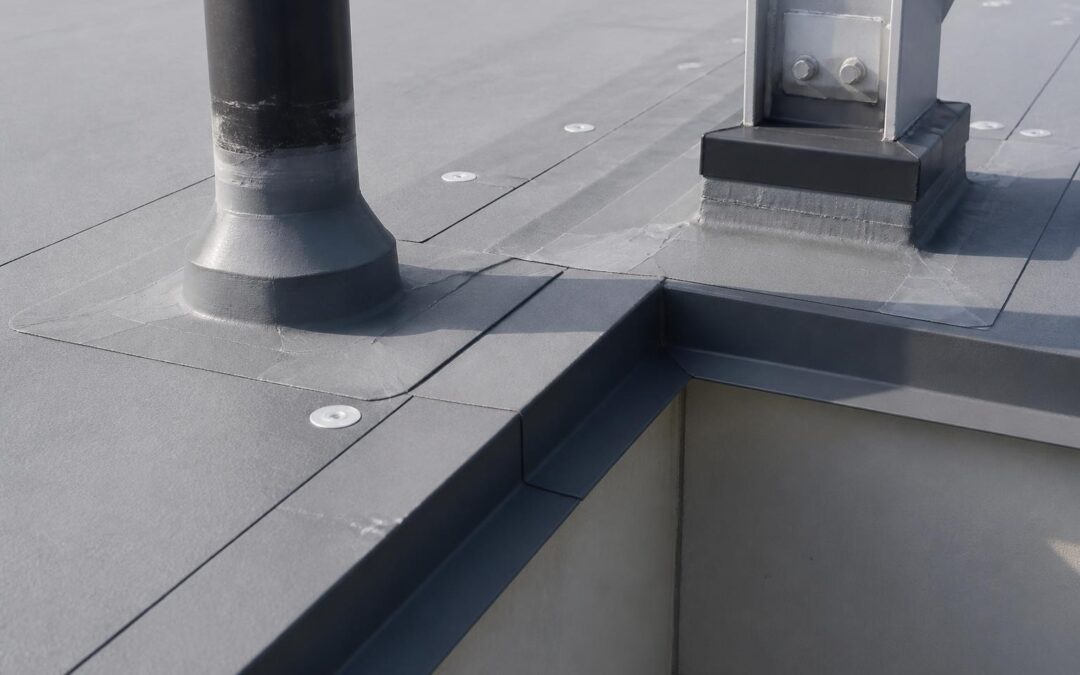
When property owners invest in roofing systems, understanding the technical aspects that ensure long-term performance becomes essential. JPA roofing, which refers to Joint Protection Agreement systems, represents a critical approach to managing the most vulnerable areas of any roof structure. These systems focus on protecting the seams, joints, and connections where different roofing materials meet, creating a comprehensive barrier against water infiltration and environmental damage. For Los Angeles homeowners and commercial property managers, implementing proper joint protection strategies can mean the difference between a roof that lasts decades and one that requires frequent repairs.
What JPA Roofing Systems Encompass
Joint Protection Agreement roofing systems address the fundamental challenge that all roofs face: managing transitions and connections. Every roof contains numerous points where materials intersect, where planes change direction, and where penetrations occur for vents, pipes, and equipment.
Critical Components of Joint Protection
JPA roofing systems incorporate several essential elements that work together to create weatherproof barriers:
- Flashing systems that redirect water away from vulnerable transitions
- Sealant applications specifically designed for movement and thermal expansion
- Mechanical fastening that accommodates structural shifts without compromising integrity
- Membrane overlaps engineered to prevent water migration through capillary action
- Termination bars that secure roofing materials at edges and penetrations
The effectiveness of these components depends entirely on proper installation and adherence to manufacturer specifications. Each element must be selected based on the specific roofing material, climate conditions, and building design.
Material Compatibility in JPA Systems
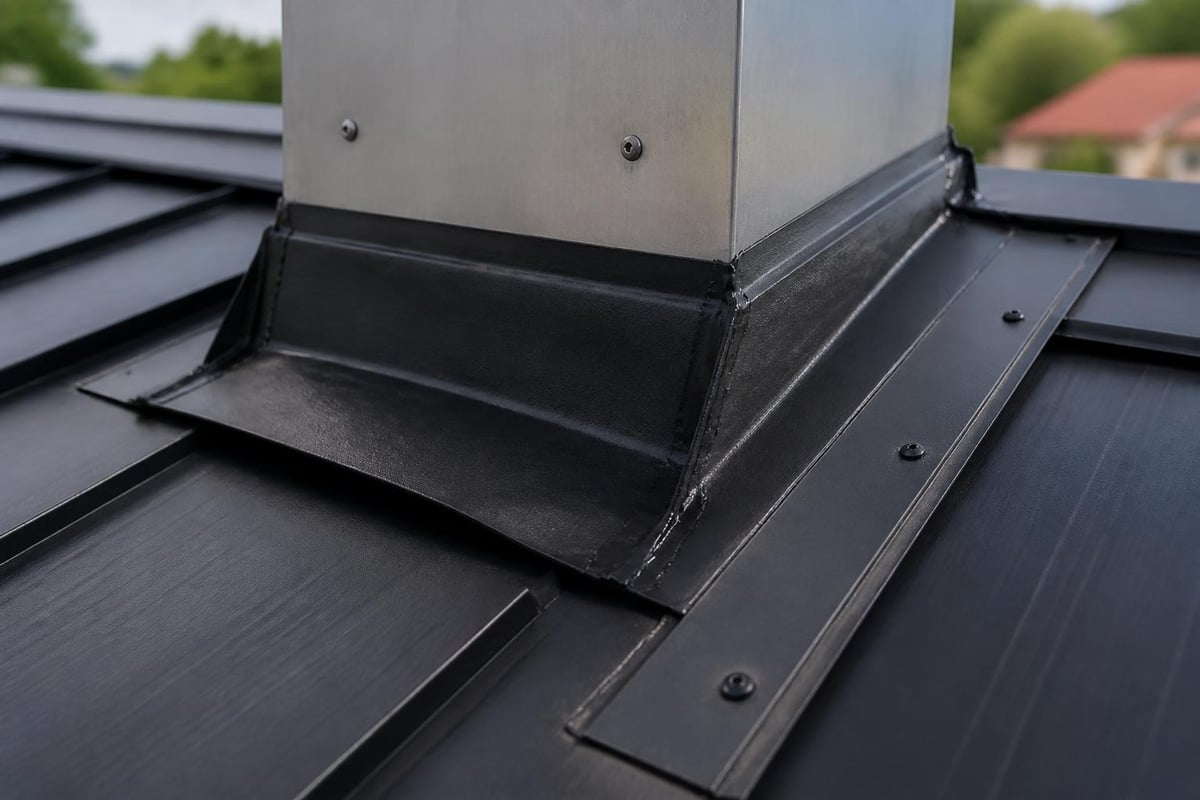
Different roofing materials require distinct approaches to joint protection. Asphalt shingle roofs utilize different flashing techniques compared to metal roofing or tile systems. The materials selected for jpa roofing applications must be chemically compatible to prevent degradation.
| Roof Type | Primary Joint Challenge | Recommended Protection |
|---|---|---|
| Asphalt Shingles | Valley convergence and penetration sealing | Ice and water shield underlayment with stepped flashing |
| Metal Roofing | Thermal expansion at seams | Floating clips with elastomeric sealants |
| Clay Tile | Individual tile transitions | Bird-stop closure and mortar beds |
| Flat/Low-Slope | Membrane seam integrity | Heat-welded or adhered overlaps with reinforcement |
Understanding these material-specific requirements ensures that joint protection strategies align with the overall roofing system design.
Common Joint Failure Points
Identifying where jpa roofing systems most frequently experience problems helps property owners prioritize inspection and maintenance efforts. Certain locations on every roof present elevated risk factors.
Roof Penetrations
Every pipe, vent, chimney, or equipment curb that penetrates the roof surface creates a potential entry point for water. These penetrations require custom flashing solutions that account for the size, shape, and function of each element.
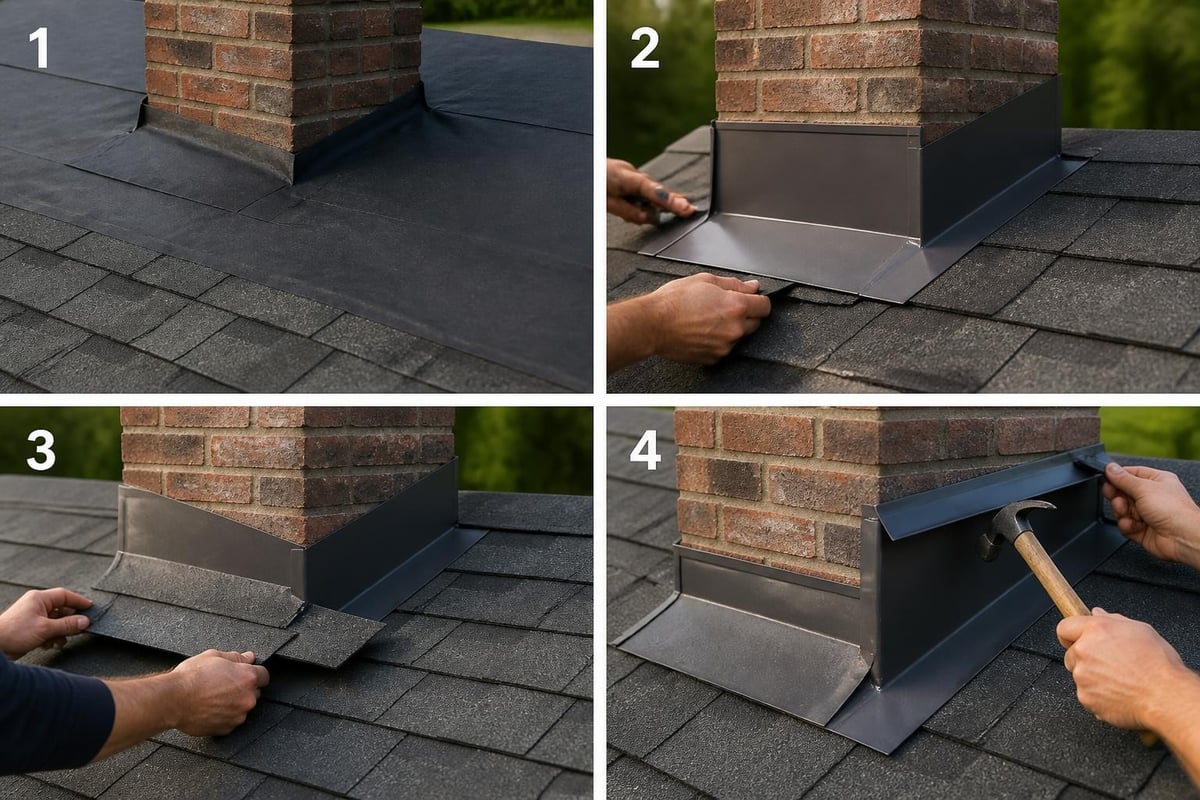
Proper boot flashings for plumbing vents must extend several inches up the pipe and integrate with the surrounding roofing material. Chimney flashings demand a two-piece system with base flashing secured to the roof deck and counter-flashing embedded into masonry joints.
Valley Intersections
Where two roof planes meet at an angle, water concentrates and accelerates. Valley intersections handle significantly more water volume than other roof areas, making them prime candidates for joint protection failure.
Open valley systems use metal channels to direct water flow, while closed valleys rely on shingling patterns that create waterproof transitions. Both approaches require careful attention to underlayment coverage and fastener placement to prevent leaks.
The Los Angeles climate, with its occasional heavy rainfall events, makes valley protection particularly important. When storms do arrive, these concentrated water channels must perform flawlessly to protect the structure beneath.
Installation Standards for JPA Roofing
Professional installation separates effective jpa roofing systems from those that fail prematurely. Industry standards established by organizations like the National Roofing Contractors Association provide detailed guidance for every joint type.
Sequencing and Overlap Requirements
The order in which components are installed determines whether water can find pathways through the system. The fundamental principle: each layer must shed water onto the layer below, creating a shingling effect that directs moisture downward and outward.
- Install underlayment starting from the eaves and working upward
- Position base flashings before surrounding roofing materials
- Integrate roof covering to overlap and interlock with flashings
- Add counter-flashings as the final protective layer
- Seal exposed fasteners with compatible sealants rated for UV exposure
This sequencing ensures that gravity works with the system rather than against it, preventing water from traveling upward through capillary action or wind-driven pressure.
Quality Control Measures
Experienced roofing contractors implement multiple checkpoints throughout installation to verify jpa roofing system integrity:
- Visual inspection of all laps for minimum overlap dimensions
- Physical testing of sealant adhesion before proceeding to next sections
- Water testing of completed sections when feasible
- Documentation through photography of critical details before coverage
- Final walk-through with infrared scanning to detect moisture intrusion paths
These quality measures provide confidence that the installed system will perform as designed throughout its service life.
Maintenance Requirements for Joint Protection
Even properly installed jpa roofing systems require ongoing maintenance to sustain their protective function. Environmental exposure gradually degrades materials, while building movement stresses connections.
Regular Inspection Protocols
Property owners should establish routine inspection schedules that focus specifically on joint areas. Biannual inspections, ideally in spring and fall, allow early detection of developing problems before they cause interior damage.
During inspections, pay particular attention to:
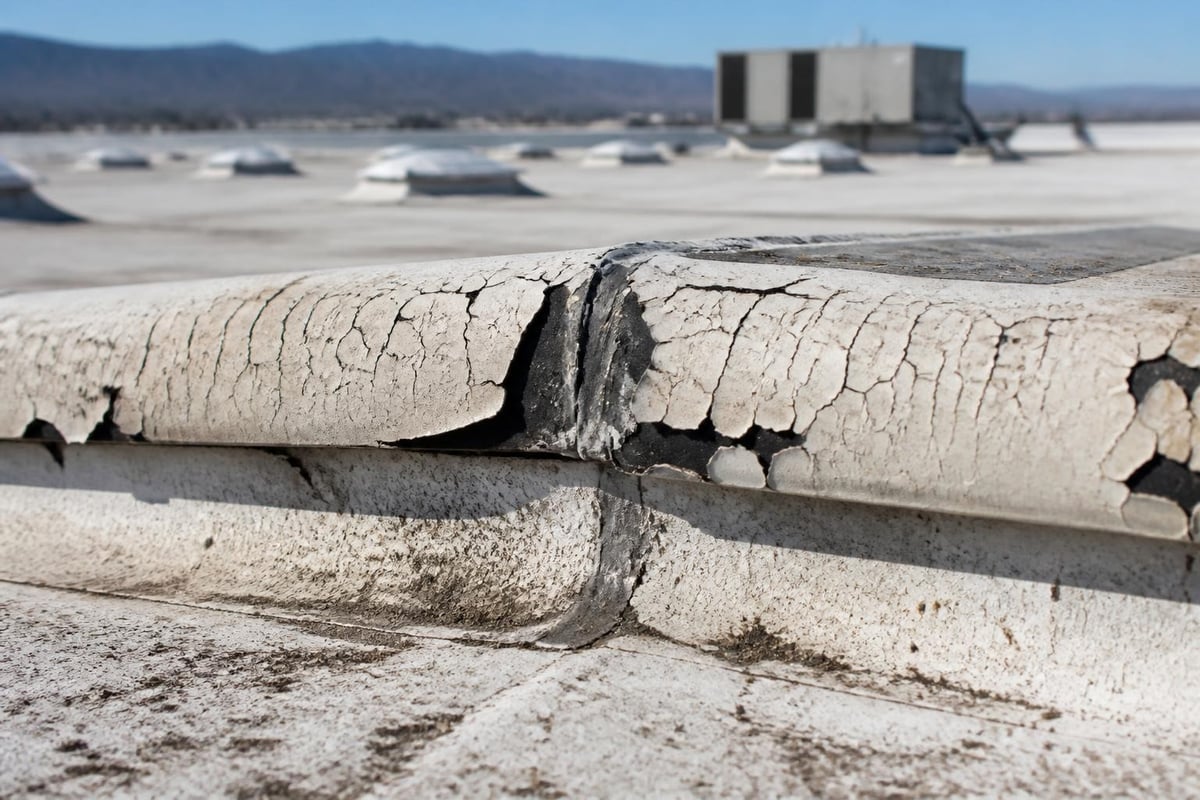
- Sealant condition including cracking, shrinkage, or loss of adhesion
- Flashing integrity checking for corrosion, displacement, or mechanical damage
- Fastener security ensuring that screws and nails remain tight and sealed
- Debris accumulation that can dam water and accelerate material breakdown
- Vegetation growth in joints that can compromise waterproofing
Documenting findings through photographs creates a historical record that reveals deterioration patterns and helps predict future maintenance needs.
Proactive Repair Strategies
Addressing minor joint issues before they escalate prevents expensive damage. Small investments in sealant renewal or flashing repair deliver substantial returns by avoiding water intrusion into building cavities.
When property owners notice signs of joint compromise, immediate action becomes essential. Water that penetrates through failed jpa roofing elements can damage insulation, rot structural framing, and create conditions for mold growth. Professional roof repairs address these vulnerabilities before they compromise the entire roofing system.
Climate Considerations for Los Angeles Properties
The Southern California environment presents specific challenges for jpa roofing systems that differ from those in regions with different weather patterns. Understanding these local factors helps optimize joint protection strategies.
UV Exposure and Material Degradation
Los Angeles receives intense solar radiation year-round, which accelerates the breakdown of elastomeric sealants and synthetic roofing materials. Sealants that might last fifteen years in moderate climates may require replacement after eight to ten years in Southern California.
Selecting UV-resistant materials for all exposed joint protection components provides longer service intervals. Silicone and polyurethane sealants with UV inhibitors outperform standard products in high-exposure environments.
Thermal Cycling Effects
Daily temperature swings cause roofing materials to expand and contract continuously. These movements stress connections and can work fasteners loose or crack rigid sealants over time.
JPA roofing systems in Los Angeles must accommodate this movement through proper material selection and installation techniques:
| Challenge | Solution Approach | Expected Benefit |
|---|---|---|
| Metal expansion | Floating fastener clips | Prevents oil-canning and fastener pull-through |
| Sealant failure | High-movement formulations | Maintains adhesion through thermal cycles |
| Flashing displacement | Mechanical and adhesive attachment | Redundant securing prevents wind uplift |
| Material embrittlement | UV-stabilized compounds | Extends service life by 40-60% |
Seismic Activity Considerations
California's earthquake risk adds another dimension to joint protection planning. While roofs themselves rarely sustain primary damage from seismic events, the building movement can stress connections and compromise joint integrity.
Flexible connection details that allow independent movement between building components help maintain jpa roofing system performance after seismic activity. Post-earthquake inspections should prioritize joint areas to identify any damage requiring immediate attention.
Advanced JPA Roofing Technologies
Innovation in roofing materials and installation methods continues to improve joint protection effectiveness. Property owners planning roof projects in 2026 can benefit from recent technological advances.
Self-Adhering Membrane Systems
Modern self-adhering underlayments and flashing products eliminate the need for heat welding or mechanical fastening in many applications. These materials feature aggressive adhesives that bond directly to clean substrates, creating seamless transitions.
The advantages of self-adhering technologies for jpa roofing applications include:
- Immediate waterproofing without curing time
- Superior conformability around irregular penetrations
- Reduced labor requirements for complex details
- Elimination of torch-down fire hazards
- Consistent thickness without application variation
These products work particularly well for valley reinforcement, penetration boots, and eave protection in residential applications.
Liquid-Applied Flashing Systems
Liquid flashings that cure to form monolithic membranes offer solutions for challenging joint configurations. Applied by brush, roller, or spray, these systems conform to any shape and eliminate the seams inherent in sheet products.
For remodeling projects where existing flashings must integrate with new roofing materials, liquid-applied systems bridge the gap between old and new. They also excel at sealing complex geometries like skylights, roof-to-wall transitions, and equipment curbs.
Cost-Benefit Analysis of Enhanced Joint Protection
Investing in superior jpa roofing systems increases initial project costs but delivers substantial long-term value. Understanding this financial equation helps property owners make informed decisions.
Initial Investment Considerations
Enhanced joint protection typically adds 8-15% to overall roofing project costs. This increment covers premium materials, additional labor for meticulous installation, and quality control measures.
For a typical 2,000 square foot residential roof in Los Angeles with moderate complexity, the additional investment might range from $1,200 to $2,800. This assumes standard complexity with two chimneys, eight plumbing vents, and four valleys.
Long-Term Value Proposition
The return on this investment manifests through multiple channels:
- Extended roof service life of 15-25% beyond standard installations
- Reduced repair frequency saving $300-800 annually in maintenance costs
- Lower insurance premiums from reduced water damage claims history
- Preserved property value through documented quality construction
- Energy efficiency from maintained insulation integrity
Over a twenty-year period, the enhanced jpa roofing investment typically returns 3-5 times its initial cost through avoided repairs and extended service life.
Selecting Qualified Contractors
The quality of jpa roofing system installation depends entirely on contractor expertise and commitment to proper methods. Property owners must evaluate prospective contractors carefully.
Essential Qualifications
Reputable roofing contractors demonstrate their capabilities through verifiable credentials:
- Active state contractor licensing with roofing classification
- Current liability and workers' compensation insurance
- Manufacturer certifications for installed products
- Membership in professional organizations like NRCA
- Local references from recent projects with similar scope
These qualifications provide baseline assurance of competence and accountability.
Installation Warranty Provisions
Comprehensive warranties that specifically address joint areas indicate contractor confidence in their work. Standard roofing warranties often exclude failures caused by flashing or joint issues, leaving property owners exposed.
Seek contractors who offer:
- Workmanship warranties of at least ten years covering all installation aspects
- Material warranties transferred from manufacturers with proper registration
- Leak-free guarantees with specific remediation commitments
- Maintenance provisions defining covered inspection and minor repair services
- Transferability options that preserve value when properties change ownership
Written warranty documentation should detail exactly what jpa roofing elements receive coverage and under what circumstances.
Integration with Whole-Building Water Management
Effective jpa roofing systems function as one component of comprehensive moisture protection strategies. Understanding how roof joint protection connects with other building elements optimizes overall performance.
Gutter and Drainage Coordination
Even perfectly sealed roof joints can fail if water overwhelms the system due to inadequate drainage. Properly sized gutters and downspouts must handle the water volume that concentrated flows from valleys and roof planes direct into collection systems.
In Los Angeles, where rainfall intensity can spike during winter storms, drainage capacity calculations should account for 100-year storm events rather than average conditions. This ensures that extreme weather doesn't overwhelm the system and back water up under roofing materials.
Wall Flashing Continuity
Where roofs meet vertical walls, the transition requires careful integration of roof jpa systems with wall weather barriers. The roof flashing must extend behind wall cladding and connect with building wrap or other moisture barriers to create continuous protection.
Step flashings at roof-to-wall intersections should extend at least 4 inches up the wall surface and integrate with each course of roofing material. Counter-flashings installed over the step flashings provide secondary protection and aesthetic finish.
Attic Ventilation Balance
Proper attic ventilation extends jpa roofing system service life by managing temperature extremes and moisture accumulation. Adequate ventilation prevents ice damming in rare cold weather and reduces thermal stress on joint sealants and flashings.
The relationship between ventilation and joint protection becomes particularly important at ridge vents, where the roofing system must maintain weatherproofing while allowing air movement. Modern ridge vent designs incorporate baffles and filter media that prevent weather infiltration while promoting air circulation.
Retrofit and Repair Considerations
Existing buildings with aging roofing systems often require jpa roofing improvements without complete roof replacement. Strategic retrofits can significantly extend roof service life.
Selective Joint Rehabilitation
When overall roof condition remains serviceable but specific joints show deterioration, targeted repairs provide cost-effective life extension. This approach focuses investment on problem areas rather than replacing functional materials.
Common selective rehabilitation strategies include:
- Removing and replacing failed valley flashings while retaining surrounding shingles
- Installing new penetration boots and re-sealing existing flashings
- Adding secondary weather barriers at vulnerable eave and rake edges
- Reinforcing stress points with additional fastening and sealant
These interventions typically cost 15-30% of full roof replacement while adding 5-8 years of service life.
Code Compliance Updates
Building codes evolve to incorporate improved jpa roofing standards based on performance data and material advances. When retrofitting existing roofs, bringing joint protection up to current standards provides enhanced durability.
Recent code changes affecting joint protection include increased underlayment requirements in vulnerable areas, specific fastener schedules for high-wind zones, and enhanced flashing details around roof penetrations. Even when not strictly required for repairs, implementing current standards represents sound investment.
Understanding and properly implementing JPA roofing systems protects your property investment while preventing costly water damage and premature roof failure. Whether you're planning new construction, facing repair decisions, or managing an existing roof, attention to joint protection delivers measurable returns through extended service life and reduced maintenance costs. Proof Your Roof brings extensive experience with all aspects of residential and commercial roofing throughout Los Angeles, combining technical expertise with quality materials to ensure your roof performs reliably for decades. Contact our team today for a comprehensive evaluation of your roofing system's joint protection needs.