
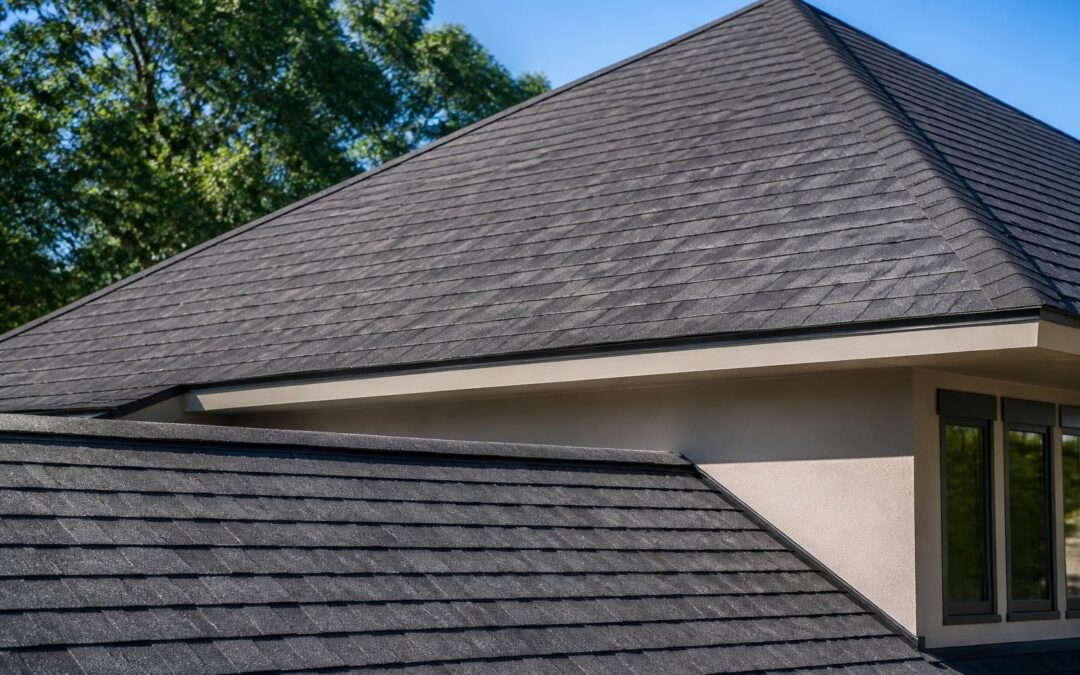
When selecting roofing materials for your home or commercial property, the choice between various asphalt shingle products can feel overwhelming. Among the most trusted names in residential roofing, landmark shingles manufactured by CertainTeed have earned a reputation for reliability, aesthetic appeal, and lasting performance. These architectural-grade shingles represent a significant upgrade from standard three-tab products, offering homeowners in Los Angeles and across the country enhanced durability, dimensional depth, and comprehensive warranty protection. Understanding what sets these shingles apart and how they perform in real-world conditions helps property owners make informed decisions about their roofing investments.
Understanding Architectural Shingle Design
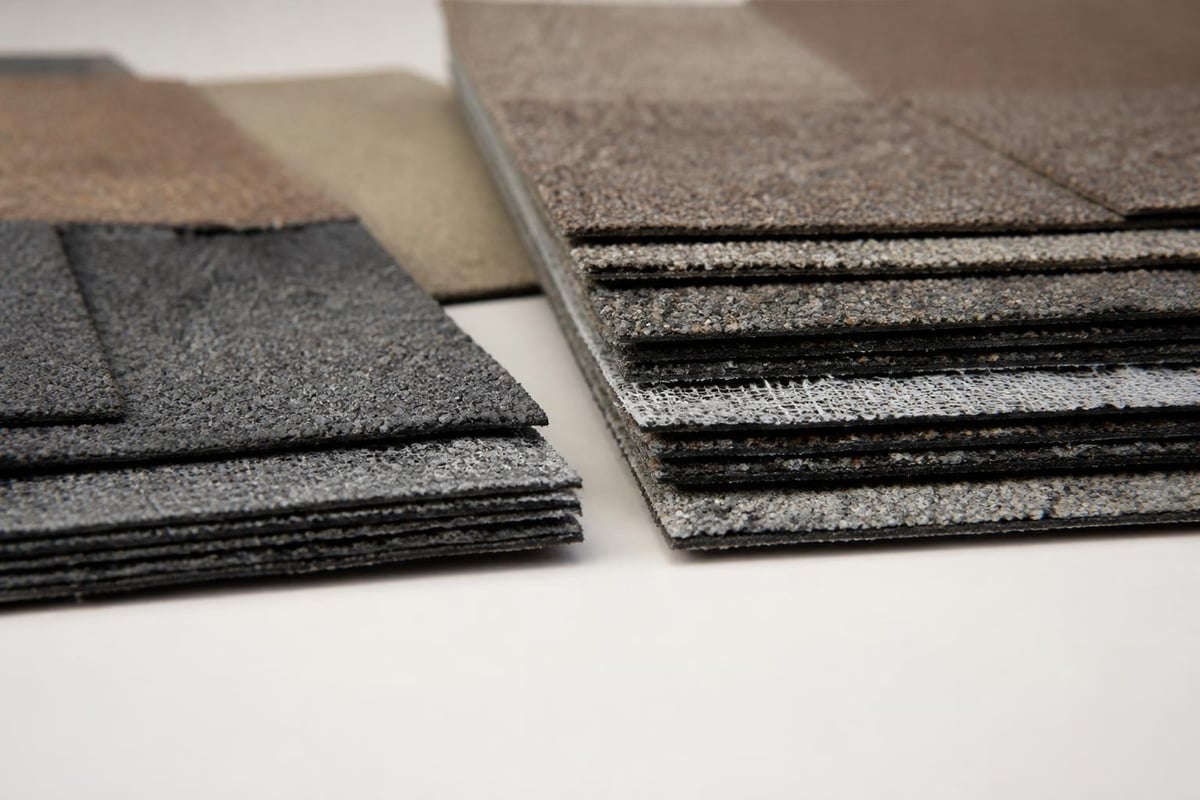
Landmark shingles fall into the architectural or dimensional shingle category, distinguished by their layered construction and three-dimensional appearance. Unlike flat three-tab shingles, these products feature multiple layers of material laminated together to create depth and shadow lines that mimic the look of traditional wood shake or slate roofing.
The manufacturing process creates a heavier, more substantial product than basic asphalt shingles. Each shingle typically weighs between 240 and 260 pounds per square, providing better wind resistance and impact protection. This added weight contributes to improved performance during severe weather events, a consideration that matters significantly for homeowners in areas prone to high winds or storms.
Material Composition and Quality Standards
The construction of landmark shingles begins with a fiberglass mat base, which provides tensile strength and dimensional stability. This mat is saturated and coated with asphalt formulated to resist weathering, UV degradation, and thermal cycling. Ceramic-coated granules embedded in the top surface protect the asphalt from sun damage while providing color and texture.
Key material components include:
- High-quality fiberglass reinforcement mat for strength
- Weather-resistant asphalt formulation
- UV-resistant ceramic granules in multiple color blends
- Self-sealing adhesive strips for wind resistance
- Algae-resistant copper or zinc compounds in select products
CertainTeed’s Landmark product line meets or exceeds industry standards including ASTM D3462 for asphalt shingles and carries multiple third-party certifications for wind resistance and fire performance.
Performance Characteristics That Matter
When evaluating roofing materials, several performance metrics determine how well a product will protect your investment over decades of service. Landmark shingles excel across multiple critical categories that affect both immediate installation success and long-term reliability.
Wind Resistance and Storm Performance
Wind resistance stands as one of the most critical performance factors for any roofing material. Landmark shingles are engineered to withstand sustained winds up to 110 mph when properly installed, with limited warranties covering wind-driven damage in most applications.
The ASTM D7158 wind resistance testing standard classifies asphalt shingles into categories from A through H, with H representing the highest resistance. Properly installed landmark shingles qualify for Class H rating in many product variants, providing confidence during severe weather events.
| Performance Category | Landmark Shingles Specification | Industry Standard |
|---|---|---|
| Wind Resistance | Up to 130 mph (Class H) | Varies, 60-110 mph typical |
| Impact Rating | Class 4 available (select products) | Class 1-4 scale |
| Fire Rating | Class A | Class A, B, or C |
| Warranty Coverage | Limited lifetime (transferable) | 20-50 years typical |
Energy Efficiency and Cool Roof Options
Solar reflectance plays an increasingly important role in roofing material selection, particularly in warm climates like Southern California. Lighter-colored landmark shingles can reflect significant portions of solar radiation, reducing heat transfer into building interiors and lowering cooling costs.
The EPA’s guidance on cool roofs emphasizes how reflective roofing materials contribute to urban heat island mitigation and energy conservation. Select Landmark shingle colors qualify for ENERGY STAR certification, meeting measured solar reflectance and thermal emittance thresholds documented in the ENERGY STAR Roof Product List.
Homeowners choosing reflective shingle options can expect:
- Reduced attic temperatures by 10-25 degrees Fahrenheit
- Lower air conditioning costs during summer months
- Extended service life due to reduced thermal stress
- Potential utility rebates in participating jurisdictions
Installation Best Practices and Considerations
Proper installation determines whether landmark shingles deliver their full performance potential. While these products offer excellent durability when correctly applied, installation errors can compromise weather resistance, void warranties, and shorten service life.
Deck Preparation and Underlayment Requirements
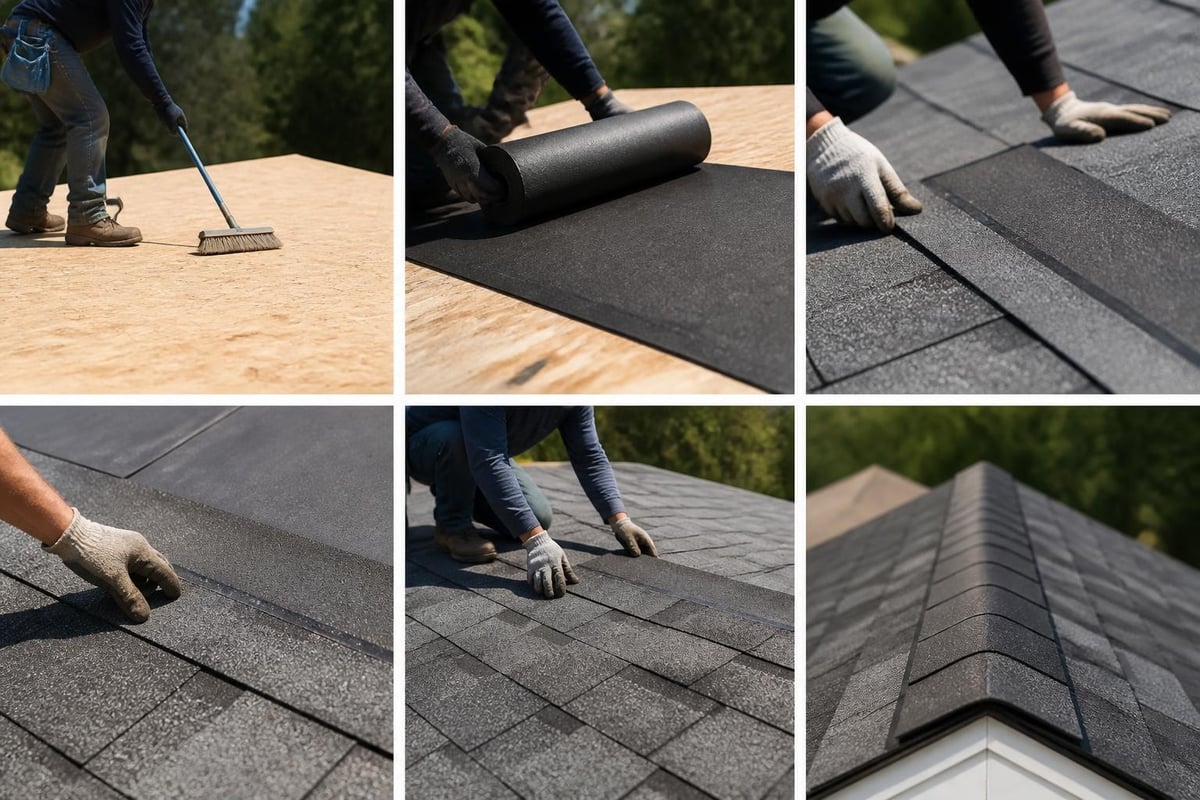
Before any shingle installation begins, the roof deck must meet specific requirements for fastener holding power, flatness, and moisture protection. Landmark shingles require a solid deck substrate, typically plywood or oriented strand board (OSB) rated for roof applications.
The NRCA’s technical guidelines for asphalt shingle roof systems specify minimum deck fastening schedules, allowable gaps, and moisture protection standards that professional installers follow. Underlayment selection affects both warranty coverage and long-term performance, with synthetic products often outperforming traditional felt in durability and water resistance.
Fastening Patterns and Wind Warranty Activation
Achieving maximum wind resistance requires following manufacturer-specified fastening patterns precisely. Landmark shingles typically require six nails per shingle, placed in designated nail zones to secure both the current shingle and hold down the overlapping course above.
Critical installation parameters include:
- Nail type: Minimum 11 or 12-gauge roofing nails with 3/8-inch heads
- Nail length: Sufficient to penetrate deck by minimum 3/4 inch
- Nail placement: Within marked nail zone, avoiding over- or under-driving
- Shingle alignment: Straight courses with proper offset patterns
- Edge treatment: Sealed with roofing cement where specified
The official CertainTeed installation guidance provides detailed visual instructions for valley treatments, ridge applications, and specialized flashing details that ensure weather-tight performance.
Warranty Coverage and Long-Term Value
One of the most compelling aspects of landmark shingles is the comprehensive warranty protection that accompanies them. Understanding what these warranties cover and their limitations helps homeowners evaluate true long-term value.
Limited Lifetime Coverage Structure
CertainTeed's landmark shingles carry a limited lifetime warranty for the original property owner, with transferable coverage for subsequent owners during the first 10 years. This warranty protects against manufacturing defects that cause leaks or other failures during normal use.
Coverage includes:
- Manufacturing defect protection for the life of the original owner
- Wind resistance warranty up to 15 years (110-130 mph depending on product)
- Algae resistance warranty (typically 10 years on AR products)
- Prorated material replacement after initial full-coverage period
The warranty requires proper installation by qualified contractors and typically excludes damage from extreme weather beyond rated limits, improper maintenance, or non-manufacturer accessories.
Cost Comparison and Return on Investment
While landmark shingles command a premium over basic three-tab products, the investment typically delivers strong returns through extended service life and reduced maintenance requirements. In the Los Angeles market during 2026, material and installation costs generally range from $450 to $650 per square installed, depending on roof complexity and product selection.
| Shingle Type | Average Cost Per Square | Expected Lifespan | Annual Cost |
|---|---|---|---|
| Three-Tab | $300-$400 | 15-20 years | $20-$27 |
| Landmark Standard | $450-$550 | 25-30 years | $15-$22 |
| Landmark Premium/IR | $550-$650 | 30-40 years | $14-$22 |
When factoring in the enhanced curb appeal, better warranty protection, and superior storm resistance, landmark shingles often represent the optimal balance of initial investment and lifetime value for residential applications.
Maintenance Requirements and Longevity
Even premium roofing materials require regular maintenance to achieve their full service life potential. Landmark shingles benefit from periodic inspections and minor interventions that prevent small issues from developing into major problems.
Recommended Inspection Schedule
Professional roofing contractors recommend biannual inspections, typically in spring and fall, to identify and address potential issues before they compromise the roofing system. The NRCA’s homeowner maintenance guide outlines specific inspection points and maintenance procedures appropriate for asphalt shingle roofs.
Inspection checklist items include:
- Missing, damaged, or lifted shingles requiring replacement
- Worn or damaged flashing around penetrations and transitions
- Debris accumulation in valleys or behind chimneys
- Moss or algae growth requiring treatment
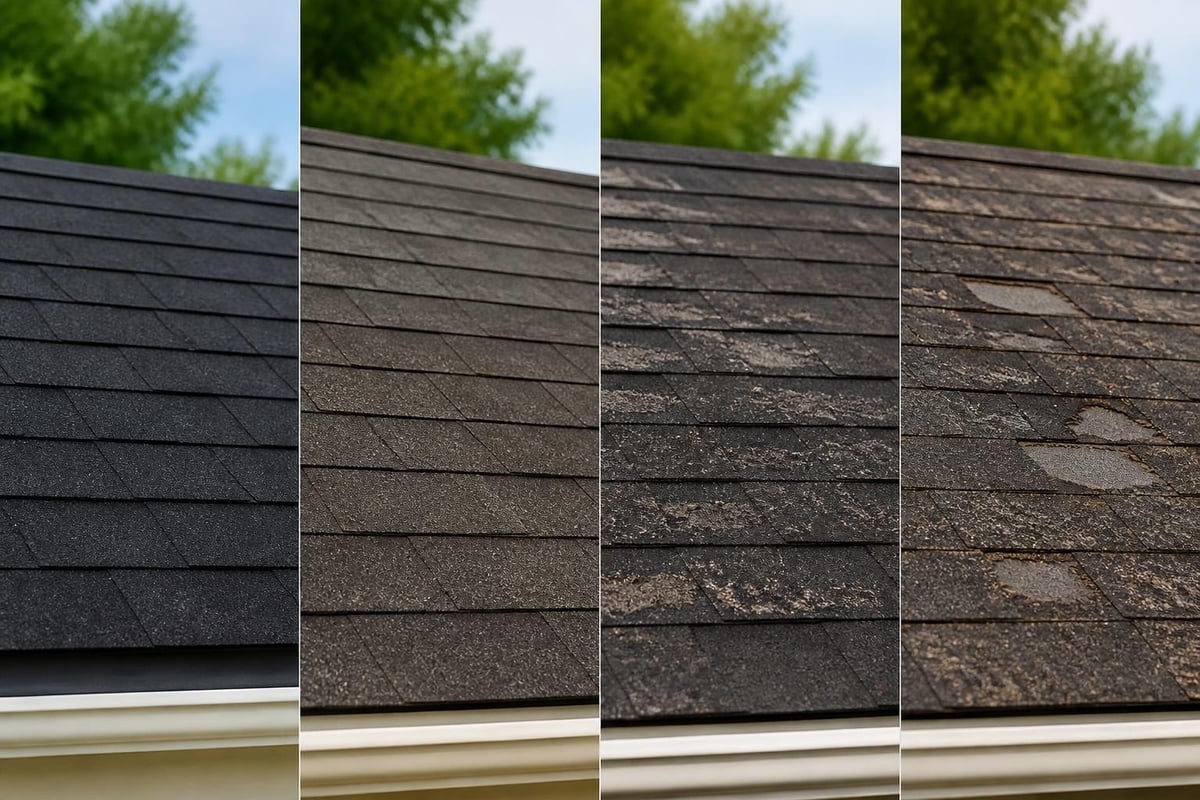
- Granule loss indicating advanced weathering
- Sealant condition at critical junctions
Regular gutter cleaning prevents water backup that can damage shingle edges, while prompt removal of debris like branches prevents moisture retention that accelerates deterioration.
Climate-Specific Considerations for Los Angeles
Southern California's Mediterranean climate presents unique challenges and advantages for asphalt shingle roofing. The region's intense UV exposure, minimal precipitation, and temperature extremes require specific maintenance attention.
Landmark shingles perform exceptionally well in Los Angeles conditions when properly maintained. The dry climate prevents many moisture-related issues common in humid regions, while UV-resistant granules protect against the intense solar exposure characteristic of the area. However, thermal cycling between hot days and cool nights can stress roofing materials over time.
Los Angeles homeowners should prioritize:
- Ensuring adequate attic ventilation to reduce heat buildup
- Selecting lighter colors to minimize solar heat absorption
- Inspecting after Santa Ana wind events for lifting or damage
- Addressing any tree limb contact that might abrade granules
- Verifying proper valley function during rare but intense rainfall
Color Selection and Aesthetic Integration
Beyond performance specifications, landmark shingles offer extensive color and style options that complement various architectural designs. The dimensional profile creates shadow lines and texture that enhance visual interest compared to flat three-tab products.
Popular Color Families and Architectural Pairing
CertainTeed manufactures landmark shingles in over 20 color blends, ranging from traditional earth tones to contemporary grays and blues. Each color incorporates multiple granule shades blended to create depth and variation that mimics natural materials.
Architectural style recommendations:
- Traditional/Colonial homes: Weathered Wood, Resawn Shake, or Burnt Sienna for classic appeal
- Modern/Contemporary: Pewter, Georgetown Gray, or Charcoal for clean, sophisticated looks
- Mediterranean/Spanish: Mission Brown, Max Def Adobe, or Copper Canyon to complement tile accents
- Craftsman/Cottage: Hunter Green, Weathered Wood, or Driftwood for natural integration
When consulting with roofing professionals about roof replacement projects, bringing exterior paint colors, trim samples, and photos of architectural details helps ensure optimal color coordination. Many manufacturers provide digital visualization tools that allow homeowners to preview different shingle colors on their actual home.
Impact on Property Value and Curb Appeal
Quality roofing significantly influences home value and marketability. Real estate professionals consistently identify roof condition as a top concern for buyers, with new or recently replaced roofs commanding premium pricing and faster sales.
Landmark shingles particularly enhance curb appeal through their dimensional appearance and color depth. Homes featuring architectural shingles typically appraise $5,000 to $15,000 higher than comparable properties with basic three-tab products, with the premium varying by market and home value.
Environmental Considerations and Sustainability
As building practices evolve toward greater sustainability, understanding the environmental footprint of roofing materials becomes increasingly important. Landmark shingles present both challenges and opportunities in this context.
Recycling Potential and End-of-Life Management
Asphalt shingles represent one of the largest components of construction and demolition waste streams. According to EPA data on construction materials, approximately 11 million tons of asphalt shingle waste enters landfills annually, though recycling programs are expanding.
Removed landmark shingles can be processed into:
- Aggregate for road paving and asphalt production
- Base material for parking lots and driveways
- Components in new roofing products
- Energy recovery through waste-to-energy facilities
Contractors specializing in environmentally responsible practices increasingly partner with recycling facilities to divert shingle waste from landfills. When planning roof replacement, asking about recycling options demonstrates environmental stewardship and may reduce disposal costs.
Manufacturing Sustainability Initiatives
Major shingle manufacturers have implemented sustainability programs addressing energy consumption, emission reduction, and material sourcing. CertainTeed's manufacturing facilities incorporate recycled content, operate energy recovery systems, and participate in third-party environmental certification programs.
The production of landmark shingles increasingly incorporates:
- Recycled tear-off shingles as raw material inputs
- Manufacturing waste reduction and recycling systems
- Energy-efficient production processes
- Reduced volatile organic compound (VOC) emissions
- Responsible mineral sourcing with environmental oversight
Comparing Landmark Shingles to Alternative Products
Homeowners evaluating roofing options benefit from understanding how landmark shingles compare to both competing asphalt products and alternative materials like metal, tile, or composite options.
Architectural Shingle Competition
Within the architectural shingle category, landmark shingles compete with products from GAF, Owens Corning, IKO, and other major manufacturers. Performance specifications across premium brands remain relatively similar, with differentiation occurring in warranty terms, color selections, and specific feature enhancements.
| Feature | Landmark Shingles | Competitor Average | Advantage |
|---|---|---|---|
| Wind Rating | Up to 130 mph | 110-130 mph | Competitive |
| Color Options | 20+ blends | 15-25 blends | Average |
| Warranty Duration | Limited lifetime | Limited lifetime | Competitive |
| Impact Resistance | Class 4 available | Class 3-4 | Competitive |
| Algae Resistance | 10-year standard | 10-year standard | Competitive |
The technical specifications documented by RCABC provide third-party validation of performance claims, helping specifiers and contractors verify compliance with building codes and project requirements.
Cross-Material Comparisons
When compared to alternative roofing materials, landmark shingles offer distinct advantages and trade-offs that influence selection based on budget, aesthetics, and performance priorities.
Versus metal roofing:
Landmark shingles cost 30-50% less initially but have shorter lifespans (25-40 years versus 40-70 years for metal). They provide better noise dampening during rain and hail, while metal offers superior fire resistance and recyclability.
Versus concrete/clay tile:
Asphalt shingles install faster with lower labor costs and don't require structural reinforcement for additional weight. Tile offers longer service life and better fire resistance but costs 2-3 times more installed.
Versus composite/synthetic products:
Landmark shingles deliver proven performance at lower cost compared to premium synthetic slate or shake alternatives, though synthetic products may offer superior impact resistance and longer warranties.
Making the Decision: When Landmark Shingles Make Sense
Not every roofing project requires premium architectural shingles, but specific circumstances make landmark shingles the optimal choice for many homeowners and property managers.
Ideal Candidate Properties
Landmark shingles deliver maximum value for properties where:
- Long-term ownership is planned (10+ years)
- Resale value enhancement justifies premium investment
- Architectural style benefits from dimensional shingle aesthetics
- Local climate includes moderate to severe wind exposure
- HOA requirements specify minimum appearance standards
- Energy efficiency improvements reduce operating costs
For properties in Los Angeles neighborhoods with strict aesthetic guidelines or competitive real estate markets, the enhanced appearance and performance of landmark shingles often justify their premium over basic products.
Budget Considerations and Financing
While landmark shingles cost more than entry-level options, several factors can make them financially accessible. The extended service life reduces annualized costs, potentially making them competitive with cheaper products that require earlier replacement.
Financing options for roofing projects include:
- Home equity lines of credit with tax-deductible interest
- Property-assessed clean energy (PACE) programs in California
- Manufacturer or contractor financing programs
- Insurance claim proceeds following covered damage events
- Energy efficiency rebates for qualifying cool roof products
Consulting with experienced roofing professionals helps homeowners understand total project costs, available incentives, and financing structures that align with their budgets and goals.
Working with Professional Installers
The quality of installation significantly impacts how well landmark shingles perform throughout their service life. Selecting qualified contractors and understanding the installation process ensures optimal results.
Contractor Qualification and Certification
CertainTeed and other manufacturers offer certification programs that train contractors in proper installation techniques and product-specific requirements. Working with certified installers provides several advantages including enhanced warranty coverage, quality assurance, and access to manufacturer support if issues arise.
Questions to ask potential contractors:
- What manufacturer certifications do you hold?
- How many years have you installed architectural shingles?
- Will you provide references from recent similar projects?
- What warranties cover both materials and workmanship?
- How do you handle disposal and recycling of old materials?
- What weather protection measures prevent damage during installation?
Licensed, bonded, and insured contractors protect homeowners from liability and provide recourse if installation defects appear. Verifying these credentials before signing contracts prevents complications later.
Project Timeline and Weather Considerations
Typical residential roof replacement with landmark shingles takes 1-3 days for average-sized homes under favorable weather conditions. Larger or more complex roofs may require additional time, particularly when extensive deck repairs or structural modifications are necessary.
Southern California's generally favorable weather permits year-round roofing work, though summer heat can make installation more challenging and affect material handling. Scheduling projects during moderate temperature periods (spring or fall) often yields optimal installation conditions and crew efficiency.
Reputable contractors protect exposed areas with tarps if weather interrupts work and maintain job site cleanliness throughout the project. Post-installation cleanup should remove all debris, nails, and materials, leaving the property in pristine condition.
Selecting the right roofing material requires balancing performance requirements, aesthetic preferences, budget constraints, and long-term value considerations. Landmark shingles offer an excellent combination of proven durability, comprehensive warranty protection, and attractive appearance that serves homeowners well across diverse applications. Whether you're planning a new installation or considering roof replacement for your Los Angeles property, Proof Your Roof brings the expertise and experience needed to evaluate your specific requirements, recommend appropriate solutions, and deliver professional installation that protects your investment for decades to come.