
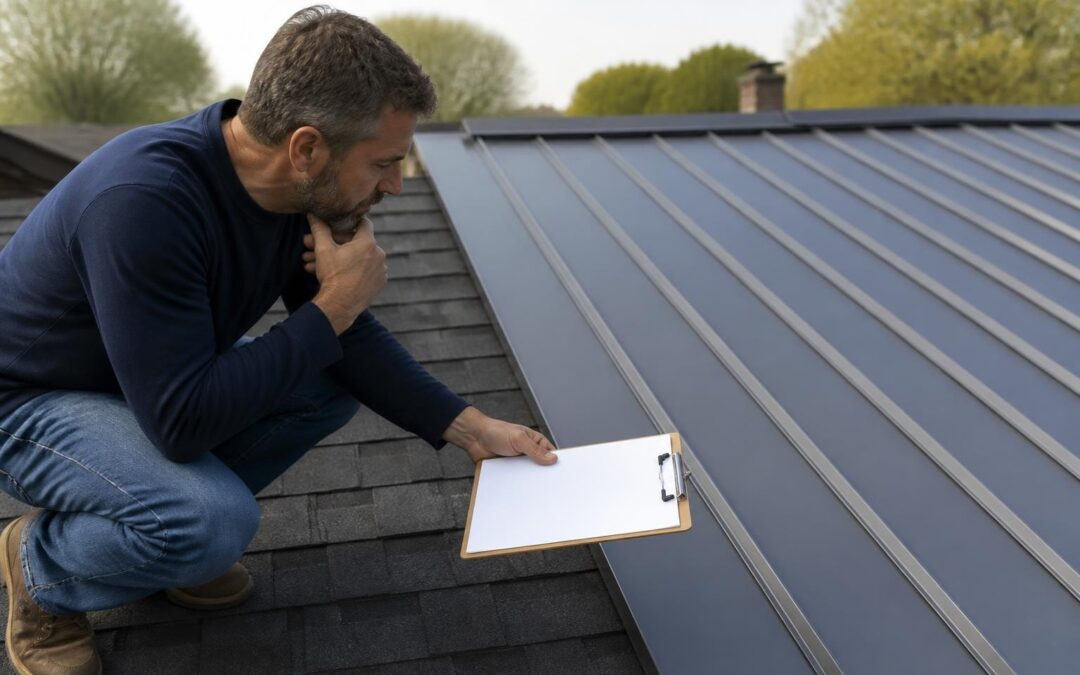
Homeowners across Los Angeles are increasingly considering metal roofing as a durable, energy-efficient upgrade from traditional asphalt shingles. One question that frequently arises during this transition is whether to install metal roofing over shingles or to remove the existing roof entirely. This decision impacts not only your budget and timeline but also the long-term performance and value of your home. Understanding the technical requirements, building code considerations, and practical implications will help you make an informed choice that protects your investment for decades to come.
Understanding the Metal Over Shingle Installation Method
Installing metal roofing over shingles, also known as a retrofit or overlay installation, involves placing new metal panels directly over your existing asphalt shingle roof. This approach eliminates the labor-intensive and costly process of tearing off the old roofing material.
The method typically requires installing a vented base layer or purlins over the shingles to create proper ventilation and a flat surface for the metal panels. This installation technique has gained popularity because it can reduce project costs by 20-30% and significantly shorten installation time.
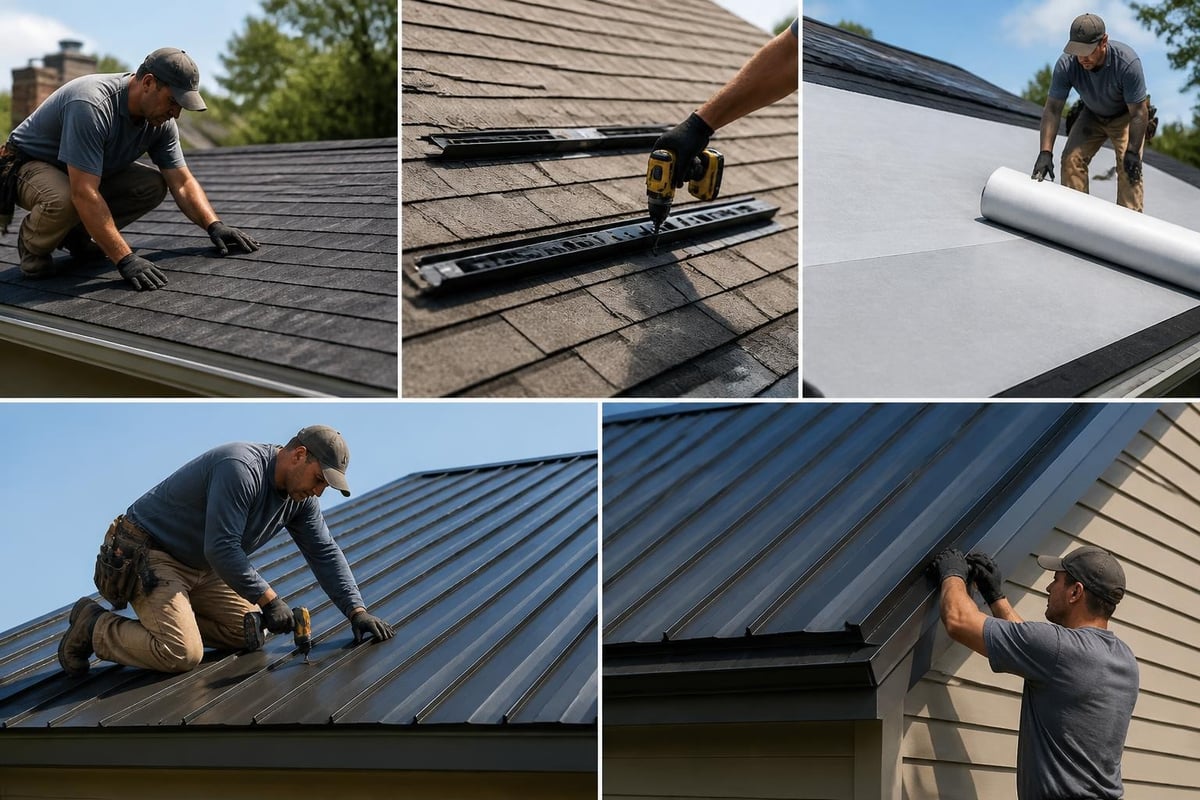
How the Installation Process Works
The installation begins with a thorough inspection of the existing roof deck and shingle layer. Contractors assess whether the structure can support the additional weight and identify any areas requiring repair before the metal panels go down.
Key installation steps include:
- Inspecting and repairing damaged shingles or decking
- Installing ventilation strips or a batten system
- Adding underlayment appropriate for metal roofing
- Securing metal panels according to manufacturer specifications
- Installing proper flashing and trim components
The success of metal roofing over shingles depends heavily on the condition of your existing roof. Any moisture damage, rot, or structural weakness must be addressed before proceeding.
Building Code and Structural Requirements
Local building codes strictly regulate whether you can install metal roofing over shingles in your area. In California, the 2022 California Building Code governs these installations, and many jurisdictions limit the number of roof layers permitted.
Most building codes allow a maximum of two layers of roofing material. If your home already has two layers of shingles, you must remove them before installing metal. Additionally, older homes built before 1980 may have structural limitations that require evaluation by a licensed engineer.
| Consideration | Requirement | Impact |
|---|---|---|
| Maximum layers | Typically 2 layers total | Existing double layer requires tear-off |
| Weight capacity | Structure must support 3-5 lbs/sq ft additional | Engineering assessment may be needed |
| Deck condition | Must be sound, dry, and structurally intact | Damaged areas require replacement |
| Permits | Building permit required in most jurisdictions | Inspection during and after installation |
The National Roofing Contractors Association provides detailed technical guidance on evaluating existing roof conditions before installing new materials over them.
Weight Considerations for Los Angeles Homes
Metal roofing is significantly lighter than tile or slate, typically weighing 1-3 pounds per square foot compared to asphalt shingles at 2-4 pounds per square foot. However, the combined weight of both layers must still fall within your structure's load-bearing capacity.
California's seismic requirements make structural integrity especially important. Your contractor should verify that the roof deck, rafters, and wall structures can handle the additional load without compromising safety during an earthquake.
Advantages of Installing Metal Over Existing Shingles
Cost savings represent the most immediate benefit of metal roofing over shingles. Eliminating tear-off labor and disposal fees can reduce your total project cost by thousands of dollars on an average-sized home.
Primary benefits include:
- Reduced labor costs: No removal crew or dumpster rental needed
- Faster installation: Projects complete 2-3 days quicker on average
- Less disruption: Minimal mess and noise during installation
- Additional insulation: The shingle layer adds a modest R-value
- Environmental benefits: Keeps old shingles out of landfills
The time savings prove particularly valuable for commercial properties or multi-family buildings where minimizing disruption to tenants is essential. A typical residential metal roof installation over shingles in Los Angeles can often be completed in just 3-5 days.
Energy Efficiency and Climate Benefits
Metal roofing naturally reflects solar radiation, helping reduce cooling costs in Los Angeles's warm climate. When installed over shingles, the existing layer provides additional thermal mass that can further improve energy performance.
The Cool Roof Rating Council rates metal roofing products based on their solar reflectance and thermal emittance properties. Light-colored metal roofs can reflect up to 70% of solar energy, significantly reducing attic temperatures and lowering air conditioning demands during summer months.
When Tear-Off Is the Better Option
Despite the advantages, certain situations require complete removal of existing shingles before installing metal roofing. Understanding these scenarios helps you make the right decision for your specific circumstances.
If moisture damage exists anywhere in your roof system, proceeding with an overlay installation traps that moisture and accelerates deterioration. Hidden water damage can compromise your entire investment within just a few years.
Critical Factors Requiring Tear-Off
Structural issues demand attention before adding any new roofing material. Sagging areas, soft spots in the decking, or visible water stains on interior ceilings all indicate problems that must be resolved first.
Multiple existing layers already present the most straightforward reason for tear-off. Building codes prohibit exceeding the maximum allowed layers, making removal mandatory before installing metal roofing over shingles.
Situations requiring complete tear-off:
- Existing roof has two or more layers already installed
- Moisture damage or rot detected in decking or rafters
- Significant hail damage or missing shingles throughout the roof
- Sagging or uneven roof deck requiring replacement
- Local building codes prohibit overlay installations
- Warranty requirements from metal roofing manufacturer
The Metal Construction Association provides comprehensive guidance on when retrofit installations are appropriate versus when full tear-off becomes necessary for optimal performance.
Proper Ventilation and Moisture Management
Ventilation represents one of the most critical aspects of successful metal roofing over shingles installation. Trapped moisture between layers can lead to mold growth, wood rot, and premature failure of both roofing systems.
Creating adequate airflow requires careful planning and proper installation techniques. Most professionals recommend installing a vented batten system or raised purlins that allow air circulation between the metal panels and the existing shingles.
Ventilation System Design
A properly designed ventilation system includes both intake vents at the eaves and exhaust vents at the ridge. This creates natural convection that continuously removes moisture and heat from the cavity between roofing layers.
| Ventilation Component | Purpose | Standard Requirement |
|---|---|---|
| Intake vents | Allow cool air entry at eaves | 1 sq ft per 150 sq ft of attic space |
| Exhaust vents | Release warm air at ridge | Equal or greater area than intake |
| Air gap | Space between layers for airflow | Minimum 1 inch recommended |
| Moisture barrier | Prevent condensation contact | High-temperature synthetic underlayment |
The air gap created by the batten system serves multiple purposes beyond ventilation. It provides thermal separation that enhances energy efficiency and creates a flat, consistent surface for metal panel attachment regardless of any minor irregularities in the underlying shingles.
Installation Best Practices and Quality Considerations
Professional installation makes the difference between a metal roof that performs flawlessly for 50 years and one that experiences problems within the first decade. Experienced contractors understand the nuances of metal roofing over shingles and follow manufacturer specifications precisely.
Quality materials matter significantly in overlay installations. Using appropriate fasteners, proper flashing techniques, and compatible metal panel profiles ensures weather-tight performance and longevity.
Choosing the Right Metal Panel Profile
Standing seam metal roofing represents the premium choice for residential applications, offering concealed fasteners and superior weather protection. This profile works exceptionally well for installations over shingles because the raised seams accommodate minor surface irregularities.
Corrugated and ribbed panels provide more economical options but require exposed fasteners that penetrate both the metal and the underlying shingle layer. These installations demand extra attention to sealing and proper fastener selection to prevent leaks.
The installation crew should verify that all penetrations, valleys, and roof-to-wall transitions receive proper flashing installation. Metal roofing's long lifespan means these critical details must perform reliably for decades without maintenance.
Comparison of standing seam versus corrugated metal panel profiles for installation over shingles, showing fastening methods, seam details, and weather protection features
Long-Term Performance and Warranty Implications
Manufacturer warranties for metal roofing often include specific provisions about installation over existing materials. Some manufacturers void or limit warranties when metal roofing over shingles is installed without following their prescribed methods.
Reading warranty documentation carefully before proceeding helps avoid future disputes. Many premium metal roofing products offer 30-50 year warranties, but these guarantees typically require certified installer participation and compliance with detailed installation specifications.
Maintenance and Inspection Requirements
Regular inspections become especially important for metal roofs installed over shingles. Checking fastener tightness, examining flashing condition, and clearing debris from valleys should occur annually to ensure continued performance.
Professional roofing contractors recommend inspections after severe weather events, particularly in California where occasional high winds can stress fastening systems. Early detection of minor issues prevents them from developing into costly problems.
Essential maintenance tasks include:
- Annual inspection of all fasteners and sealants
- Clearing debris from roof valleys and gutters
- Checking flashing condition at all transitions
- Documenting any panel movement or noise during wind
- Addressing rust spots or coating damage immediately
When you're considering a major roofing upgrade, working with experienced professionals ensures you understand all your options. Roof replacement projects require careful evaluation of whether overlay installation suits your specific situation or whether complete tear-off provides better long-term value.
Cost Analysis and Return on Investment
Understanding the complete financial picture helps you evaluate whether metal roofing over shingles makes economic sense for your property. Initial installation costs represent just one component of the total investment equation.
A typical metal over shingle installation in the Los Angeles area costs approximately $8-12 per square foot installed, compared to $10-15 per square foot for installation with complete tear-off. For a 2,000 square foot roof, this translates to savings of $4,000-$6,000.
| Cost Factor | Metal Over Shingles | Tear-Off Then Metal | Savings |
|---|---|---|---|
| Labor | $6,000-$8,000 | $8,000-$11,000 | $2,000-$3,000 |
| Materials | $8,000-$12,000 | $8,000-$12,000 | $0 |
| Disposal | $0 | $1,500-$2,500 | $1,500-$2,500 |
| Deck repair | Minimal | $1,000-$3,000 | $500-$2,500 |
| Total (2,000 sf) | $14,000-$20,000 | $18,500-$28,500 | $4,000-$8,500 |
Energy savings add another dimension to the financial analysis. Metal roofing can reduce cooling costs by 20-25% in Los Angeles's climate, potentially saving $300-$500 annually on a typical home. Over the roof's 50-year lifespan, these savings accumulate to $15,000-$25,000.
Property Value Impact
Metal roofing installations typically return 85-95% of their cost in increased property value according to national remodeling surveys. The durability, appearance, and energy efficiency appeal to prospective buyers, making homes with metal roofs more marketable.
This Old House notes that metal roofing's longevity and low maintenance requirements represent significant selling points that can differentiate your property in competitive real estate markets.
Special Considerations for California Homes
California's unique climate conditions, building codes, and environmental regulations create specific considerations for metal roofing over shingles installations. The state's energy efficiency requirements under Title 24 affect material choices and installation methods.
Wildfire risk zones in many California regions make metal roofing especially attractive due to its Class A fire rating. Unlike asphalt shingles, metal roofing provides superior protection against ember intrusion and radiant heat exposure during wildfire events.
Seismic and Wind Performance
The FORTIFIED Home program provides guidelines for enhancing roof resilience in areas prone to natural disasters. Metal roofing installations must account for California's seismic activity and occasional high wind events, particularly in coastal and mountain regions.
Proper fastening becomes critical in earthquake-prone areas. The fastening schedule should exceed minimum code requirements in seismic zones, with particular attention to edge zones and ridge areas where wind uplift forces concentrate.
California's cool roof requirements also influence product selection. Many jurisdictions require new roofs to meet specific solar reflectance and thermal emittance standards to reduce urban heat island effects and energy consumption.
Making the Final Decision
Choosing between metal roofing over shingles and complete tear-off requires evaluating your specific circumstances against technical requirements and long-term goals. No single answer applies to every situation.
Start with a thorough professional inspection that assesses your existing roof condition, structural capacity, and code compliance requirements. This evaluation provides the factual foundation for your decision rather than relying solely on cost considerations.
Consider your timeline and budget constraints realistically. While overlay installation saves money initially, tear-off may prove more economical if your roof requires extensive repairs or if structural issues exist that demand attention.
Think about your long-term ownership plans. If you intend to remain in your home for 20-30 years, investing in tear-off and proper preparation may deliver better value than saving money upfront with an overlay that might require earlier replacement.
Installing metal roofing over shingles offers significant advantages in the right circumstances, but success depends on proper evaluation, quality installation, and realistic assessment of your roof's condition. Whether you choose overlay installation or complete tear-off, working with experienced professionals ensures your investment delivers decades of reliable protection and performance. Proof Your Roof brings extensive experience with metal roofing installations throughout Los Angeles and surrounding areas, helping homeowners navigate these decisions with expert guidance tailored to Southern California's unique requirements.