
Modified bitumen roofing has become a trusted solution for flat and low-slope commercial and residential buildings across Los Angeles and throughout California. This advanced roofing system combines the proven waterproofing properties of traditional asphalt with modern polymer technology, creating a durable membrane that withstands extreme weather conditions, temperature fluctuations, and UV exposure. Property owners choosing this roofing type benefit from a cost-effective system that delivers exceptional performance for decades when properly installed and maintained.
Understanding Modified Bitumen Roofing Systems
Modified bitumen roofing represents an evolution in built-up roofing technology. The system uses asphalt modified with polymers to enhance flexibility, strength, and weather resistance. These polymers transform standard asphalt into a superior roofing material capable of expanding and contracting with temperature changes without cracking or splitting.
The two primary types of polymers used in modified bitumen systems are APP (atactic polypropylene) and SBS (styrene-butadiene-styrene). Each polymer type offers distinct characteristics that make it suitable for different climate conditions and application methods. APP-modified membranes provide excellent heat resistance and UV stability, making them ideal for hot climates like Southern California. SBS-modified membranes offer superior flexibility at low temperatures and greater elasticity, which proves advantageous in regions experiencing significant temperature variations.
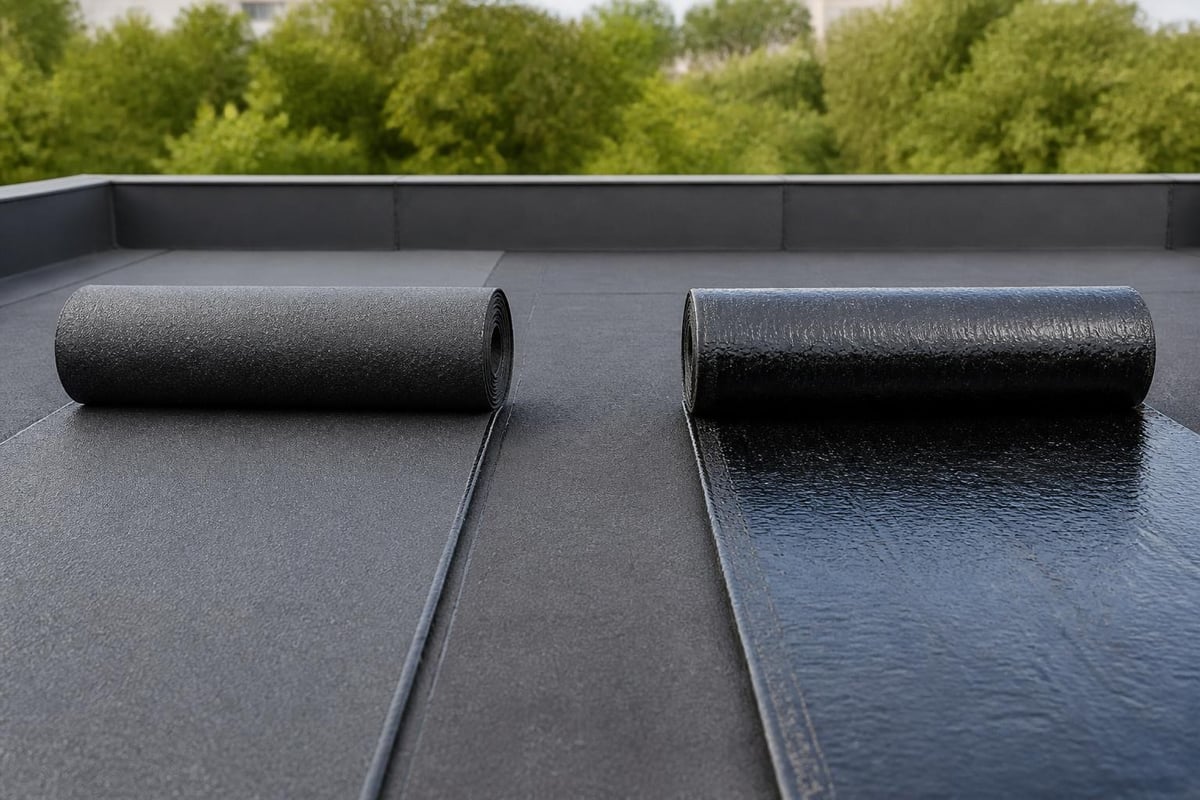
According to the National Roofing Contractors Association, field performance studies demonstrate that both APP and SBS modified bitumen roofs deliver reliable long-term performance when installed correctly. The reinforcement layer embedded within modified bitumen membranes typically consists of polyester, fiberglass, or a combination of both materials, providing tensile strength and dimensional stability.
Key Components of Modified Bitumen Systems
Modified bitumen roofing systems consist of multiple layers working together to create a waterproof barrier:
- Base sheet: Mechanically fastened or adhered to the roof deck, providing the foundation
- Ply sheets: Additional reinforcing layers that add strength and redundancy
- Cap sheet: The top layer featuring granules or a smooth finish for UV protection
- Flashing materials: Modified bitumen strips designed for transitions and penetrations
- Adhesives or asphalts: Used to bond layers together in certain installation methods
The cap sheet deserves special attention because it serves as the primary defense against weathering. Granulated cap sheets include ceramic-coated mineral granules that reflect UV radiation and provide fire resistance. These granules come in various colors, allowing property owners to select options that complement their building aesthetics while maintaining the NRCA’s recommended installation practices.
Installation Methods for Modified Bitumen Roofing
The versatility of modified bitumen roofing extends to its installation options. Contractors can choose from several application methods based on project requirements, building codes, and environmental considerations.
Torch-Applied Method
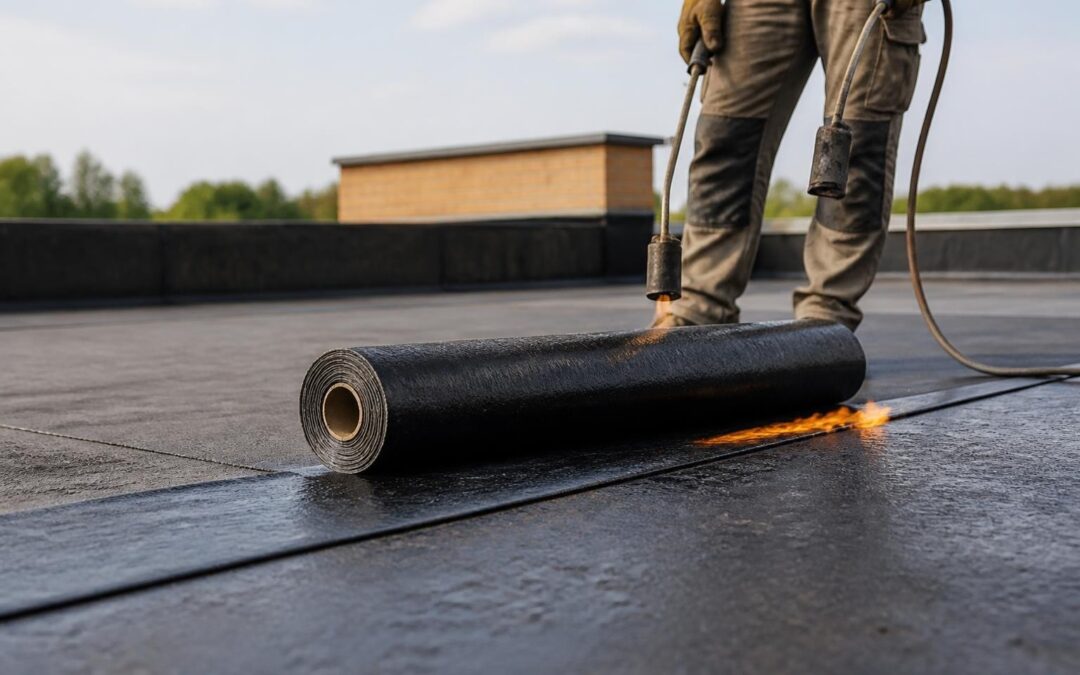
Torch-applied installation involves using a propane torch to heat the underside of the membrane, melting the asphalt layer to create a bond with the substrate. This method creates a strong, continuous bond that eliminates fastener penetrations. However, it requires experienced technicians and strict fire safety protocols. Many Los Angeles commercial properties utilize torch-down roofing for its reliable waterproofing capabilities.
Cold-Applied Method
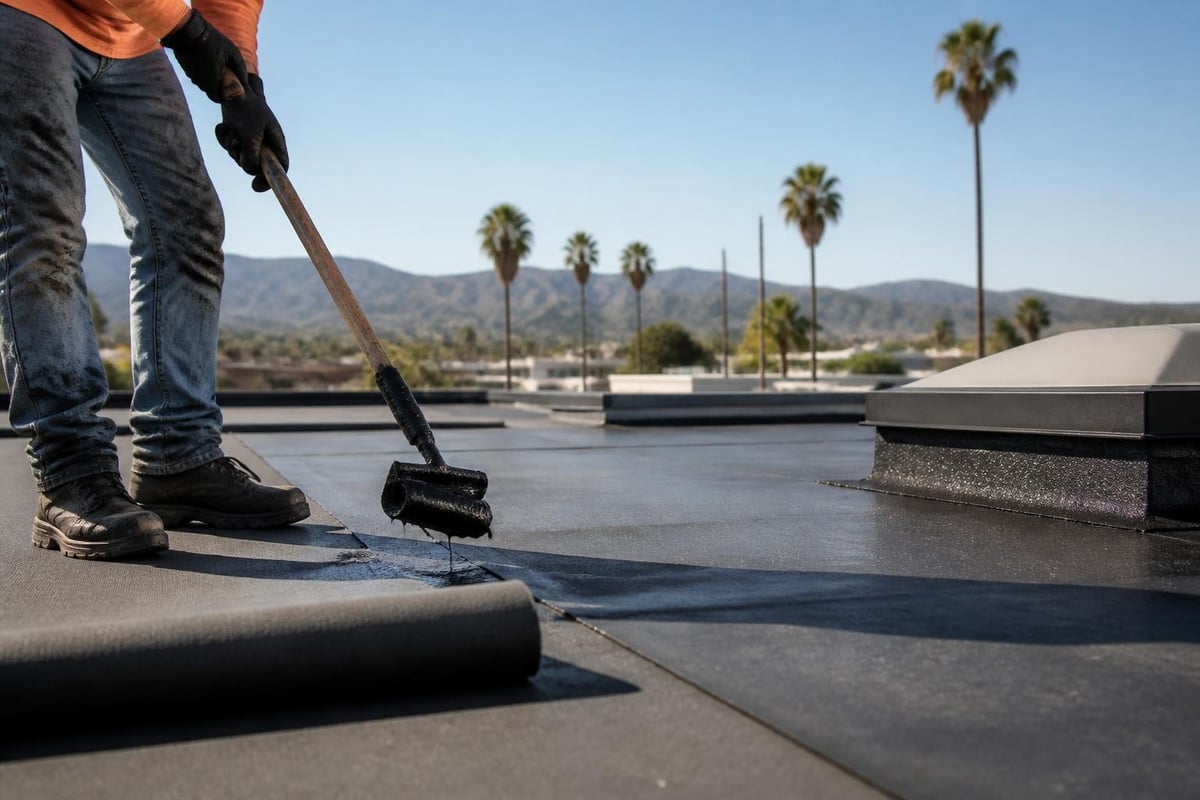
Cold-applied systems use adhesives instead of heat, making them safer for occupied buildings and structures where open flame poses risks. This method has gained popularity due to reduced fire hazards and the ability to work in temperature-sensitive environments.
| Installation Method | Advantages | Considerations |
|---|---|---|
| Torch-Applied | Strong adhesion, minimal seams | Requires fire permits, skilled labor |
| Cold-Applied | No open flame, safer application | Temperature-dependent curing |
| Self-Adhered | Easy installation, no heat or adhesives | Higher material cost, substrate preparation critical |
| Hot-Mopped | Traditional reliability, proven performance | Odor concerns, kettle equipment needed |
Self-Adhered Applications
Self-adhered modified bitumen membranes feature a factory-applied adhesive protected by a release film. Installers simply remove the release film and press the membrane into place. This method offers excellent control and consistency, though it demands meticulous surface preparation and cleaning.
The construction specification guidelines emphasize that regardless of the application method chosen, proper substrate preparation remains fundamental to system performance. The roof deck must be clean, dry, and structurally sound before installation begins.
Performance Characteristics and Durability
Modified bitumen roofing systems deliver exceptional performance metrics that justify their widespread adoption in commercial and residential applications. Understanding these characteristics helps property owners make informed decisions about roofing investments.
Lifespan expectations for modified bitumen roofing typically range from 20 to 30 years, with some systems exceeding these timelines when maintained properly. The polymer modification significantly extends the service life compared to conventional built-up roofing by resisting thermal shock and weathering degradation.
The flexibility of SBS-modified membranes allows them to accommodate building movement and thermal expansion without compromising the waterproof seal. This elasticity proves particularly valuable in earthquake-prone regions like Los Angeles, where structural shifting can stress rigid roofing materials.
Weather Resistance
Modified bitumen roofing excels in diverse weather conditions:
- Heat resistance: APP formulations withstand prolonged sun exposure without softening
- Cold tolerance: SBS maintains flexibility in freezing temperatures
- Wind uplift: Multi-ply systems with proper attachment resist high winds
- Puncture resistance: Reinforced membranes tolerate foot traffic and mechanical stress
- Water shedding: Smooth or slightly sloped surfaces prevent ponding water
InspectAPedia’s comprehensive guide documents common defects and performance issues, noting that most failures result from improper installation or inadequate maintenance rather than material deficiencies. Regular inspections identify potential problems before they escalate into costly repairs.
Cost Considerations and Return on Investment
Understanding the financial aspects of modified bitumen roofing helps property owners budget appropriately and evaluate long-term value. Installation costs vary based on multiple factors including project scope, membrane type, installation method, and regional labor rates.
In the Los Angeles area, modified bitumen roofing typically costs between $4 and $8 per square foot installed, positioning it as a mid-range option between basic single-ply membranes and premium systems. This pricing reflects material quality, labor expertise, and the multi-layer construction that provides superior protection.
Cost Breakdown by Component
Property owners investing in modified bitumen roofing should consider these cost elements:
- Material costs: Base sheets, ply sheets, cap sheets, and adhesives comprise 40-50% of total expense
- Labor expenses: Professional installation represents 35-45% of project costs
- Preparation work: Deck repairs, insulation upgrades, and tear-off add 10-20%
- Accessories: Flashing, fasteners, edge metal, and penetration details contribute 5-10%
The return on investment for modified bitumen roofing becomes apparent through reduced maintenance requirements and extended service life. Property owners who implement preventive maintenance programs maximize their investment by identifying minor issues before they require extensive repairs. When considering a roof replacement project, the durability and proven track record of modified bitumen make it a financially sound choice for flat and low-slope applications.
Energy efficiency represents another financial consideration. Reflective granule cap sheets qualify for cool roof programs in many jurisdictions, potentially reducing cooling costs and earning utility rebates. White or light-colored granulated surfaces reflect solar radiation, lowering roof surface temperatures by 30-50 degrees Fahrenheit compared to dark surfaces.
Maintenance Requirements and Inspection Protocols
Proactive maintenance extends modified bitumen roofing lifespan and prevents premature failures. A structured inspection and maintenance program identifies vulnerabilities before they compromise the building envelope.
Recommended Inspection Schedule
Professional roof inspections should occur biannually, typically in spring and fall. These examinations assess membrane condition, identify damage from storms or debris, and verify drainage system functionality. Additional inspections following severe weather events help catch storm damage early.
Property managers and building owners should monitor these critical areas:
- Seams and laps: Check for separation, lifting, or inadequate bonding between membrane sheets
- Flashings: Examine transitions at walls, penetrations, and roof edges for gaps or deterioration
- Surface condition: Look for blistering, cracking, granule loss, or surface erosion
- Drainage: Ensure drains, scuppers, and gutters remain clear and functional
- Ponding water: Identify areas where water stands more than 48 hours after rainfall
The Canadian Roofing Contractors Association emphasizes that modified bituminous membranes require minimal maintenance when properly installed, but neglecting routine care accelerates deterioration and voids warranties.
Common Maintenance Tasks
| Maintenance Activity | Frequency | Purpose |
|---|---|---|
| Debris removal | Quarterly | Prevents moisture retention and drainage blockage |
| Seam inspection | Biannually | Identifies early separation before leaks develop |
| Drain cleaning | Quarterly | Maintains proper water evacuation |
| Penetration checks | Biannually | Ensures flashings remain watertight |
| Granule assessment | Annually | Monitors UV protection degradation |
Small repairs addressed promptly prevent escalation into major problems requiring extensive intervention. Understanding roof repair approaches helps property owners respond appropriately when maintenance reveals deficiencies.
Comparing Modified Bitumen to Alternative Roofing Systems
Selecting the optimal roofing system requires evaluating modified bitumen against other flat and low-slope options. Each system offers distinct advantages depending on building type, budget, and performance priorities.
Modified Bitumen vs. Single-Ply Membranes
Single-ply membranes like TPO and EPDM represent the primary alternative to modified bitumen for flat roofs. TPO (thermoplastic polyolefin) offers heat-welded seams and reflective surfaces, while EPDM (ethylene propylene diene monomer) provides rubber-like flexibility and ease of installation.
Modified bitumen distinguishes itself through multi-layer redundancy. While single-ply systems rely on a single membrane layer, modified bitumen's multiple plies create backup protection if the cap sheet experiences damage. This redundancy appeals to property owners prioritizing reliability over initial cost savings.
Modified Bitumen vs. Built-Up Roofing
Traditional built-up roofing (BUR) shares modified bitumen's multi-layer construction philosophy but uses conventional asphalt instead of polymer-modified materials. Modified bitumen improves upon BUR technology by incorporating polymers that enhance flexibility, longevity, and temperature performance.
McKay Roofing’s comparison guide notes that modified bitumen typically outperforms traditional BUR in thermal cycling resistance and installation efficiency. The lighter weight of modified bitumen systems also reduces structural load compared to traditional built-up roofing with gravel surfacing.
Property owners exploring options beyond modified bitumen might consider asphalt shingles for pitched sections or metal roofing for enhanced durability, though these alternatives suit different roof configurations and architectural requirements.
Environmental Impact and Sustainability Considerations
The roofing industry increasingly prioritizes environmental responsibility, and modified bitumen systems address sustainability through multiple avenues. Understanding the environmental profile helps property owners align roofing decisions with corporate sustainability goals or personal environmental values.
Recycling and Renewable Content
Many modified bitumen manufacturers incorporate recycled materials into their products, including post-consumer content in reinforcement layers and reclaimed asphalt. Some products contain bio-based modifiers derived from renewable resources, reducing petroleum dependence.
End-of-life recycling programs accept removed modified bitumen roofing, processing it into paving materials or new roofing products. This circular approach diverts waste from landfills and conserves raw materials.
Cool roof formulations featuring reflective granules reduce urban heat island effects and lower building cooling demands. These energy savings translate to reduced greenhouse gas emissions from power generation. Light-colored modified bitumen roofs can achieve Solar Reflectance Index (SRI) values qualifying for LEED credits and local cool roof requirements.
Long-Term Environmental Benefits
The 20-30 year lifespan of modified bitumen roofing means fewer replacement cycles compared to shorter-lived alternatives, reducing manufacturing impacts and installation waste over building lifetimes. Durable roofing systems that resist damage minimize repair material consumption and the environmental costs of frequent maintenance interventions.
Research into modified bitumen blend technology continues advancing material performance while addressing environmental concerns. Innovations in polymer formulations and manufacturing processes aim to enhance sustainability without compromising the waterproofing reliability that defines modified bitumen systems.
Common Problems and Troubleshooting Solutions
Despite excellent performance characteristics, modified bitumen roofing occasionally develops issues requiring attention. Recognizing common problems and understanding appropriate solutions helps property owners respond effectively.
Blister Formation
Blisters appear as raised bubbles in the membrane surface, typically caused by moisture trapped between layers or beneath the membrane. Thermal cycling expands trapped moisture vapor, creating pressure that lifts the membrane. Small blisters may not require immediate repair if they remain intact, but large or widespread blistering indicates installation problems or moisture intrusion.
Addressing blisters involves cutting an X-pattern through the raised area, allowing trapped moisture to escape, then resealing with compatible patching materials and heat or adhesive.
Seam Separation
Seam failures represent the most common leak source in modified bitumen roofing. Inadequate heat during torch application, insufficient adhesive in cold-applied systems, or surface contamination during installation can compromise seam integrity. The roof leak repair resource identifies seam separation as a primary failure mode requiring systematic inspection and repair.
Repairing separated seams involves cleaning the affected area, applying primer if necessary, and securing the seam with heat fusion, adhesive, or a seam tape compatible with the existing membrane.
Granule Loss and Surface Erosion
Cap sheet granules protect underlying asphalt from UV degradation. Normal weathering gradually removes granules over the roof's lifespan, but accelerated loss indicates quality issues or severe weather exposure. Extensive granule loss exposes asphalt to direct sunlight, accelerating deterioration.
Coating severely weathered modified bitumen roofs with elastomeric or reflective coatings extends service life by providing renewed UV protection. This approach proves cost-effective compared to complete replacement when the underlying membrane remains structurally sound.
Punctures and Physical Damage
Foot traffic, falling debris, and mechanical equipment can puncture modified bitumen membranes. The multi-layer construction typically contains damage to the affected ply, preventing immediate leaks, but repairs should address punctures promptly to maintain waterproofing integrity.
Patch repairs involve cleaning the damaged area, cutting a patch from compatible material extending several inches beyond the damage, and securing it with heat fusion or adhesive depending on the membrane type and installation method.
Selecting Contractors and Quality Assurance
Professional installation determines modified bitumen roofing performance more than any other factor. Choosing qualified contractors and implementing quality assurance protocols protects your investment and ensures optimal system performance.
Contractor Qualifications to Verify
Property owners should evaluate contractors based on these credentials:
- Licensing and insurance: Verify current contractor licenses, general liability, and workers' compensation coverage
- Manufacturer certifications: Confirm training and approval from membrane manufacturers
- Experience with installation method: Ensure familiarity with the specific application technique (torch, cold-applied, self-adhered)
- Local project portfolio: Review completed projects in your area demonstrating relevant experience
- Warranty offerings: Understand both manufacturer material warranties and contractor workmanship guarantees
The history and development of modified bitumen reveals how proper installation techniques evolved alongside material improvements. Contractors staying current with industry best practices deliver superior results compared to those using outdated methods.
Quality Control During Installation
Active quality assurance during construction prevents deficiencies that compromise long-term performance:
- Substrate inspection: Verify deck dryness, structural adequacy, and proper slope before membrane installation
- Weather monitoring: Ensure installation occurs within manufacturer-specified temperature and moisture conditions
- Seam width verification: Confirm adequate overlap and complete bonding at all seams
- Detail execution: Inspect flashings, penetrations, and transitions for proper technique
- Final inspection: Conduct comprehensive review before contractor demobilization
For property owners planning new roof installation projects, establishing clear quality expectations and inspection protocols ensures contractor accountability throughout the construction process.
Modified bitumen roofing provides Los Angeles property owners with a proven, durable solution for flat and low-slope applications, combining traditional reliability with modern polymer technology for enhanced performance. Whether you're considering a new installation, planning a replacement, or need expert repairs, Proof Your Roof delivers professional roofing services backed by quality craftsmanship and comprehensive customer support. Contact our experienced team today to discuss how modified bitumen roofing can protect your residential or commercial property for decades to come.