

The roofing industry across America continues to evolve at a remarkable pace, with nationwide roofing companies and local contractors alike adapting to new technologies, materials, and customer expectations. As we progress through 2026, understanding the landscape of nationwide roofing services becomes essential for property owners seeking quality workmanship, reliable warranties, and contractors who can meet stringent industry standards. Whether you're planning a residential roof replacement or managing commercial properties across multiple locations, knowing what sets professional roofing services apart helps you make informed decisions that protect your investment for decades.
The State of Nationwide Roofing in 2026
The roofing industry has experienced substantial transformation over the past year, with market dynamics shifting in response to climate challenges, technological innovations, and evolving consumer preferences. According to industry projections for 2026, insurance-driven replacements and storm damage claims continue to fuel significant portions of roofing demand across the country.
Nationwide roofing contractors face unique challenges compared to their regional counterparts. Managing quality control across multiple states, navigating diverse building codes, and maintaining consistent service standards requires sophisticated operational systems and well-trained teams. The best nationwide roofing operations invest heavily in training programs, standardized installation protocols, and customer service frameworks that ensure consistency regardless of location.
Market Growth and Economic Factors
Recent data reveals that the roofing sector maintains robust growth trajectories despite economic uncertainties. The 2025 State of the Roofing Industry report highlights how contractors are managing supply chain improvements, labor challenges, and pricing pressures while meeting increased demand.
Key economic indicators affecting nationwide roofing include:
- Material cost stabilization after years of volatility
- Labor shortages driving wage increases and recruitment initiatives
- Technology investments improving efficiency and reducing project timelines
- Insurance policy changes impacting replacement cycles
- Regional climate events creating localized demand surges
The economic landscape demands that nationwide roofing companies maintain financial flexibility while delivering consistent value to customers across diverse markets.
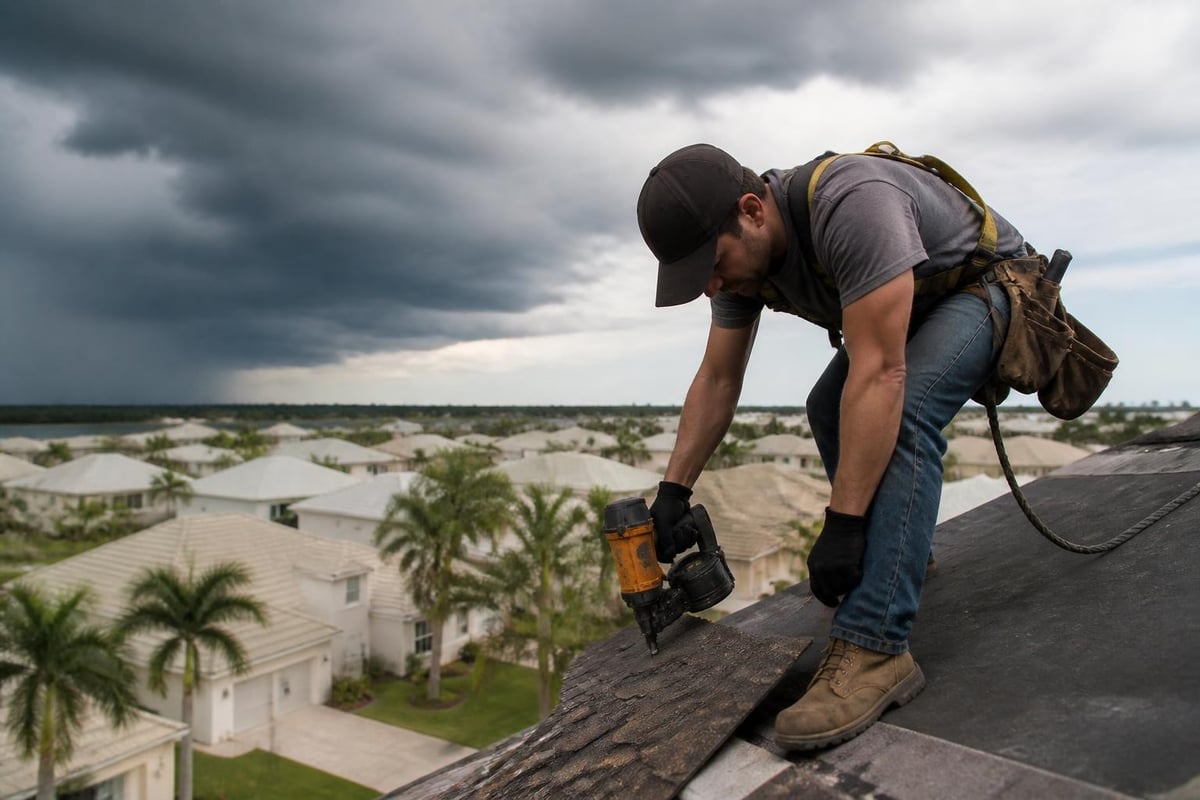
Selecting a Nationwide Roofing Contractor
Choosing the right roofing contractor represents one of the most critical decisions property owners make. While nationwide roofing companies offer certain advantages, local expertise and community accountability often prove equally valuable. Understanding what to look for helps you identify contractors who combine professional excellence with customer-focused service.
Essential Qualification Criteria
| Qualification Factor | Why It Matters | What to Verify |
|---|---|---|
| Licensing and Insurance | Legal compliance and liability protection | Current state licenses, liability coverage, workers' comp |
| Industry Certifications | Manufacturer training and quality standards | GAF Master Elite, CertainTeed Select, Owens Corning Preferred |
| Local References | Track record in your area | Recent projects, customer testimonials, BBB ratings |
| Warranty Coverage | Long-term protection for your investment | Workmanship warranties, material warranties, transferability |
| Safety Records | Worker protection and site management | OSHA compliance, safety training programs, incident rates |
When evaluating nationwide roofing options, verify that the contractor maintains proper credentials in your specific state. Building codes and licensing requirements vary significantly across jurisdictions, and legitimate contractors ensure full compliance wherever they operate.
The Importance of Local Presence
Even when considering nationwide roofing companies, local presence matters tremendously. Contractors with established offices in your region understand local building codes, weather challenges, and permit processes. They respond faster to warranty issues, maintain relationships with local suppliers, and demonstrate commitment to community reputation.
Property owners in Los Angeles and surrounding areas benefit from contractors who understand California's specific requirements for earthquake resistance, fire ratings, and energy efficiency standards. These regional considerations often matter more than nationwide brand recognition when ensuring your roof performs optimally in local conditions.
Roofing Materials and Installation Standards
The nationwide roofing industry offers property owners an extensive array of material options, each with distinct advantages for different climates, architectural styles, and budget considerations. Understanding these options helps you select solutions that balance aesthetics, durability, and long-term value.
Popular Roofing Material Categories
Asphalt Shingles remain the dominant choice for residential applications across America, accounting for over 70% of installations. Asphalt shingles roof systems utilize either organic or fiberglass bases, with fiberglass options offering superior fire resistance and longer lifespans. Modern architectural shingles provide enhanced curb appeal while maintaining the affordability that makes asphalt the go-to choice for budget-conscious homeowners.
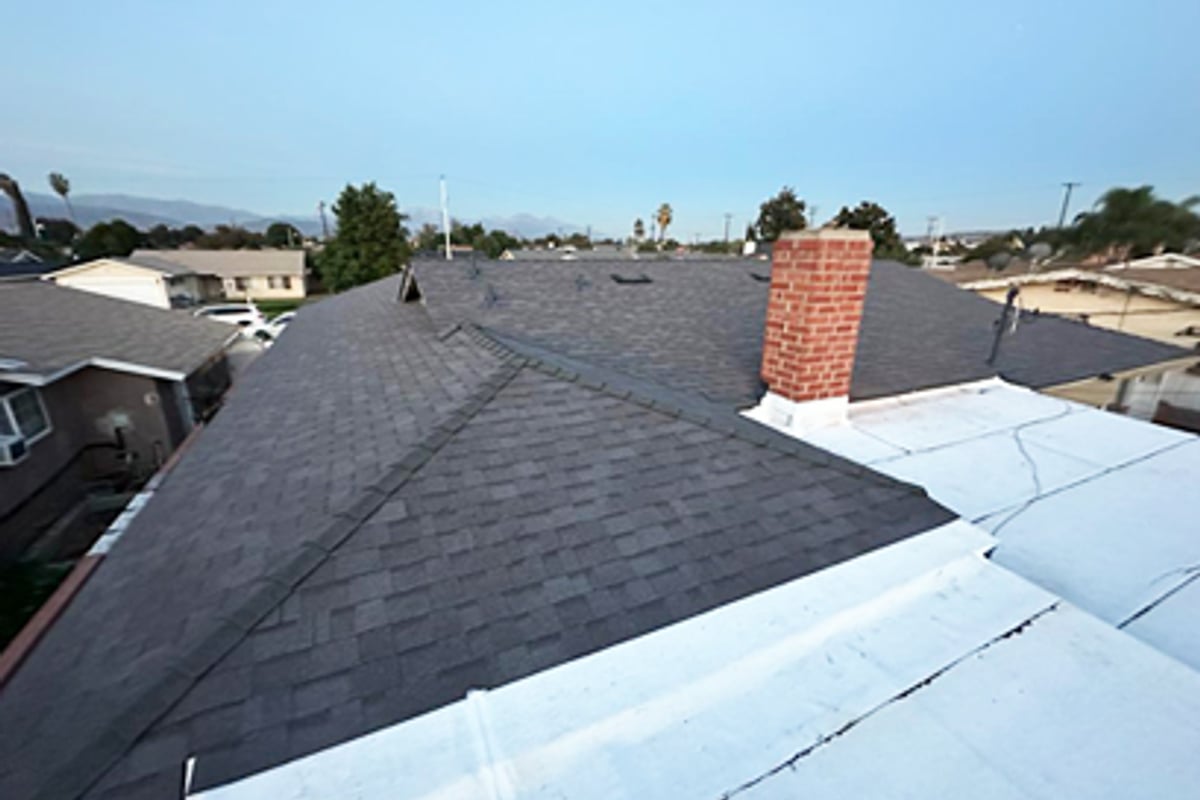
Metal Roofing continues gaining market share, particularly in areas prone to severe weather. Metal roofs offer exceptional longevity (40-70 years), energy efficiency through reflective coatings, and resistance to fire, wind, and impact damage. Initial costs run higher than asphalt, but lifecycle value often exceeds traditional materials.
Tile Roofing suits Mediterranean and Spanish-style architecture prevalent in regions like Southern California. Clay and concrete tiles provide outstanding durability, fire resistance, and distinctive aesthetics. Weight considerations require structural evaluation before installation.
Synthetic Roofing products increasingly replicate the appearance of slate, wood shake, and tile while offering improved durability and lower maintenance requirements. These engineered materials appeal to property owners seeking specific aesthetics without the weight or maintenance challenges of traditional options.
Installation Best Practices
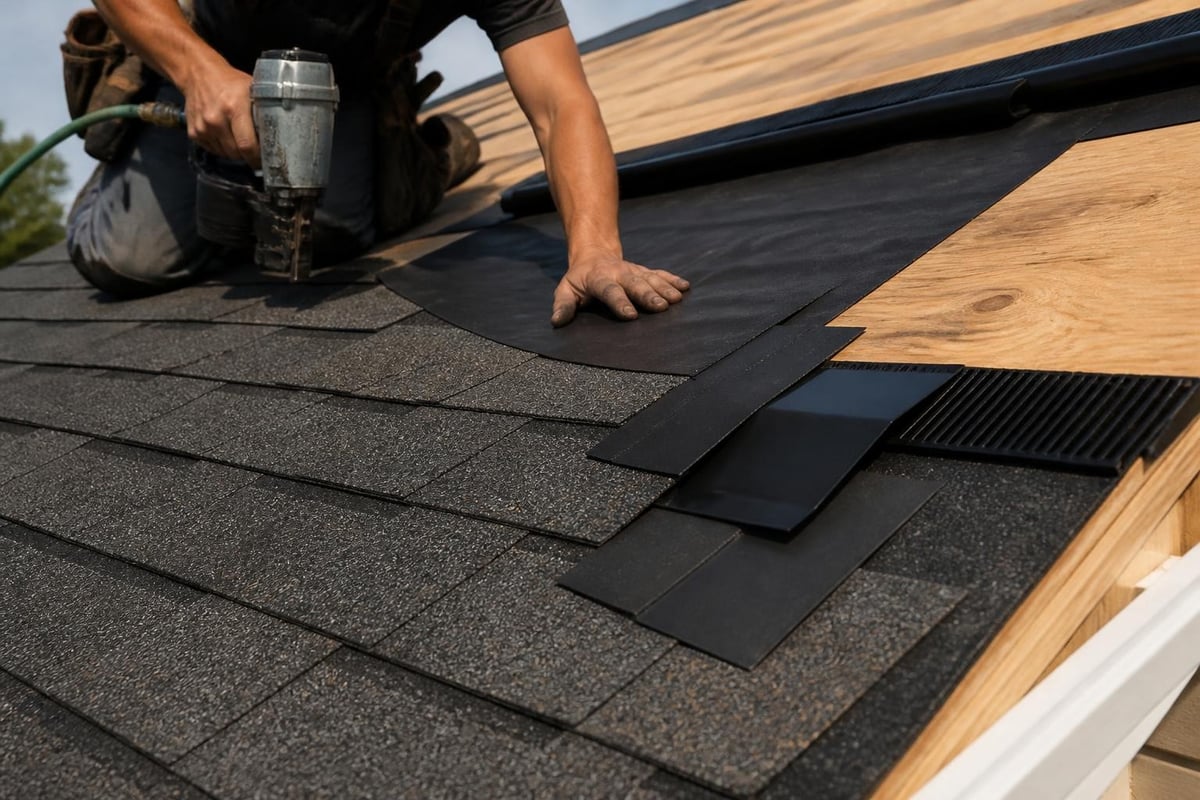
Proper installation determines roof performance regardless of material quality. Nationwide roofing standards emphasize several critical installation elements:
- Deck Preparation: Ensuring solid, clean substrate free from deterioration
- Underlayment Selection: Installing appropriate water barriers for climate conditions
- Flashing Details: Properly sealing penetrations, valleys, and transitions
- Ventilation Design: Maintaining adequate airflow to prevent moisture accumulation
- Edge Protection: Installing drip edges, ice barriers, and proper drainage systems
The National Roofing Contractors Association’s guidelines provide comprehensive standards that professional contractors follow to ensure installations meet or exceed manufacturer specifications and local building codes.
Safety Standards and Regulatory Compliance
Safety represents a non-negotiable priority in professional roofing operations. Roofing safety standards established by OSHA mandate specific fall protection systems, equipment requirements, and training protocols that protect workers and property owners alike.
OSHA Requirements for Roofing Operations
Legitimate nationwide roofing contractors implement comprehensive safety programs that exceed minimum regulatory requirements. These programs include:
- Fall protection systems for work above six feet
- Personal protective equipment (PPE) for all workers
- Ladder safety and scaffolding protocols
- Hazard communication training
- Emergency response procedures
Property owners should verify that contractors maintain current safety certifications and workers' compensation insurance. Companies with strong safety records demonstrate professionalism and reduce liability risks for property owners.
Building Code Compliance
Building codes vary significantly across states and municipalities, creating complexity for nationwide roofing operations. Professional contractors maintain current knowledge of:
- Wind load requirements specific to regional conditions
- Fire rating standards for wildfire-prone areas
- Snow load calculations for northern climates
- Seismic considerations in earthquake zones
- Energy efficiency standards for cool roofing
California's stringent building codes, particularly Title 24 energy standards and wildland-urban interface fire requirements, demand specialized expertise that local contractors understand thoroughly.
Industry Trends Shaping Nationwide Roofing
The roofing industry embraces innovation across multiple dimensions, from material science to project management technologies. Understanding current roofing industry trends helps property owners anticipate how services will evolve and what advantages emerging practices offer.
Technological Advancement
Drone Inspections have revolutionized roof assessments, enabling comprehensive documentation without workers climbing every roof. Drones capture high-resolution imagery, thermal data for leak detection, and precise measurements that improve estimate accuracy while enhancing safety.
Satellite Measurement Systems allow contractors to generate detailed roof plans using aerial imagery, reducing site visit requirements and accelerating the estimating process. These systems benefit property owners through faster turnaround times and more accurate project scoping.
AI-Powered Analysis tools like those described in recent research on roof material classification enable automated damage detection and material identification, supporting more efficient inspections and risk assessments.
Project Management Software keeps customers informed throughout installation with real-time updates, photo documentation, and digital communication channels that improve transparency and accountability.
Sustainability and Energy Efficiency
Environmental considerations increasingly influence material selection and installation practices across nationwide roofing operations:
- Cool Roofing Technologies: Reflective coatings and light-colored materials reduce heat absorption, lowering cooling costs and urban heat island effects
- Solar Integration: Roof designs increasingly accommodate photovoltaic systems, with some materials incorporating solar capabilities directly
- Recycled Content: Manufacturers expand use of recycled materials in shingles, underlayments, and accessories
- Extended Lifecycles: Focus on durability and longevity reduces replacement frequency and associated environmental impacts
Property owners benefit from these trends through reduced energy bills, potential tax incentives, and alignment with sustainability goals.
Warranty and Service Innovations
The nationwide roofing industry increasingly emphasizes comprehensive warranty coverage and long-term service relationships. Leading contractors now offer:
| Warranty Component | Traditional Coverage | Enhanced Modern Coverage |
|---|---|---|
| Workmanship | 1-2 years | 10-25 years |
| Materials | 20-30 years | Lifetime limited |
| Wind Resistance | Separate claim | Integrated coverage |
| Algae Resistance | Not included | 10+ years |
| Transferability | Limited or none | Full transfer options |
These expanded warranties demonstrate contractor confidence in their work while providing property owners greater peace of mind and investment protection.
Commercial vs. Residential Nationwide Roofing
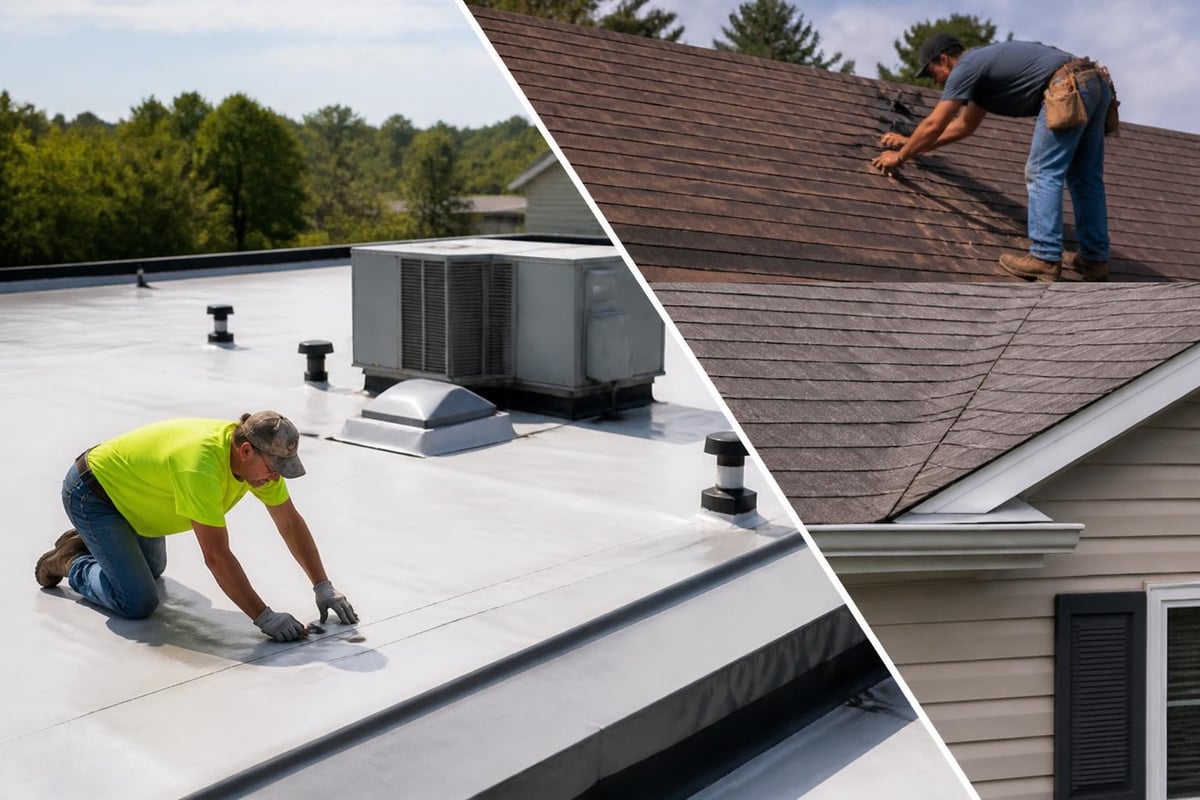
Nationwide roofing encompasses distinct commercial and residential sectors, each with specialized requirements, materials, and contractor expertise. Understanding these differences helps property owners select appropriately qualified contractors for their specific needs.
Residential Roofing Characteristics
Residential roofing prioritizes aesthetics alongside performance, with homeowners seeking materials that complement architectural styles while providing reliable protection. Projects typically involve:
- Single-family homes, townhomes, and small multi-family buildings
- Pitched roof designs with various slopes and complexities
- Aesthetic materials like asphalt shingles, tile, or wood shake
- Individual homeowner decision-making and financing
- Shorter project durations (1-7 days for typical homes)
The 2025 U.S. Roofing Project Demand study analyzing over 16,000 homeowner requests reveals preferences toward architectural shingles, increased interest in impact-resistant materials, and growing demand for enhanced ventilation systems.
Commercial Roofing Requirements
Commercial projects involve larger scales, different materials, and more complex specifications:
- Low-slope or flat roof systems requiring specialized membranes
- TPO, EPDM, PVC, or modified bitumen materials
- Building code requirements for fire ratings and wind uplift
- Multi-phase projects accommodating business operations
- Longer project timelines and staged installations
Commercial nationwide roofing contractors maintain different equipment, expertise, and safety protocols compared to residential specialists. Property managers should verify commercial-specific experience, references, and bonding capacity when selecting contractors for business properties.
Regional Considerations in Nationwide Roofing
Climate variations across America create distinct roofing challenges that nationwide roofing contractors must address through appropriate material selection and installation techniques. Regional expertise proves critical for optimal roof performance and longevity.
Climate-Specific Requirements
Coastal Regions face salt air exposure, hurricane-force winds, and intense sun requiring:
- Impact-resistant materials rated for high winds
- Corrosion-resistant fasteners and flashing
- Enhanced uplift resistance through additional attachment
Northern Climates contend with heavy snow loads, ice damming, and freeze-thaw cycles demanding:
- Structural capacity for snow accumulation
- Ice and water shield in vulnerable areas
- Proper attic insulation and ventilation preventing ice dams
Desert Environments experience extreme temperature fluctuations and intense UV exposure necessitating:
- Heat-reflective materials reducing cooling loads
- UV-resistant compounds preventing premature degradation
- Thermal expansion considerations in material selection
Wildfire Zones require specialized approaches protecting against ember intrusion:
- Class A fire-rated materials
- Ember-resistant edge details
- Maintenance protocols removing combustible debris
Los Angeles properties face unique combinations of seismic considerations, wildfire risk in foothill areas, and coastal exposure in beach communities. Contractors serving this market must understand how these factors influence material selection and installation details.
Quality Control and Project Management
Professional nationwide roofing operations distinguish themselves through systematic quality control and transparent project management. These practices ensure consistent results and positive customer experiences across all locations and project types.
Quality Assurance Processes
Leading contractors implement multi-stage inspection protocols:
- Pre-Installation Assessment: Evaluating structural conditions, identifying needed repairs, confirming material selections
- Material Verification: Inspecting delivered products for quality, correct specifications, and sufficient quantities
- Installation Monitoring: Supervisor oversight ensuring crew adherence to manufacturer specifications and company standards
- Progressive Inspections: Checking critical stages like underlayment, flashing, and valley installations before proceeding
- Final Walkthrough: Comprehensive review with property owner addressing concerns and confirming satisfaction
Documentation through photos, checklists, and reports creates accountability while providing property owners records supporting warranty claims if future issues arise.
Customer Communication Standards
Transparent communication separates professional contractors from less sophisticated competitors. Best practices include:
- Detailed Written Estimates: Itemized pricing, scope descriptions, timeline projections, and exclusions clearly stated
- Project Schedules: Realistic timelines with weather contingencies and communication protocols for delays
- Daily Updates: Progress reports, photos, and next-step previews keeping property owners informed
- Accessibility: Responsive communication channels and designated project contacts
- Post-Project Follow-up: Quality checks, warranty registration, and maintenance guidance after completion
These practices build trust and demonstrate the professionalism property owners should expect from nationwide roofing contractors.
Maintenance and Longevity Strategies
Proper maintenance significantly extends roof lifespans and protects property values. Professional nationwide roofing contractors educate customers about maintenance requirements and often offer ongoing service programs supporting long-term performance.
Essential Maintenance Activities
Regular Inspections represent the foundation of roof longevity:
- Annual professional inspections identifying minor issues before major failures
- Post-storm assessments documenting damage for insurance claims
- Seasonal checks before winter or summer extremes
Debris Removal prevents moisture retention and material degradation:
- Clearing leaves, branches, and accumulated debris from roof surfaces
- Cleaning gutters and downspouts ensuring proper drainage
- Trimming overhanging branches preventing future accumulation
Proactive Repairs address small problems economically:
- Replacing damaged or missing shingles promptly
- Resealing flashing and penetrations showing deterioration
- Addressing minor leaks before water damage spreads
Ventilation Maintenance protects against moisture damage:
- Ensuring intake and exhaust vents remain unobstructed
- Verifying attic insulation doesn't block airflow pathways
- Monitoring attic conditions for moisture or temperature extremes
The evolving roofing industry landscape shows contractors increasingly offering maintenance programs that provide scheduled inspections, priority service, and discounted repairs to program members.
Warning Signs Requiring Professional Attention
Property owners should contact qualified contractors when observing:
- Granule Loss: Shingle granules accumulating in gutters indicating advanced wear
- Curling or Buckling: Shingle distortion suggesting moisture issues or improper installation
- Missing Shingles: Wind damage or adhesive failure creating vulnerability
- Flashing Deterioration: Rust, separation, or damage around chimneys and valleys
- Interior Signs: Water stains, mold growth, or daylight visible through roof deck
Early intervention prevents minor issues from escalating into costly damage requiring extensive repairs or premature replacement.
Investment Protection and ROI
Roofing represents a significant investment that impacts property value, energy costs, and long-term maintenance expenses. Understanding financial considerations helps property owners make informed decisions maximizing return on investment.
Cost Factors in Nationwide Roofing
Multiple variables influence project costs:
- Material Selection: Premium products command higher prices but offer extended lifespans
- Roof Complexity: Multiple levels, steep pitches, and architectural details increase labor requirements
- Removal Requirements: Disposing of existing materials, particularly multiple layers, adds expense
- Structural Repairs: Addressing deck damage or inadequate framing before installation
- Local Market Conditions: Labor costs, permit fees, and competitive dynamics vary by region
Property owners should obtain multiple detailed estimates comparing scope, materials, and warranties rather than focusing solely on bottom-line pricing.
Return on Investment Considerations
Quality roofing delivers returns through multiple channels:
| ROI Category | Impact | Measurement |
|---|---|---|
| Property Value | 60-70% cost recovery at resale | Appraisal increases, buyer appeal |
| Energy Savings | 10-25% cooling cost reduction | Monthly utility bills |
| Maintenance Reduction | Fewer repairs over lifespan | Annual maintenance expenses |
| Insurance Benefits | Potential premium reductions | Policy rate changes |
| Warranty Protection | Reduced out-of-pocket repair costs | Claim utilization |
The highest returns come from selecting appropriate materials for your climate, working with qualified contractors ensuring proper installation, and maintaining roofs proactively throughout their service lives.
Financing Options
Nationwide roofing contractors increasingly offer financing programs making quality installations accessible:
- Contractor Financing: Direct payment plans through roofing companies
- Home Equity Products: Lines of credit or loans leveraging property value
- Personal Loans: Unsecured financing for smaller projects
- Insurance Proceeds: Using claim settlements for damage-related replacements
- Energy Efficiency Incentives: Rebates and tax credits for qualifying materials
Property owners should evaluate interest rates, payment terms, and total costs when considering financing options, ensuring monthly obligations align with budgets.
Navigating the nationwide roofing landscape requires understanding industry trends, material options, contractor qualifications, and regional considerations that influence project success. Property owners who invest time researching these factors position themselves to make informed decisions protecting their homes and businesses for decades. Whether you're planning a residential roof replacement in Los Angeles or managing commercial properties across California, partnering with experienced local contractors who combine technical expertise with customer-focused service delivers the best outcomes. Proof Your Roof brings decades of roofing excellence to residential and commercial clients throughout Los Angeles and surrounding areas, offering comprehensive services from new installations to ongoing maintenance programs that protect your investment.