
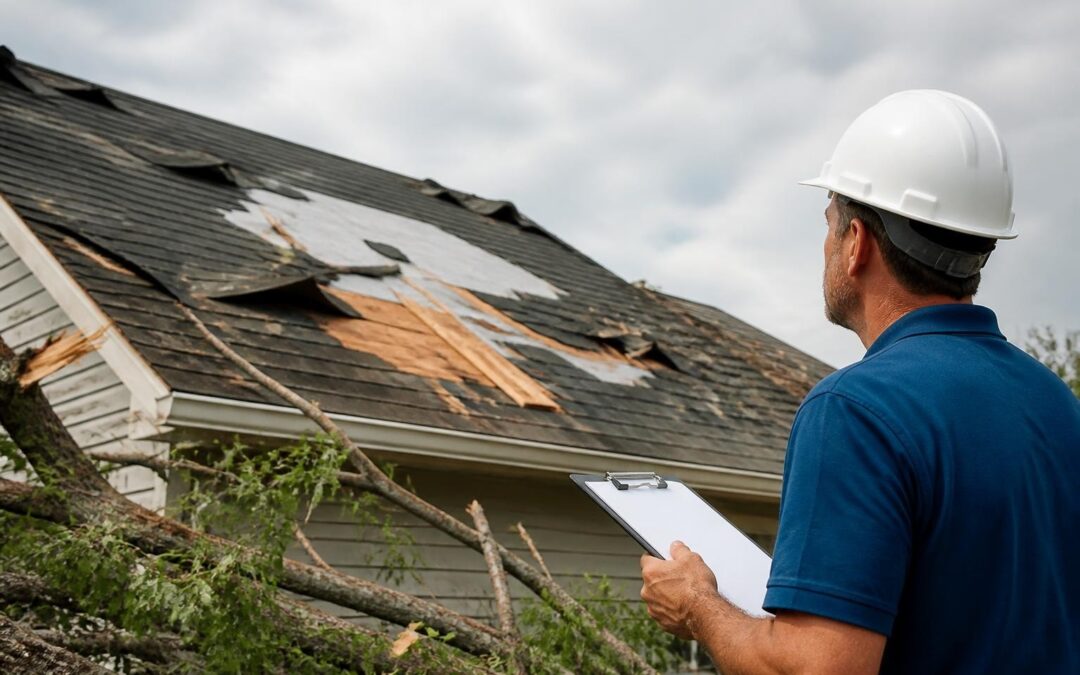
Southern California's unpredictable weather patterns have intensified in recent years, bringing powerful storms that test even the most robust roofing systems. When severe weather strikes Los Angeles and surrounding areas, property owners face urgent decisions about restoring their roofs to protect their investments. Pro storm repair goes beyond simple patching, requiring comprehensive assessment, strategic planning, and expert execution to ensure long-term protection. Understanding the full scope of professional storm damage restoration helps homeowners and commercial property managers make informed choices that safeguard their buildings for years to come.
Understanding Storm Damage Severity
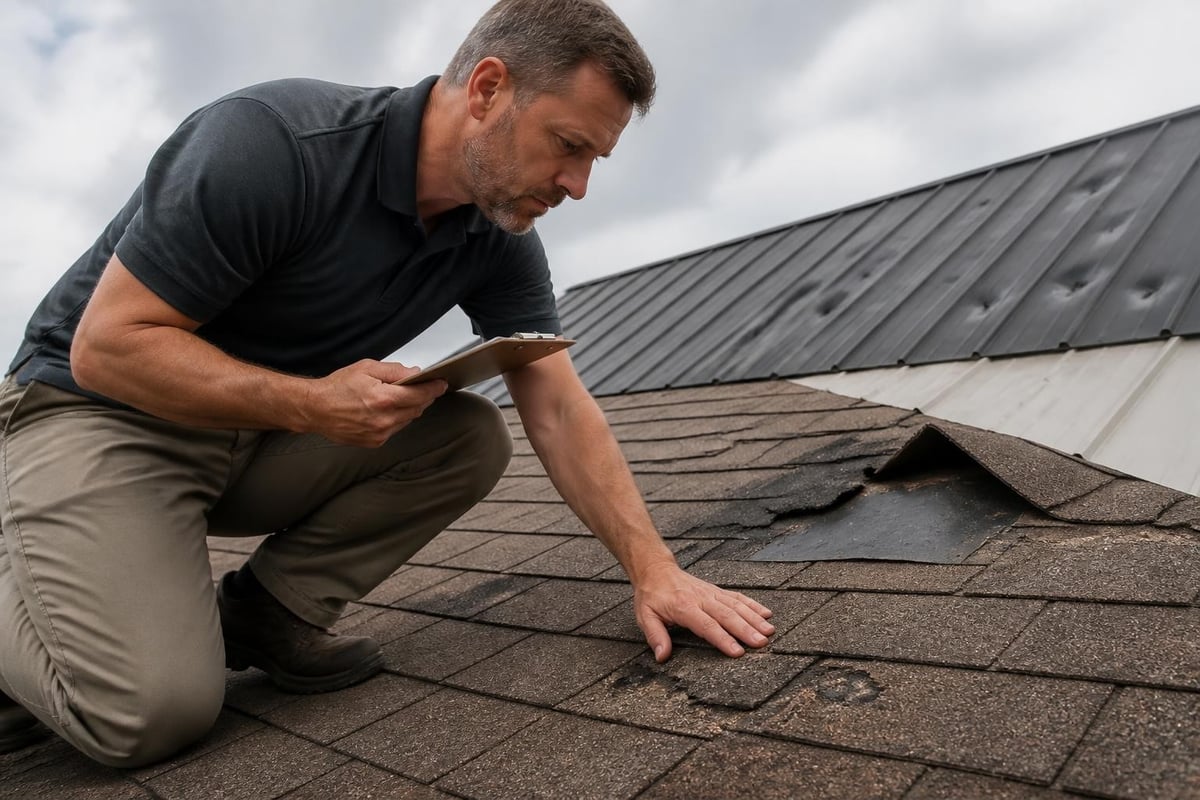
Storm damage manifests in numerous ways, from obvious holes and missing shingles to subtle compromises that only trained professionals can identify. Wind damage typically presents as lifted, curled, or completely missing shingles, while hail impact creates distinct bruising patterns on asphalt materials and cracks in tile or metal roofing.
Water infiltration represents one of the most dangerous consequences of storm events. Even minor breaches allow moisture to penetrate roof decking, insulation, and interior spaces, creating conditions for mold growth and structural deterioration. The Insurance Institute for Business & Home Safety conducts ongoing research into how different roofing systems perform under extreme weather conditions.
Immediate vs. Long-Term Damage
Some storm damage demands immediate attention, while other issues develop gradually over weeks or months. Emergency situations include:
- Active water leaks penetrating living or working spaces
- Structural compromises threatening building integrity
- Missing sections exposing interior areas to elements
- Fallen trees or debris creating safety hazards
Delayed manifestations often prove equally serious. Moisture trapped within roofing layers may not produce visible interior damage for several weeks, by which time significant deterioration has occurred. Thermal imaging and moisture meters help identify these hidden problems during pro storm repair assessments.
The Professional Assessment Process
Qualified roofing contractors follow systematic evaluation protocols to document all storm-related damage accurately. This comprehensive approach ensures nothing gets overlooked and provides the detailed documentation needed for insurance claims and repair planning.
Exterior Inspection Components
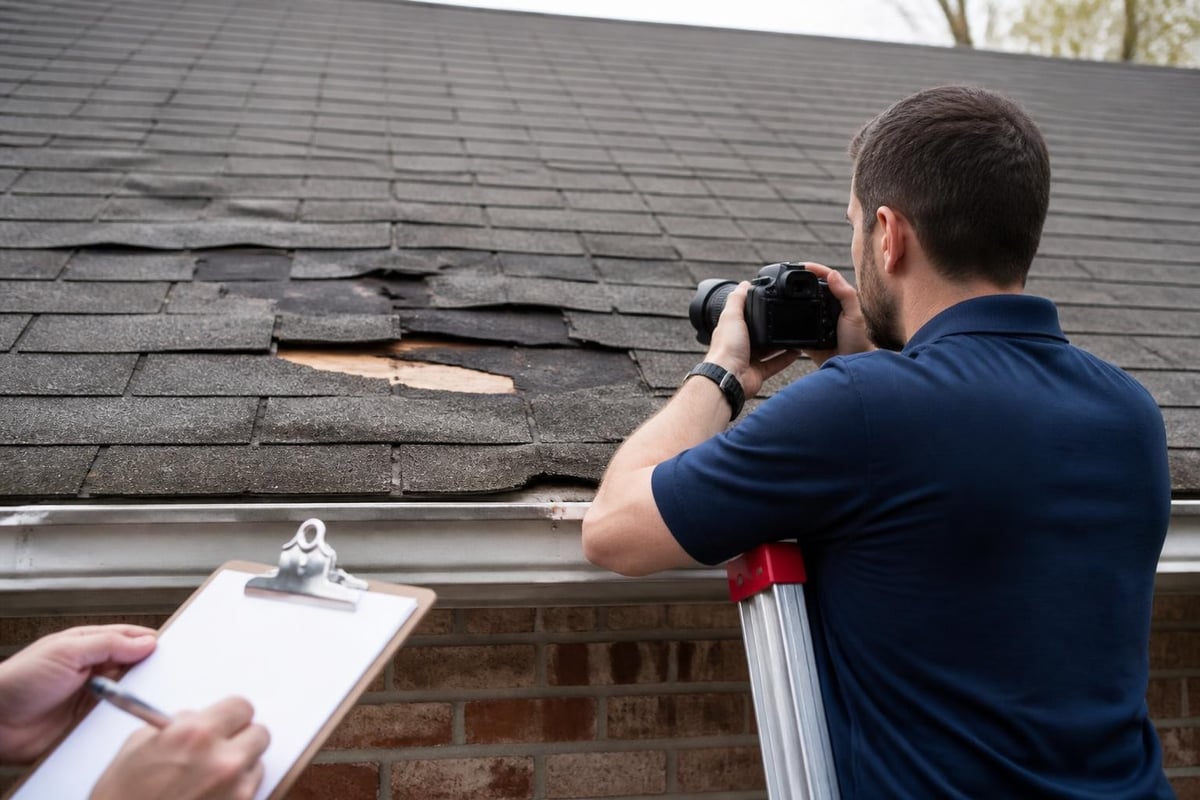
Professional inspectors examine every accessible roof surface, using binoculars or drones for steep or dangerous areas. They catalog damage to shingles, tiles, or metal panels while also checking flashing around chimneys, vents, and skylights. Gutters and downspouts receive scrutiny since storm debris often accumulates in these systems, causing secondary water damage.
The inspection extends beyond roofing materials themselves. Fascia boards, soffits, and trim elements frequently sustain wind damage that compromises the roof's overall weather-tight envelope. Inspectors document everything with photographs and detailed notes that create a permanent record of pre-repair conditions.
| Assessment Area | What Professionals Check | Why It Matters |
|---|---|---|
| Shingles/Tiles | Missing pieces, cracks, bruising, lifting | Primary weather barrier integrity |
| Flashing | Separation, corrosion, proper sealing | Prevents water entry at transitions |
| Decking | Soft spots, sagging, visible damage | Structural foundation for all roofing |
| Ventilation | Damaged vents, compromised airflow | Controls moisture and temperature |
| Gutters | Dents, separation, debris blockage | Proper water management system |
Interior Evaluation Methods
Attic and interior space examinations reveal damage that exterior inspections might miss. Water stains on decking undersides, wet insulation, and moisture patterns guide professionals to specific breach points. Proper pro storm repair addresses both the entry point and any resulting damage to building materials.
Insurance Claim Coordination
Navigating insurance claims after storm damage requires documentation, persistence, and knowledge of policy language. Professional roofing contractors experienced in storm restoration understand what insurers need and how to present damage evidence effectively.
Most homeowner policies cover sudden storm damage but exclude wear-and-tear or maintenance-related issues. The key distinction lies in proving that documented damage resulted directly from a specific weather event rather than gradual deterioration. Detailed photographs, date-stamped documentation, and professional assessments strengthen claims considerably.
Working With Adjusters
Insurance adjusters visit properties to evaluate damage and determine coverage amounts. Having your roofing contractor present during this inspection ensures that all damage gets identified and properly documented. Adjusters may miss subtle issues or underestimate repair complexity without professional input.
Some storm damage requires specialized knowledge to identify. For instance, hail impact on certain roofing materials creates fractures that may not fail immediately but significantly reduce the roof's expected lifespan. Experienced contractors recognize these conditions and advocate for appropriate coverage.
Material Selection for Storm Repairs
Choosing appropriate replacement materials involves balancing durability, aesthetics, building codes, and budget constraints. Not all roofing products perform equally well under Southern California's unique climate conditions and storm patterns.
Asphalt shingles remain the most common residential roofing material, offering good value and adequate storm resistance when properly installed. Impact-resistant shingles feature enhanced durability that better withstands hail and wind-driven debris. These products carry Class 4 impact ratings, the highest designation for residential roofing materials.
Clay and concrete tiles provide superior longevity and fire resistance, important considerations in Los Angeles and surrounding areas. Their weight and installation requirements demand structural evaluation, but properly installed tile roofs often outlast other materials by decades. Storm damage typically involves individual broken tiles rather than system-wide failure.
Metal roofing systems deliver exceptional wind resistance and increasingly appear on both residential and commercial properties. Standing seam designs shed water efficiently and resist uplift forces that compromise other materials. Metal's reflective properties also reduce cooling costs, an advantage in Southern California's warm climate.
Matching Existing Materials
Partial roof repairs face the challenge of matching new materials to existing surfaces. Shingle colors fade over time, and manufacturers discontinue specific product lines, making perfect matches difficult or impossible. Professional contractors source the closest available matches and sometimes blend new materials across larger sections to minimize visual discontinuity.
When extensive damage affects one roof plane while leaving others intact, property owners must decide between partial replacement and full re-roofing. Roof replacement offers the opportunity to upgrade to more storm-resistant materials and ensures uniform appearance and performance. While more expensive initially, complete replacement may prove more economical than repeated partial repairs over subsequent years.
Pro Storm Repair Execution Standards
Quality repair work follows proven protocols that restore both weather protection and structural integrity. Shortcuts or improper techniques may address immediate visible damage while leaving underlying problems that manifest later.
Preparation and Safety Protocols
Professional crews establish comprehensive safety systems before beginning repair work. Fall protection, proper ladding, and debris management protect both workers and property. Tarping vulnerable areas prevents additional water intrusion during the repair process.
Damaged roofing materials require complete removal to expose the full extent of decking and structural damage. Water-damaged wood decking must be replaced, not simply covered. Comprehensive roof repairs address every compromised component to restore the system to pre-storm condition or better.
Installation Best Practices
Each roofing material type requires specific installation techniques that ensure proper performance. Shingle applications follow manufacturer specifications for nail placement, overlap, and sealing. Tile installations require correct mortar application and mechanical fastening appropriate for wind zone requirements.
Flashing installation deserves particular attention since these components bridge different materials and protect vulnerable transitions. Step flashing along chimneys, continuous flashing at roof-to-wall intersections, and properly formed valley flashing prevent the water infiltration that accounts for most storm-related damage.
- Remove all damaged materials completely, including compromised underlayment
- Replace any damaged decking with properly rated structural panels
- Install appropriate underlayment for the specific roofing material
- Apply new roofing materials following manufacturer specifications exactly
- Install flashing systems with proper overlap and sealing techniques
- Conduct quality inspection verifying all work meets code and contract requirements
Preventing Future Storm Damage
While no roofing system can withstand every extreme weather event, thoughtful design choices and proper maintenance significantly reduce vulnerability. Pro storm repair projects offer opportunities to implement improvements that enhance long-term resilience.
Regular maintenance programs identify and address minor issues before they become major problems. Annual inspections catch loose or damaged shingles, failing sealants, and clogged drainage systems that compromise storm resistance. Many storm damage incidents begin with small, pre-existing conditions that severe weather exploits.
Strategic upgrades during repair projects strengthen overall roof performance. Enhanced underlayment, upgraded fastening systems, and impact-resistant materials cost more initially but deliver long-term value through extended service life and reduced storm vulnerability. Research from organizations like IBHS demonstrates how specific improvements dramatically reduce wind and hail damage.
Drainage System Optimization
Proper water management protects roofing systems and building foundations. Gutters, downspouts, and roof drainage must handle the volume of water generated by intense storm events common in Southern California. Undersized or poorly maintained drainage systems allow water to back up under roofing materials, causing damage that appears storm-related but actually results from inadequate capacity.
| Prevention Strategy | Implementation | Benefit |
|---|---|---|
| Impact-resistant shingles | Upgrade during repairs | Withstands hail and debris better |
| Enhanced fastening | Additional nails per shingle | Resists wind uplift forces |
| Sealed roof deck | Continuous underlayment barrier | Stops water at multiple levels |
| Regular inspections | Annual professional evaluation | Identifies issues before failure |
| Vegetation management | Trim overhanging branches | Reduces debris impact damage |
Contractor Selection Criteria
Choosing the right professional for pro storm repair significantly impacts project outcomes, costs, and long-term satisfaction. Southern California hosts numerous roofing contractors, but qualifications, experience, and business practices vary widely.
Licensing and insurance represent non-negotiable minimum requirements. California requires contractors performing work over five hundred dollars to hold valid contractor licenses. Adequate liability insurance and workers' compensation coverage protect property owners from financial exposure if accidents occur during repairs.
Storm damage expertise differs from general roofing knowledge. Contractors experienced in insurance restoration understand documentation requirements, damage assessment protocols, and the specific challenges storm repairs present. They coordinate effectively with adjusters and advocate for comprehensive repairs that address all damage, not just obvious problems.
Evaluating Proposals and Contracts
Detailed written proposals specify materials, scope of work, timeline, and payment terms. Vague estimates or verbal agreements create disputes and leave property owners vulnerable. Quality contractors provide itemized breakdowns that explain what work gets performed and which materials will be installed.
Red flags include high-pressure sales tactics, demands for full payment upfront, or claims that the contractor will "cover your deductible." Legitimate professionals earn business through expertise and service quality, not manipulative techniques. They understand that property owners need time to evaluate options and make informed decisions.
The Proof Your Roof team brings extensive experience with storm damage restoration throughout Los Angeles and surrounding communities. Their systematic approach to assessment, documentation, and repair execution ensures that every project restores complete protection while meeting insurance requirements and building codes.
Timeline and Project Management
Storm repair projects progress through distinct phases, each requiring specific timeframes and coordination. Understanding this progression helps property owners set realistic expectations and identify when delays indicate problems rather than normal construction realities.
Emergency mitigation happens immediately, within hours of identifying active leaks or safety hazards. Temporary tarping and basic stabilization prevent additional damage while comprehensive repair plans develop. This phase typically completes within twenty-four to forty-eight hours.
Assessment and planning requires several days to weeks, depending on damage extent and insurance involvement. Thorough evaluation, documentation, estimating, and insurer coordination cannot be rushed without compromising quality. This investment in planning ensures repairs address all damage and receive appropriate coverage.
Material procurement timelines vary based on product availability and order volume. Standard asphalt shingles typically arrive within days, while specialty tiles or custom metal panels may require weeks. Supply chain disruptions following major storm events sometimes extend these periods significantly.
Installation completion depends on project scope, weather conditions, and crew availability. Small repairs may finish in one or two days, while extensive damage requiring substantial decking replacement and full roof sections can require one to two weeks. Quality work cannot be rushed, as proper curing times and installation sequences affect long-term performance.
Weather-Related Delays
Roofing work requires specific weather conditions for proper material installation and adhesion. Rain obviously halts work, but excessive heat, cold, or wind also compromises installation quality. Professional contractors reschedule work when conditions fall outside acceptable parameters rather than proceeding with installations likely to fail prematurely.
Cost Factors and Budgeting
Pro storm repair expenses vary dramatically based on damage extent, material choices, structural complications, and regional market conditions. Los Angeles area costs generally exceed national averages due to higher labor rates, building code requirements, and material transportation expenses.
Insurance coverage typically handles legitimate storm damage costs minus policy deductibles. Understanding what your policy covers before disaster strikes helps set appropriate expectations. Some policies pay actual cash value, which factors in depreciation, while others provide replacement cost coverage.
Out-of-pocket expenses arise from upgrades beyond basic damage restoration, deductible amounts, and any damage determined to result from maintenance neglect rather than storm events. Property owners should budget for potential gaps between insurance payments and total project costs.
Several factors influence final repair costs:
- Roof pitch and accessibility affect labor requirements and safety equipment needs
- Structural damage requiring decking or framing repairs increases material and labor costs
- Material selection spans wide price ranges from basic shingles to premium tiles
- Code upgrades mandated by current building standards add expense to older roofs
- Disposal fees for removing damaged materials vary by volume and type
Quality Verification and Warranties
Completed repairs deserve thorough inspection before final payment and contractor departure. Property owners should verify that all agreed-upon work was performed correctly and that the site was left clean and safe.
Professional contractors provide warranties covering both materials and workmanship. Manufacturer warranties protect against product defects, while contractor workmanship warranties guarantee proper installation. Understanding coverage terms, duration, and claim procedures ensures protection if problems develop.
Material warranties typically run ten to fifty years depending on product quality. Transferability to subsequent property owners adds value and may require registration within specific timeframes. Premium products often include enhanced warranty terms reflecting their superior expected performance.
Workmanship warranties commonly span five to twenty-five years, guaranteeing that installation methods meet professional standards. These warranties should specify what gets covered, response timeframes for addressing issues, and any maintenance requirements that maintain coverage validity.
Final inspections should verify proper flashing installation, correct shingle alignment and fastening, adequate ventilation, and complete cleanup. Photographs documenting completed work create records useful for future reference and potential insurance or warranty claims.
Pro storm repair demands expertise, attention to detail, and commitment to restoring complete protection for your property investment. When severe weather strikes your Los Angeles area home or business, proper assessment and professional restoration prevent minor damage from becoming major problems. Proof Your Roof delivers comprehensive storm damage solutions backed by extensive experience, quality materials, and dedication to protecting what matters most to you.