
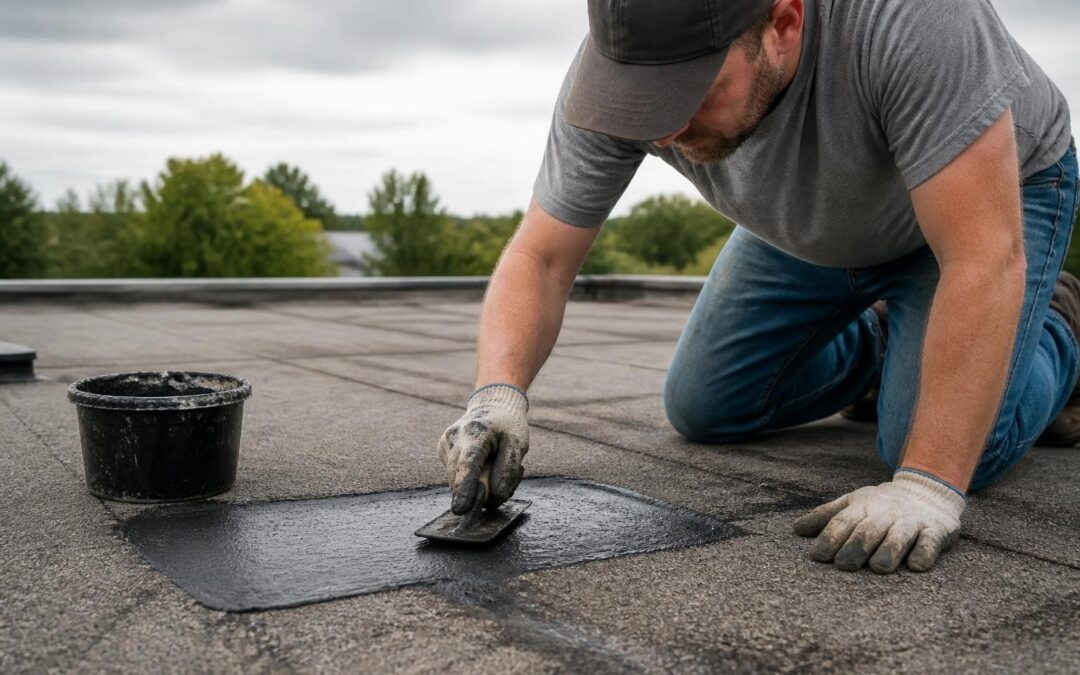
Every homeowner eventually faces the challenge of maintaining their roof's integrity against the elements. Whether it's a minor leak from damaged shingles or a more significant breach in your roofing system, understanding roof patch repair can save thousands of dollars in water damage and extend your roof's lifespan by years. In Los Angeles and surrounding areas, where weather conditions range from intense sun exposure to occasional heavy rains, knowing how to address small roof issues before they become major problems is essential for protecting your investment.
Understanding When Roof Patch Repair Is Necessary
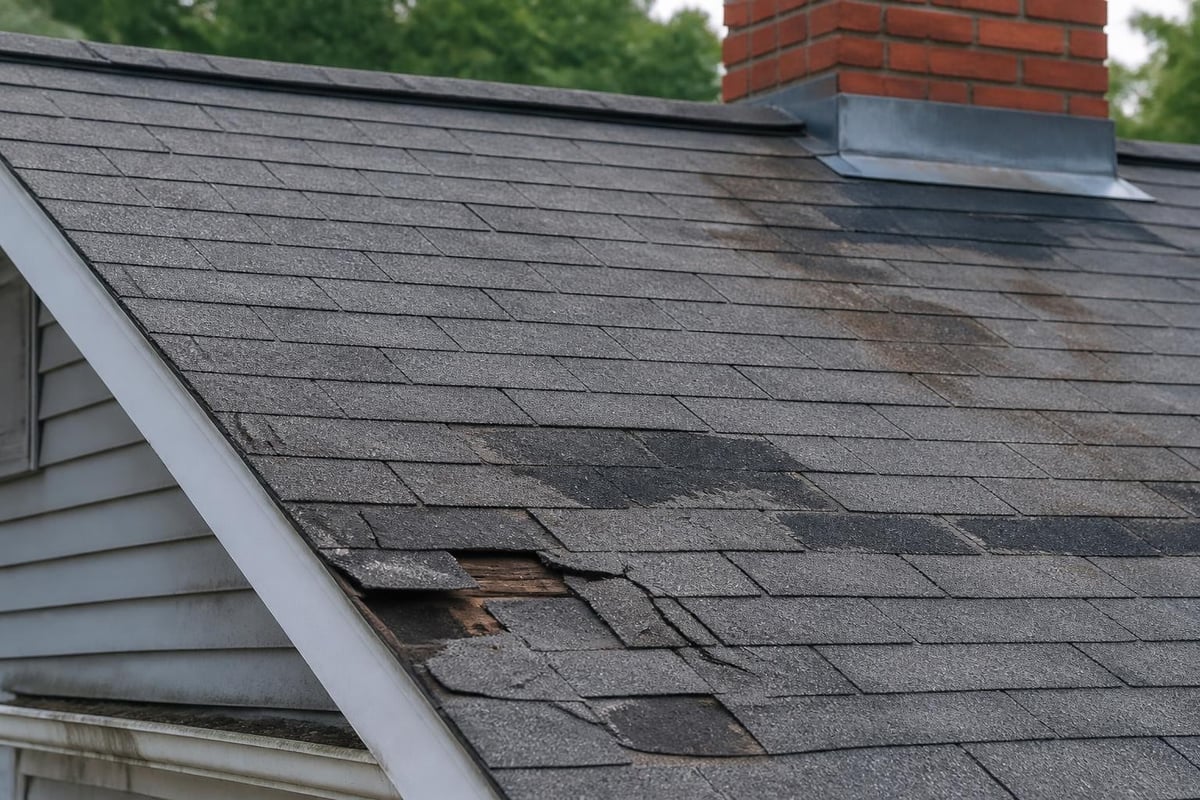
Recognizing the early warning signs of roof damage can mean the difference between a simple patch and a complete roof replacement. Most homeowners don't inspect their roofs regularly, which allows minor issues to escalate into serious structural problems.
Common Signs Your Roof Needs Patching
Water stains on your ceiling are the most obvious indicator of roof damage, but they're often the last sign to appear. By the time water penetrates through to your living spaces, the underlying damage may already be extensive.
Watch for these warning signs:
- Missing, cracked, or curled shingles
- Granules accumulating in gutters and downspouts
- Daylight visible through roof boards from the attic
- Sagging or uneven roof sections
- Dark streaks or discoloration on exterior roof surfaces
- Interior walls showing moisture or mold growth
Types of Roof Damage That Require Patching
Not all roof damage is created equal. Understanding the type of damage you're dealing with helps determine whether a patch is sufficient or if more extensive repairs are needed. Small punctures from fallen branches typically need straightforward patching, while widespread deterioration may signal deeper structural issues.
Storm damage often creates localized problems perfect for roof patch repair interventions. Hail can create divots and cracks in shingles without completely destroying them, while wind-driven debris may punch small holes through roofing materials. These targeted damages respond well to professional patching techniques.
Essential Materials for Effective Roof Patch Repair
Selecting appropriate materials for your specific roofing type is critical for long-lasting repairs. Using incompatible materials can actually worsen the problem by creating additional leak points or accelerating deterioration.
| Material Type | Best Used For | Typical Lifespan | Cost Range |
|---|---|---|---|
| Roofing cement | Small cracks, flashing repairs | 5-7 years | $15-30 per gallon |
| Patch tape | Temporary emergency fixes | 1-2 years | $20-50 per roll |
| Replacement shingles | Asphalt shingle roofs | Matches roof life | $1-3 per shingle |
| Rubber membrane | Flat roof patches | 10-15 years | $30-80 per section |
| Metal flashing | Chimney and vent repairs | 20+ years | $10-40 per piece |
Professional-Grade vs. DIY Patch Materials
Professional roofing contractors have access to commercial-grade materials that often outperform consumer products available at hardware stores. These materials typically offer superior adhesion, weather resistance, and longevity.
For Los Angeles homeowners, UV-resistant materials are particularly important. The intense California sun can break down standard roofing cement and patch materials within months, while professional-grade products are formulated to withstand prolonged sun exposure. When you're investing time and effort into roof patch repair, using materials designed for your climate ensures better results.
Step-by-Step Process for Common Roof Patches
Proper technique matters as much as quality materials when performing roof patch repair. Rushing through steps or skipping preparation almost always leads to patch failure and recurring leaks.
Preparing the Damaged Area
Follow this preparation sequence:
- Remove all loose or damaged roofing material around the affected area
- Clean the surface thoroughly, removing dirt, debris, and old roofing cement
- Allow the area to dry completely before applying any patch materials
- Cut back damaged shingles to expose solid, intact material
- Apply roofing primer if recommended for your patch material
The preparation phase determines patch longevity more than any other factor. Applying even the best materials to a dirty, wet, or unstable surface guarantees premature failure. Emergency roof patching techniques emphasize thorough surface preparation as the foundation of successful repairs.
Applying Patch Materials Correctly
Temperature and weather conditions significantly impact patch application success. Most roofing cements and adhesives require temperatures above 50 degrees Fahrenheit for proper curing, while excessive heat can cause materials to become too fluid.
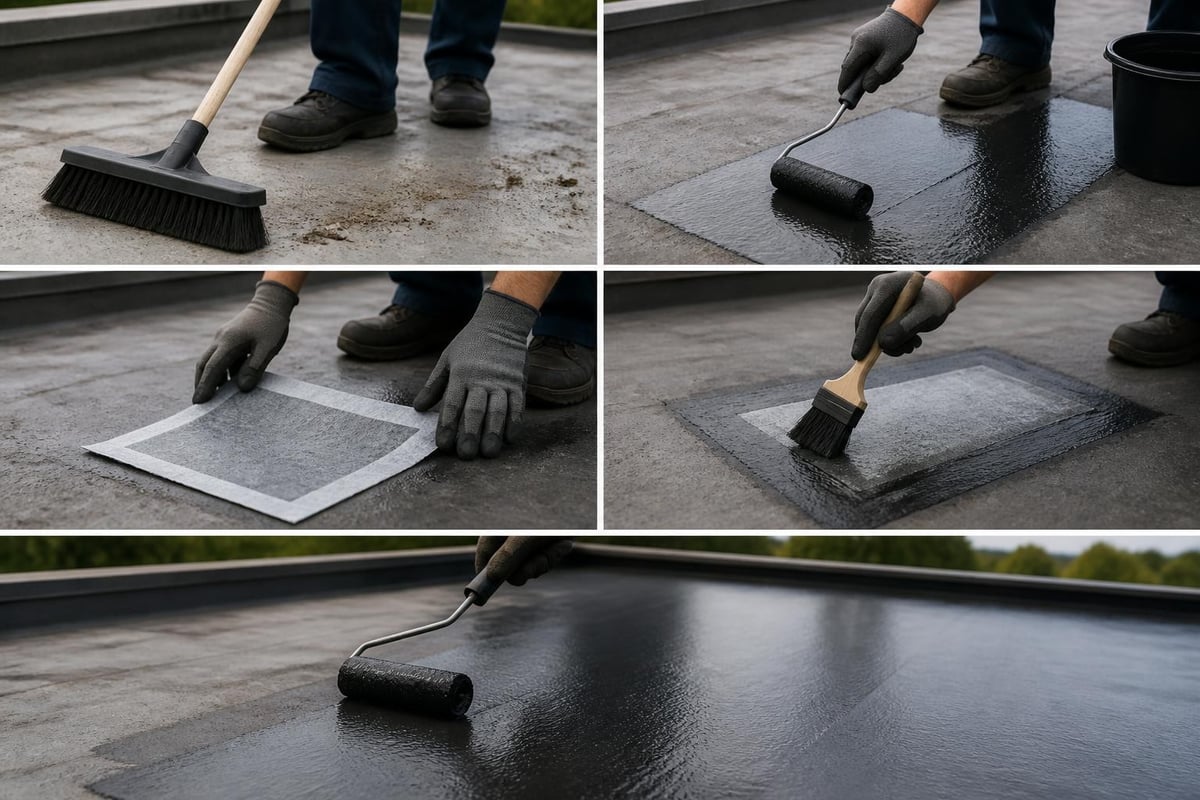
Apply roofing cement in thin, even layers rather than thick globs. Excessive material doesn't improve waterproofing and actually creates problems by preventing proper curing and creating uneven surfaces where water can pool. Work from the bottom up, layering materials to promote proper water runoff.
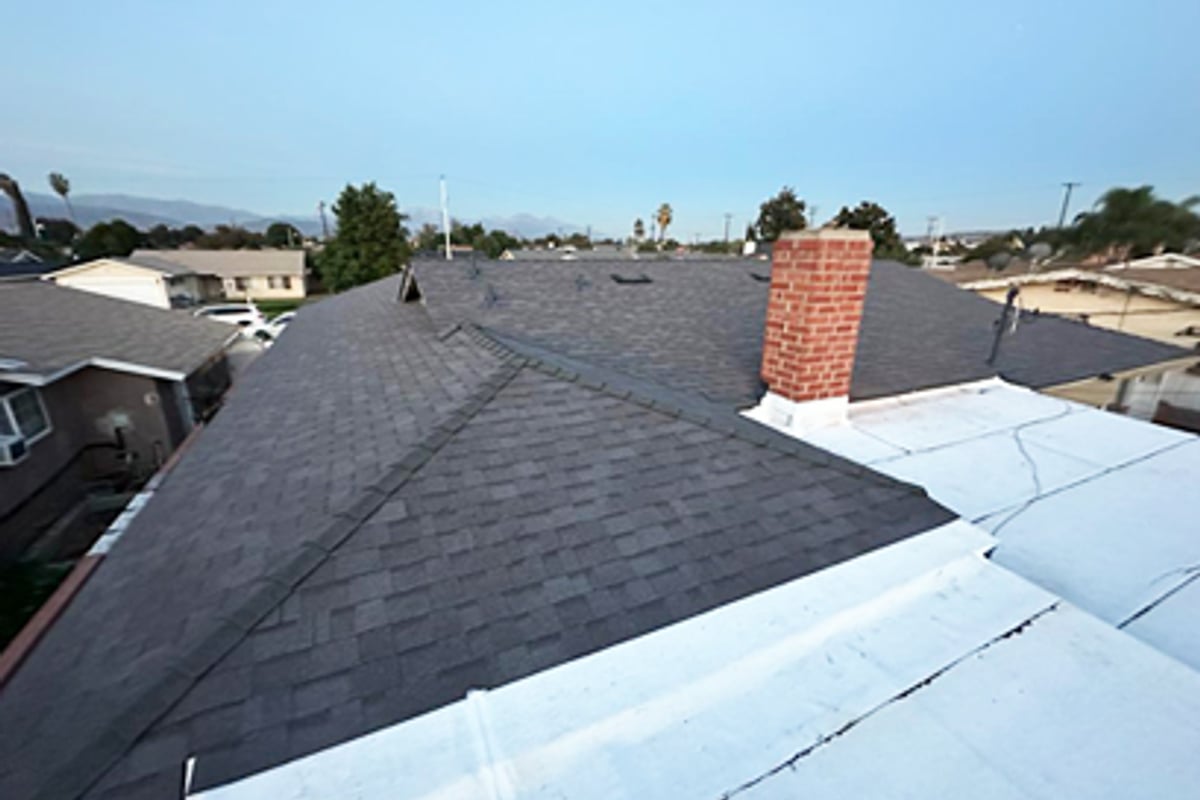
For asphalt shingle roofs, which are common throughout residential Los Angeles properties, matching the existing shingle pattern is essential for both function and appearance. Asphalt Shingles roof installations use overlapping patterns that direct water downward, and patches must maintain this design to prevent water intrusion. Slide replacement shingles under the row above and secure them with roofing nails placed in the manufacturer's recommended locations.
Special Considerations for Different Roof Types
Each roofing material presents unique challenges and requires specific roof patch repair approaches. What works perfectly for asphalt shingles may damage clay tiles or metal roofing systems.
Flat Roof Patch Repair Techniques
Flat roofs accumulate standing water, making proper patching critical to preventing catastrophic leaks. The patch must create a completely waterproof seal that can withstand prolonged water exposure without deteriorating.
Patch repair for flat felt roofs requires building up layers of roofing felt and hot tar or cold adhesive. Each layer extends beyond the previous one, creating a stepped pyramid effect that ensures water cannot work underneath the patch edges.
Tile and Metal Roof Patching
Clay and concrete tiles cannot be patched like flexible materials. Damaged tiles must be completely removed and replaced, as attempting to patch cracked tiles creates weak points that will fail under stress. The challenge lies in removing and installing individual tiles without damaging surrounding ones.
Metal roofing systems require specialized patch materials that can expand and contract with temperature changes. Standard roofing cement will crack and separate from metal surfaces within weeks. Instead, use butyl-based sealants or metal repair tapes specifically formulated for thermal movement.
Safety Protocols for Roof Patch Repair
Roof work consistently ranks among the most dangerous home improvement activities. Every year, hundreds of homeowners suffer serious injuries from falls during DIY roof repairs.
Essential safety equipment includes:
- OSHA-approved fall protection harness and anchor points
- Non-slip footwear with good tread
- Properly positioned and secured ladder extending three feet above roof line
- Hard hat for protection from falling tools or materials
- Safety glasses to shield eyes from debris and chemicals
When to Work on Your Roof
Weather conditions dramatically affect both safety and repair quality. Never attempt roof patch repair during rain, strong winds, or when temperatures fall below freezing. Wet roofing materials become extremely slippery, while frozen surfaces provide no grip whatsoever.
Morning hours typically offer the best working conditions in Los Angeles. Roofing materials heat up significantly under direct sunlight, making afternoon work uncomfortable and potentially dangerous. Hot shingles can burn skin on contact, while superheated roofing cement releases harmful fumes.
Professional vs. DIY Roof Patch Repair
Determining whether to attempt repairs yourself or hire professionals depends on several factors beyond just cost savings. A step-by-step repair guide can help you assess the complexity of needed repairs.
| Factor | DIY Approach | Professional Service |
|---|---|---|
| Small single-shingle repair | Often appropriate | May be overkill |
| Multiple damaged areas | Risky without experience | Recommended |
| Steep roof pitch | Dangerous | Strongly recommended |
| Structural damage visible | Beyond DIY scope | Required |
| Warranty concerns | May void coverage | Maintains warranty |
Hidden Damage Assessment
Professional roofers identify problems invisible to untrained eyes. What appears as a simple surface patch often masks extensive underlying damage to decking, underlayment, or structural supports. Addressing only visible damage while ignoring hidden deterioration wastes money and allows problems to worsen.
Thermal imaging cameras reveal moisture trapped within roofing layers, showing the true extent of water damage. This technology identifies areas requiring attention that won't leak visibly for months or years, preventing future emergency repairs.
Emergency Roof Patch Repair Solutions
Severe weather doesn't wait for convenient timing. Knowing how to implement temporary fixes can prevent thousands of dollars in interior water damage while you arrange permanent repairs.
Tarp Installation Best Practices
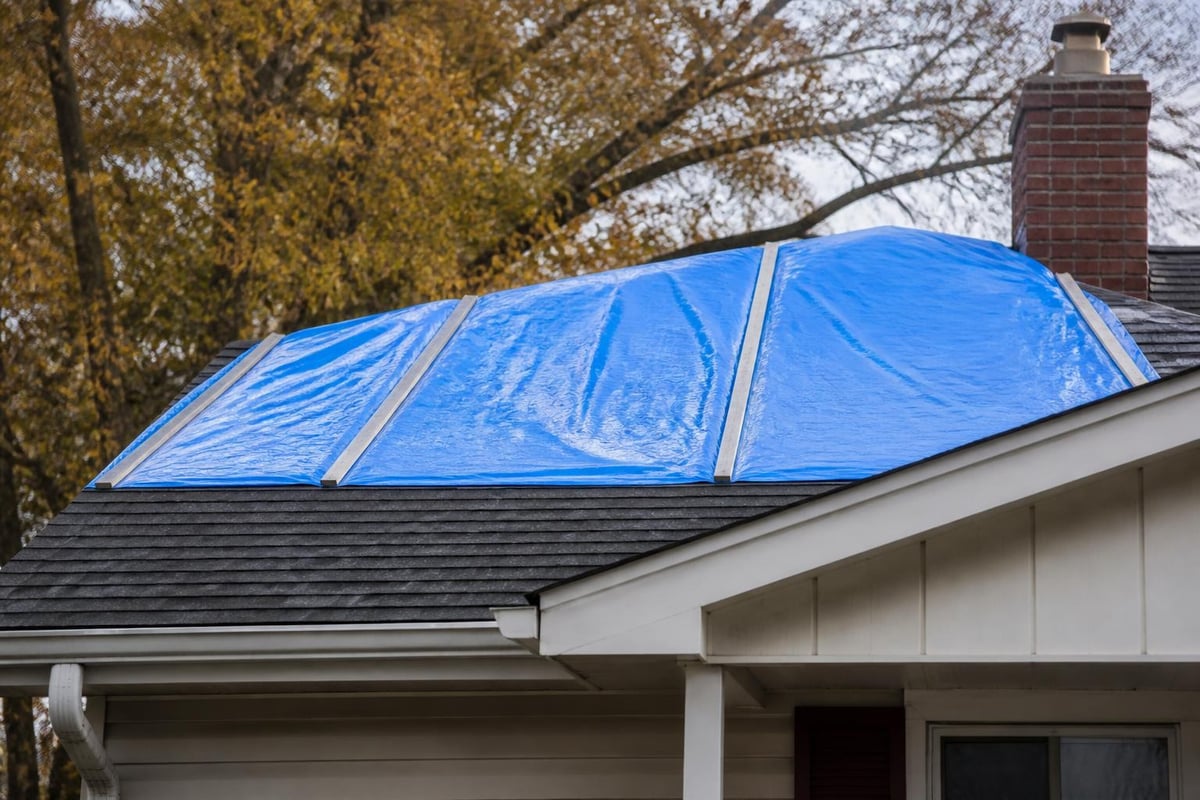
Properly securing a tarp requires more than just throwing it over the damaged area. The tarp must extend well beyond the damage on all sides and be secured to prevent wind from getting underneath and tearing it loose.
Effective tarping technique:
- Select a tarp large enough to cover the damage plus at least four feet in all directions
- Position the tarp to extend over the roof ridge if possible
- Secure with screws and washers through wooden battens, never penetrating directly through the tarp
- Weight down tarp edges with sandbags on low-slope roofs
- Inspect and adjust the tarp after every storm event
Emergency roofing repair solutions provide detailed guidance on temporary weatherproofing that can protect your home for weeks if needed.
Interior Leak Mitigation
When water is actively entering your home, controlling the flow prevents secondary damage to insulation, drywall, and belongings. Place buckets to catch dripping water, but also address hidden leaks within wall cavities and ceilings.
Attic leak repair techniques from inside your home can temporarily stop water intrusion when exterior access is impossible. These interior patches won't replace proper exterior repairs but can buy time during emergencies.
Maintaining Your Roof to Prevent Patch Needs
Preventive maintenance significantly reduces the frequency and severity of needed roof patch repair interventions. Regular inspections catch small problems before they require extensive fixes.
Seasonal Inspection Schedule
Los Angeles homeowners should inspect their roofs at least twice annually, ideally in spring and fall. These inspections need not be complicated or time-consuming, but they must be thorough.
Inspection checklist includes:
- Visual examination from ground level using binoculars
- Gutter and downspout debris removal
- Attic inspection for water stains or daylight penetration
- Flashing condition around chimneys, vents, and skylights
- Caulk and sealant integrity around roof penetrations
- Tree branch clearance maintaining at least six feet separation
Addressing Minor Issues Promptly
Small problems rarely stay small on roofs. A single missing shingle allows water to saturate the underlayment, which then deteriorates and allows water to reach the decking. The decking swells and rots, creating structural weakness that affects surrounding areas. What started as a ten-dollar shingle replacement becomes a thousand-dollar section repair.
Acting quickly when you notice minor damage prevents escalation. Keep basic roof patch repair materials on hand so you can address small issues immediately rather than waiting until they grow into emergencies.
Cost Considerations for Roof Patch Repair
Understanding the financial aspects of roof patching helps you make informed decisions about timing and approach. Delaying necessary repairs rarely saves money and usually costs significantly more.
Factors Affecting Patch Repair Costs
Roof accessibility dramatically impacts repair costs. A single-story home with moderate roof pitch costs substantially less to repair than a steep two-story roof requiring extensive safety equipment and scaffolding. The same repair performed at ground level might cost $200, while high or steep locations could run $800 or more.
Material costs vary based on your roofing type. Common asphalt shingles cost pennies each, while specialty tiles or custom metal roofing components may cost hundreds of dollars for a single piece. When evaluating repair quotes, consider material availability and the difficulty of matching existing roofing.
| Repair Type | Average DIY Cost | Professional Cost | Time Investment |
|---|---|---|---|
| Single shingle replacement | $5-20 | $150-300 | 1-2 hours |
| Small leak patch | $30-100 | $200-500 | 2-4 hours |
| Flashing repair | $50-150 | $300-800 | 2-5 hours |
| Multiple area patches | $150-400 | $500-1500 | 4-8 hours |
Long-Term Value of Professional Repairs
Professional roof patch repair typically includes warranties covering both labor and materials. These warranties provide peace of mind and financial protection if repairs fail prematurely. DIY repairs carry no such guarantees, and mistakes may void existing roof warranties.
Professionals complete repairs faster with better results. The hours you spend learning techniques, gathering materials, and performing repairs have value. Factor your time investment against professional costs for a complete cost comparison.
Special Challenges in Los Angeles Climate
Southern California's unique climate conditions create specific roofing challenges that affect patch repair approaches and materials selection. The combination of intense UV exposure, minimal rainfall, and temperature extremes demands specialized considerations.
UV Degradation and Patch Material Selection
Los Angeles receives approximately 3,254 hours of sunshine annually, subjecting roofs to relentless UV radiation. This exposure breaks down petroleum-based roofing cements and sealants faster than in cloudier climates. Standard roofing cement that lasts a decade in Portland might fail within three years in Los Angeles.
UV-resistant patch materials cost moderately more but provide significantly longer service life. Look for products specifically formulated for high-UV environments, often marketed for southwestern or desert applications.
Thermal Expansion Considerations
Daily temperature swings cause roofing materials to expand and contract repeatedly. Patching roof components such as shingles, flashing, and pipe boots requires flexible materials that accommodate this movement without cracking or separating.
Rigid patches crack along expansion joints, creating new leak points worse than the original damage. Elastomeric sealants and flexible roofing membranes maintain integrity through thermal cycling, providing durable repairs in variable temperature conditions.
Advanced Roof Patch Repair Techniques
Complex roof damage sometimes requires advanced approaches beyond basic patching methods. Understanding these techniques helps you recognize when professional intervention becomes necessary.
Underlayment Repair Without Full Shingle Removal
When underlayment damage occurs without corresponding shingle damage, specialized repair techniques can restore waterproofing without extensive deconstruction. This approach requires carefully lifting shingles without breaking their seal, addressing the underlayment, and resealing the shingles.
This technique demands significant experience and carries high risk of causing additional damage. Most homeowners should leave underlayment repairs to professionals who possess the skills and tools to execute them successfully.
Multi-Layer Repair Systems
Severe damage sometimes requires building up multiple layers of patch materials to restore structural integrity and weatherproofing. These repairs follow specific sequencing to ensure each layer bonds properly and contributes to overall performance.
Start with structural repairs to decking or supports, then rebuild underlayment layers, followed by final waterproofing and surface materials. Skipping layers or reversing sequence creates weak points where the repair will eventually fail.
Documentation and Warranty Protection
Maintaining detailed records of all roof work protects your investment and simplifies future repairs or insurance claims. Performing repairs in extreme weather conditions requires particular attention to documentation for warranty purposes.
Photographing Damage and Repairs
Before starting any roof patch repair, photograph the damage from multiple angles and distances. These images document the extent and nature of problems, prove the need for repairs to insurance companies, and provide reference points for matching materials or techniques in future work.
After completing repairs, photograph the finished work. These images establish baseline conditions and prove proper completion should warranty claims or disputes arise later.
Maintaining Repair Records
Create a roof maintenance file containing all inspection reports, repair receipts, material specifications, and contractor information. This documentation increases home value, simplifies insurance claims, and helps future contractors understand your roof's history.
Include material purchase receipts showing product names and quantities. If patches fail prematurely, this information supports warranty claims and helps diagnose whether material defects contributed to the failure.
Effective roof patch repair requires understanding damage types, selecting appropriate materials, following proper techniques, and knowing when professional help is necessary. By addressing small issues promptly and maintaining your roof through regular inspections, you can extend its lifespan and avoid costly emergency repairs. When you're facing roof damage in Los Angeles or surrounding areas, Proof Your Roof brings decades of experience in residential and commercial roofing services, offering expert repairs, maintenance, and new installations for all roof types. Contact them today for a free estimate and protect your most important investment with professional care.