
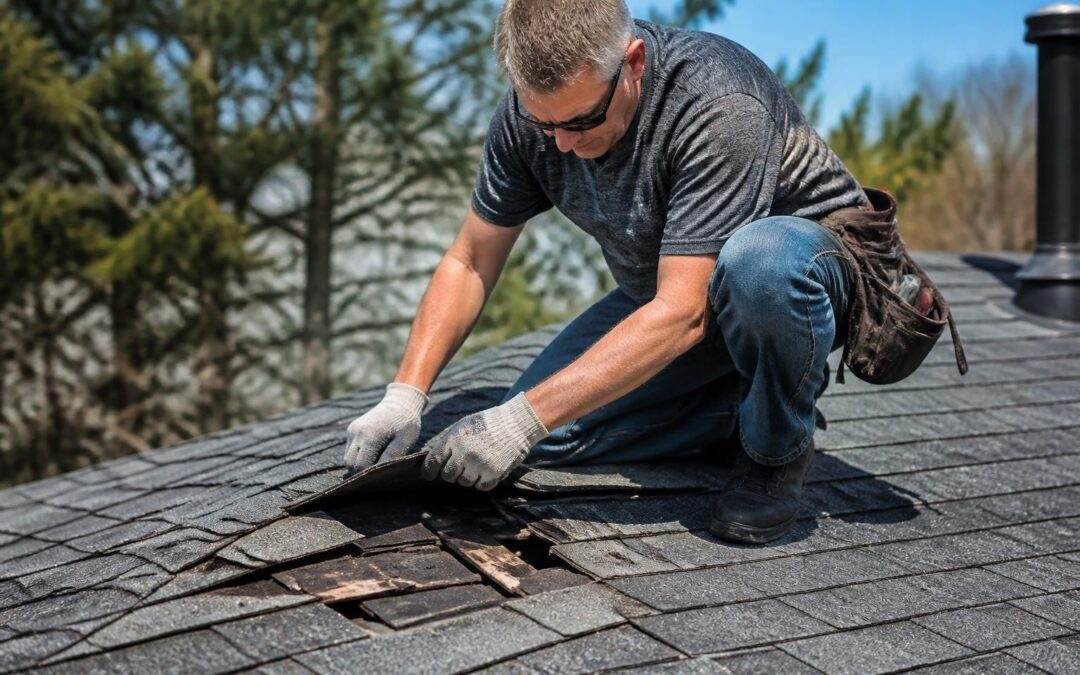
Asphalt roofing systems represent the most common residential roofing material across the United States, valued for their affordability, versatility, and proven performance. When damage occurs, understanding the nuances of roof repair asphalt systems becomes essential for homeowners who want to extend their roof's lifespan while avoiding premature replacement costs. Whether dealing with missing shingles after a storm, addressing leak points around flashings, or tackling granule loss, the right repair approach can restore both protection and curb appeal. Los Angeles homeowners face unique challenges with asphalt roofing, from intense UV exposure to occasional heavy rains, making proper repair techniques particularly crucial for long-term durability.
Understanding Asphalt Roofing Systems and Common Damage
Asphalt shingles dominate the residential roofing market because they offer excellent weather protection at competitive price points. These materials consist of either organic or fiberglass bases saturated with asphalt and covered with protective mineral granules. Over time, environmental factors cause wear that manifests in several recognizable patterns.
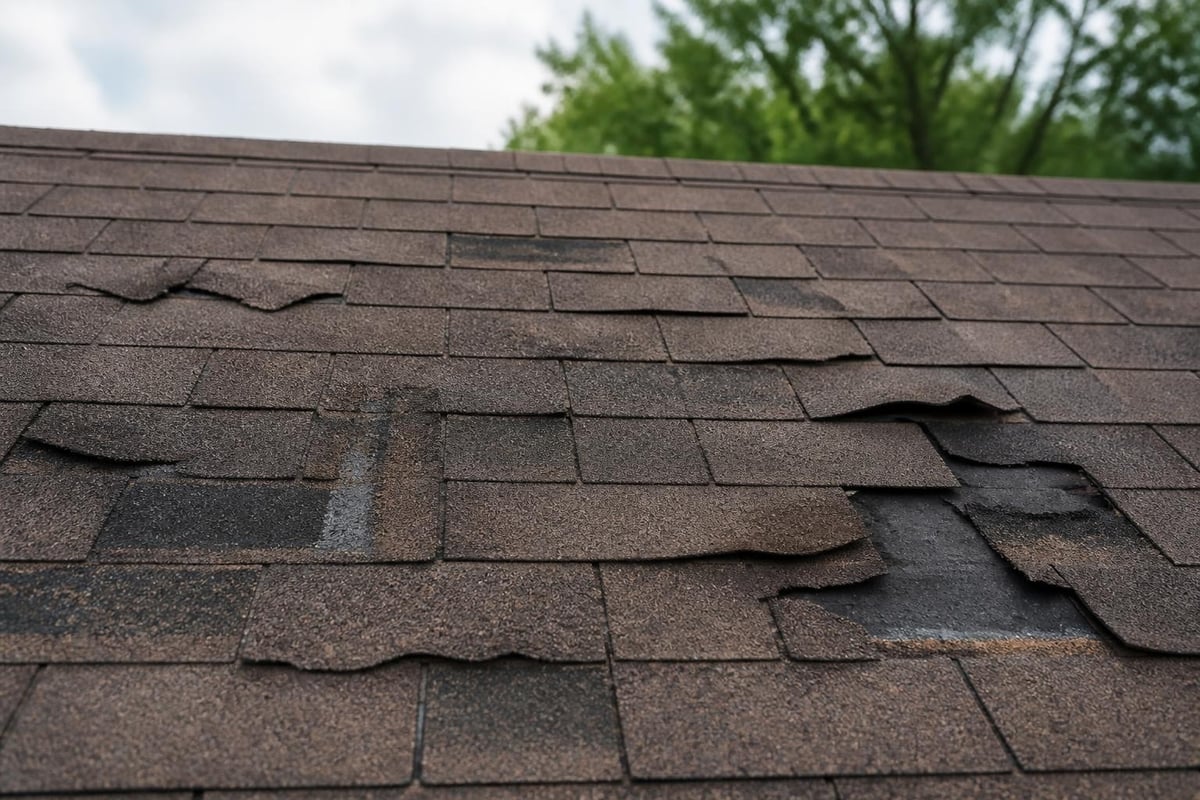
The most frequent damage types include granule loss (exposing the asphalt layer beneath), curling or cupping (edges lifting from thermal cycling), cracking (from age or impact), and missing shingles (torn away by wind). Each damage type requires specific assessment before determining the appropriate repair strategy.
Structural vs. Surface-Level Issues
When evaluating roof repair asphalt systems, professionals distinguish between cosmetic concerns and structural threats. Surface granule loss might reduce UV protection without immediately causing leaks, while a missing shingle creates an immediate vulnerability to water intrusion. Understanding this hierarchy helps prioritize repairs effectively.
According to the IIBEC Technical Advisory 025-2025, assessing roof system functionality requires examining not just the visible surface but also underlayment integrity, deck condition, and the extent of damage relative to the total roof area. A roof showing isolated damage across less than 20 percent of its surface often qualifies as a repair candidate rather than requiring full replacement.
Inspection Protocols for Asphalt Roof Damage
Proper inspection forms the foundation of any successful roof repair asphalt project. A systematic approach reveals the full scope of damage and prevents overlooked issues that could compromise repair effectiveness.
Ground-Level and Close-Up Assessment
Start with binocular inspection from ground level to identify obvious damage zones, then conduct a safe roof-surface examination. Professional inspectors document:
- Missing or damaged shingles and their locations
- Flashing condition around chimneys, vents, and valleys
- Granule accumulation in gutters indicating accelerated wear
- Underlying deck deflection or soft spots
- Ventilation adequacy affecting shingle lifespan
The FORTIFIED Home 2025 Technical Documents provide detailed inspection checklists that ensure no critical area gets overlooked during damage assessment. These protocols emphasize examining sealed areas where moisture could hide beneath intact-looking shingles.
Documentation and Damage Mapping
Creating a detailed damage map serves multiple purposes. It guides repair sequencing, supports insurance claims, and establishes a baseline for future monitoring. Photograph all damaged areas with reference measurements, note surrounding conditions, and mark locations on a roof diagram.
| Inspection Element | What to Document | Why It Matters |
|---|---|---|
| Shingle condition | Curling, cracking, missing tabs | Determines repair method |
| Flashing integrity | Rust, separation, sealant failure | Prevents future leaks |
| Underlayment exposure | Visible felt or synthetic membrane | Indicates urgency level |
| Deck soundness | Soft spots, visible sagging | Affects repair feasibility |
| Ventilation status | Ridge vent function, soffit airflow | Impacts shingle longevity |
Repair Techniques for Different Asphalt Damage Types
The approach to roof repair asphalt systems varies significantly based on damage characteristics. Matching the technique to the specific problem ensures durable, cost-effective results.
Individual Shingle Replacement
For isolated missing or severely damaged shingles, individual replacement offers the most straightforward solution. This technique works well when:
- Surrounding shingles remain in good condition
- Matching shingles are available
- Damage affects fewer than a dozen scattered locations
- The roof is less than 15 years old
The process involves carefully lifting surrounding shingles to remove roofing nails, sliding out the damaged shingle, positioning the replacement, and securing it with new nails in proper locations. Sealant application along the edges ensures weather resistance.
Section Repair and Re-Roofing
When damage concentrates in specific roof sections (a storm-damaged slope or a heavily worn south-facing area), section repair provides a middle ground between spot fixes and total replacement. This approach requires careful blending where new materials meet existing shingles.
The RCABC Roofing Practices Manual updated in June 2025 outlines current standards for partial roof replacement, including proper underlayment overlap, valley treatment, and step flashing integration that ensures repairs perform as well as new installations.
Professional contractors assess whether existing underlayment requires replacement or if new shingles can install over sound existing barriers. In Los Angeles's climate, UV-degraded underlayment often needs upgrading during section repairs to prevent future moisture problems.
Flashing Repair and Waterproofing Enhancement
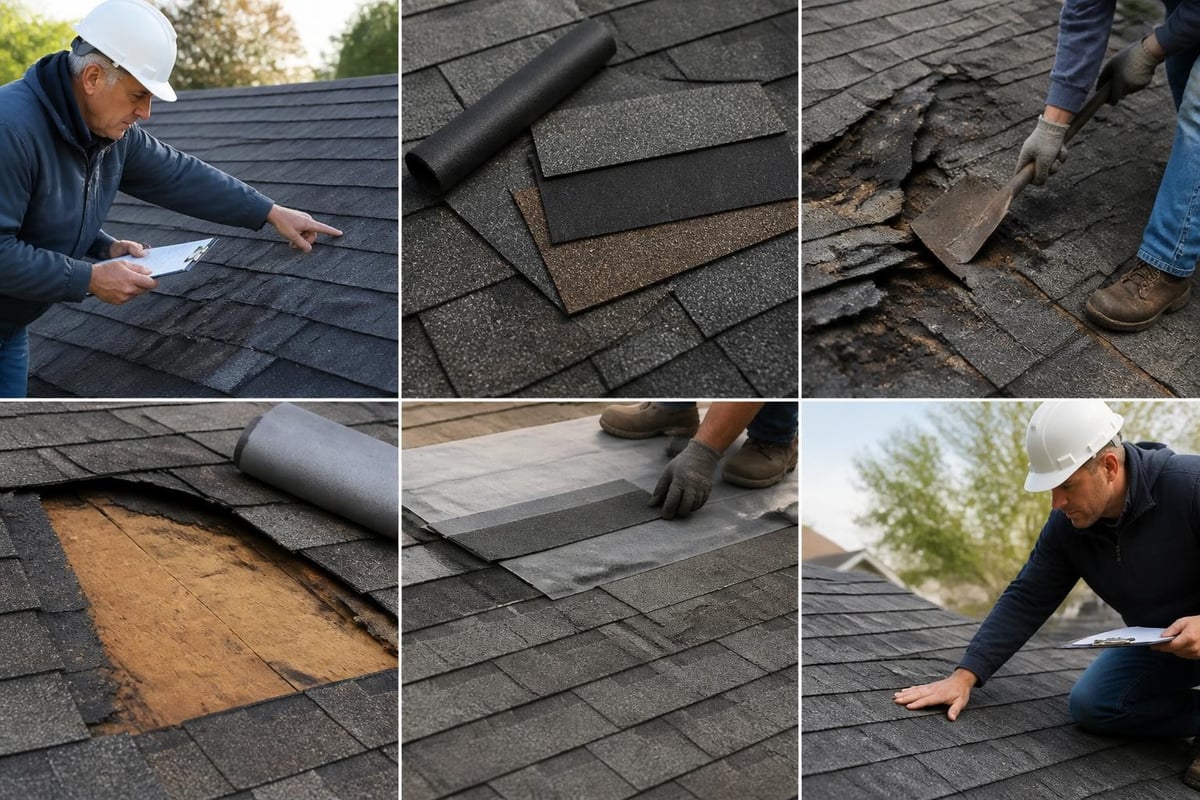
Many roof repair asphalt projects fail because they address visible shingle damage while ignoring compromised flashing. Metal flashings around chimneys, skylights, and wall intersections require specialized attention.
Modern flashing repair often incorporates advanced waterproofing materials. The ASTM D8518-25 standard provides technical guidance for applying hot-applied rubberized asphalt membranes in critical waterproofing zones, ensuring proper substrate preparation and application temperatures for optimal adhesion.
Key flashing repair elements include:
- Removing old sealant and cleaning metal surfaces
- Replacing corroded or bent flashing sections
- Installing ice and water shield underlayment beneath new flashings
- Applying appropriate sealants rated for UV exposure and thermal cycling
- Integrating step flashings properly with shingle courses
Material Selection and Compatibility Considerations
Selecting appropriate materials for roof repair asphalt systems determines both immediate effectiveness and long-term performance. Compatibility with existing materials prevents premature failure.
Matching Existing Shingles
Finding exact matches for existing shingles challenges many repair projects, especially for roofs more than ten years old. Manufacturers discontinue colors and modify product lines, making perfect matches rare. When exact matches prove impossible, consider these strategies:
Strategic placement of non-matching shingles on less-visible roof slopes minimizes aesthetic impact. Whole-slope replacement using current products creates uniform appearance while addressing concentrated damage. Weathering allowances recognize that new shingles will weather over time to better blend with existing materials.
The Asphalt Roofing Manufacturers Association bulletin from February 2026 emphasizes that professional-grade architectural shingles installed as repairs often outperform older products, making blend concerns less critical than proper installation technique.
Underlayment and Accessory Materials
Successful roof repair asphalt work depends heavily on selecting appropriate underlayment and accessories. Modern synthetic underlayments offer superior tear resistance and UV stability compared to traditional felt products.
| Material Type | Best Applications | Key Benefits | Limitations |
|---|---|---|---|
| Self-adhering ice & water shield | Valleys, eaves, flashings | Superior waterproofing, no fasteners | Higher cost, temperature-sensitive install |
| Synthetic underlayment | General roof coverage | Lightweight, long UV exposure | Slippery when wet |
| Traditional felt (30-lb) | Budget repairs, small areas | Low cost, familiar to installers | Tears easily, limited UV resistance |
| Rubberized asphalt membrane | Critical waterproofing zones | Excellent adhesion, flexible | Requires heating equipment |
Professional Installation Standards and Best Practices
Quality roof repair asphalt work requires adherence to manufacturer specifications and industry standards that have evolved significantly through 2026. Understanding these protocols helps homeowners evaluate contractor proposals and set appropriate expectations.
Fastener Patterns and Placement
Proper nail placement and quantity directly affects repair durability. Each shingle requires the manufacturer-specified number of fasteners (typically four to six) positioned in the nailing zone without over-driving or under-driving. Wind-resistant installations in exposed locations may require additional fasteners and enhanced sealant application.
The NRCA/ARMA Manual of Roof Maintenance and Roof Repair details correct fastening patterns for various repair scenarios, emphasizing that proper fastener selection (length, head diameter, corrosion resistance) matters as much as placement.
Weather Considerations for Repair Work
Timing roof repair asphalt projects around weather conditions significantly impacts success rates. Asphalt shingles require specific temperature ranges for proper sealant activation and material flexibility.
Optimal conditions include:
- Temperatures between 45°F and 85°F for shingle handling and sealing
- Dry substrate conditions (no morning dew or recent rain)
- Wind speeds below 20 mph for safe working conditions
- Absence of rain in the 24-hour forecast post-installation
Los Angeles's Mediterranean climate provides year-round repair opportunities, though summer heat requires early-morning scheduling to avoid shingles becoming too pliable, while winter morning dampness necessitates afternoon work windows.
Quality Assurance and Post-Repair Inspection
Completing roof repair asphalt work includes verification that repairs meet performance standards. Professional contractors conduct multi-point inspections covering:
- Sealant activation on all shingle tabs
- Flashing integration without gaps or improper laps
- Debris removal from gutters and roof surface
- Fastener exposure check for any visible nail heads
- Blending assessment from ground level
Cost Factors and Repair vs. Replacement Analysis
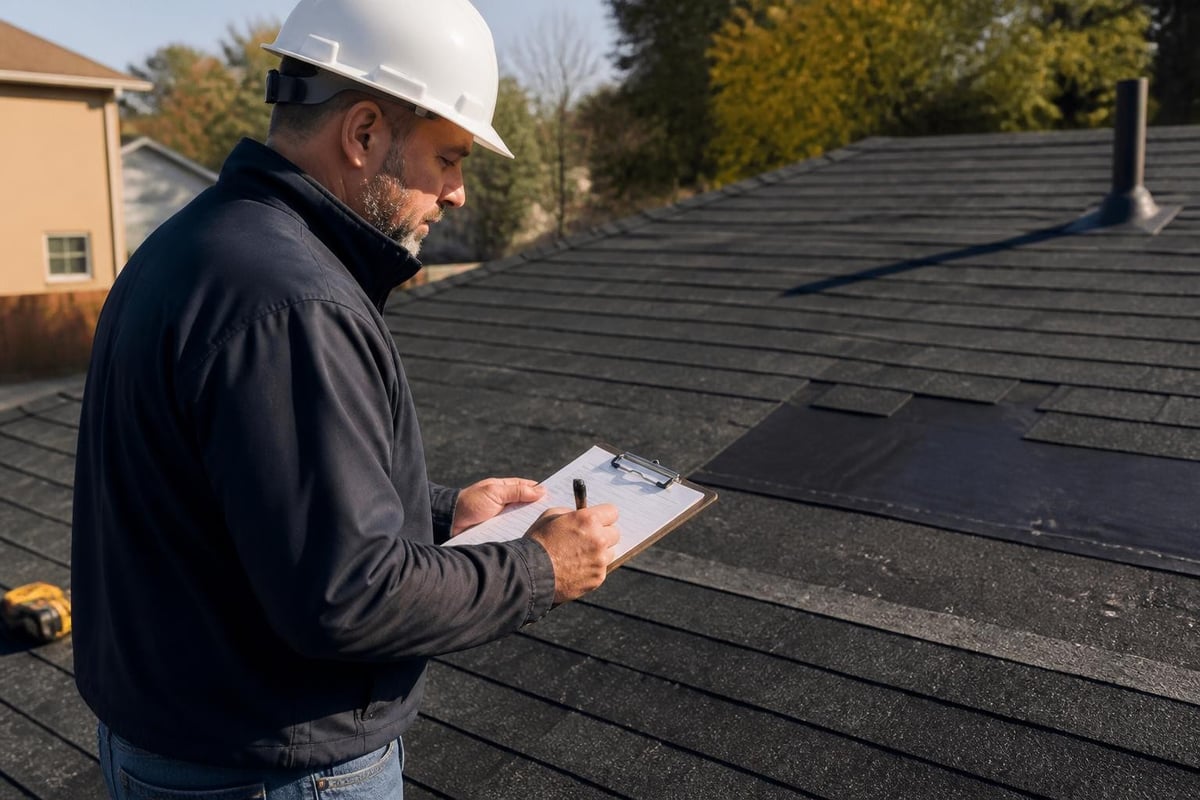
Understanding the economics of roof repair asphalt systems helps homeowners make informed decisions about addressing damage. Multiple variables influence both immediate costs and long-term value.
Typical Repair Cost Components
Roof repair pricing reflects materials, labor complexity, access difficulty, and project scale. Small repairs addressing a few damaged shingles typically cost $200 to $600, while section repairs covering 200 to 400 square feet range from $1,200 to $3,500 depending on roof pitch, flashing work, and material selection.
Primary cost drivers include:
- Roof accessibility (steep pitch adds 15-30% to labor costs)
- Shingle availability (discontinued products requiring special orders)
- Structural repairs (deck replacement beneath damaged shingles)
- Permit requirements (larger repairs may need building department approval)
- Matching quality (premium architectural shingles vs. three-tab products)
When homeowners in Los Angeles need expert guidance on whether repair makes financial sense, working with experienced professionals ensures accurate damage assessment and realistic cost projections. Roof repairs completed by qualified contractors provide warranties that protect the investment and confirm that work meets current building standards.
Decision Matrix: Repair or Replace
Determining whether roof repair asphalt systems or complete replacement serves better requires evaluating multiple factors beyond simple cost comparison. The step-by-step guide from BuildMat Insight published in July 2026 provides a practical framework for this analysis.
Repair makes sense when:
- Roof age is under 12-15 years
- Damage affects less than 25% of total area
- Underlayment and deck remain structurally sound
- Matching materials are readily available
- No history of repeated leak problems
Replacement becomes advisable when:
- Multiple repair cycles have occurred within three years
- Widespread granule loss exposes asphalt substrate
- Roof exceeds expected lifespan (20+ years for standard shingles)
- Energy efficiency upgrades would justify new installation
- Deck repairs would approach replacement costs anyway
Preventive Maintenance to Minimize Future Repairs
Proactive roof care significantly extends the intervals between roof repair asphalt projects. Regular maintenance catches small issues before they escalate into major damage.
Seasonal Inspection Schedule
Implementing twice-yearly inspections (spring and fall) identifies developing problems early. Homeowners can perform basic visual checks, though professional inspections every two to three years provide more thorough assessment.
Spring inspection priorities:
- Winter storm damage assessment
- Flashing sealant condition after thermal cycling
- Gutter cleaning to prevent water backup
- Ventilation system verification for summer performance
Fall inspection priorities:
- Summer UV damage evaluation
- Debris removal before rainy season
- Tree trimming to prevent branch contact
- Drainage system preparation for winter storms
Maintenance Activities That Extend Roof Life
Beyond inspections, specific maintenance tasks preserve asphalt roofing systems and reduce repair frequency:
- Debris removal prevents moisture retention and granule damage
- Algae treatment maintains appearance and prevents growth penetration
- Minor sealant touchup addresses small separations before leaks develop
- Attic ventilation optimization reduces heat buildup damaging shingles
- Flashing maintenance keeps critical junctions watertight
The current NRCA roofing manuals updated through 2026 include comprehensive maintenance schedules tailored to different roofing materials and climatic conditions, providing contractors and building owners with detailed preventive care protocols.
Special Considerations for Los Angeles Climate
Southern California's unique environmental conditions create specific challenges and opportunities for roof repair asphalt systems. Understanding these regional factors optimizes repair approaches.
UV Exposure and Heat Management
Intense sunlight accelerates asphalt shingle aging in Los Angeles compared to many other regions. The constant UV bombardment breaks down protective granules and makes asphalt substrates brittle. Cool-roof technologies and IR-reflective granules extend shingle life in this harsh environment.
Repairs should incorporate materials designed for high-UV exposure. Light-colored shingles with enhanced granule adhesion perform better than dark colors in sustained heat, reducing future repair needs.
Seismic and Wind Considerations
While less intense than hurricane zones, Los Angeles faces occasional high winds (Santa Ana events) and seismic activity that stress roofing systems differently than gradual weathering. Roof repair asphalt installations benefit from enhanced fastening and flexible underlayments that accommodate building movement.
Regional best practices include:
- Adding extra fasteners in perimeter and ridge zones
- Using high-wind rated shingles (110+ mph resistance)
- Installing peel-and-stick underlayment at vulnerable areas
- Ensuring proper deck attachment to resist uplift forces
Water Management in Sporadic Heavy Rain
Los Angeles's rainfall pattern of intense storms separated by long dry periods creates unique drainage demands. When rain comes, it often arrives in concentrated bursts that test valley flashings and drainage systems. Repair projects should verify that gutters and downspouts handle peak flows, not just average conditions.
Working with Professional Contractors
Selecting qualified contractors for roof repair asphalt projects protects homeowners from substandard work and ensures repairs deliver expected longevity. Several factors distinguish professional operations from less-capable providers.
Credentials and Verification
Legitimate roofing contractors maintain current California contractor licenses (C-39 classification), carry general liability and workers' compensation insurance, and often hold manufacturer certifications demonstrating specialized training. Verification through the Contractors State License Board confirms license status and reveals any disciplinary history.
Request references from recent repair projects (not just new installations) and verify completion quality directly with past clients. Professional contractors willingly provide this information and maintain portfolio documentation of completed work.
Proposal Evaluation Criteria
Comprehensive proposals demonstrate contractor competence and protect homeowners through clear scope definition. Quality proposals include:
- Detailed damage assessment with photographs and measurements
- Specific materials specified by manufacturer and product line
- Labor breakdown showing preparation, installation, and cleanup
- Timeline with milestones for project phases
- Warranty terms covering both materials and workmanship
- Payment schedule tied to completion milestones
Avoid contractors who pressure immediate decisions, request full payment upfront, or cannot provide proof of insurance. Professional operations understand that homeowners need time to evaluate options and compare proposals.
Communication and Project Management
Clear communication throughout roof repair asphalt projects prevents misunderstandings and ensures satisfaction. Establish expectations for:
- Daily progress updates during multi-day projects
- Site protection for landscaping and property
- Debris management and cleanup procedures
- Homeowner access to work areas for inspection
- Change order process if unexpected damage appears
Professional contractors document all communications, provide written change orders before additional work, and conduct final walkthroughs to verify completion standards.
Understanding roof repair asphalt systems empowers homeowners to make informed decisions about addressing damage, selecting appropriate materials, and working with qualified professionals. Whether dealing with isolated shingle replacement or more extensive section repairs, matching techniques to specific conditions ensures durable, cost-effective results. For Los Angeles area homeowners seeking expert guidance on asphalt roof repairs, maintenance, or replacement decisions, Proof Your Roof brings specialized knowledge of regional climate challenges and proven techniques that extend roof lifespan while protecting your home investment.