
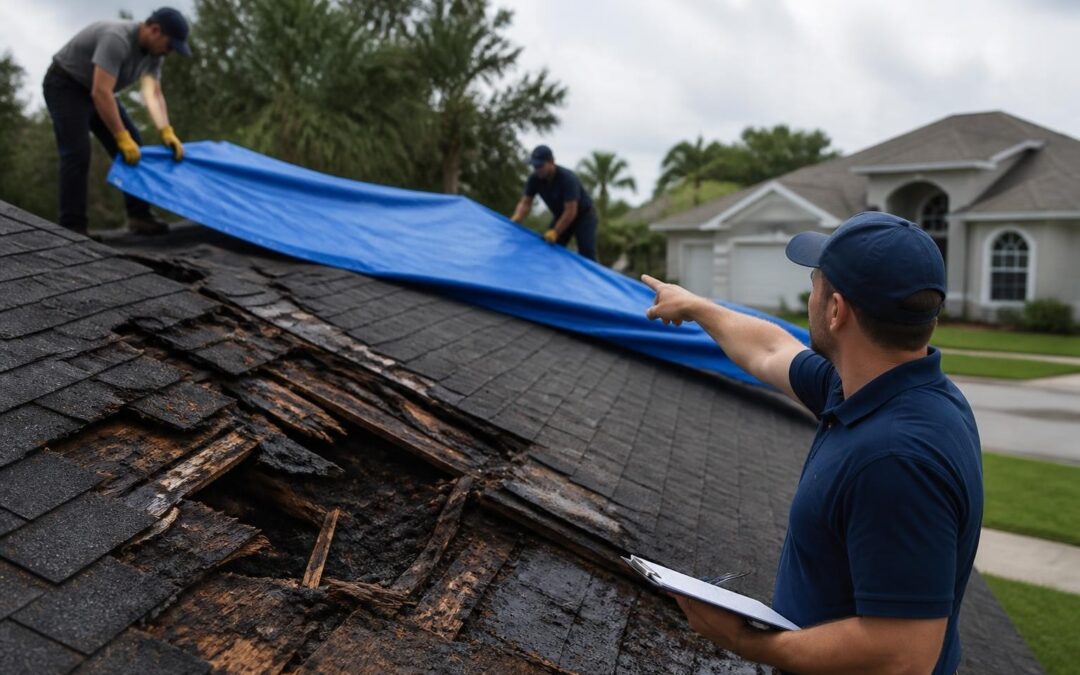
When severe weather strikes Los Angeles and surrounding areas, leaving your roof damaged and vulnerable, immediate protection becomes critical. Searching for "roof tarping near me" often happens in moments of crisis, when rain is actively entering your home or commercial property. Understanding emergency roof tarping services, what they entail, and how to make informed decisions during stressful situations can save you thousands in additional water damage while protecting your property until permanent repairs can be completed. This comprehensive guide covers everything property owners need to know about emergency roof tarping, from recognizing when you need it to selecting qualified contractors who can respond quickly.
Understanding Emergency Roof Tarping Services
Emergency roof tarping provides temporary waterproof protection for damaged roofs following storms, fallen trees, fire damage, or other catastrophic events. This interim solution prevents further water intrusion and interior damage while you arrange for permanent repairs.
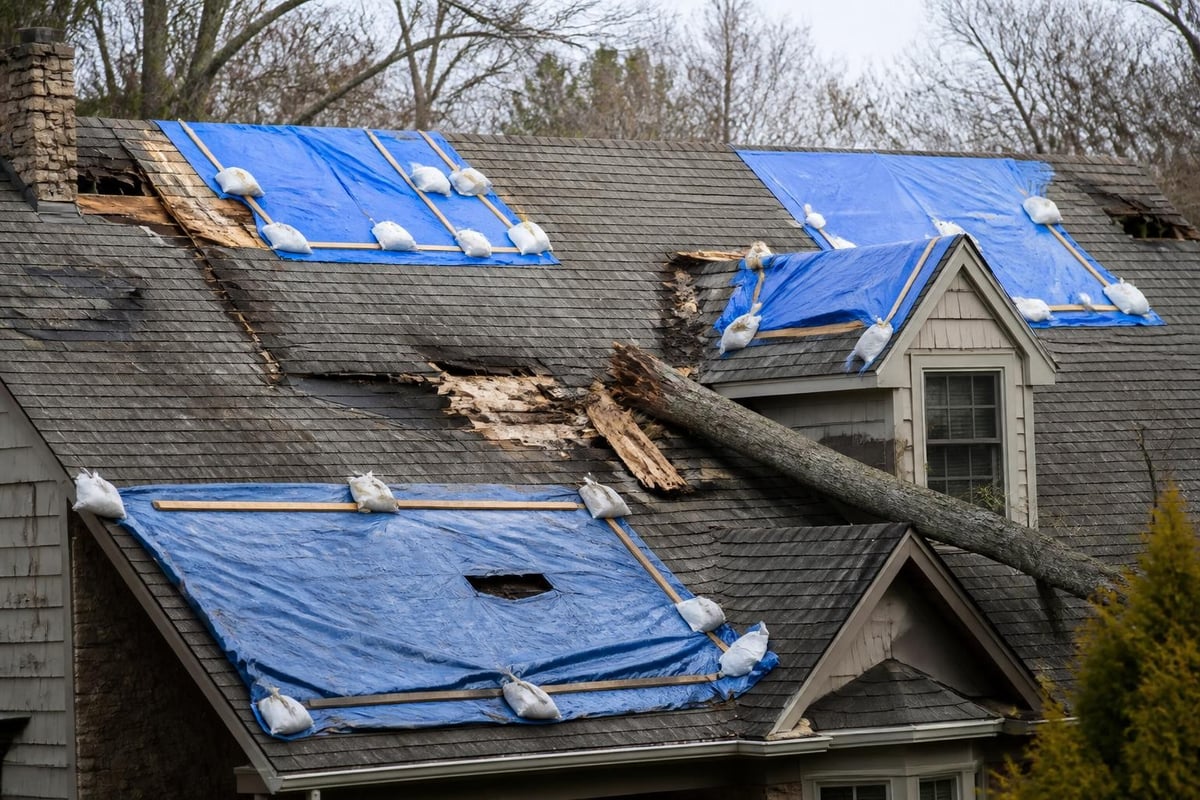
Professional tarping involves more than simply throwing a blue tarp over a hole. Contractors assess the damage extent, measure the affected area, and secure heavy-duty tarps using proper fastening techniques that won't cause additional roof damage. The goal is creating a watertight seal that withstands subsequent weather events until permanent repairs can be scheduled.
When You Need Roof Tarping Immediately
Certain situations demand immediate tarping regardless of the hour or day. Property owners should seek emergency services when:
- Active leaks are causing water to enter your building
- Missing shingles expose underlayment to the elements
- Punctures or holes from fallen branches or debris compromise roof integrity
- Fire damage has destroyed sections of the roofing system
- Wind damage has lifted or torn roofing materials
Delaying tarping in these scenarios compounds damage exponentially. Water infiltration affects insulation, drywall, electrical systems, and structural framing. What begins as roof damage quickly becomes a whole-building restoration project if not addressed promptly.
The Roof Tarping Process Explained
Professional contractors follow systematic procedures to ensure effective temporary protection. Understanding these steps helps property owners know what to expect and identify whether a contractor is performing quality work.
Initial Damage Assessment
Contractors begin by safely accessing the roof to evaluate damage severity and extent. This assessment determines tarp size requirements, identifies structural hazards, and reveals whether emergency shoring is needed before tarping can proceed. Reputable professionals document damage with photographs for insurance purposes.
They also inspect attic spaces and interior ceilings to identify active leaks and trace water intrusion patterns. This comprehensive evaluation ensures tarps are positioned to address all vulnerable areas.
Tarp Installation Steps
- Clear debris from damaged areas and surrounding roof sections
- Measure and cut heavy-duty tarps with adequate overlap beyond damaged zones
- Position tarps to shed water toward drainage systems
- Secure edges using wooden battens or sandbags rather than nails that penetrate the roof
- Seal overlaps and ensure no gaps exist where water could enter
- Anchor against wind using proper weighting and fastening techniques
| Installation Method | Durability | Roof Impact | Best For |
|---|---|---|---|
| Battens with sandbags | 2-4 weeks | Minimal damage | Tile and metal roofs |
| Mechanical fasteners | 4-8 weeks | Some penetration | Composition shingles |
| Adhesive systems | 1-3 weeks | No penetration | Temporary situations |
The Building Science / DOE guidance on roof edges provides technical specifications for securing temporary coverings in high-wind zones, ensuring tarps remain effective during subsequent storms.
Cost Factors for Roof Tarping Services
Understanding pricing structures helps property owners budget appropriately and recognize fair market rates when searching for "roof tarping near me" services in the greater Los Angeles area.
Pricing Components
Emergency tarping costs typically include:
- Base service fee covering mobilization and basic labor
- Materials costs for tarps, fasteners, and securing materials
- Square footage charges based on area requiring coverage
- Accessibility premiums for steep or high roofs
- Emergency surcharges for after-hours or holiday service
- Additional labor for debris removal or complex damage
In 2026, Los Angeles property owners can expect to pay between three hundred and fifteen hundred dollars for professional tarping services, with most residential jobs averaging six to nine hundred dollars. Larger commercial properties or extensive damage requiring multiple tarps increase costs proportionally.
Insurance Coverage Considerations
Most homeowners and commercial property insurance policies cover emergency tarping as part of covered loss mitigation. Property owners have a duty to prevent further damage, and reasonable tarping expenses typically receive reimbursement.
According to the Insurance Information Institute’s guidance on filing claims, documenting temporary repairs through photographs and receipts ensures smoother claims processing. Contact your insurance carrier before tarping when possible, but don't delay protection while waiting for adjuster availability.
DIY Versus Professional Roof Tarping
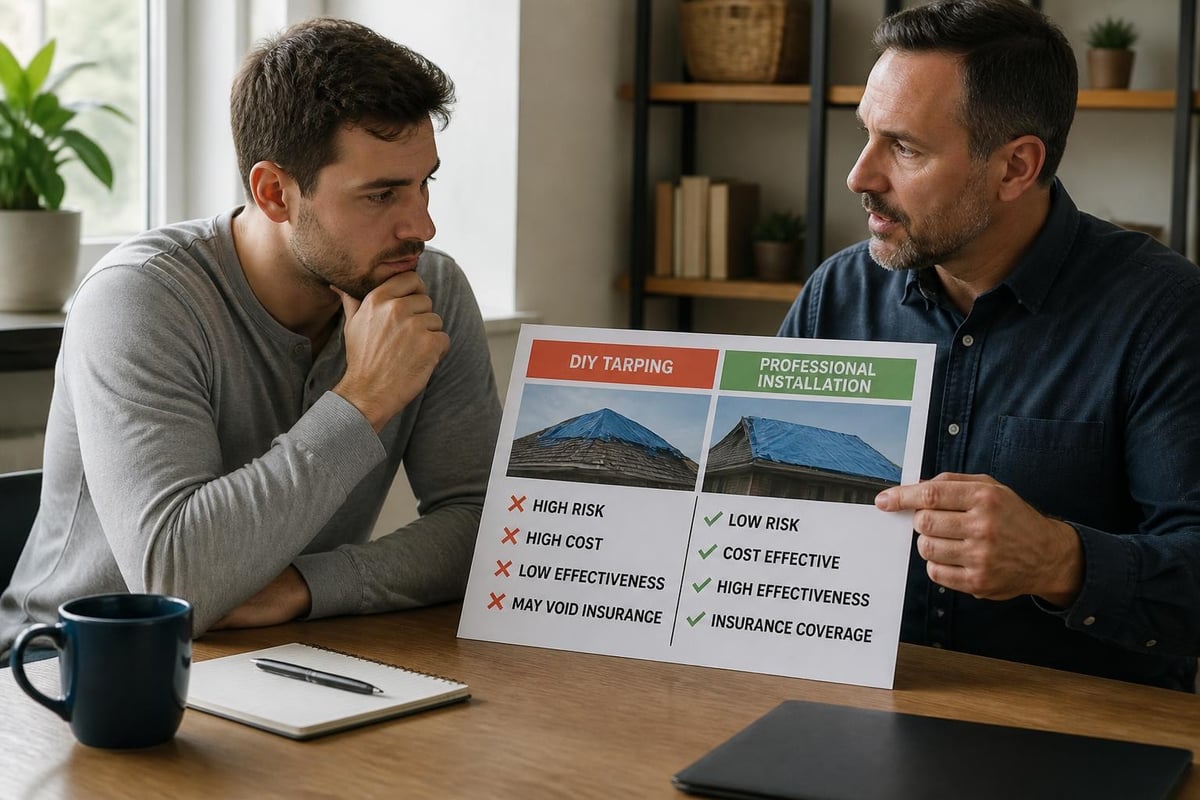
The decision between attempting tarping yourself versus hiring professionals involves weighing several critical factors beyond simple cost savings.
Safety Considerations
Roof work presents significant injury risks, particularly following storm damage when surfaces may be wet, unstable, or littered with debris. Falls from roofs represent a leading cause of construction-related injuries and fatalities. Professional contractors carry appropriate insurance, use proper safety equipment, and possess training to identify structural hazards.
DIY tarping might seem straightforward until you're on a slippery pitch during windy conditions. The few hundred dollars saved become irrelevant if an injury occurs or improper installation allows continued water damage.
Installation Quality Differences
Professional installers understand roof system mechanics and how water flows across various roof designs. They know how to:
- Position tarps to shed water effectively without creating pooling
- Secure materials without causing additional roof penetrations
- Account for wind uplift and lateral forces
- Integrate tarps with existing flashing and drainage systems
- Identify underlying damage that requires immediate attention
Amateur installations frequently fail during subsequent weather events, negating any cost savings and potentially causing additional damage that insurance may not cover if deemed improper mitigation.
Finding Qualified Roof Tarping Contractors
When searching "roof tarping near me" during an emergency, vetting contractors quickly while maintaining quality standards presents challenges. These strategies help identify reputable professionals.
Essential Contractor Qualifications
Verify that any roofing contractor you consider possesses:
- Active California contractors license (C-39 roofing classification)
- Current liability insurance protecting against property damage
- Workers compensation coverage for all employees
- Physical business address in the Los Angeles area
- Established reputation with verifiable references
- Emergency availability with clear response time commitments
Request license numbers and verify them through the California Contractors State License Board website. Unlicensed operators frequently appear during emergencies, offering low prices but providing substandard work and no accountability.
Red Flags to Avoid
Steer clear of contractors who:
- Demand full payment upfront before beginning work
- Pressure immediate decisions without allowing time for research
- Cannot provide proof of insurance upon request
- Offer suspiciously low prices compared to other estimates
- Operate solely from vehicles without established business locations
- Discourage filing insurance claims or offer to "work around" insurance
These warning signs often indicate storm chasers who provide poor-quality work and disappear before completing permanent repairs.
Roof Tarping for Different Roof Types
Los Angeles properties feature diverse roofing systems, each requiring specific tarping approaches for effective temporary protection.
Asphalt Shingle Roofs
Composition shingle roofs represent the most common residential roofing type. Tarping these systems requires care to avoid lifting intact shingles or damaging underlayment. Contractors typically secure tarps using battens placed along undamaged shingle courses rather than driving fasteners through the roofing material.
The weight distribution across battens prevents concentrated stress points that could tear the tarp or damage underlying materials. When permanent roof repairs can be scheduled, contractors remove tarps without leaving additional damage behind.
Tile Roof Considerations
Clay and concrete tile roofs present unique challenges for emergency tarping. Individual tiles can be extremely fragile, and walking on damaged sections may cause additional breakage. Professional contractors use roof jacks and walkboards to distribute weight and protect intact tiles.
Tarps must accommodate the dimensional profile of tile roofs, often requiring custom folding and securing techniques. The space beneath tiles also needs consideration, as wind can lift tarps from below if not properly anchored at roof edges and ridges.
| Roof Type | Tarping Complexity | Average Cost | Special Considerations |
|---|---|---|---|
| Asphalt shingles | Moderate | Six to eight hundred dollars | Avoid additional penetrations |
| Clay tile | High | Eight hundred to twelve hundred dollars | Fragile walking surface |
| Metal panels | Low to moderate | Five to seven hundred dollars | Secure edges against wind |
| Built-up commercial | Moderate | Varies by square footage | Consider drainage patterns |
Metal Roofing Systems
Metal roofs typically sustain different damage patterns than shingle or tile systems. Rather than missing individual elements, metal roofs may develop tears, separated seams, or punctures from fallen objects. Tarping these systems often requires addressing linear damage running along panel seams.
Contractors must exercise care when fastening tarps to metal surfaces, as improper techniques can create additional penetrations that become leak points once tarps are removed. Specialized adhesive-backed tarps sometimes provide better solutions for metal roof applications.
Temporary Protection Duration and Maintenance
Understanding how long tarps remain effective and what maintenance they require helps property owners plan appropriately for permanent repairs.
Expected Tarp Lifespan
Professional-grade tarps properly installed typically provide reliable protection for four to eight weeks under normal weather conditions. However, several factors affect actual duration:
- Weather exposure including high winds, intense sun, and temperature extremes
- Tarp material quality ranging from standard polyethylene to reinforced vinyl
- Installation quality determining how well tarps resist displacement
- Roof pitch affecting water shedding and tarp stress
- Ongoing monitoring and minor adjustments as needed
Property owners should not view tarps as long-term solutions. Extended exposure causes material degradation, fastener loosening, and increased failure risk. Scheduling permanent repairs within the tarp's effective lifespan prevents emergency situations from recurring.
Monitoring and Adjustments
Between installation and permanent repair, property owners should:
- Inspect tarps after each weather event for displacement or damage
- Check interior ceilings for new leak signs indicating tarp failure
- Clear debris that accumulates on tarps and prevents proper drainage
- Document tarp condition with periodic photographs for insurance records
- Contact contractors immediately if tarps show signs of failure
Some roofing companies offer monitoring services as part of their emergency response, returning to check tarp integrity and make adjustments. This added service provides peace of mind and prevents surprise failures.
Coordinating Emergency Tarping with Permanent Repairs
Strategic planning bridges the gap between immediate protection and lasting solutions, ensuring efficient restoration processes.
Insurance Claim Integration
File insurance claims promptly after damage occurs, even before tarping if possible. However, don't delay protective measures waiting for adjuster availability. Most policies require policyholders to mitigate further damage and reimburse reasonable emergency expenses.
When contractors provide tarping services, obtain detailed invoices specifying:
- Date and time of service
- Materials used with quantities and costs
- Labor hours and rates
- Photographic documentation of damage and completed work
- Contractor license and insurance information
This documentation facilitates claims processing and demonstrates your mitigation efforts. Keep all receipts and correspondence in dedicated claim files.
Planning Permanent Repairs
While tarps provide temporary protection, use this time productively to:
- Obtain multiple estimates for permanent repair work
- Review contractor qualifications thoroughly without time pressure
- Understand scope differences between repair and replacement options
- Consider upgrades that improve future weather resistance
- Schedule work during optimal weather windows
Many property owners discover that coordinating both emergency tarping and permanent repairs through a single contractor streamlines the process. The tarping crew already understands your damage, eliminating redundant inspections and assessments.
Regional Considerations for Los Angeles Properties
Local climate patterns, building codes, and contractor availability influence roof tarping strategies in the greater Los Angeles area.
Weather Patterns and Timing
Southern California's Mediterranean climate concentrates rain into winter months, with the wettest period typically running from December through March. Storm damage occurring during this window requires especially prompt tarping, as subsequent rainfall often follows within days.
Summer and fall present lower precipitation risk but introduce different challenges. Intense heat degrades tarps more rapidly, and wildfire season creates smoke and ash exposure that can complicate both temporary and permanent repairs.
Building Code Compliance
California maintains strict building codes addressing roof construction and repair. While emergency tarping falls outside permit requirements, permanent repairs triggered by damage often necessitate bringing entire roof sections up to current code standards.
Working with licensed contractors familiar with Los Angeles building department requirements ensures permanent repairs proceed smoothly without permit delays or code violations that complicate insurance settlements.
Emergency roof protection requires immediate action combined with informed decision-making to prevent extensive property damage. Understanding when to seek professional tarping services, what quality installation entails, and how to coordinate temporary protection with permanent solutions positions property owners to navigate roofing emergencies effectively. Whether you're dealing with storm damage, fallen trees, or other catastrophic events requiring "roof tarping near me" services, Proof Your Roof provides rapid emergency response and expert roofing solutions throughout Los Angeles and surrounding areas, ensuring your property receives proper protection and professional repairs that stand the test of time.