
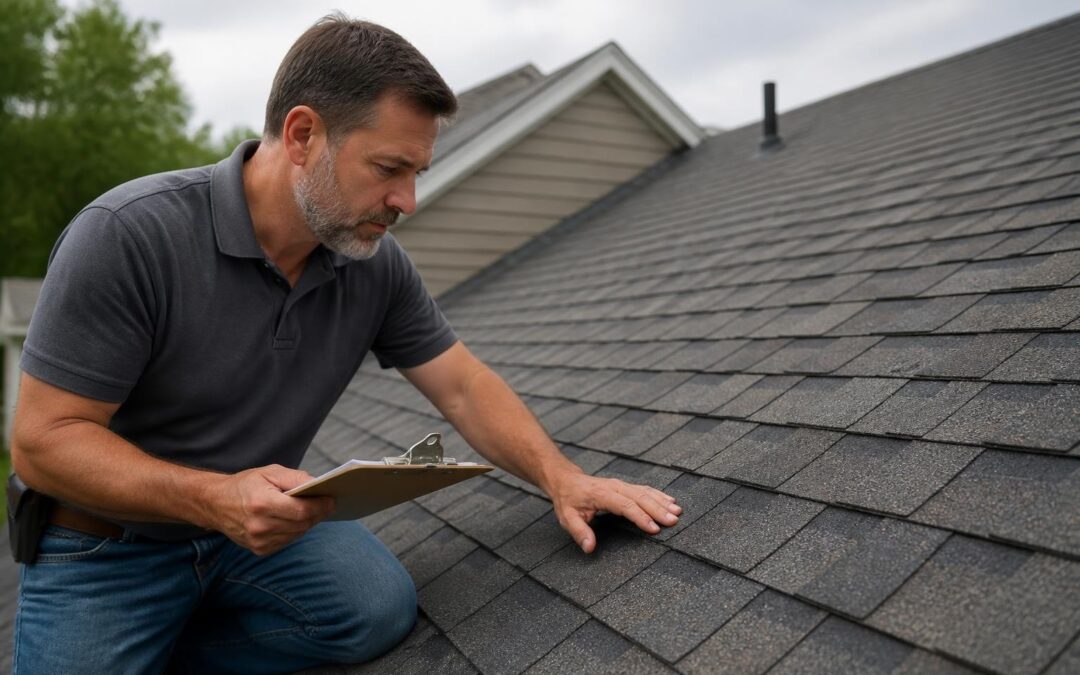
Every roof eventually requires attention, whether from age, weather damage, or normal wear and tear. Understanding roofing fixing fundamentals helps property owners make informed decisions, avoid costly mistakes, and extend the lifespan of their investment. Los Angeles homeowners and commercial property managers face unique challenges from intense sun exposure, occasional heavy rains, and temperature fluctuations that accelerate roof deterioration. This comprehensive guide explores essential roofing fixing strategies, from identifying problems early to determining when repairs are sufficient versus when replacement becomes necessary.
Understanding Common Roofing Problems
Roofing systems face numerous challenges throughout their service life. Weather conditions, material degradation, and installation quality all contribute to potential issues that require professional attention.
Leak Detection and Water Damage
Water infiltration represents the most common roofing problem requiring immediate fixing. Leaks often originate from damaged shingles, compromised flashing around chimneys and vents, or deteriorated sealants. Many homeowners notice water stains on ceilings or walls before identifying the actual roof damage.
Early detection is critical because water damage compounds rapidly. Moisture infiltration can lead to:
- Structural wood rot in rafters and decking
- Mold and mildew growth in attic spaces
- Insulation damage reducing energy efficiency
- Interior ceiling and wall deterioration
- Electrical hazards from moisture contact
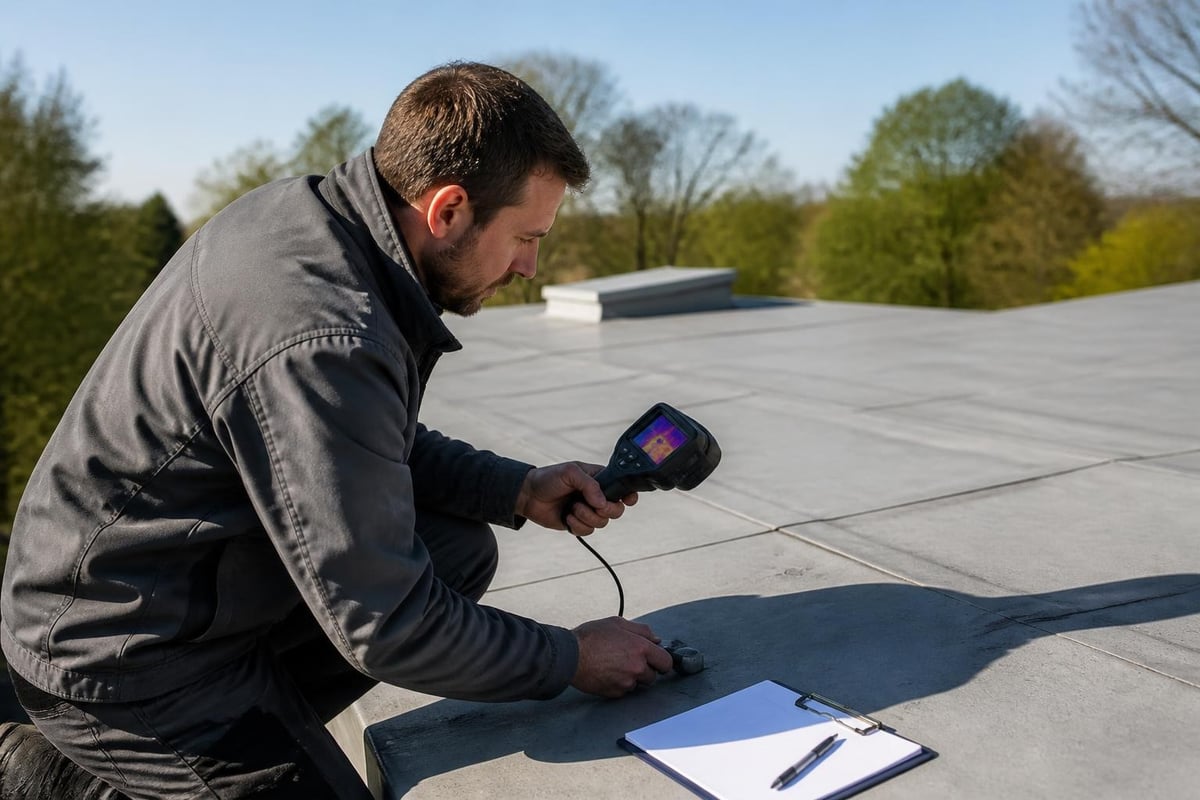
Professional inspectors use thermal imaging and moisture meters to locate hidden leaks that aren't visible during standard visual inspections.
Shingle Damage and Deterioration
Asphalt shingles, the most common roofing material in residential applications, experience specific degradation patterns. Granule loss exposes the asphalt layer to UV radiation, accelerating breakdown. Curling, buckling, and missing shingles create vulnerable points where water can penetrate.
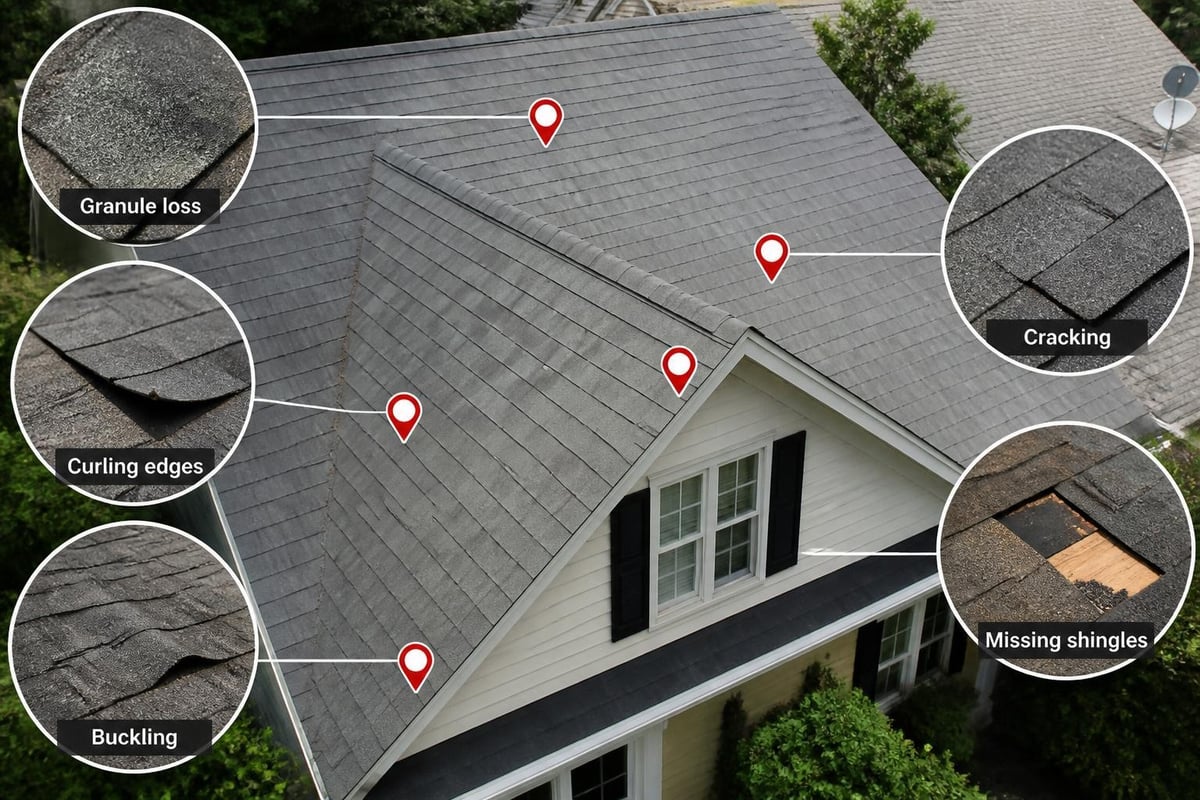
Wind damage often affects multiple shingles in concentrated areas, particularly on roof edges and ridges where uplift forces are strongest. Hail creates bruising that may not be immediately visible but compromises shingle integrity over time.
Professional Roofing Inspection Protocols
Systematic inspection forms the foundation of effective roofing fixing. Regular roof maintenance and inspections prevent minor issues from escalating into major repairs.
Seasonal Inspection Requirements
Different seasons present unique challenges and opportunities for roof assessment. Spring inspections focus on winter storm damage, while fall assessments prepare roofs for upcoming harsh weather.
| Season | Primary Focus | Key Concerns |
|---|---|---|
| Spring | Winter damage assessment | Ice dam damage, shingle lifting, flashing separation |
| Summer | Heat damage evaluation | Thermal expansion, UV degradation, ventilation adequacy |
| Fall | Winter preparation | Debris removal, seal integrity, drainage functionality |
| Winter | Emergency monitoring | Active leak detection, snow load assessment, ice formation |
Facilities management professionals recommend quarterly inspections for commercial properties and bi-annual inspections for residential roofs.
Documentation and Record Keeping
Professional roofing fixing requires detailed documentation. Photograph all damage areas, note GPS coordinates for large commercial roofs, and maintain repair history logs. This information proves invaluable for warranty claims, insurance documentation, and planning future maintenance budgets.
Digital documentation systems allow property managers to track repair patterns over time, identifying chronic problem areas that may require more comprehensive solutions than repeated fixing.
Essential Roofing Fixing Techniques
Different damage types require specific repair approaches. Understanding proper techniques ensures lasting repairs rather than temporary patches.
Shingle Replacement Procedures
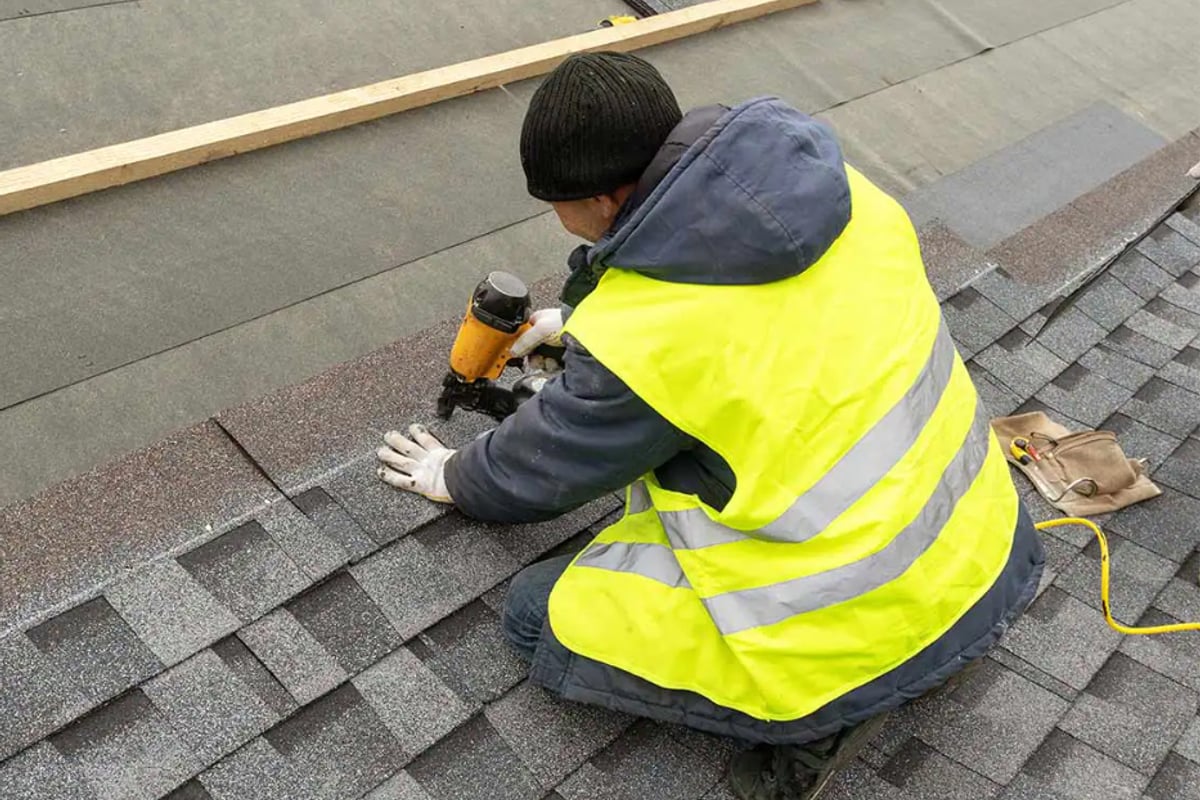
Individual shingle replacement is often the most straightforward roofing fixing task. The process involves carefully lifting surrounding shingles, removing damaged nails, sliding out the compromised shingle, and installing a replacement.
Critical steps include:
- Select matching shingles from the same manufacturer and product line
- Remove nails from the damaged shingle and the course above
- Slide the new shingle into position
- Secure with roofing nails placed in the nail line
- Apply roofing cement under lifted shingle edges
- Seal the repair area to prevent water infiltration
Temperature matters significantly during shingle work. Cold weather makes shingles brittle and prone to cracking, while extreme heat softens them excessively.
Flashing Repair and Replacement
Flashing creates watertight seals around roof penetrations and transitions. Damaged flashing accounts for a substantial percentage of roofing fixing calls. Valley flashing, chimney flashing, and vent pipe boots deteriorate from exposure and thermal cycling.
Proper flashing repair requires removing surrounding roofing material to access the damaged section completely. Half-measures that apply sealant over deteriorated flashing provide only temporary relief before failure recurs.
Advanced Diagnostic Methods
Modern roofing fixing incorporates technology-enhanced inspection techniques that identify problems invisible to standard visual assessment.
Infrared Thermography Applications
Thermal imaging cameras detect temperature differentials indicating moisture trapped in roofing systems. Wet insulation appears cooler than dry areas, revealing leak locations that haven't yet produced visible interior damage.
This non-invasive diagnostic approach allows contractors to:
- Map moisture extent throughout large commercial roofs
- Identify insulation deficiencies affecting energy performance
- Locate air leaks compromising building envelope integrity
- Document problem areas for insurance claims
- Verify repair effectiveness after roofing fixing completion
Best practices for roof inspections increasingly incorporate these advanced technologies for comprehensive assessment.
Moisture Meter Testing
Handheld moisture meters provide quantitative data about water content in roofing materials. These devices help determine whether substrate replacement is necessary or if drying and surface repair will suffice.
Repair Versus Replacement Decision Matrix
Determining when roofing fixing is appropriate versus when complete replacement becomes necessary represents a critical financial decision. Several factors influence this determination.
The Thirty Percent Rule
Industry guidance on repair versus replacement suggests that when repair costs exceed thirty percent of replacement costs, property owners should seriously consider full replacement. This threshold accounts for the diminishing return on investment when extensive repairs are needed on aging systems.
| Factor | Favor Repair | Favor Replacement |
|---|---|---|
| Roof Age | Under 15 years | Over 20 years |
| Damage Extent | Localized areas | Widespread throughout |
| Cost Comparison | Under 30% of replacement | Over 30% of replacement |
| Energy Efficiency | Meets current standards | Significantly outdated |
| Warranty Status | Active coverage remaining | Expired or minimal coverage |
Additional considerations include planned property transactions, upcoming renovations affecting roof areas, and insurance coverage availability.
Long-Term Cost Analysis
Repeated roofing fixing on aging systems often costs more over five to ten years than proactive replacement. Calculate the total cost of ownership by projecting annual maintenance expenses, energy costs from inefficient systems, and potential interior damage from progressive deterioration.
Commercial property managers particularly benefit from this analysis, as tenant disruption from repeated repairs affects rental income and occupant satisfaction.
Preventive Maintenance Programs
Proactive maintenance significantly reduces emergency roofing fixing needs. Structured programs address minor issues before they escalate into costly problems.
Quarterly Maintenance Checklist
Regular maintenance tasks preserve roofing system integrity and extend service life. DIY maintenance guidance helps homeowners understand what they can safely accomplish versus tasks requiring professional expertise.
Essential quarterly tasks include:
- Gutter and downspout cleaning to ensure proper drainage
- Debris removal from roof surfaces and valleys
- Tree branch trimming to prevent abrasion and falling limb damage
- Caulk and sealant inspection around penetrations
- Attic ventilation assessment for proper airflow
- Flashing examination for separation or corrosion
- Fastener inspection for exposed or lifted nails
These routine activities cost significantly less than emergency roofing fixing while preventing the majority of common problems.
Professional Service Agreements
Many roofing contractors offer maintenance agreements providing scheduled inspections and minor repairs. These programs typically include priority service during storm emergencies and discounted rates on major repairs.
For commercial properties, service agreements ensure compliance with warranty requirements that often mandate regular professional inspections. Documented maintenance history also strengthens insurance claims when storm damage occurs.
Material-Specific Repair Considerations
Different roofing materials require specialized roofing fixing approaches. Understanding material characteristics ensures appropriate repair methods.
Asphalt Shingle Systems
Asphalt shingles roof systems dominate residential roofing due to their cost-effectiveness and ease of installation. Repairs typically involve individual shingle replacement, although extensive granule loss may indicate the need for broader intervention. When selecting replacement shingles for roofing fixing projects, matching not just the color but also the product line ensures consistent performance and appearance. Architectural shingles differ significantly from three-tab varieties in thickness, weight, and installation requirements.
Clay and Concrete Tile
Tile roofing presents unique challenges during fixing operations. Individual tiles crack from impact or thermal stress, requiring careful removal and replacement without damaging adjacent units. The underlayment beneath tile often deteriorates before the tiles themselves, necessitating extensive repair work despite the tile appearing intact.
Matching replacement tiles for discontinued products sometimes proves difficult, requiring creative sourcing or pattern modification. Professional contractors maintain relationships with specialty suppliers and tile salvage operations for these situations.
Metal Roofing Systems
Metal roof repairs focus on fastener integrity, panel overlap sealing, and corrosion management. Exposed fastener systems require periodic tightening and gasket replacement as thermal cycling causes gradual loosening. Standing seam systems rarely need roofing fixing if properly installed, though panel damage from falling objects or foot traffic may necessitate section replacement.
Emergency Repair Protocols
Storm damage and sudden leaks require immediate response to minimize interior damage and safety hazards.
Temporary Protection Measures
When professional roofing fixing cannot occur immediately, temporary measures limit damage progression. Heavy-duty tarps properly secured with lumber and sandbags provide interim weather protection. Critical considerations include:
- Extend tarps beyond the damaged area by at least four feet
- Secure edges without penetrating the roof membrane with new holes
- Fold and weight tarps rather than driving additional fasteners
- Monitor tarps during wind events to prevent uplift
- Document all damage before covering for insurance purposes
Emergency repairs never substitute for proper roofing fixing but provide essential protection during contractor scheduling or insurance processing delays.
Storm Damage Assessment
Following severe weather events, systematic damage assessment determines roofing fixing priorities. Spring maintenance checklists help homeowners evaluate winter storm impacts and prepare for the active weather season.
Hail damage often requires professional inspection because impact points may not be immediately visible. Insurance adjusters and roofing contractors use standardized assessment criteria to determine damage extent and repair requirements.
Safety Protocols for Roofing Work
Roofing fixing involves inherent risks requiring strict safety measures. Professional contractors follow OSHA guidelines and industry best practices to protect workers and property.
Fall Protection Requirements
Any work more than six feet above ground level requires fall protection systems. Professional-grade equipment includes personal fall arrest systems, guardrails, and safety net installations. Homeowners attempting roofing fixing should understand that inadequate safety equipment causes thousands of injuries annually.
| Safety Equipment | Application | Regulatory Standard |
|---|---|---|
| Personal Fall Arrest | Steep slope work | OSHA 1926.502 |
| Guardrail Systems | Low-slope perimeters | OSHA 1926.502(b) |
| Safety Net Systems | Large commercial projects | OSHA 1926.502(c) |
| Warning Line Systems | Low-slope interior work | OSHA 1926.502(f) |
Professional contractors maintain current safety certifications and carry appropriate liability insurance protecting property owners from accident-related claims.
Weather Condition Limitations
Roofing fixing should never occur during adverse weather conditions. Rain, high winds, extreme temperatures, and lightning all create unacceptable risk levels. Professional contractors postpone work when conditions compromise safety or repair quality.
Quality Assurance and Warranty Protection
Proper roofing fixing includes quality verification and warranty documentation. Understanding coverage terms protects property owners from future expenses.
Manufacturer Versus Contractor Warranties
Roofing systems typically include multiple warranty layers. Material manufacturers warrant product defects, while contractors guarantee workmanship. Roofing fixing work may affect existing warranties, requiring careful documentation and potentially manufacturer approval for coverage continuation.
Key warranty considerations:
- Material warranties rarely cover labor costs for defect correction
- Workmanship warranties typically range from one to ten years
- Warranty transfer requirements affect property resale value
- Regular maintenance documentation may be required for claim eligibility
- Unauthorized repairs can void existing coverage
Professional contractors provide detailed warranty information and maintain records demonstrating compliance with maintenance requirements.
Post-Repair Inspection
Quality roofing fixing includes verification that repairs meet industry standards. Interior inspections confirm leak resolution, while exterior examination ensures proper installation techniques and aesthetic integration with existing roofing.
Advanced maintenance planning research demonstrates that systematic inspection protocols optimize long-term roof performance and minimize lifecycle costs.
Cost Factors in Roofing Fixing
Understanding pricing components helps property owners budget appropriately and evaluate contractor proposals.
Labor and Material Pricing
Roofing fixing costs vary significantly based on damage extent, accessibility, material type, and regional labor rates. Los Angeles area pricing reflects higher labor costs and strict building code requirements compared to national averages.
Repair estimates should itemize labor, materials, disposal fees, and permit costs separately. Comprehensive proposals include warranty information and project timeline details.
Hidden Cost Considerations
Substrate damage discovered during roofing fixing adds unexpected expenses. Deteriorated decking, damaged insulation, or compromised structural members require correction before completing surface repairs.
Transparent contractors discuss potential hidden costs during initial consultations, helping property owners prepare for contingencies. Fixed-price agreements may include allowances for reasonable substrate repairs discovered during work.
Effective roofing fixing requires knowledge, proper technique, and timely action to protect your property investment. Whether addressing minor shingle damage or planning comprehensive repairs, understanding the fundamentals ensures quality outcomes and long-term performance. For professional roofing fixing services throughout Los Angeles and surrounding areas, Proof Your Roof offers expert assessment, quality repairs, and comprehensive maintenance programs tailored to your specific roofing system and needs.