
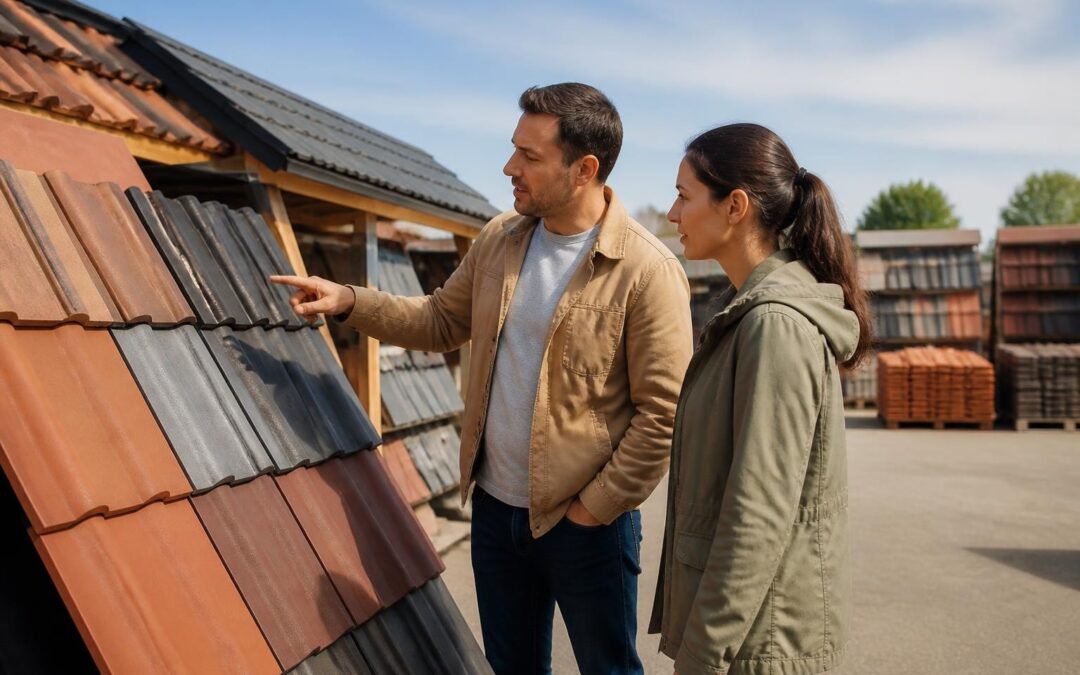
Finding quality roofing tiles near me has become a critical decision for homeowners and property managers throughout Los Angeles and surrounding areas. The search for local roofing tile suppliers and installers involves understanding material options, assessing quality standards, comparing costs, and evaluating contractor expertise. Whether you're planning a complete roof replacement, new construction, or restoration project, selecting the right tile material and installation partner directly impacts your property's longevity, energy efficiency, and aesthetic appeal. This comprehensive guide examines everything you need to know about sourcing roofing tiles locally, from material specifications to installation considerations.
Understanding Different Types of Roofing Tiles Available Locally
When searching for roofing tiles near me, you'll encounter several primary material categories, each with distinct performance characteristics and aesthetic qualities.
Clay Tile Roofing Options
Clay tiles represent the traditional choice for Mediterranean and Spanish-style architecture prevalent throughout Southern California. These tiles undergo firing at extremely high temperatures, creating a durable, weather-resistant product that can last 50 to 100 years with proper maintenance. The ASTM C1167 standard establishes quality benchmarks for clay roof tiles, specifying physical properties and performance requirements.
Clay tiles come in several profile configurations:
- Barrel or mission tiles – Traditional curved profile creating distinctive wave patterns
- S-shaped tiles – Interlocking design offering enhanced weather protection
- Flat tiles – Sleek, contemporary appearance with lower profile
- Interlocking flat tiles – Modern design combining aesthetics with functional overlap
The natural composition of clay tiles provides inherent fire resistance, with Class A fire ratings standard across quality products. Additionally, clay's thermal mass properties help moderate interior temperatures, contributing to energy efficiency in both warm and cool seasons.
Concrete Tile Alternatives
Concrete tiles have gained substantial market share as a cost-effective alternative to clay while maintaining comparable durability and aesthetic versatility. Manufactured from Portland cement, sand, and water, concrete tiles can be molded into virtually any profile and finished in numerous colors and textures.
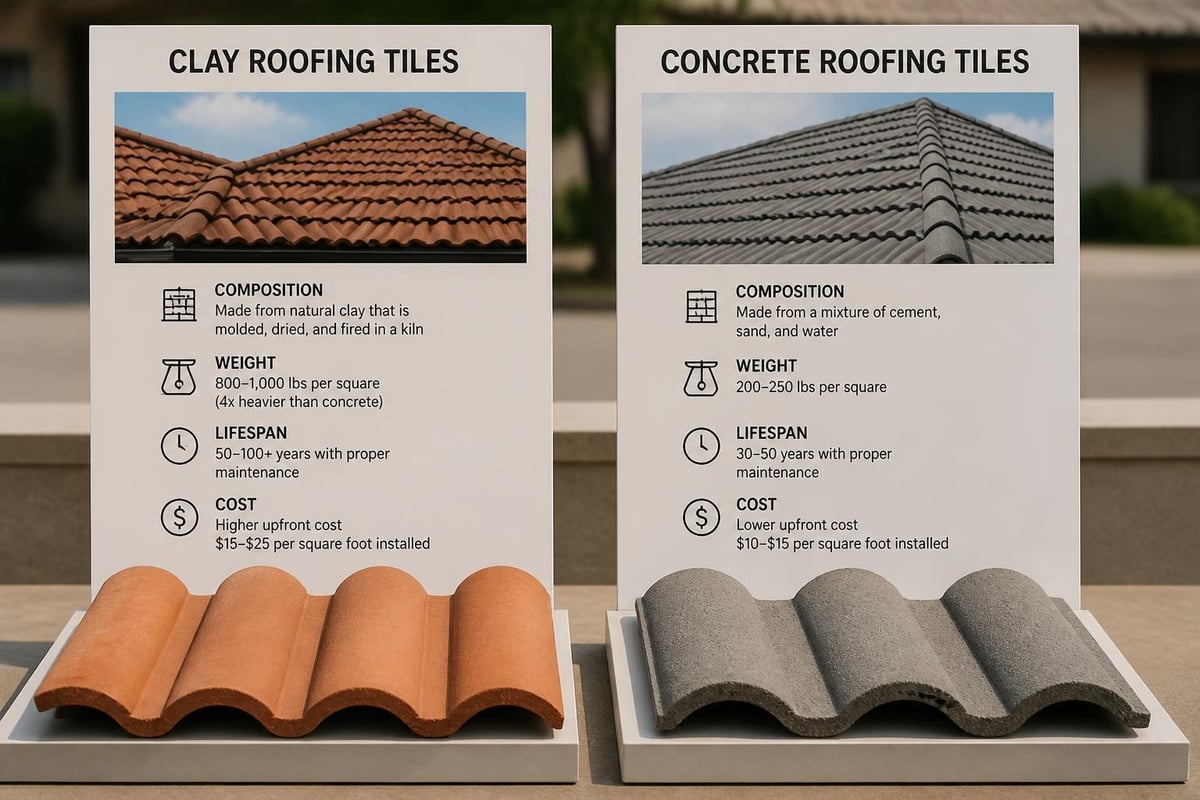
| Feature | Clay Tiles | Concrete Tiles |
|---|---|---|
| Lifespan | 50-100+ years | 40-75 years |
| Weight (per square) | 600-1,100 lbs | 820-1,100 lbs |
| Color Retention | Excellent (through-body) | Good (surface coating) |
| Initial Cost | Higher | Moderate |
| Fire Rating | Class A | Class A |
Concrete tiles offer manufacturers greater flexibility in creating custom colors and textures, allowing homeowners to achieve specific architectural visions. The National Roofing Contractors Association provides detailed technical guidance on both clay and concrete tile installation practices and material selection considerations.
Composite and Specialty Tile Materials
Modern manufacturing has introduced composite roofing tiles that combine recycled materials, polymers, and mineral compounds to create lightweight alternatives to traditional clay and concrete. These products target homeowners seeking the aesthetic of tile roofing without the structural reinforcement requirements of heavier materials.
Specialty tiles include slate-style concrete products, metal tiles with ceramic coatings, and engineered composite systems designed for specific climate challenges or architectural requirements.
Evaluating Local Roofing Tile Suppliers and Quality Standards
Finding roofing tiles near me requires more than identifying the nearest supplier. Quality assessment involves examining product specifications, certifications, and supplier reputation.
Product Certifications and Performance Testing
Reputable tile manufacturers subject their products to rigorous testing protocols that verify performance under real-world conditions. Wind resistance testing per ASTM D3161 measures how well tiles resist uplift forces during high-wind events, particularly critical in coastal areas and regions prone to severe weather.
Additional certifications to verify when sourcing roofing tiles near me include:
- ICC-ES evaluation reports – International Code Council evaluation service reports confirm compliance with building codes
- UL fire ratings – Class A ratings for fire resistance
- CRRC ratings – Cool Roof Rating Council certification for solar reflectance and thermal emittance
- Freeze-thaw certifications – Relevant for areas experiencing temperature extremes
- Impact resistance ratings – Important for hail-prone regions
The Tile Roofing Industry Alliance installation manual provides comprehensive technical specifications and installation guidelines recognized by building officials nationwide.
Supplier Reputation and Service Capabilities
Beyond product quality, evaluate local suppliers based on inventory depth, technical support, and delivery capabilities. Established suppliers maintain relationships with multiple manufacturers, providing access to diverse product lines and competitive pricing.
Key questions when evaluating roofing tile suppliers:
- What is their typical lead time for orders?
- Do they offer project estimation and material calculation services?
- What warranty support do they provide for defective materials?
- Can they source specialty or custom-color tiles?
- Do they maintain adequate inventory for project continuity?
Working with suppliers who understand local building codes and climate-specific requirements streamlines the procurement process and reduces project delays.
Cost Considerations When Sourcing Roofing Tiles Locally

Budget planning for tile roofing projects requires understanding both material costs and installation expenses that vary based on tile type, roof complexity, and project scope.
Material Pricing Structures
Roofing tile prices fluctuate based on material composition, profile complexity, color options, and manufacturer positioning. As of 2026, expect the following general price ranges per square foot of coverage:
Clay Tiles:
- Standard mission or barrel profiles: $8.50 to $15.00 per square foot
- Premium interlocking profiles: $12.00 to $20.00 per square foot
- Custom colors or specialty profiles: $15.00 to $25.00+ per square foot
Concrete Tiles:
- Standard profiles and colors: $4.50 to $9.00 per square foot
- Premium finishes and profiles: $7.50 to $13.00 per square foot
- Architectural specialty products: $10.00 to $18.00 per square foot
These material costs represent the tiles themselves. Complete project budgets must account for underlayment, battens, fasteners, ridge caps, hip and valley components, and flashing materials that typically add 20 to 35 percent to material expenses.
Installation and Labor Expenses
Professional installation represents the largest component of total project costs. Tile roofing requires specialized expertise, particularly for proper attachment methods that resist wind uplift while allowing thermal movement. Labor costs vary regionally but generally range from $300 to $600 per square (100 square feet) for standard installations, with complex roof geometries commanding premium rates.
Additional cost factors include:
- Structural reinforcement – Older homes may require roof framing upgrades to support tile weight
- Tear-off and disposal – Removing existing roofing adds $100 to $200 per square
- Permit fees – Building permits typically cost $500 to $2,000 depending on project scope
- Access considerations – Multi-story buildings or difficult site access increases labor costs
When evaluating roof replacement projects, comprehensive quotes should itemize all cost components for accurate comparison between contractors and material options.
Selecting the Right Installation Contractor for Tile Roofing
Finding quality roofing tiles near me represents only half the equation. Installation quality determines long-term performance, making contractor selection equally critical.
Credentials and Experience Verification
Licensed roofing contractors possess the insurance coverage, bonding, and regulatory compliance necessary for professional work. California requires contractors performing work valued over $500 to hold appropriate state licenses, with specialty classifications for tile roofing work.
Verify contractor credentials through:
- State licensing board records – Confirm active license status and disciplinary history
- Insurance certificates – Verify general liability and workers' compensation coverage
- Manufacturer certifications – Many tile manufacturers offer installer certification programs
- Industry affiliations – Membership in professional associations like NRCA indicates commitment to standards
Request references from recent tile roofing projects similar in scope to your planned work. Quality contractors readily provide contact information for previous clients and welcome site visits to completed projects.
Installation Standards and Best Practices
Professional tile installation follows established industry practices detailed in manufacturer specifications and industry manuals. The Insurance Institute for Business & Home Safety conducts extensive research on tile roofing performance under extreme conditions, informing best-practice recommendations.
Critical installation elements include:
- Proper underlayment installation – High-quality, code-approved underlayment provides secondary water protection
- Correct batten or counter-batten spacing – Ensures proper tile alignment and ventilation
- Appropriate fastener selection and placement – Secures tiles while allowing thermal movement
- Hip and ridge detailing – Critical junctions requiring specialized components and techniques
- Valley construction – Proper valley design channels water effectively without tile damage
Contractors experienced in tile work understand these requirements and can explain their installation approach during project consultations.
Climate-Specific Considerations for Los Angeles Area Tile Roofing
Southern California's Mediterranean climate presents specific advantages and challenges for tile roofing systems that influence material selection and installation practices.
Heat and UV Exposure Management
Intense summer heat and year-round UV exposure accelerate degradation of roofing materials. Tile roofing excels in these conditions due to inherent material stability and reflective properties. Light-colored tiles can significantly reduce cooling loads by reflecting solar radiation rather than absorbing it.
The thermal properties of quality clay tiles roof materials make them particularly well-suited for warm climates. The thermal mass of clay and concrete tiles creates a buffer that moderates heat transfer into living spaces, reducing air conditioning demands during peak afternoon hours.
Cool roof technologies have advanced significantly, with manufacturers developing specialized coatings and integral colorants that maximize solar reflectance while maintaining aesthetic appeal. Products rated by the Cool Roof Rating Council provide verified performance data for comparing thermal performance across tile options.
Seismic Activity Considerations
Earthquake-prone regions require special attention to attachment methods that secure tiles while allowing structure flexibility during seismic events. Modern tile attachment systems incorporate wire reinforcement, mechanical fasteners, and flexible adhesives designed to maintain integrity during structural movement.
Building codes in seismically active areas specify attachment requirements based on tile weight, roof slope, and wind exposure classifications. Experienced contractors understand these requirements and implement appropriate attachment strategies compliant with local ordinances.
Water Management and Drainage
Despite limited rainfall compared to other regions, Los Angeles experiences intense storms that test roofing system water management. Proper tile installation includes adequate roof slope (minimum 3:12 for most tile products), correctly sized and positioned valleys, and effective gutter systems that handle peak flow volumes.
Tile profiles with enhanced interlock features provide superior water diversion compared to simple overlap designs, particularly important on lower-slope applications approaching minimum pitch requirements.
Maintaining and Repairing Tile Roofing Systems
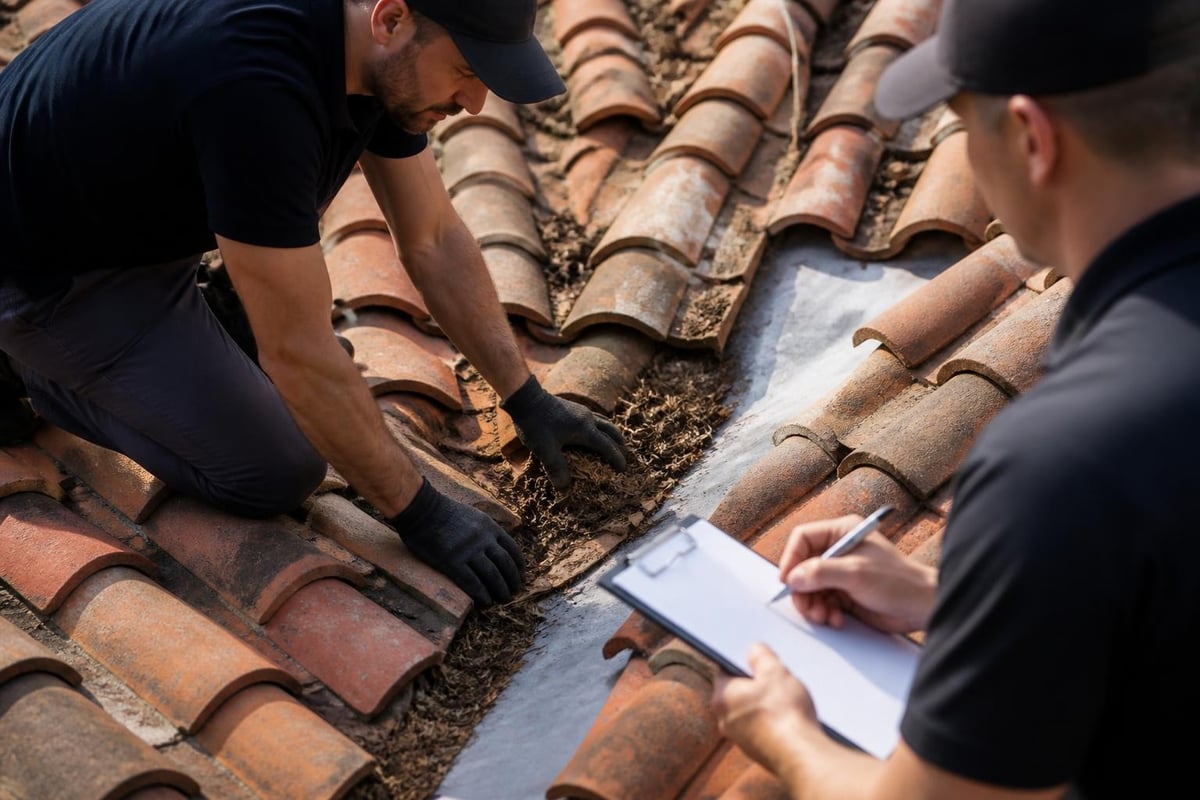
Long-term tile roof performance depends on regular maintenance and timely repairs addressing minor issues before they escalate into major problems.
Routine Inspection and Maintenance
Annual inspections identify developing problems while they remain manageable and cost-effective to address. Professional inspections should examine:
- Individual tile condition – Cracks, chips, or displacement
- Fastener integrity – Corrosion or loosening of attachment hardware
- Flashing condition – Deterioration around penetrations, valleys, and roof edges
- Underlayment exposure – Areas where tile damage may have exposed underlayment
- Debris accumulation – Leaves, branches, or moss growth requiring removal
Simple maintenance tasks like clearing debris from valleys and removing moss growth preserve tile condition and prevent water diversion issues. However, walking on tile roofs requires proper technique and equipment to avoid tile damage, making professional service advisable for most homeowners.
Common Repair Needs and Solutions
Despite exceptional durability, tile roofs occasionally require repairs addressing weather damage, installation deficiencies, or age-related deterioration. Common repair scenarios include:
Individual Tile Replacement:
Broken or cracked tiles can be individually replaced without disturbing surrounding materials. Keeping spare tiles from the original installation ensures color matching for future repairs.
Underlayment Repair:
In cases where underlayment deteriorates before tiles reach end-of-life, partial underlayment replacement can extend roof service life. This process involves carefully removing and replacing tiles in affected sections, installing new underlayment, and reinstalling or replacing tiles.
Flashing Renewal:
Metal flashings around chimneys, skylights, and roof edges may require replacement or repair before the primary roofing system needs attention. Professional contractors experienced with roof repairs can assess flashing condition and recommend appropriate interventions that prevent water intrusion while preserving the overall roofing system.
Fastener Reinforcement:
In high-wind areas or on older installations using outdated attachment methods, fastener reinforcement or supplemental attachment may improve wind resistance and extend service life.
When to Consider Complete Replacement
While quality tile roofing systems can last 50 to 100 years, several factors may justify complete replacement rather than continued repairs:
- Extensive underlayment deterioration across large roof areas
- Structural deficiencies requiring roof framing modification
- Widespread tile damage affecting more than 30 percent of the roof area
- Building code compliance when significant renovations trigger requirement upgrades
- Aesthetic considerations when homeowners desire updated colors or profiles
Professional assessment helps determine the most cost-effective approach balancing repair costs against replacement benefits.
Making the Final Decision on Roofing Tiles and Installation Partners
Selecting roofing tiles near me culminates in choosing specific materials and contractors that align with your priorities, budget, and timeline.
Creating a Decision Matrix
Systematic evaluation using weighted criteria helps clarify priorities and compare options objectively. Consider developing a decision matrix that scores options across factors like:
| Criterion | Weight | Clay Option A | Concrete Option B | Composite Option C |
|---|---|---|---|---|
| Initial Cost | 25% | 6/10 | 8/10 | 7/10 |
| Expected Lifespan | 20% | 10/10 | 8/10 | 7/10 |
| Aesthetic Appeal | 20% | 9/10 | 7/10 | 6/10 |
| Energy Efficiency | 15% | 8/10 | 8/10 | 6/10 |
| Maintenance Requirements | 10% | 9/10 | 8/10 | 7/10 |
| Supplier Support | 10% | 8/10 | 9/10 | 6/10 |
| Weighted Total | 100% | 8.05 | 7.90 | 6.70 |
This structured approach clarifies how different options perform against your specific priorities, supporting confident decision-making.
Obtaining and Comparing Multiple Quotes
Request detailed written proposals from at least three qualified contractors, ensuring quotes include:
- Complete material specifications – Manufacturer, product line, color, and quantity
- Labor scope – Tear-off, disposal, underlayment, battens, tile installation, and cleanup
- Supplementary materials – Ridge caps, hip tiles, valleys, flashing, and fasteners
- Project timeline – Start date, duration, and completion date
- Warranty coverage – Manufacturer material warranty and contractor workmanship warranty
- Payment schedule – Deposit requirements and progress payment terms
Comparing detailed proposals reveals value differences beyond simple price variations. The lowest bid may exclude critical components or use inferior materials that compromise long-term performance.
Understanding Warranty Coverage
Comprehensive warranty protection includes both manufacturer material warranties and contractor workmanship guarantees. Tile manufacturers typically offer warranties ranging from 30 years to lifetime coverage on material defects, though specific terms vary by product line and manufacturer.
Installation workmanship warranties from reputable contractors typically span 5 to 15 years, covering installation-related failures or deficiencies. Verify warranty transferability if you plan to sell the property within the warranty period, as transferable warranties add measurable value during real estate transactions.
Energy Efficiency and Environmental Impact of Tile Roofing
Modern building practices increasingly emphasize energy performance and environmental sustainability, areas where tile roofing demonstrates significant advantages.
Thermal Performance and Cooling Load Reduction
Tile roofing's thermal properties contribute to reduced energy consumption through multiple mechanisms. The air space beneath tiles creates a ventilation cavity that dissipates heat before it reaches the roof deck, reducing attic temperatures by 10 to 20 degrees compared to direct-applied roofing materials.
Light-colored tiles reflect substantial solar radiation, minimizing heat absorption. Products with high Solar Reflectance Index (SRI) values can qualify for cool roof incentives and contribute toward LEED certification points for green building projects.
The combination of reflectivity, thermal mass, and ventilation characteristics makes tile roofing particularly effective in warm climates like Southern California, where cooling represents the dominant energy load.
Sustainability and Life Cycle Considerations
Tile roofing's exceptional longevity delivers environmental benefits by reducing replacement frequency and associated material consumption. A tile roof lasting 75 years avoids the waste generation of three to four replacement cycles required for shorter-lived roofing materials.
Both clay and concrete tiles consist primarily of natural, abundant materials with minimal processing compared to petroleum-based products. At end-of-life, tiles can be crushed and recycled for aggregate in new concrete products or landscaping applications, supporting circular economy principles.
Many tile manufacturers have implemented sustainability initiatives including:
- Recycled content – Incorporating recycled materials into concrete tile production
- Manufacturing efficiency – Reducing energy consumption and emissions during production
- Local sourcing – Minimizing transportation impacts through regional manufacturing
- Responsible extraction – Implementing environmentally sensitive clay and aggregate harvesting
When sourcing roofing tiles near me, inquire about manufacturer sustainability programs and environmental certifications that align with your values.
Selecting the right roofing tiles requires balancing aesthetic preferences, performance requirements, budget constraints, and long-term value considerations specific to Southern California's climate and building practices. From clay and concrete options to modern composite alternatives, understanding material characteristics, quality standards, and installation requirements empowers informed decisions that protect your investment for decades. Whether you're planning new construction, replacement, or restoration work, Proof Your Roof brings specialized expertise in tile roofing systems throughout Los Angeles and surrounding areas, delivering professional installation and comprehensive service that ensures your tile roof performs at its best for generations to come.