
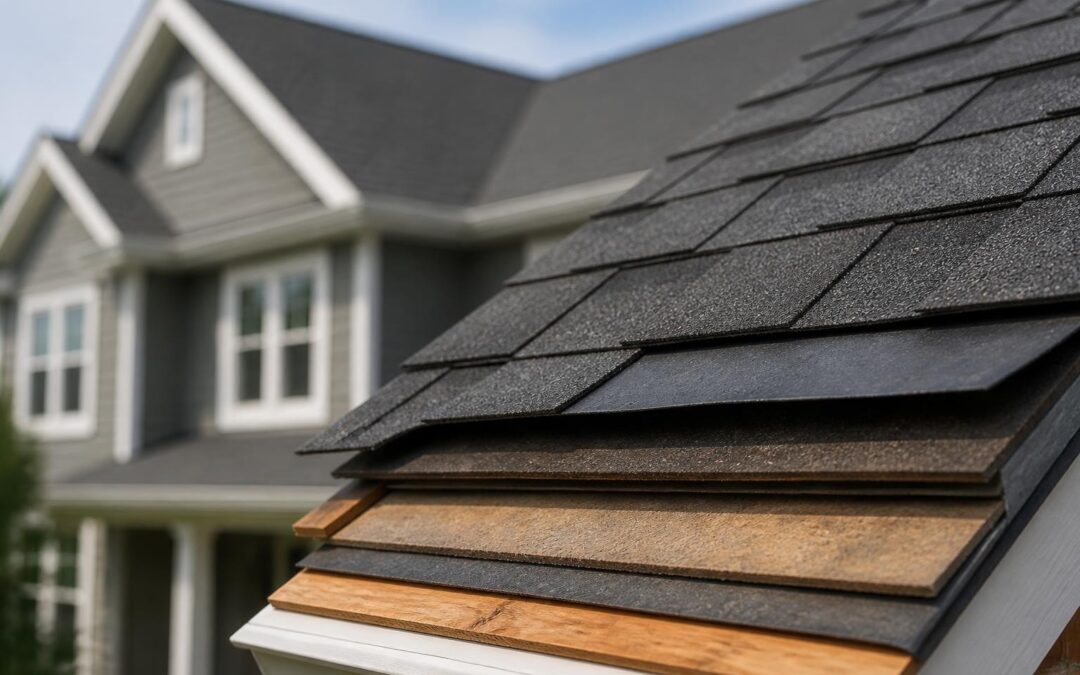
The shingles of roof systems represent one of the most critical components protecting your home from the elements. Whether you're building a new home in Los Angeles or considering a roof replacement, understanding the various aspects of roof shingles can help you make informed decisions that affect your property's longevity, energy efficiency, and curb appeal. This comprehensive guide explores everything from material composition to installation best practices, ensuring you have the knowledge needed to select and maintain the ideal roofing solution for your specific climate and architectural requirements.
Understanding Roof Shingle Construction and Materials
The shingles of roof systems come in various compositions, each designed to meet specific performance requirements and aesthetic preferences. Modern roofing technology has evolved significantly, offering homeowners multiple options that balance durability, cost, and appearance.
Asphalt Shingle Composition
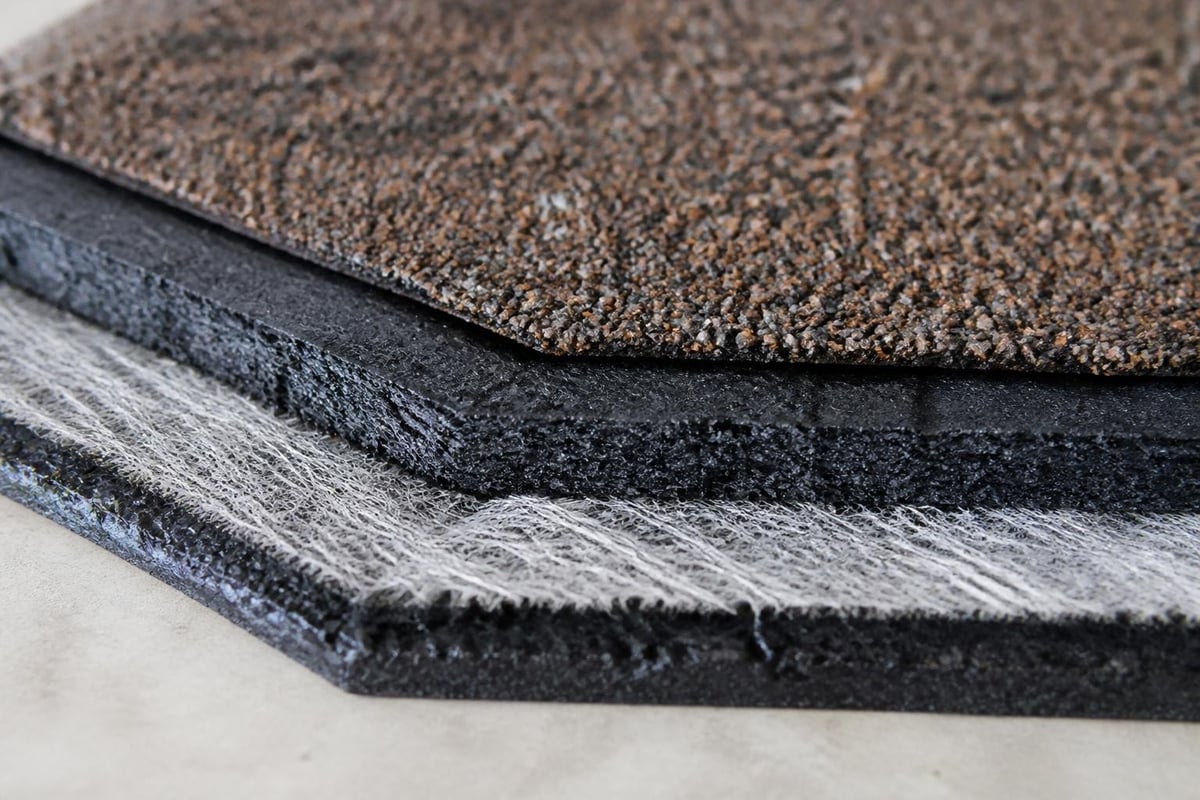
Asphalt shingles dominate the residential roofing market due to their versatility and cost-effectiveness. According to the Asphalt Roofing Manufacturers Association, these shingles consist of either organic or fiberglass base materials saturated with asphalt and coated with mineral granules. The organic variety combines recycled paper products with asphalt, while fiberglass shingles utilize a woven glass fiber mat that provides superior dimensional stability and fire resistance.
Key components of asphalt shingles include:
- Base material (organic felt or fiberglass mat)
- Asphalt coating for waterproofing
- Ceramic or mineral granules for UV protection
- Adhesive strips for wind resistance
- Back surface treatments to prevent sticking
The manufacturing process creates a multilayer composite that provides exceptional weather protection. Fiberglass-based shingles have become increasingly popular in California due to their lighter weight and improved fire ratings, which are particularly important in areas prone to wildfires.
Alternative Shingle Materials
While asphalt dominates, other materials serve specific architectural needs. Wood shingles and shakes offer natural aesthetics but require more maintenance. Metal shingles provide longevity exceeding fifty years but come at a premium price point. Composite and synthetic shingles replicate the appearance of slate or wood while offering improved durability and lower maintenance requirements.
The National Roofing Contractors Association provides comprehensive guidance on various roofing materials and their appropriate applications based on climate zones and building codes.
Types and Styles of Roof Shingles
Understanding the different configurations of shingles of roof systems helps homeowners select options that complement their home's architecture while meeting performance requirements.
Three-Tab vs. Architectural Shingles
| Feature | Three-Tab Shingles | Architectural Shingles |
|---|---|---|
| Thickness | Single layer | Multi-layered laminate |
| Lifespan | 15-20 years | 25-30 years |
| Wind Rating | 60-70 mph | 110-130 mph |
| Appearance | Flat, uniform | Dimensional, textured |
| Cost | Economy | Premium |
Three-tab shingles represent the most basic option, featuring a flat profile with uniform cutouts that create a consistent pattern. Architectural shingles, also called dimensional or laminated shingles, incorporate multiple layers that create depth and shadow lines resembling natural materials like slate or wood shakes.
Specialty Shingle Options
Premium shingles of roof installations may incorporate advanced features designed for specific challenges. Impact-resistant shingles utilize modified asphalt formulations and reinforced construction to withstand hail damage. The Insurance Institute for Business & Home Safety has documented that Class 4 impact-rated shingles significantly reduce damage from severe weather events and may qualify for insurance discounts.
Cool-roof shingles feature specialized granules designed to reflect solar radiation. The Cool Roof Rating Council tests and rates roofing products for solar reflectance and thermal emittance, particularly important in Southern California's climate where reducing cooling costs is a priority.
For Los Angeles homeowners considering an upgrade, Asphalt Shingles roof installations offer excellent weather protection with various style options that complement different architectural designs while providing reliable waterproofing through their asphalt composition.
Installation Considerations for Roof Shingles
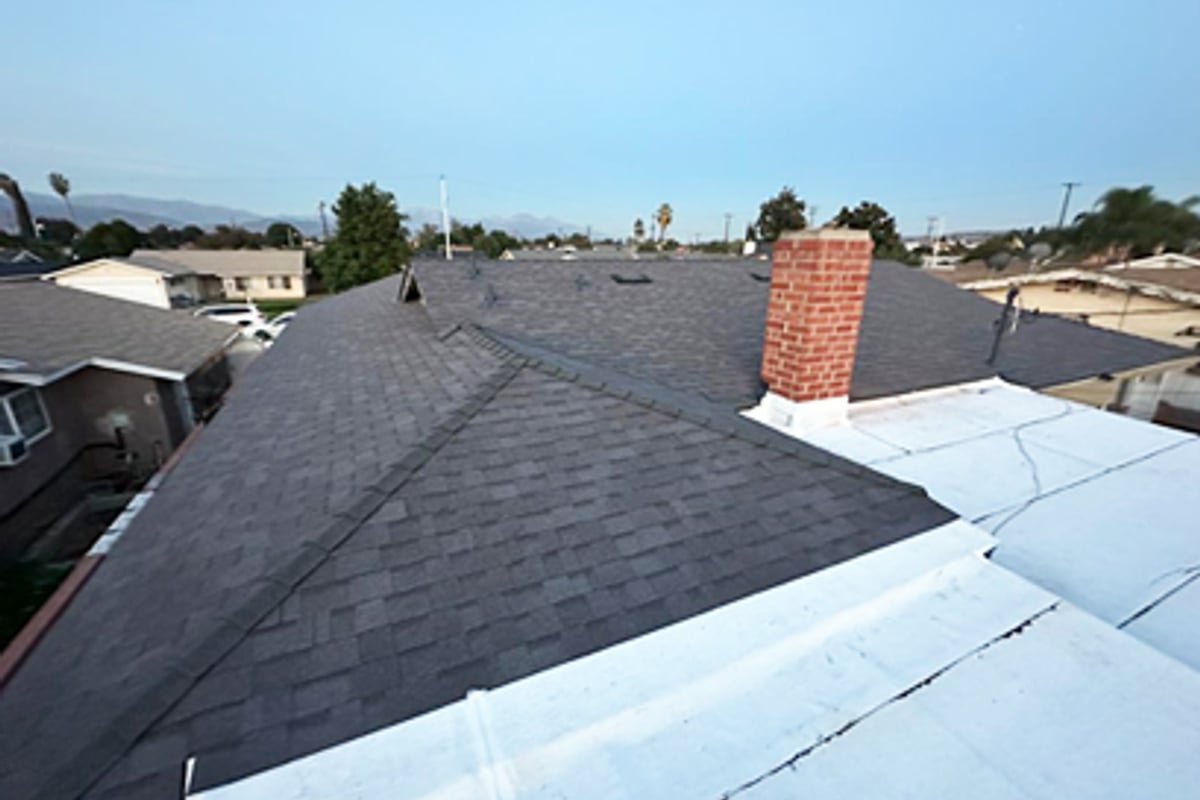
Proper installation determines the performance and longevity of shingles of roof systems. Even premium materials will fail prematurely if not installed according to manufacturer specifications and industry best practices.
Critical Installation Steps
- Deck preparation and inspection – Ensuring the roof deck is structurally sound, dry, and properly ventilated
- Underlayment installation – Applying appropriate water and ice barriers in vulnerable areas
- Starter strip placement – Creating a proper edge seal to prevent wind uplift
- Shingle alignment and fastening – Maintaining proper exposure and using correct nail placement
- Ridge and hip cap installation – Sealing critical transition points
- Flashing integration – Properly sealing penetrations, valleys, and wall intersections
According to research from the University of Florida on wind resistance, the nailing pattern and adhesive seal strength are critical factors in preventing shingle blow-off during high-wind events. California's varied microclimates require installers to adjust techniques based on local wind zones and exposure categories.
Common Installation Errors
Improper nailing represents one of the most frequent installation mistakes. Nails placed too high fail to penetrate both the target shingle and the one below, while over-driven nails tear the shingle material. Side-to-side misalignment creates water channeling paths that bypass the shingle's protective overlap.
Inadequate ventilation creates temperature extremes that accelerate shingle aging. Hot attic spaces can reach temperatures exceeding 160°F in summer, cooking the asphalt binders and causing premature granule loss and brittleness.
Maintenance and Longevity of Roof Shingles
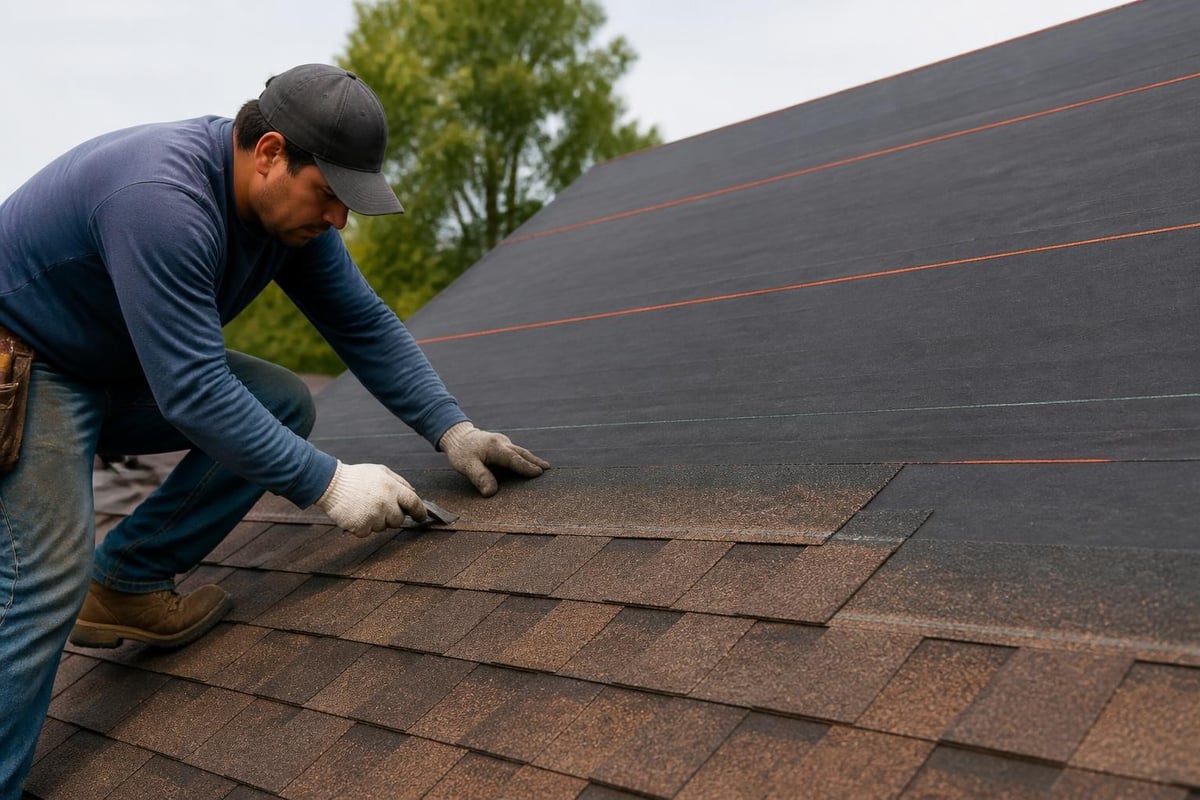
The lifespan of shingles of roof systems depends heavily on maintenance practices, environmental conditions, and initial quality. Proactive care extends service life and prevents minor issues from escalating into major repairs.
Regular Inspection Protocol
Homeowners should conduct visual inspections twice annually, typically in spring and fall. Key indicators of shingle deterioration include:
- Granule loss appearing as bare spots or accumulation in gutters
- Curling or cupping along shingle edges
- Missing or damaged shingles after storms
- Moss or algae growth in shaded areas
- Cracked or broken shingles from thermal cycling
Los Angeles homes face unique challenges from intense UV exposure and temperature fluctuations between day and night. These conditions accelerate the breakdown of asphalt binders, making regular monitoring especially important in Southern California.
Preventive Maintenance Strategies
Keeping gutters clean prevents water backup that can infiltrate under shingles. Trimming overhanging branches reduces debris accumulation and limits shade that promotes moss growth. The Environmental Protection Agency’s research on construction materials highlights the importance of proper maintenance in extending material service life and delaying replacement.
| Maintenance Task | Frequency | Purpose |
|---|---|---|
| Visual inspection | Twice yearly | Early problem detection |
| Gutter cleaning | Quarterly | Prevent water backup |
| Debris removal | After storms | Prevent moisture retention |
| Professional inspection | Every 3-5 years | Comprehensive assessment |
| Moss/algae treatment | As needed | Prevent material degradation |
Energy Efficiency and Environmental Considerations
Modern shingles of roof products increasingly incorporate energy-saving technologies that reduce cooling costs and environmental impact. Understanding these features helps homeowners make choices aligned with sustainability goals.
Cool Roofing Technology
Cool-roof shingles utilize specially engineered granules that reflect more solar energy than traditional dark shingles. The Department of Energy’s guidance on energy-efficient roof products explains how increased solar reflectance can reduce surface temperatures by 50-60°F compared to conventional shingles.
In Los Angeles, where air conditioning represents a significant portion of energy consumption, cool-roof technology can reduce cooling costs by fifteen to twenty percent. Some California utility companies offer rebates for cool-roof installations, providing additional financial incentives beyond energy savings.
Recycling and Sustainability
Asphalt shingle recycling programs have expanded significantly, diverting millions of tons of material from landfills annually. Recycled shingles are commonly processed into asphalt pavement, where they can replace virgin materials without performance degradation. This circular approach reduces both waste and the demand for petroleum-based products.
Environmental benefits of shingle recycling:
- Reduces landfill burden
- Conserves petroleum resources
- Lowers pavement production costs
- Decreases greenhouse gas emissions from manufacturing
When planning roof replacement, asking contractors about recycling programs demonstrates environmental stewardship while potentially reducing disposal costs.
Choosing the Right Shingles for Your Climate
The performance of shingles of roof systems varies significantly based on regional weather patterns, making climate-appropriate selection crucial for longevity and value.
California-Specific Considerations
Southern California's Mediterranean climate presents unique requirements. Intense solar radiation, minimal rainfall concentrated in winter months, and occasional Santa Ana winds create conditions quite different from humid or cold climates where many roofing products were originally developed.
Optimal shingle characteristics for Los Angeles:
- High solar reflectance to combat intense UV exposure
- Enhanced wind resistance for occasional high-wind events
- Fire-resistant ratings crucial in wildfire-prone areas
- Minimal thermal cycling sensitivity for day-night temperature swings
Class A fire ratings are typically required by building codes in many California communities, particularly in wildland-urban interface zones. Fiberglass-based asphalt shingles naturally achieve this rating, while organic-based products require special treatment.
Warranty and Performance Guarantees
Manufacturer warranties vary significantly among shingle products. Basic warranties may cover only material defects, while comprehensive warranties include both materials and installation labor. Understanding warranty terms prevents surprises when issues arise.
| Warranty Type | Coverage Period | What's Included | Transferability |
|---|---|---|---|
| Limited material | 25-50 years | Manufacturing defects | Usually yes |
| Limited lifetime | Lifetime of original owner | Material defects, prorated | Often no |
| System warranty | 10-25 years | Materials and installation | Sometimes |
| Algae resistance | 10-25 years | Algae staining | Usually yes |
Premium shingles often include enhanced wind warranties covering damage from winds up to 130 mph, providing peace of mind in areas subject to severe weather events.
Cost Analysis and Budget Planning
Investment in quality shingles of roof installations requires understanding both initial costs and long-term value. While premium products command higher upfront prices, their extended lifespan and reduced maintenance often provide superior value over time.
Price Ranges and Factors
Asphalt shingle prices range from approximately ninety dollars to over two hundred fifty dollars per square (100 square feet) for materials alone. Installation labor typically adds an equivalent amount, though costs vary based on roof complexity, accessibility, and regional labor rates.
Factors affecting total project cost:
- Roof size and complexity
- Pitch and accessibility
- Removal and disposal of existing materials
- Underlayment and ventilation upgrades
- Local labor rates
- Material selection and quality tier
Los Angeles installation costs tend toward the higher end of national averages due to higher labor costs and stricter building code requirements. However, the mild climate extends shingle lifespan, improving long-term value compared to regions with harsh weather.
Return on Investment
Premium architectural shingles typically cost thirty to fifty percent more than basic three-tab products but offer significantly improved aesthetics and durability. For homes in upscale neighborhoods, the enhanced curb appeal directly translates to increased property value, often recovering the additional investment upon resale.
Energy-efficient cool-roof shingles command a premium of ten to fifteen percent over standard products but can reduce cooling costs by several hundred dollars annually in Los Angeles. This ongoing savings provides measurable financial return beyond the aesthetic and durability benefits.
Selecting the right shingles of roof system involves balancing aesthetics, performance, longevity, and budget considerations specific to your property and regional climate. Understanding the materials, installation requirements, and maintenance needs empowers homeowners to make informed decisions that protect their investment for decades. Whether you're planning a new installation or considering replacement of aging shingles, Proof Your Roof provides expert guidance and professional installation services throughout Los Angeles and surrounding areas, ensuring your home receives the quality protection it deserves.