
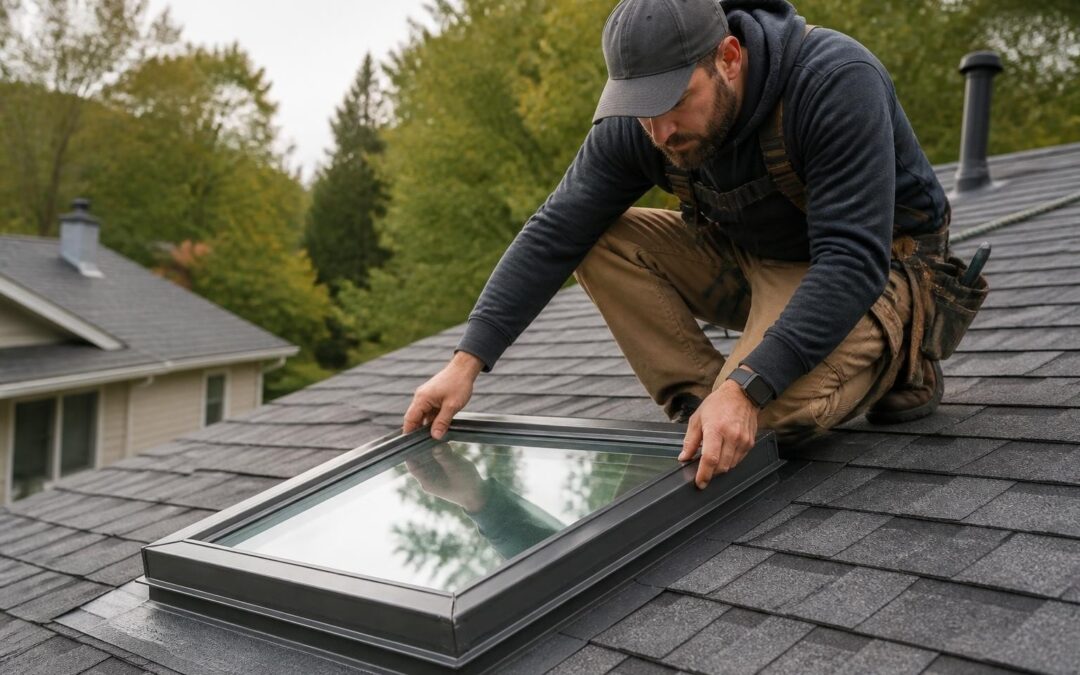
Installing or repairing a skylight requires specialized expertise that goes far beyond basic roofing knowledge. A qualified skylight contractor brings together roofing skills, waterproofing mastery, structural understanding, and familiarity with energy codes to deliver a skylight that enhances your home without compromising the roof's integrity. Whether you're adding natural light to a Los Angeles home or addressing leaks around an existing skylight, choosing the right professional makes the difference between years of trouble-free enjoyment and costly water damage repairs.
Understanding What a Skylight Contractor Does
A skylight contractor specializes in the complete lifecycle of skylight projects, from initial consultation and product selection through final installation and ongoing maintenance. These professionals assess your roof structure, determine optimal placement for natural light and ventilation, and execute installations that comply with building codes and manufacturer specifications.
Core Responsibilities and Expertise
The work of a skylight contractor encompasses multiple disciplines. They must understand roof framing to identify load-bearing members and create proper openings without compromising structural integrity. Waterproofing expertise is essential, as skylights create one of the most vulnerable penetration points in any roof system.
Professional contractors also navigate energy codes and performance standards. In California, the Title 24 energy requirements establish specific glazing and thermal performance criteria that directly impact skylight selection and installation methods.
Key responsibilities include:
- Conducting structural assessments and roof inspections
- Recommending appropriate skylight types for specific roof configurations
- Installing proper flashing systems and curb mounts
- Integrating skylights with existing roofing materials
- Ensuring compliance with local building codes
- Performing weatherproofing and sealing
- Providing warranty service and maintenance
Specialized Knowledge Areas
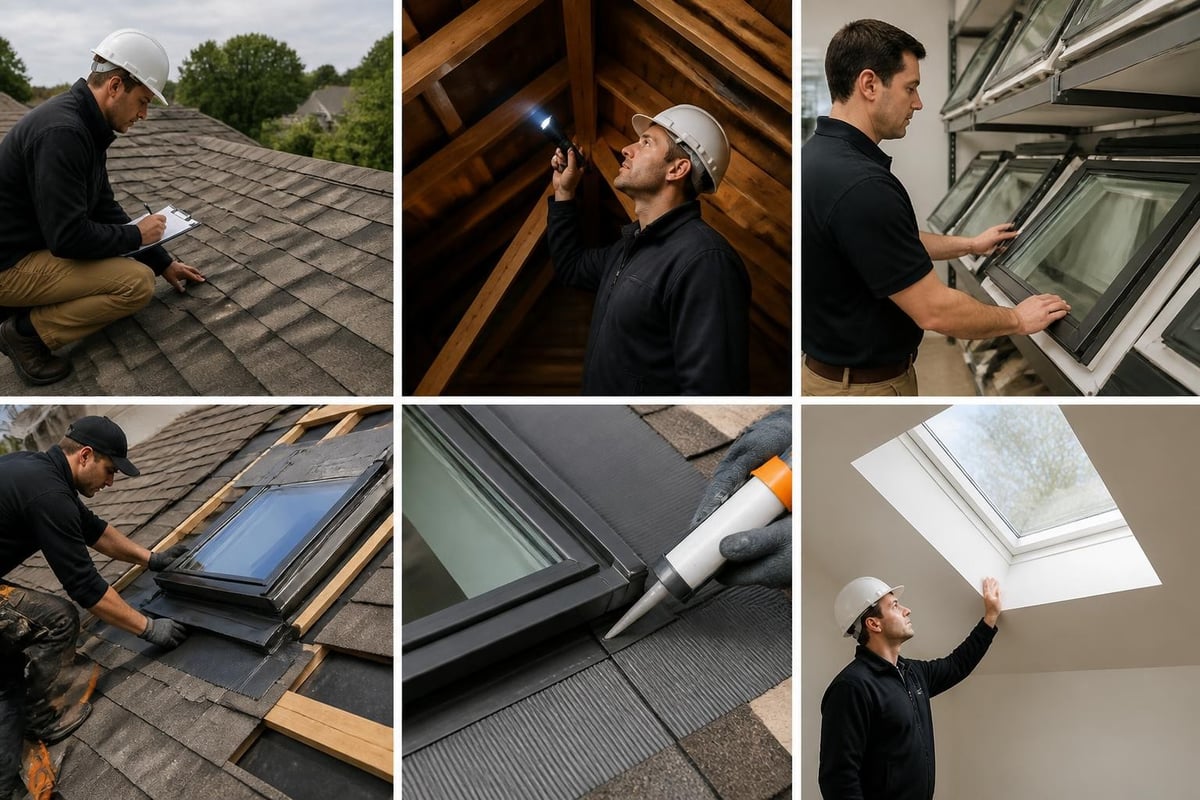
Beyond general roofing skills, a qualified skylight contractor maintains current knowledge of glazing technology, thermal performance metrics, and ventilation systems. They understand NFRC certified product ratings for U-factor, solar heat gain coefficient (SHGC), and visible transmittance, which determine how efficiently a skylight performs in your climate.
The contractor must also master different installation methods for various roof types. A tile roof installation differs significantly from asphalt shingle or metal roof applications, each requiring unique flashing details and waterproofing approaches.
Credentials and Qualifications to Verify
Not all roofing contractors possess the specialized skills required for skylight work. Verifying credentials protects your investment and ensures work meets professional standards.
Licensing and Insurance Requirements
In California, contractors performing skylight installation must hold a valid C-39 (roofing) contractor license. This state-level credential confirms the contractor has met experience requirements, passed technical examinations, and maintains proper bonding.
Essential coverage includes:
- General liability insurance protecting against property damage
- Workers' compensation covering employee injuries
- Umbrella policies providing additional protection
- Manufacturer certifications for specific skylight brands
Request copies of all insurance certificates and verify they remain current throughout your project. A professional skylight contractor willingly provides this documentation without hesitation.
Manufacturer Certifications and Training
Leading skylight manufacturers operate certification programs training contractors on proper installation techniques for their products. These programs ensure installers understand specific flashing systems, sealing methods, and warranty requirements.
Certified installers often access extended warranties unavailable through standard installations. When a skylight contractor maintains certifications with brands like VELUX, Solatube, or Sun-Tek, it demonstrates commitment to ongoing education and quality standards.
| Credential Type | What It Verifies | Why It Matters |
|---|---|---|
| State License (C-39) | Legal authority, bonding, experience | Protects against unlicensed work |
| General Liability | Financial protection for property damage | Covers installation errors |
| Manufacturer Certification | Product-specific training completion | Unlocks extended warranties |
| OSHA Safety Training | Workplace safety compliance | Reduces accident risk |
The Installation Process Explained
Understanding what a professional installation entails helps you evaluate contractor proposals and recognize quality work.
Pre-Installation Assessment
A thorough skylight contractor begins every project with comprehensive assessment. They examine roof structure, check attic framing, measure rafter spacing, and identify potential obstacles like wiring or HVAC components. This investigation determines whether your preferred skylight location works structurally and functionally.
The assessment phase covers:
- Roof pitch and orientation analysis
- Interior ceiling height and light well possibilities
- Existing insulation and vapor barrier conditions
- Ventilation requirements and options
- Energy performance goals and code compliance
During this phase, the contractor should discuss how different skylight types interact with your specific roof material. For homeowners with asphalt shingles roof systems, the contractor will explain integration methods that maintain the shingle warranty while creating weathertight seals around the new opening.
Structural Opening and Framing
Creating the roof opening requires precision carpentry. The skylight contractor cuts through roofing material, sheathing, and potentially rafters, then builds a framed opening using headers and trimmers that transfer loads to adjacent structural members.
Proper framing maintains roof strength while creating the exact opening dimensions specified by the skylight manufacturer. Even minor deviations can compromise flashing performance and void warranties.
Flashing and Waterproofing
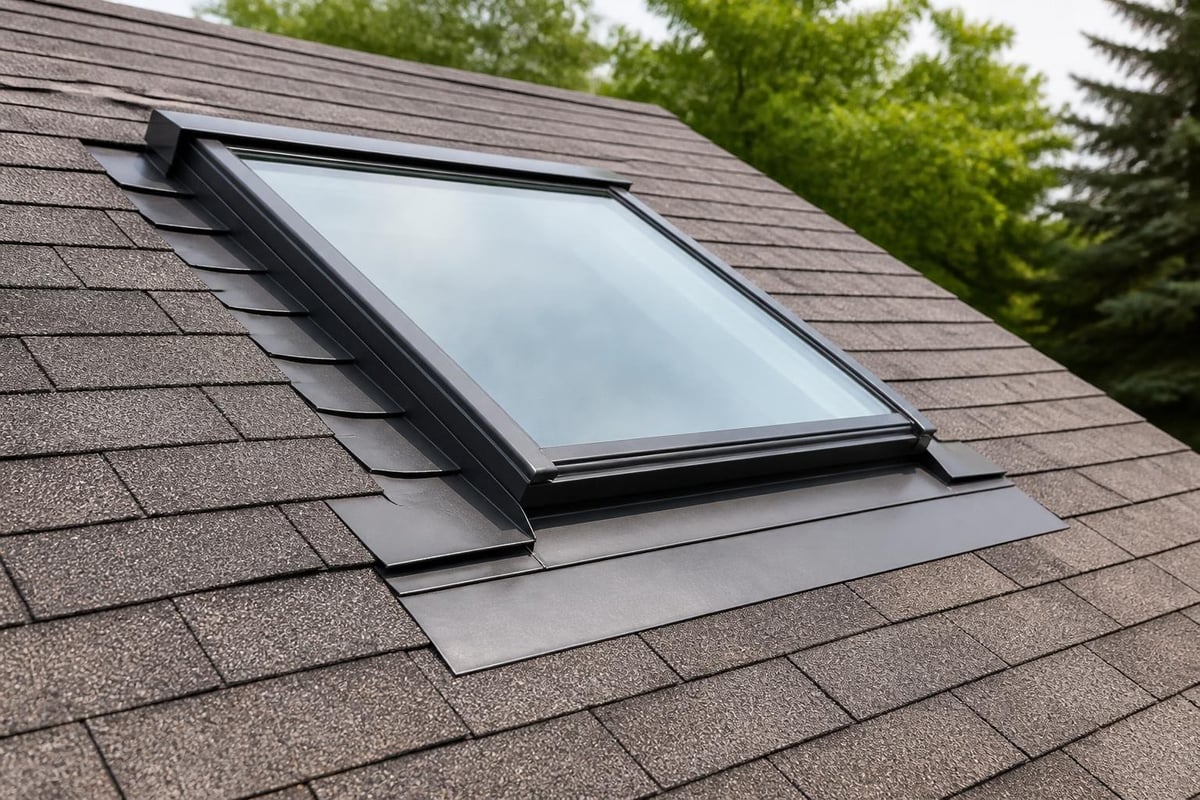
Flashing installation represents the most critical skill a skylight contractor provides. This multi-layered system directs water around and away from the skylight opening, preventing leaks that cause ceiling damage, mold growth, and insulation deterioration.
Professional flashing systems follow principles established by organizations like the National Roofing Contractors Association, which publishes technical guidelines for roof penetrations and waterproofing details.
Proper flashing includes:
- Base flashing sealing the lower skylight edge
- Step flashing integrated with roof material along sides
- Head flashing directing water over the upper edge
- Counter flashing providing secondary protection
- Ice and water shield in vulnerable areas
Each layer must overlap correctly, with materials compatible with both the skylight and roofing system. Metal flashing requires proper expansion joints, while self-adhered membranes need specific temperature ranges during application.
Cost Factors and Budget Planning
Skylight contractor pricing varies significantly based on project complexity, skylight type, roof configuration, and regional labor rates.
Installation Cost Components
Los Angeles area installation costs typically range from $1,500 to $4,000 for standard fixed skylights, with ventilating models, tubular units, and complex installations commanding different pricing structures.
| Cost Component | Typical Range | Variables Affecting Price |
|---|---|---|
| Labor | $800 – $2,500 | Roof pitch, accessibility, complexity |
| Skylight unit | $400 – $3,000 | Size, glazing, features, brand |
| Flashing kit | $150 – $400 | Material quality, custom fabrication |
| Structural modifications | $200 – $1,000 | Framing requirements, reinforcement |
| Finishing/drywall | $300 – $800 | Light well depth, trim details |
Higher-end projects incorporating light wells, decorative finishes, or multiple units increase costs substantially. However, investing in quality installation protects against far more expensive water damage repairs.
Value vs. Cost Considerations
The least expensive skylight contractor rarely delivers the best value. Bargain installations often skip critical waterproofing steps, use inferior materials, or fail to meet structural performance standards like ASTM E330 for wind-load resistance.
Quality installation delivers:
- Leak-free performance over decades
- Maintained manufacturer warranties
- Proper energy efficiency matching design intent
- Code compliance avoiding future complications
- Resale value enhancement
Professional contractors provide detailed written estimates breaking down all costs, materials specifications, and warranty terms. This transparency enables meaningful comparison between proposals.
Common Installation Challenges
Even experienced skylight contractors encounter situations requiring problem-solving and advanced techniques.
Roof Type Complications
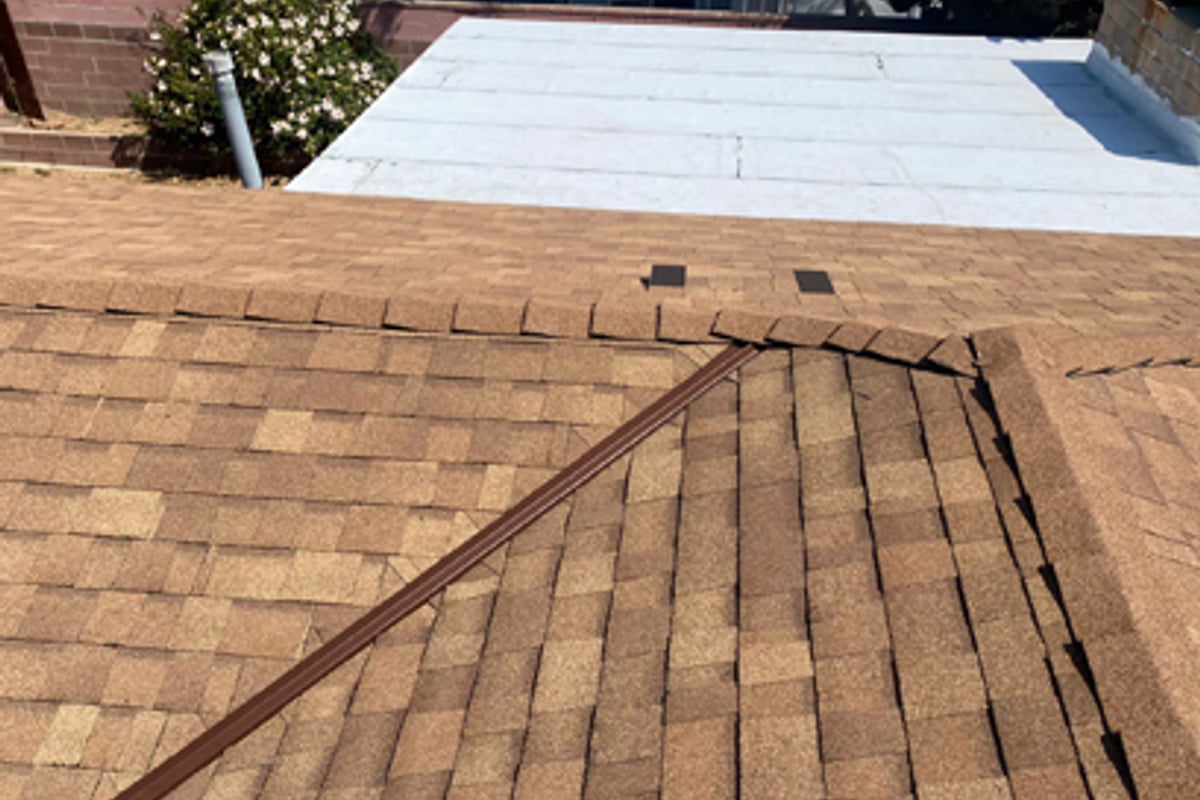
Different roofing materials present unique installation challenges. Tile roofs require custom curb heights and careful tile integration to maintain the roof's appearance and weather resistance. Metal roofs demand specialized flashing compatible with thermal expansion. Flat or low-slope roofs need curb-mounted systems with specific waterproofing details different from steep-slope installations.
A skilled skylight contractor anticipates these material-specific requirements during the estimation phase, avoiding surprises during installation.
Structural Obstacles
Discovering unexpected framing members, HVAC ducts, or electrical wiring sometimes necessitates adjusting the planned skylight location. Professional contractors maintain flexibility in their approach, identifying alternative positions that preserve structural integrity while achieving desired daylighting goals.
Common obstacles include:
- Ridge beams or collar ties limiting placement options
- Roof trusses requiring engineering review before modification
- Inadequate rafter spacing for standard skylight dimensions
- Existing ventilation systems conflicting with new openings
These challenges underscore why thorough pre-installation assessment proves essential for successful outcomes.
Weather and Climate Factors
Los Angeles contractors must account for intense solar exposure, occasional heavy rains, and seismic activity when installing skylights. Proper glazing selection manages heat gain while preserving natural light benefits. Flashing systems must withstand thermal cycling and occasional seismic movement without developing leaks.
The ASHRAE Handbook guidance on fenestration provides engineering data helping contractors select appropriate products and installation details for specific climate zones and solar orientations.
Evaluating Contractor Proposals
Comparing skylight contractor quotes requires looking beyond bottom-line pricing to understand what each proposal actually includes.
Proposal Elements to Compare
Comprehensive proposals specify exact products, installation methods, warranty terms, and project timeline. Vague descriptions like "standard installation" or "industry-standard materials" lack the detail needed for meaningful evaluation.
Well-documented proposals include:
- Specific skylight model numbers and specifications
- Detailed material lists with brand names
- Step-by-step installation methodology
- Timeline with weather contingencies
- Warranty coverage for labor and materials
- Payment schedule tied to completion milestones
- Permits and inspection coordination
Request clarification on any unclear items before signing contracts. Professional contractors welcome questions and provide thorough explanations.
Red Flags to Avoid
Certain warning signs indicate contractors you should avoid. Unlicensed operators, those demanding full payment upfront, or contractors unwilling to provide references deserve immediate disqualification from consideration.
Additional concerns include proposals significantly below market rates, reluctance to specify exact products, missing insurance documentation, or pressure tactics rushing your decision. Quality skylight contractors build businesses on reputation and referrals, not high-pressure sales techniques.
Maintenance and Long-Term Performance
Even perfectly installed skylights require ongoing attention to maintain performance and prevent problems.
Routine Inspection Schedule
Annual inspections identify minor issues before they escalate into expensive repairs. Your skylight contractor can perform these inspections or train you to conduct basic checks yourself.
Inspection checklist:
- Examine flashing for separation or damage
- Check interior seals for gaps or deterioration
- Test ventilating models for proper operation
- Clear debris from surrounding roof areas
- Inspect glazing for cracks or seal failure
- Verify proper insulation contact around the frame
Schedule professional inspections after severe weather events or when you notice condensation, drafts, or staining around skylight perimeters.
Common Repair Needs
Most skylight problems stem from flashing deterioration, seal failure, or damage to surrounding roofing materials. A qualified skylight contractor diagnoses root causes rather than merely addressing symptoms.
Condensation issues often indicate ventilation problems or incorrect installation of vapor barriers. Leaks may originate from failed sealants, damaged flashing, or ice dam formation in cold climates. Professional assessment determines whether repairs or replacement provides the better solution.
Working with Roofing Companies
Many homeowners wonder whether to hire specialized skylight installers or full-service roofing companies offering skylight services.
Integrated Roofing and Skylight Services
Reputable roofing companies like Proof Your Roof employ skilled professionals capable of handling both roof work and skylight installation as integrated projects. This approach offers advantages when installing skylights during roof replacement, ensuring perfect coordination between systems.
Coordinated installation eliminates potential warranty conflicts and ensures flashing integrates seamlessly with the roofing system. A single contractor manages both scopes, simplifying communication and accountability.
Specialized vs. General Contractors
Some situations benefit from specialized skylight contractors, particularly for complex custom installations, difficult repairs, or high-end architectural skylight systems. These specialists maintain deep expertise with specific products and challenging applications.
However, for standard residential installations coordinated with roofing work, experienced roofing companies often provide excellent results with the added convenience of consolidated project management. Verify that any contractor, whether specialized or general, maintains specific skylight installation experience and appropriate certifications.

Energy Efficiency and Code Compliance
Modern skylight installations must meet increasingly stringent energy codes while delivering desired natural light and ventilation.
California Energy Standards
California's Title 24 energy code establishes specific requirements for skylight U-factor, SHGC, and area limitations relative to floor space. These standards vary by climate zone, affecting product selection for Los Angeles installations differently than northern California projects.
A knowledgeable skylight contractor stays current with code updates and helps you select products meeting requirements without sacrificing performance or aesthetics. They understand that compliance involves not just product specifications but also proper installation maintaining rated performance.
Performance Optimization
Beyond minimum code compliance, optimizing skylight energy performance reduces utility costs and enhances comfort. Strategic placement considering solar orientation, appropriate glazing selection for southern California climate, and proper integration with insulation and air sealing all contribute to efficient performance.
Professional contractors use resources like the NFRC certified product directory to identify skylights with verified performance ratings, ensuring you receive products that deliver promised efficiency rather than relying solely on marketing claims.
Questions to Ask Before Hiring
Thorough contractor vetting protects your investment and ensures satisfactory outcomes.
Experience and References
Ask how many skylight installations the contractor completes annually and request examples of projects similar to yours. Speaking with previous clients provides insights into work quality, professionalism, communication, and problem-solving abilities.
Essential questions include:
- How many years have you specialized in skylight installation?
- What training and certifications do you maintain?
- Can you provide five recent references I can contact?
- Have you worked with my specific roof type before?
- What manufacturers do you recommend and why?
- How do you handle unexpected complications?
- What does your warranty cover and for how long?
Pay attention not just to answers but to how contractors respond. Defensive reactions or vague responses indicate potential problems, while confident, detailed answers demonstrate expertise and transparency.
Project Management Approach
Understanding how the contractor manages projects helps set realistic expectations. Ask about crew size, typical project duration, supervision practices, and communication protocols. Clarify who serves as your primary contact and how quickly they respond to questions or concerns.
Discuss cleanup procedures, material disposal, and property protection measures. Professional contractors minimize disruption and leave work sites clean daily.
Selecting a qualified skylight contractor determines whether your investment delivers decades of natural light and enhanced living spaces or years of frustration and repairs. The expertise, credentials, and attention to detail you verify before hiring directly impact long-term performance and satisfaction. For Los Angeles homeowners seeking skylight installation integrated with quality roofing services, Proof Your Roof brings the specialized knowledge and comprehensive capabilities needed to deliver outstanding results that enhance your home's value and comfort for years to come.